In modern industrial and commercial construction, structural integrity and fast cycles are everything. Traditional timber formwork is rapidly giving way to metallic formwork systems. According to global construction databases, metallic formwork systems (primarily engineered steel and high-tensile aluminum alloys) now represent more than 60% of the market share in major civil engineering projects. As urban spaces require taller structures and civil infrastructure calls for bridges, highways, and tunnels designed to last centuries, construction companies require forms that guarantee accuracy down to the millimeter.
The industrial demand is driven by three core pillars: durability, recyclability, and speed. Plywood forms fail after 5 to 10 uses, creating immense waste and inconsistent finishes. In contrast, heavy-duty steel formwork systems, manufactured by certified factories like Hebei Shuangyang Metal Structure Co., Ltd., offer a service life exceeding 15 to 20 years, with over 300 reuses. This is a massive cost-saving measure for global builders and an environmental imperative as green building standards (LEED, BREEAM) tighten globally.
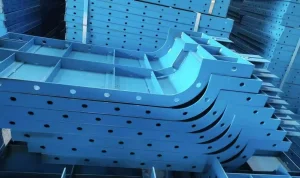
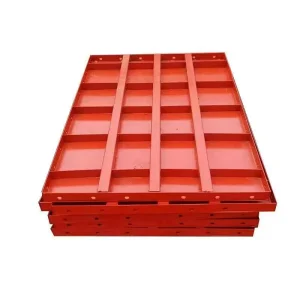
High-load applications such as high-rise cores, modular precast factories, and transit hubs require concrete pressures that shatter conventional framing. Steel formwork distributes lateral hydrostatic concrete pressure evenly. Engineered from high-strength grades such as Q235, Q345, or Q355B structural steel, these metallic formwork plates minimize deflection, ensuring that structural tolerances remain well within code limitations. This structural stiffness is a safety absolute for engineers supervising large pours.
Zhuozhan Group represents the pinnacle of concrete formwork and scaffolding manufacturing, seamlessly merging scientific research, advanced metallurgy, and international trade operations. With dynamic subsidiaries including Laoting Zhuozhan International Trade Co., Ltd. and Hebei Shuangyang Metal Structure Co., Ltd. (founded in 2014), the group provides an unbroken chain from layout design to site delivery.
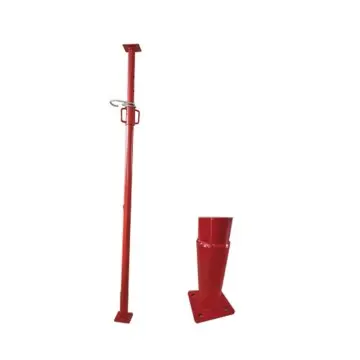
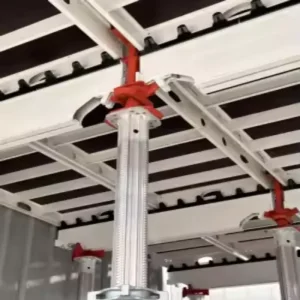
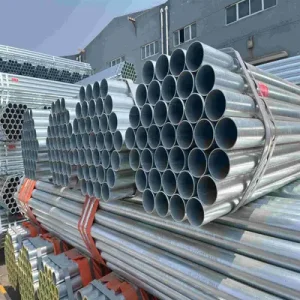
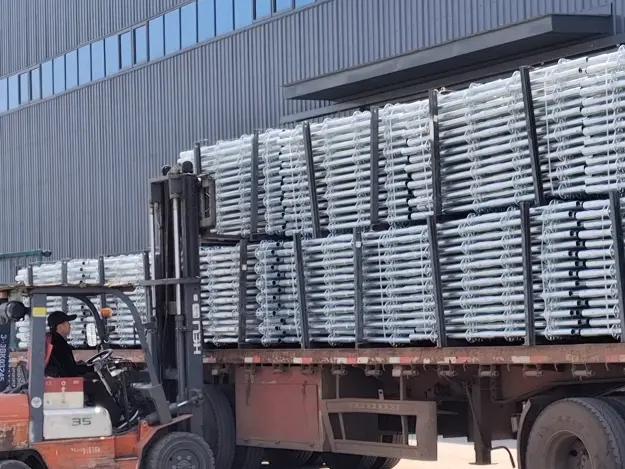
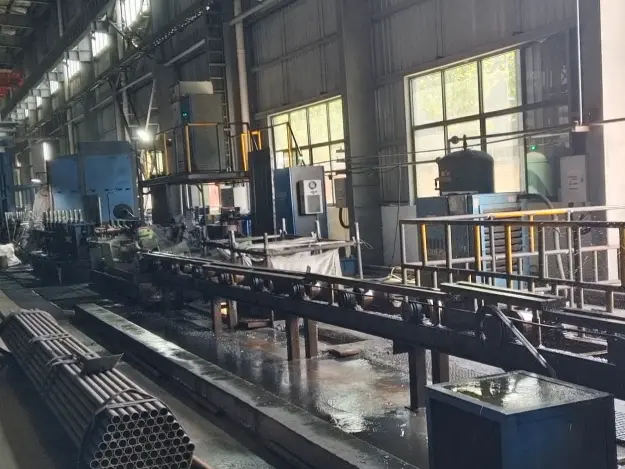
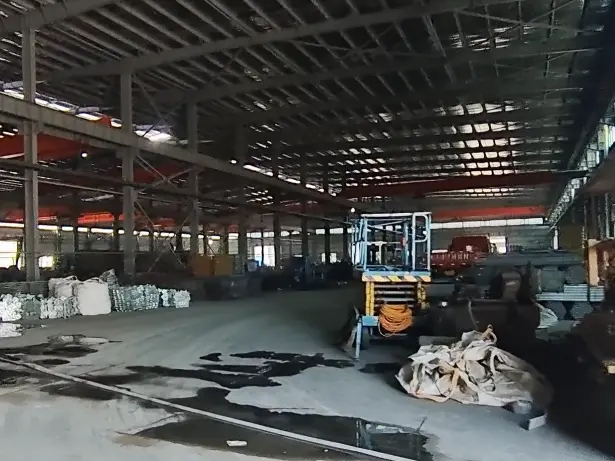
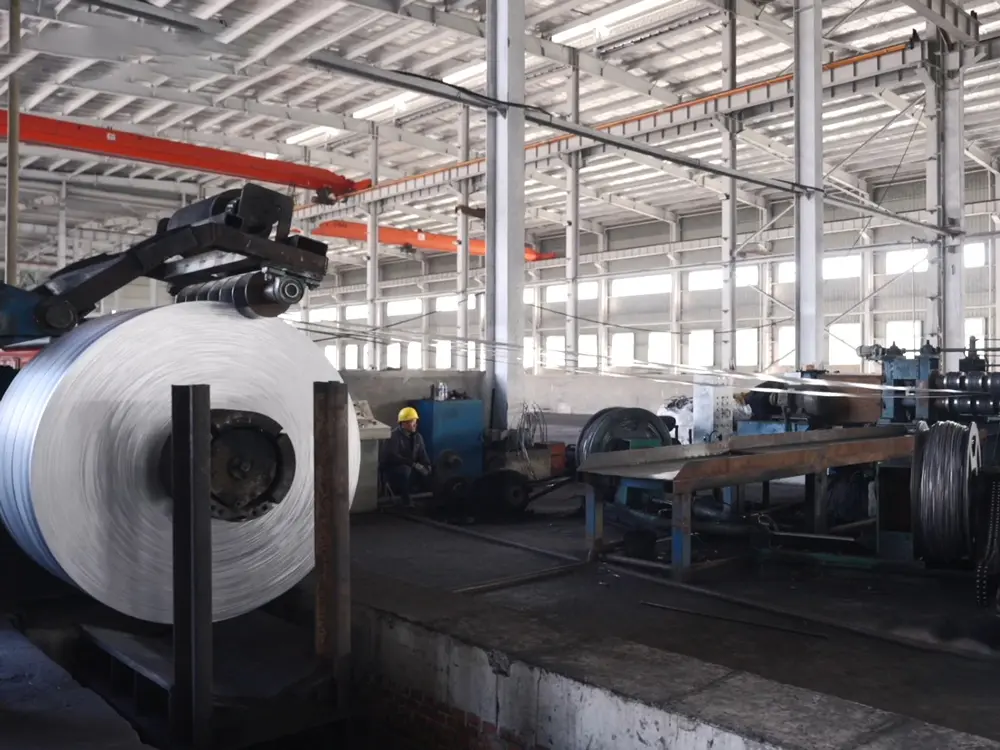
Located near three major Chinese maritime hubs (Jingtang Port, Caofeidian Port, and Tianjin Port), Zhuozhan Group provides unparalleled logistics speed to Asia, Europe, North America, and Africa. Operating out of a massive 40,000 square meter factory space with an annual production capacity exceeding 300,000 tons of structural steel pipes, 1,000,000 tons of structural scaffolding, and 400,000 tons of adjustable steel shoring props, Zhuozhan is equipped to supply the largest mega-projects in the world.
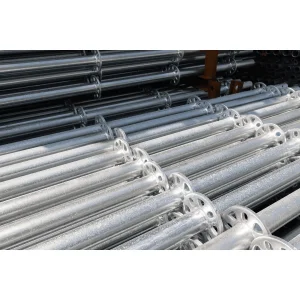
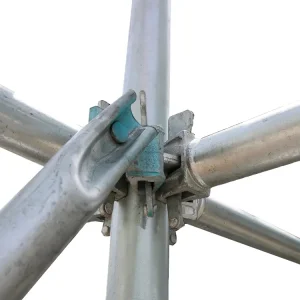
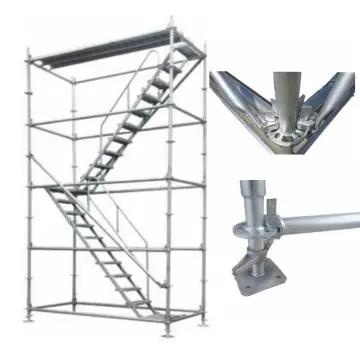
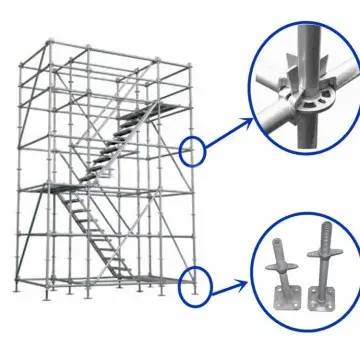
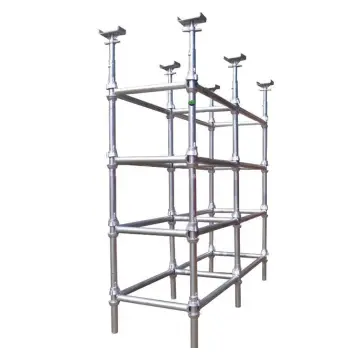
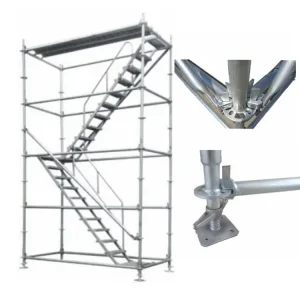
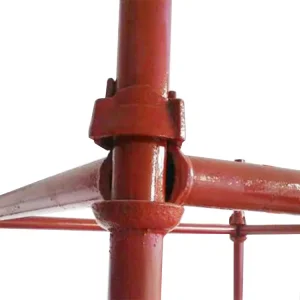
Our structural components and ringlock scaffolding systems hold international quality certifications (EN 12810/12811, ISO 9001). Hot-dip galvanization guarantees corrosion resistance for over 15 years.
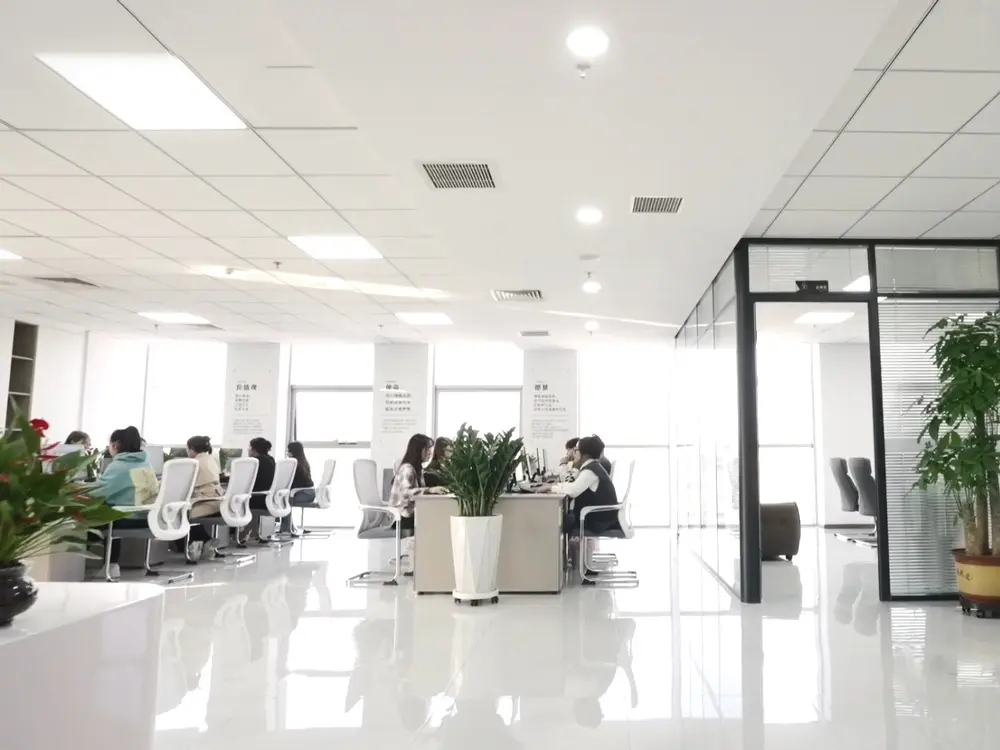
Backed by a design team of more than 20 structural engineers, we develop custom formwork layouts tailored to specific project geometries and load distribution requirements.
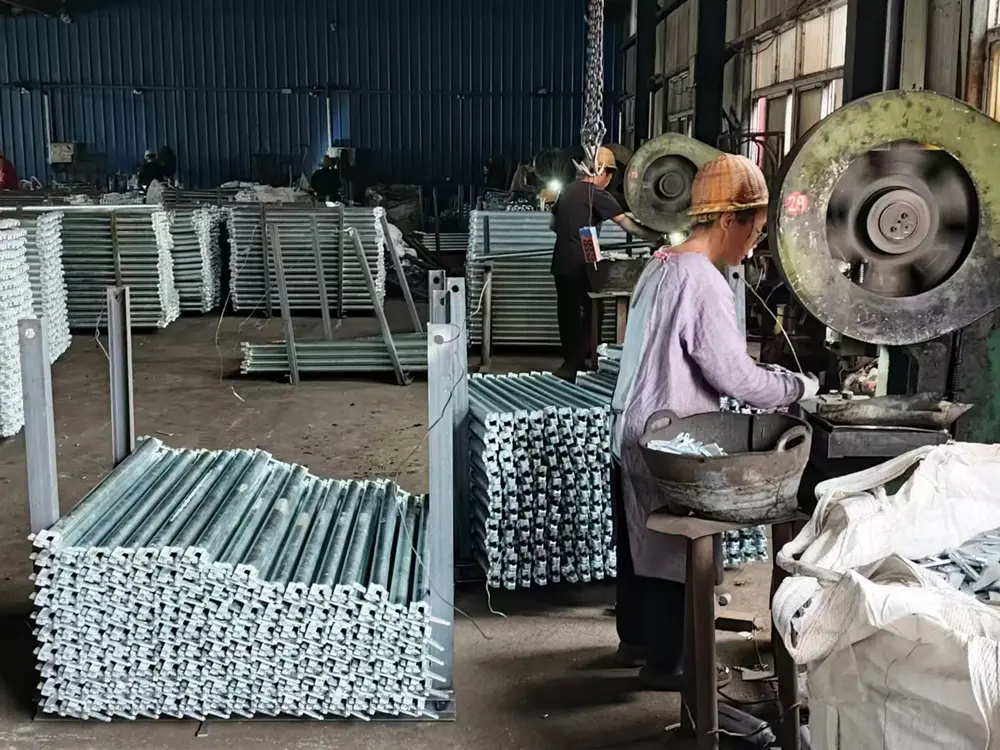
With 150+ sets of advanced heavy machining equipment and multiple production lines, we ensure steady lead times and consistent product tolerances (±1mm) for volume orders.
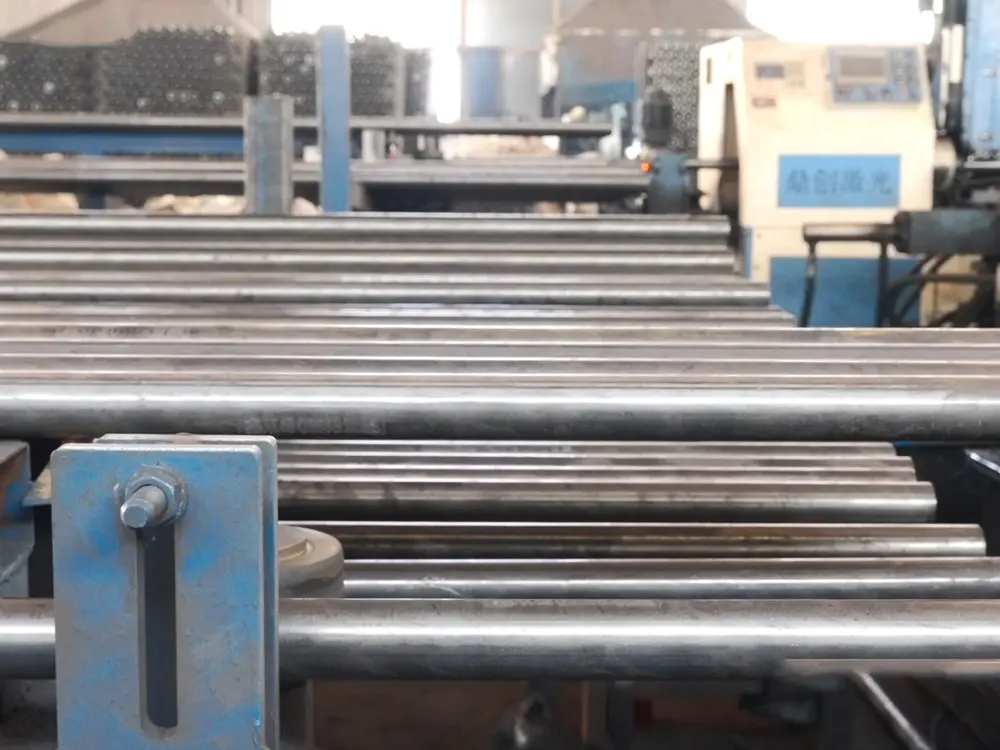
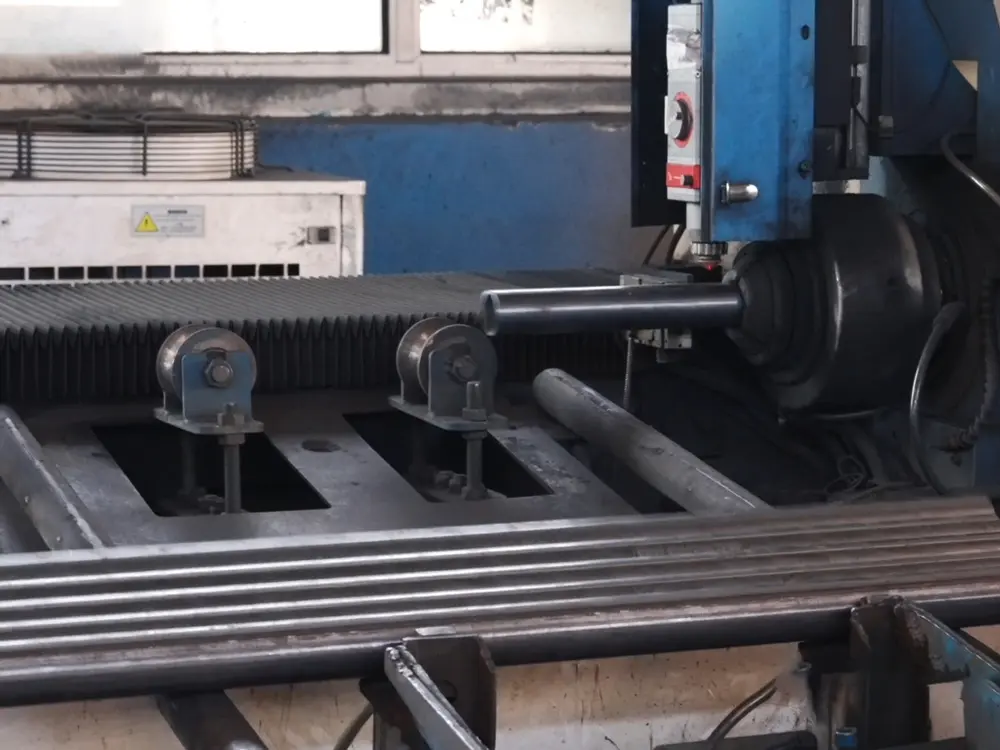
A major indicator of a reputable factory is its production control and compliance with modern environmental policies. Zhuozhan Group implements strict environmental management at key nodes of the vertical and horizontal structural rod lines. Below is our raw material processing and manufacturing routing.
Deployment of high-capacity steel support shoring props to withstand high dynamic loads from structural platform expansion.
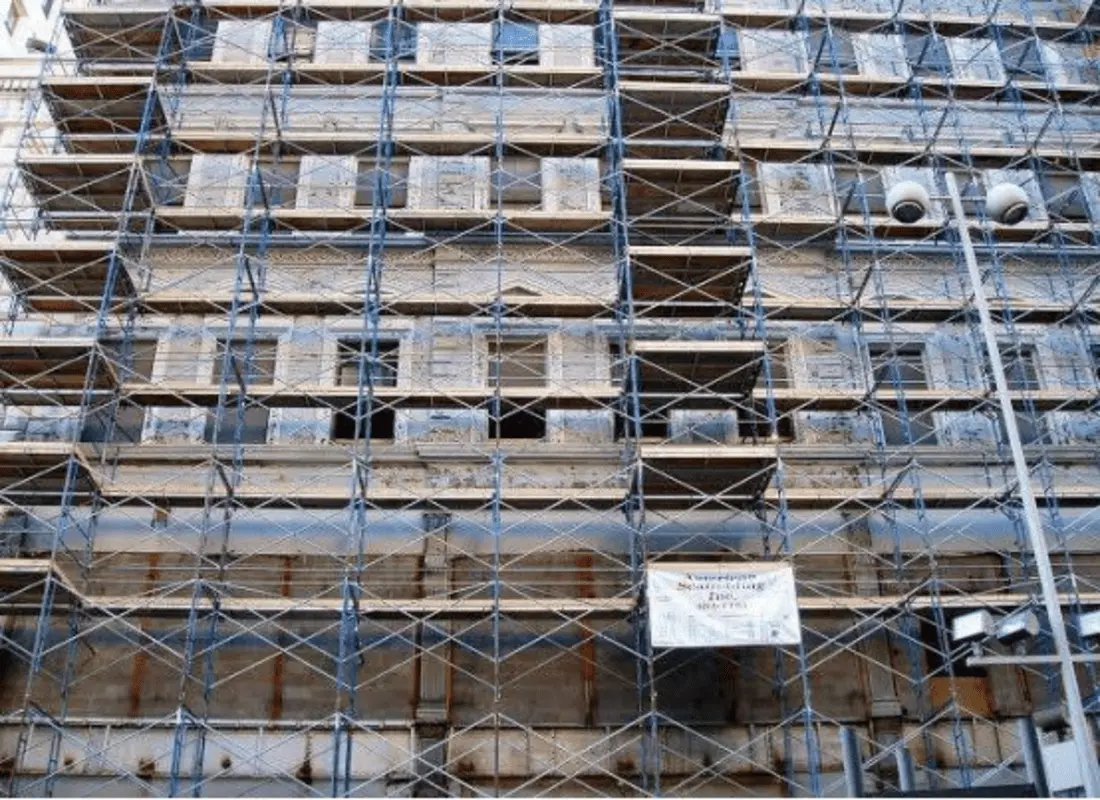
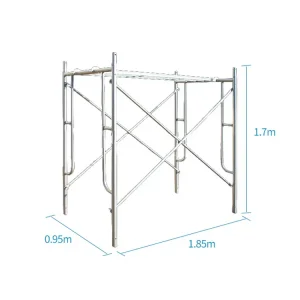
Customizable, lightweight frame scaffold systems used for facade preservation on sensitive historic masonry structures.
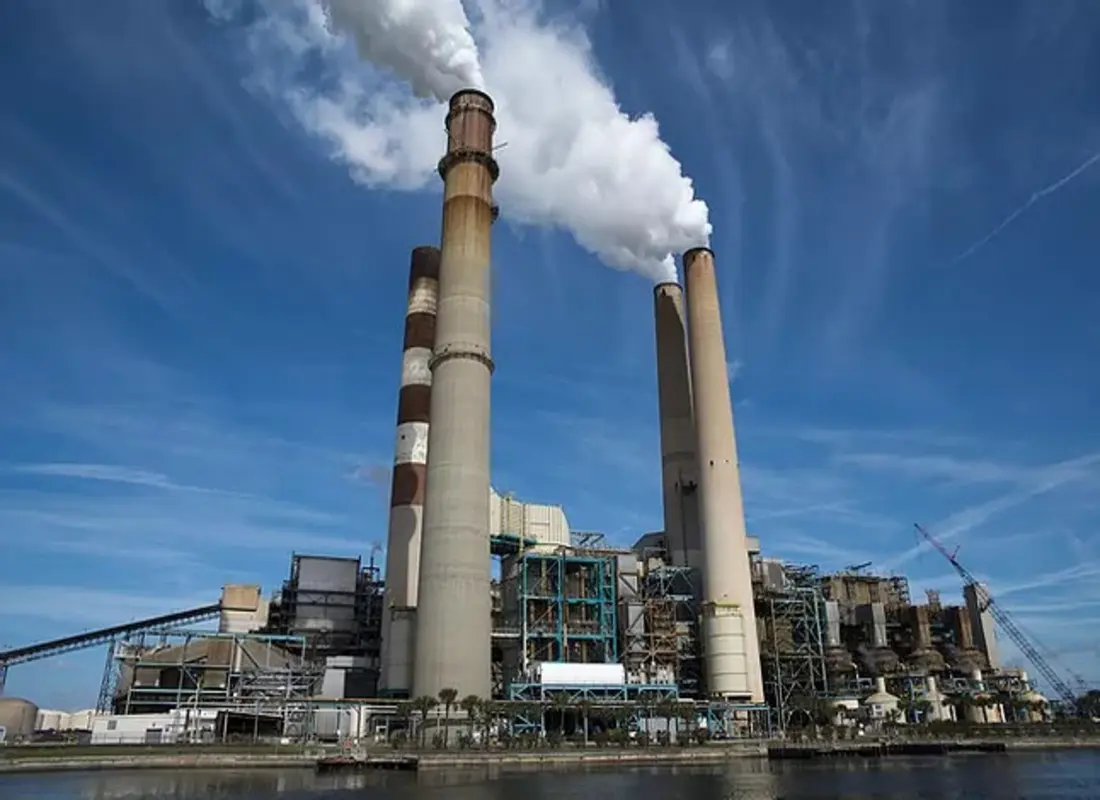
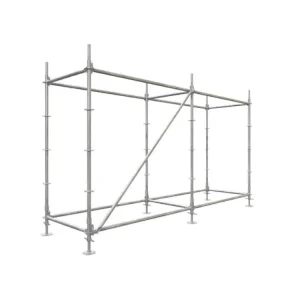
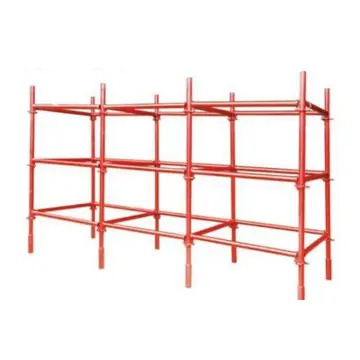
Heavy-duty Cuplock scaffold support tower layout configured to support monolithic boiler platform foundations during casting.
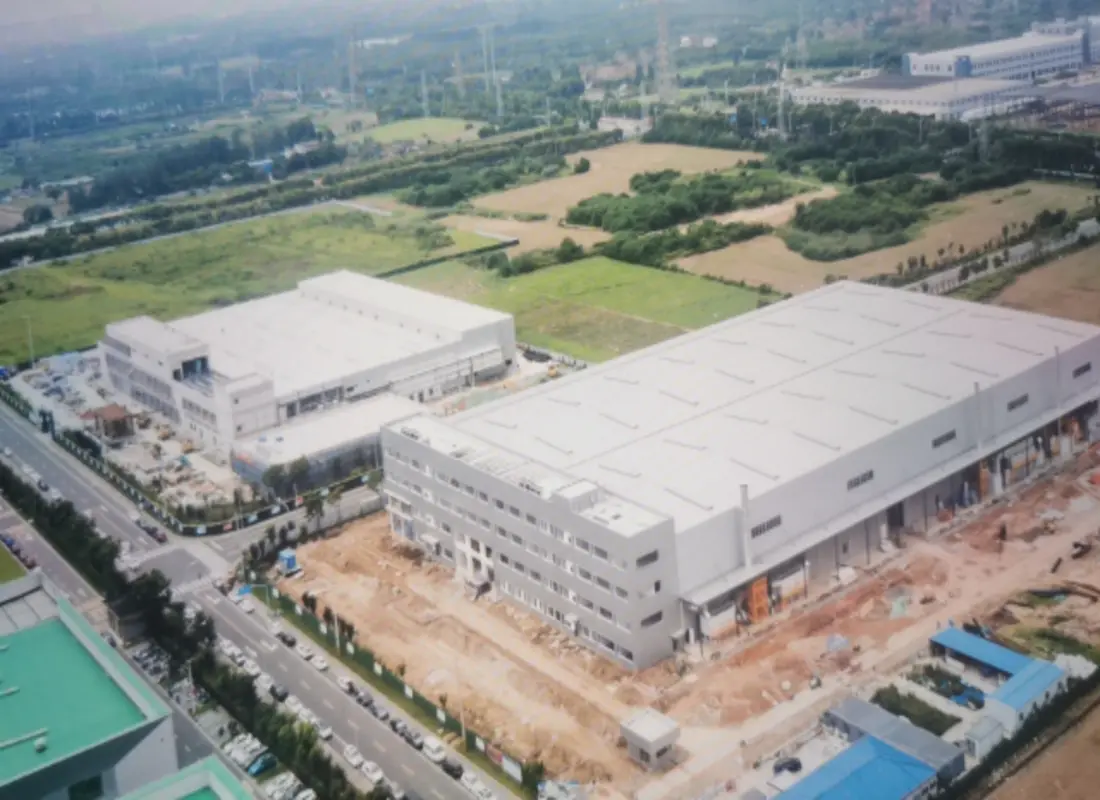
Implementation of high-clearance Ringlock scaffolding platforms to facilitate overhead utility piping and structural detailing.
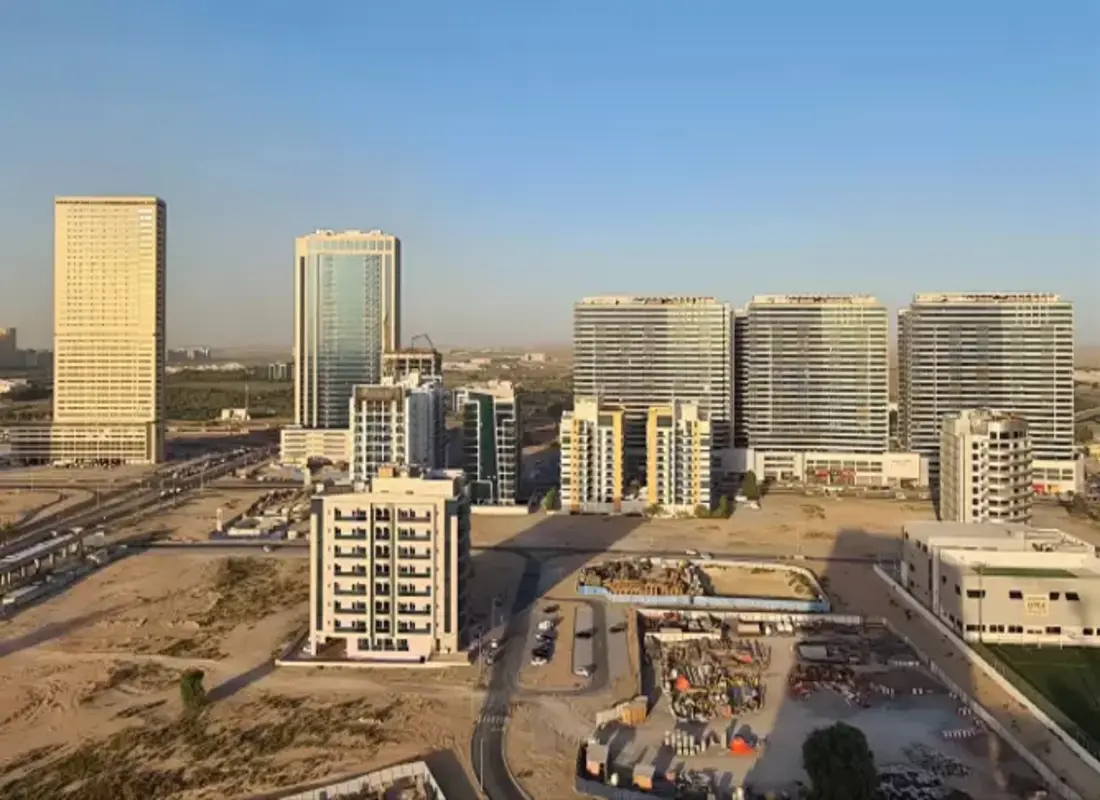
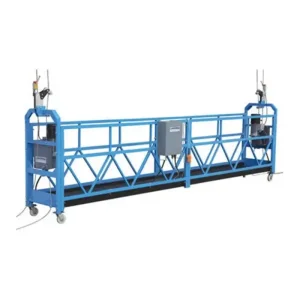
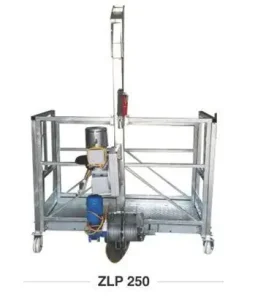
Custom heavy-duty suspended and platform systems configured for extreme wind loads during facade cladding cycles.
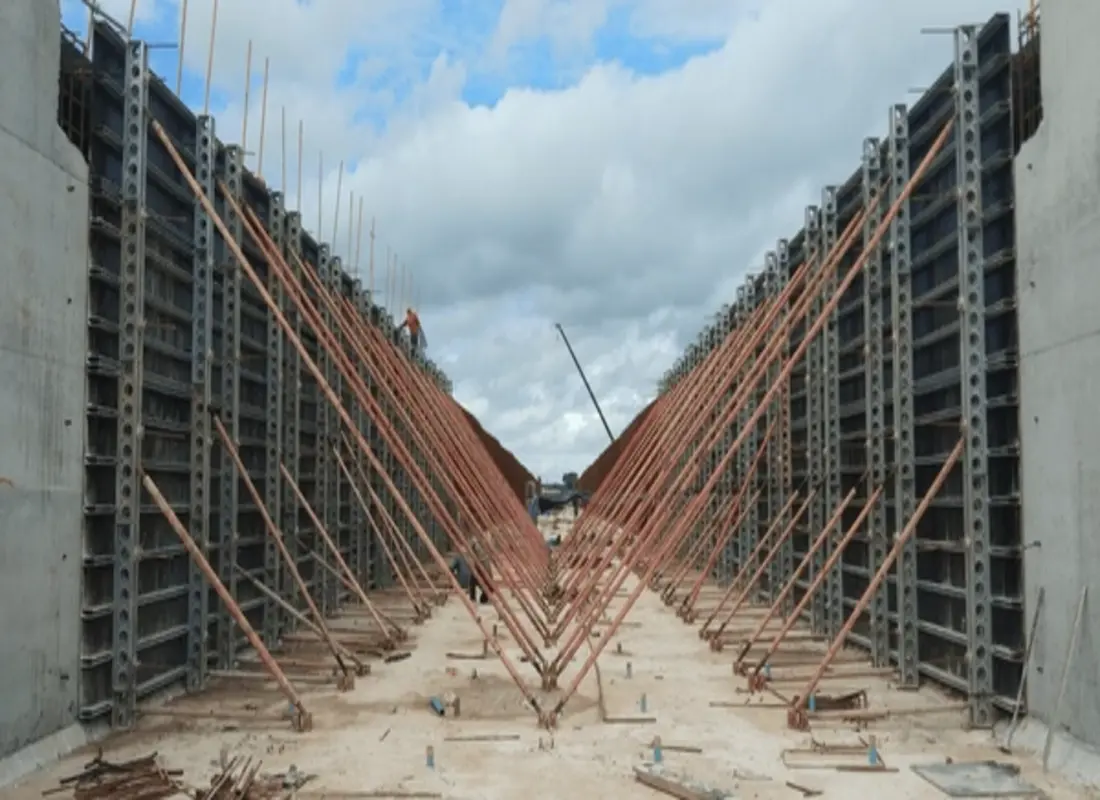
Engineered steel formwork modules deployed for monolithic cast-in-place hollow box girders under river environment conditions.
As the construction industry transitions toward smart building practices and carbon-neutral materials, concrete formwork is undergoing a parallel evolution. The future of formwork relies on three technological axes: composite metallurgy, BIM-connected dynamic engineering, and integrated sensor nodes.
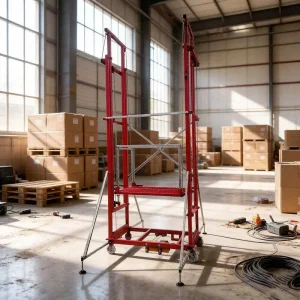
While carbon steel (Q235/Q345) remains the workhorse for heavy civil shoring due to its high load capacity and low price point, structural aluminum-silicon alloys (like those used in the ODM Multiprop aluminum shoring tower) are increasingly selected for commercial vertical assemblies. These alloys reduce section weight by up to 45% while preserving shear capacity, allowing laborers to execute assembly cycles without cranes. The next milestone is the integration of high-density polymers bonded to steel frame cores, preventing concrete adhesion and eliminating chemical release agents.
Modern mega-projects are designed in detailed 3D BIM environments. Zhuozhan is designing formwork elements that import straight into Autodesk Revit and Tekla Structures. This allows field layout engineers to run structural load simulations and verify center-of-gravity placements prior to placing orders, reducing design margins of error to near zero. Custom formwork layouts can be cut via CNC machinery directly from digital files, streamlining factory tooling processes.
The most significant safety hazard during concrete pours is formwork failure due to localized pressure imbalances. The technology roadmap points to the inclusion of strain-gauge sensors embedded directly in key structural rosettes and formwork panels. These sensors transmit real-time deflection data to site managers' mobile tablets during the concrete pour, flagging pressure issues before failures occur. This dynamic safety monitoring will eventually become a standard requirement in dense urban centers.
 Zhuozhan