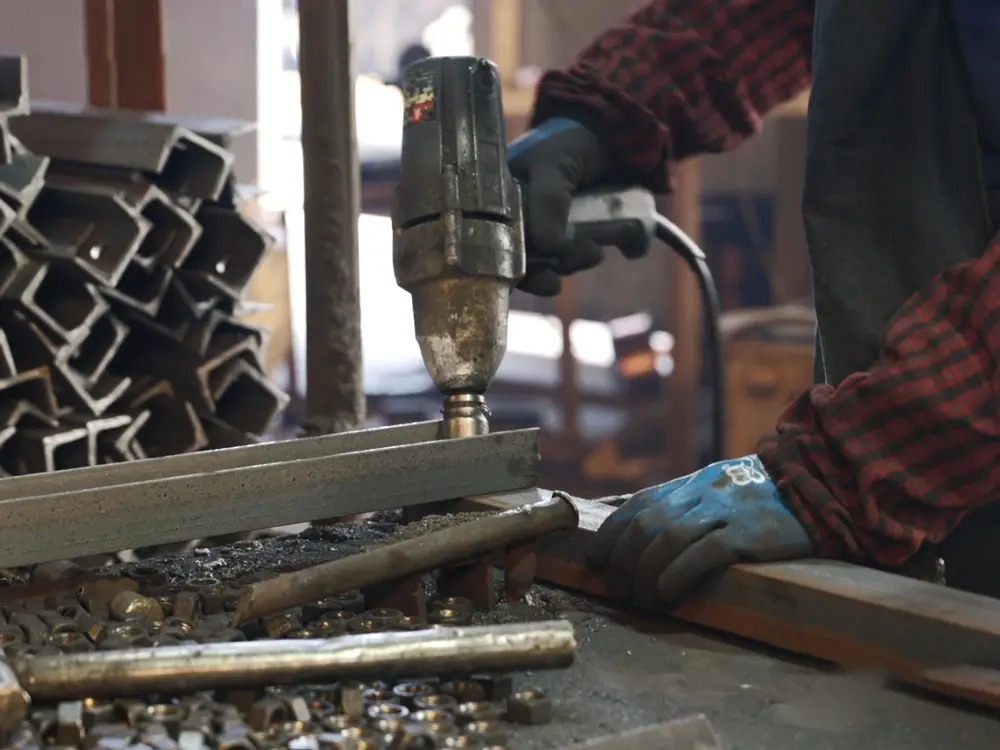
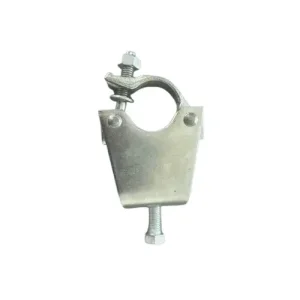
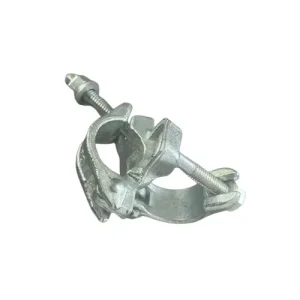
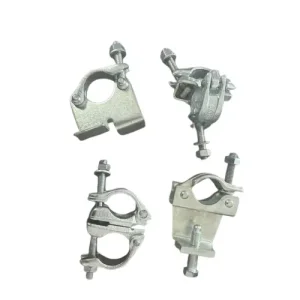
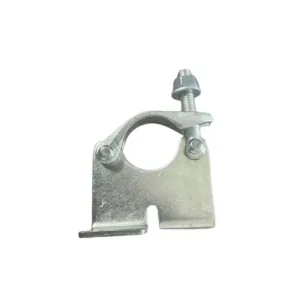
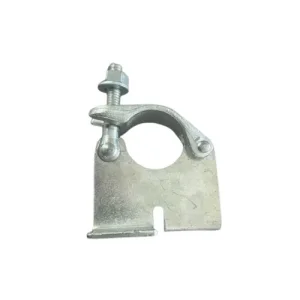
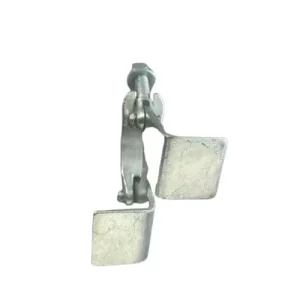
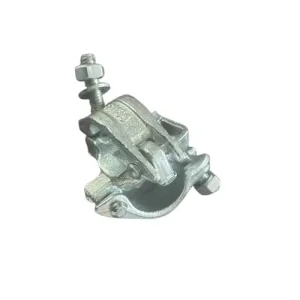
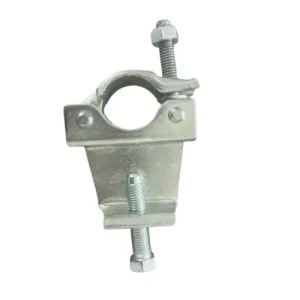
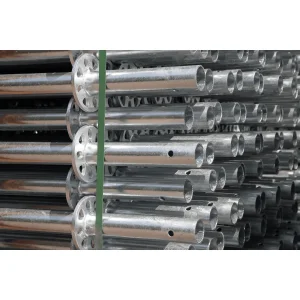
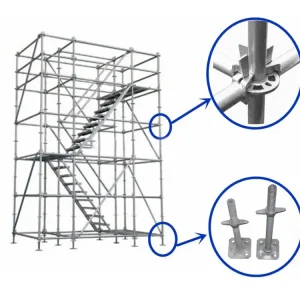
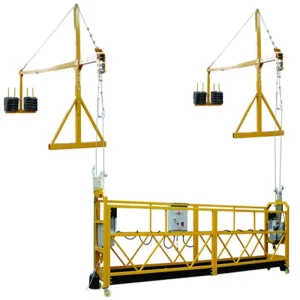
Scaffold Fastener Exporters & Manufacturers

Global Construction Engineering Partner Specializing in High-Strength, Certified Scaffolding Couplers, Ringlock Systems & Heavy-Duty Structural Fastening Solutions

Global Commercial & Industrial Landscape

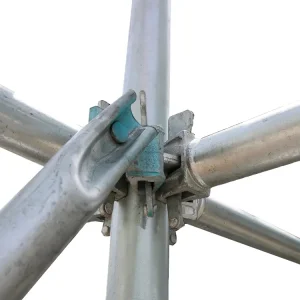
In the modern era of high-speed urban development and mega-infrastructure construction, the structural integrity of scaffolding systems stands as a non-negotiable metric of workspace safety and project efficiency. Scaffold fasteners (often referred to as couplers, clamps, or joints) serve as the fundamental mechanical anchors securing steel and aluminum scaffold structures. These devices transmit critical axial and torsional loads between ledgers, standards, and bracing configurations.

Whether executing vertical civil projects in North America, deep offshore marine retrofits in Europe, or high-density residential developments across Southeast Asia, international engineering mandates necessitate compliance with rigorous harmonized codes. The global supply network for scaffolding components is shifting away from low-strength cast irons toward high-performance, drop-forged carbon steels and micro-alloyed structural materials. For modern procurement directors, selecting the right partner means prioritizing raw material traceability, verified yield performance, and advanced corrosion protection.

Zhuozhan Group & Shuangyang Metal Structure

Empowering global construction with high-precision metallurgy and massive industrial production capacity.

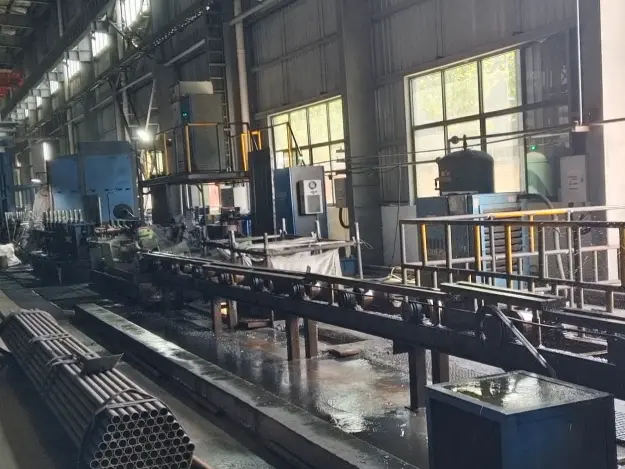
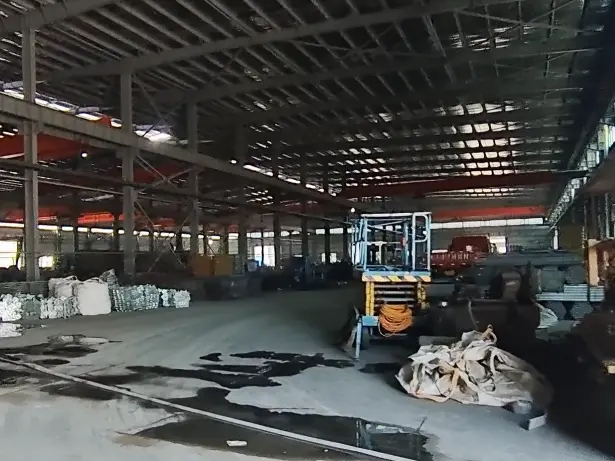
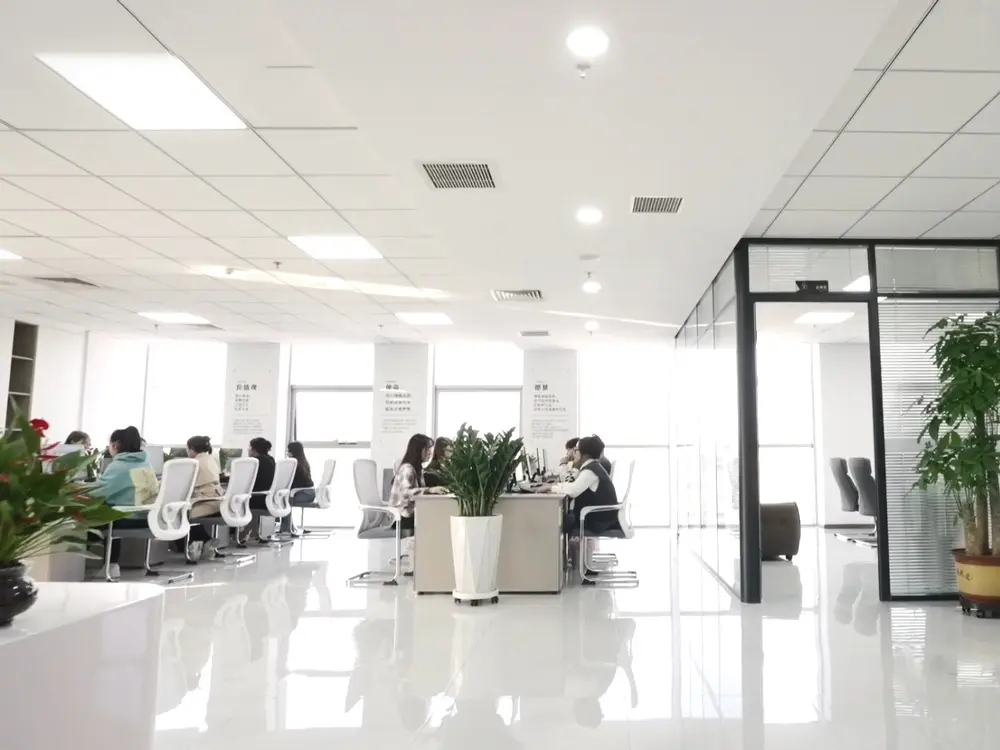
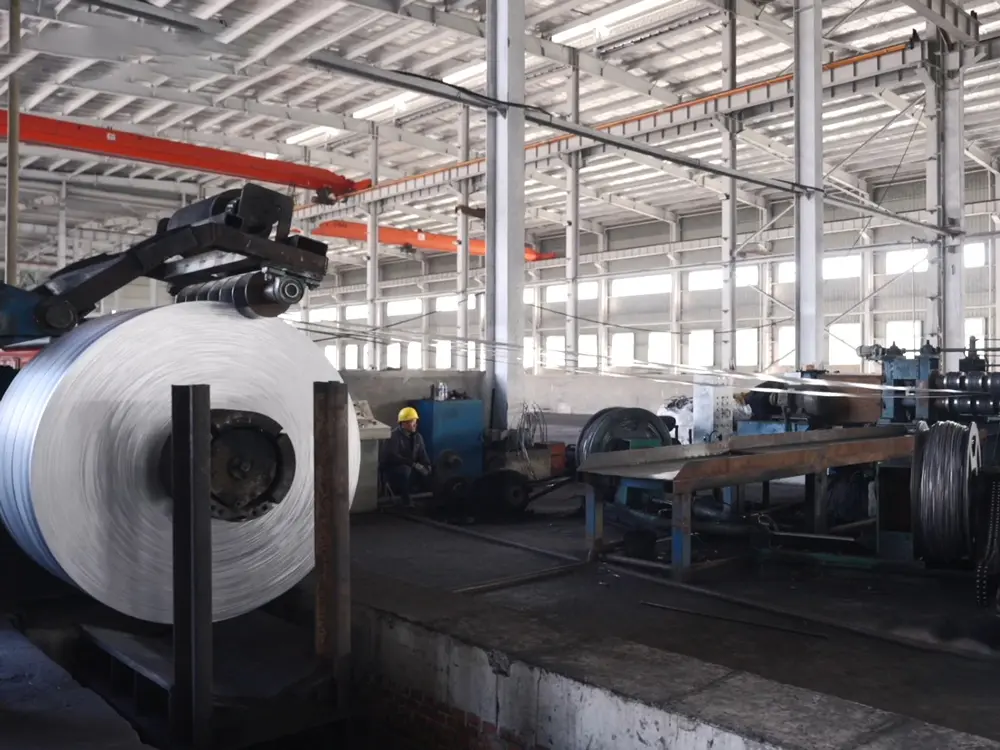
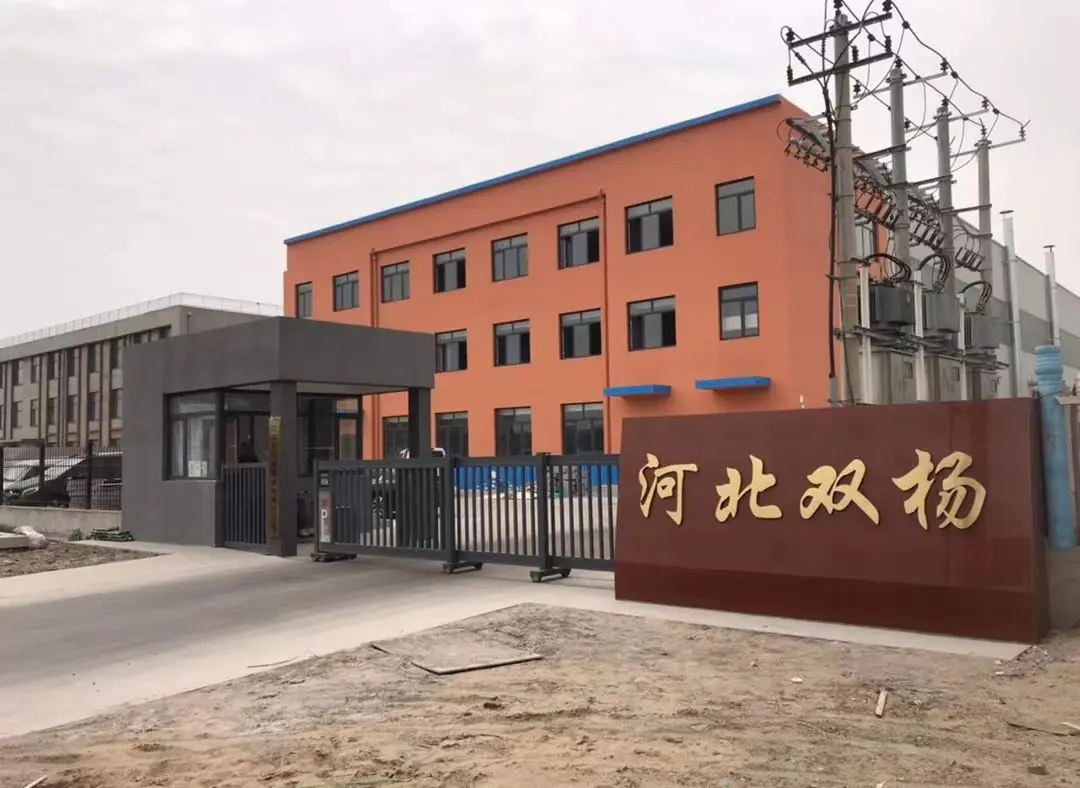
Zhuozhan Group is a diversified and innovative enterprise that seamlessly integrates scientific research, manufacturing, and sales. With a robust portfolio of subsidiaries, including Laoting Zhuozhan International Trade Co., Ltd. and Hebei Shuangyang Metal Structure Co., Ltd., Zhuozhan Group has firmly established itself as a key player in the construction and manufacturing industries. Founded in 2014, Hebei Shuangyang Metal Structure is a pivotal subsidiary that has rapidly advanced to the forefront of the industry, occupying a total area of 13,132.68 square meters, with a construction area of 7,124.58 square meters.

2014
Established Year
13,132㎡
Total Factory Area
15+
National Patents Secured
500+
Highly Skilled Employees
300,000T
Annual Steel Pipe Output
1,000,000T
Annual Scaffolding Output
400,000T
Adjustable Steel Supports

China Supply Chain Optimization & Structural Superiority

How our localized industrial clusters and vertical manufacturing lines deliver unmatched global value.

Cost-Effectiveness & Raw Materials

Located in the heart of China's heavy metallurgy corridors, Hebei Shuangyang sources prime steel plates and structural pipes directly from state-owned mills, guaranteeing consistent Q235 and Q355B grades while minimizing long-distance transit costs.

Advanced Automation & Scalability

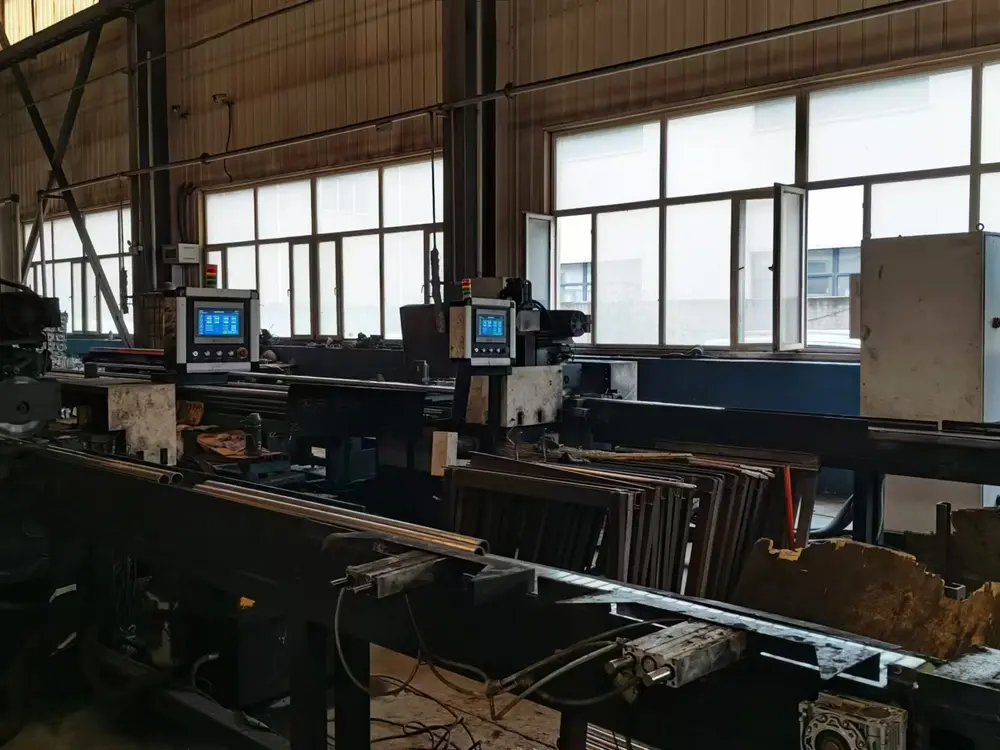
Equipped with over 150 advanced machinery setups across our 40,000㎡ industrial complex, we deploy automated welding and computerized hydraulic pressing lines that maintain dimensional accuracy within ±1mm tolerances.

Port & Logistics Proximity

Our proximity to Northern China's three logistics powerhouses—Jingtang Port, Tianjin Port, and Caofeidian Port—ensures efficient container loading, streamlined customs clearances, and reduced ocean transit overheads for overseas clients.

Standardized Manufacturing Process & ESG Controls

A transparent breakdown of our mechanical processing flows, highlighting standard quality checkpoints and environmental control gates.

Vertical Rod Manufacturing Workflow

1

Blanking & Cutting

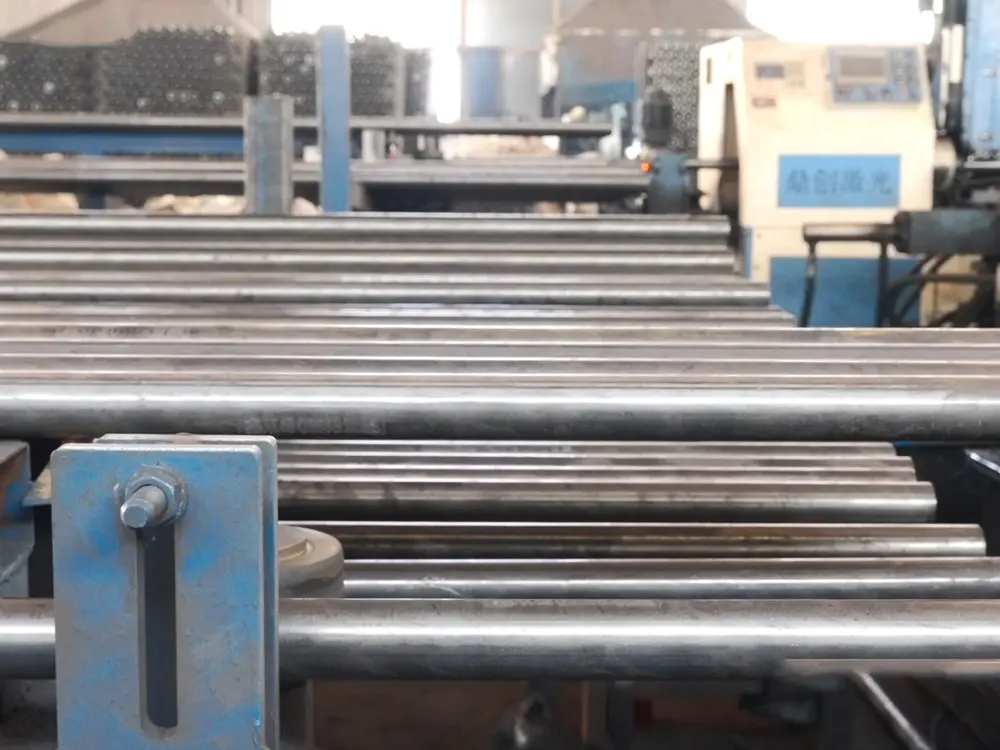
Raw steel pipes are cut to design specifications. Industrial baghouse filters isolate fine steel dust while acoustic shields contain operational noise.

2

Punching

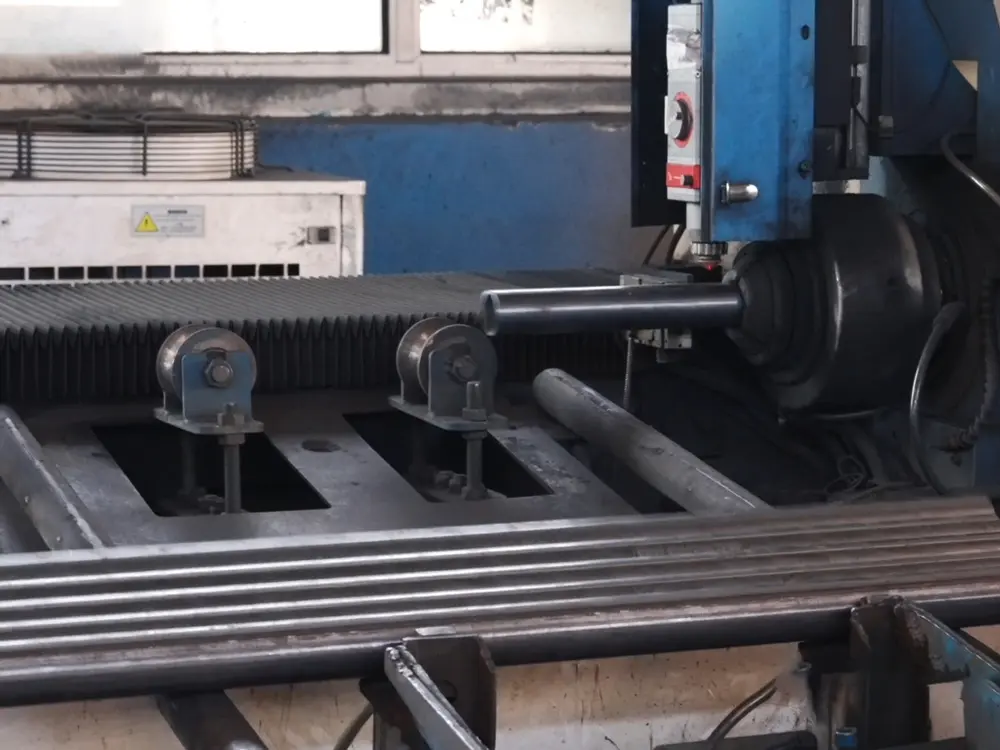
Precision hydraulic punches form assembly points. Excess metal shards are recovered for closed-loop metallurgical recycling.

3

Automatic Welding

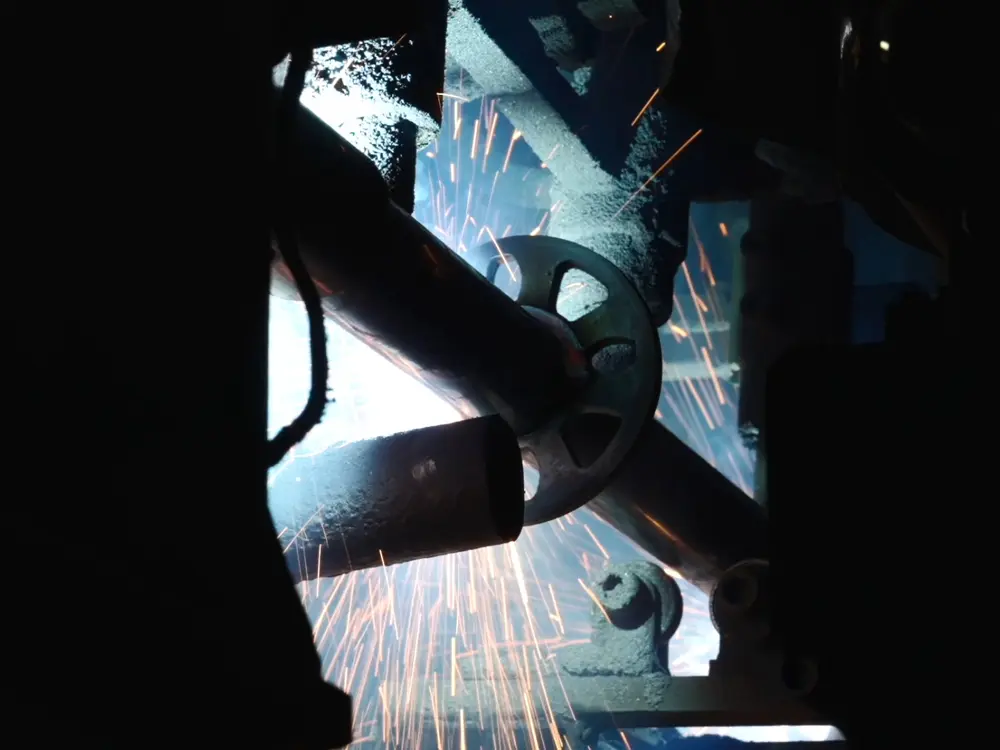
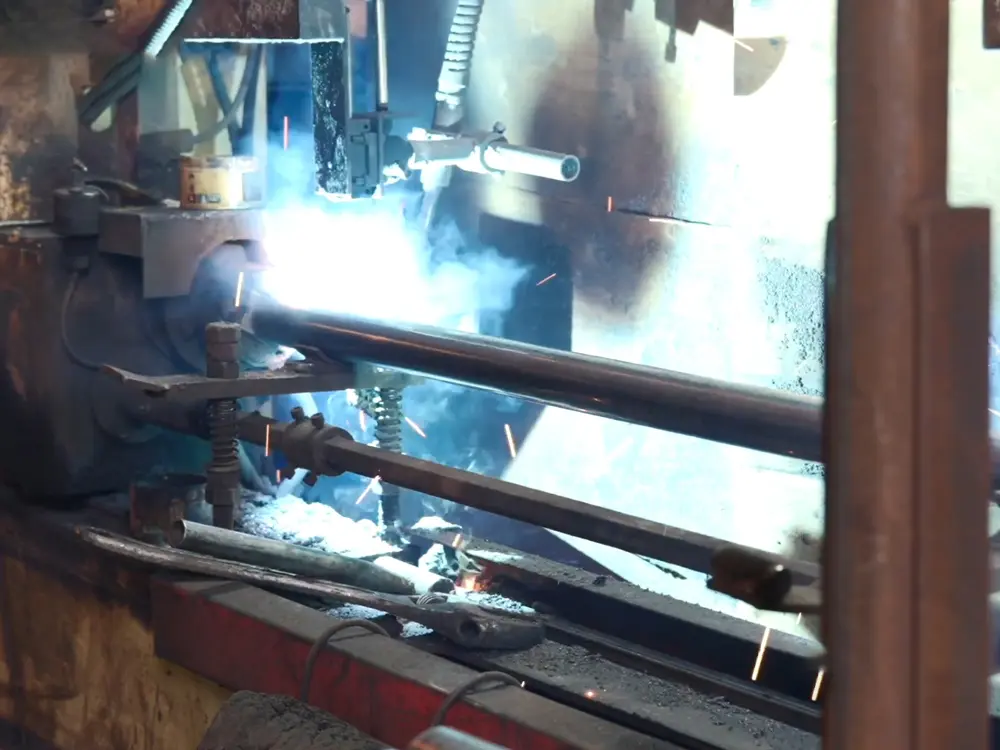
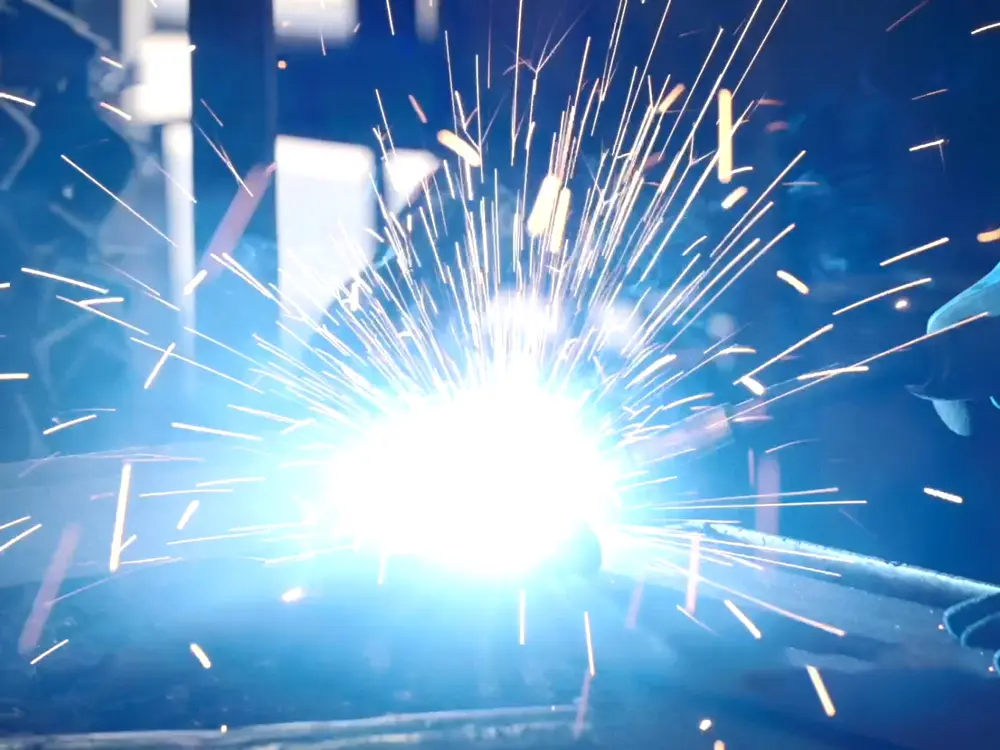
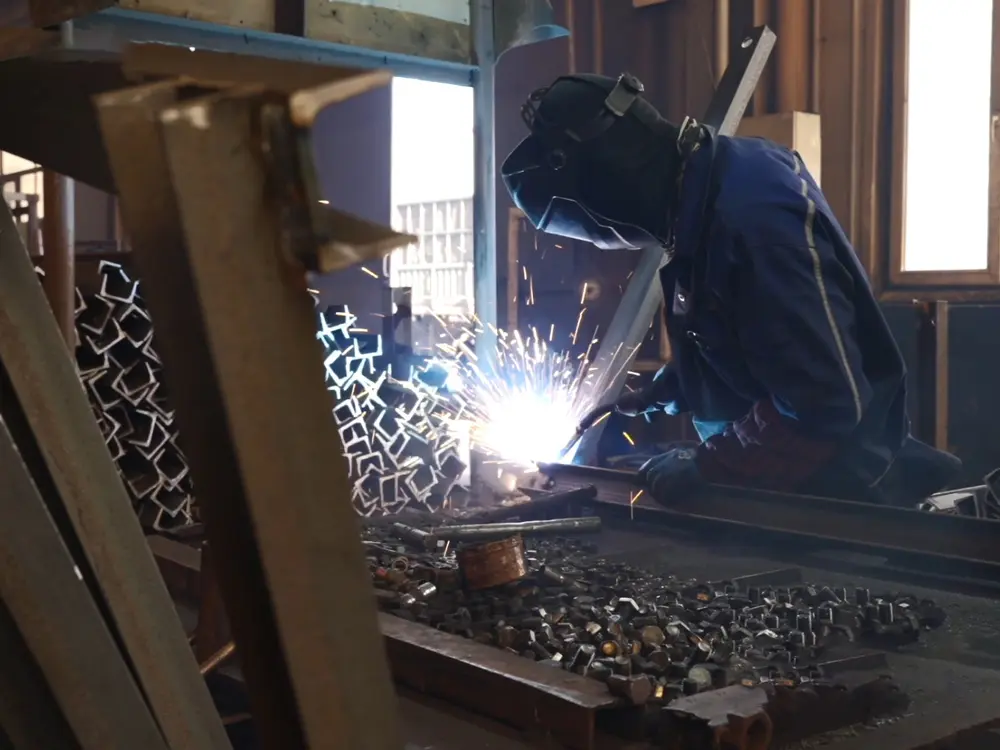
Automated gas metal arc systems fuse discs and pipe sections. Overhead extraction captures welding fumes to keep worker environments safe.

4

Galvanizing

Products undergo outsourced hot-dip galvanizing to establish protective zinc-iron alloy coatings that block outdoor moisture.

5

Quality Inspection

Inspected components are stored, wrapped, and prepared for ocean export in compliance with maritime safety protocols.

Horizontal Rod Manufacturing Workflow

1

Blanking & Cutting

Raw steel tubes are cropped. Specialized blades are used to prevent structural burrs or deformities in the tube walls.

2

Punching

Structural alignment holes are punched. Precision physical templates guarantee spacing errors stay within ±1mm limits.

3

Auto Welding

Cast end connections are welded to horizontal tubes. High-performance welding wire ensures joints can handle high shear forces.

4

Hot-Dip Galvanizing

Completed units undergo hot-dip galvanization, forming a robust corrosion barrier that extends service life up to 15 years.

5

Riveting

Self-locking wedges and pins are riveted into position. Pneumatic tools apply consistent mechanical pressure during assembly.

6

Finished Warehousing

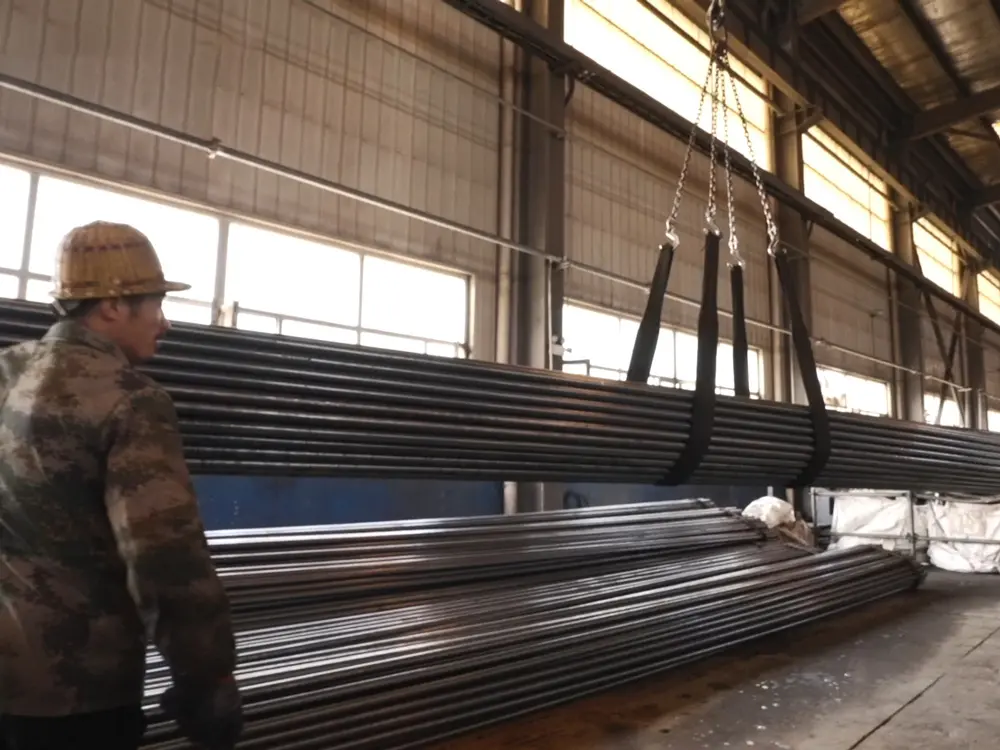
Finished horizontal ledger tubes are sorted and packed onto custom steel pallets to prevent movement during transit.

Certified Quality, Proven Performance

Safety at height is directly linked to the load capacities of its connections. The scaffolding products designed and fabricated by Hebei Shuangyang Metal Structure undergo rigorous structural evaluations. We ensure compliance with the following international structural testing protocols:
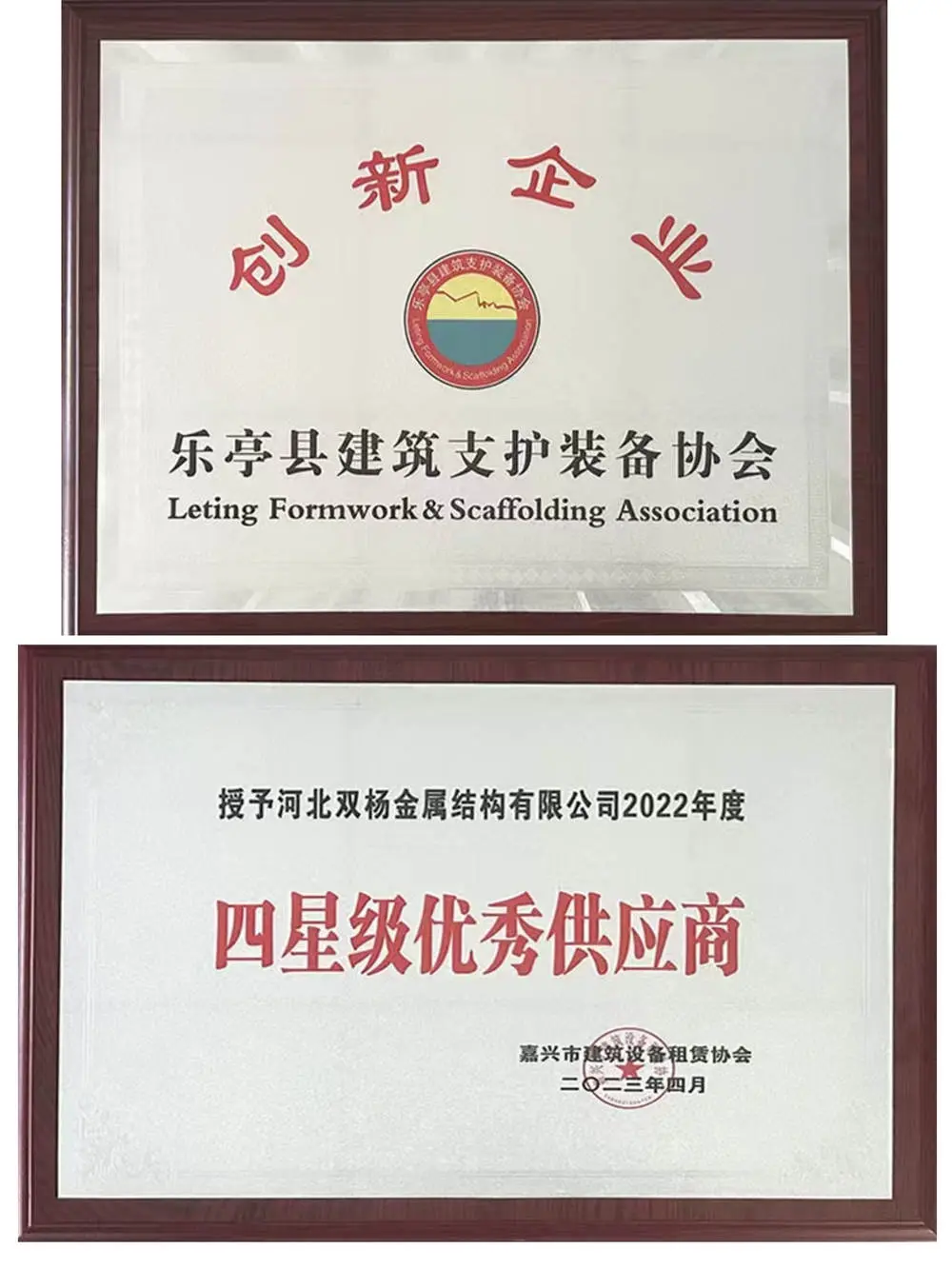
  • EN 12810/12811 Standards: Verified structural capacity, side-protection safety margins, and structural system designs.
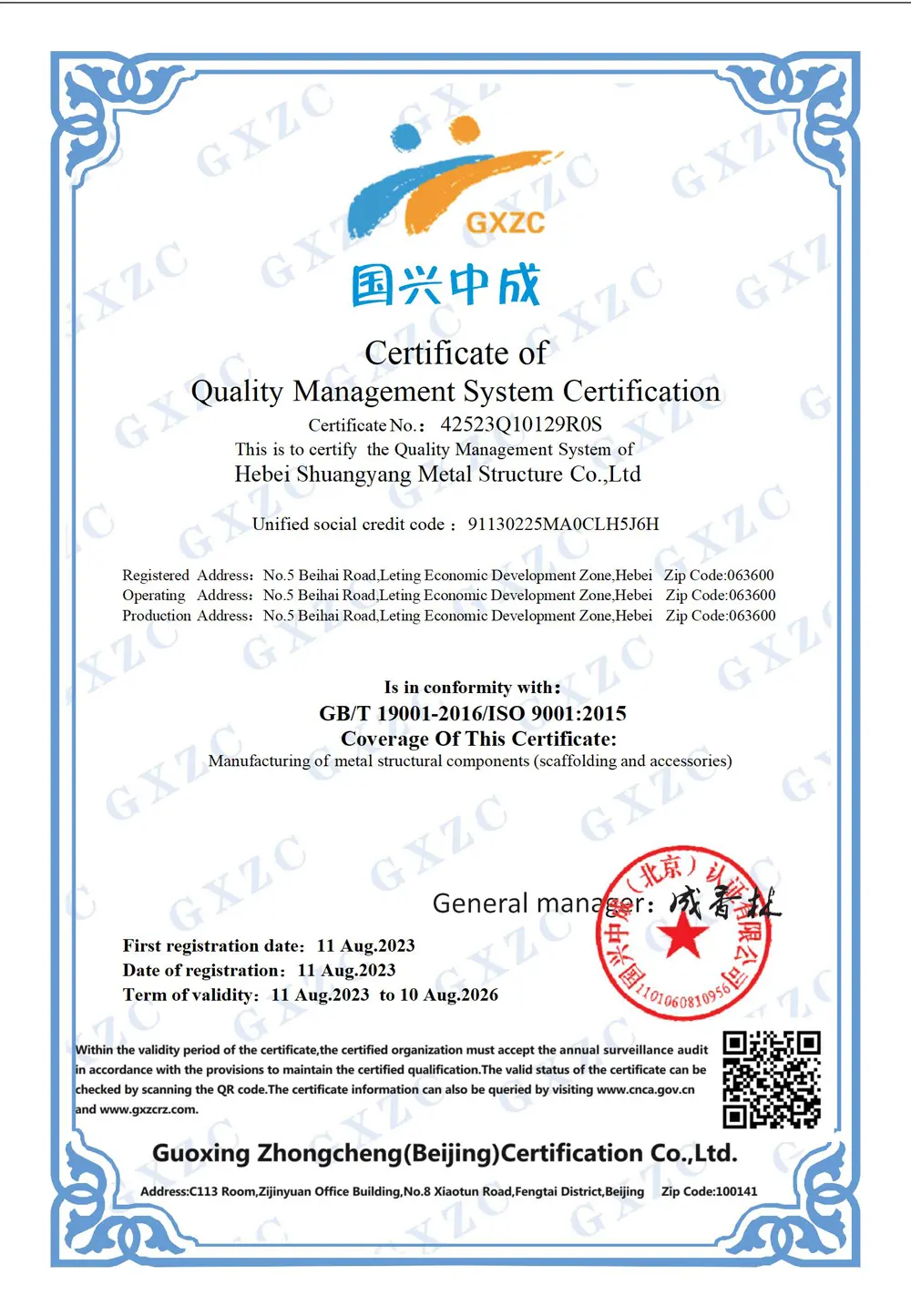
  • ISO 9001:2015 Certification: Stringent quality management processes spanning from incoming raw steel inspections to final product testing.
  • SGS Tested Loading Capacities: Our heavy-duty Q355B steel structures support single-point loads of up to 10 metric tons—delivering 1.5 times the resistance of standard market variants.
  • Anti-Slip Coupler Protection: Coupler bolt torques are calibrated to withstand structural slips under extreme winds and seismic vibrations.

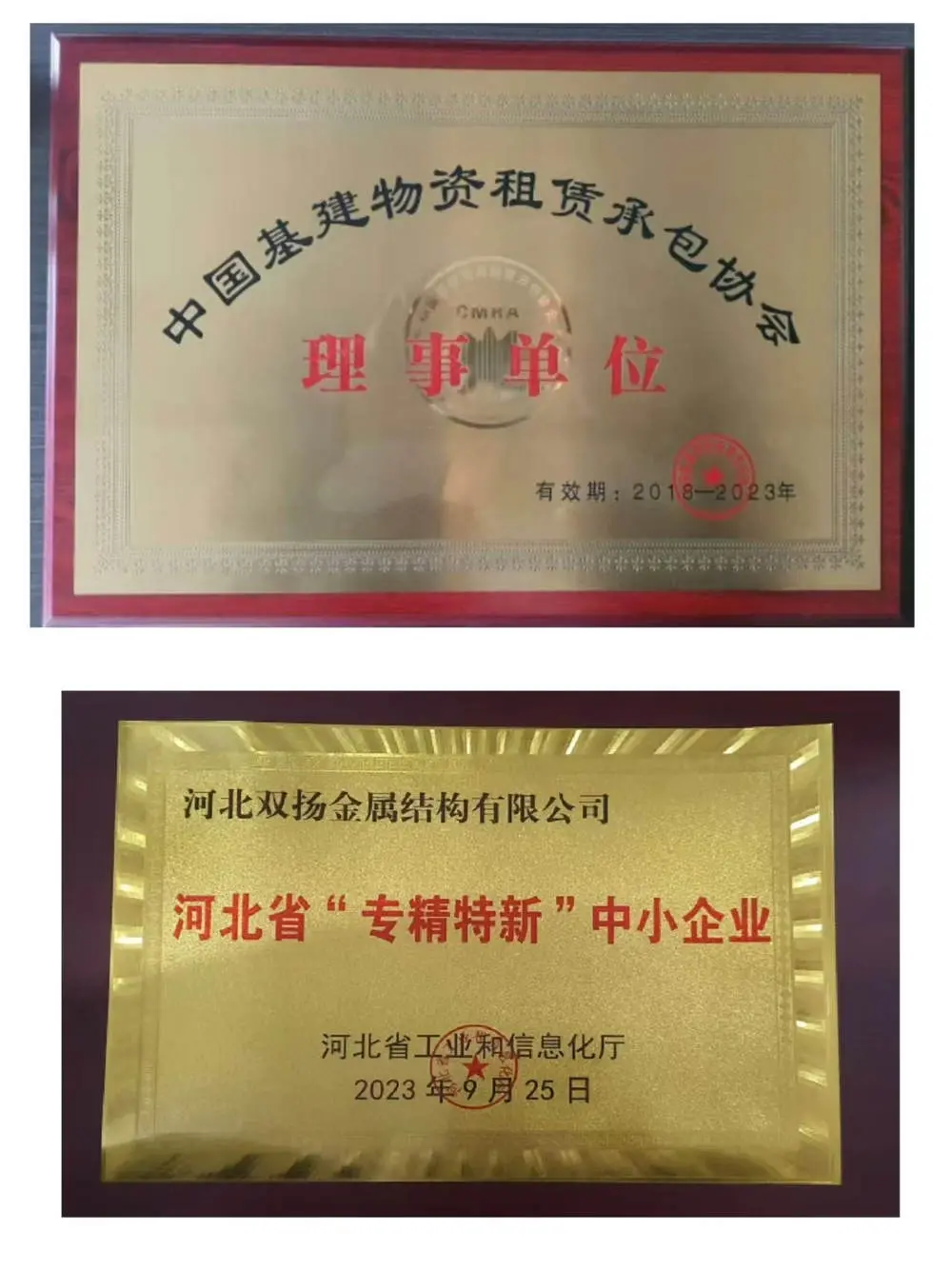
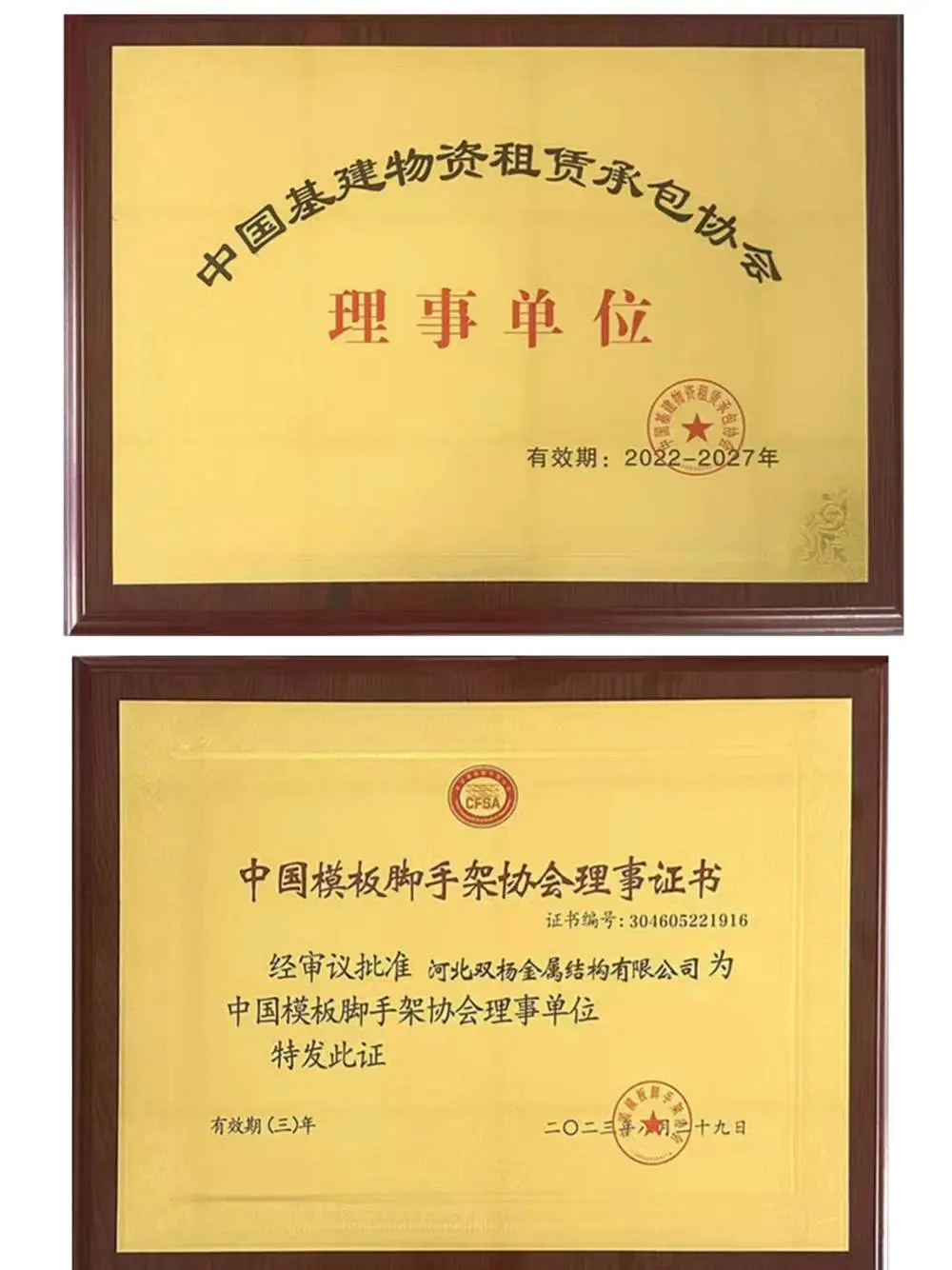
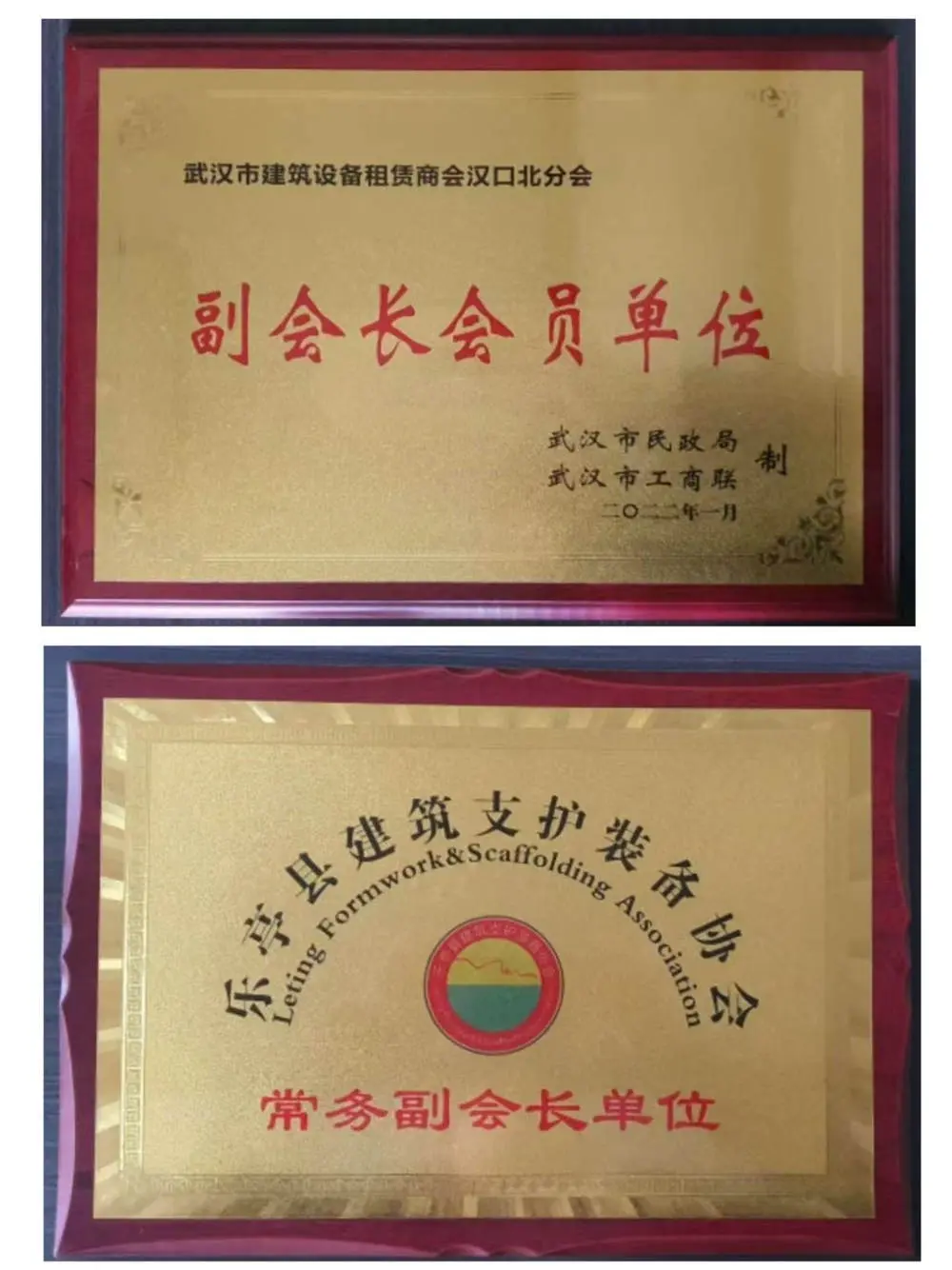
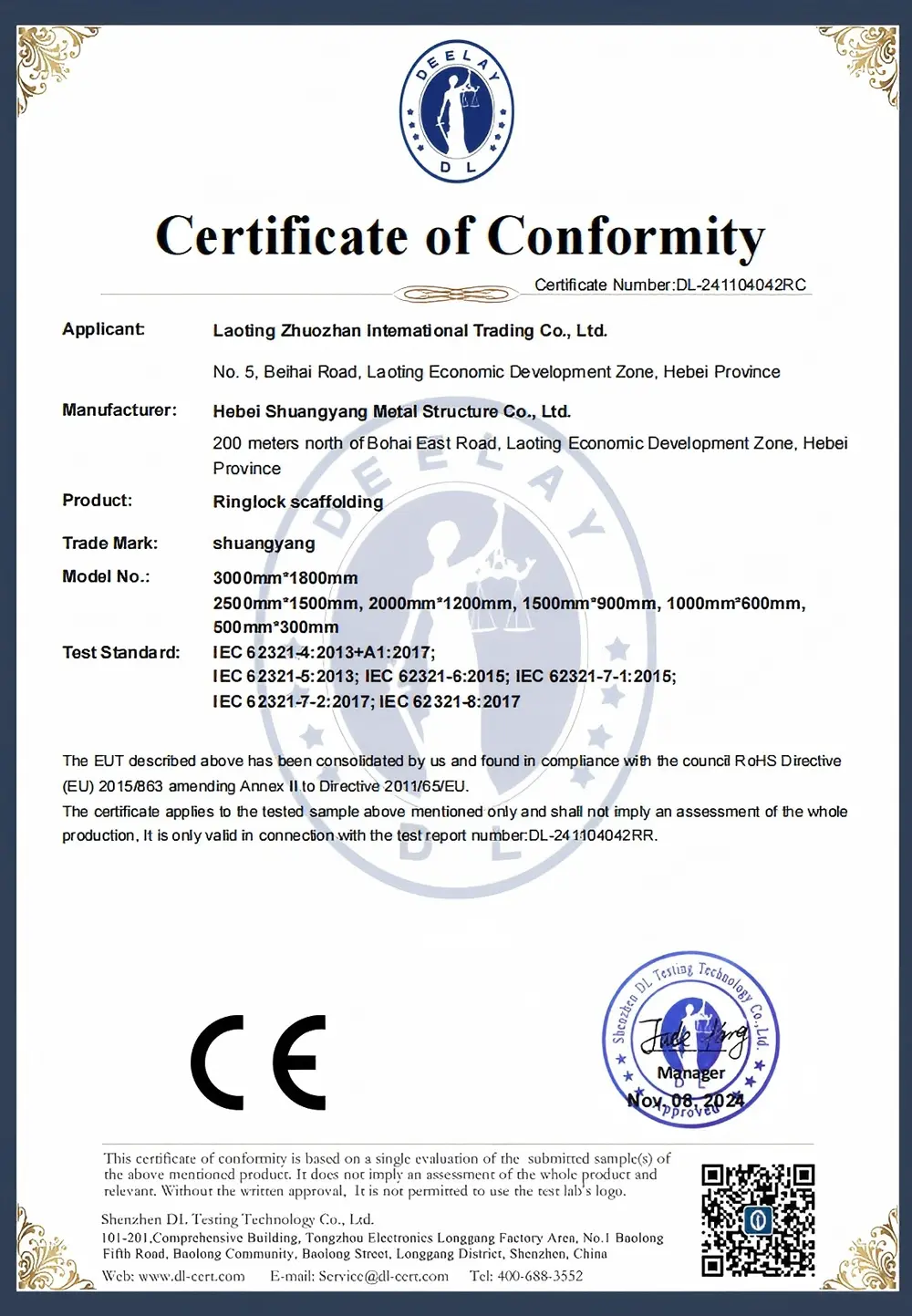
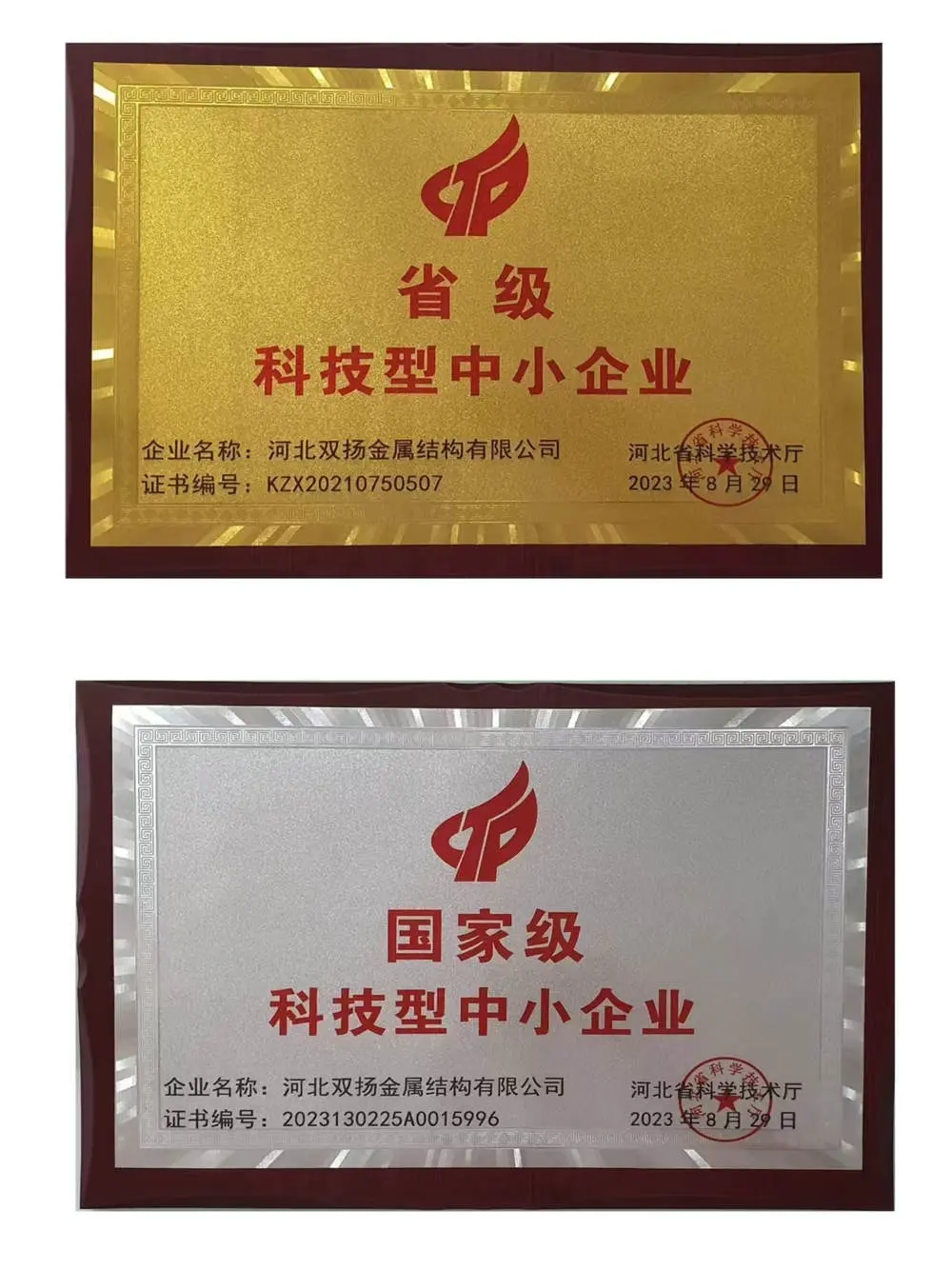
Accredited Testing & Operations Certificates

Zhuozhan Quality Certificate 1
Zhuozhan Quality Certificate 2
Zhuozhan Quality Certificate 3
Zhuozhan Quality Certificate 4
Zhuozhan Quality Certificate 5
Zhuozhan Quality Certificate 6
Zhuozhan Quality Certificate 7
Zhuozhan Quality Certificate 8
Zhuozhan Quality Certificate 9

Industrial Facility & Processing Gallery

Explore our production lines, automated machinery, and raw material storage areas.
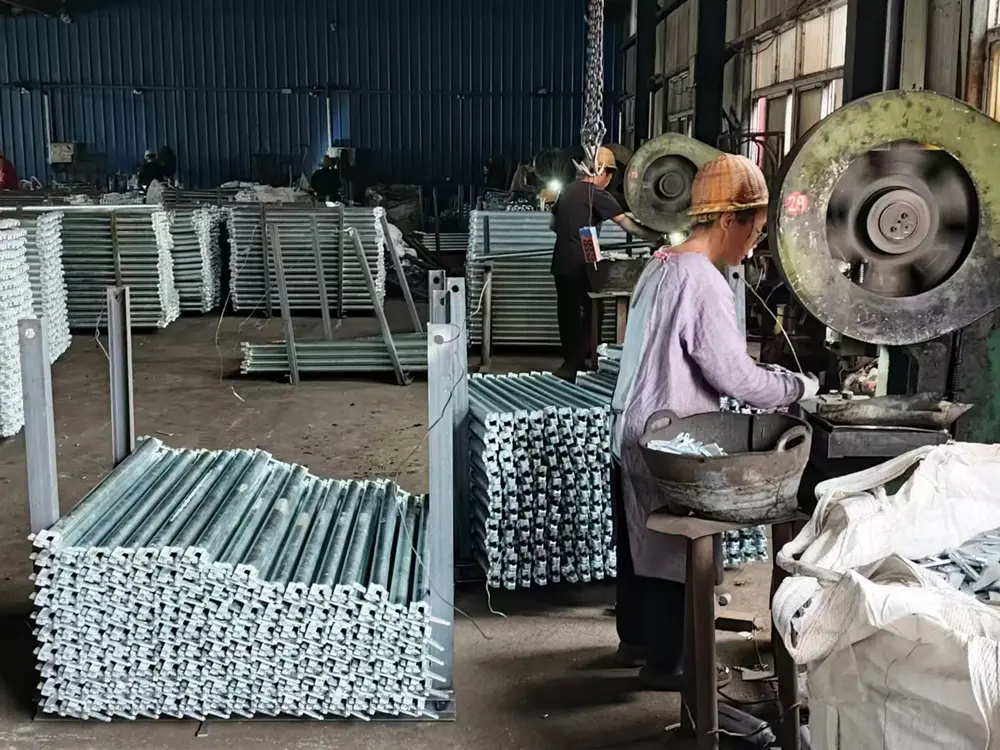
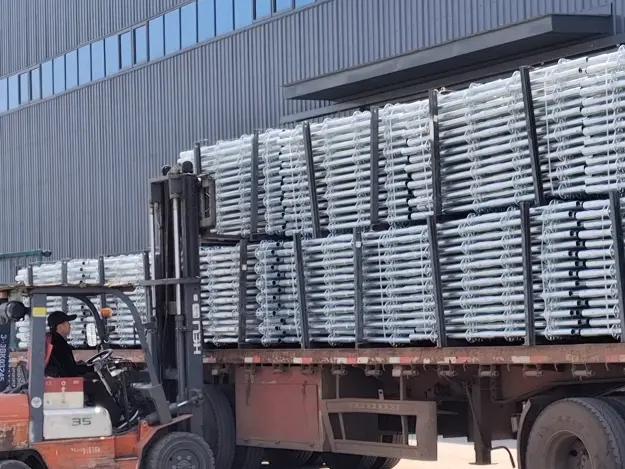
Mass stock, full specifications, standard and custom parts are sufficient
High strength steel, self-locking design, safe and efficient
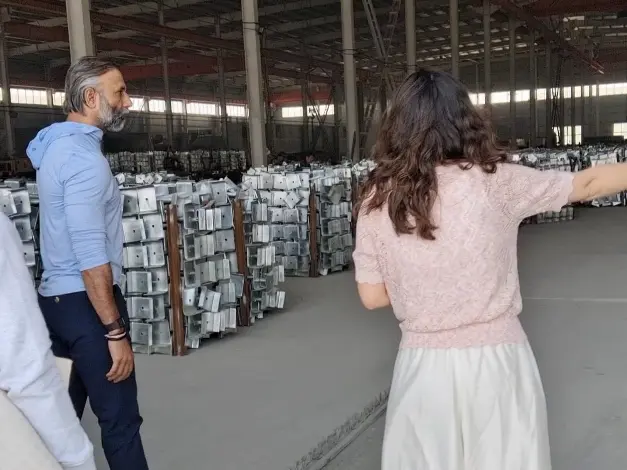
50,000㎡ self-owned warehouse (equivalent to 7 football fields)
Factory Operations and Production Overview
Ringlock Scaffold Production Process Demonstration
Factory Yard Photo 1
Factory Yard Photo 2
Factory Inside 1
Factory Inside 2
Factory Warehouse 1
Factory Warehouse 2
Factory Welding Station
Factory Laser Cutting
Factory Loading Zone
Factory Pipe Processing
Factory Auto Riveting
Factory Packaging line
Factory Dispatch Area
Raw Pipe Stockpile
Disc Parts Preparation
Galvanization Tanks Area

Proven Project Footprint & Applications

From industrial power plants and high-rise facades to complex marine engineering, see how our structural scaffolding systems perform in the field.
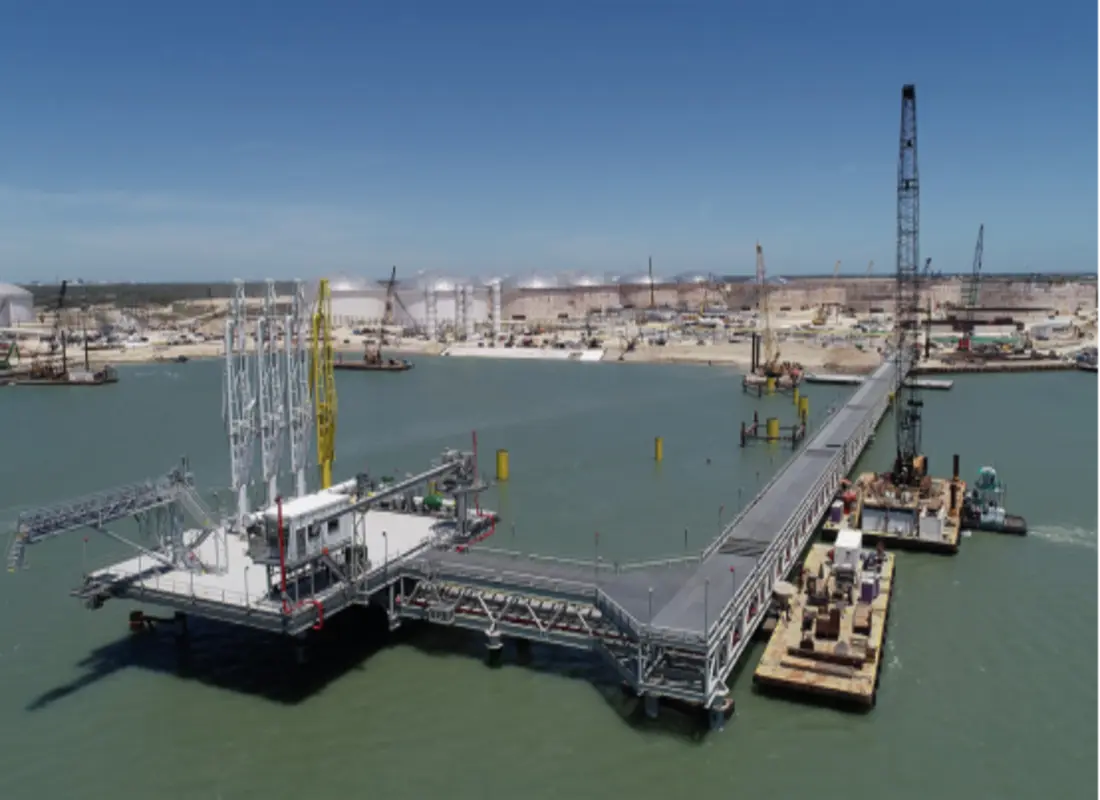
Port Pipeline Construction

Ringlock Scaffold in Port Pipeline Construction

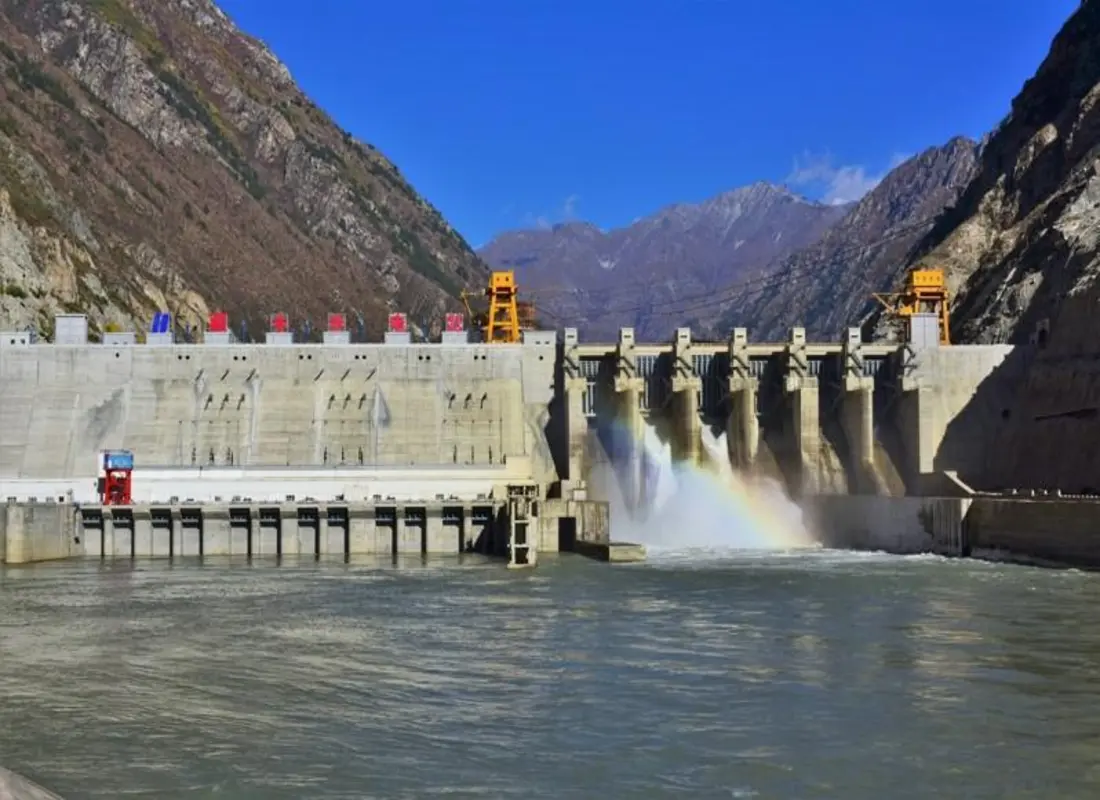
Hydropower Dam Upgrade

Ringlock Scaffold in Hydropower Dam Upgrade

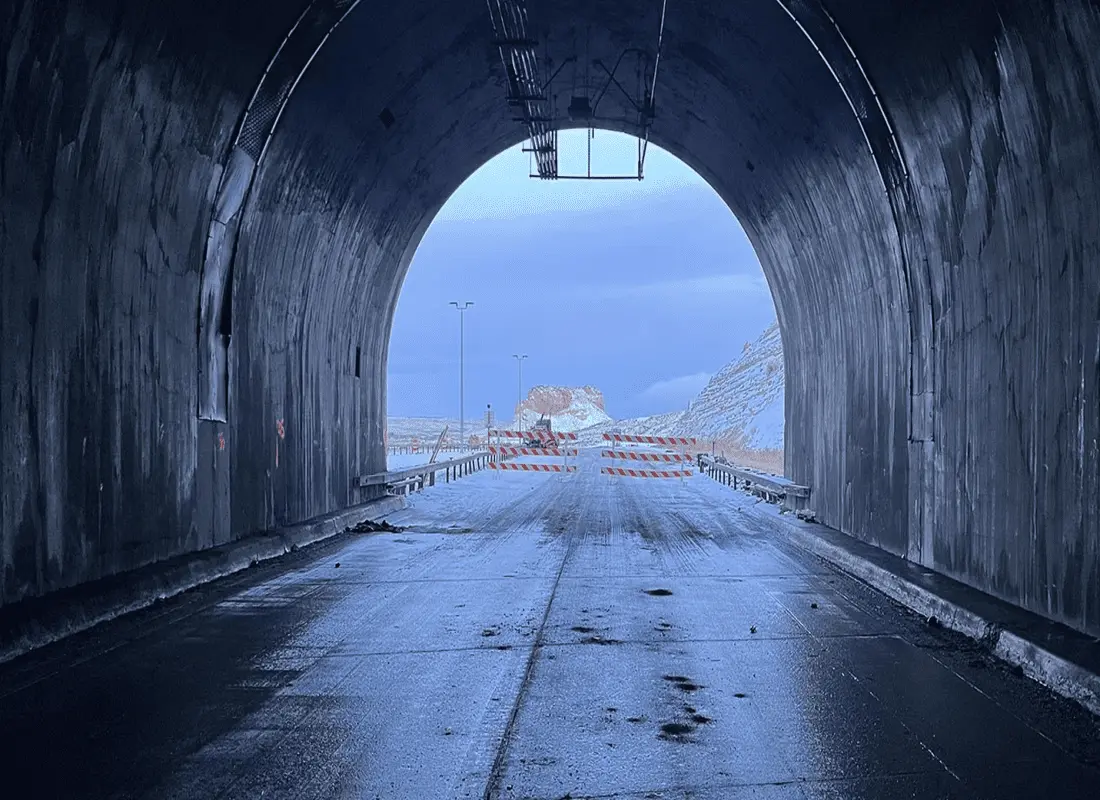
Highway Tunnel Construction

Ringlock Scaffold Solution for Highway Tunnel Construction

Science & Technology Park Factory

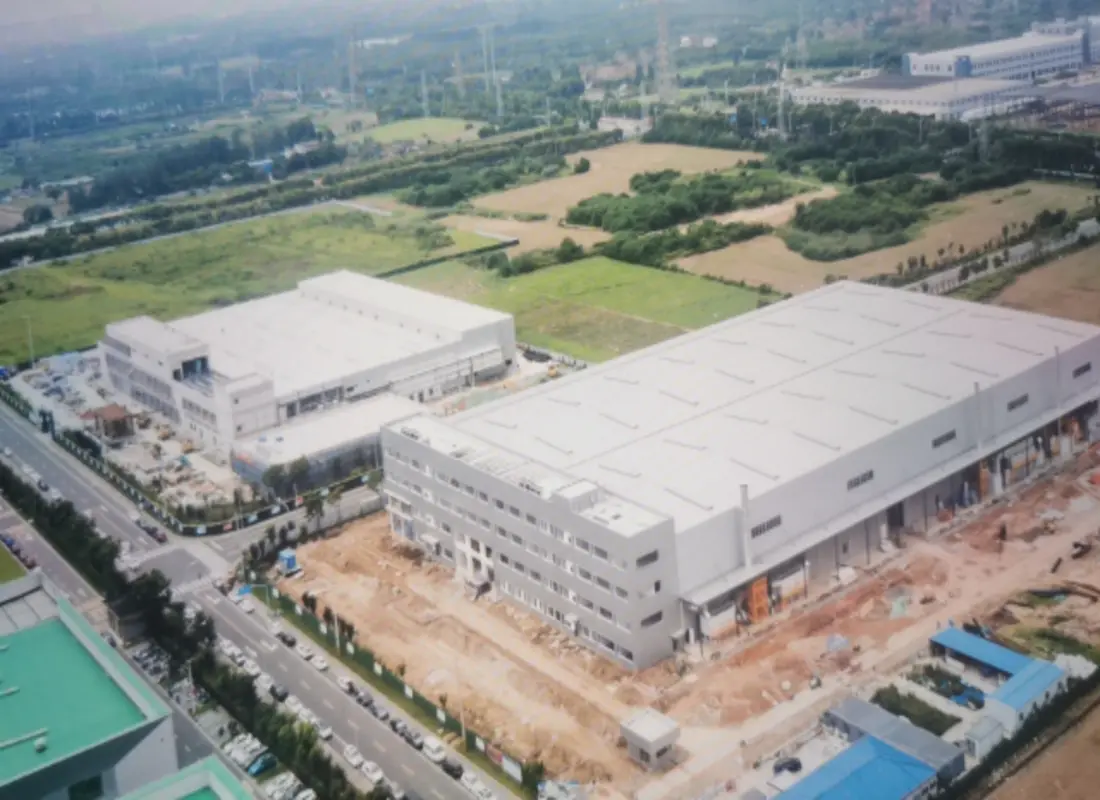
Scaffolding System for Science & Technology Park Factory Building

Bridge Renovation Project

Ringlock Scaffolding Platform for Bridge Renovation Project in TianJin, China

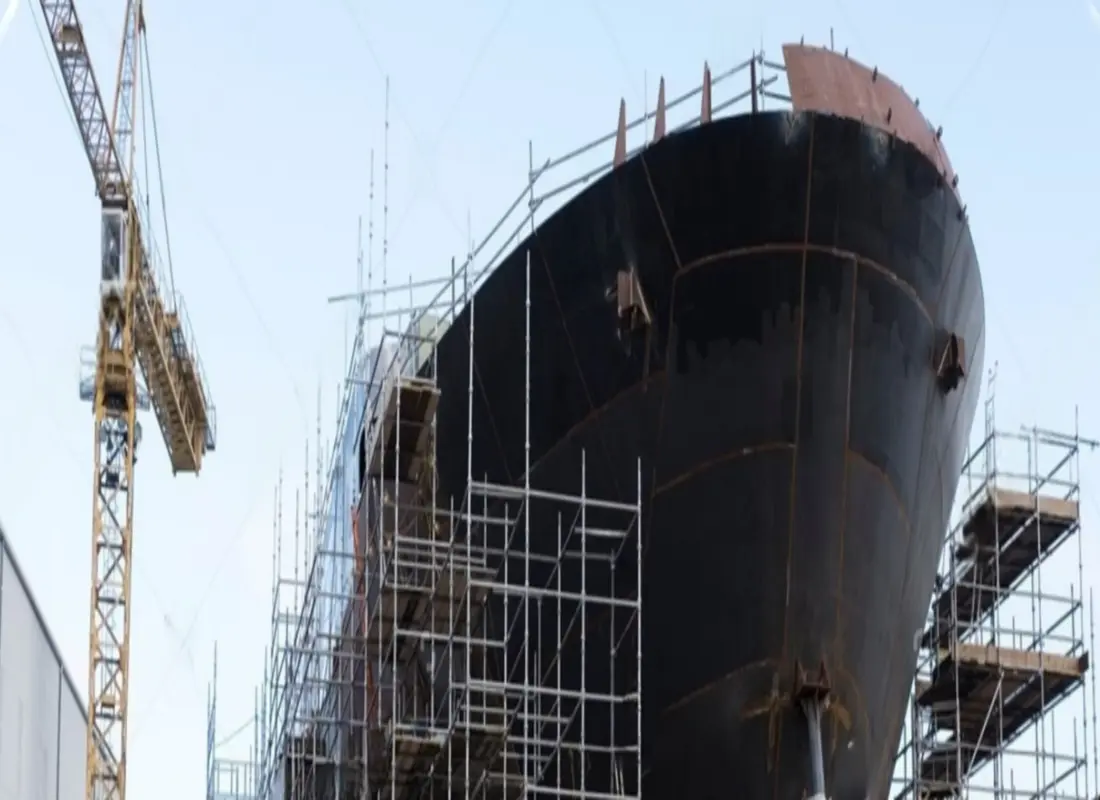
Marine Engineering & Shipbuilding

Ringlock Scaffold System for Marine Engineering & Shipbuilding

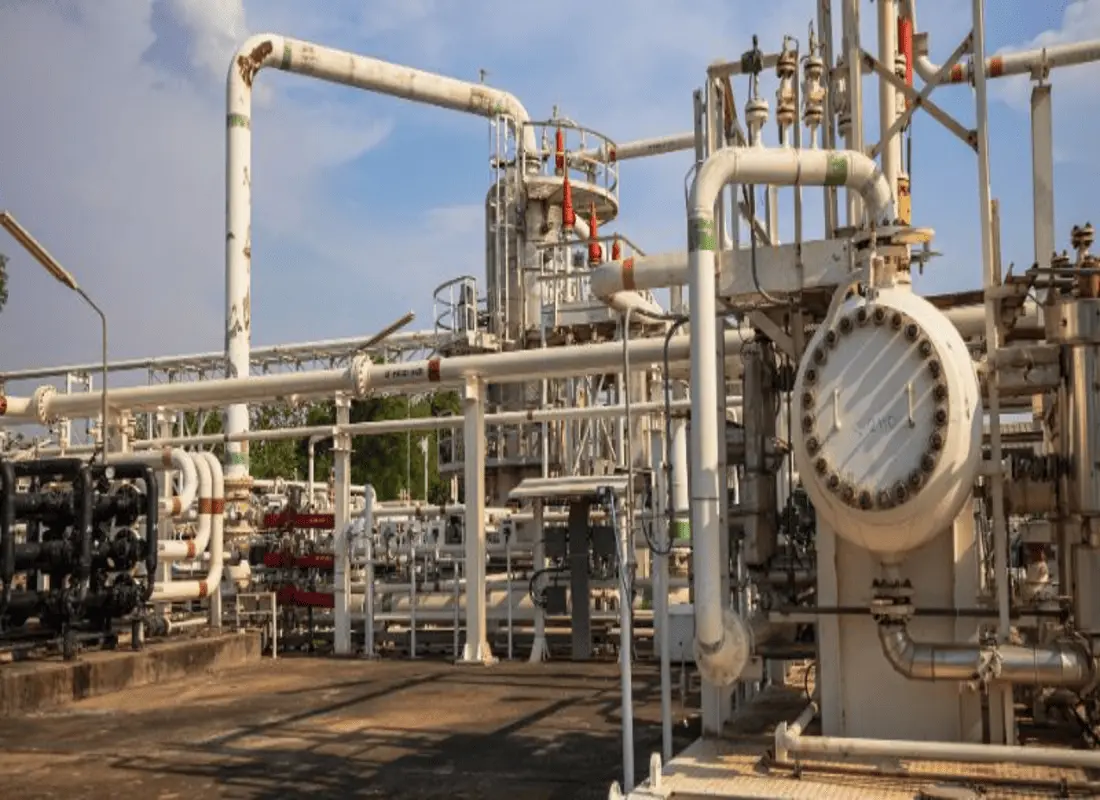
Shandong Thermal Power Plant

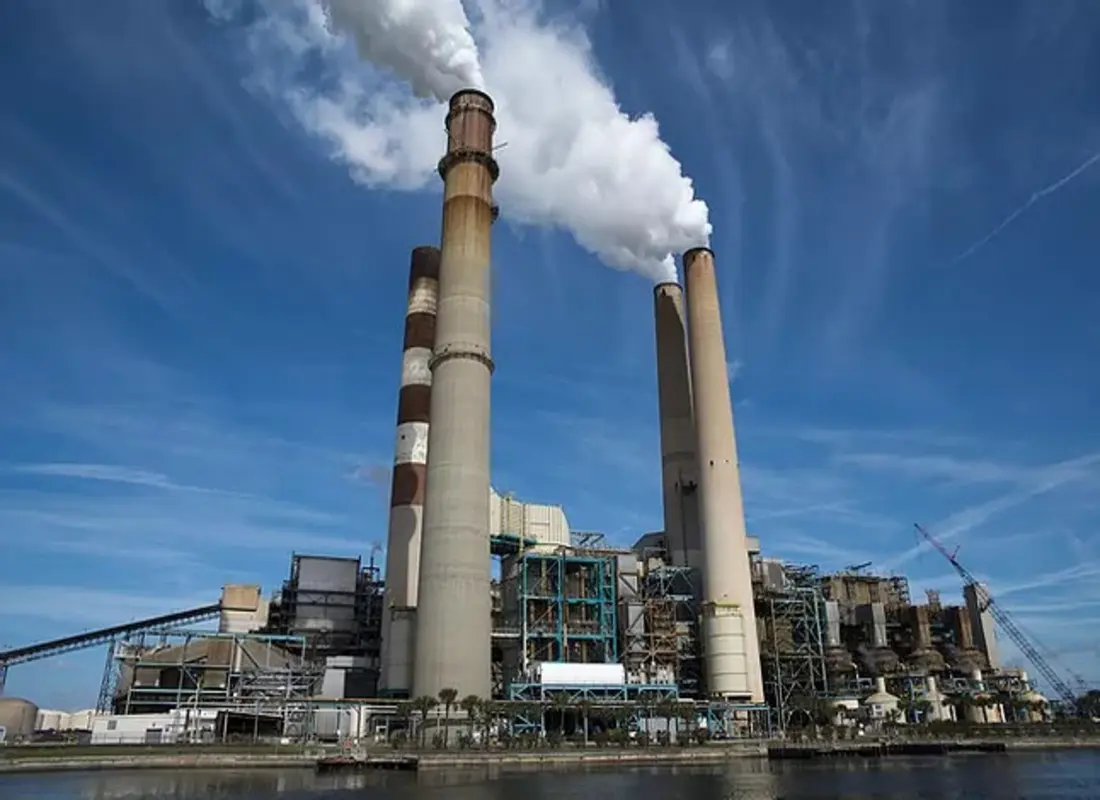
Steel Ringlock Scaffolding Maintenance Platform for Boiler Equipment at Shandong Thermal Power Plant, China

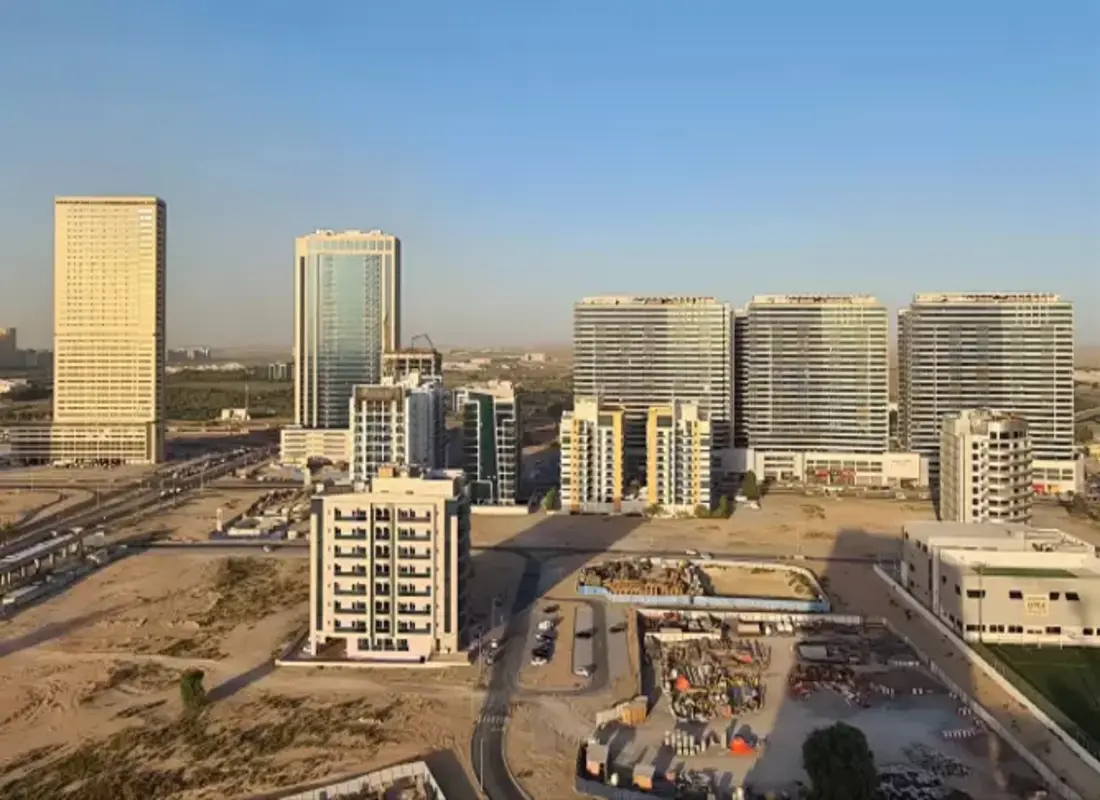
Dubai High-Rise Facade Construction

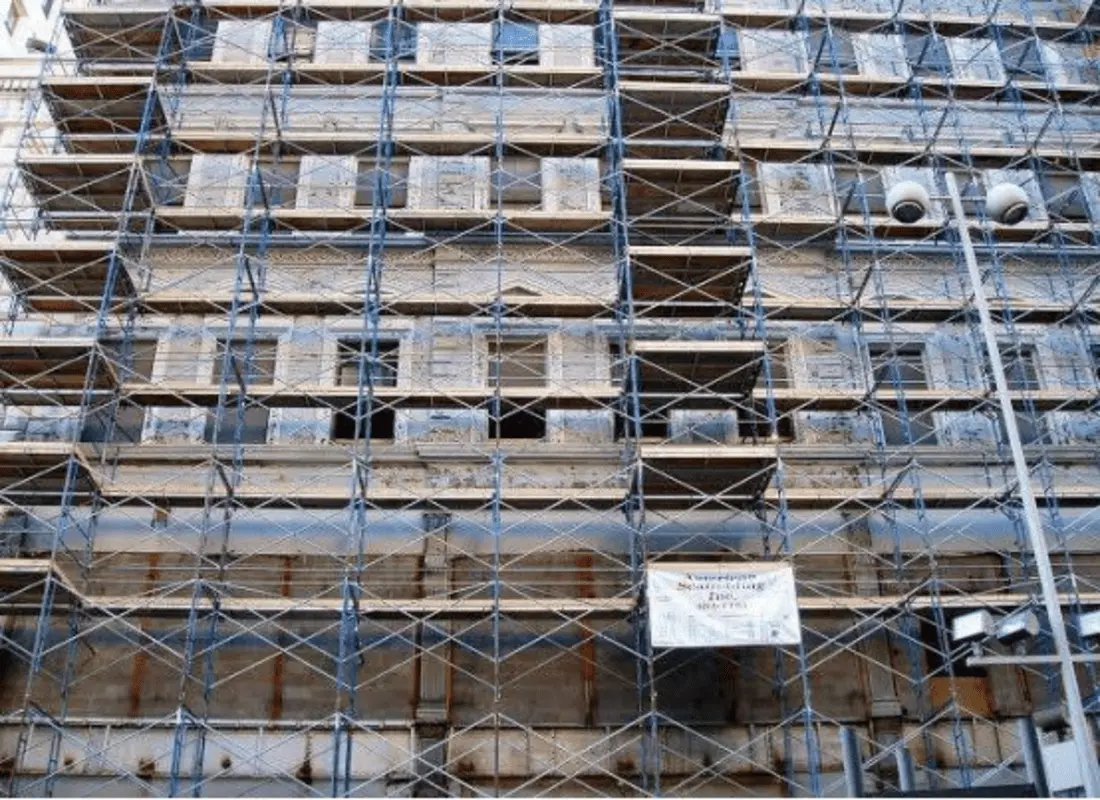
Ringlock Scaffolding System for High-Rise Building Facade Construction in Downtown Dubai, UAE

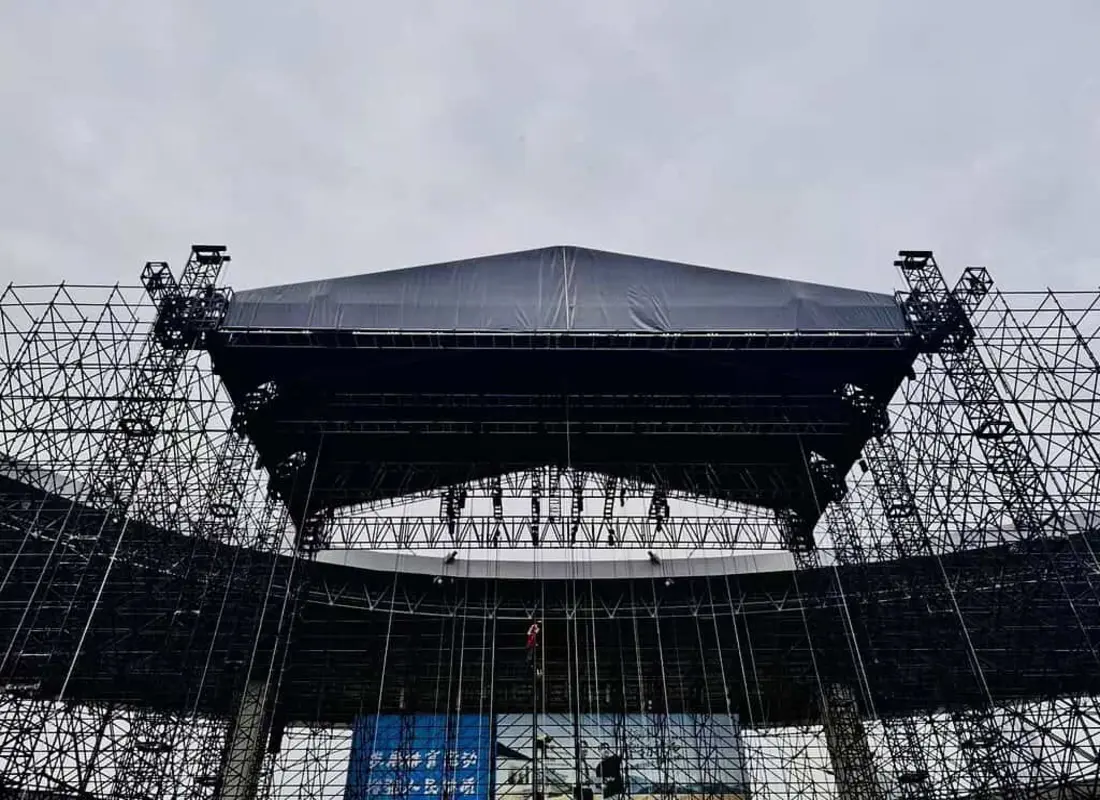
Berlin Music Festival

Temporary Ringlock Scaffolding System for the International Music Festival in Berlin, Germany

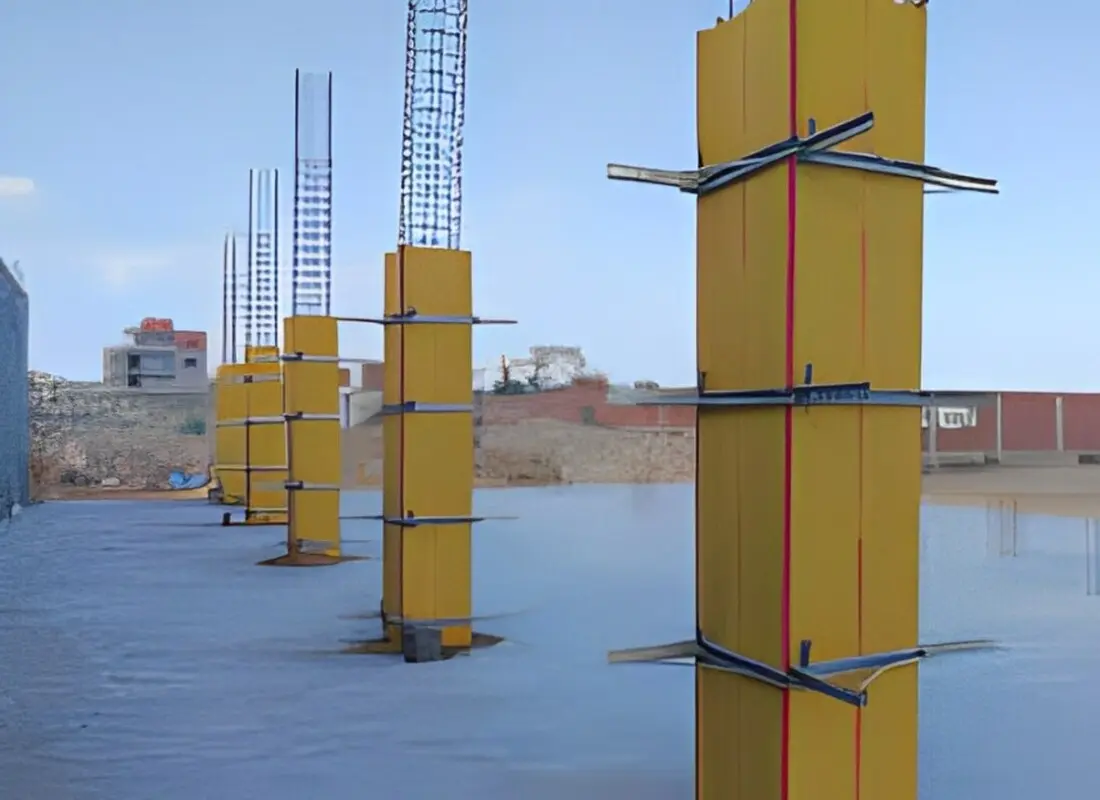
High-Rise Office Tower Jakarta

Application of Wooden Formwork in High-Rise Office Tower – Jakarta, Indonesia (2021–2022)

Danube River Channel Renovation

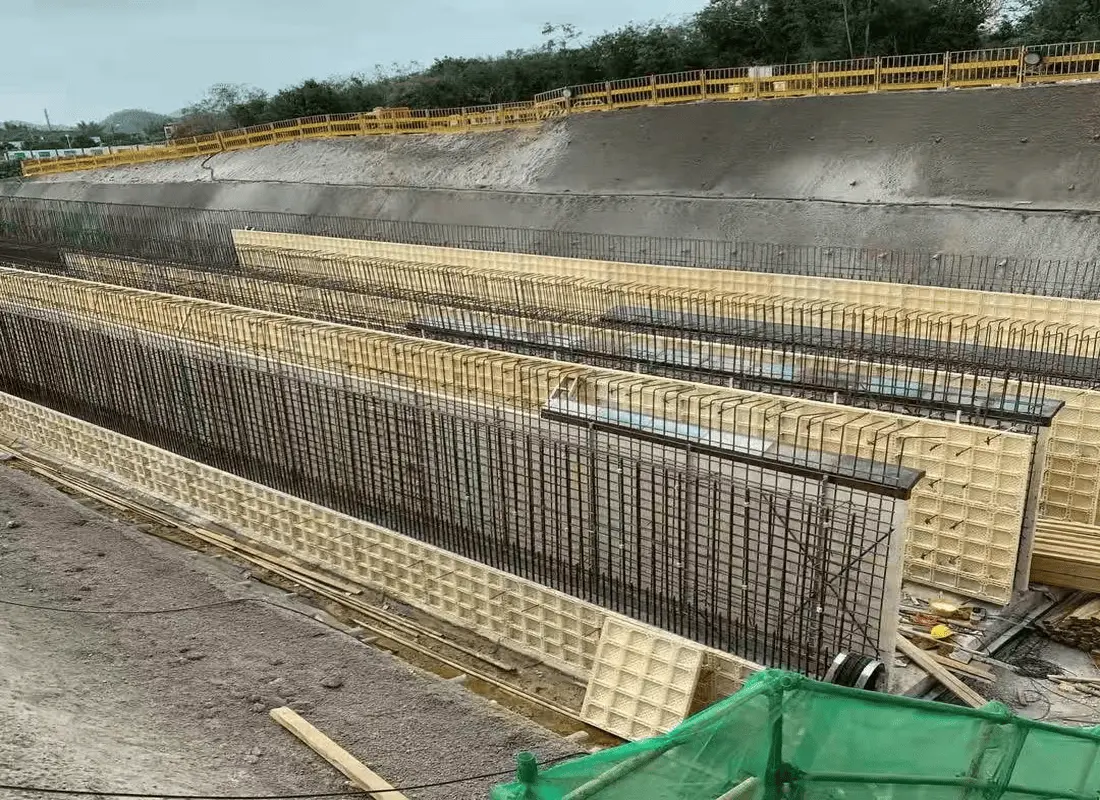
Application of Plastic Formwork in Danube River Channel Renovation – Budapest, Hungary

Chengdu Tianfu Avenue Bridge Expansion

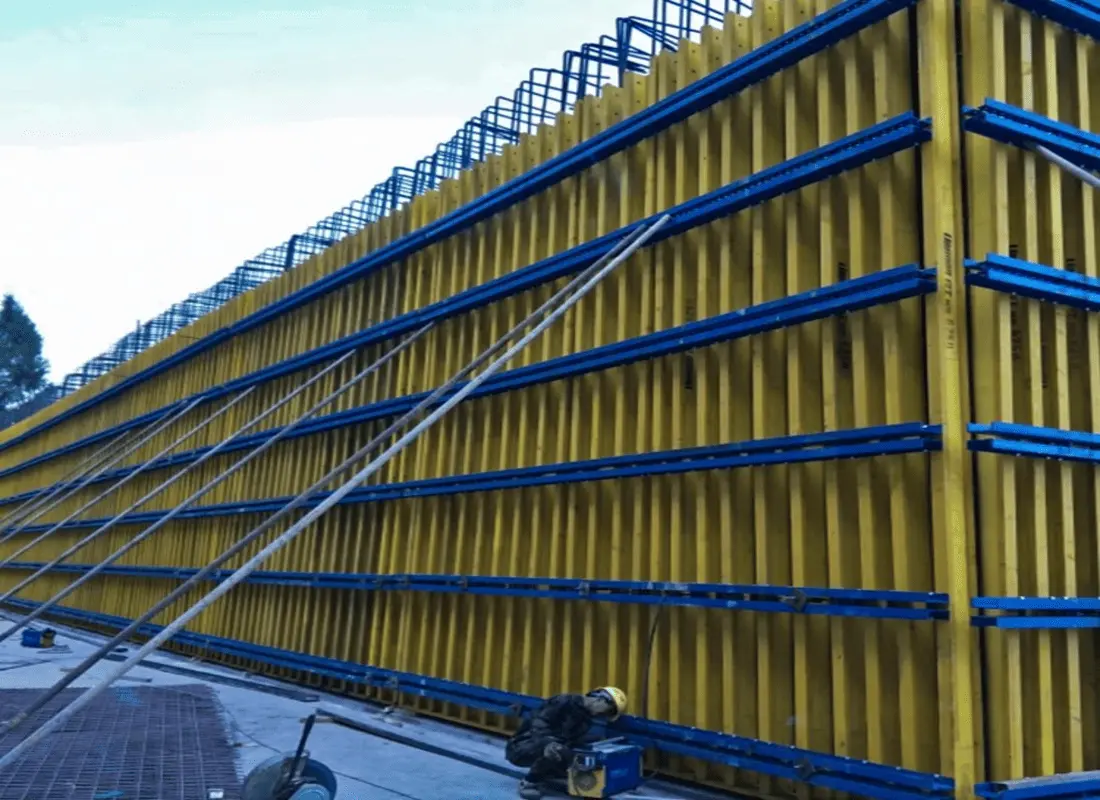
Application of Steel Formwork in the Chengdu Tianfu Avenue–Yangma Bridge Expansion – Chengdu, China (2023–2024)

Chengdu Bridge Expansion Phase 2

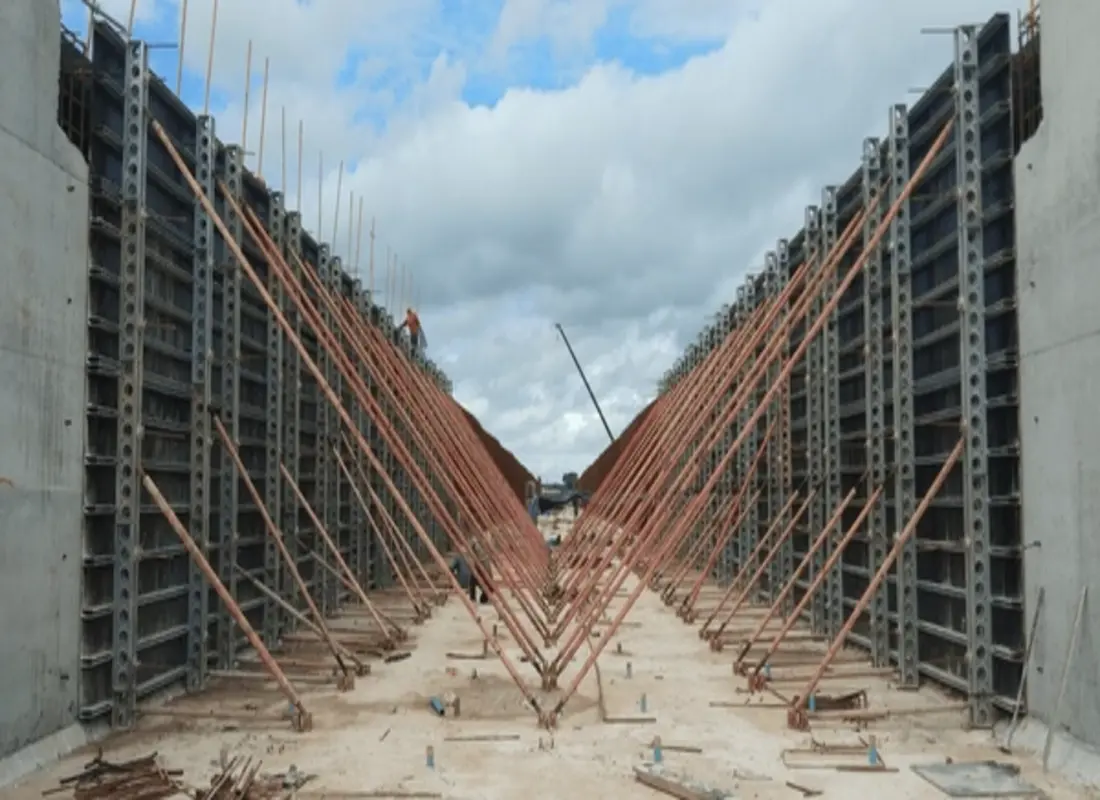
Application of Steel Formwork in the Chengdu Tianfu Avenue–Yangma Bridge Expansion – Chengdu, China

Bosch NEV Workshop Suzhou

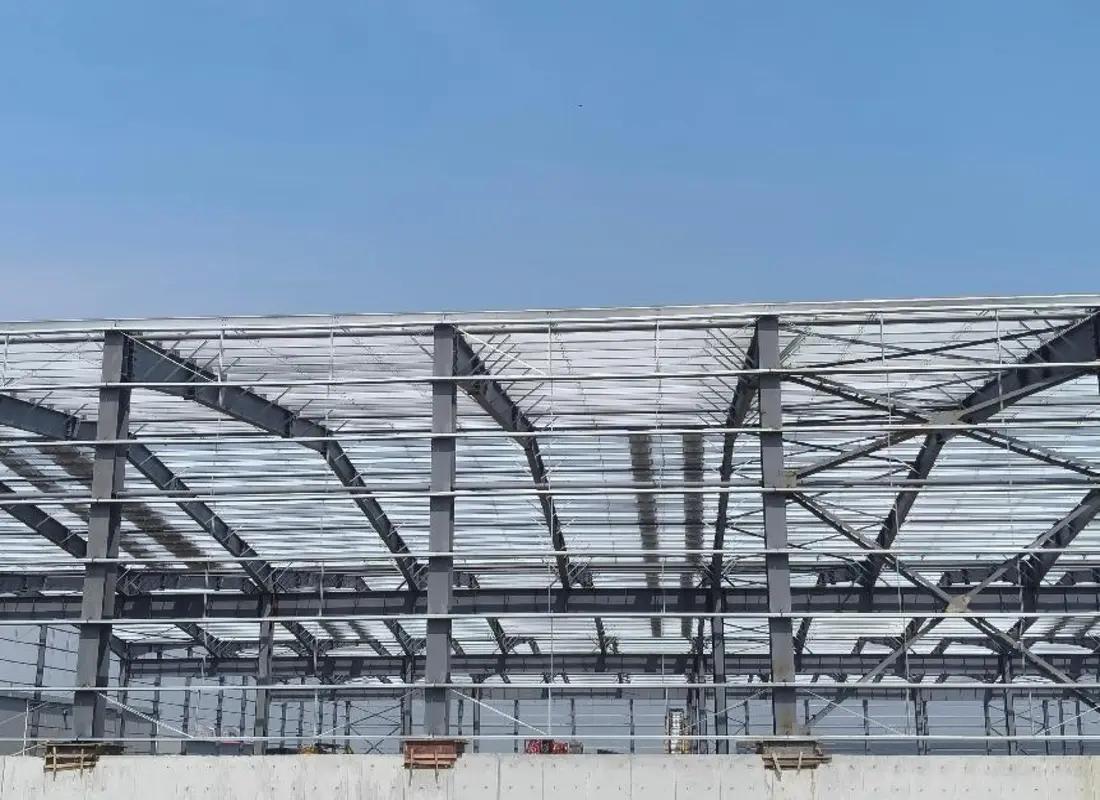
Application of Steel Structure in Bosch NEV R&D and Workshop Expansion – Suzhou (2024–2025)

Nanjing South Railway Station Expansion

Application of Steel Props in Nanjing South Railway Station Expansion

Residential Renovation Bologna Italy

Frame Scaffold for Residential Renovation – Bologna, Italy

Power Plant Expansion Project

Cuplock Scaffold Solution for Power Plant Expansion Project

Smart Manufacturing Plant Changzhou

Ringlock Scaffold in Smart Manufacturing Plant – Changzhou, China (2023)

Industrial Development Trends & Global Procurement Guidelines

A strategic overview for procurement directors seeking to future-proof their supply chains.

Key Trends Shaping the Scaffolding Industry

The global safety landscape is driving a transition toward modular structural solutions. Key industry trends include:

  • The Rise of Self-Locking Modular Systems: Ringlock and cuplock variations are replacing traditional tube-and-clamp setups, reducing assembly labor requirements and human error risk.
  • Advanced Anti-Corrosion Technologies: Hot-dip galvanization is becoming the standard for major projects, outperforming electro-plated alternatives by protecting steel assets in harsh, high-humidity, and marine environments.
  • Stringent Safety Regulations: Safety agencies are increasing structural load testing demands, requiring verified certification for structural load transfers.
  • Sustainable Sourcing: Lead developers are looking for manufacturers that source raw materials responsibly and use low-emission processes.

How Procurement Directors Evaluate Suppliers

When source-verifying scaffolding partners, procurement teams check the following benchmarks:

  • Raw Material Traceability: Suppliers should provide mill test certificates verifying chemical and physical properties.
  • Precision Tolerances: Wall thickness deviations must be kept within ±0.1mm, and overall length dimensions within ±1mm.
  • Galvanization Quality: Zinc coatings must meet minimum thickness specifications (typically >60 microns) to ensure the target service life is met.
  • Logistics Capability: Factory warehouses should have sufficient storage capacities to maintain lead times during peak demand.

Technical Specification Q&A

Answers to common structural engineering and international purchasing questions.

Q What are the primary differences between Q235 and Q355B steel grades for scaffold couplers?
Q235 steel is a carbon structural steel standard with a minimum yield strength of 235 MPa, ideal for standard building loads and common facade structures. Q355B (equivalent to S355 in European standards) has a higher yield strength of 355 MPa, making it the choice for heavy-duty shoring projects, industrial boiler scaffolding, and setups that must support single-point loads up to 10 tons.
Q Why is hot-dip galvanization (HDG) preferred over electro-galvanization for scaffolding?
Electro-galvanization applies a thin zinc layer (typically 5 to 15 microns) that offers limited outdoor protection. Hot-dip galvanization immerses the steel in molten zinc, creating a thicker zinc-iron alloy coating (often exceeding 60-80 microns). This provides cathodic protection that prevents rust on industrial sites, extending service life to 15-20 years compared to the 2-3 years provided by electro-galvanized alternatives.
Q How does the modular ringlock design speed up site operations compared to traditional couplers?
Traditional tube-and-coupler systems require manually positioning and tightening bolts at every connection point, limiting worker installation rates to about 50 square meters per day. Ringlock systems feature fixed rosettes and wedge pins that lock into place with a hammer, enabling a single installer to assemble 150 to 300 square meters per day.
Q What key certifications should international procurement teams check?
Procurement teams should verify compliance with EN 12810/12811 for European projects, BS 1139 for British Commonwealth regions, and ANSI A10.8 standards for North America. Additionally, factories should supply ISO 9001:2015 certifications and SGS-certified loading test results to confirm structural safety.
Q Where are Zhuozhan Group's global logistics hubs located?
Our international logistics network includes offices and warehouse partners in the United States, Canada, China, Hong Kong-CN, Malaysia, Thailand, and Indonesia, helping us maintain stable transit times and reliable delivery for overseas clients.
All Scaffold fastener Products