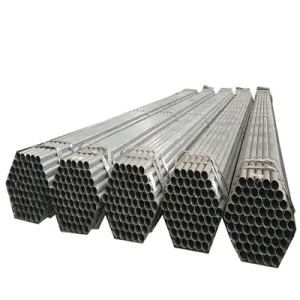
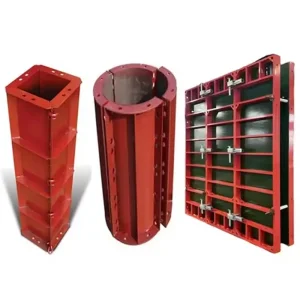
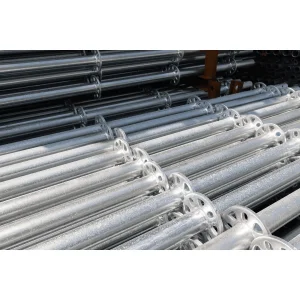
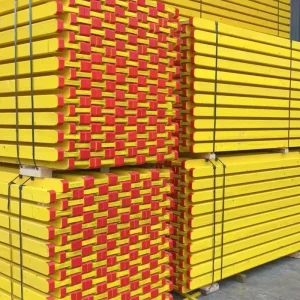
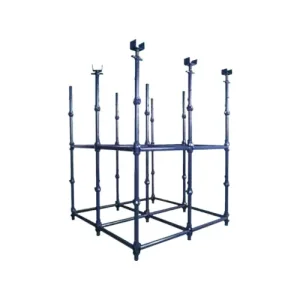
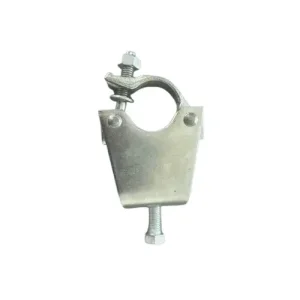
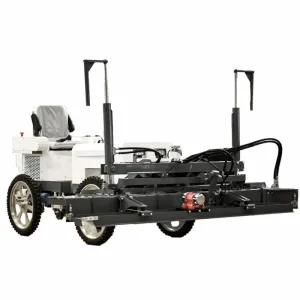
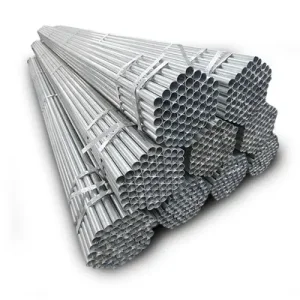
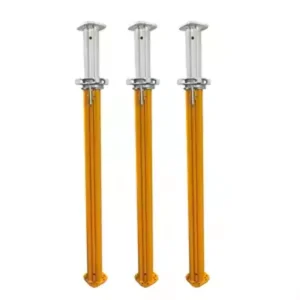
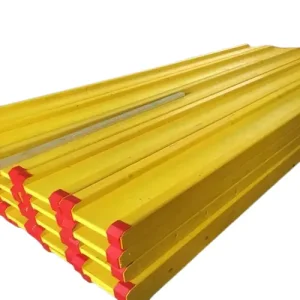
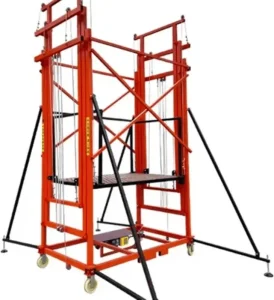
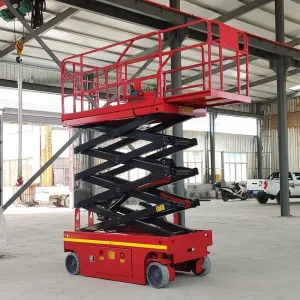
Explore our core engineering catalog optimized for high-performance concrete slab molding, building maintenance, and high-strength industrial framework.
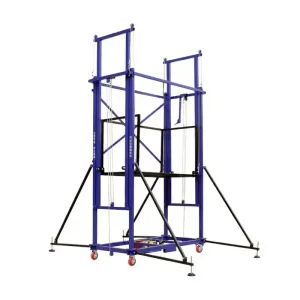
Analysing structural load thresholds, material lifespans, and global procurement paradigms for high-rise shoring.
In modern high-rise civil and industrial development, the shoring and casting of concrete slabs have transitioned from expendable timber shuttering to modular metal formwork systems. Metal formwork provides high flexural strength, dimensional precision, and structural stability required to withstand the high hydrostatic pressure of freshly poured concrete.
Unlike wood, which exhibits substantial deflection and deterioration over limited pour cycles, steel and aluminum modular slab formwork assemblies ensure zero-deformity cast profiles. This is particularly vital in beam-slab junctions and post-tensioned slab designs where deflection must be mitigated according to ACI 347 and BS 5975 protocols.
Worldwide construction dynamics call for rapid cycle times (such as 4-to-5-day cycles per floor). Systemized slab formwork utilizing high-tensile steel components (Q235 to Q355B) enables rapid stripping without compromising structural safety. International developers are increasingly prioritizing systems certified to EN 12810/12811, which define strict requirements for load capacity, structural stability, and surface galvanization to prevent atmospheric corrosion in coastal or industrial environments.
| Material Type | Yield Strength (MPa) | Typical Reusability Cycles | Deflection Rate under Load | Corrosion Resistance |
|---|---|---|---|---|
| Q235 Hot-Dip Galvanized Steel | 235 | 150 - 200 Cycles | Minimal (controlled by prop spacing) | Excellent (Hot-dip galvanizing 80μm+) |
| Q355B High-Strength Steel | 355 | 250 - 300 Cycles | Ultra-low (Ideal for thick slab spans) | Excellent (Hot-dip galvanizing 80μm+) |
| Engineered Timber (H20 Beams) | Elastic Limit Varies | 30 - 50 Cycles | Medium (subject to weather deformation) | Susceptible to moisture decay |
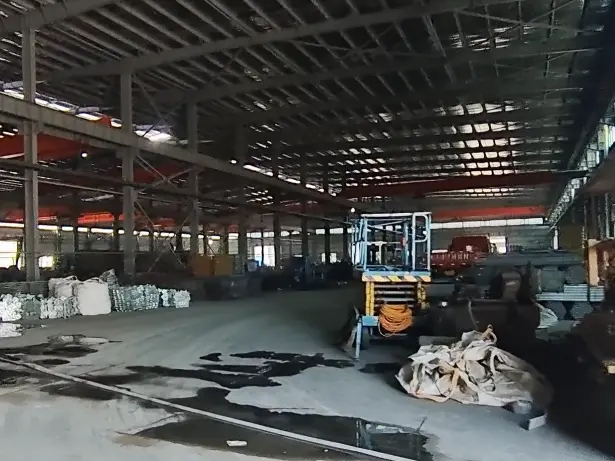
State-of-the-art manufacturing hubs operating over 13,000 square meters with key port access points for rapid global exporting.
Zhuozhan Group is a diversified and innovative enterprise that seamlessly integrates scientific research, manufacturing, and sales. With a robust portfolio of subsidiaries, including Laoting Zhuozhan International Trade Co., Ltd. and Hebei Shuangyang Metal Structure Co., Ltd., Zhuozhan Group has firmly established itself as a key player in the construction and manufacturing industries.
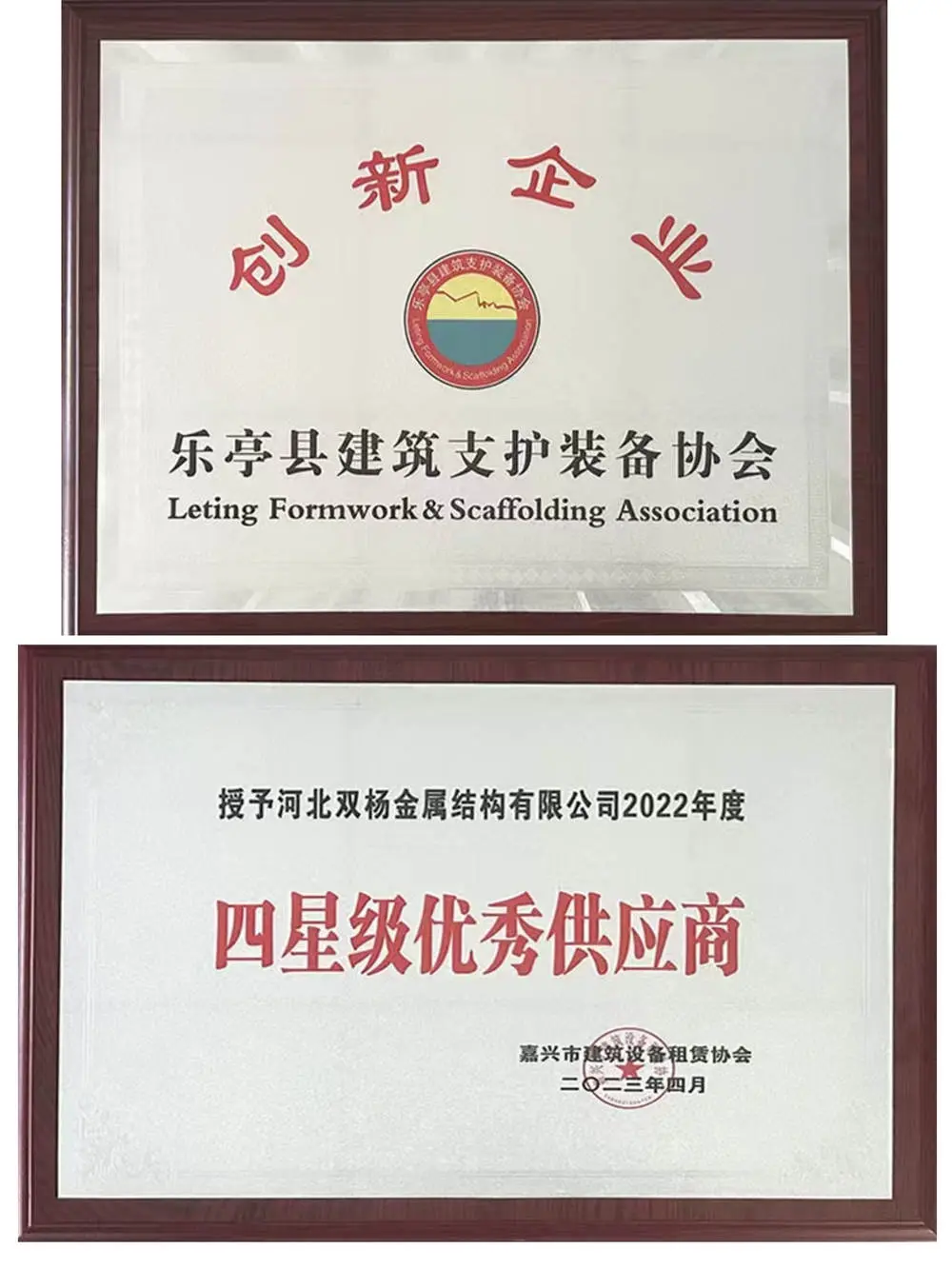
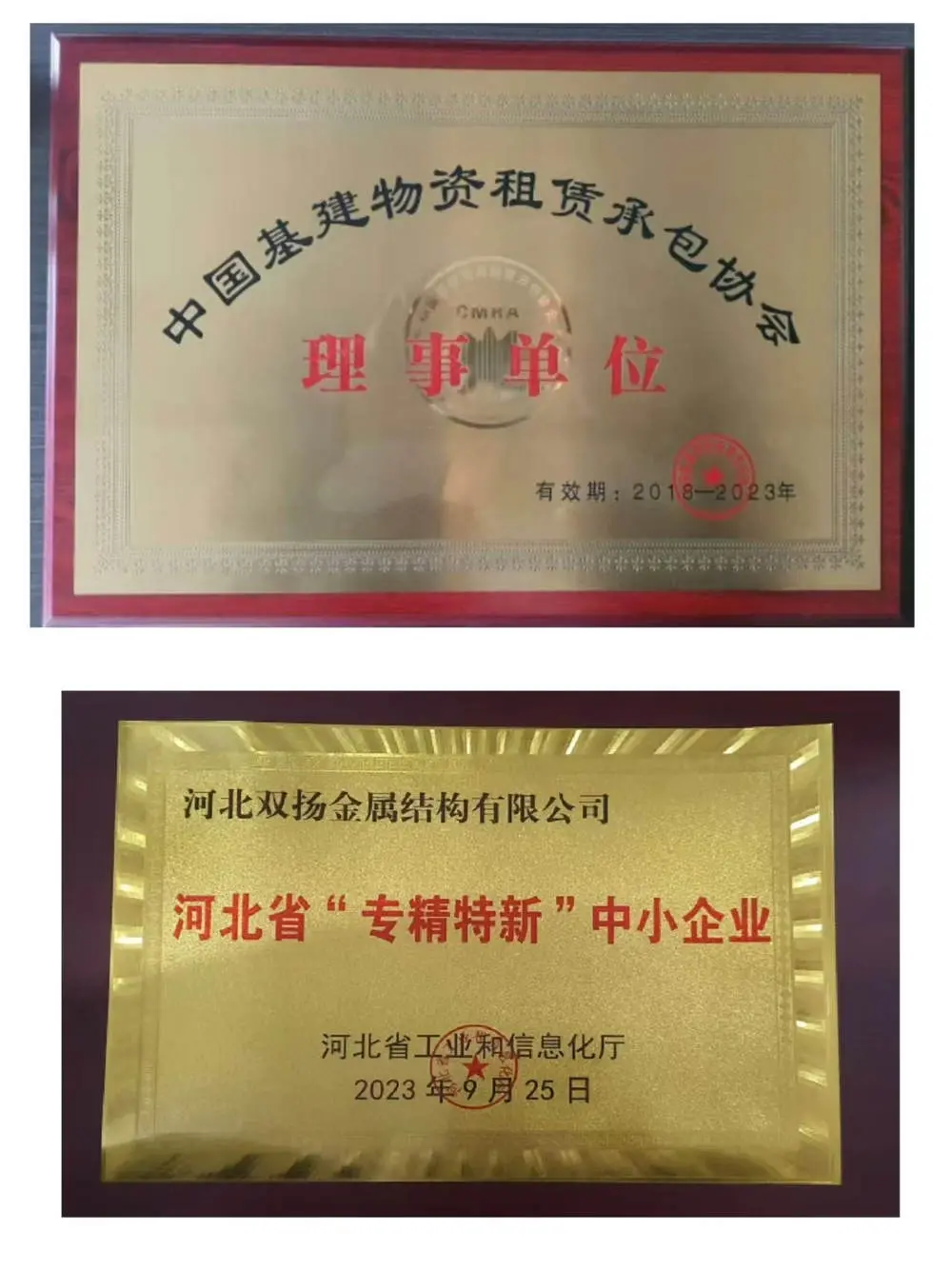
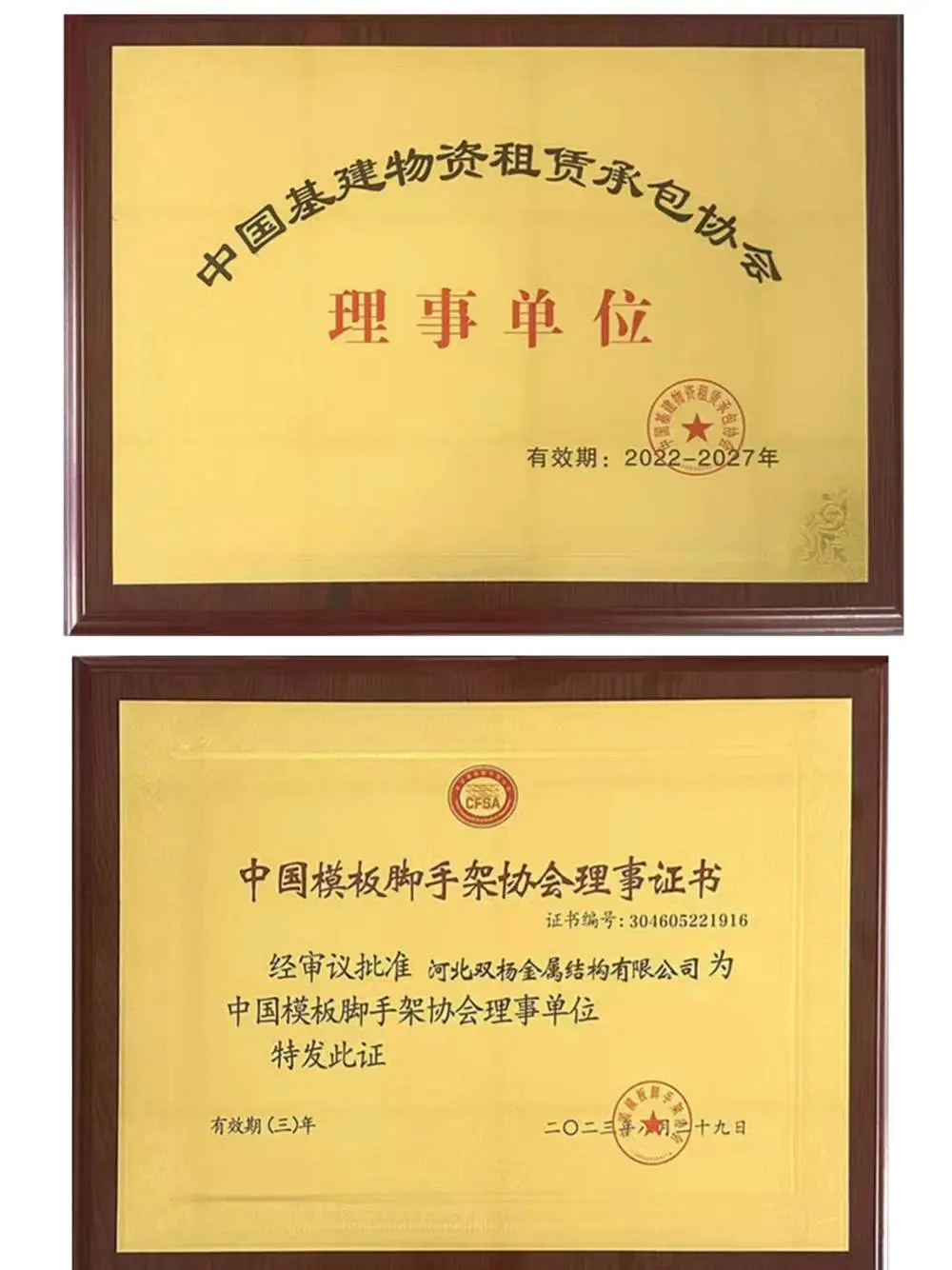
Founded in 2014, Hebei Shuangyang Metal Structure is a pivotal subsidiary that has rapidly advanced to the forefront of the industry, occupying a total area of 13,132.68 square meters, with a construction area of 7,124.58 square meters. The company operates with more than 500 skilled employees and is equipped with over 150 sets of advanced machinery and equipment. Over the years, Shuangyang has successfully secured 15 patents, demonstrating its strong commitment to innovation.
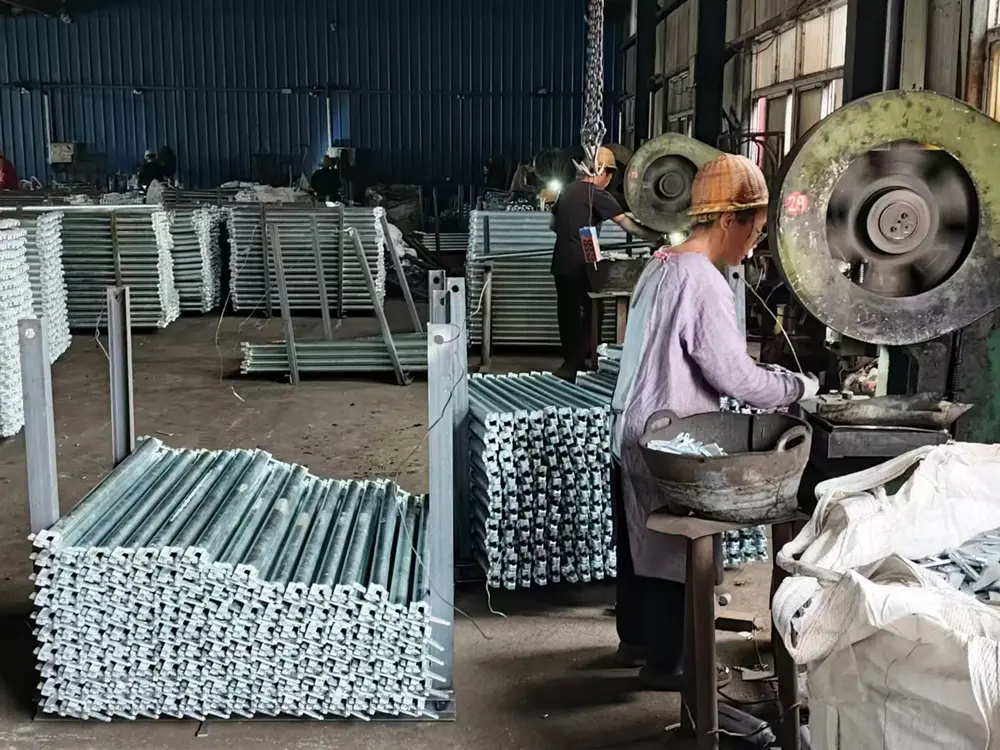
Production Facility Tour & Automated Welder Operational Highlights.
How automation, port proximity, and supply chain control yield unmatched global cost performance.
Operating a massive 40,000 square meter source facility with professional design workflows, ensuring swift high-volume batch delivery.
15 national utility patents for locking node optimization, structural load bearing, and modular slab panel adjustment designs.
Unmatched geological proximity to Jingtang Port, Tianjin Port, and Caofeidian Port, reducing container transit cost and ocean freight lead time.
Trusted partner of state-owned entities such as China Construction Fourth and Eighth Engineering Divisions, exporting to over 30 countries.
Utilizing certified Q355B low-alloy high-strength steel. Single prop capacities up to 10 tons—1.5 times the capacity of standard steel.
Modular self-aligning ringlock and shoring interfaces allow one builder to install 150-300 sqm daily, reducing labor costs by 70%.
Strict structural component assembly lines integrated with environmental pollution mitigation monitors.
Automated circular saw cutting of raw Q355B steel pipe. (Generates controlled solid scrap metal & noise).
Hydraulic press punching of locking ring holes at pre-configured intervals. (Generates noise & solid scrap).
Robotic weld fusion of the locking disc components onto the main structural steel pipe. (Monitored exhaust gas filtration).
Chemical pickling and immersion in molten zinc at 450°C for durable exterior surface passivation.
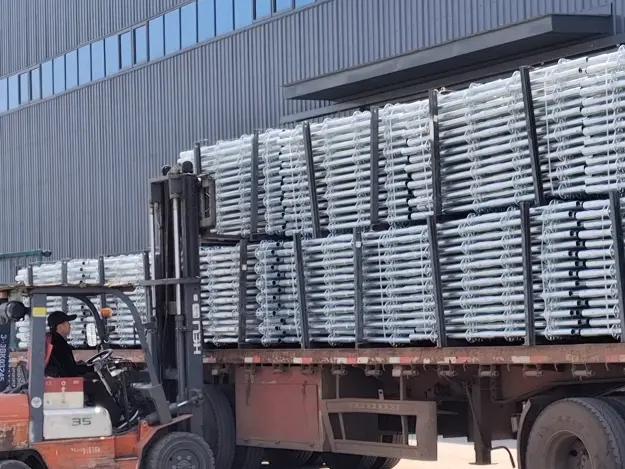
Verification of load capabilities, straightness testing, and packaging for containerized sea dispatch.
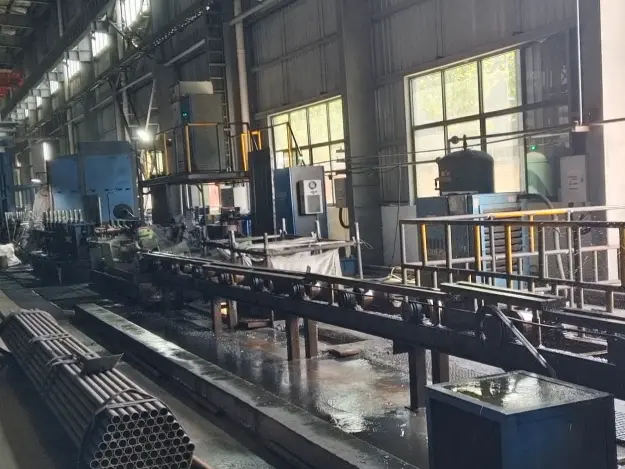
High-speed rotary steel sizing and linear dimension processing to ±1mm tolerance. (Solid waste collected).
Forming structural node ends to interface with vertical lock rosettes. (High efficiency hydraulic line).
Fully shielded robot arm welding of cast steel end connectors to tube terminals. (Filtered welding fumes).
Coating components with high-density zinc to protect against structural corrosion in high moisture environments.
Inserting and riveting the wedge connector pin into the ledger end casting for rapid self-locking installation.
A peek into our certified QA infrastructure, raw materials, and international shipping yards.
Watch how our high-strength modular props and ringlock systems operate under high-stress mockups.
Discover how Zhuozhan's slab shoring and steel configurations operate under field conditions.
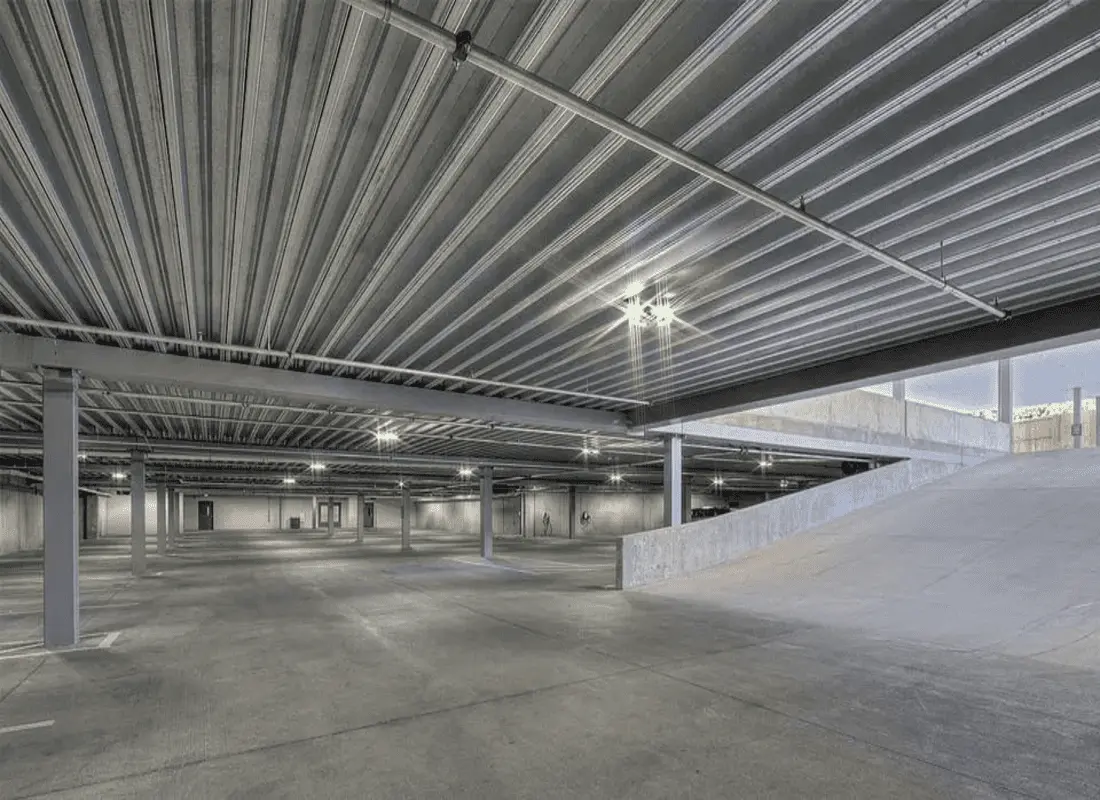
Providing high-bearing temporary support for heavy concrete slab casting over main rail channels.
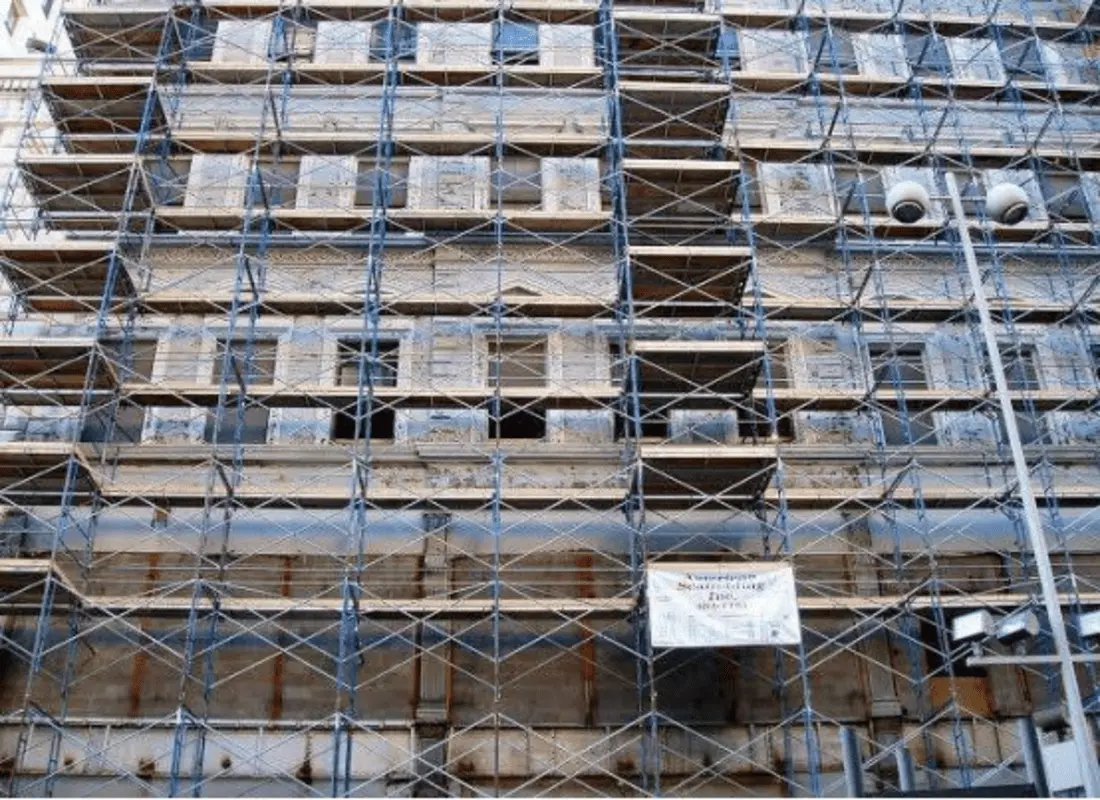
Adjustable scaffolding configurations modified for historic facade safety and masonry works.
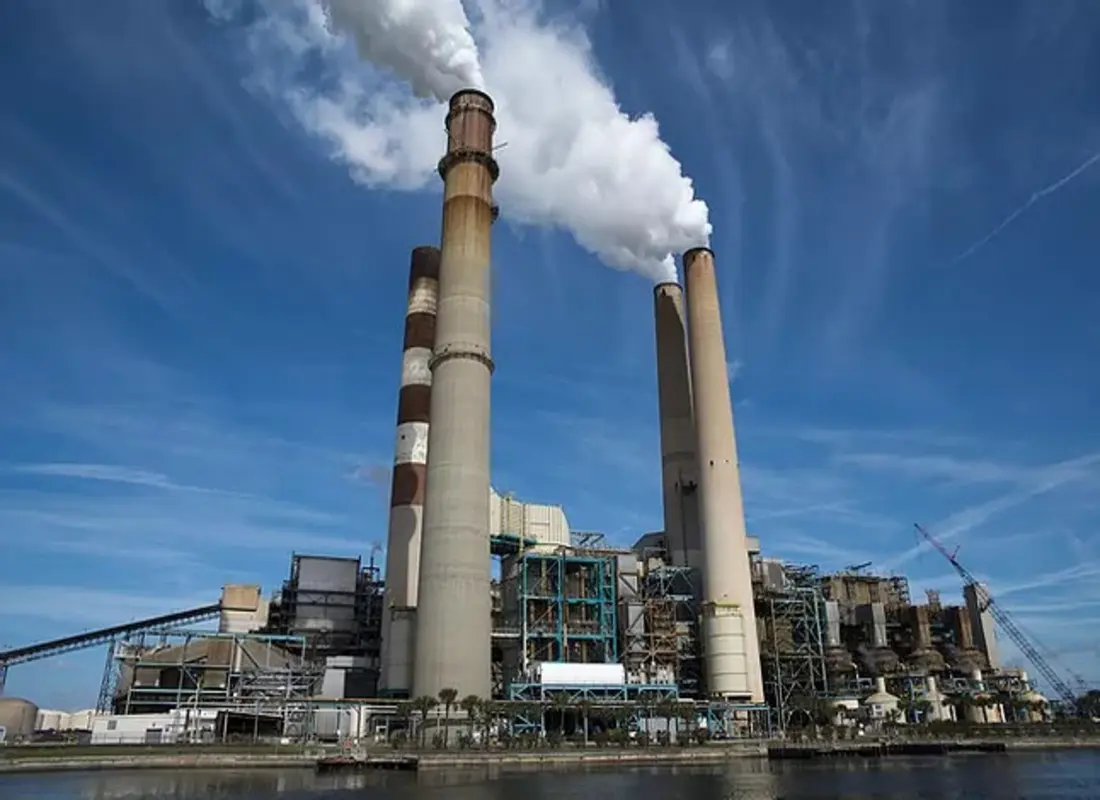
High load-bearing cuplock framing supporting massive heavy-industry concrete slabs.
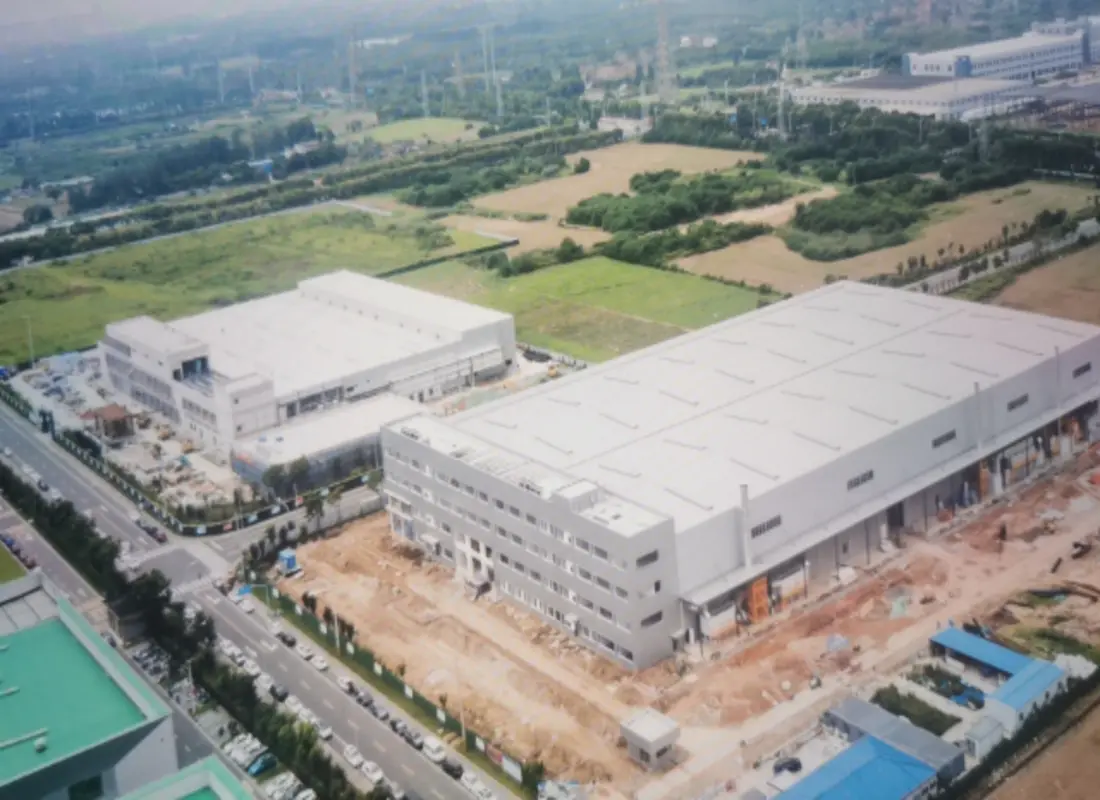
Fast-erecting modular ringlock towers configured for overhead overhead duct installation.
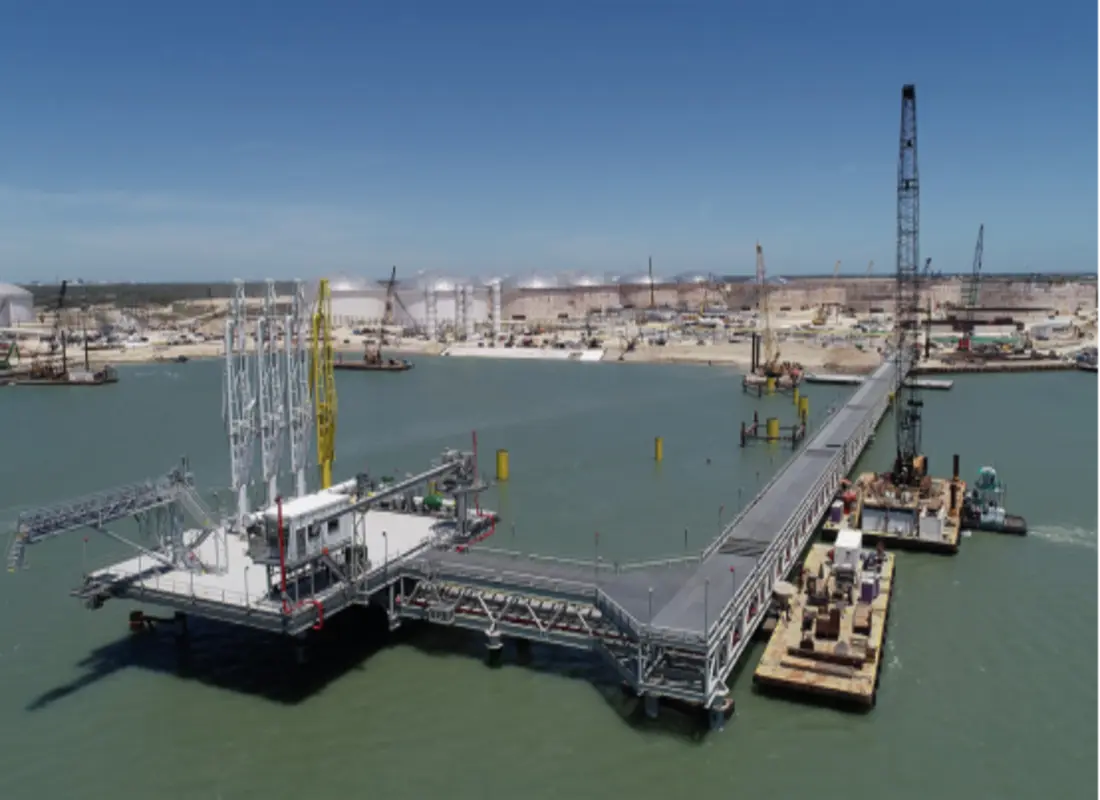
Corrosion-proof hot-dip galvanized shoring structure erected in coastal damp environments.
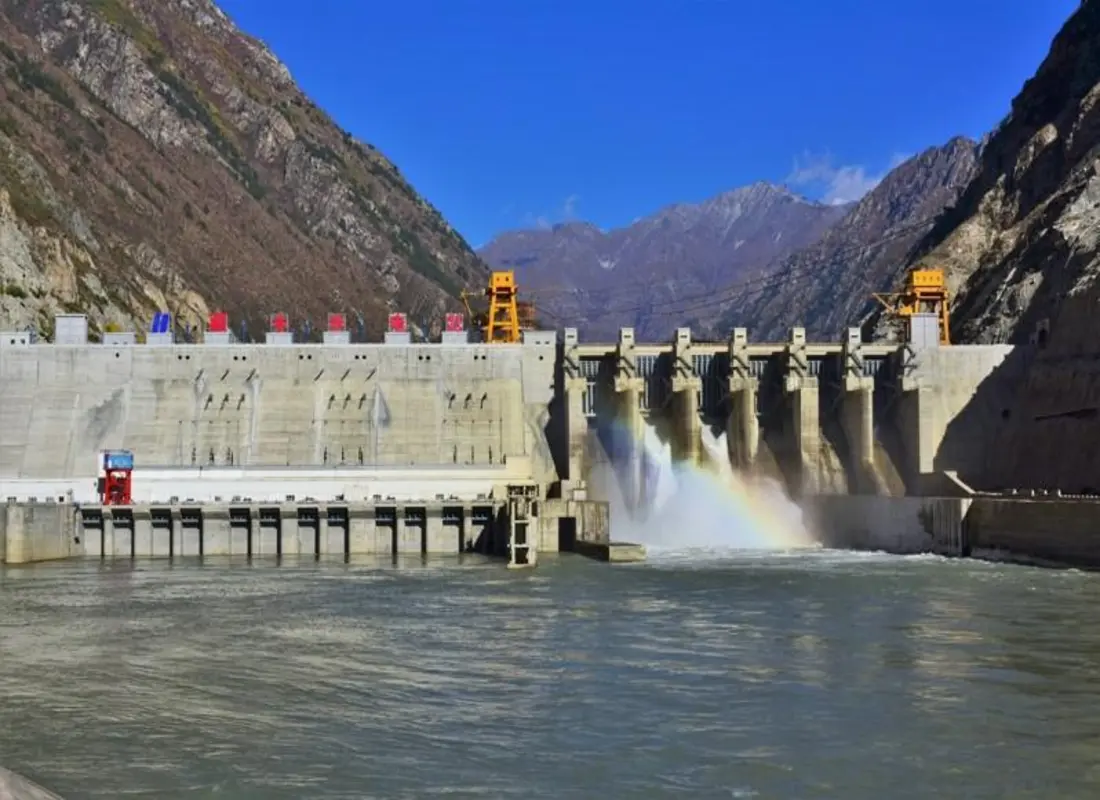
High-tensile heavy-duty scaffolds securing spillway concrete structure pourings.
Critical metrics for engineering buyers, detailing tolerances, structural requirements, and supply-chain logistics.
When selecting metal formwork for concrete slabs, procurement managers must evaluate the moment of inertia (I) and the section modulus (W) of the framing beams. Under ACI 347, the design load must account for the dead weight of the concrete (approx. 24 kN/m³), the formwork self-weight, and live construction loads (workers, pumps, and vibration equipment, typically defined as 2.4 kPa minimum).
Using structural steel grades such as Q355B allows thin-wall designs without risking sudden bucking. It is recommended to calculate prop pitch using Euler's column buckling formula:
Where E represents the modulus of elasticity (2.06 x 10^5 MPa for steel), I represents the moment of inertia, L represents the unsupported span height, and K represents the effective length factor. Our technical design office offers full structural engineering configuration drawings to match your slab thickness requirements.
To guarantee that our metal formwork for concrete slabs meets global structural safety standards, we execute a rigorous inspection protocol:
Technical answers to support project managers and procurement specialists in selecting slab formwork systems.
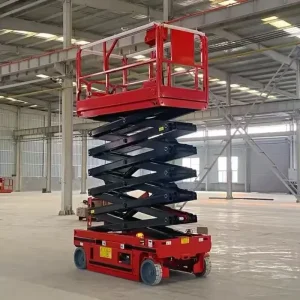
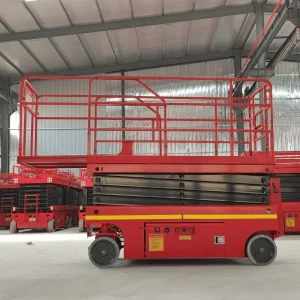
High-precision components, heavy-duty shoring jacks, and specialized platform hoists for global industrial construction.
 Zhuozhan