Engineered for durability, high load capacity, and seamless structural alignment across global job sites.
The shift toward sustainability, circular construction, and high-durability polymer systems.
The global construction industry is undergoing a structural transition. Traditionally dependent on single-use timber plywood and heavy steel panels, civil engineering firms are facing severe economic and environmental pressures. Deforestation, soaring wood material costs, high labor fees for system dismantling, and strict carbon footprint mandates (Scope 3 emissions) have catalyzed the demand for modular plastic formwork panels.
Modern plastic formwork systems represent a convergence of material science and mechanical design. Utilizing engineering thermoplastics such as Polypropylene (PP), Acrylonitrile Butadiene Styrene (ABS), and Polyvinyl Chloride (PVC), reinforced with internal structural ribbing or glass fiber matrix composites, these panels deliver excellent flexural strength, moisture resistance, and concrete release qualities. Unlike timber, which degrades rapidly due to water absorption and cement alkali exposure, high-performance plastic panels are inert, retaining dimensional accuracy through more than 80 to 100 reuse cycles.
Widely deployed in structural projects across North America, Europe, the Middle East, and Southeast Asia. Optimized for diverse climates, resisting expansion in high humidity and cracking under freezing temperatures.
Delivers an average of 80 to 100+ casting iterations per panel. Dramatically lowers the total cost-per-pour ratio compared to structural film-faced plywood systems.
Worn and damaged panels can be ground down, re-granulated, and molded into brand-new construction products, fitting directly into circular economy mandates.
Understanding how hollow and solid plastic panels compare to traditional forming methods.
For construction contractors, procurement officers, and structural engineers, selecting a formwork material involves evaluating initial capital expenditure (CAPEX) against operating expenses (OPEX). While plywood boasts low upfront costs, its limited lifespan drives up replacement and labor costs. Aluminum and steel offer high durability but require substantial initial investments and heavy logistics equipment.
Plastic formwork resolves these challenges, delivering a lightweight, durable, and cost-effective solution. Below is a comprehensive engineering comparison detailing critical parameters like weight, shear capacity, and stripping requirements:
| Performance Metric | Timber Plywood | Steel Formwork | Aluminum System | Engineered Plastic Formwork |
|---|---|---|---|---|
| Typical Lifespan (Reuses) | 8 - 15 Cycles | 150 - 250 Cycles | 150 - 300 Cycles | 80 - 120 Cycles |
| Average Weight (kg/m²) | 12 - 18 kg | 35 - 55 kg (Requires cranes) | 22 - 28 kg | 10 - 14 kg (Easy manual handling) |
| Concrete Finish Quality | Textured, requires plastering | Smooth, potential rust staining | Smooth, joint lines visible | Glass-like, mirror finish quality |
| Chemical / Water Resistance | Poor (Swells and delaminates) | Moderate (Requires rust treatment) | Excellent | 100% Waterproof & Alkali Resistant |
| Stripping / Release Agent | Mandatory every cycle | Mandatory every cycle | Mandatory every cycle | Optional / Minimal application needed |
| On-site Modifications | Excellent (Easy cutting/nailing) | Impossible (Requires workshop) | Difficult | Excellent (Can be cut, nailed & screwed) |
| Recycling Value | Zero (Sent to landfills) | High (Scrap metal pricing) | High (Scrap metal pricing) | High (Re-ground for new panel output) |
Backed by Hebei Shuangyang Metal Structure Co., Ltd. - Founded in 2014
Strict industrial standards for structural integrity, from raw metal framing to finished composite formwork assemblies.
A reliable formwork system requires robust structural support and height leveling. As a division of the Zhuozhan Group, Hebei Shuangyang Metal Structure Co., Ltd. manufactures heavy-duty support steel props, ringlock scaffolds, and structural fasteners. These components integrate with plastic panels to maintain alignment under the high hydrostatic pressure of fresh concrete.
We optimize our processing and quality management across all production lines. Below are the structural production steps and environmental control points for both vertical and horizontal support rods:
Industrial steel pipes are cut to precise design lengths. This step produces localized noise and metal solid waste, which are managed through recycling channels.
High-speed hydraulic presses punch rosette and pin holes into the steel. This process is monitored for noise control and metal scrap collection.
Robotic stations weld the steel pipe to the disc black parts. Equipped with industrial dust collectors to capture welding fumes and solid waste.
Welded parts undergo hot-dip galvanizing, applying a corrosion-resistant zinc layer that ensures a service life of 15 to 20 years.
Galvanized parts undergo strict dimensional checks (±1mm tolerance limit) before being packaged for global distribution.
Horizontal tubes are cut to size using automated saws. Waste scraps are collected, and soundproofing enclosures minimize shop noise.
The tube ends are punched to accommodate modular insert castings, ensuring tight dimensional tolerances.
Automated equipment welds casting ends to the tubes. Fume extraction systems remove waste gases to maintain indoor air quality.
Components are hot-dip galvanized to protect the inner and outer tube walls from rust and chemical degradation.
Inserts are secured to the galvanized tubes using high-pressure riveting equipment, completing the horizontal rod assembly.
Comprehensive structural forming and support solutions built on 12 years of industry experience.
Our source factory spans 40,000 square meters, delivering an annual production capacity of over 200,000 tons of structural steel supports, scaffolding, and forming accessories.
Backed by 15 national design patents, our engineers customize temporary support systems to match specific concrete pressure requirements.
Located near three major ports—Jingtang Port, Tianjin Port, and Caofeidian Port—our facility ensures fast logistics and efficient global shipping.
Manufactured using Q355B structural steel, our support props hold up to 10 tons—1.5 times the load capacity of standard shoring elements.
Our modular framing systems allow a single worker to install 150 to 300 square meters per day, reducing labor time by 3 to 5 times compared to traditional options.
Our systems comply with international quality certifications, including EN 12810/12811 standards and ISO 9001 quality management systems.
Proving performance across major structural infrastructure and high-rise developments.
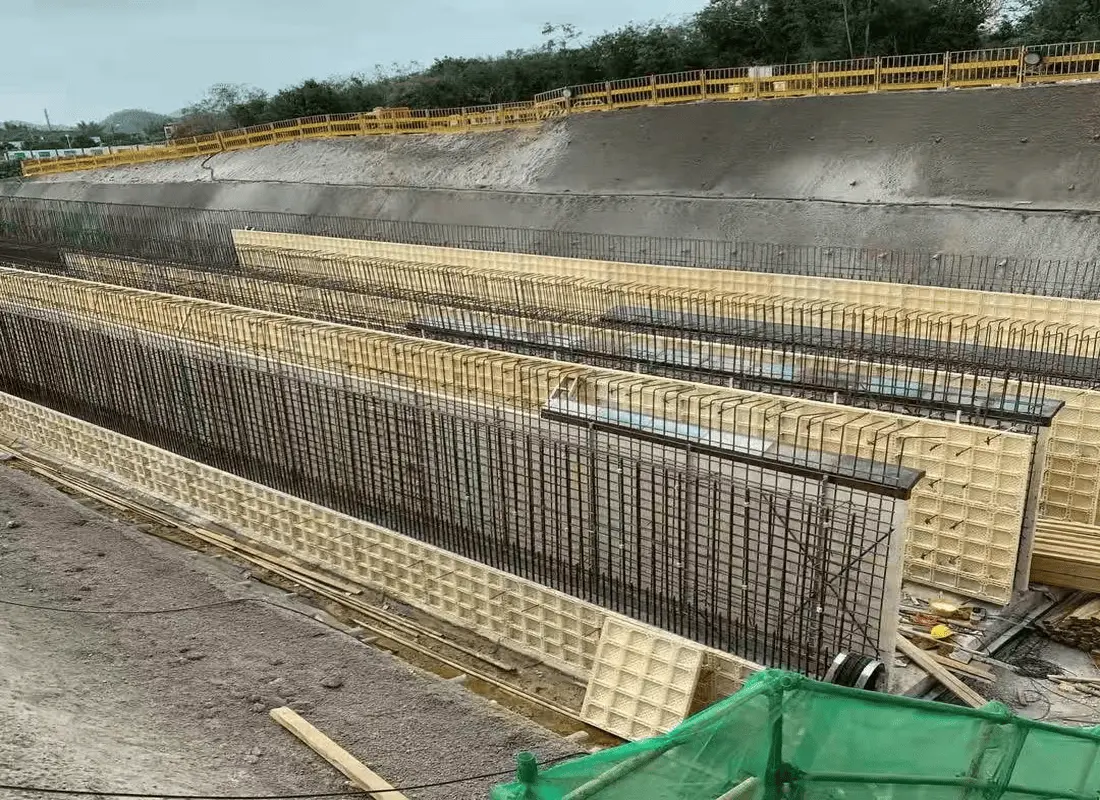
Plastic formwork panels were selected for their 100% waterproof performance in high-moisture environments. The panels maintained their structural integrity during continuous underwater concrete pouring operations.
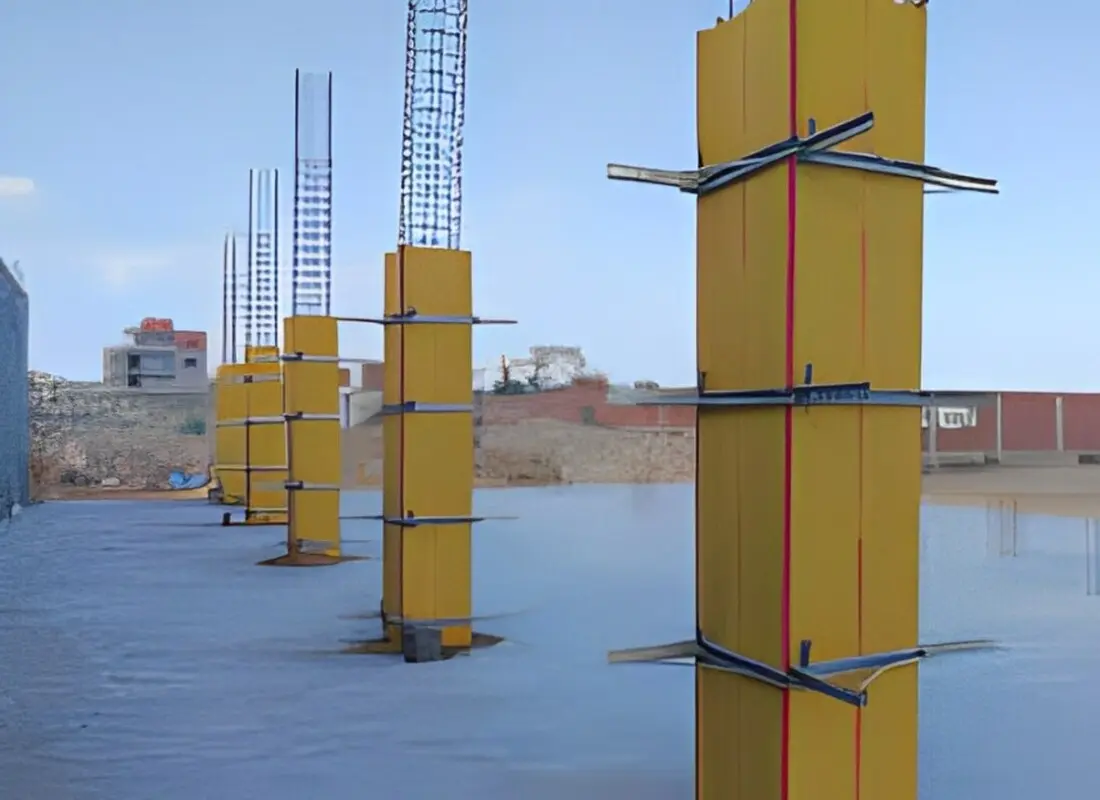
High-reusability forming plates were paired with adjustable steel props to pour flat slabs, delivering a smooth finish that reduced the need for plastering.
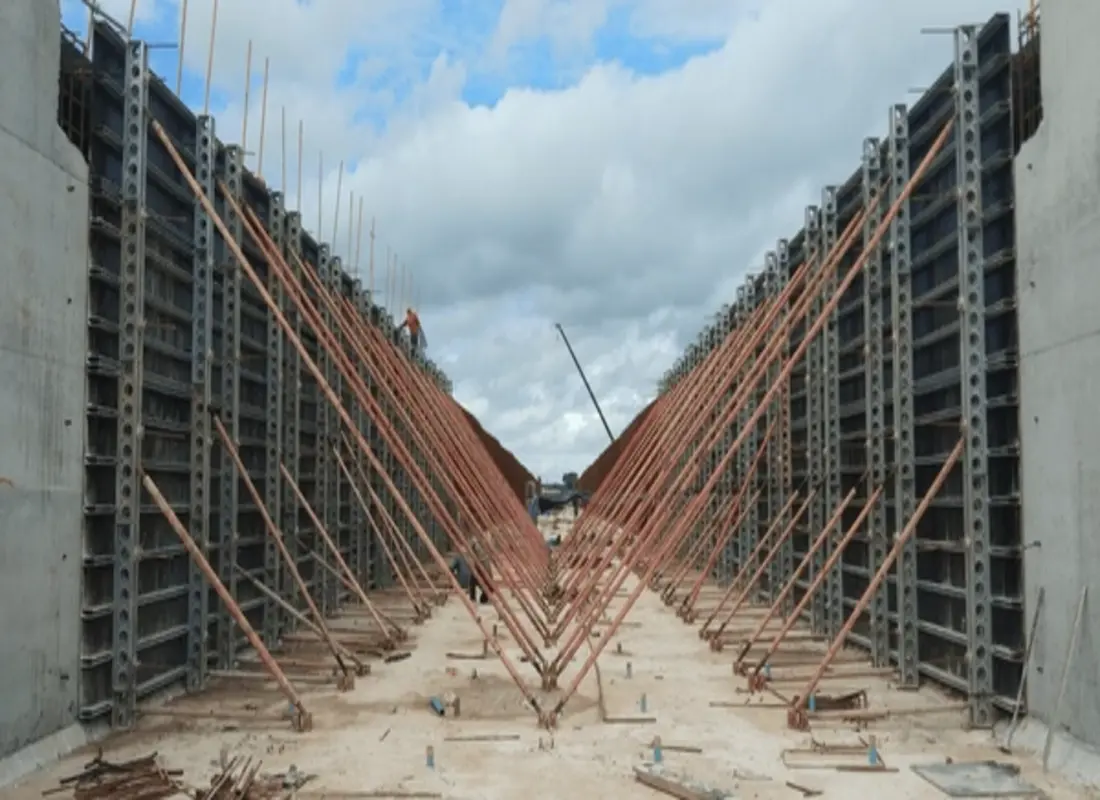
Heavy-duty steel shoring frames and custom modular formwork were deployed to handle the high concrete loads of mass pier cap castings.
Take a virtual tour of our advanced manufacturing lines and automated workshops.
Fourteen automated production lines ensure fast manufacturing cycles and consistent quality control.
Factory operations overview, highlighting our raw material handling, machining, and logistics systems.
Expert engineering answers for procurement specialists and project managers.
Our plastic formwork panels are manufactured from high-density, impact-modified polypropylene (PP) or ABS polymer alloys. These polymers are inert and do not react with the alkaline compounds in wet concrete (such as calcium hydroxide). They prevent concrete adhesion and eliminate the need for chemical release agents, making cleaning easier.
Yes, our engineered polymer panels are designed to perform between -20°C and +70°C. They feature low thermal expansion coefficients, ensuring they remain dimensionally stable and do not warp, buckle, or swell in high humidity or hot weather.
With proper handling, cleaning, and storage, our hollow core and glass-fiber reinforced solid plastic panels can be reused 80 to 100+ times. This durability lowers the per-cycle cost compared to traditional plywood, which typically lasts only 10 to 15 reuses.
Our standard 15mm and 18mm panels support lateral concrete pressures up to 60 kN/m². Combined with our Q355B steel shoring props and ringlock support configurations, the system holds high-density concrete pours without bowing or deflection.
Yes, our plastic formwork panels can be sawed, nailed, drilled, and routed using standard wood-working tools. This allows workers to easily make adjustments for pipe penetrations, irregular columns, and complex structural angles on-site.
Our panels are 100% recyclable, reducing timber consumption and preventing construction waste from entering landfills. By choosing high-reuse plastic formwork, projects can lower their carbon footprint and qualify for LEED points under material resource management categories.
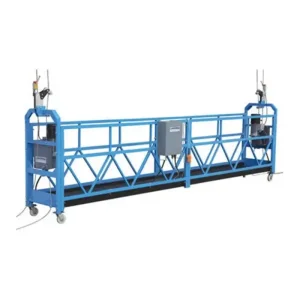
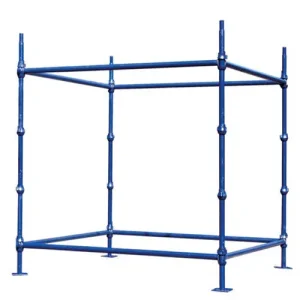
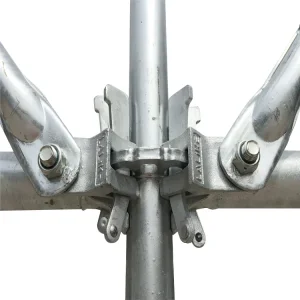
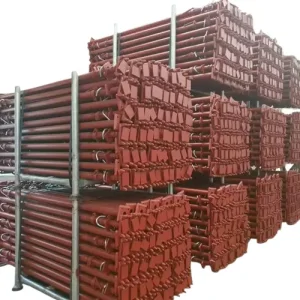
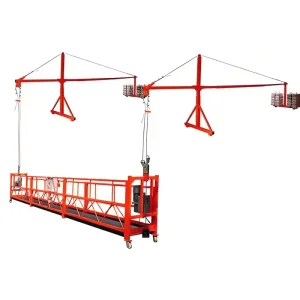
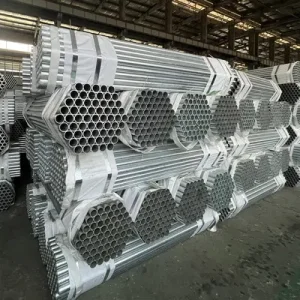
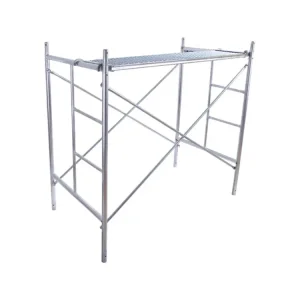
Explore our certified suspended platforms, modular cuplock scaffolding, and industrial piping options.
 Zhuozhan