Engineered to withstand rigorous environments, conforming to BS EN 12810/12811 and OSHA industrial requirements.
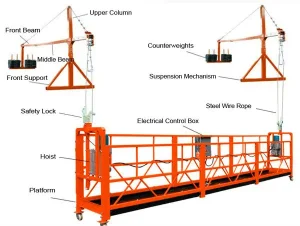
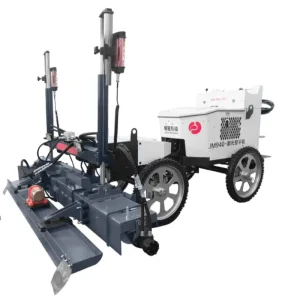
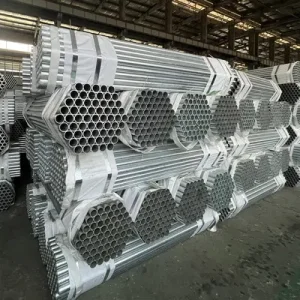
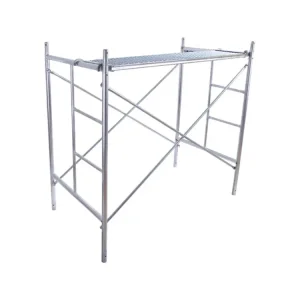
A comprehensive analysis of load-bearing performance, advanced galvanization technology, and global compliance safety factors.
For industrial-grade scaffolding, structural integrity is directly tied to chemical and mechanical properties of the steel material. At Hebei Shuangyang Metal Structure Co., Ltd. (a premier subsidiary of Zhuozhan Group), we specify Q355B low-alloy high-strength steel for our ringlock standards instead of standard Q235 steel. Q355B provides a minimum yield strength of 355 MPa (compared to Q235's 235 MPa), allowing standards to carry loads up to 10 tons per standard under optimal conditions. This translates to 1.5 times the load capacity, while optimizing material usage and reducing self-weight by roughly 30% to 50% compared to traditional frame systems.
Choosing Q355B allows high-rise shoring systems to minimize structural bracing while ensuring zero deformation under high vertical concrete loads. This material upgrade is crucial for petrochemical facilities, high-capacity bridges, and heavy industrial structures.
Industrial scaffolding systems are routinely exposed to marine environments, chemical emissions, and abrasive weather conditions. We utilize an automated outsourcing hot-dip galvanization process that meets BS EN ISO 1461 specifications. The zinc coating thickness is strictly controlled to maintain a minimum local thickness of 85 µm. This micro-layer of cathodic protection prevents atmospheric corrosion for 15-20 years in typical construction applications and over 10 years in corrosive offshore environments.
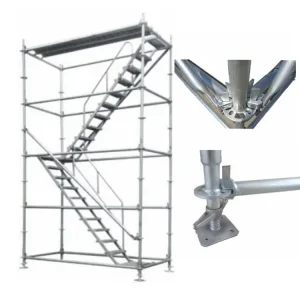
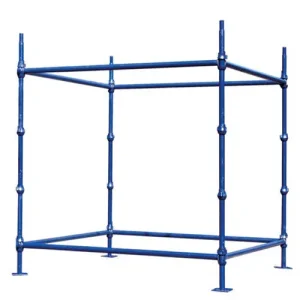
The core advantage of modular ringlock systems lies in the rosette node. Our system features a cast steel rosette welded at 500mm intervals using automated robotic welding technology. The geometric configuration of the rosette permits up to 8 connection paths (4 ledgers and 4 diagonal braces). This layout forms a node with rigid connection characteristics, distributing torque and axial forces directly into the standard. The wedge-locking key guarantees a tight connection, minimizing play and preventing displacement during seismic activity or heavy high-altitude wind load pressures.
Compliance is a key factor in global procurement. Our systems are verified by third-party testing organizations to ensure alignment with EN 12810 (facade scaffolding) and EN 12811 (temporary work equipment). Testing verifies vertical load bearing capacity, diagonal stiffness, and horizontal stability factors to confirm performance under actual field conditions.
Combining advanced manufacturing capabilities, international trade experience, and custom design resources.
Founded in 2014, Hebei Shuangyang Metal Structure Co., Ltd. serves as our core manufacturing facility. Supporting our global trade initiatives, Laoting Zhuozhan International Trade Co., Ltd. manages export operations and custom logistics, ensuring secure delivery to projects worldwide. Over the past year, Zhuozhan Group's sales exceeded $20 million USD, demonstrating the reliability of our supply chain in international markets.
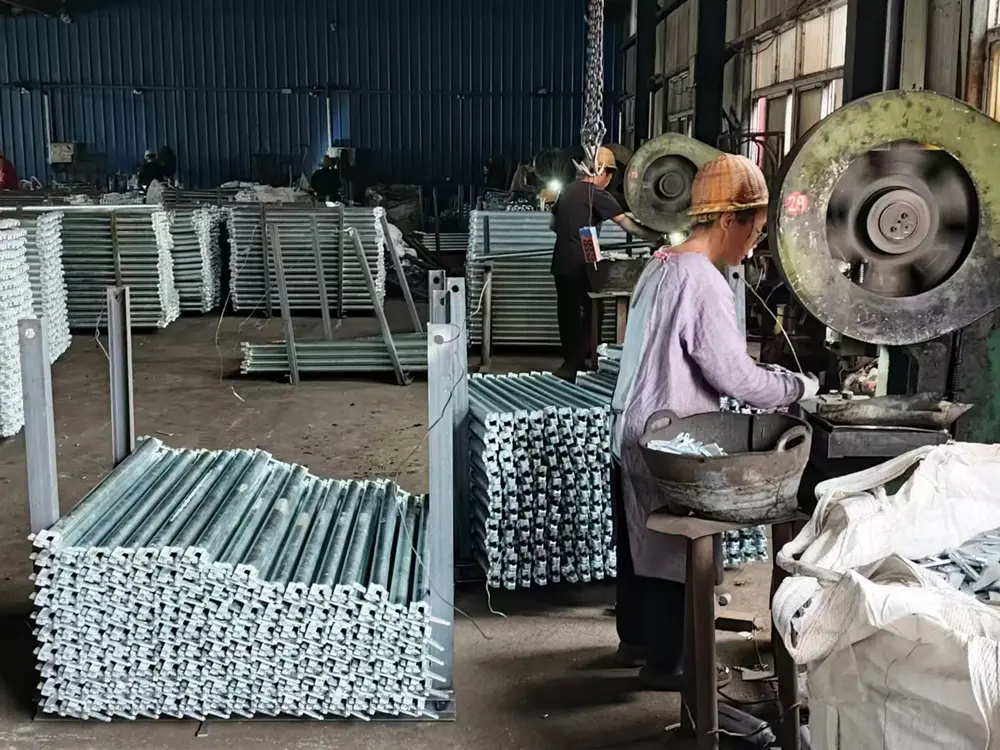
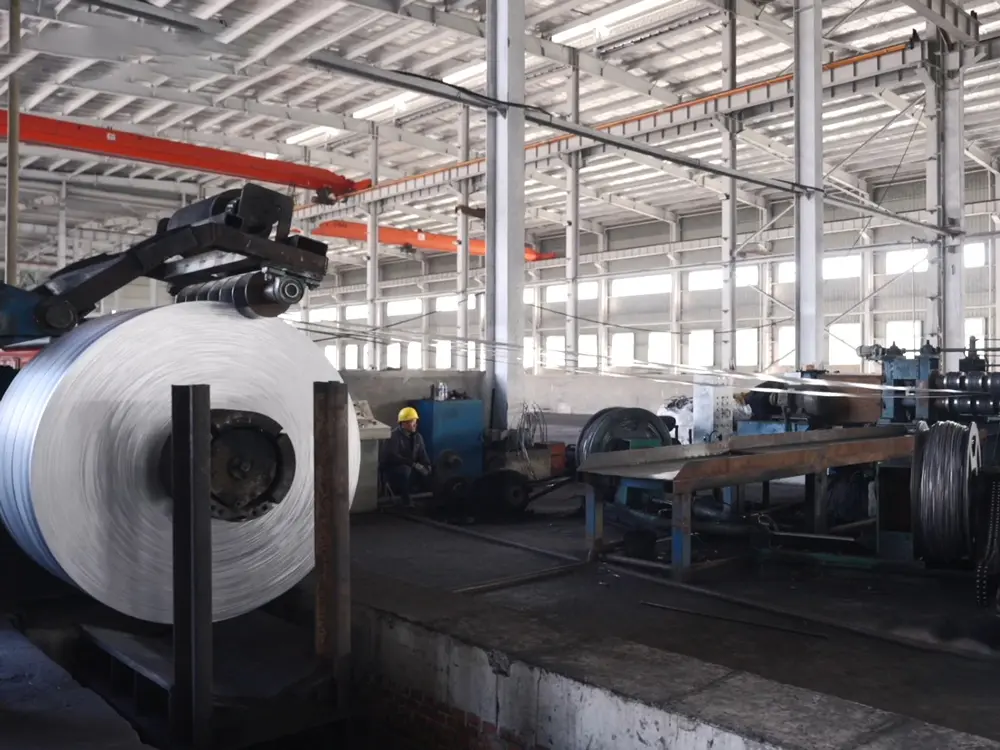
Operating over 150 sets of advanced metal processing machinery across a 40,000 square meter total factory footprint, our facilities produce 300,000 tons of steel pipe, 1,000,000 tons of scaffolding, and 400,000 tons of adjustable shoring supports annually. This production capacity enables us to fulfill large-scale orders on schedule while maintaining strict quality control parameters.
Within the domestic Chinese market, Zhuozhan Group maintains partnerships with leading construction contractors, including CSCEC 8th Engineering Division and CSCEC 4th Engineering Division. These collaborations on complex infrastructure projects serve as real-world testing grounds for our scaffolding systems, verifying their performance under demanding load-bearing conditions.
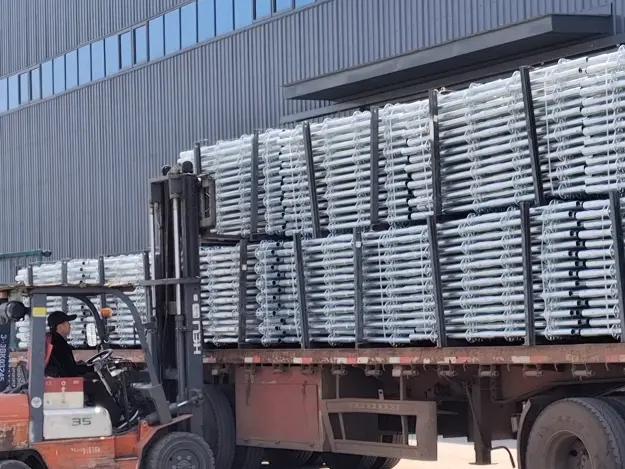
Additionally, our proximity to three major northern Chinese shipping ports—Jingtang Port, Tianjin Port, and Caofeidian Port—optimizes logistics. This strategic location facilitates prompt container dispatch and helps lower international shipping costs for our global customers.
An overview of the manufacturing processes and quality checkpoints used for vertical standards and horizontal ledgers.
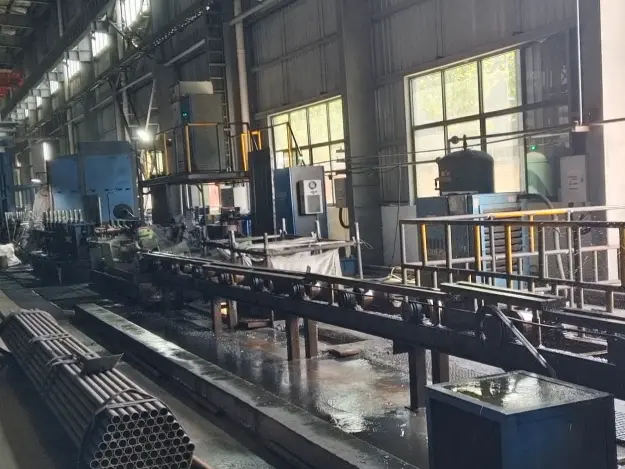
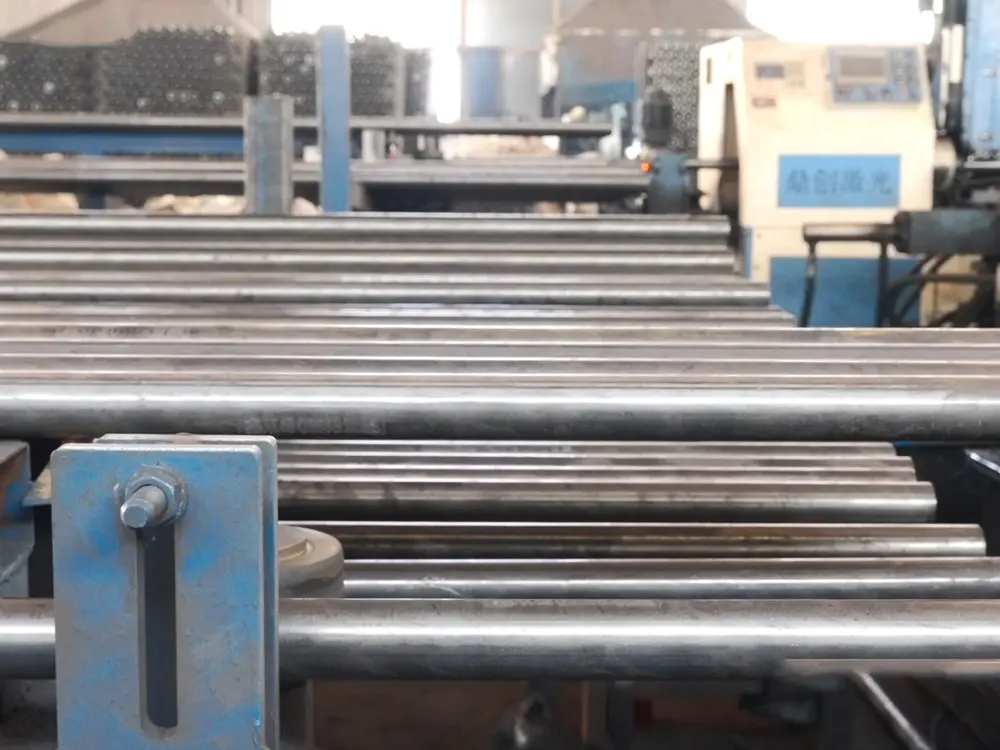
High-grade structural steel pipes are cut to exact design lengths using automatic CNC cutting machinery, ensuring square ends for load transfer. Noise and scrap metals are managed in accordance with local environmental regulations.
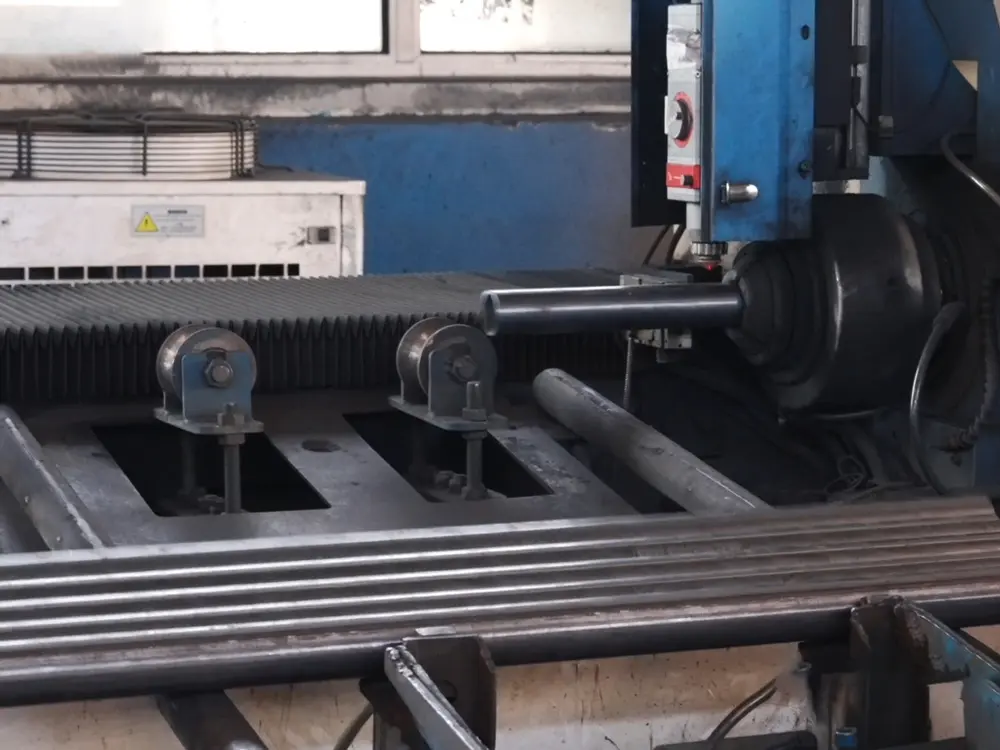
Hydraulic pressing units punch the necessary connection apertures into standard tubes with precise spacing. Quality controls check dimensions to prevent variations in final assembly.
Advanced welding robots affix the rosette ring plates and spigots. The automated welding process ensures consistent weld penetration, which is verified using non-destructive testing (NDT).
Welded components undergo hot-dip galvanization, forming a durable zinc coating that shields the inner and outer tube surfaces from rust and environmental wear.
Ledger pipes are cut to exact size tolerances. Ends are prepared for welding of the ledger cast ends, ensuring square and stable connections.
The ends of the ledger pipes are shaped and punched to ensure proper alignment and fitment with the cast ledger heads.
Ledger end castings are welded to the steel pipes using automated multi-axis welding machines, ensuring uniform strength and joint durability across every production batch.
Following the hot-dip galvanization bath, wedge pins are riveted into the ledger end castings. This design retains the locking pin within the assembly to prevent loss on the job site.
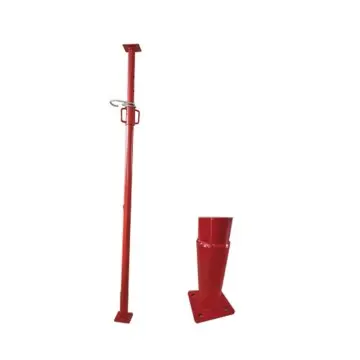
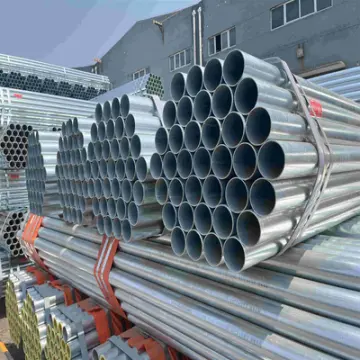
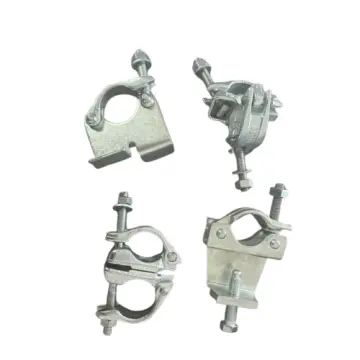
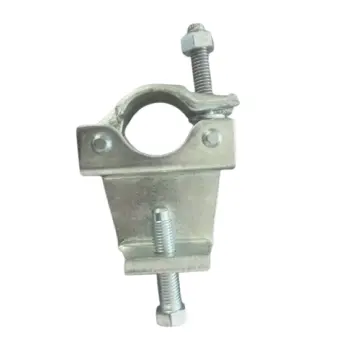
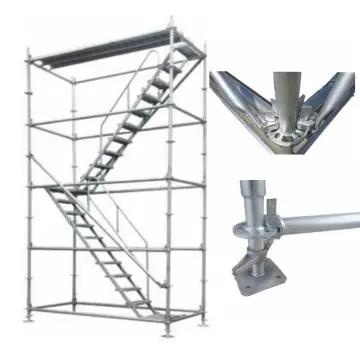
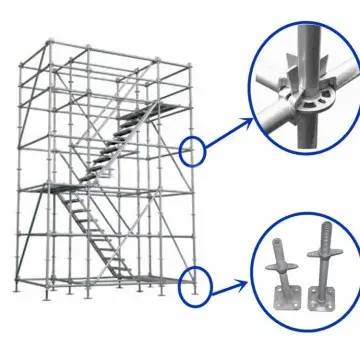
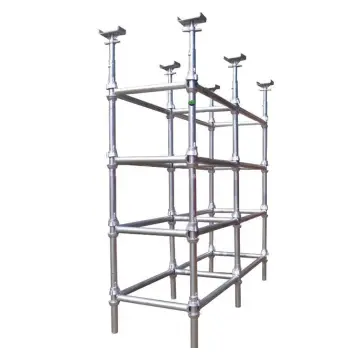
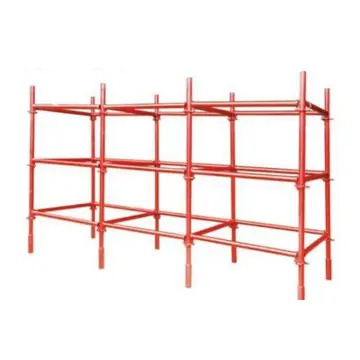
Select components engineered for high load-bearing capacity and corrosion resistance in modern construction environments.
Ensuring timely shipment, proper quality documentation, and regulatory compliance across international markets.
Navigating varying local safety regulations is a key consideration for global procurement managers. Our industrial scaffolding products are engineered and tested in accordance with international safety standards, including:
We supply Mill Test Certificates (MTC) and load analysis reports for every shipment, providing the structural verification required by local safety inspectors.
Operating from Hebei province, we benefit from proximity to major steel production areas, helping maintain stable raw material access. Our logistics coordinates direct shipping routes through three major regional ports:
These shipping options allow us to select efficient freight routes, reducing transit delays and optimizing shipping costs for our buyers.
We provide localized technical assistance and customer service to support international buyers throughout the procurement process:
Real-world deployments of our modular ringlock, cuplock, and formwork solutions on global construction and infrastructure sites.
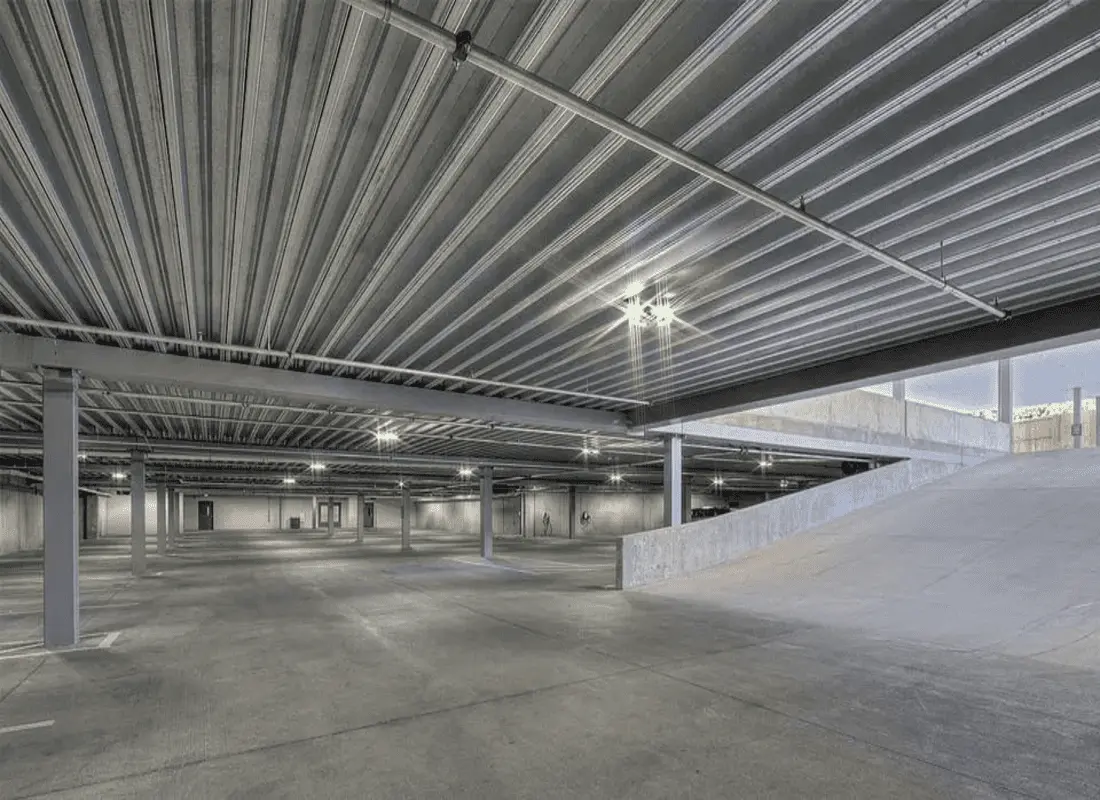
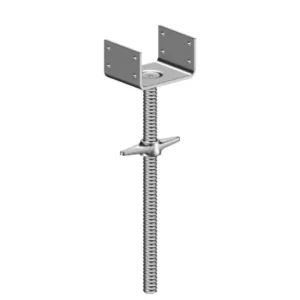
Heavy-duty adjustable steel shoring props supporting heavy concrete slab pours on a major transportation hub expansion.
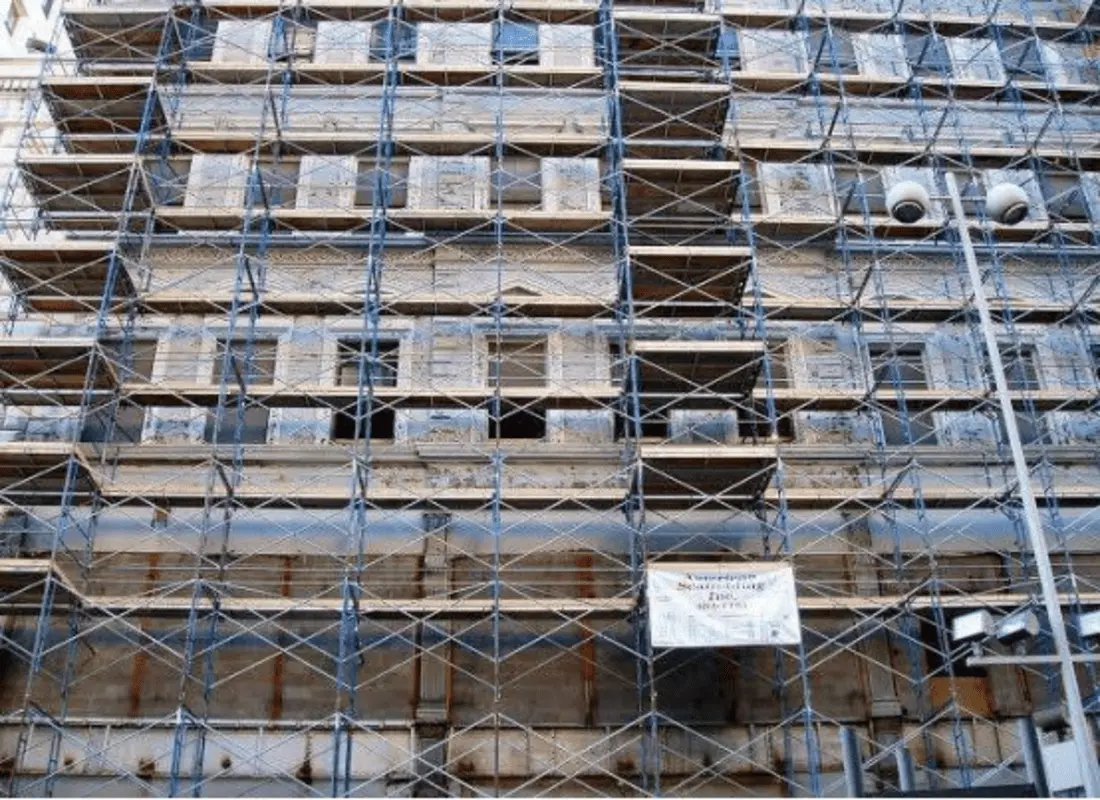
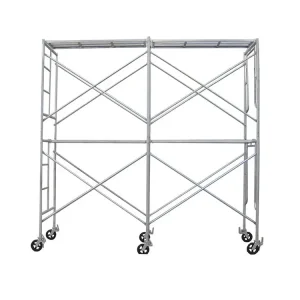
Hot-dip galvanized H-frame scaffolding system supporting facade rehabilitation work, adhering to EN 12810 safety standards.
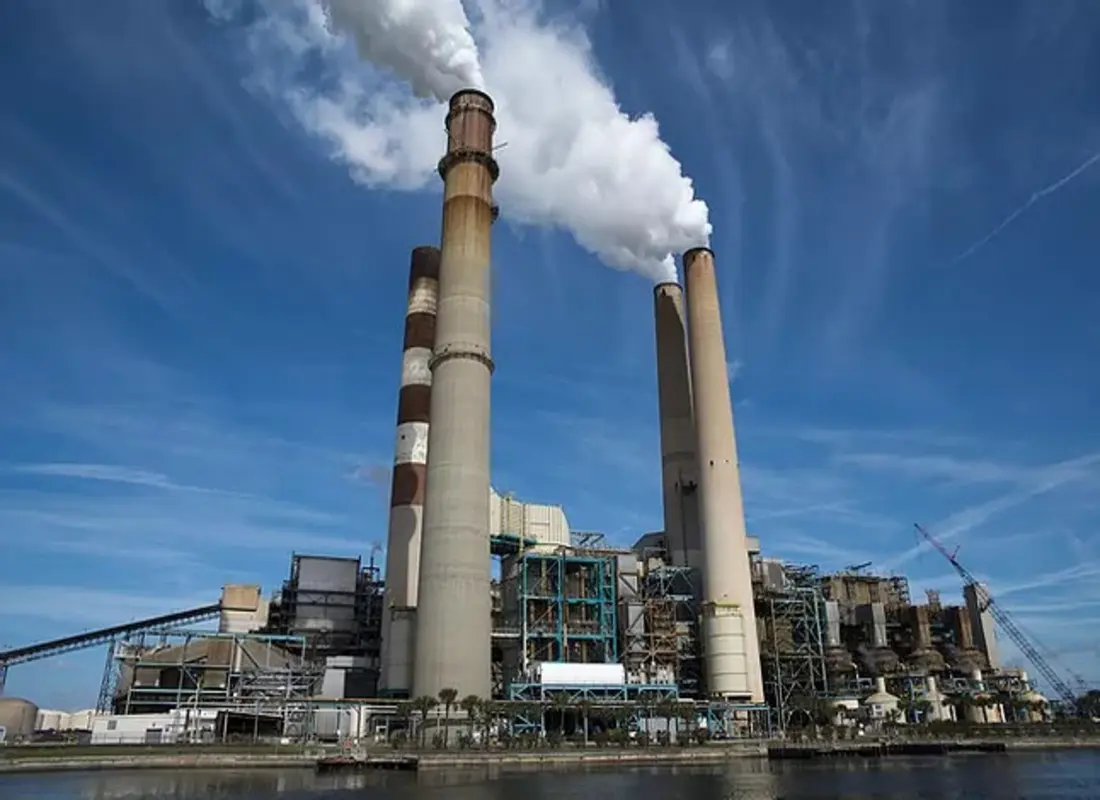
Heavy-duty Q345 cuplock structure serving as a high-capacity boiler maintenance platform at a thermal energy facility.
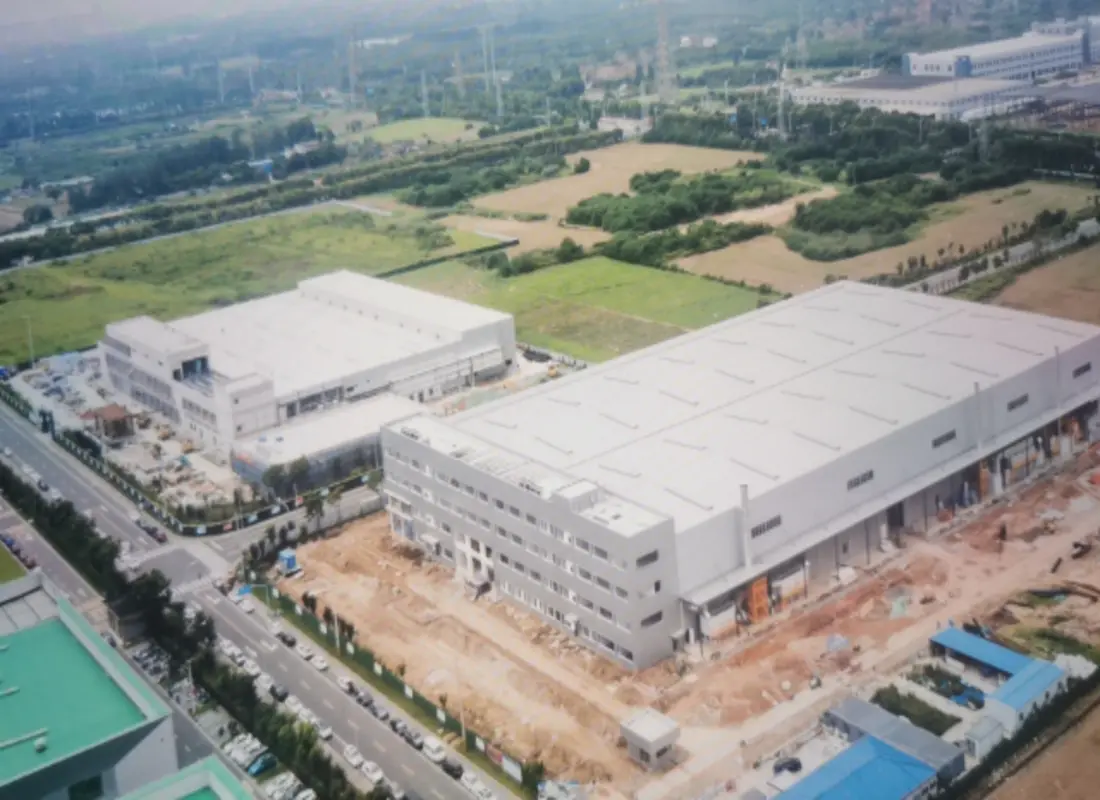
High-strength modular ringlock layout providing elevated work access during high-tech facility construction.
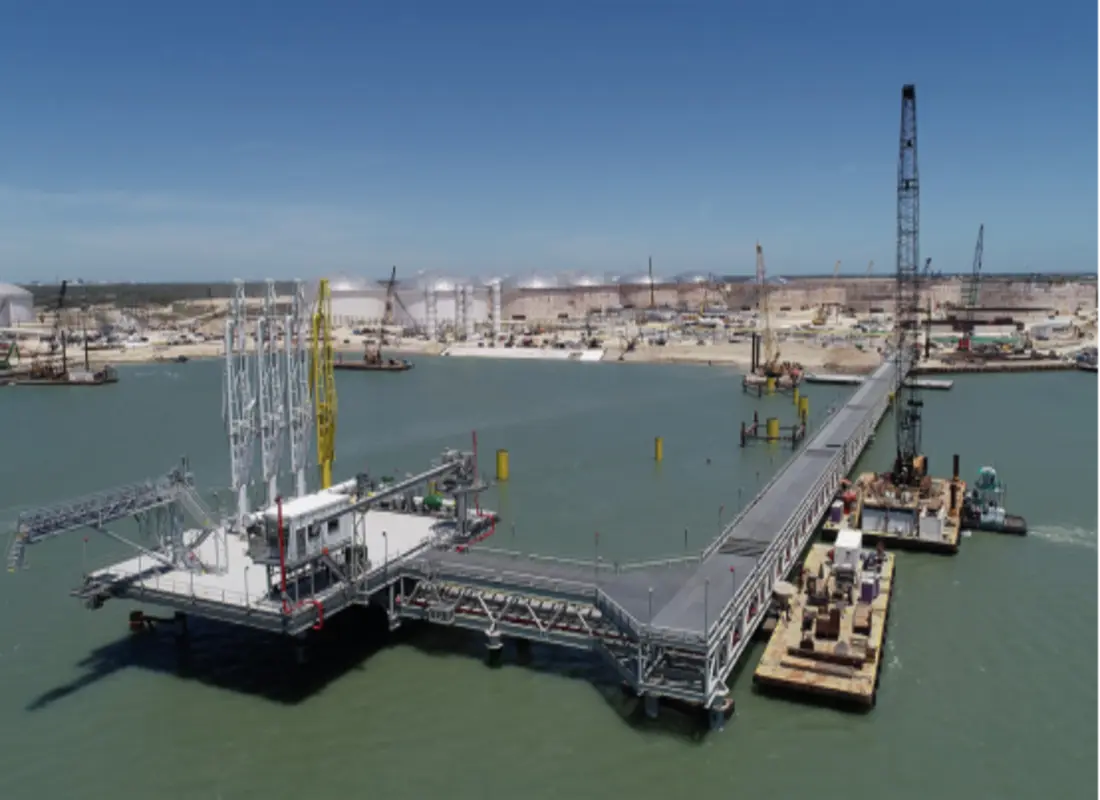
Highly stable cantilevered scaffolding structure used for installing overhead pipelines in marine environments.
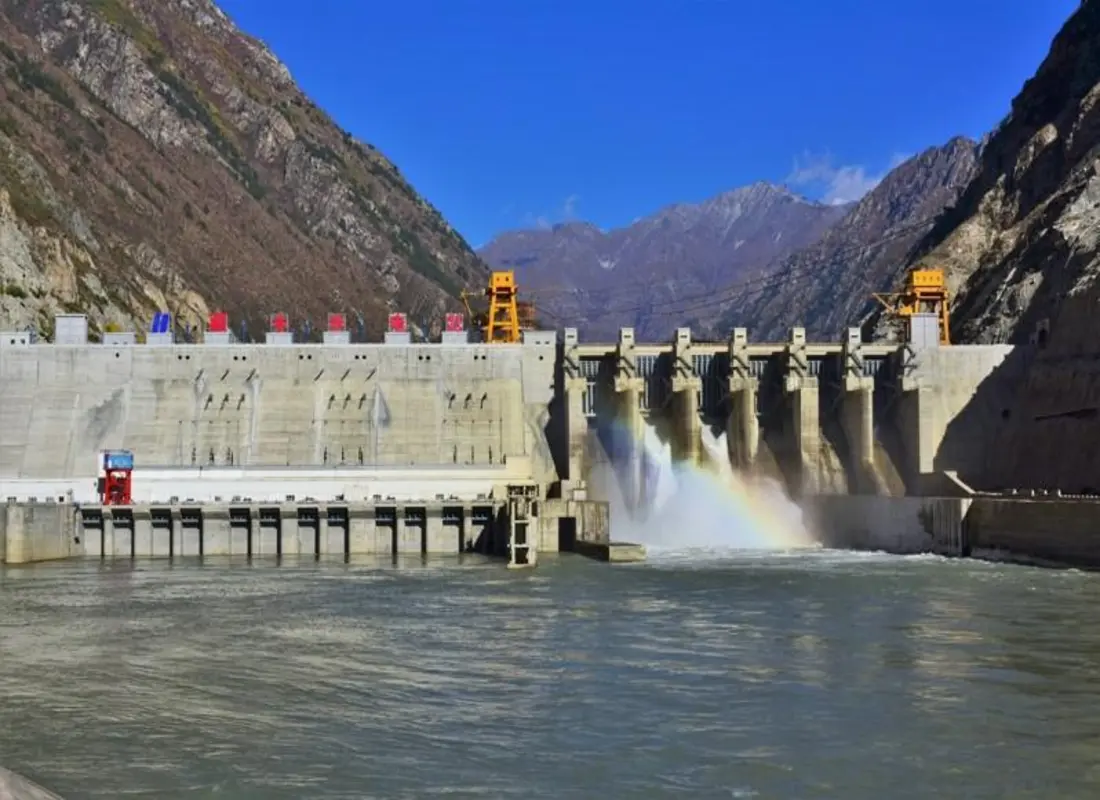
Structural scaffolding designed to adapt to irregular concrete geometries during dam spillway renovations.
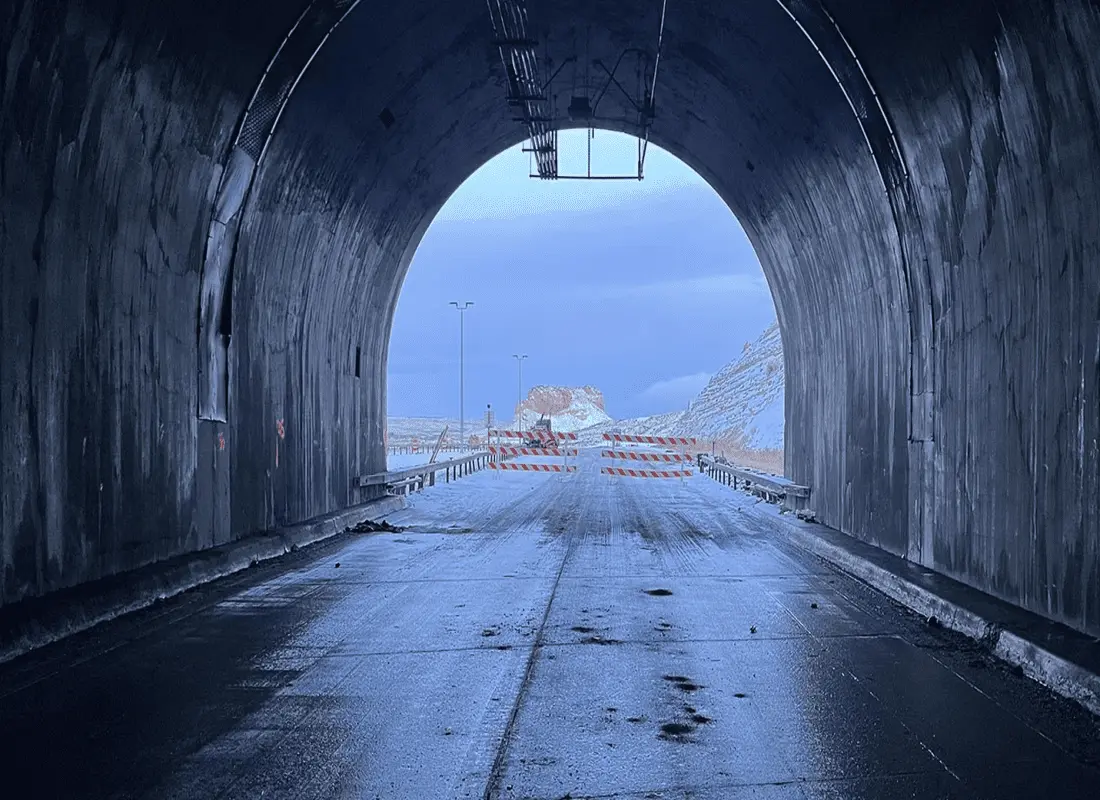
Stiff portal frame structure used for overhead support during heavy concrete formwork casting in tunnel construction.
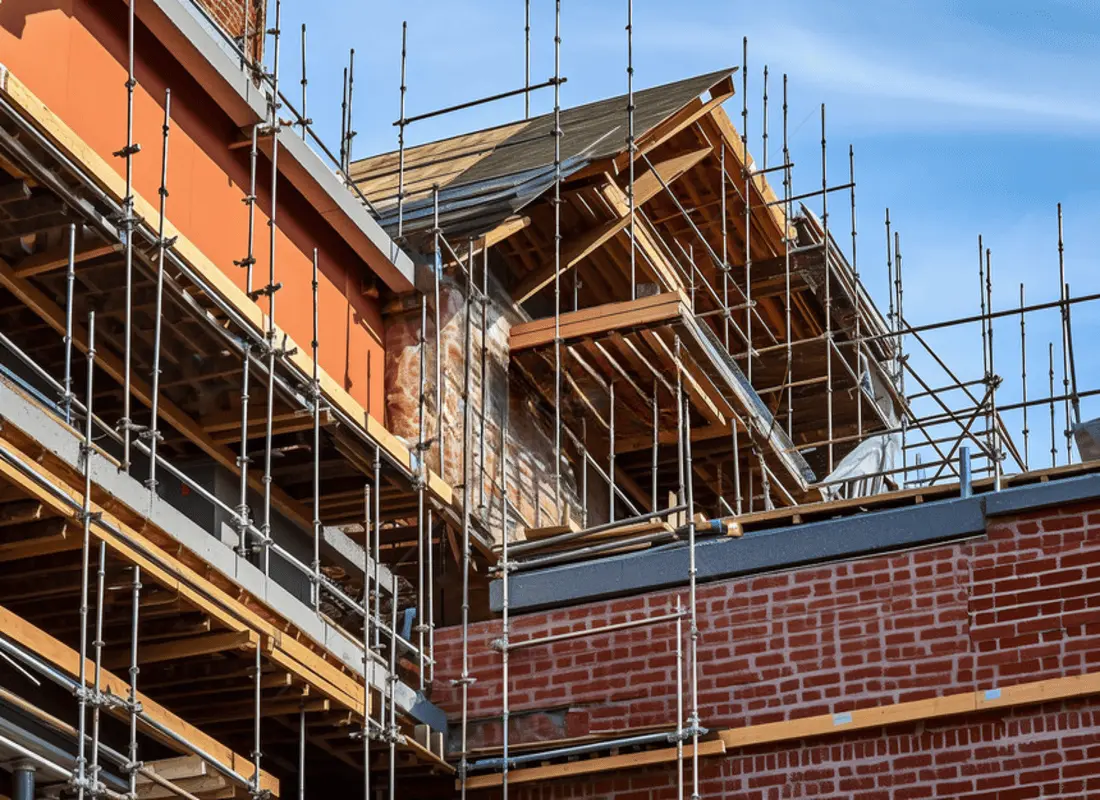
Integrated shoring and access tower configuration optimized for rapid construction cycles on industrial buildings.
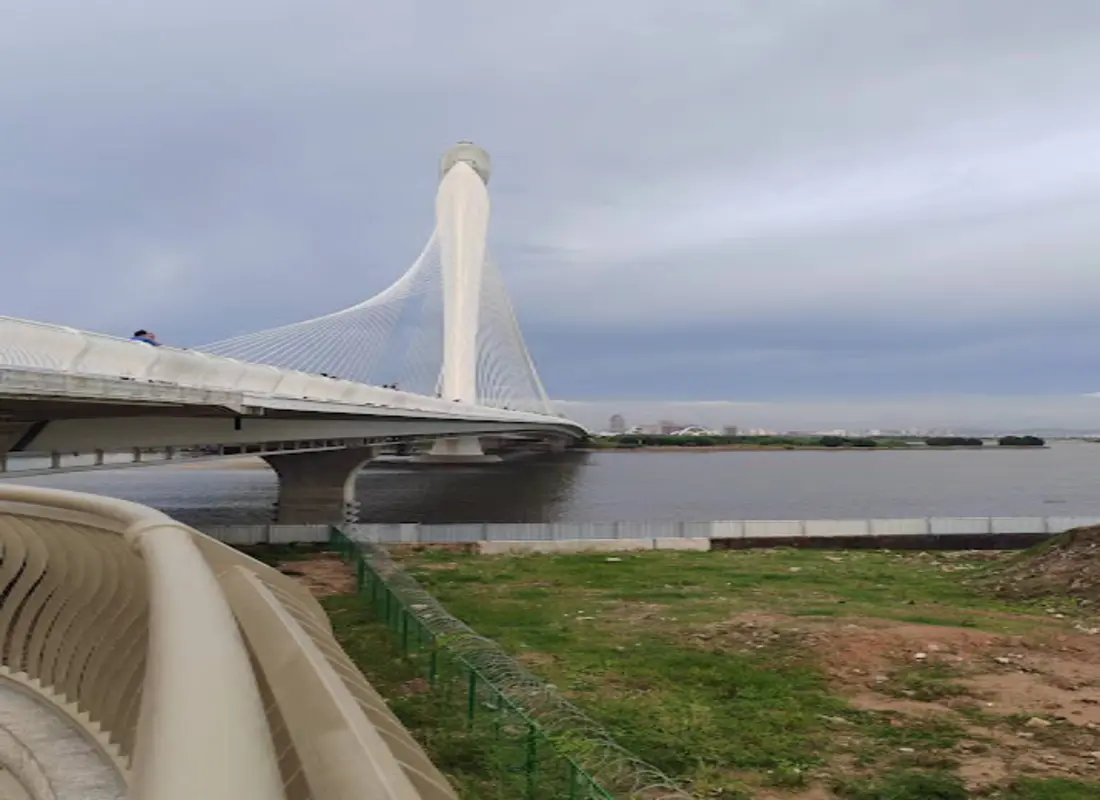
Suspended ringlock access platforms configured over water channels to facilitate safe bridge girder repairs.
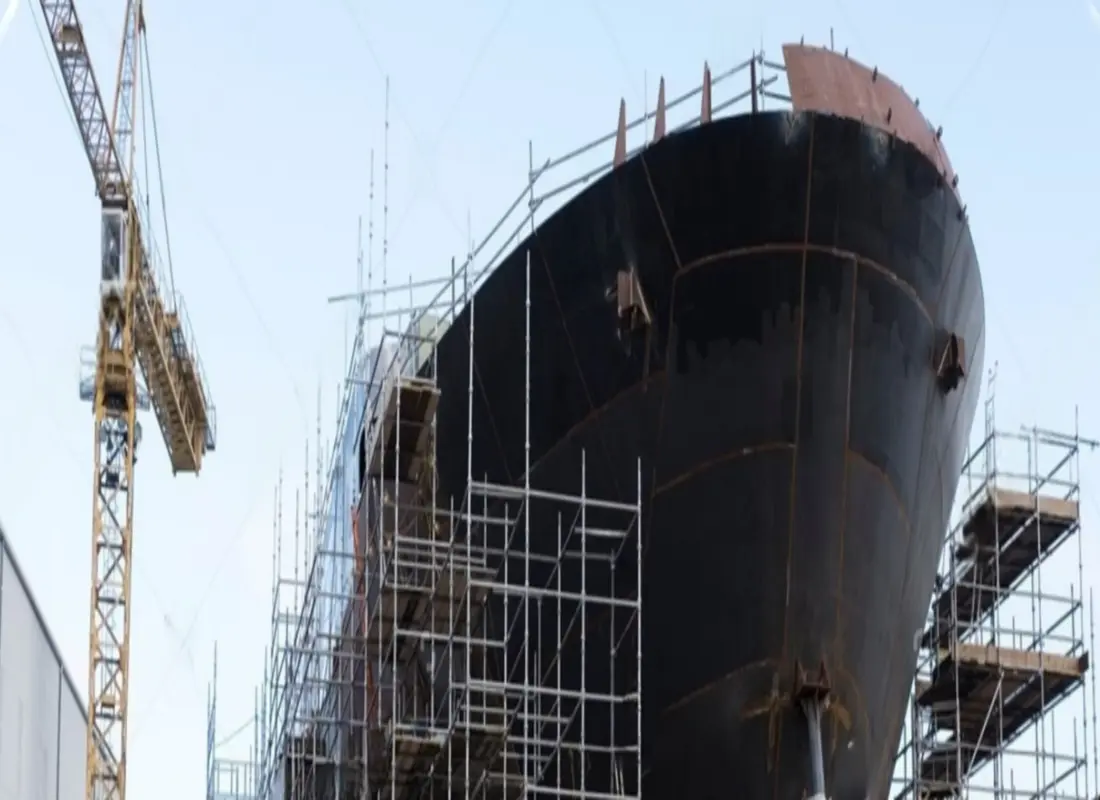
High-durability HDG components withstand corrosive shipyard environments during hull assembly and maintenance.
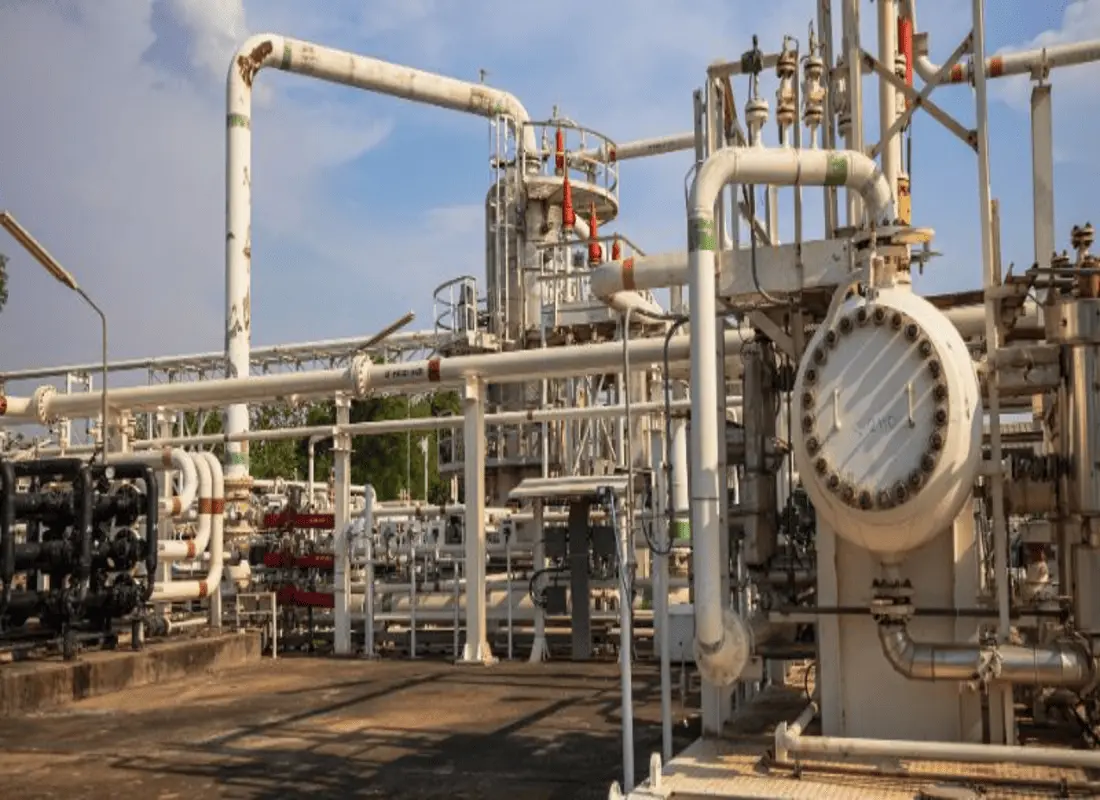
Internal boiler access towers engineered to withstand high temperatures and restricted access entry limits.
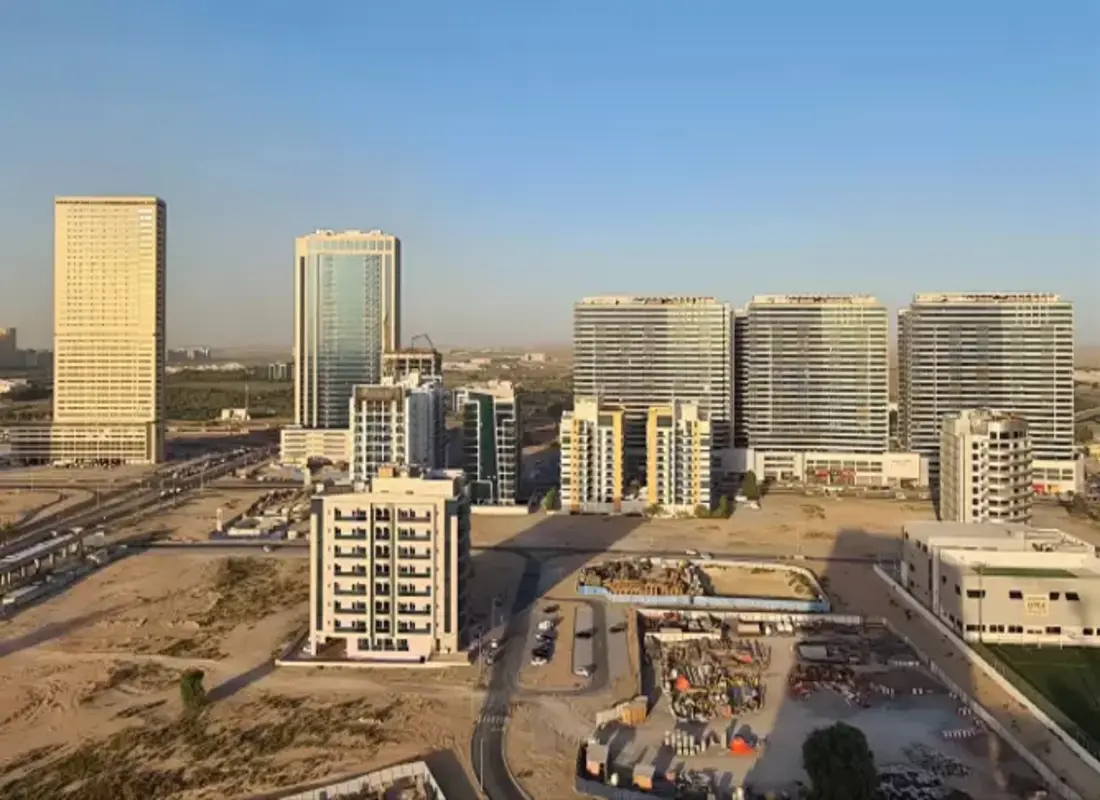
High-load exterior access configuration engineered for high-altitude wind load resistance in desert climates.
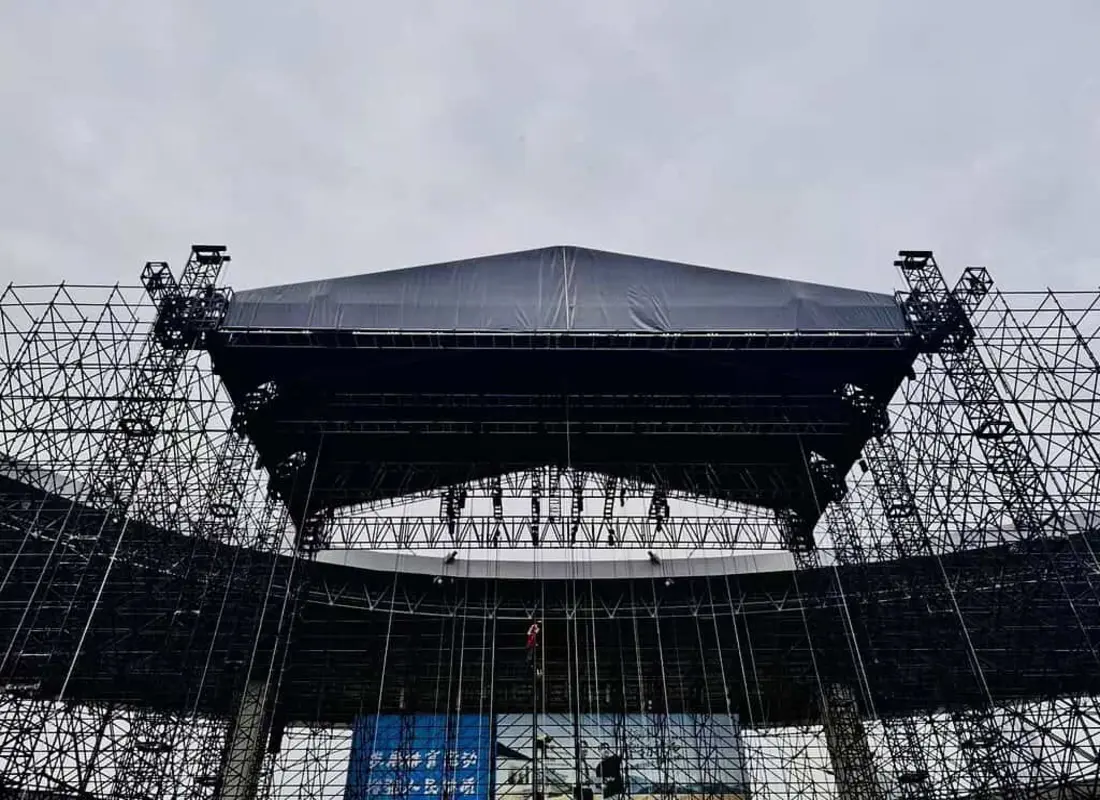
Modular public access staging and AV support structures built to meet stringent European temporary structures regulations.
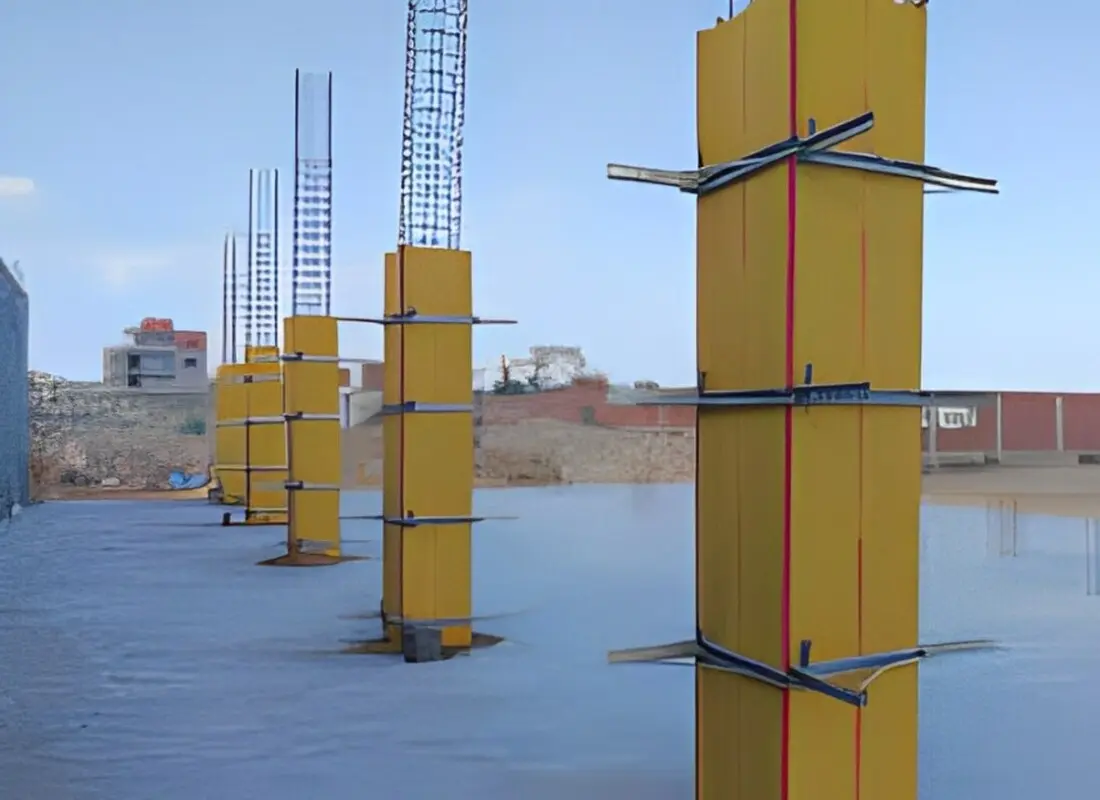
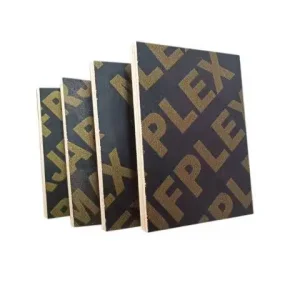
Engineered wood formwork panels utilized for casting concrete columns in high-rise construction.
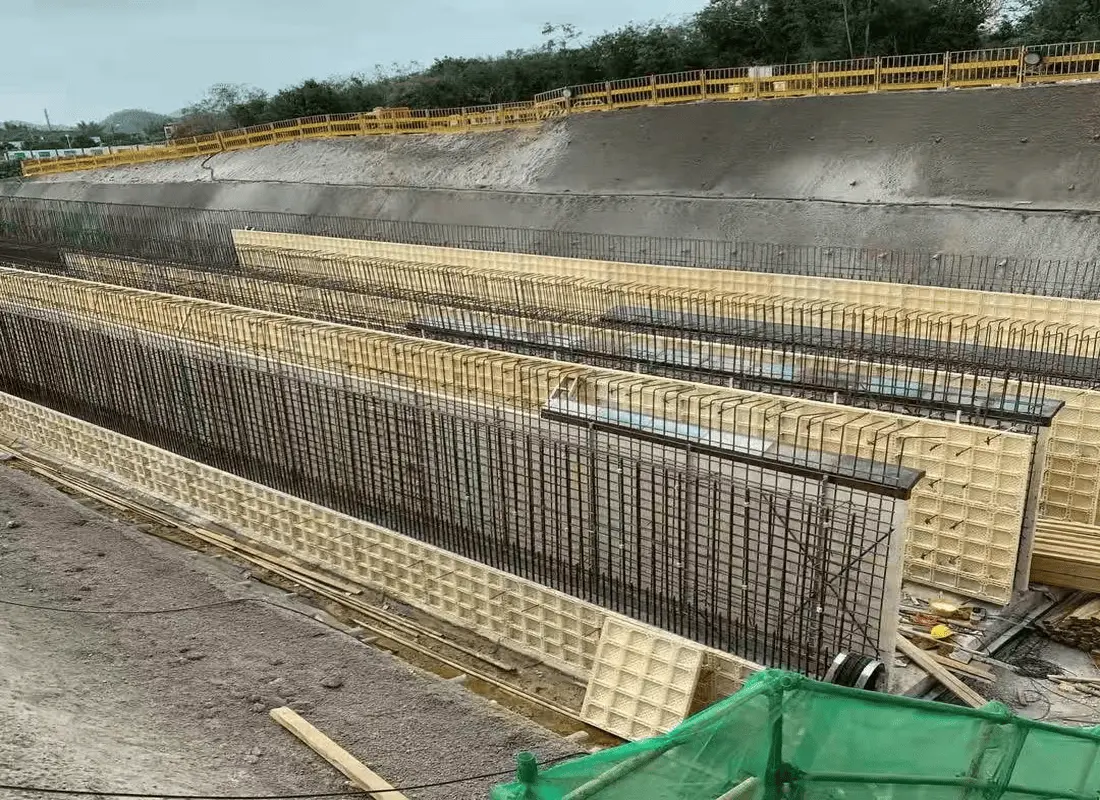
Durable plastic formwork panels utilized for casting concrete retaining walls in high-humidity riverbank conditions.
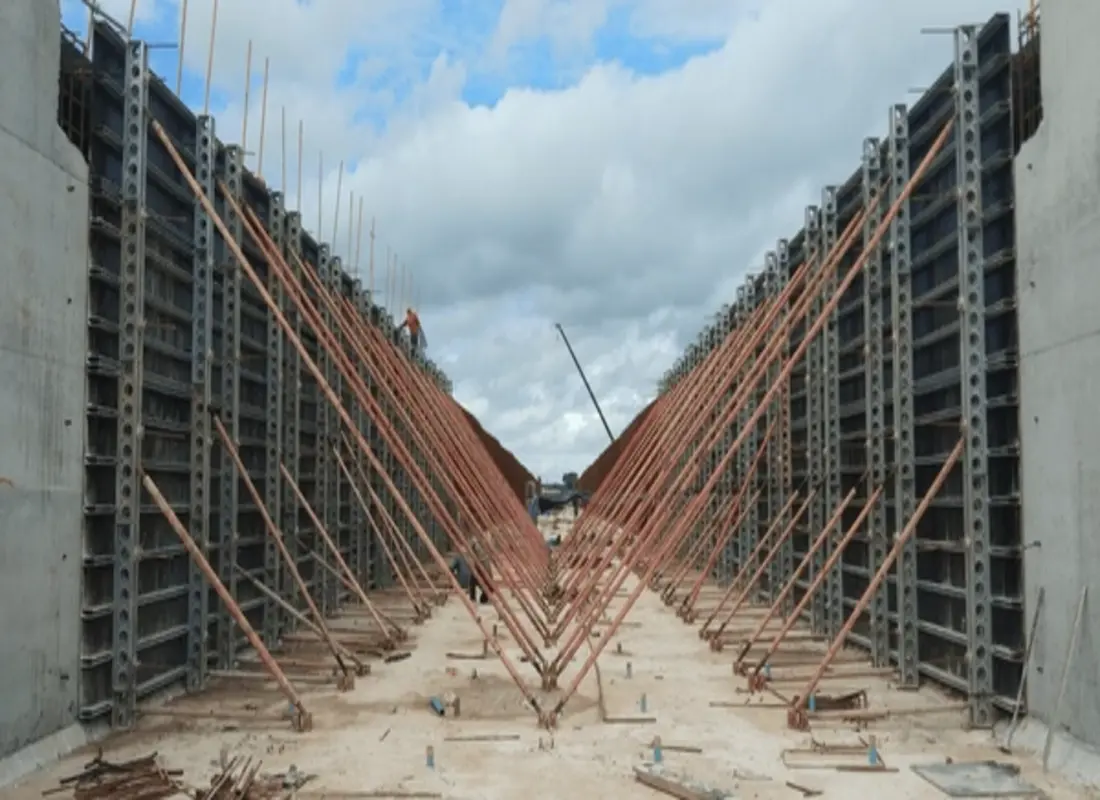
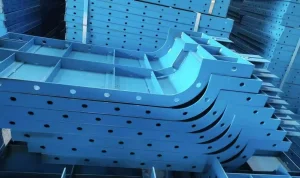
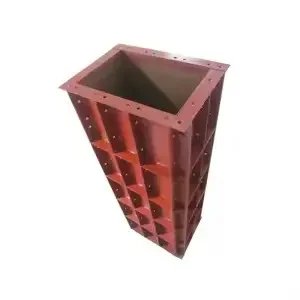
Durable, reusable steel formwork systems configured for casting high-strength reinforced concrete bridge girders.
Explore our manufacturing processes and check our stock reserves in these video walk-throughs.
Overview of standard and custom parts stored at our warehouse facility.
Review of the self-locking rosette node and wedge design.
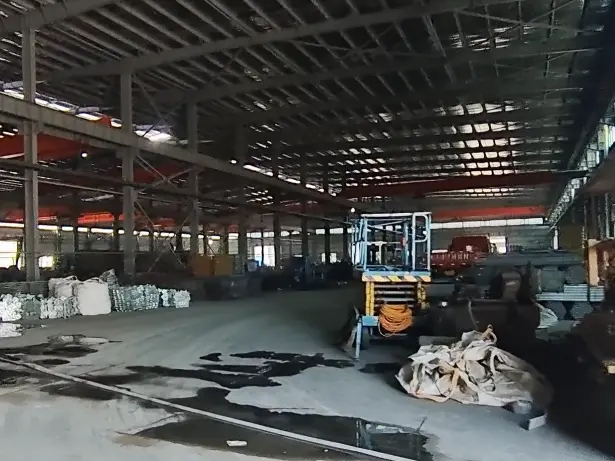
Storage area overview, including raw pipes and processed components.
Multi-axis robotic welding cells producing modular components.
CNC cutting and tube punching operations in action.
Weld strength testing and QA dimensional validation.
Our manufacturing and quality assurance workflows comply with key global standards, including ISO 9001 and EN 12810/12811.
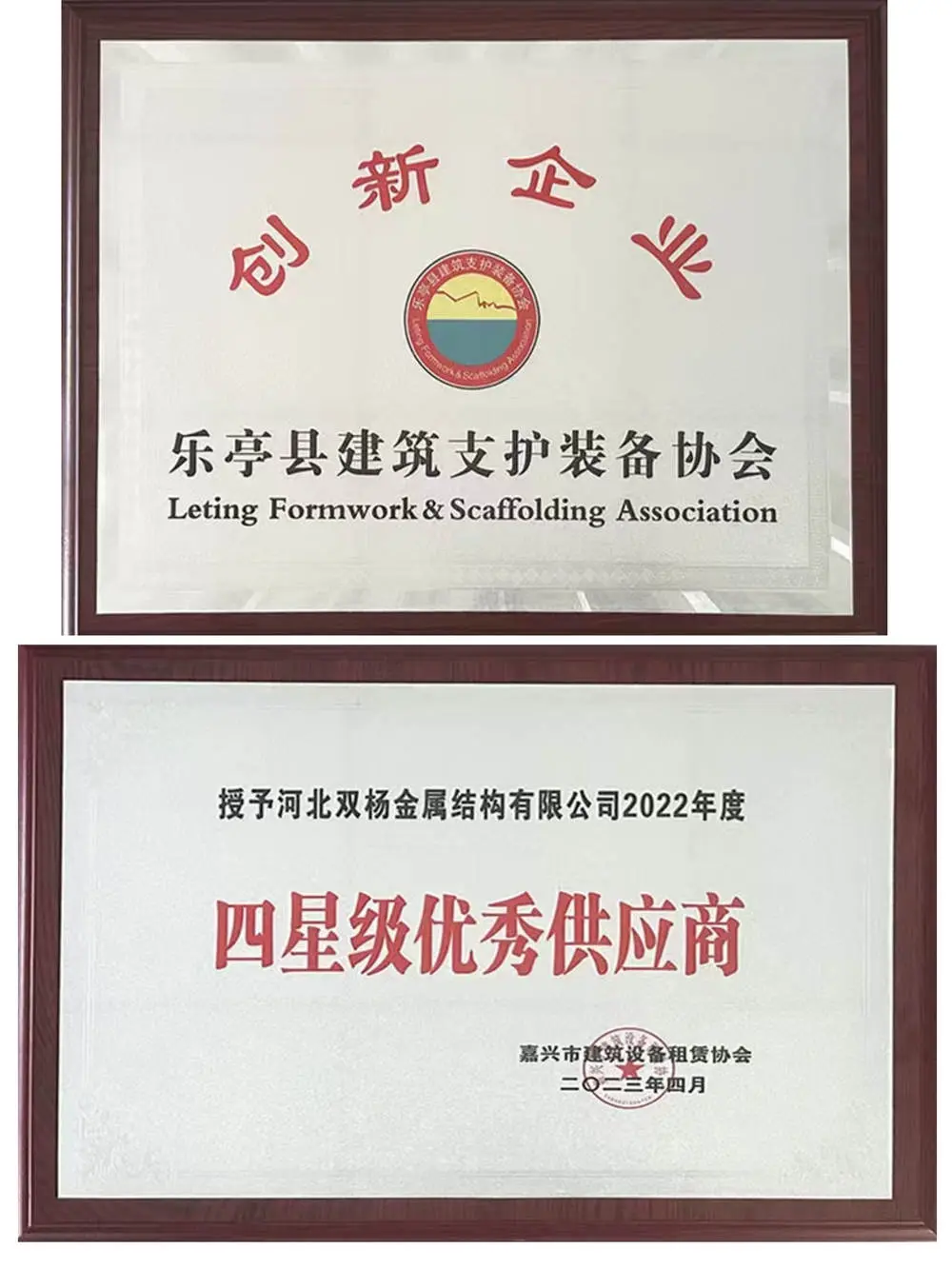
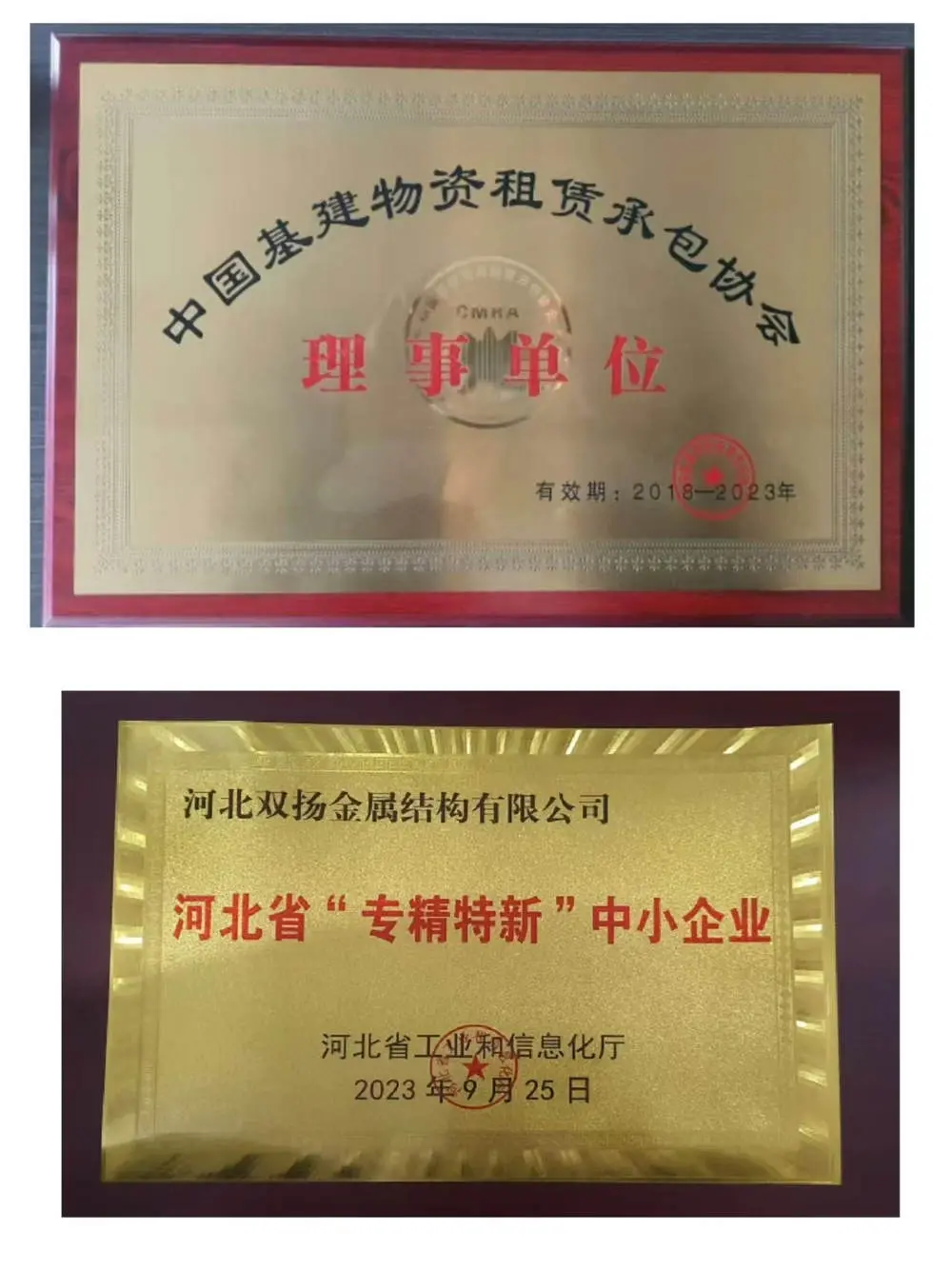
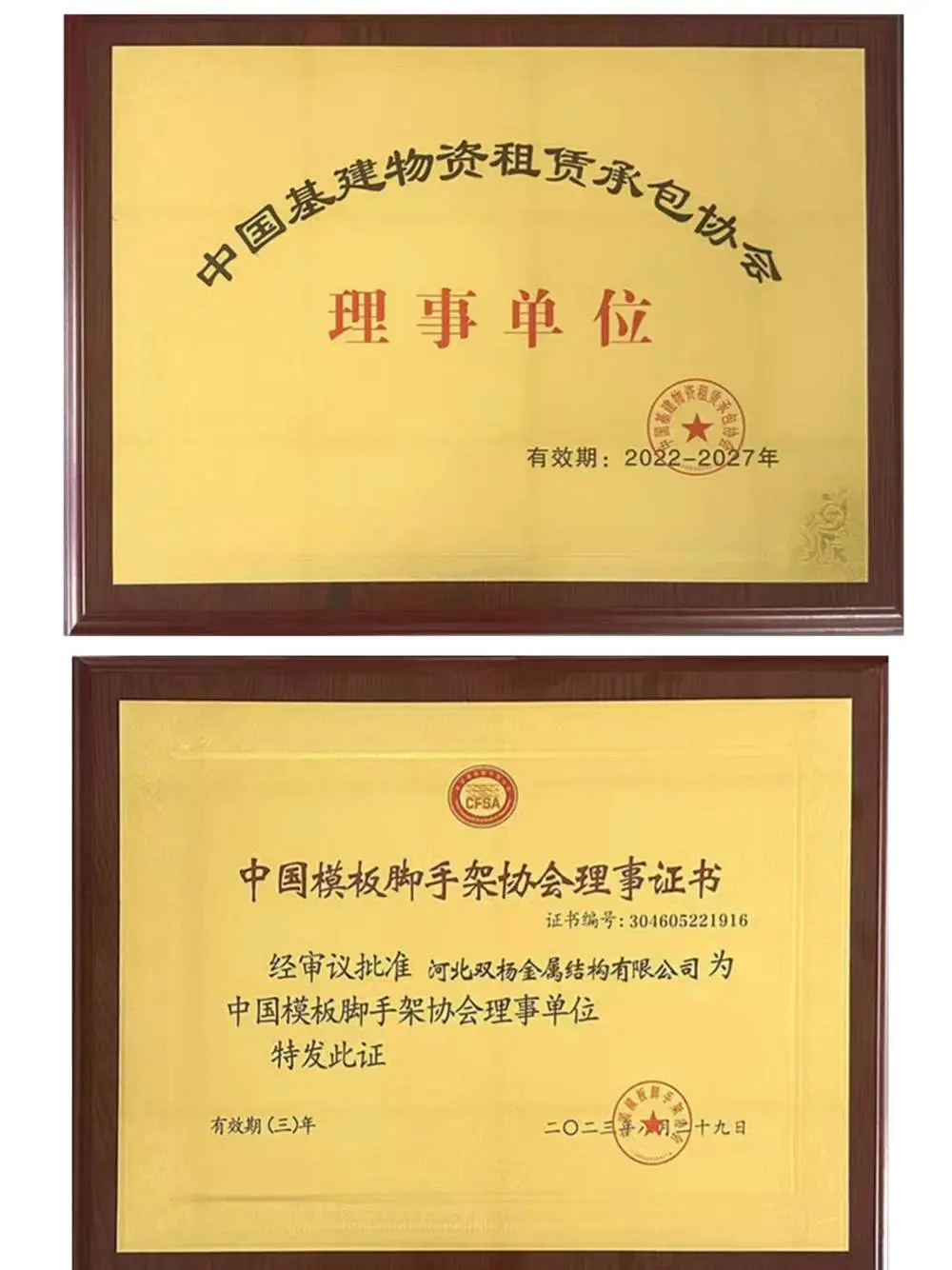
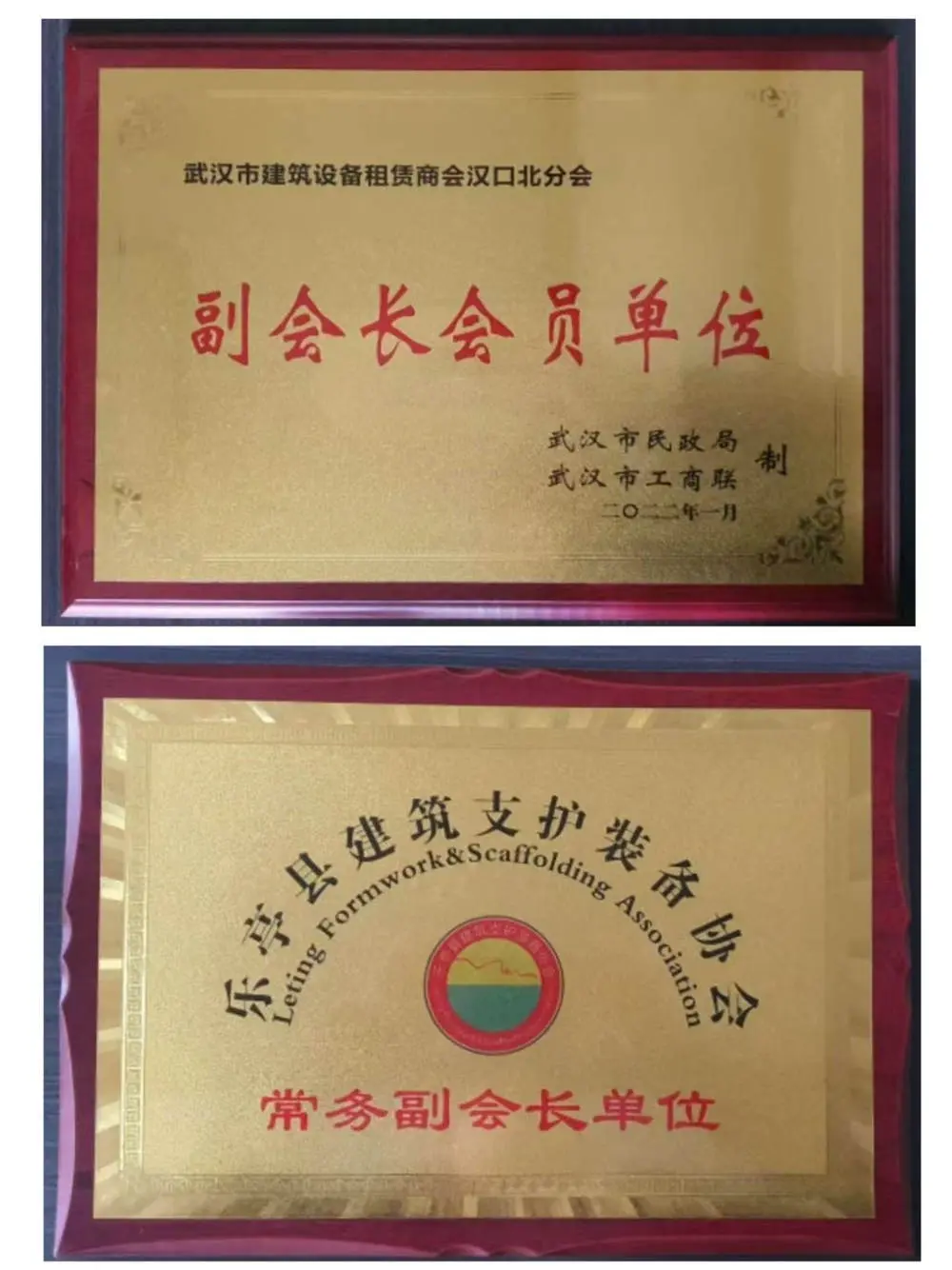
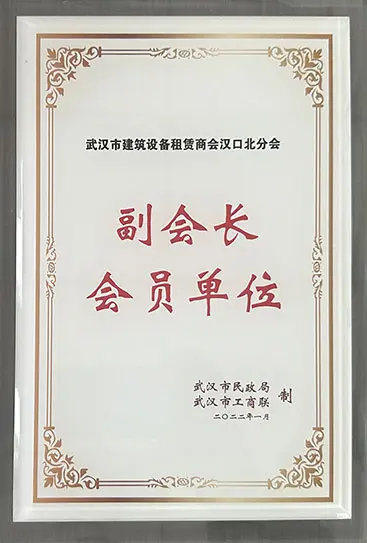
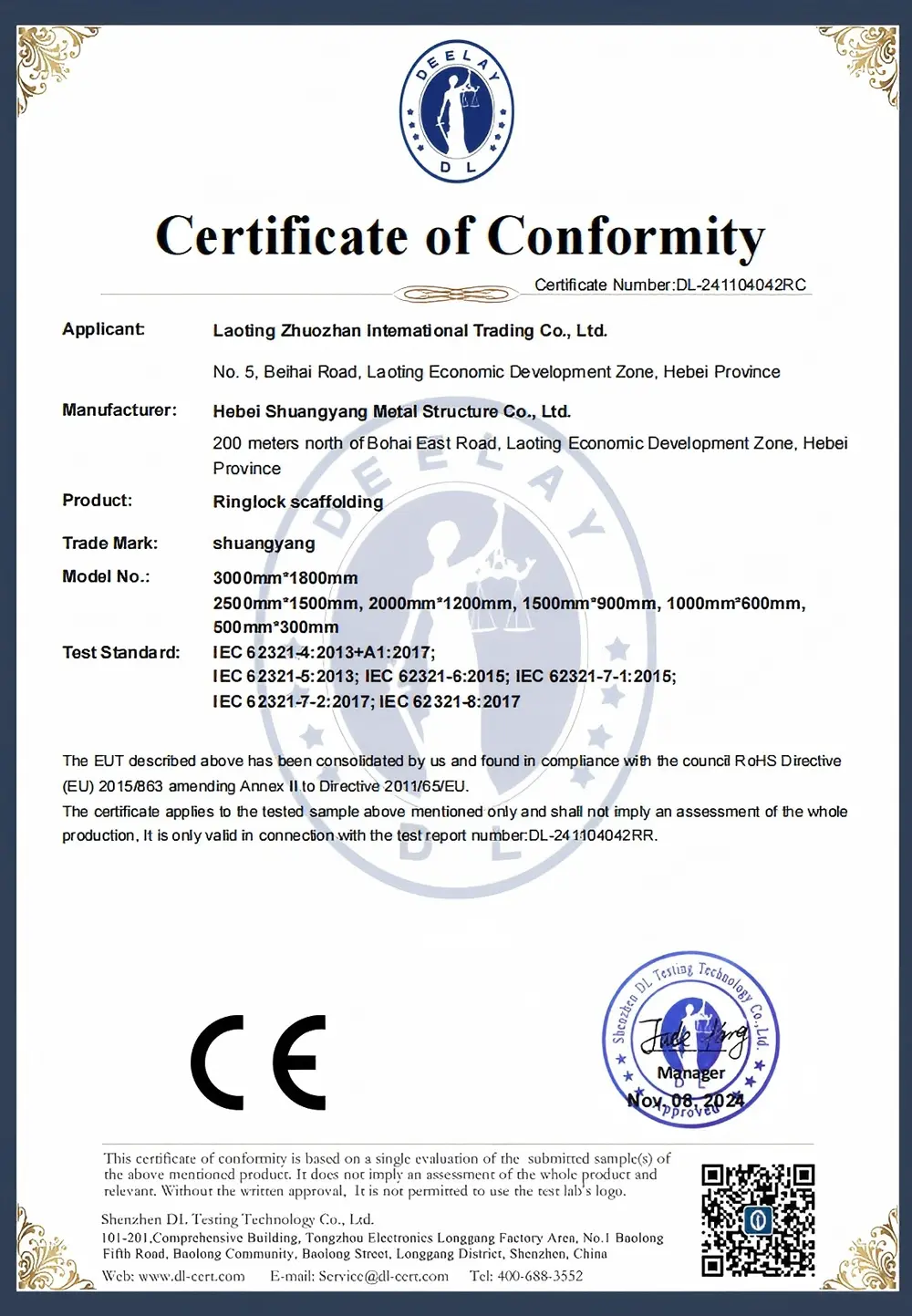
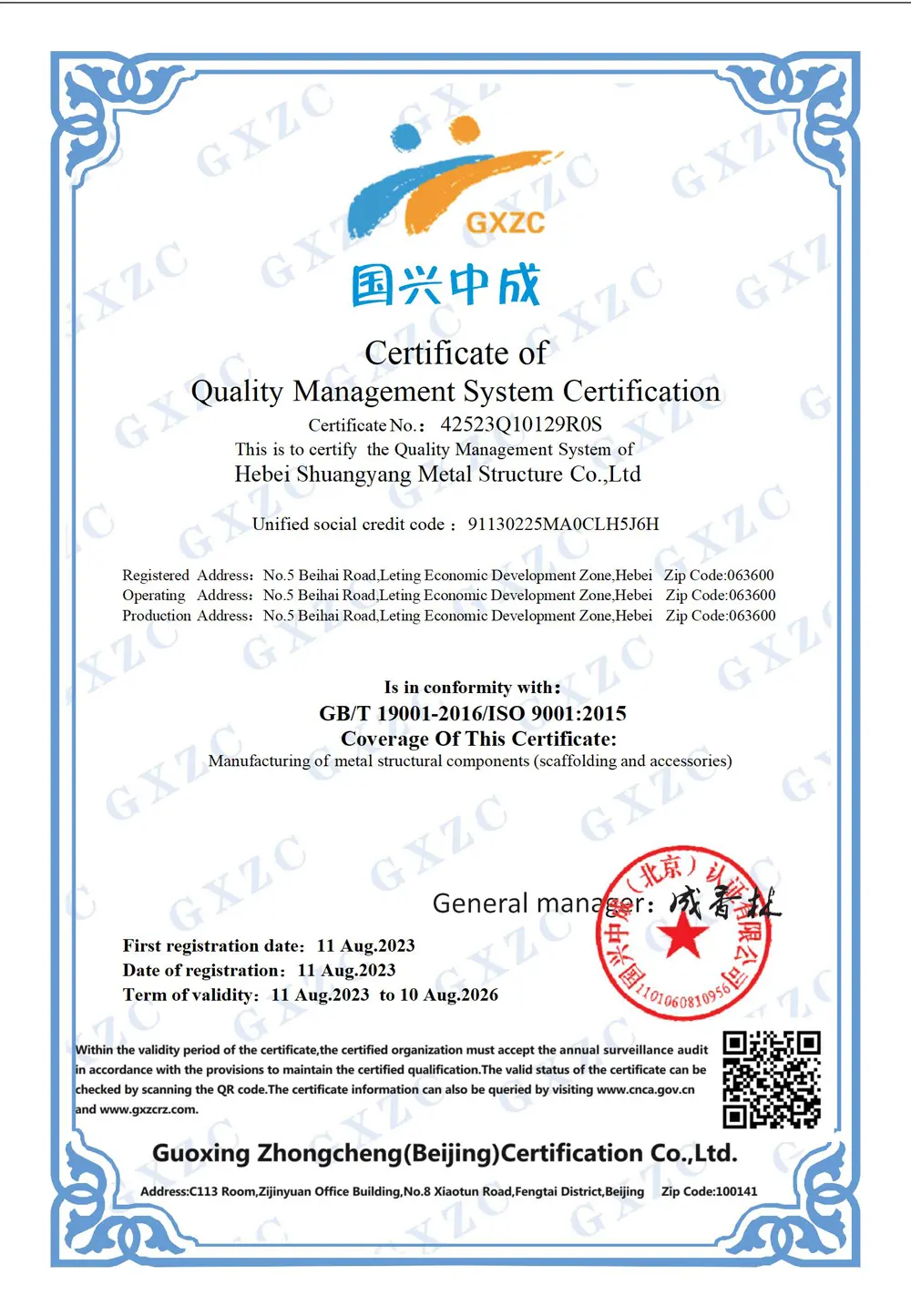
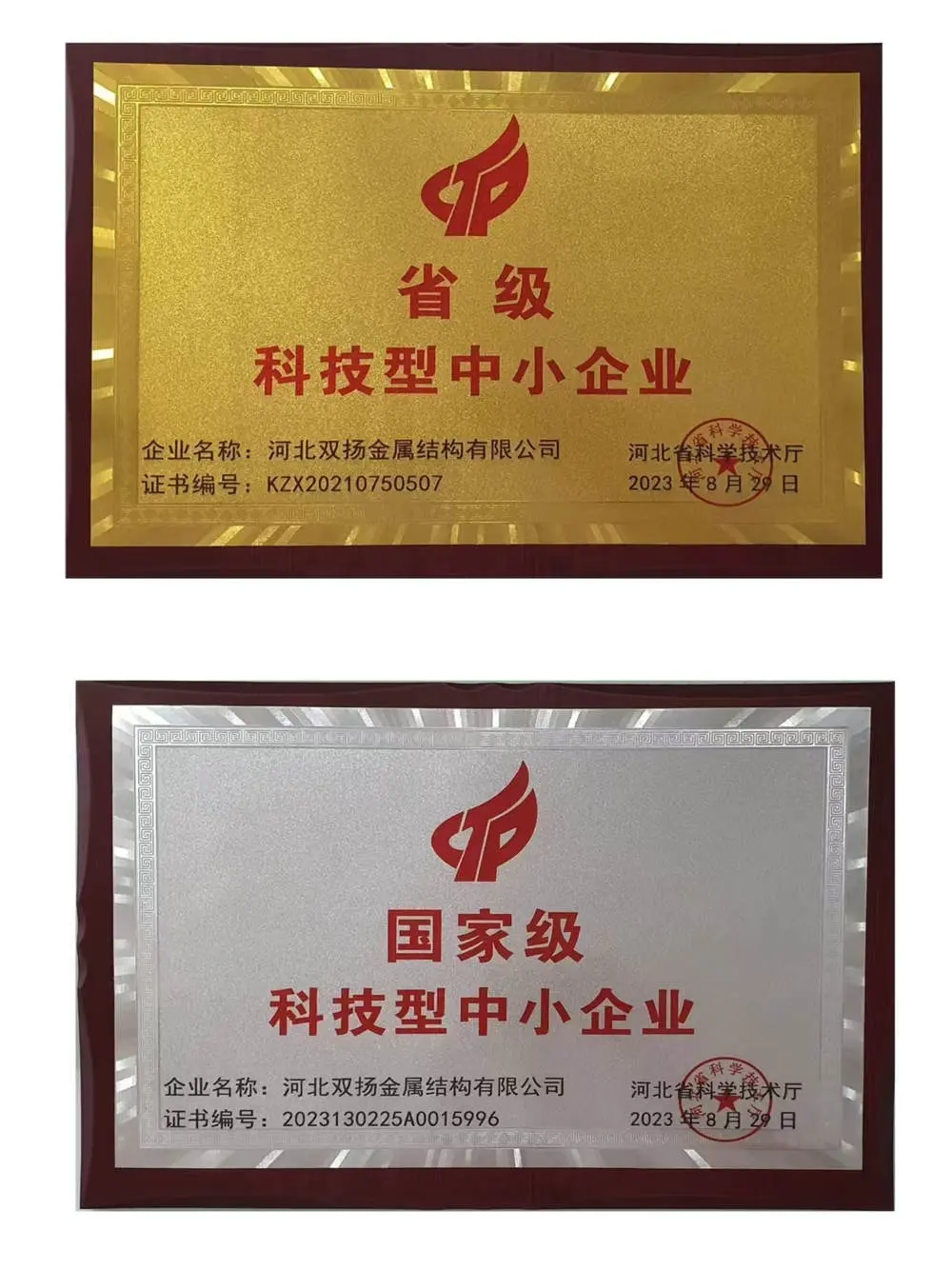
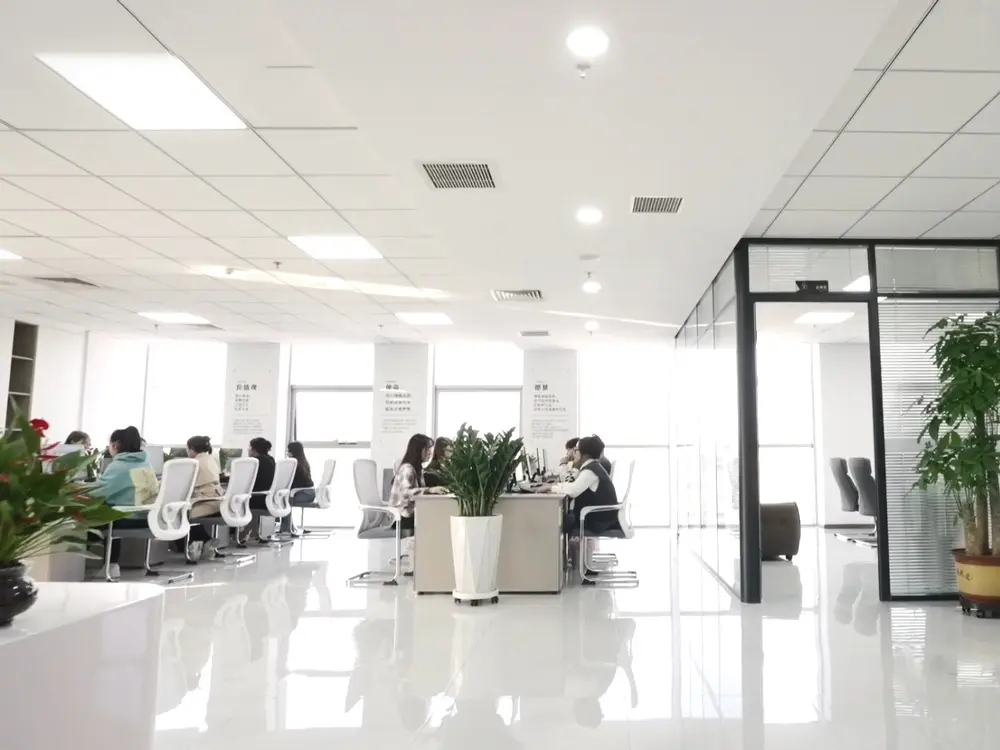
A look at our machining capabilities, raw material stock, and automated assembly operations.
Answers to common questions regarding structural engineering, material options, quality certifications, and delivery coordination.
Q355B steel features a yield strength of 355 MPa, which is roughly 50% higher than Q235 (235 MPa). This higher strength increases the vertical load-bearing capacity of standards and supports up to 10 tons, allowing engineering teams to design structures with fewer standards and bracing elements.
We verify the hot-dip galvanization thickness using electromagnetic gauges in compliance with BS EN ISO 1461. Standards require a local minimum thickness of 85 µm to provide structural corrosion protection for 15 to 20 years in typical field environments.
Our manufacturing facility in Hebei is located near three major northern shipping ports: Jingtang Port, Tianjin Port, and Caofeidian Port. This provides flexible logistics routing to minimize transit times and optimize ocean freight costs.
Yes. We accommodate custom dimensions, tube diameters, wall thicknesses (e.g., 3.25mm or 4.0mm), and finishing styles. Our engineering team can provide layout drawings and structural capacity evaluations to support project planning.
We supply Mill Test Certificates (MTC) conforming to EN 10204 3.1, along with loading capacity test results, galvanization thickness confirmations, and third-party inspection reports (e.g., SGS or TÜV) if requested by the buyer.
Lead times vary based on the required specifications and order volume. With 14 automated production lines, we maintain steady production output. Standard high-volume orders typically ship within 30 to 45 days from order confirmation.
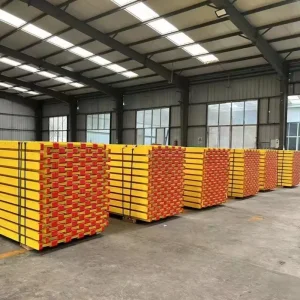
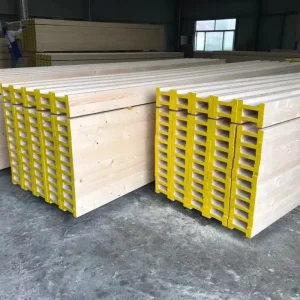
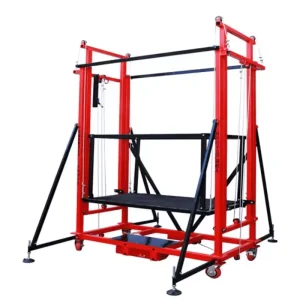
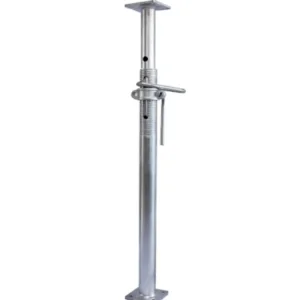
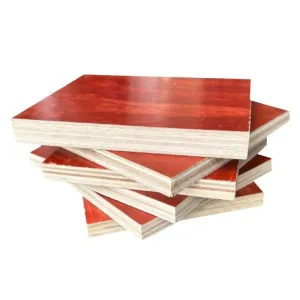
Support structures and formwork panels engineered for high-capacity shoring and concrete casting applications.
 Zhuozhan