Explore our key industrial-grade structural scaffolds, precision couplings, and automated access systems designed to withstand load weights up to 10 tons.
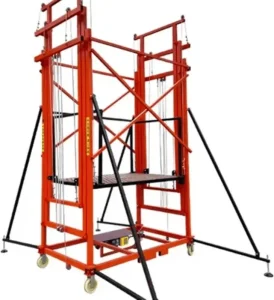
The modern structural access industry is undergoing a structural transition. Traditionally, high-elevation building construction, facility maintenance, and factory storage logistics depended exclusively on static mechanical scaffolds. However, current global safety profiles, increasing labor rates, and rigorous project deadlines require the integration of Stationery Electric Lifting Platforms.
Our ODM (Original Design Manufacturer) manufacturing lines bridge the gap between static load capacity and dynamic motorization. By leveraging certified Q355B and Q345 hot-dip galvanized steel components, our systems supply high-tier tensile strength alongside automated control interfaces. This synthesis decreases erection downtime by up to 80% while elevating safety standards for personnel operating at heights ranging from 10 to over 100 meters.
By motorizing vertical displacement, teams mitigate the risks associated with manual scaffold climbing. Advanced sensors prevent vertical misalignment, load shifts, and motor fatigue. Operating within a stationary configuration allows structural components to distribute weight efficiently directly to base anchors, providing a stable platform for structural concrete pouring, facade renovation, and industrial assembly lines.
A diversified, innovative leader integrating research, manufacturing, and global sales. Through Laoting Zhuozhan International Trade and Hebei Shuangyang Metal Structure, we produce high-durability infrastructure for the global construction market.
Founded in 2014, Hebei Shuangyang Metal Structure operates a manufacturing base occupying 13,132.68 square meters (with a total facility area reaching 40,000 square meters across extended manufacturing sites). Equipped with over 150 sets of heavy automated tooling machinery, and powered by 500+ skilled operations personnel, the group drives technological integration inside the scaffolding industry.
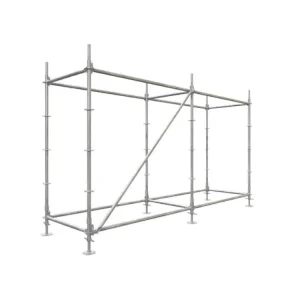
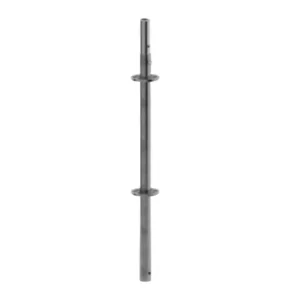
Our active R&D division has secured 15 national patents, focusing on structural strength, modular ringlock connectivity, and load distribution mechanics. To guarantee global operability, our ringlock scaffolding line possesses certification under international standards such as EN 12810/12811 and ISO 9001.
Industrial procurement is no longer driven solely by initial purchase price. Structural stability, life-cycle durability, and localized compliance shape modern supply chain requirements.
Our structures strictly conform to EN 12810/12811 European standards. Using high-tensile Q355B steel, each structural upright is verified for maximum shear capacity, structural safety, and resistance to environmental stress.
Our manufacturing center is located within short transit range of three principal northern shipping hubs: Jingtang Port, Tianjin Port, and Caofeidian Port. This ensures efficient logistical pipelines for bulky components and high-capacity global delivery schedules.
Our dedicated engineering department (20+ engineering designers) utilizes finite element analysis (FEA) to customize structural frame dimensions, motorized capacities, control panels, and lock setups based on client project layouts.
A transparent overview of our vertical and horizontal rod manufacturing flows, showing quality control and environmental mitigation protocols at every node.
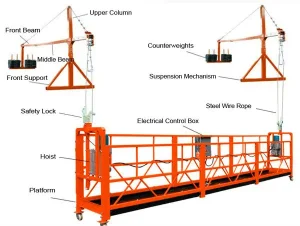
Integrating heavy metal structures with modernized electrical engineering. Below is the technical anatomy that enables safe, continuous platform lifting operations.
Using Q355B carbon steel provides a load capacity threshold of 10 tons. This high yield strength prevents structural deformation and guarantees platform stability during motorized lift adjustments.
Our hot-dip galvanization process treats all components, providing rust prevention in marine environments, petrochemical zones, and humid factory sites. This extends active service life to 15–20 years.
Synchronized control systems regulate motor torque across multiple hoist units, preventing platform tilting and keeping level tolerance within 10mm across the platform span.
Our systems have been deployed across public utilities, transportation expansions, and industrial complexes in Europe, the Middle East, and Asia.
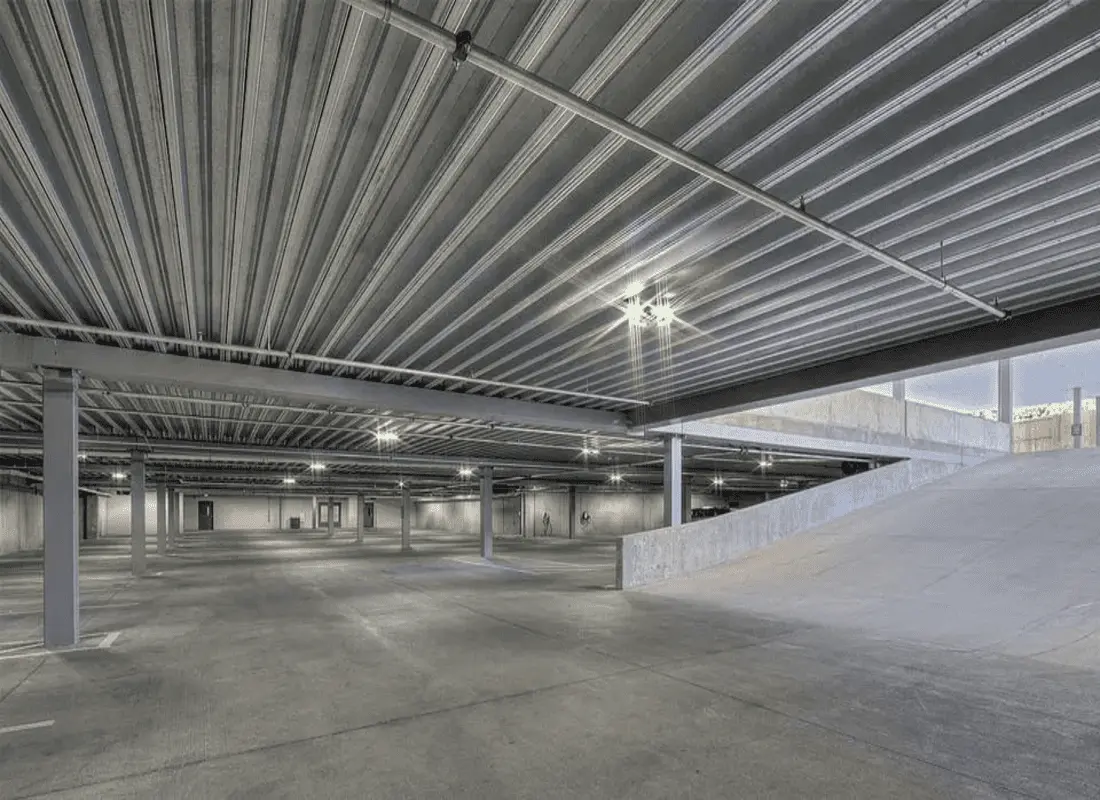
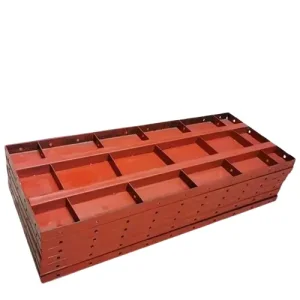
Deployment of heavy-duty steel props and structural shoring supports to facilitate concrete pouring of high-capacity passenger decks.
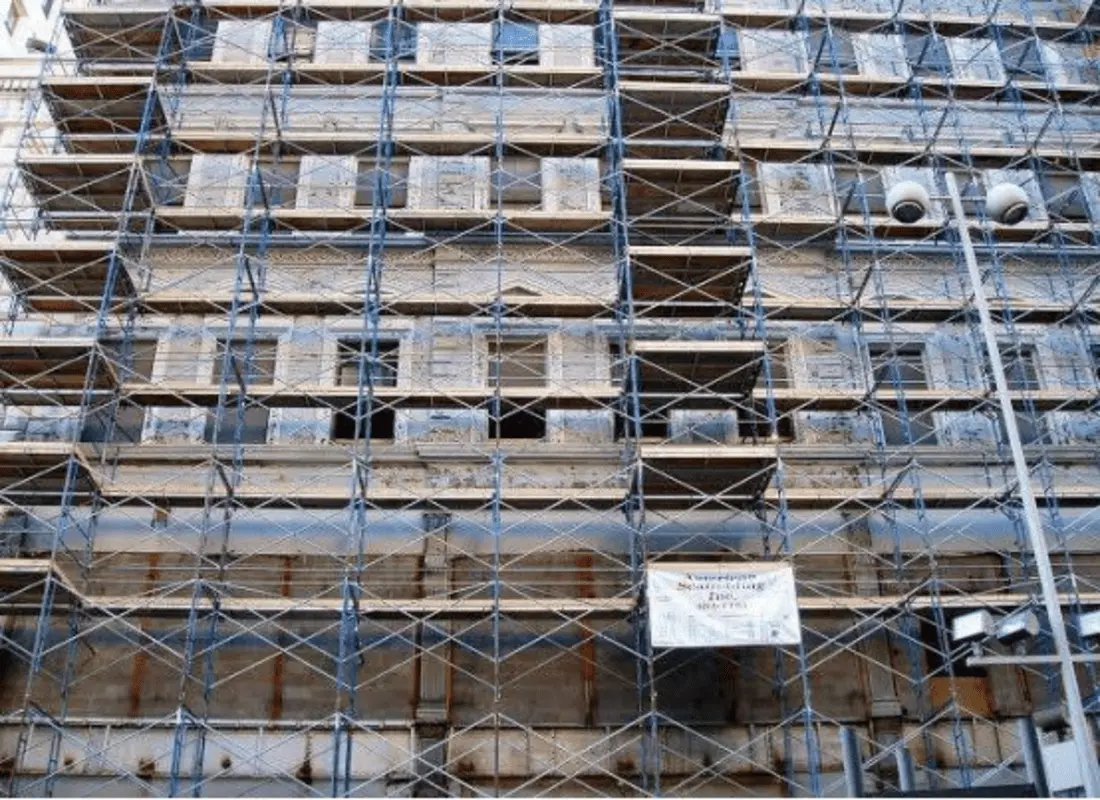
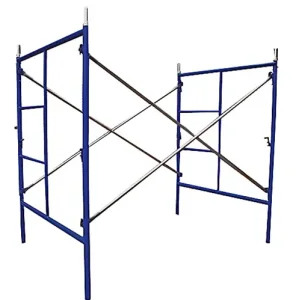
Precision-engineered structural modular frame scaffolding tailored to support historical facade restoration without structural damage.
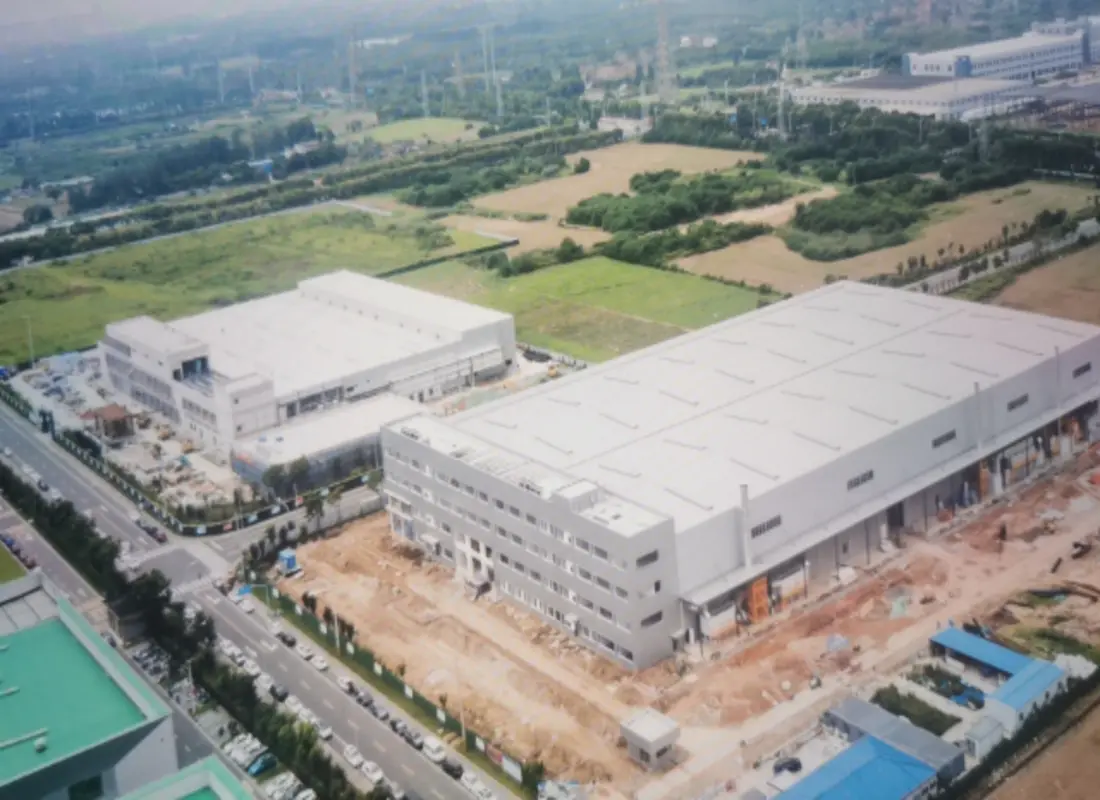
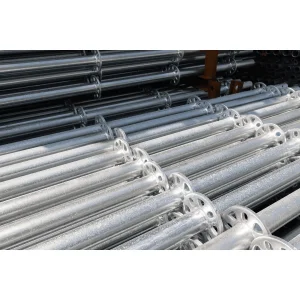
Multi-level ringlock structures serving as active maintenance access walkways for heavy overhead automated machine bays.
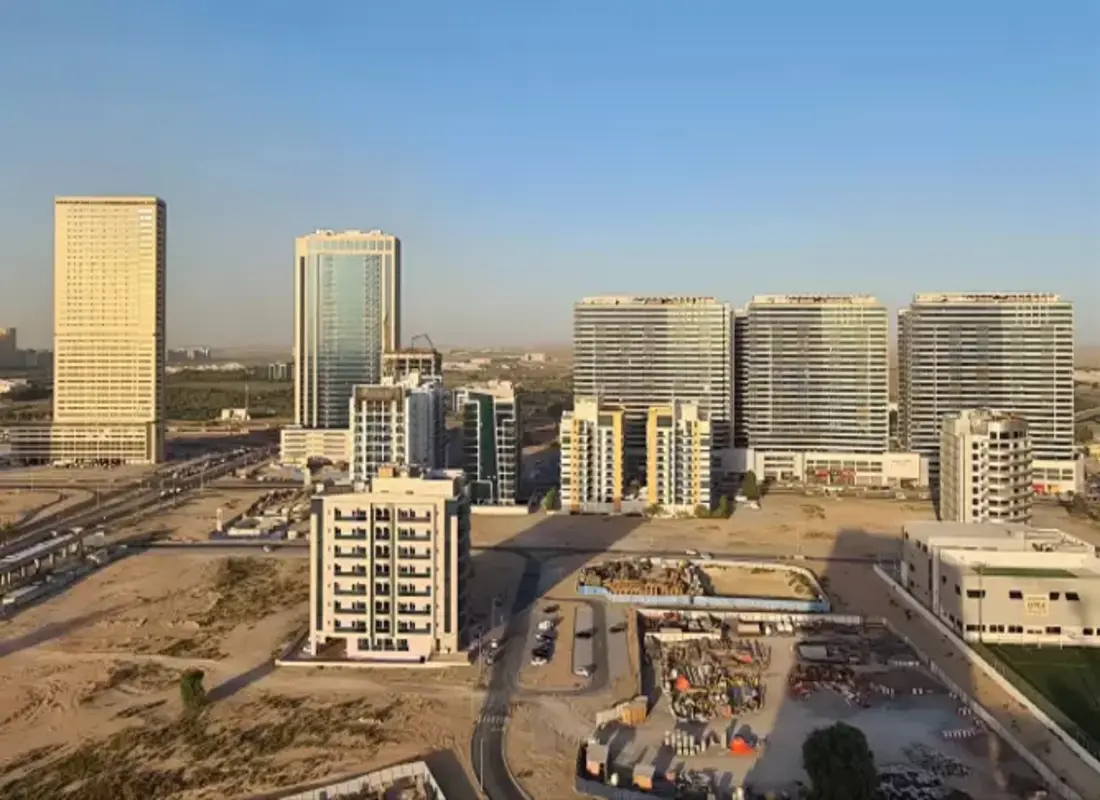
Rigid ringlock systems providing stable, high-load work platforms for glass pane and architectural cladding installations.
Direct media verification of our 50,000㎡ storage capacity, automated ringlock lines, and factory operations.
Answers to key structural, electrical, and commercial procurement inquiries from safety inspectors and engineers.
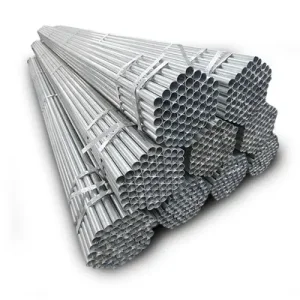
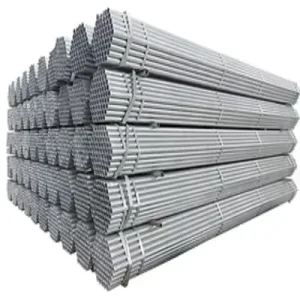
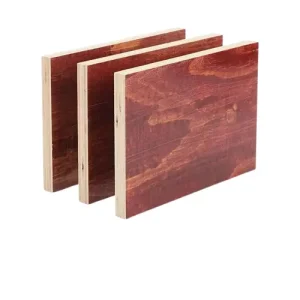
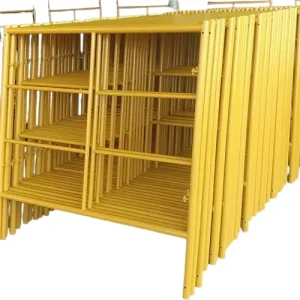
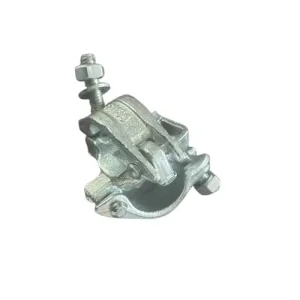
Browse our specialized structural components, including scaffolding frames, concrete support systems, and CE-certified couplers.
 Zhuozhan