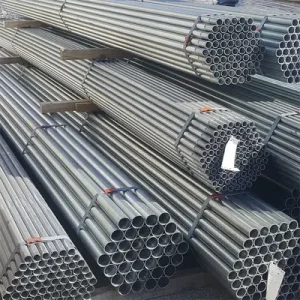
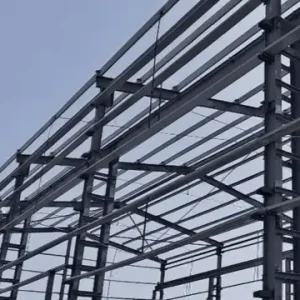
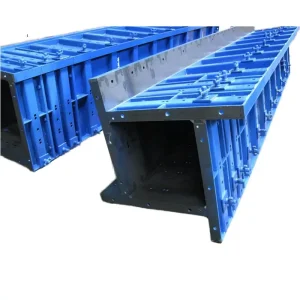
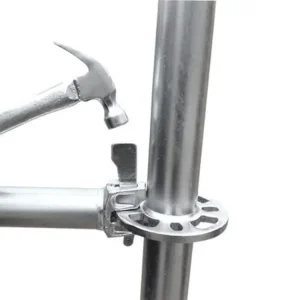
Explore our premium factory-direct line of structural steel frames, prefabricated workshops, shoring systems, and heavy-duty certified construction components.
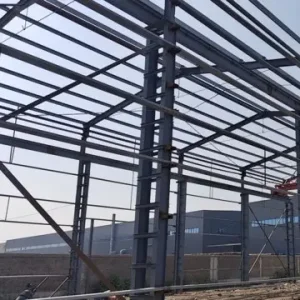
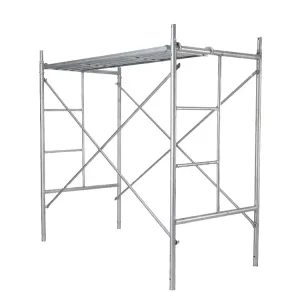
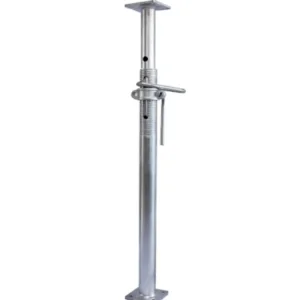
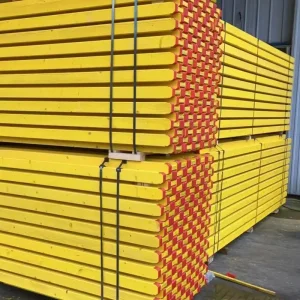
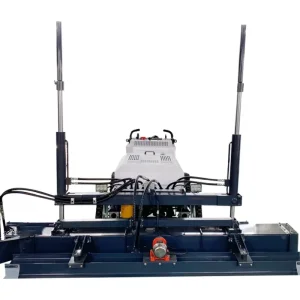
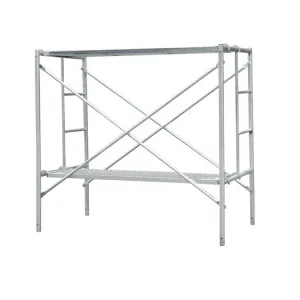
Analyzing safety tolerances, EN 74/DIN standards, material options, and pricing metrics for high-load structural configurations.
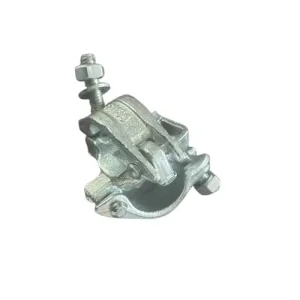
In modern industrial construction, civil infrastructure, and offshore engineering, the integrity of temporary support structures is of paramount importance. The structural stability of scaffolding systems relies heavily on the safety and quality of their connections. German Standard Scaffold Couplers (conforming to DIN 4420, DIN EN 74-1, and related European specifications) represent the benchmark of safety, design safety margins, and structural integrity.
These components undergo strict manufacturing processes, relying on drop-forging techniques and precise heat-treatment protocols rather than standard cast iron. This ensures that the couplers can withstand the high torsional, slip, and shear forces common in heavy-duty load-bearing scaffolding and shoring systems. For global buyers, understanding the pricing structure, structural features, and manufacturing compliance of these couplers is crucial for balancing cost-efficiency with on-site safety.
The pricing structure of EN 74/DIN standard couplers is influenced by raw material costs, manufacturing quality, surface treatment quality, and compliance validation. Recent global construction trends indicate:
A leading integrated enterprise combining scientific research, structural manufacturing, and global trade solutions.
Zhuozhan Group is a diversified and innovative enterprise that integrates research and development, manufacturing, and global trade. With a robust portfolio of subsidiaries, including Laoting Zhuozhan International Trade Co., Ltd. and Hebei Shuangyang Metal Structure Co., Ltd., Zhuozhan Group serves as a key supplier for the global construction and metal manufacturing industries.
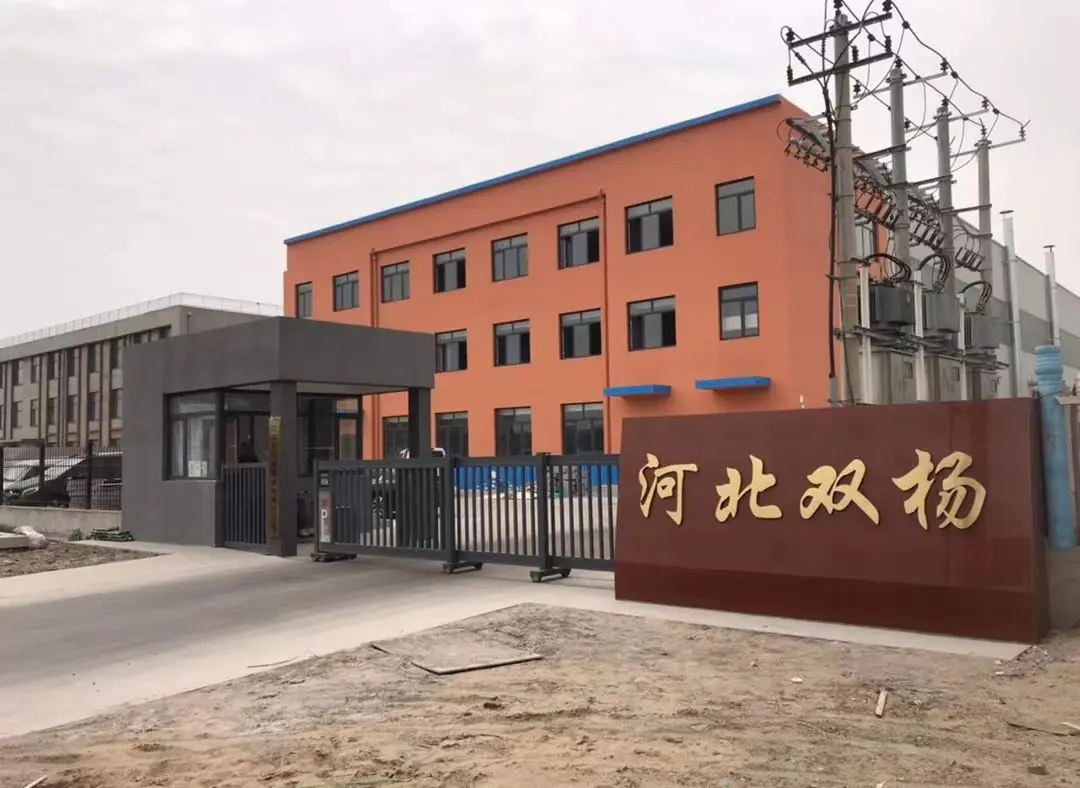
Founded in 2014, our primary manufacturing subsidiary, Hebei Shuangyang Metal Structure Co., Ltd., is a modern facility that has advanced to the forefront of the structural engineering industry. The factory occupies a total area of 13,132.68 square meters, with a construction area of 7,124.58 square meters. The company employs a team of over 500 skilled professionals, including 20+ design engineers. It operates over 150 sets of advanced machinery to ensure high-precision manufacturing.
Shuangyang Metal Structure has secured 15 national patents, demonstrating its dedication to structural innovation. Our manufacturing capacity allows us to meet global demand with an annual output of 300,000 tons of high-strength steel pipes, 1,000,000 tons of scaffolding systems, and 400,000 tons of adjustable steel shoring props.
Critical considerations for purchasing agents sourcing German Standard scaffolding components globally.
Engineering and procurement departments face several challenges when sourcing scaffold couplers for major construction projects. Compliance with safety standards cannot be compromised, as faulty connectors can lead to scaffolding failures, causing significant liabilities and delays.
Scaffold couplers must use traceable steel grades. Low-quality manufacturers may use recycled scrap metal that is brittle. Our couplers use certified Q355B or Q235 steel, providing consistent tensile strength and ductile yields.
German standards demand dimensional tolerances within ±1mm. Any deviation in the socket diameter, bolt threads, or flap clearance can cause uneven stress concentration on the scaffolding pipes, increasing the risk of structural slippage.
For industrial marine structures, chemical plants, and high-humidity infrastructure projects, hot-dip galvanization is required. Standard electro-galvanized couplers rust quickly, reducing their service life and safety margin.
Zhuozhan Group leverages its strategic location to optimize international shipping costs and minimize lead times. Our main production hubs are located close to three major northern Chinese deepwater ports: Jingtang Port, Tianjin Port (Xingang), and Caofeidian Port. This proximity allows us to load containers directly at our warehouses and transport them to the docks within hours. This reduces local transit fees and shipping delays for our clients in Europe, the Americas, and the Middle East.
Understanding the steps in our production lines, quality check gates, and environmental compliance systems.
At Hebei Shuangyang Metal Structure Co., Ltd., we use automated production lines to manufacture vertical and horizontal components. Below is an overview of our manufacturing flow, showcasing the integration of advanced engineering techniques and environmental mitigation.
We implement environmental safety measures at each stage of production. Cutting and punching processes generate noise and metal solid waste, which are handled by acoustic enclosures and automated steel recycling systems. Welding processes utilize specialized air extraction and filtration systems to capture exhaust gases.
Our galvanizing process is performed in partnership with certified state-owned surface treatment plants that adhere to strict environmental standards. This ensures that acid pickling liquids and zinc fumes are neutralized, supporting our sustainable manufacturing goals and aligned with global environmental requirements.
Engineered for high performance, ease of erection, and long service life in heavy industrial applications.
Our scaffolding systems are designed and manufactured to meet international quality certifications, including EN 12810/12811 and ISO 9001:2015. Below are the key engineering advantages of our systems:
Manufactured using Q355B structural steel, our primary standards support load capacities of up to 10 tons per node. This is 1.5 times the load capacity of standard Q235 scaffolding systems, allowing for wider spacing of vertical uprights.
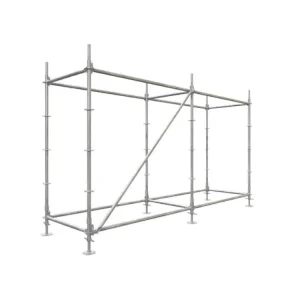
Our modular ringlock and wedge-connection designs allow operators to assemble between 150 and 300 square meters of scaffolding per day. This is 3 to 5 times faster than traditional tube-and-clamp setups, lowering labor costs.
All structural members undergo hot-dip galvanization, providing an average service life of over 10 years, and extending up to 15 to 20 years under normal storage and atmospheric conditions.
Our scaffolding systems support over 100 application scenarios, including commercial high-rise buildings, municipal bridges, oil & gas refinery maintenance, shipyards, and aerospace assembly docks.
Due to the high yield strength of Q355B steel, our scaffolding systems require less overall steel weight to support equivalent loads. This reduces structural weight by 30% to 50% compared to traditional tube systems.
Our automated welding lines maintain component dimensional deviations within ±1mm. This ensures consistent fits, simplifies assembly, and prevents safety risks from loose connections.
Watch our production lines, automated testing, and warehousing operations in real-time.
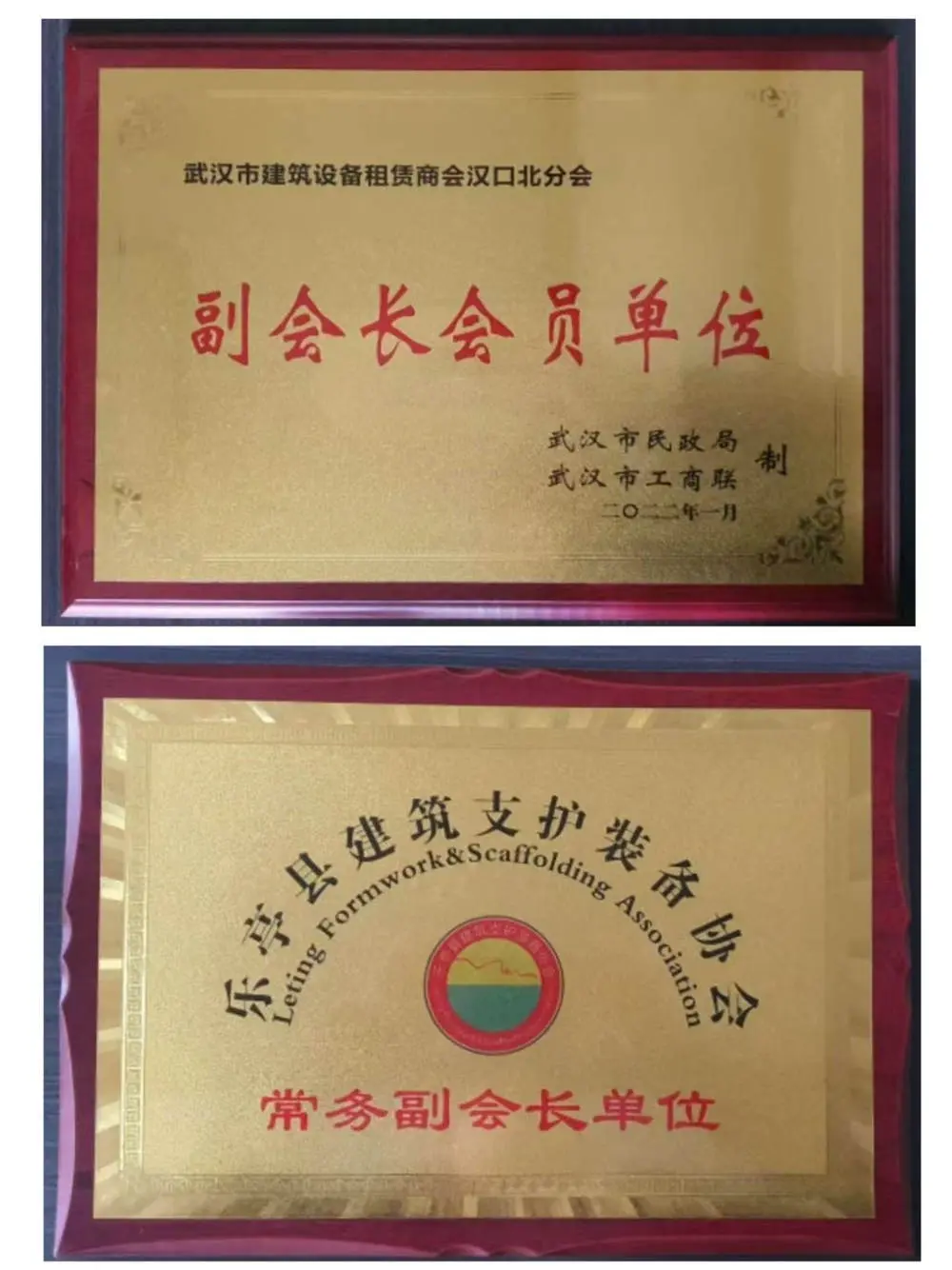
Our manufacturing and quality assurance systems are audited to comply with international standards.
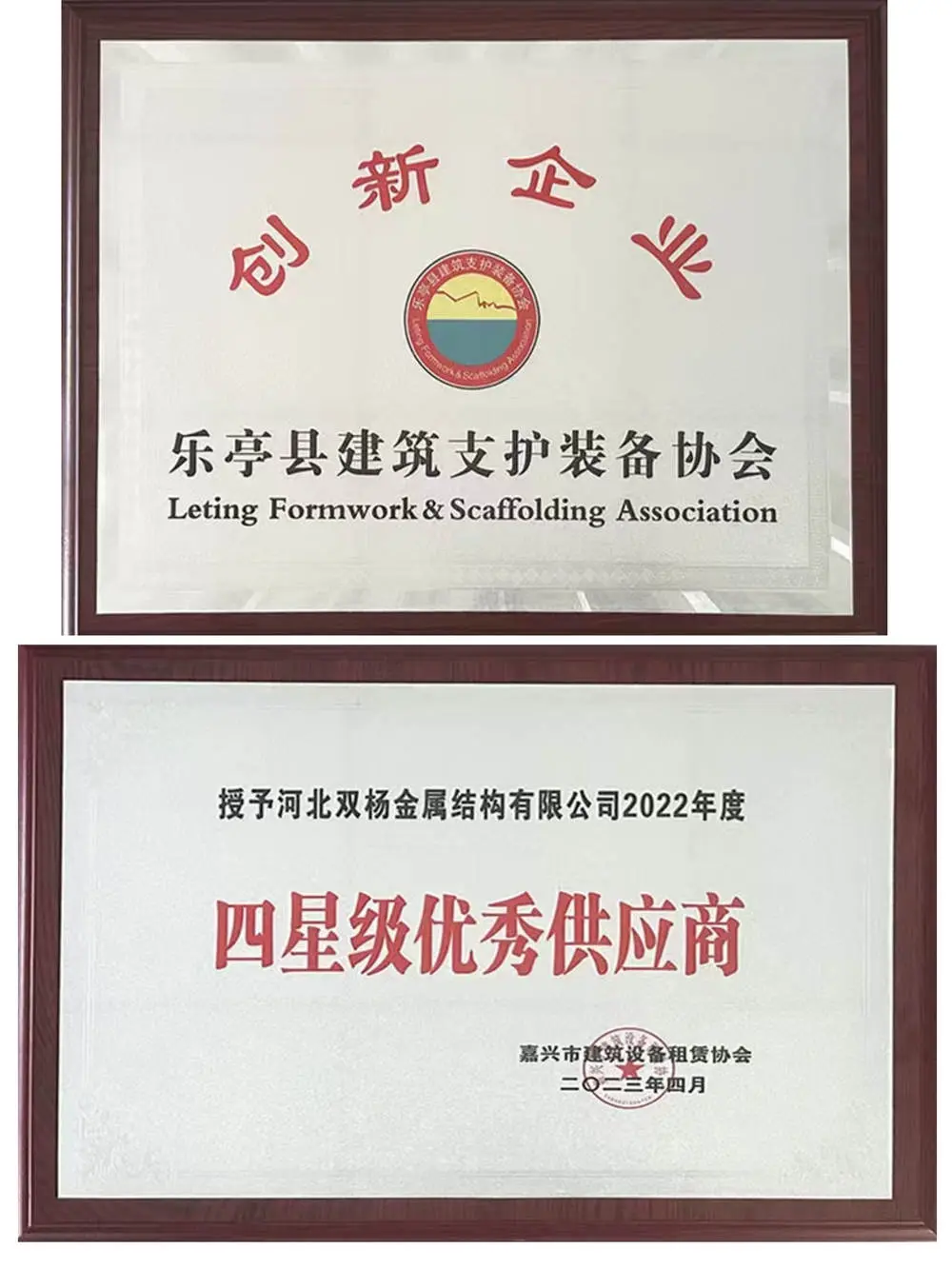
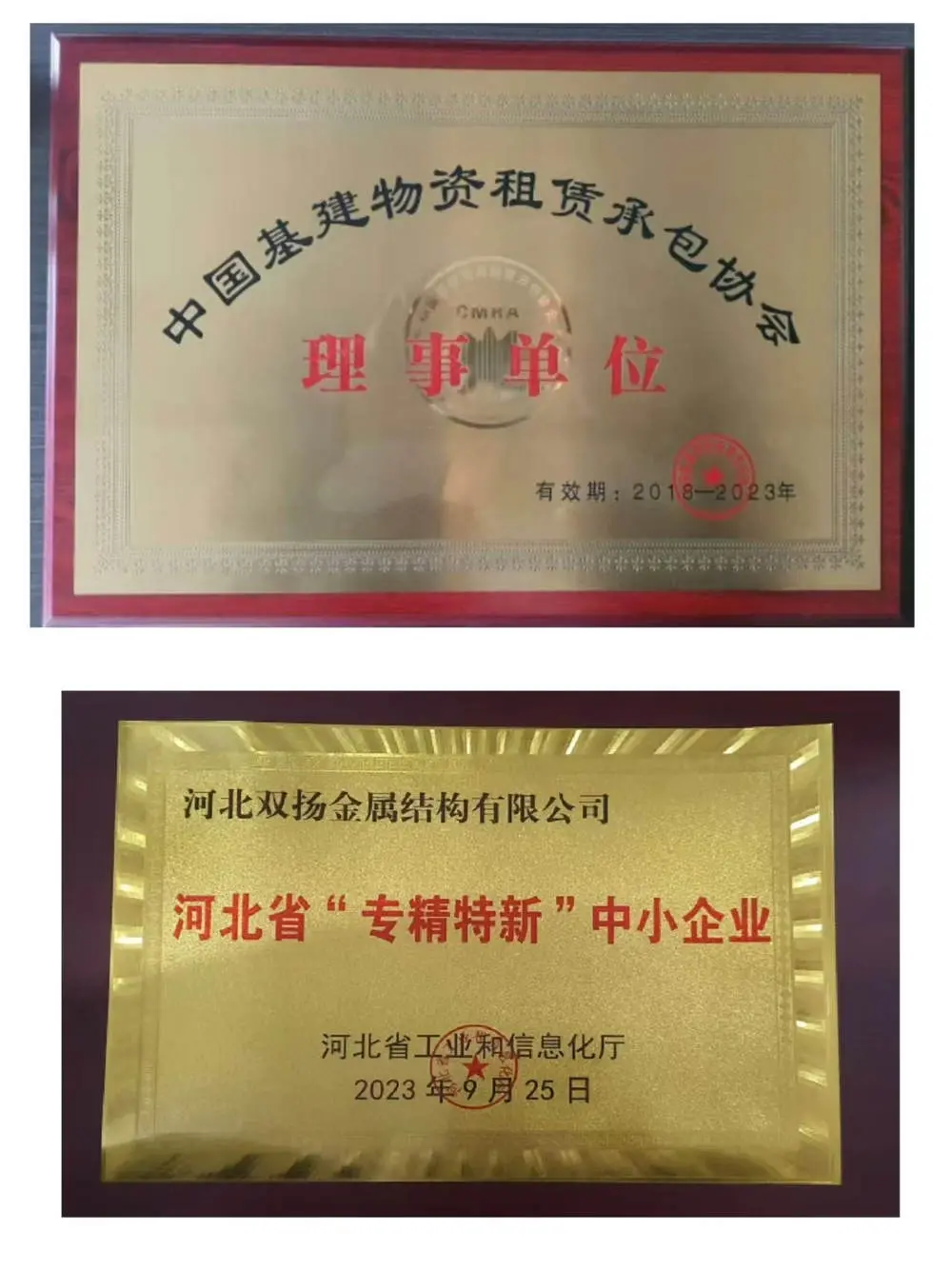
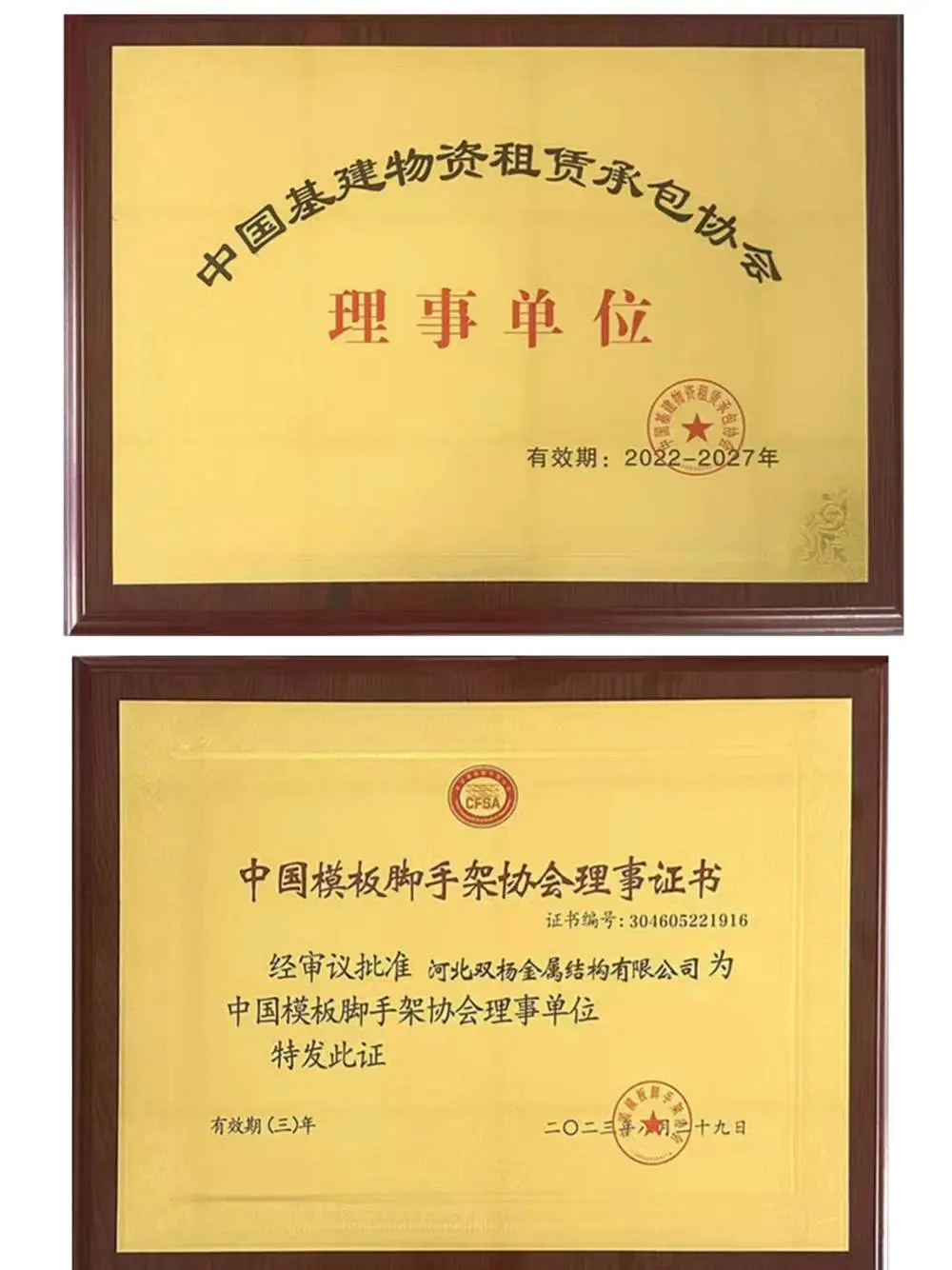
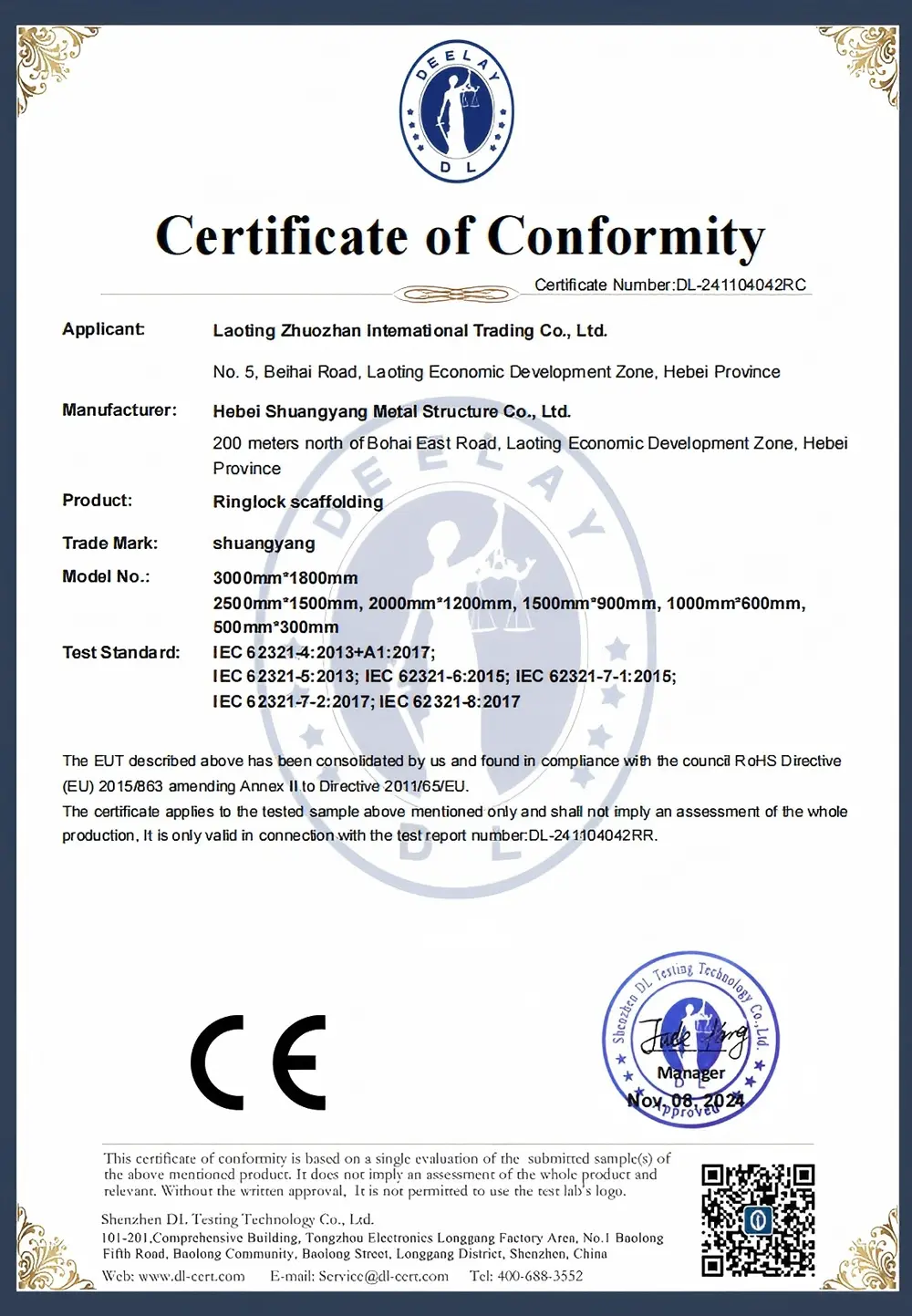
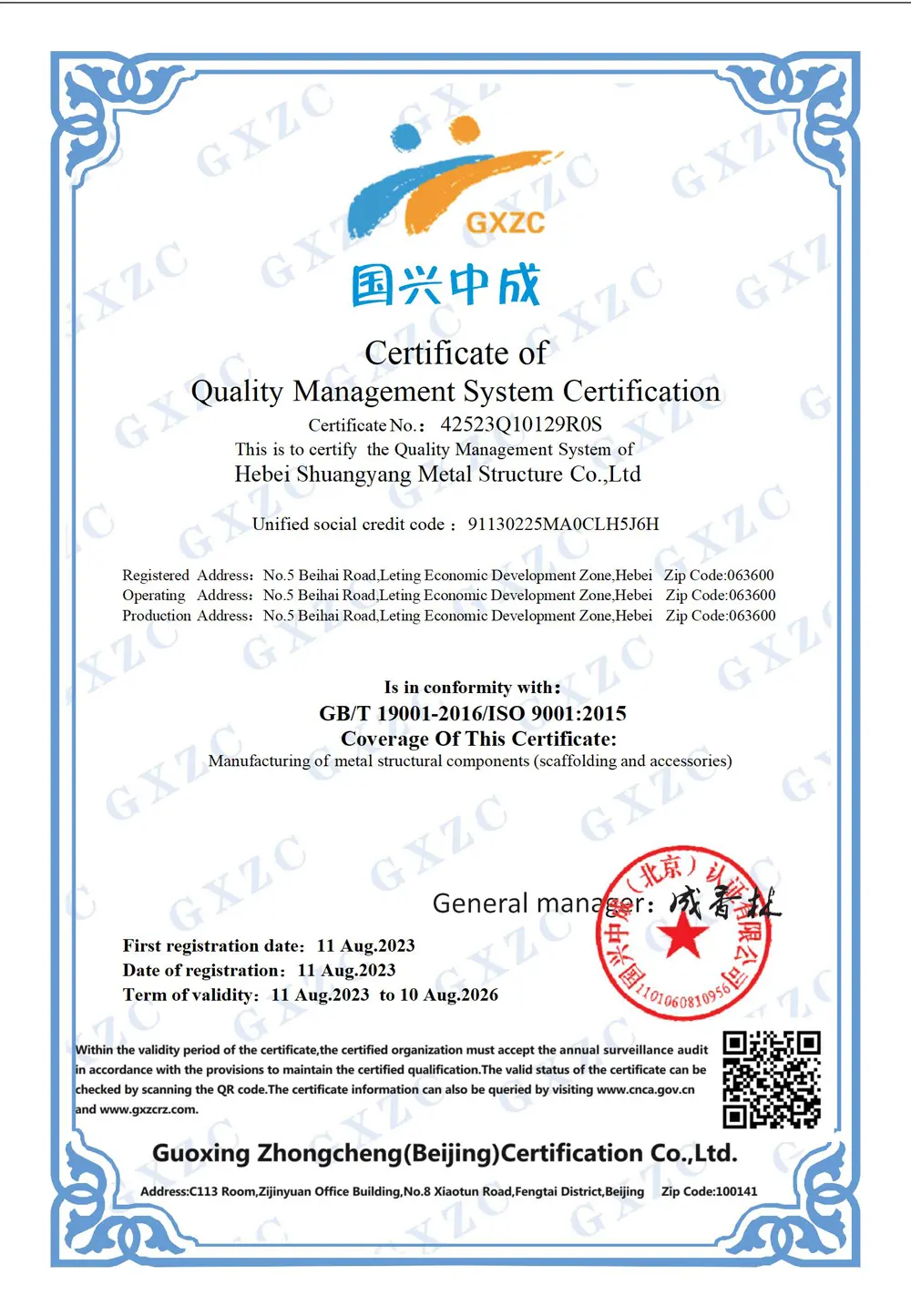
Our scaffolding and shoring systems are used in industrial, infrastructure, and commercial construction projects worldwide.
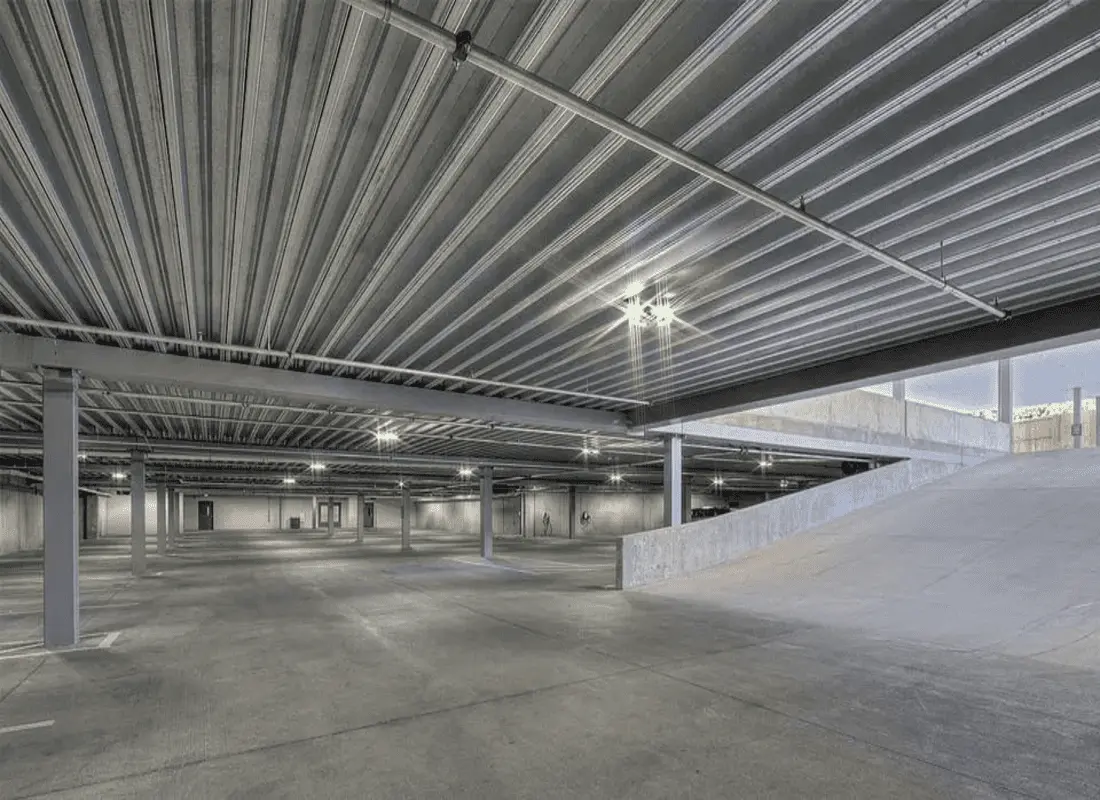
High-capacity adjustable shoring systems were utilized to support heavy structural concrete slabs and platform decks during construction.
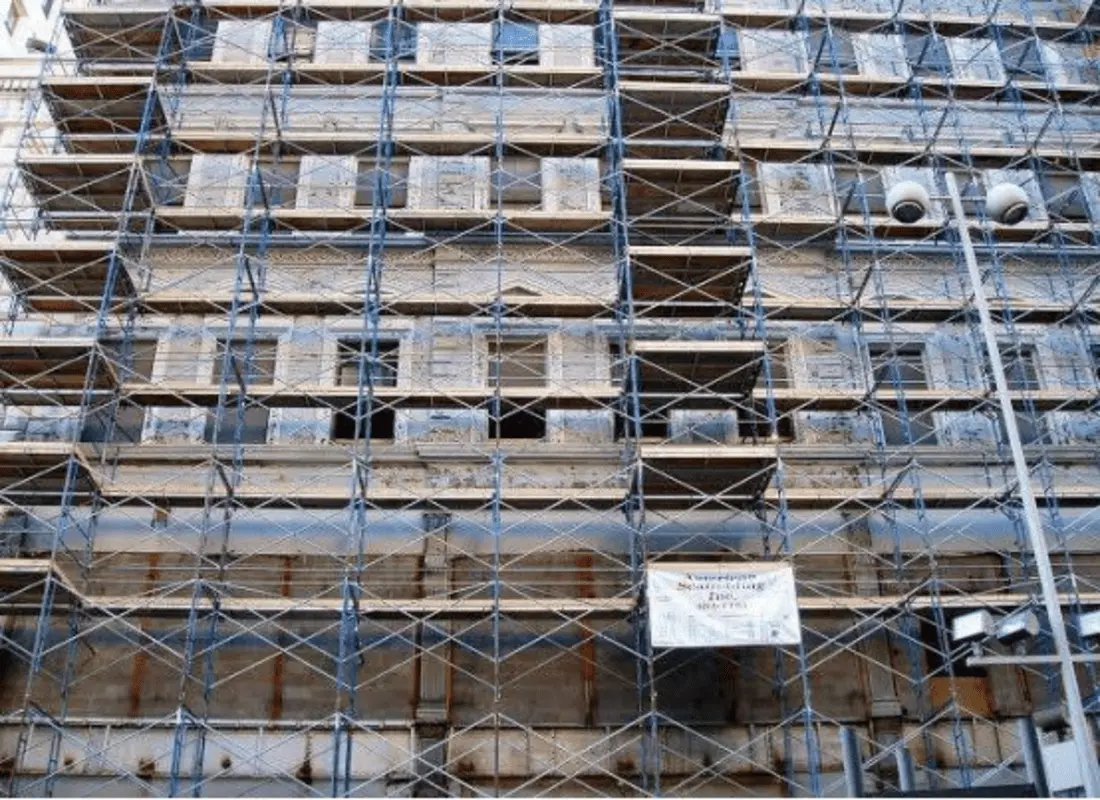
Our modular facade scaffolding systems were used on high-density urban residential buildings, meeting strict EU safety regulations.
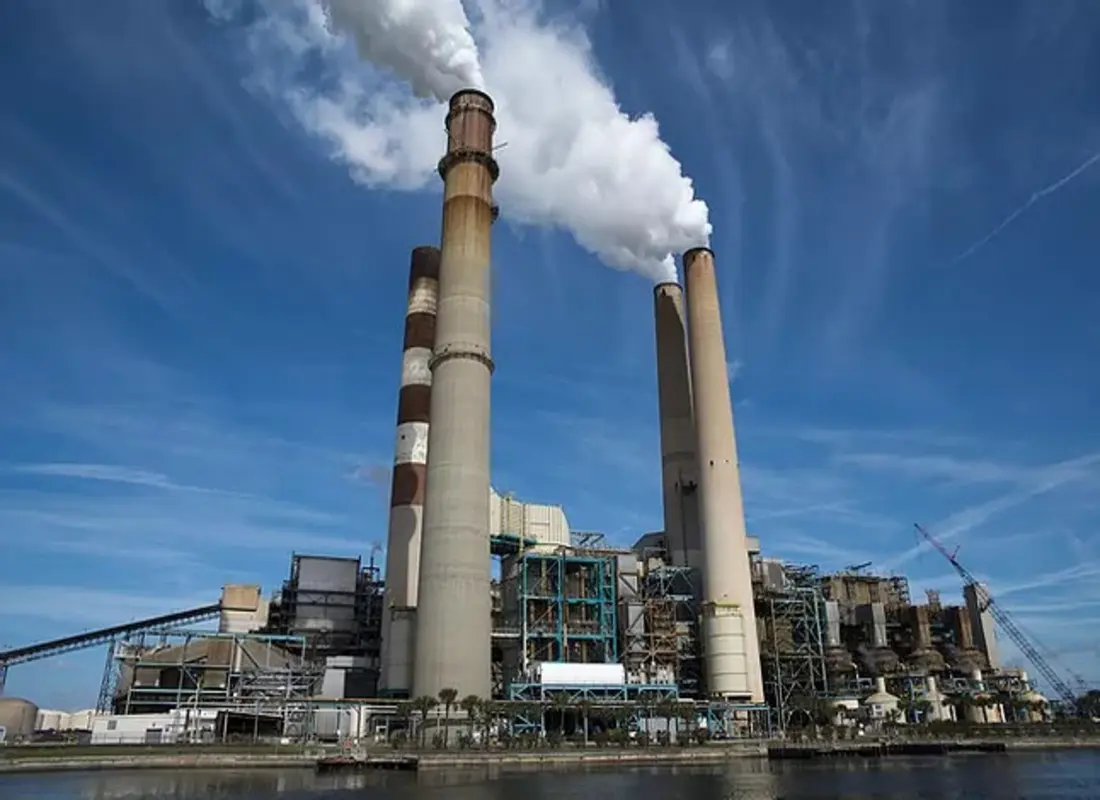
We supplied heavy-duty, corrosion-resistant cuplock scaffolding for high-temperature boilers and industrial pipe rack installations.
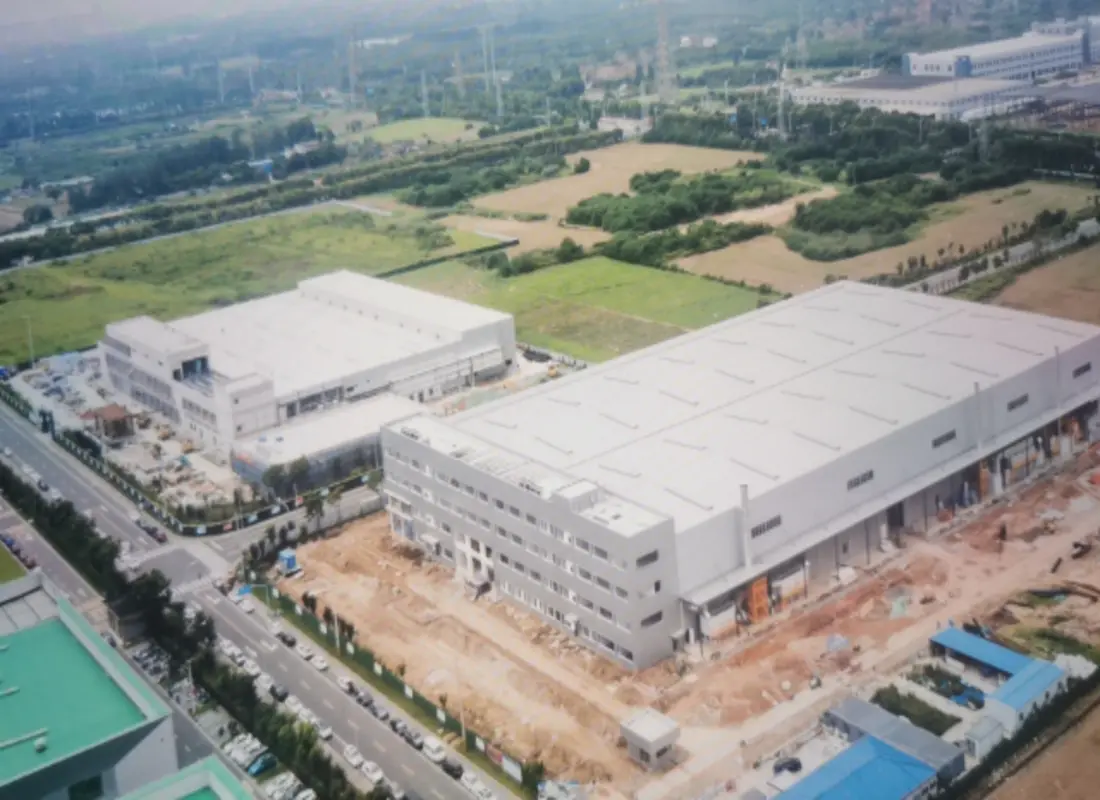
Our ringlock scaffolding supported assembly lines during plant construction, providing access to elevated crane runways.
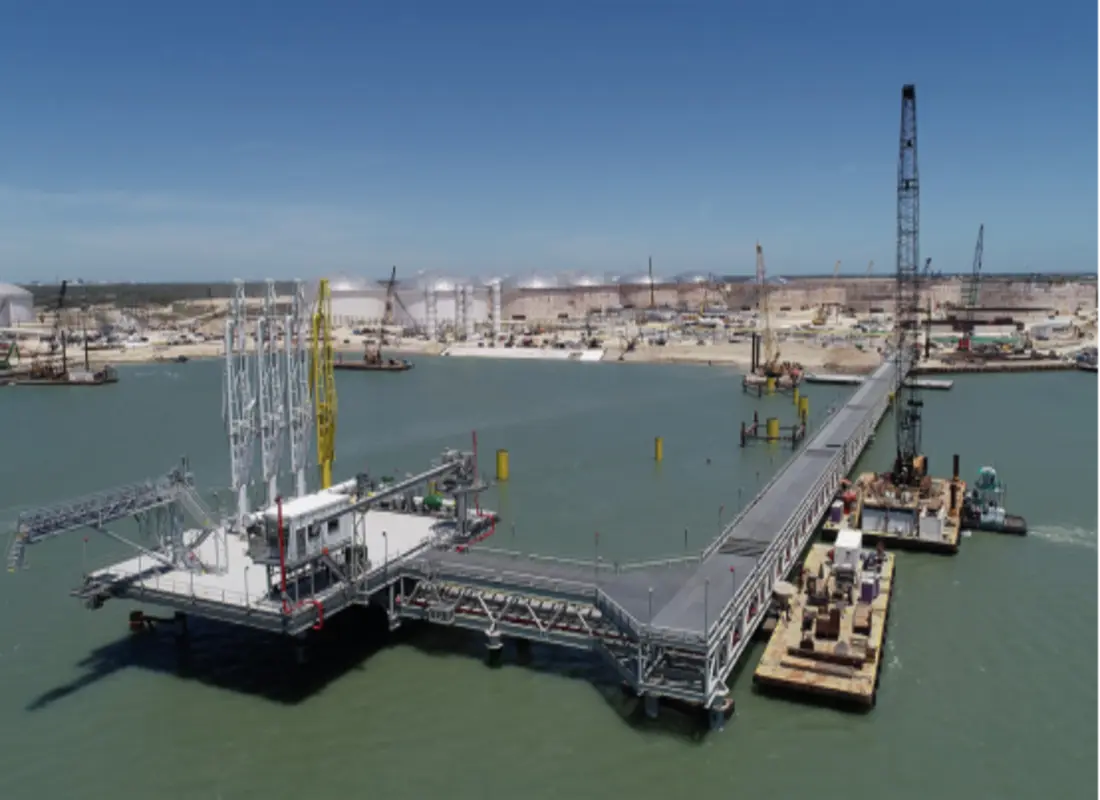
We supplied corrosion-resistant ringlock scaffolding for structural maintenance on off-shore gas transmission pipelines.
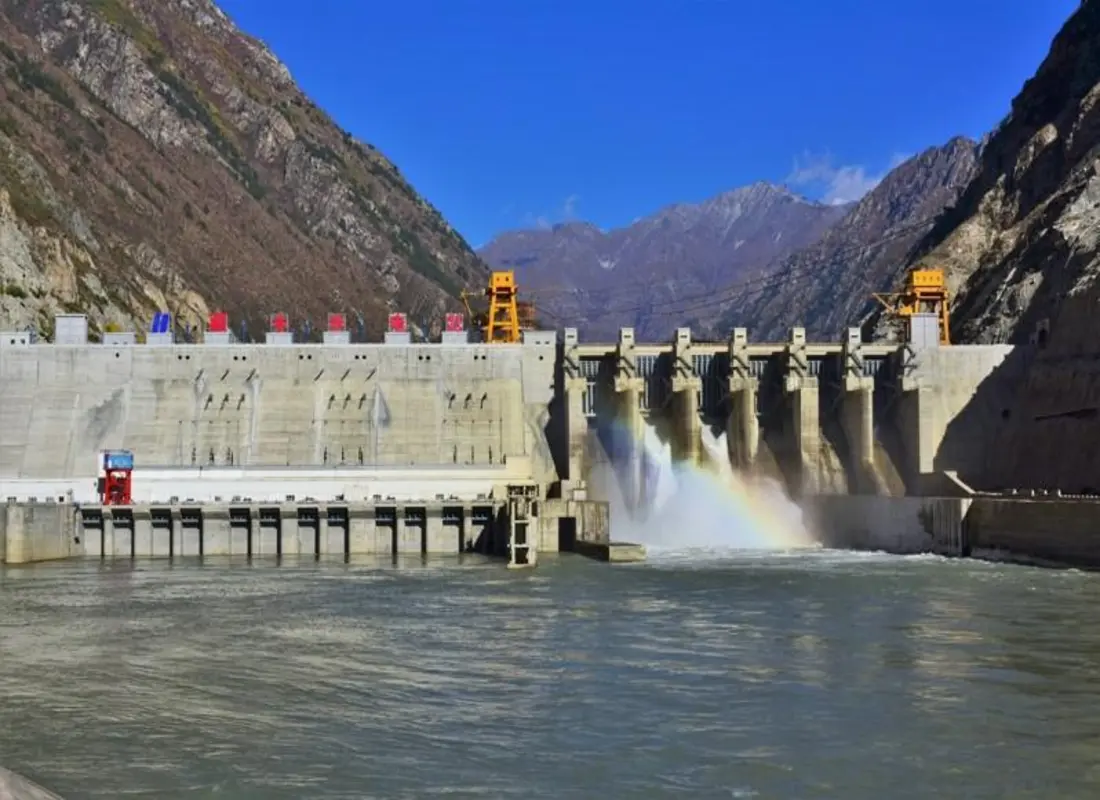
Heavy-duty scaffolding was erected on vertical spillway faces to support concrete rehabilitation work under high-humidity conditions.
Answers to common questions from structural engineers, project buyers, and quality control professionals.
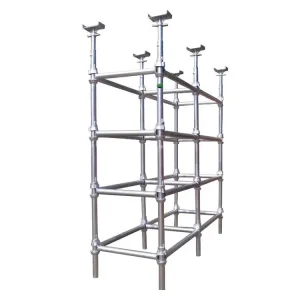
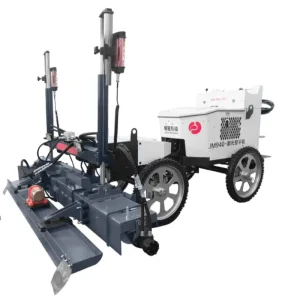
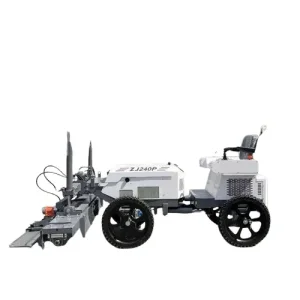
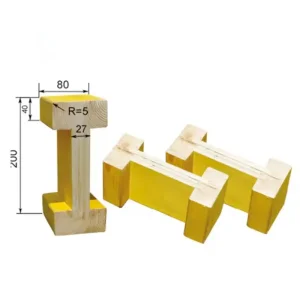
Explore our structural components, including cuplock scaffolding systems, laser screeds, adjustable sleeve fasteners, and high-strength timber beams.
 Zhuozhan