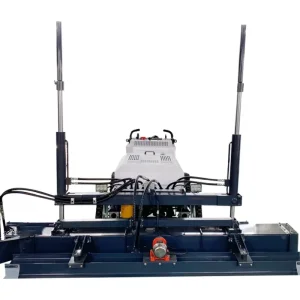
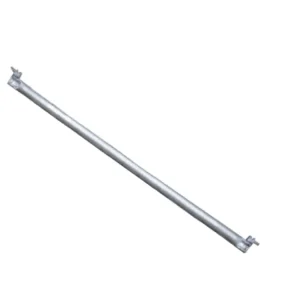
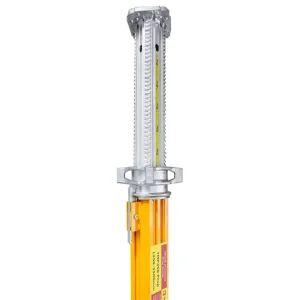
Industrial-grade modular access systems, precision manufactured for maximum structural load bearing and efficiency.
An in-depth analysis of suspended platform electric lifting scaffolds, structural compliance, and global supply strategies.
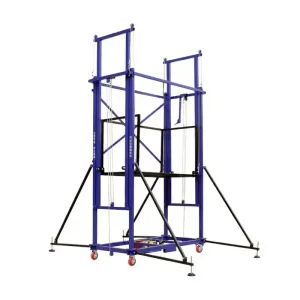
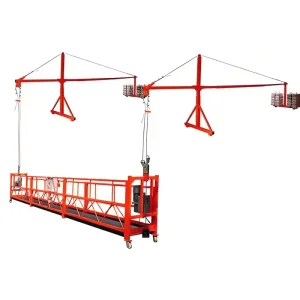
Modern vertical architecture and urban high-density constructions require access systems that seamlessly blend flexibility, efficiency, and absolute structural safety. The Suspended Platform Electric Lifting Scaffold—often categorized under the ZLP series electric gondolas—represents a critical leap forward from traditional bamboo, steel frame, or tubular scaffolding systems. Designed for applications ranging from high-rise curtain wall installation to ship-building, wind-turbine maintenance, and boiler plant refits, these dynamic systems minimize site setup footprint while providing workers with stable, high-capacity aerial platforms.
Every suspended lift system manufactured by Zhuozhan Group and Hebei Shuangyang Metal Structure Co., Ltd. incorporates precision components engineered to withstand harsh environmental conditions. The primary traction hoist (typically the LTD series) uses an electromagnetic brake motor to drive the platform along the load-bearing wire rope. Under normal operation, a dual-rope system is maintained: one primary suspension rope and one secondary safety rope connected to an LSG safety lock. Should the primary rope fail or the platform tilt beyond a pre-set angle (normally 3° to 8°), the safety lock instantly engages, clamping the safety wire rope and preventing descent within millimeters.
Manufactured primarily from high-grade hot-dip galvanized steel or lightweight structural aluminum alloys. Materials like Q355B offer yield strengths of 355 MPa, ensuring the main cradle platform can handle wind loads and impact forces at elevations exceeding 100 meters.
Electric hoist systems feature high-torque gearboxes and multi-groove rope guiding mechanisms that minimize rope wear. Fully enclosed IP55-rated electrical cabinets house safety switches, overload sensors, and phase-sequence protection circuits.
The hot-dip galvanization process coats all modular components with a thick zinc protective barrier (conforming to EN ISO 1461), extending the operational lifespan of vertical and horizontal sections to over 15-20 years in highly saline marine or industrial environments.
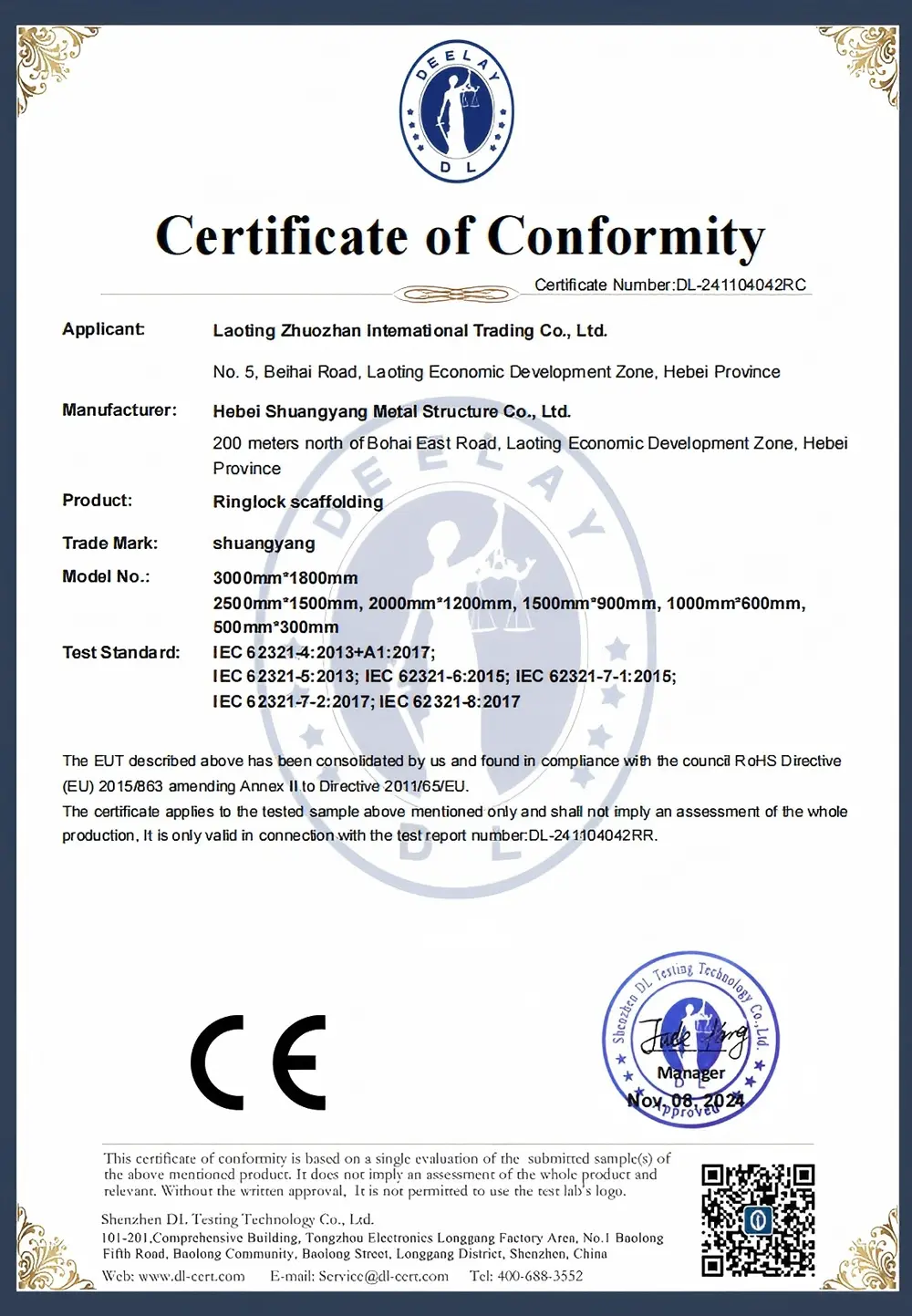
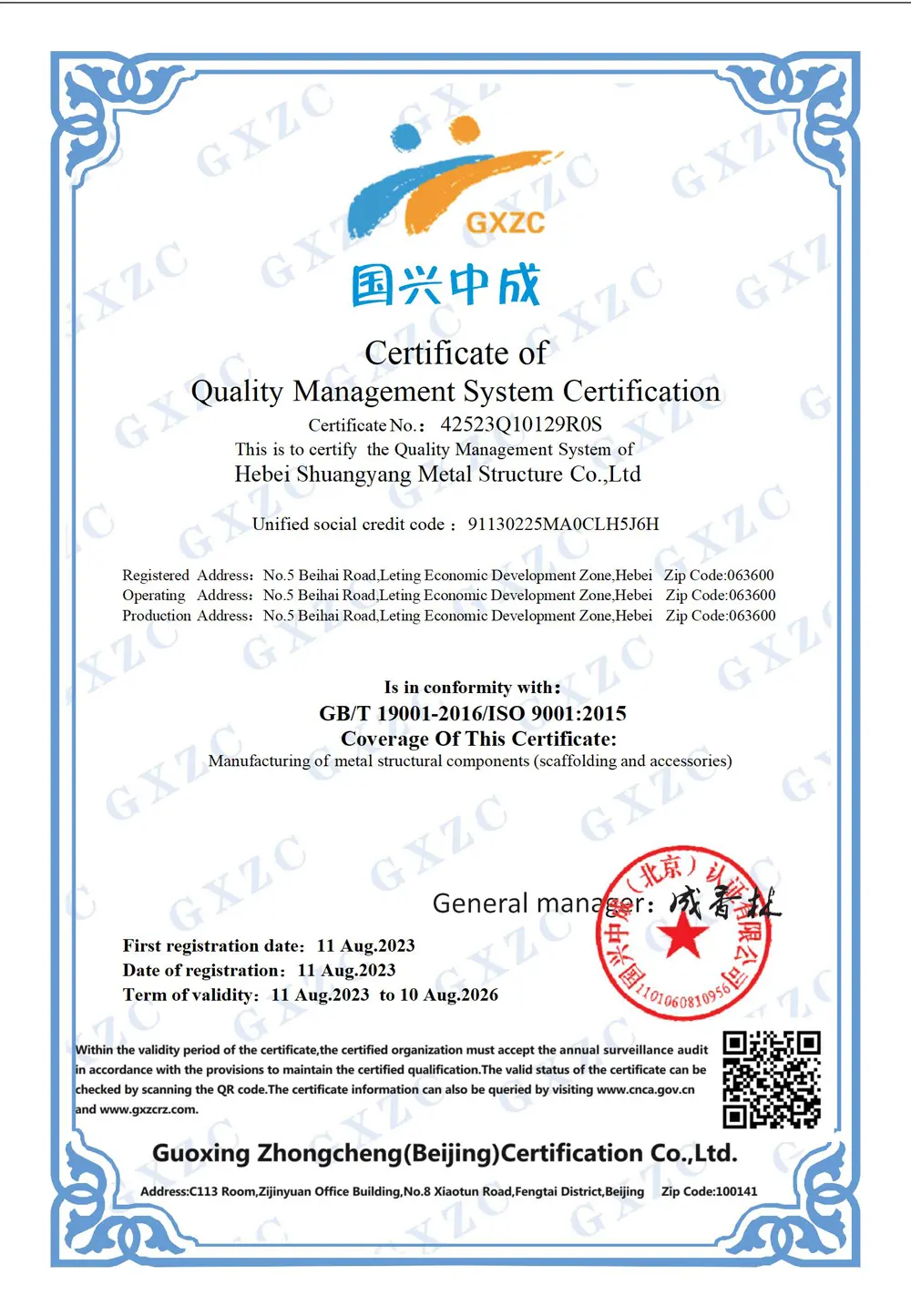
When selecting a manufacturer for electric lifting scaffolds, compliance with regional safety codes is non-negotiable. In European markets, suspended access systems must fully comply with EN 1808 safety requirements, which dictate rigorous design calculations, stability ratios, and overload safety verification tests. For North American operators, adherence to OSHA 1926.451 and ANSI A10.8 governs scaffold platform design, drop-testing parameters, and tieback anchoring requirements. We provide complete manufacturing traceability and third-party inspection certifications (including ISO 9001 and CE marks) to ensure seamless local authority sign-offs at construction sites worldwide.
Industrial scale and engineering innovation driving global infrastructure support.
Zhuozhan Group is a diversified and innovative enterprise that seamlessly integrates scientific research, manufacturing, and sales. With a robust portfolio of subsidiaries, including Laoting Zhuozhan International Trade Co., Ltd. and Hebei Shuangyang Metal Structure Co., Ltd., Zhuozhan Group has firmly established itself as a key player in the construction and manufacturing industries.
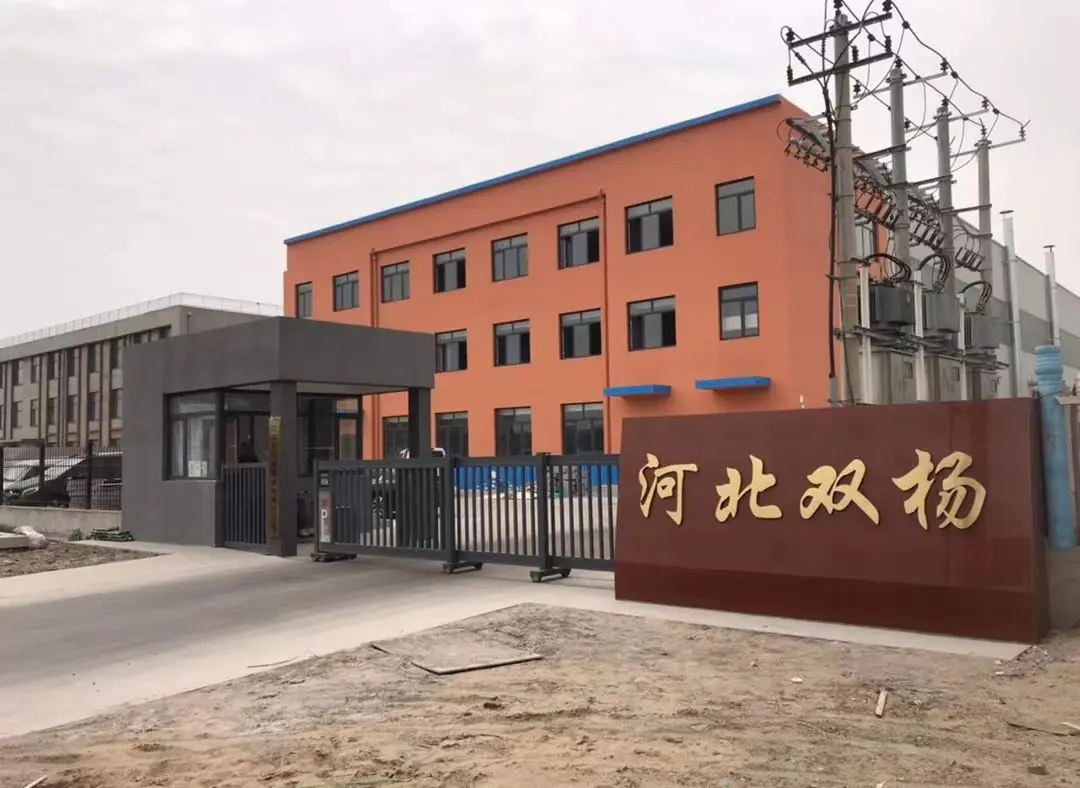
Founded in 2014, Hebei Shuangyang Metal Structure Co., Ltd. is a pivotal subsidiary that has rapidly advanced to the forefront of the industry, occupying a total area of 13,132.68 square meters, with a construction area of 7,124.58 square meters. The company operates with more than 500 skilled employees and is equipped with over 150 sets of advanced machinery and equipment. Over the years, Shuangyang has successfully secured 15 patents, demonstrating its strong commitment to innovation. The company's impressive production capabilities include an annual output of 300,000 tons of steel pipes, 1 million tons of scaffolding, and 400,000 tons of adjustable steel supports, making it a critical supplier to both domestic and international markets.
Leveraging geographical and industrial clusters to optimize Total Cost of Ownership (TCO) for global buyers.
For international contractors and distributors, structural material procurement is a balance between raw material pricing, metallurgical quality, and logistical efficiency. Located in Hebei, the heart of China’s primary steel production hub, Zhuozhan Group utilizes immediate access to premium steel billets, eliminating domestic transportation premiums and reducing lead times for massive infrastructure orders. The proximity to three critical northern shipping hubs—Jingtang Port, Tianjin Port, and Caofeidian Port—guarantees flexible container vessel booking, expedited customs clearance, and reduced maritime shipping overheads.
By centralizing manufacturing processes—from automated steel pipe cutting, punching, and robot-assisted structural welding to hot-dip galvanizing—we maintain rigorous Quality Assurance (QA) oversight. This level of vertical integration prevents the margin accumulation common when purchasing from trading companies. Additionally, our specialized engineering office (a team of 20+ design specialists) provides complimentary structural calculation reviews and CAD project layouts to help buyers bypass local consulting fees.
Detailed performance benchmarks and design attributes that differentiate our structural access solutions.
Constructed utilizing refined Q355B steel, yielding a single ledger/standard load-bearing threshold of up to 10 tons. This represents a 1.5x structural capability improvement compared to conventional Q235 scaffold elements.
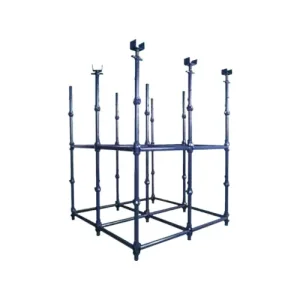
The specialized modular connection architecture allows a single technician to assemble between 150 to 300 square meters of structural staging per day, achieving a 3x to 5x efficiency improvement over traditional couplers.
Engineered to adapt to more than 100 industrial installation layouts, including structural concrete high-rises, marine logistics infrastructure, shipbuilding yards, and petrochemical refinery towers.
Under equivalent static and dynamic load limits, our optimized design reduces structural steel consumption by up to 50%, keeping total platform self-weight to roughly 1/3 of standard tubular structures.
Comprehensive hot-dip galvanization guarantees zero structural oxidation, yielding an average industrial operating lifespan exceeding 10 years, and extending up to 20 years under standard storage and usage protocols.
Utilizing high-precision digital cutting heads and automated welding rigs, we maintain a strict component dimensional variance threshold of ±1mm, preventing wedge-fitting lock issues during field assembly.
Total transparency in our advanced metal manufacturing pipelines, ensuring consistency and environmental accountability.
The manufacturing process begins with structural steel pipe stock, moving through automated cutting and stamping to finished, galvanized components. During these stages, waste gas, noise, and solid waste are managed through integrated extraction systems.
Similar to vertical members, ledger construction utilizes casting ends. These cast components are welded onto raw horizontal steel pipe sections before final assembly.
Reviewing international applications of our structural steel props, modular scaffolding, and high-altitude access systems.
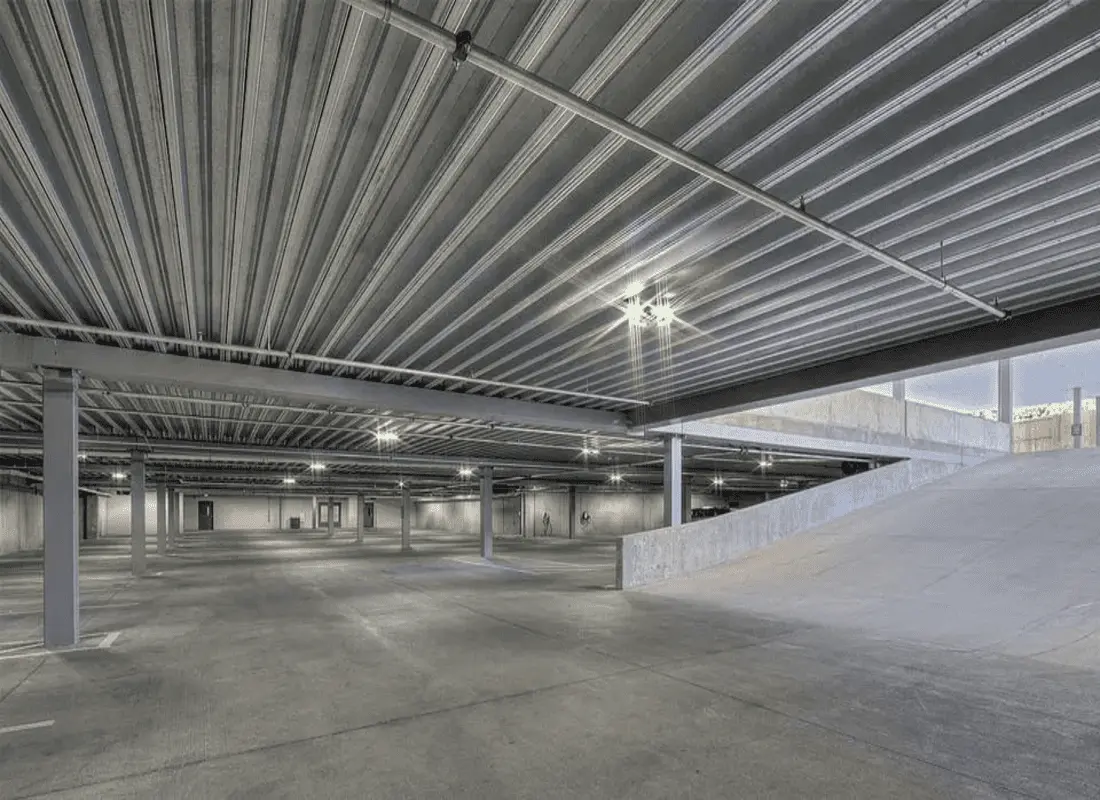
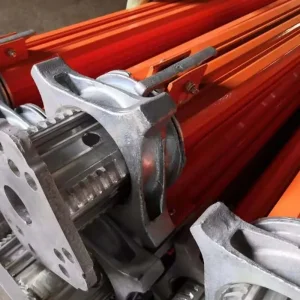
Heavy-duty adjustable steel shoring props supporting cast-in-place concrete structures under high load criteria.
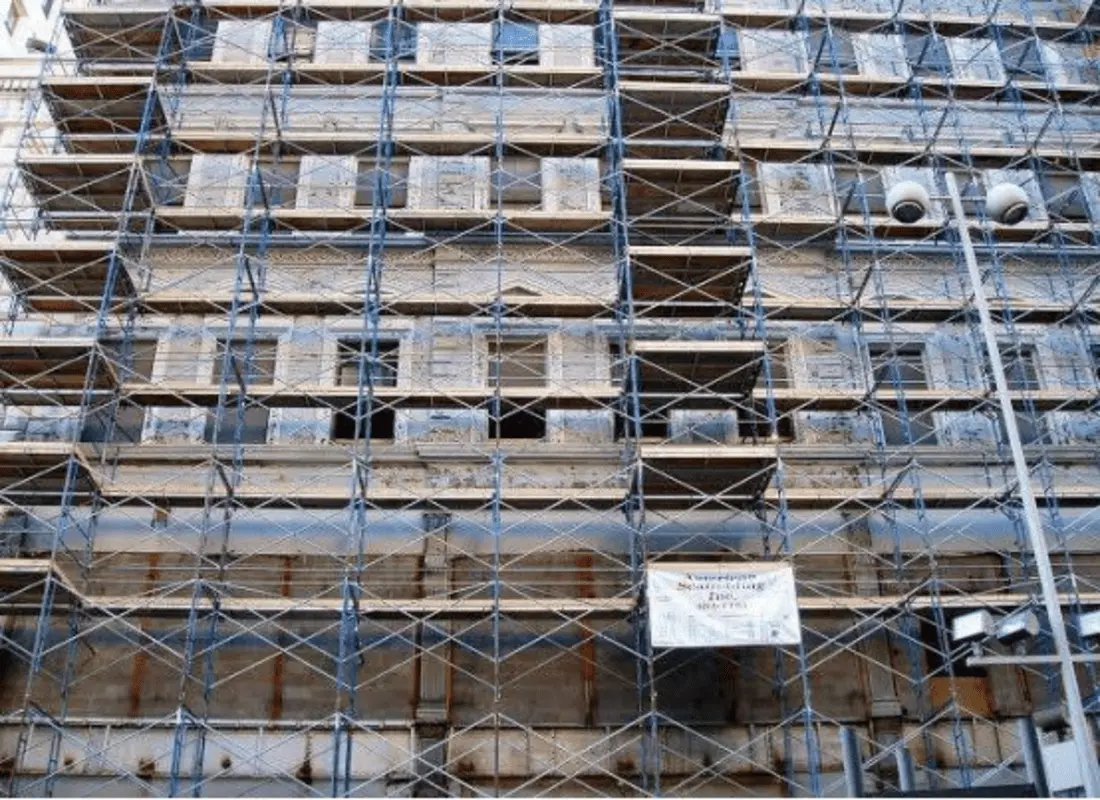
Modular access framing configured for facade restoration and outer wall insulation upgrades.
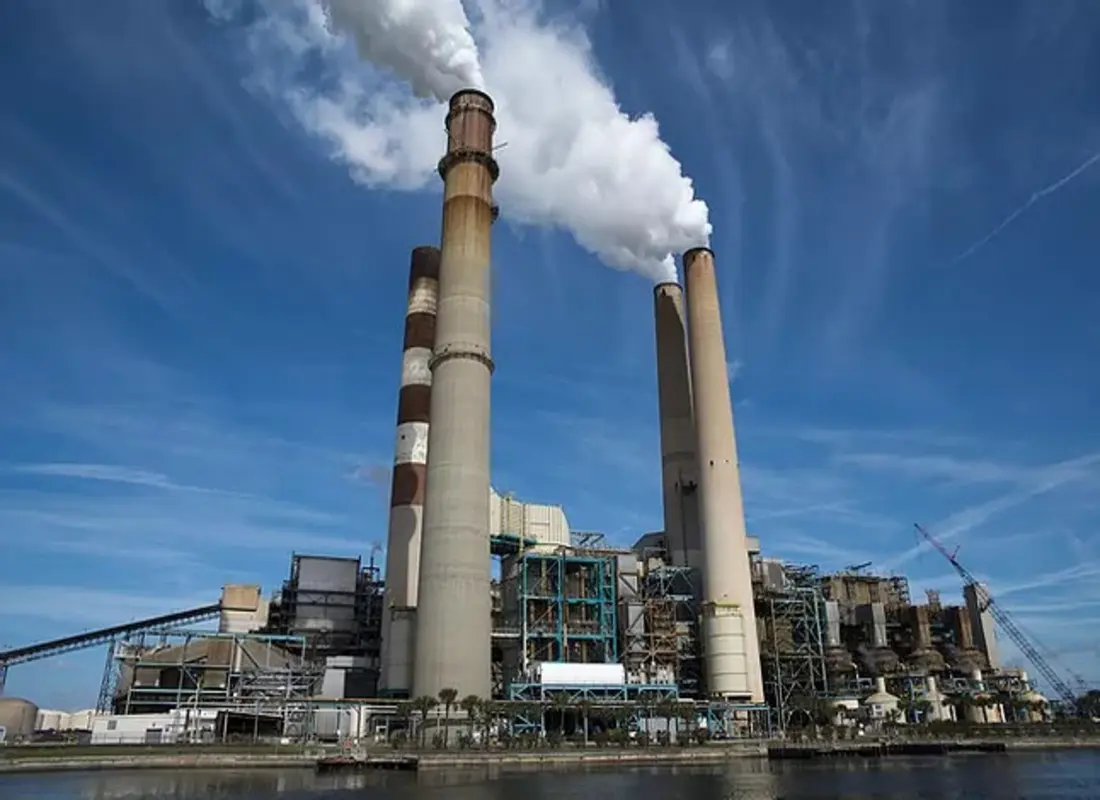
Industrial-grade high-rigidity cuplock systems supporting pressure vessel maintenance walkways.
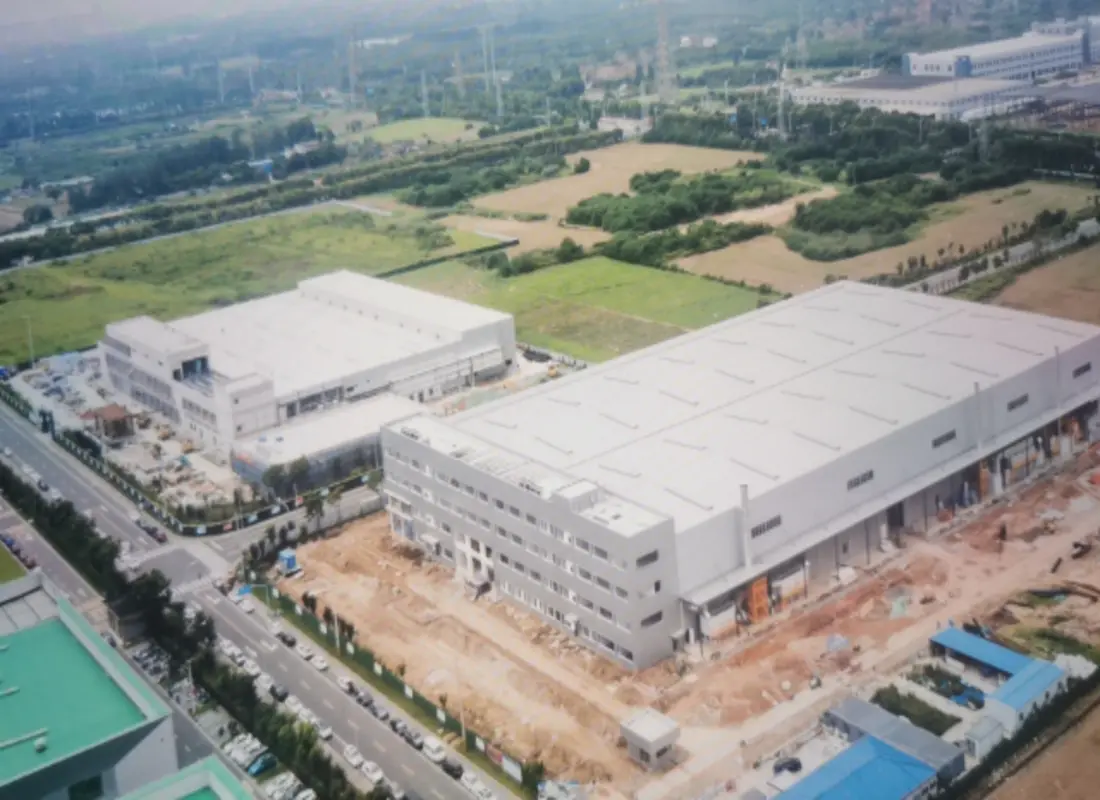
Heavy-duty assembly platform configured for ceiling utility piping installations.
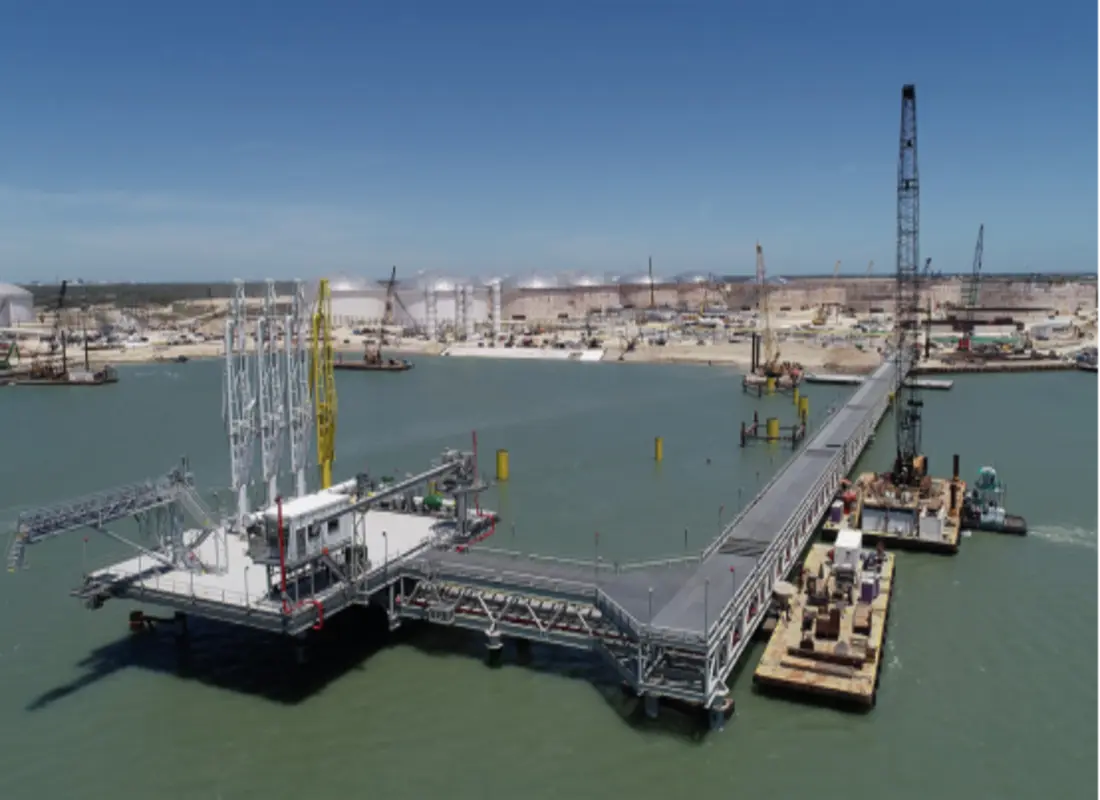
Corrosion-resistant galvanized structures providing safe work access over open water pipelines.
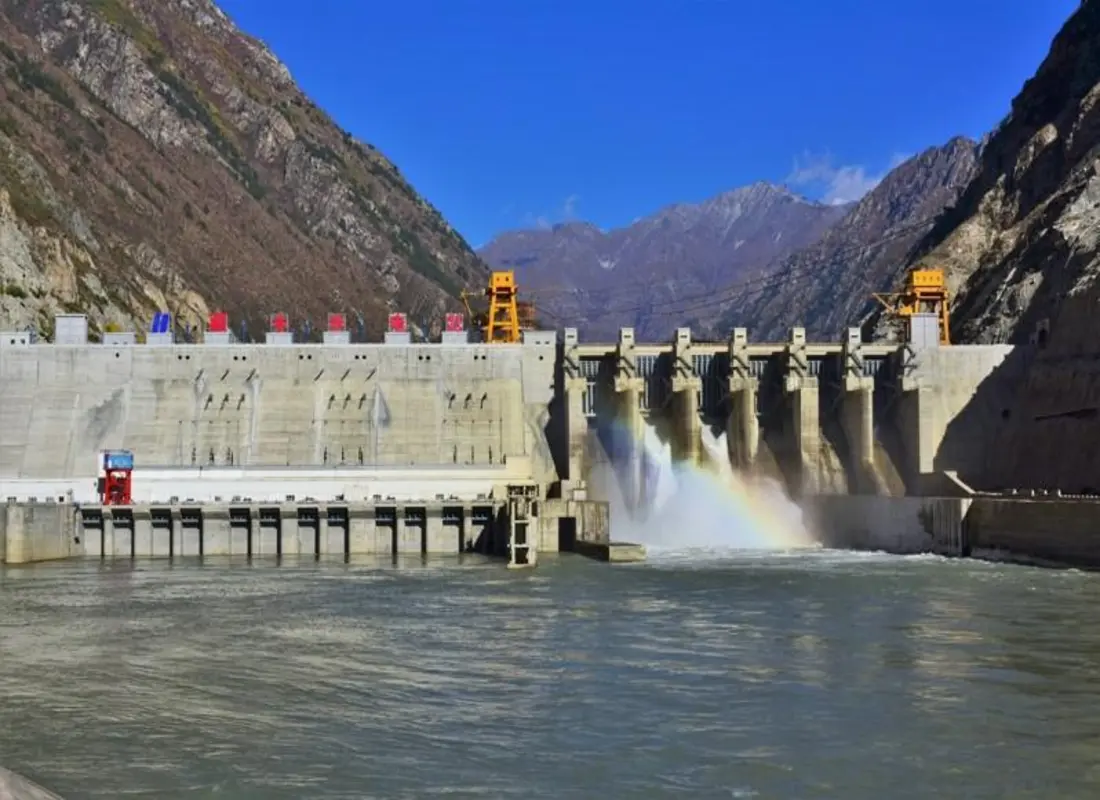
High-load scaffolding structures engineered for concrete face repairs on deep-discharge spillways.
How the high-altitude access sector is evolving towards automation, load safety, and lighter alloy materials.
The next generation of suspended platforms will move beyond purely mechanical safety devices. The industry is shifting toward smart hoists equipped with integrated load cells and tilt sensors that wirelessly transmit data to ground-level safety officers. These systems monitor weight distribution in real-time, automatically cutting hoist power if an overload or severe out-of-level condition is detected. This helps prevent human error, such as overloading one end of the scaffold with construction materials.
While galvanized steel remains the standard for heavy masonry and bridge construction due to its durability, aluminum alloys are becoming increasingly popular for facade painting, window cleaning, and curtain wall installations. Using structural aluminum alloys reduces the platform's self-weight by up to 60%. This reduces the size and weight of the roof-mounted suspension rig and counterweights, making the entire setup easier to move and reassemble across different roof levels.
Future iterations of electric lifting scaffolds will feature secondary, independent mechanical brakes directly on the hoist drum, supplementing the primary electromagnetic motor brake. This ensures that even in the event of a catastrophic gearbox failure, the hoist drum is mechanically locked. Additionally, wire ropes are transitioning to specialized high-tensile, galvanized steel designs with optimized wire arrangements that resist kinking and spooling deformities.
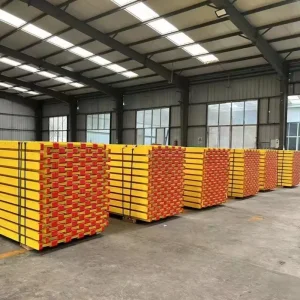
Step inside our manufacturing plants, check stock levels, and watch our automated production systems in action.
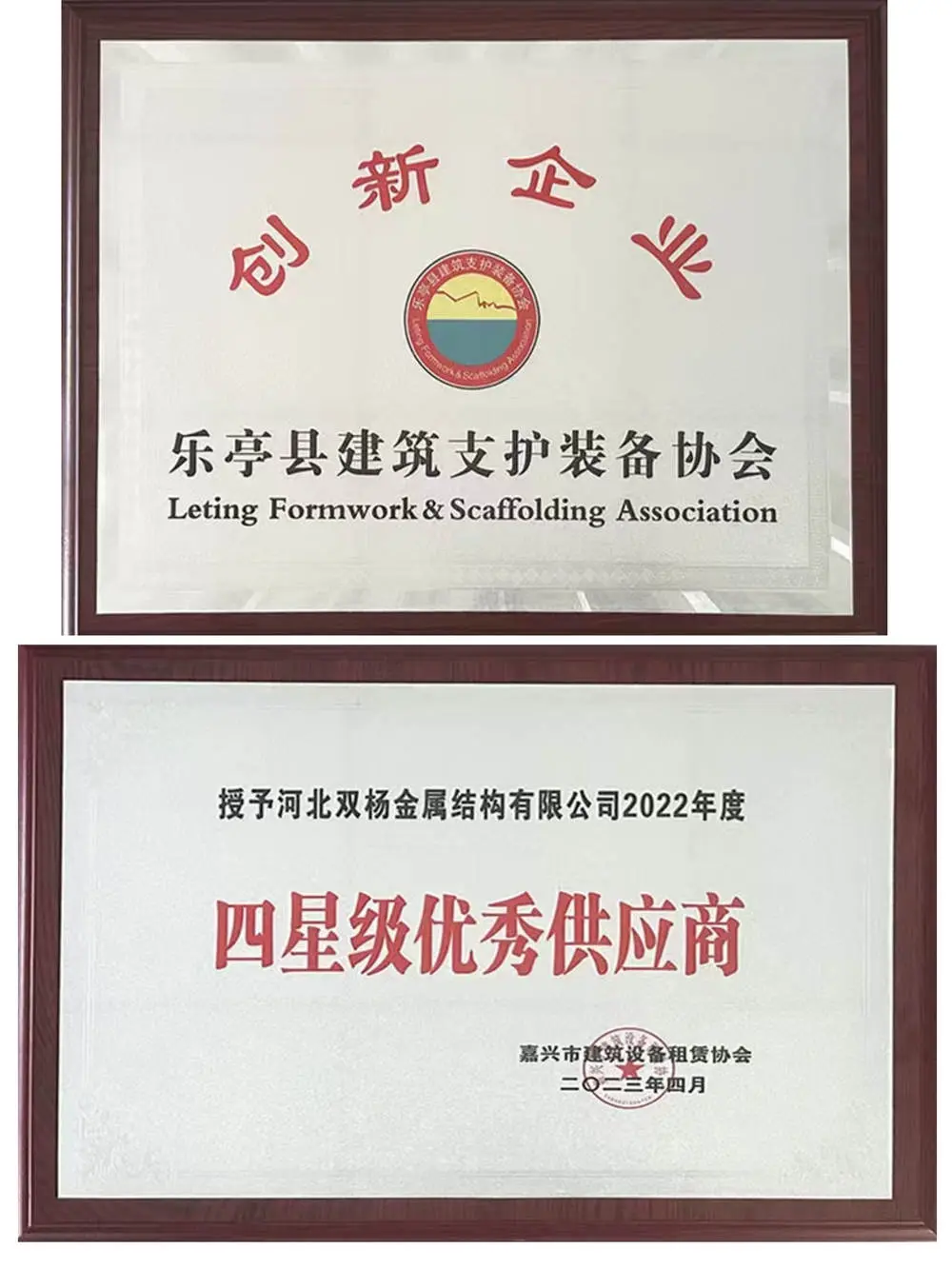
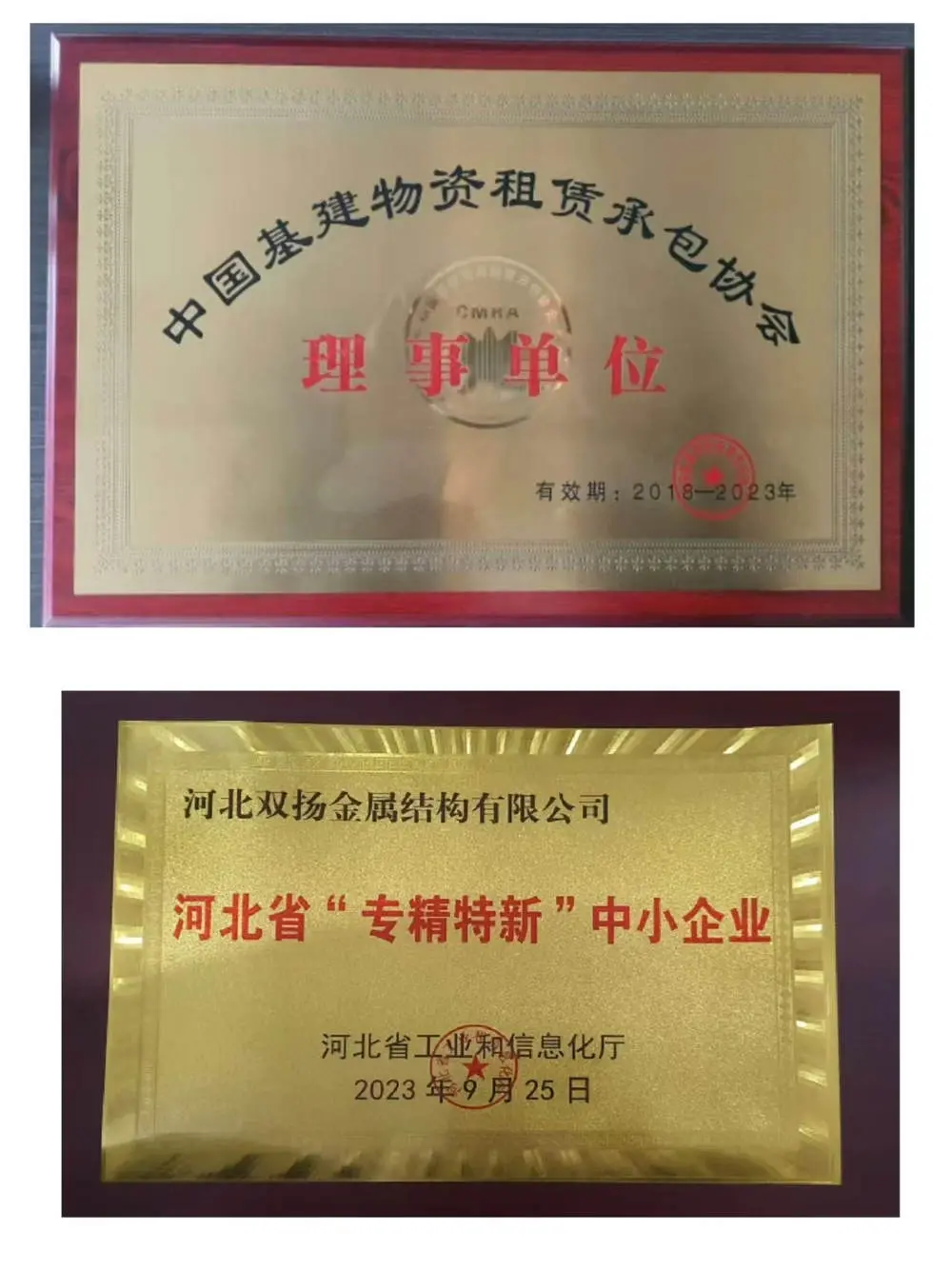
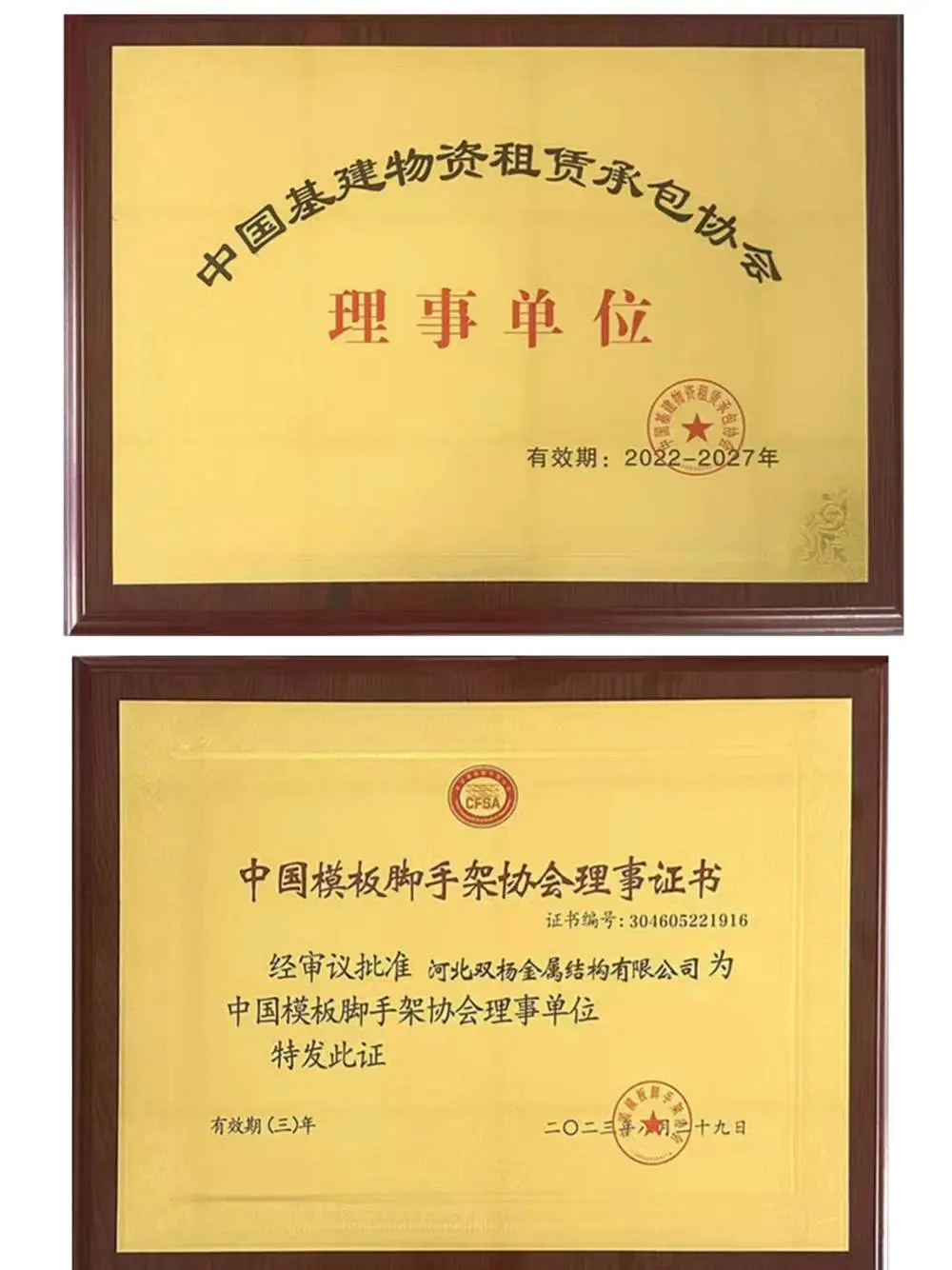
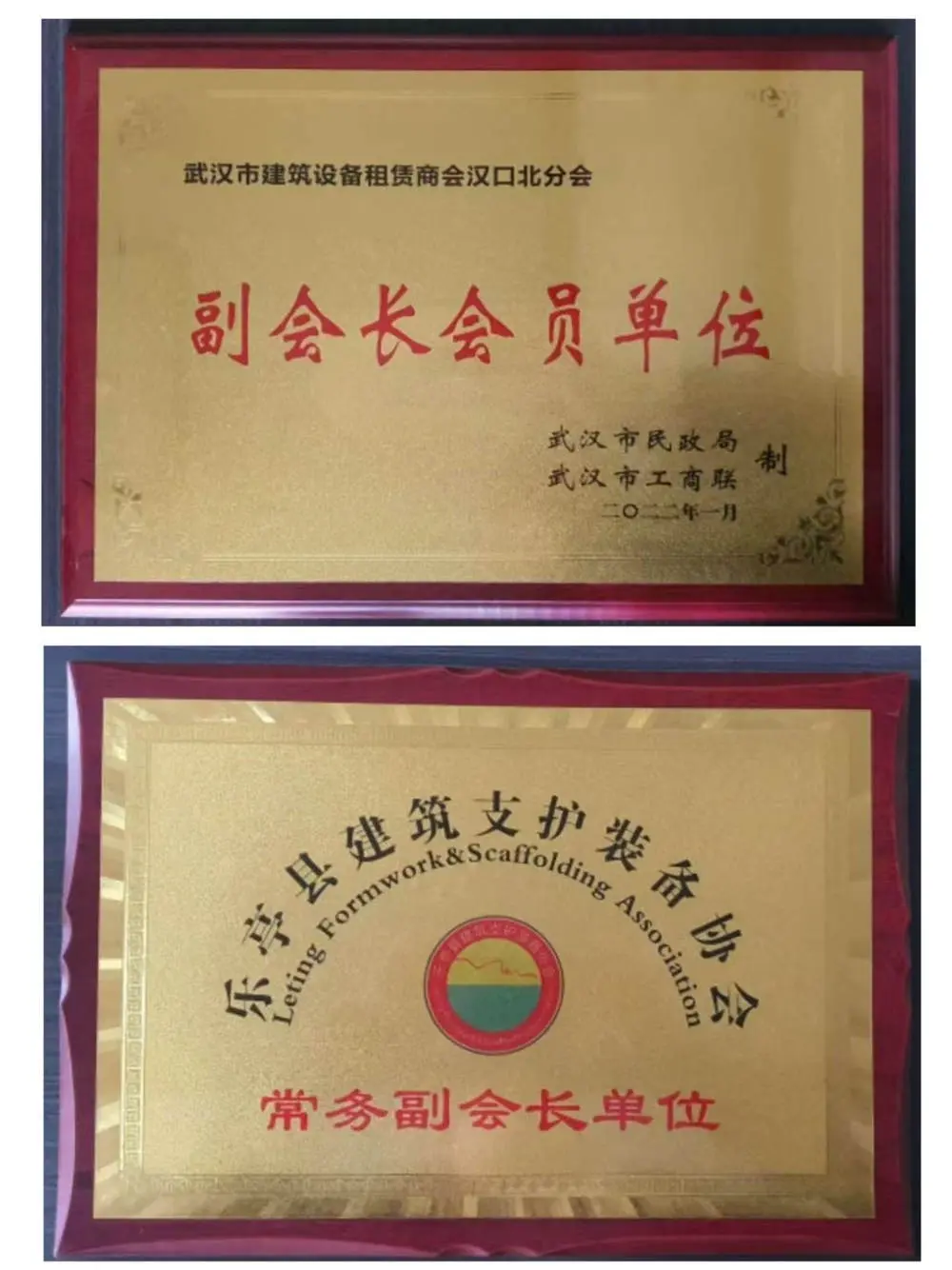
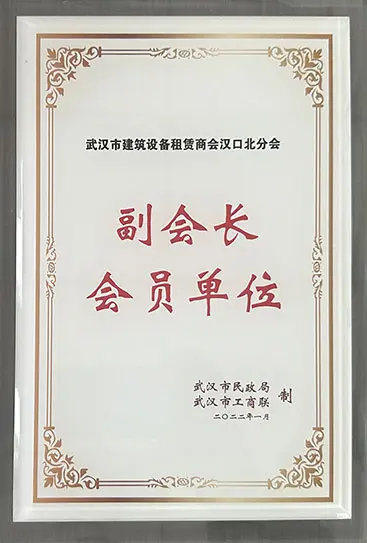
Our quality control program is backed by international certifications and manufacturing audits.
Detailed engineering answers to the most common questions from procurement managers, site supervisors, and safety engineers.
High-capacity hardware components and accessories designed to support high-rise concrete construction projects.
 Zhuozhan