Explore our premium grade certified heavy-duty modular components optimized for structural stability and high safety margins.
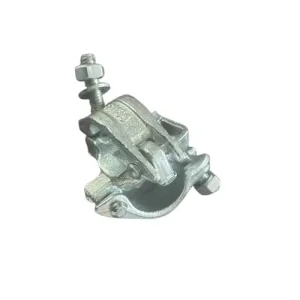
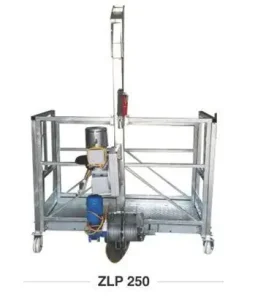
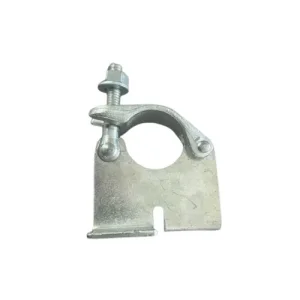
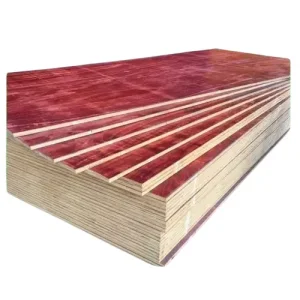
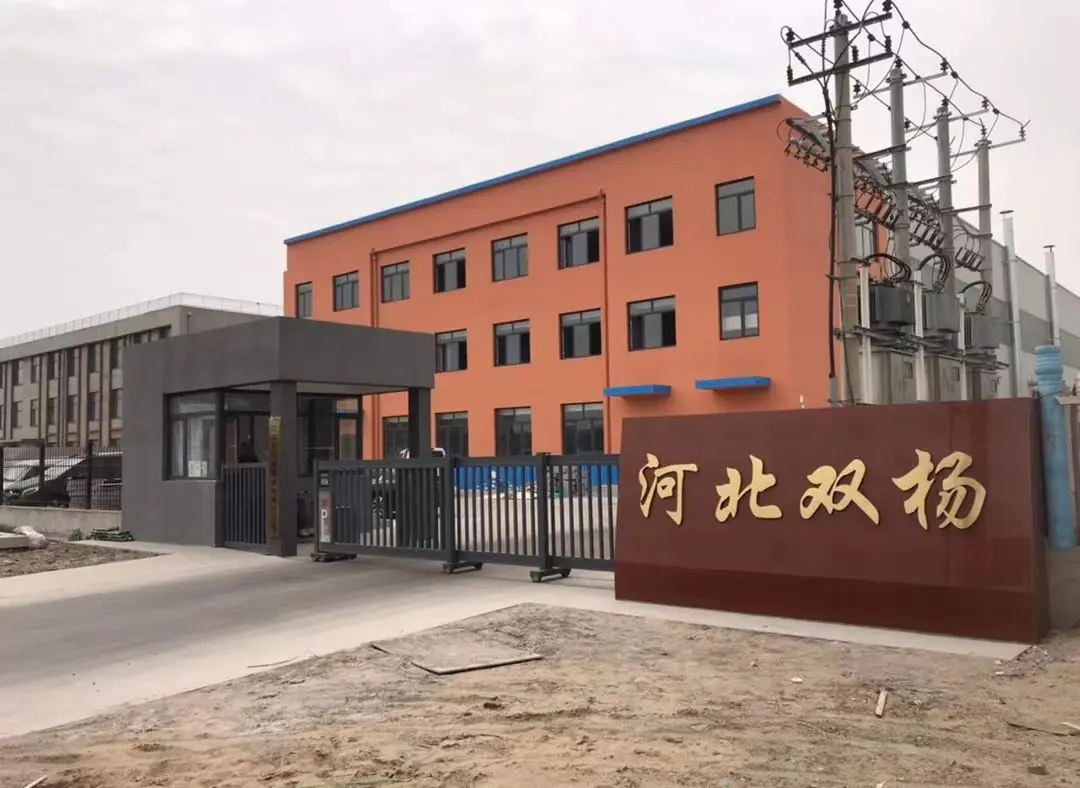
Zhuozhan Group is a diversified and innovative enterprise that seamlessly integrates scientific research, manufacturing, and sales. With Hebei Shuangyang Metal Structure Co., Ltd. acting as our manufacturing spearhead, and Laoting Zhuozhan International Trade Co., Ltd. managing global logistics, we deliver top-tier metal structures globally.
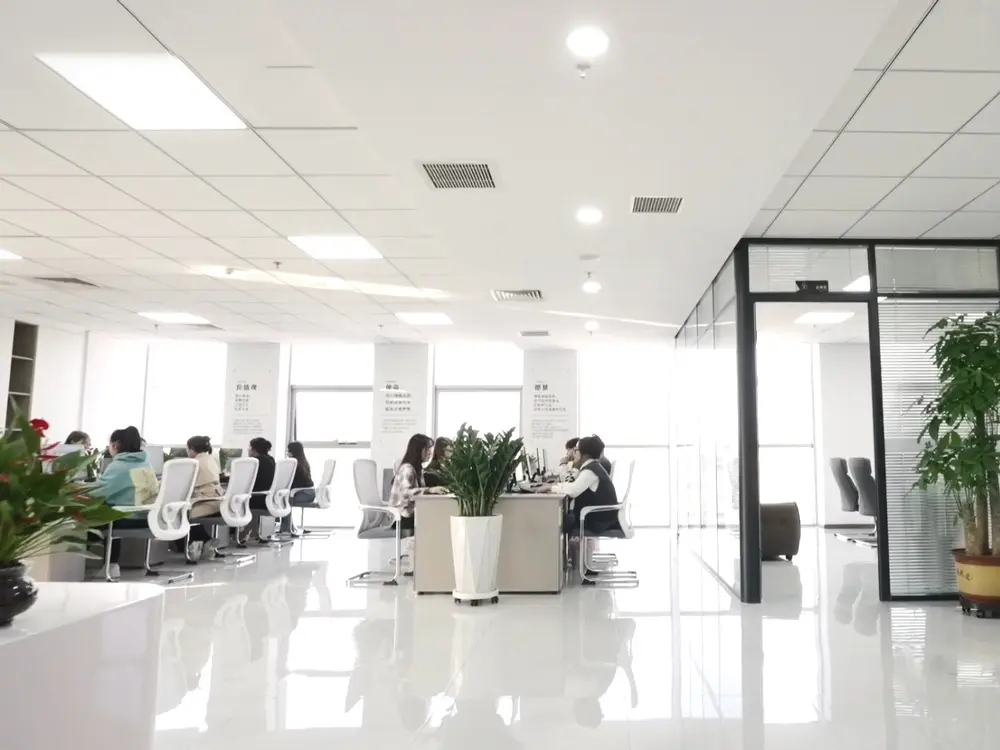
Founded in 2014, Hebei Shuangyang Metal Structure has rapidly advanced to the forefront of the industry, occupying a total area of 13,132.68 square meters, with a construction area of 7,124.58 square meters. Operating with more than 500 skilled employees and equipped with over 150 sets of advanced machinery and equipment, Shuangyang has successfully secured 15 patents, demonstrating its strong commitment to innovation.
Our impressive production capabilities include an annual output of 300,000 tons of steel pipes, 1 million tons of scaffolding, and 400,000 tons of adjustable steel supports, making it a critical supplier to both domestic and international markets.
Analyzing structural dynamics, modern material formulations, and global regulatory transitions.
In modern commercial and industrial construction, standard ground-supported scaffolding often falls short due to ground obstructions, complex building envelopes, or restricted access areas. This has fueled global demand for metal scaffolding with cantilevers—protruding platforms supported structural members that extend outward from the main building frame without direct vertical support from the ground. Such systems distribute loads back to the core structural frame through tension ties and compression struts, introducing complex bending moments that require precise engineering.
"Under structural standards like EN 12810 and EN 12811, cantilevered scaffolding assemblies must undergo rigorous finite element analysis to ensure overturning moments are neutralized by appropriate anchorages and counterweights."
Transitioning from standard Q235 carbon steel to Q345B low-alloy high-strength steel has been a game-changer for scaffolding. Q345B has a yield strength of 345 MPa, which is roughly 1.5 times stronger than Q235 (235 MPa). This higher load capacity allows engineers to design scaffolding platforms with fewer components, saving material and reducing the dead load of the structure without compromising safety. This reduction in dead weight is especially critical for cantilevered setups, where reducing self-weight minimizes the bending moment on the anchors.
Long-term environmental exposure can weaken scaffolding through rust and degradation. Our structural metals undergo a comprehensive Hot-Dip Galvanization (HDG) process. In this process, cleaned steel components are dipped into molten zinc at approximately 450°C (842°F), forming a metallurgically bonded zinc-iron alloy coating. This coating acts as both a physical barrier and a sacrificial anode, giving our scaffolding a lifespan of over 10 years, and often up to 15 to 20 years under normal environmental conditions.
How automation and strategic logistical access secure reliable project timelines worldwide.
Operating a 40,000 m² source factory with an annual output exceeding 200,000 tons of finished metal structures, including scaffolding, steel pipes, and shoring posts.
Supported by a dedicated design team of over 20 engineers. We design customized structural schemes, compile calculations, and run performance modeling for global compliance.
Strategically located near major northern Chinese shipping ports—Jingtang, Caofeidian, and Tianjin. This proximity minimizes inland freight transit times and reduces export overheads.
We are a certified partner to top state-owned construction companies, including the China Construction Eighth Engineering Division and China Construction Fourth Engineering Division.
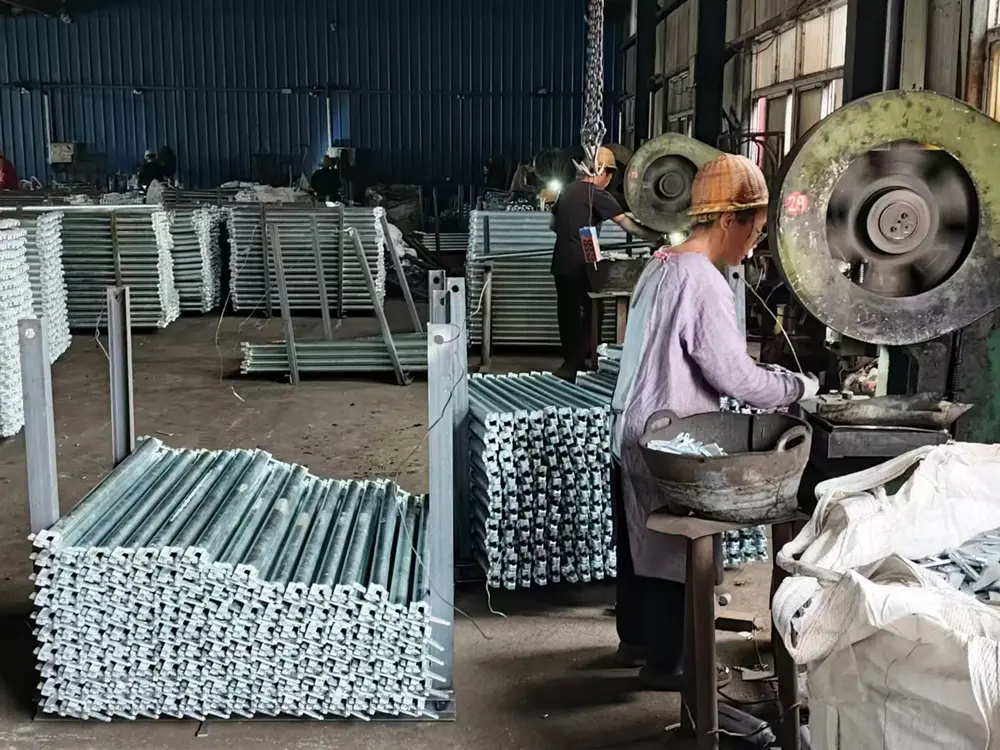
Our Hebei Shuangyang factory maintains strict quality control over our two main modular lines: Vertical Rods (Standards) and Horizontal Rods (Ledgers). Here is a detailed look at our process flow and how we manage environmental impacts at each stage:
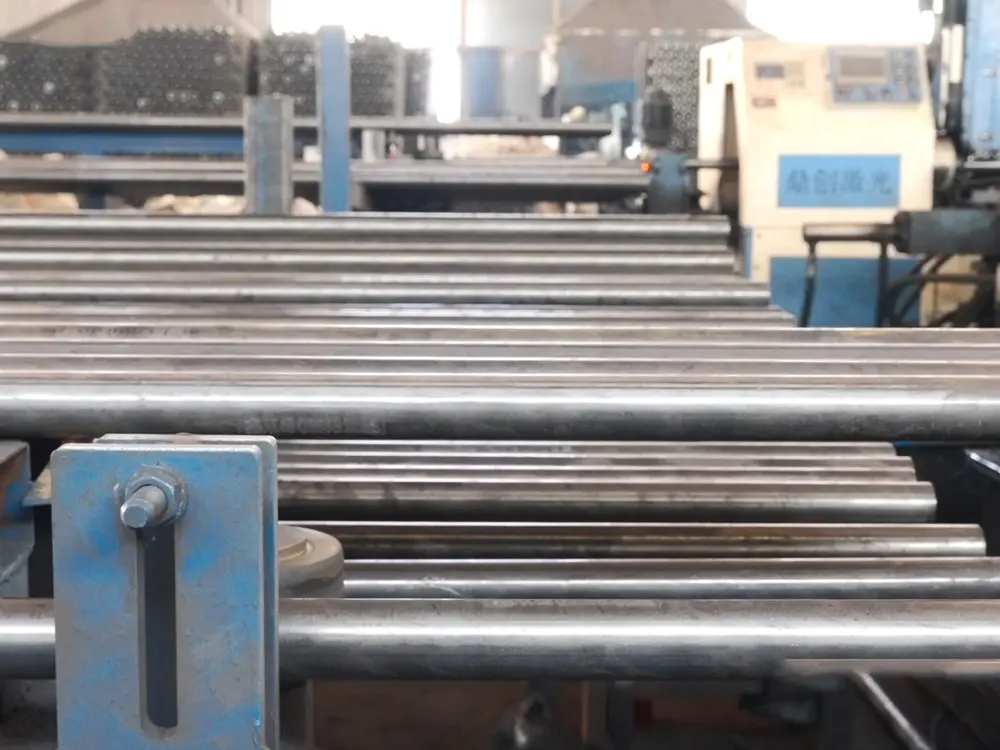
Steel pipes are cut to precise lengths, producing noise and solid waste, which are contained via acoustic hoods and recycled.
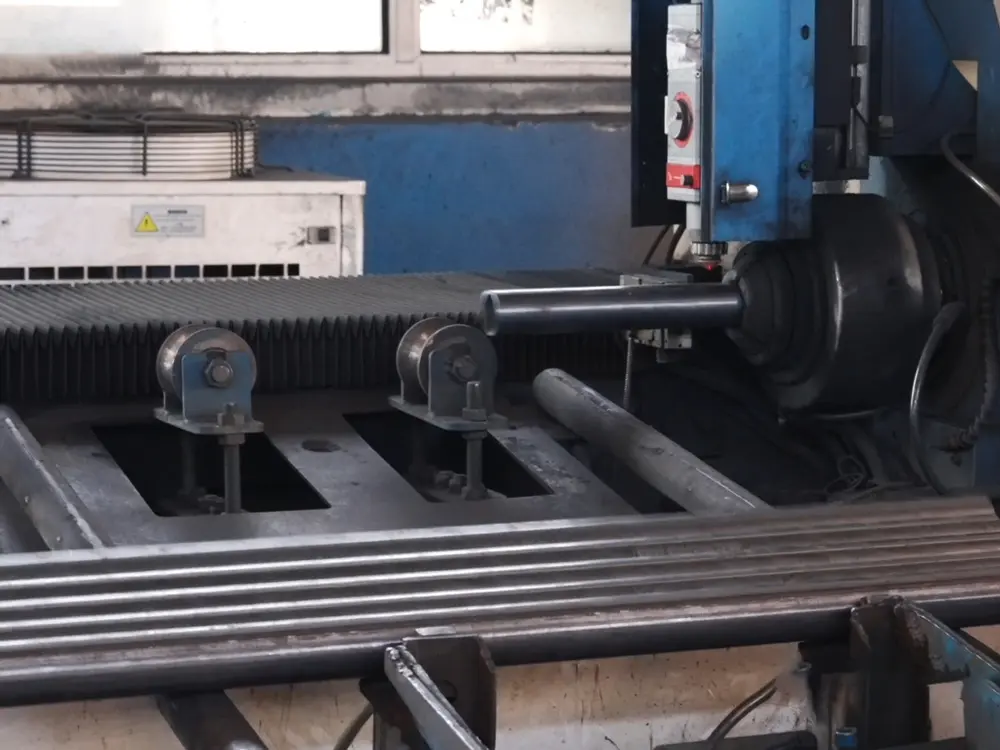
Components are punched to prepare for locking ring attachments. Solid scrap is captured for raw material processing.
Automated robotic welders fuse the steel pipe with structural discs. Fumes are captured by modern particulate filtration systems.
Components undergo outsourcing galvanization to form a robust, long-term zinc-alloy barrier against rust.
Dimensional tolerances are verified to within ±1mm before the finished vertical standards are cleared for sale.
High-tensile raw steel tubing is sliced to size based on exact ledger structural specs, generating noise and scrap metal.
End connections are prepped for casting inserts. Process noise is controlled within soundproofed plant areas.
Casting inserts are welded to the pipe. Scrap metal, welding gas, and exhaust are handled using localized exhaust ventilation.
The semi-finished horizontal rod is hot-dip galvanized to protect the welds and base metal from rust.
Insert pins are riveted to the galvanized ledger, generating moderate noise, before final inspection and packaging.
Take a virtual tour of our production facilities and see our Ringlock system in action.
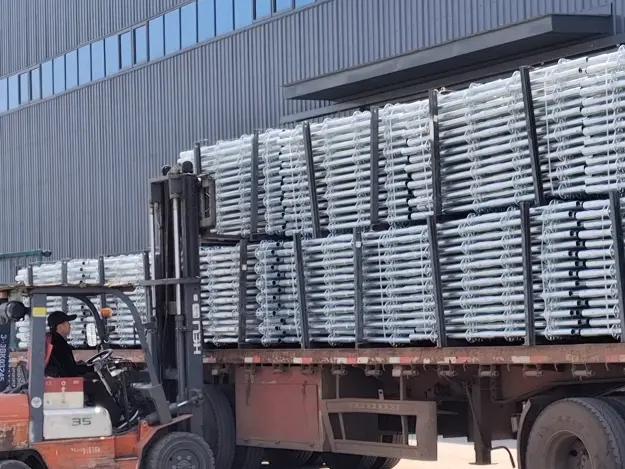
Ringlock scaffold stock mass. We maintain standard inventories and custom components to prevent project delays.
Ringlock scaffold demonstration showing high-strength steel, self-locking design, and fast structural assembly.
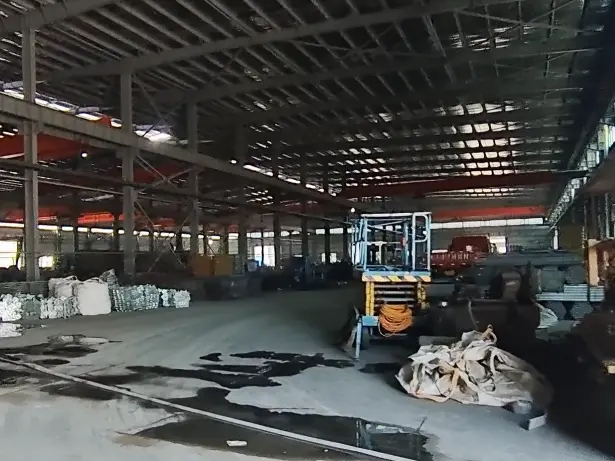
Overview of our 50,000㎡ warehouse network (about the size of 7 football fields), supporting fast delivery.
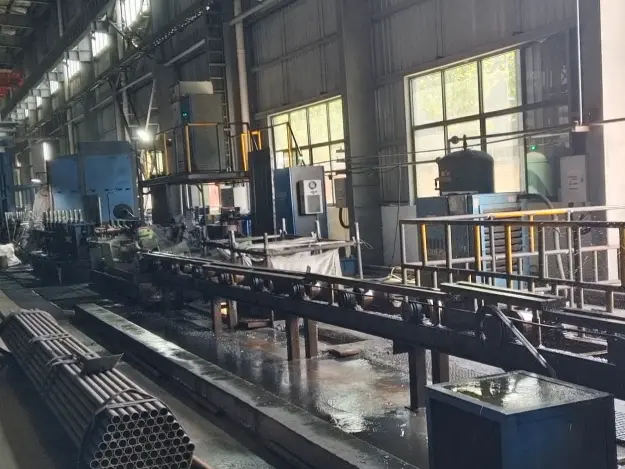
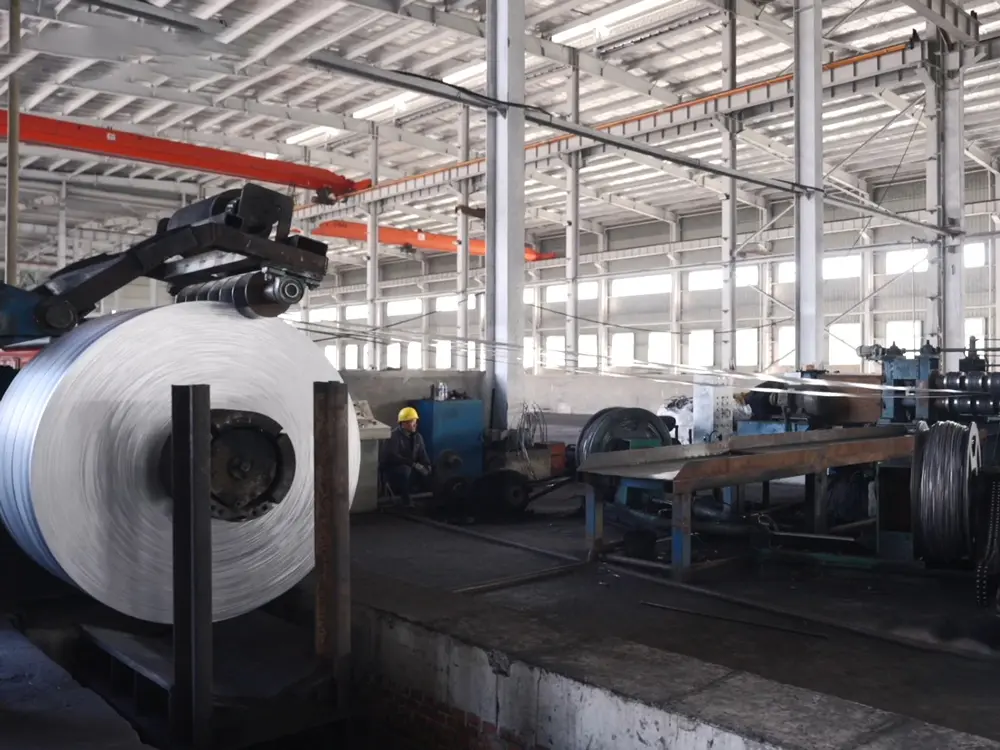
Fourteen automated manufacturing lines running simultaneously to ensure consistent production speed.
Comprehensive view of our Hebei plant operations, machining centers, and raw material yards.
Detailed engineering view showing how the ringlock components connect securely to create rigid nodes.
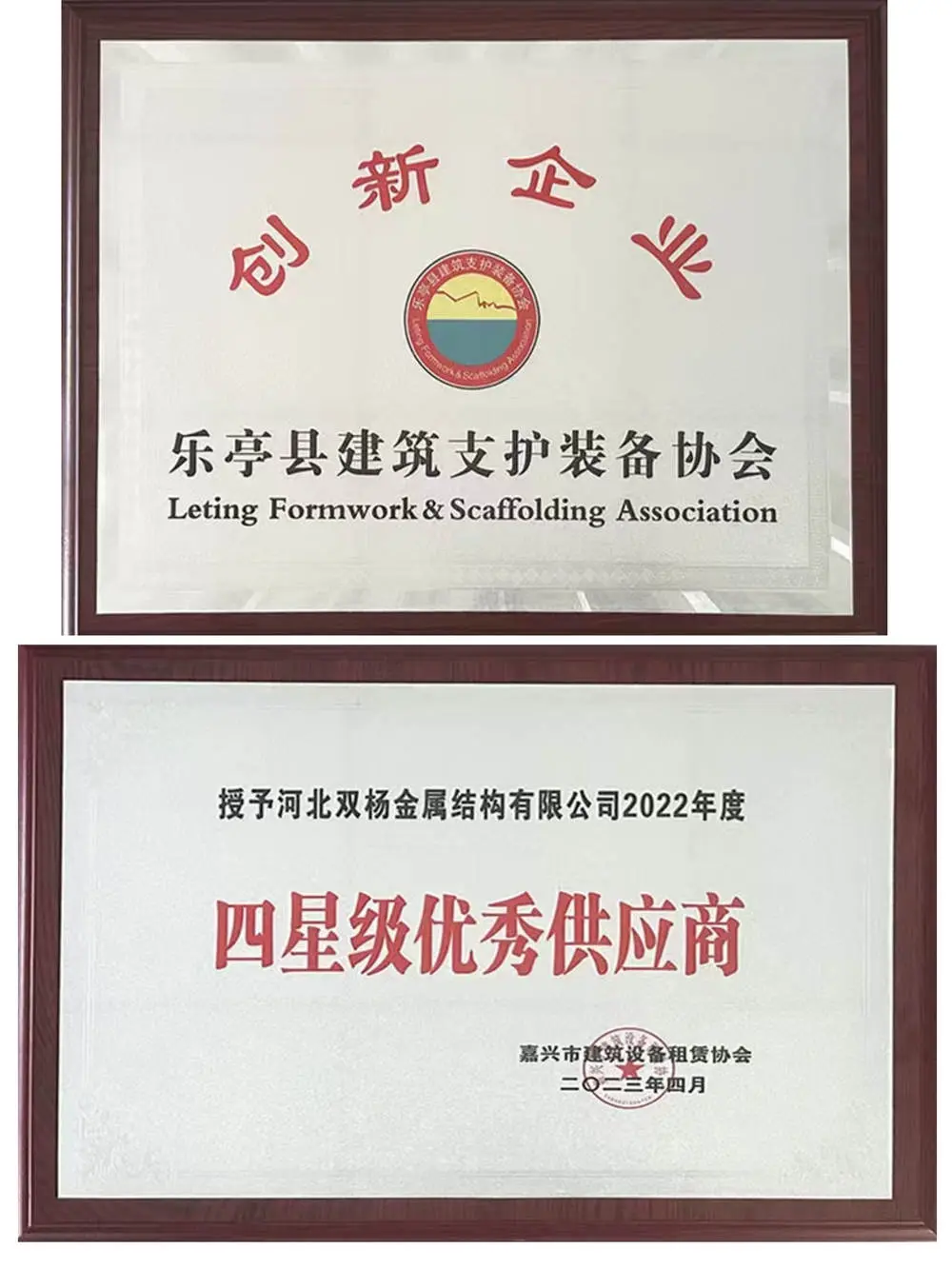
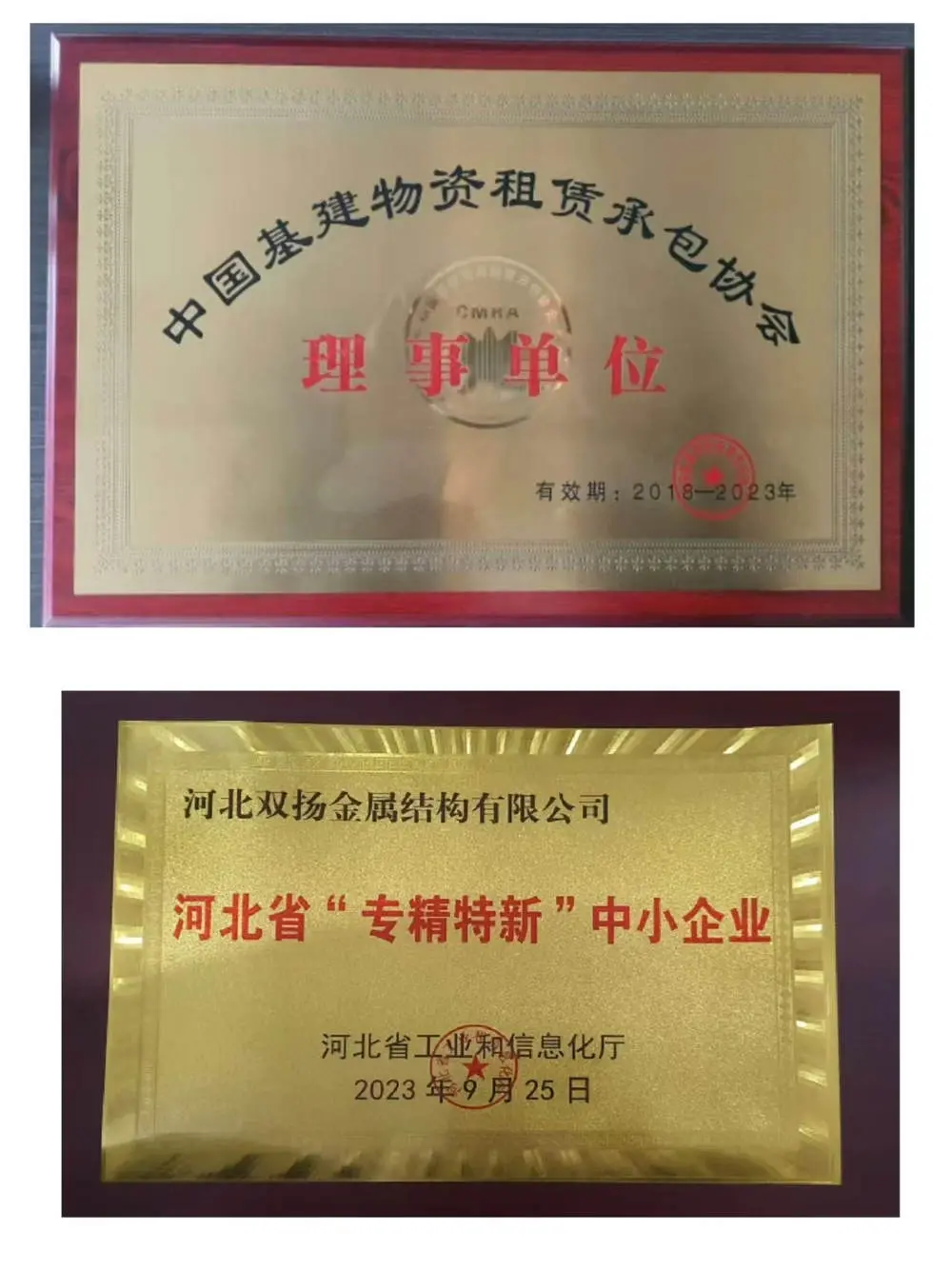
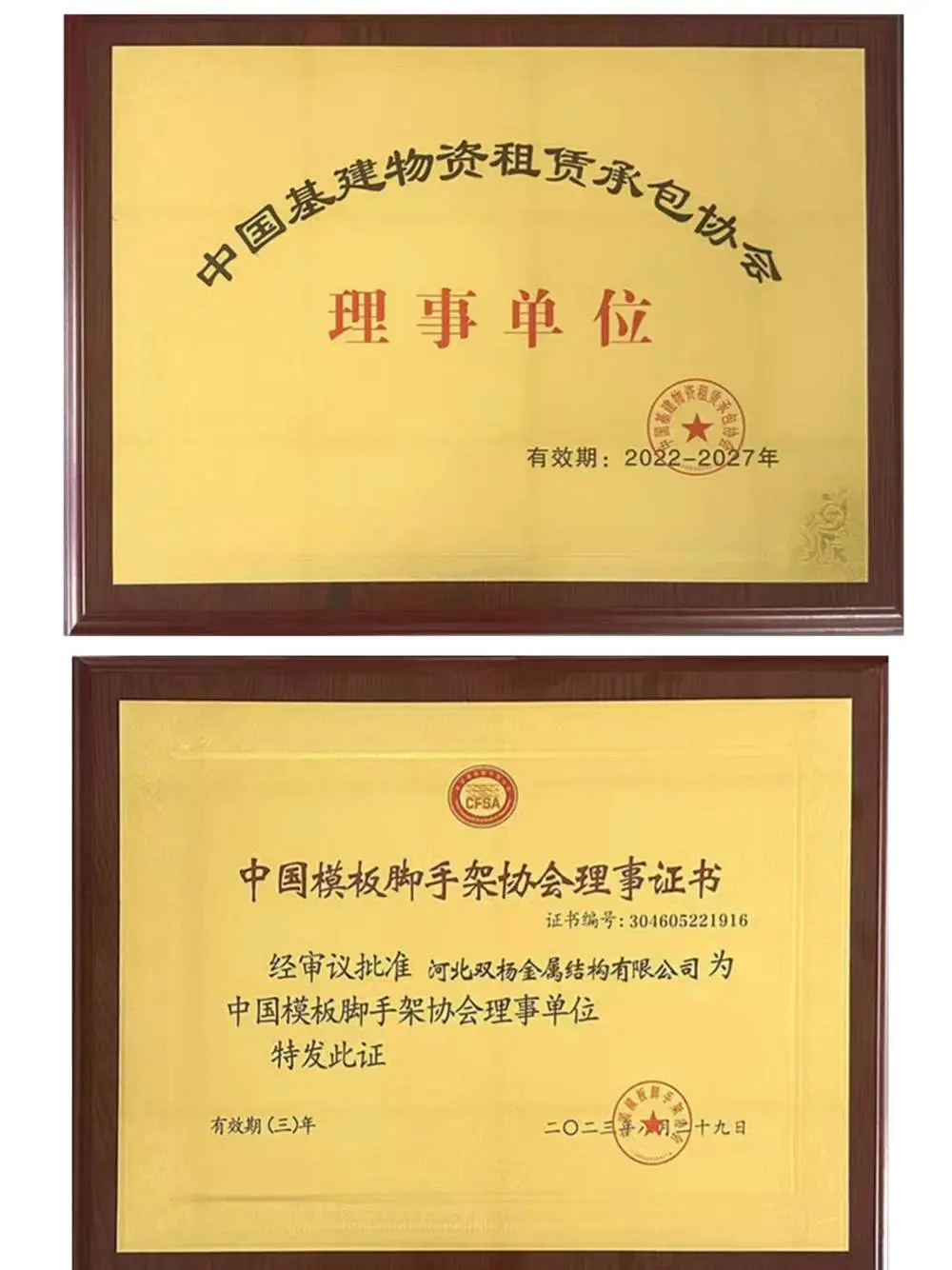
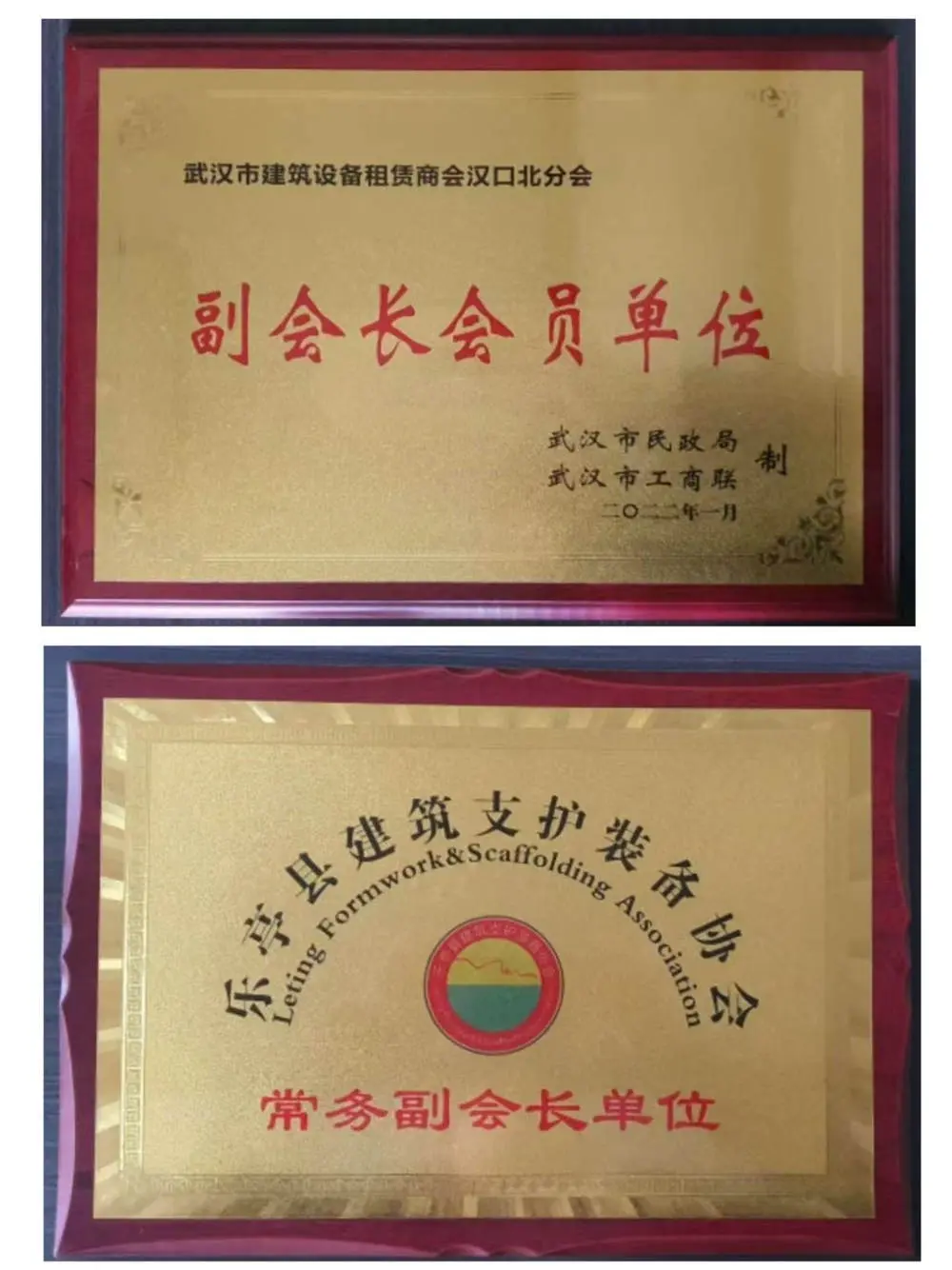
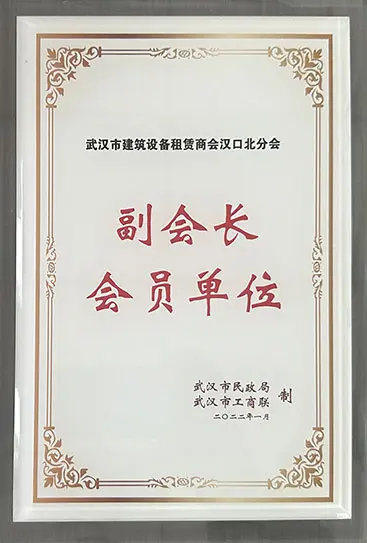
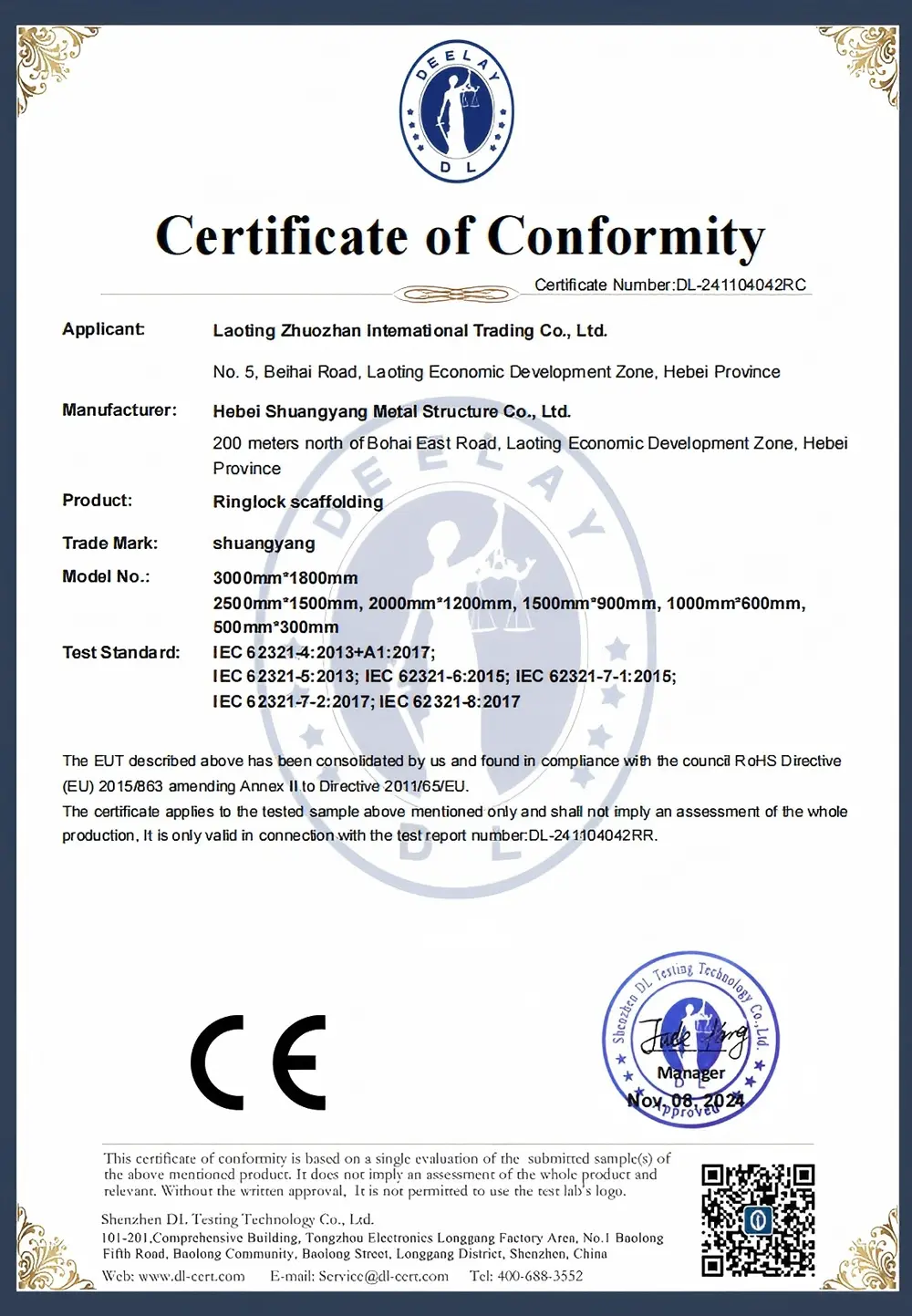
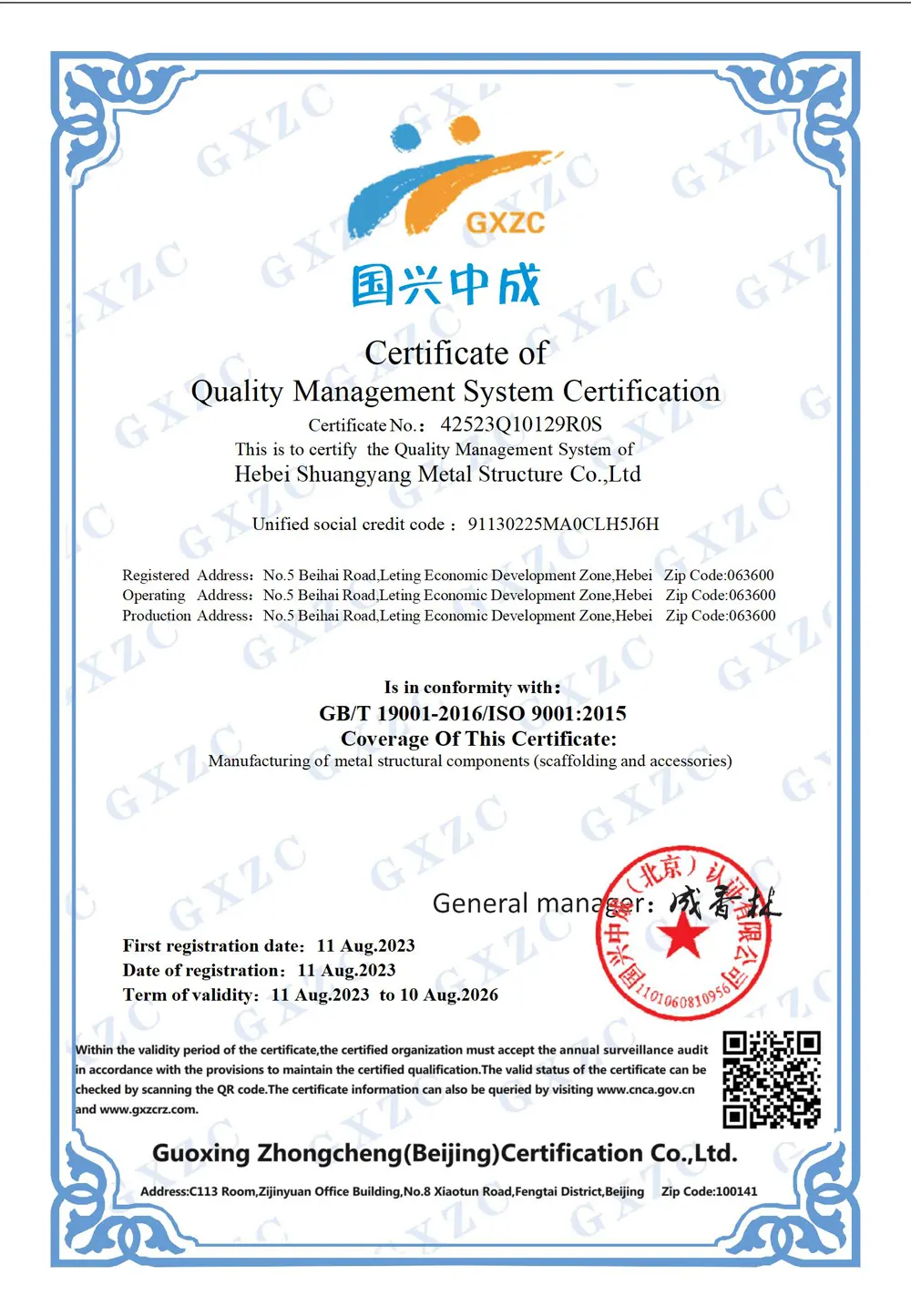
Our commitment to rigorous QA standards is backed by globally recognized certifications.
Our scaffolding and formwork systems in action across industrial and civil engineering projects worldwide.
Our adjustable heavy-duty steel props provided critical load-bearing shoring during structural concrete work on the station platform expansions.
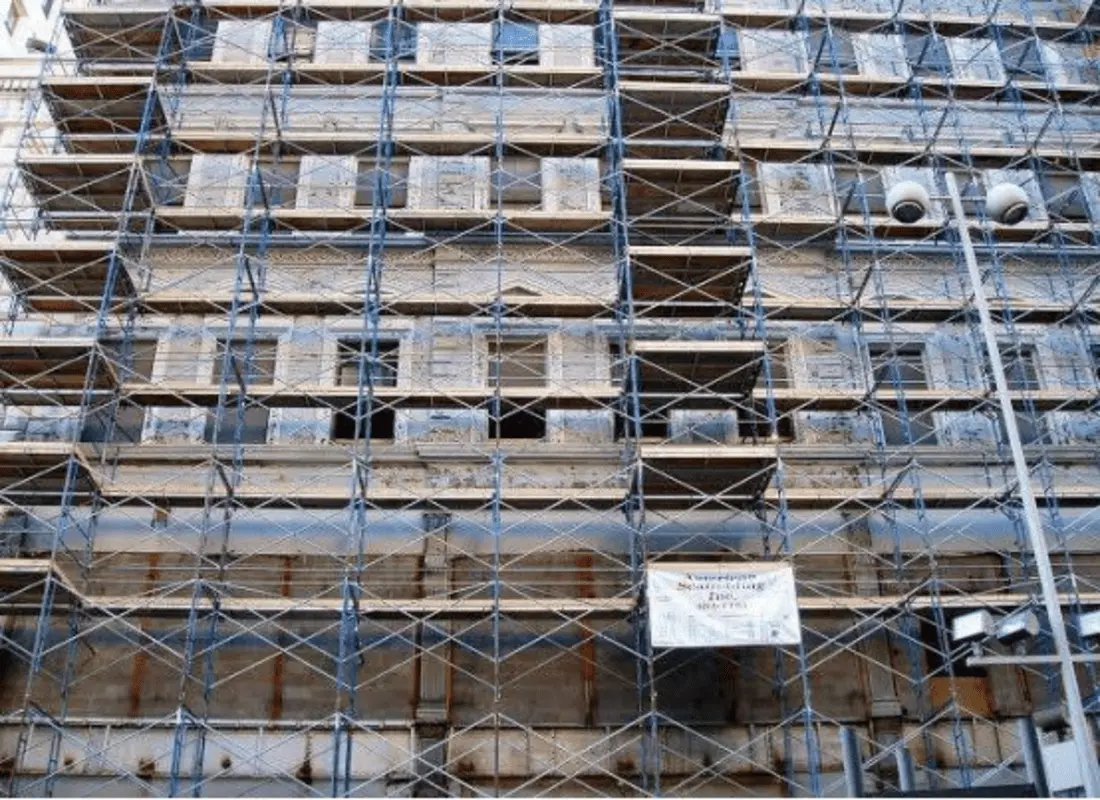
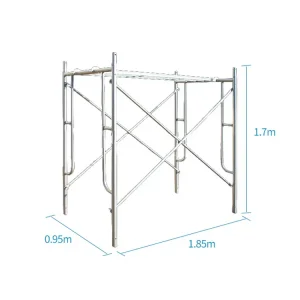
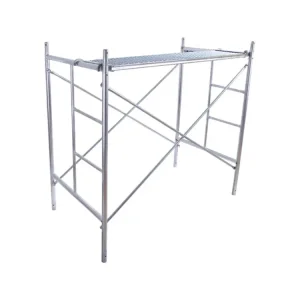
A customized frame scaffolding setup was used to navigate narrow access zones and preserve historical facades in Bologna.
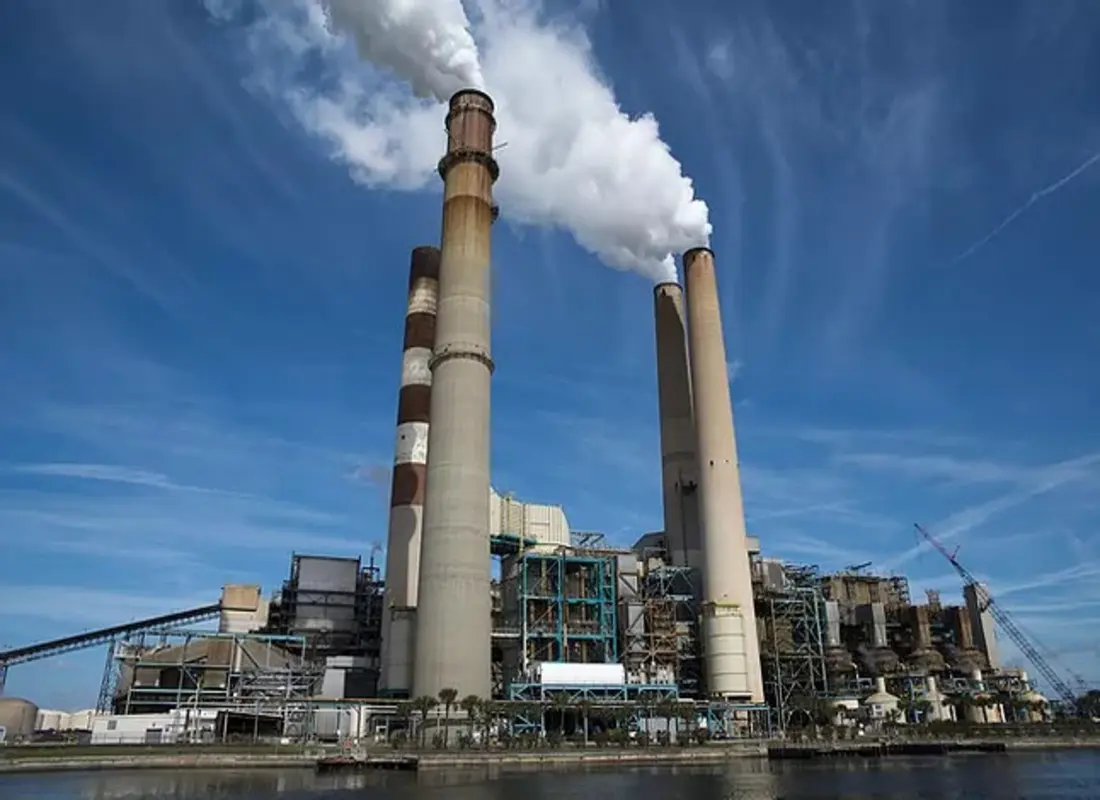
Heavy-duty cuplock scaffolding systems were engineered to support dense utility piping and massive boiler modules during expansion work.
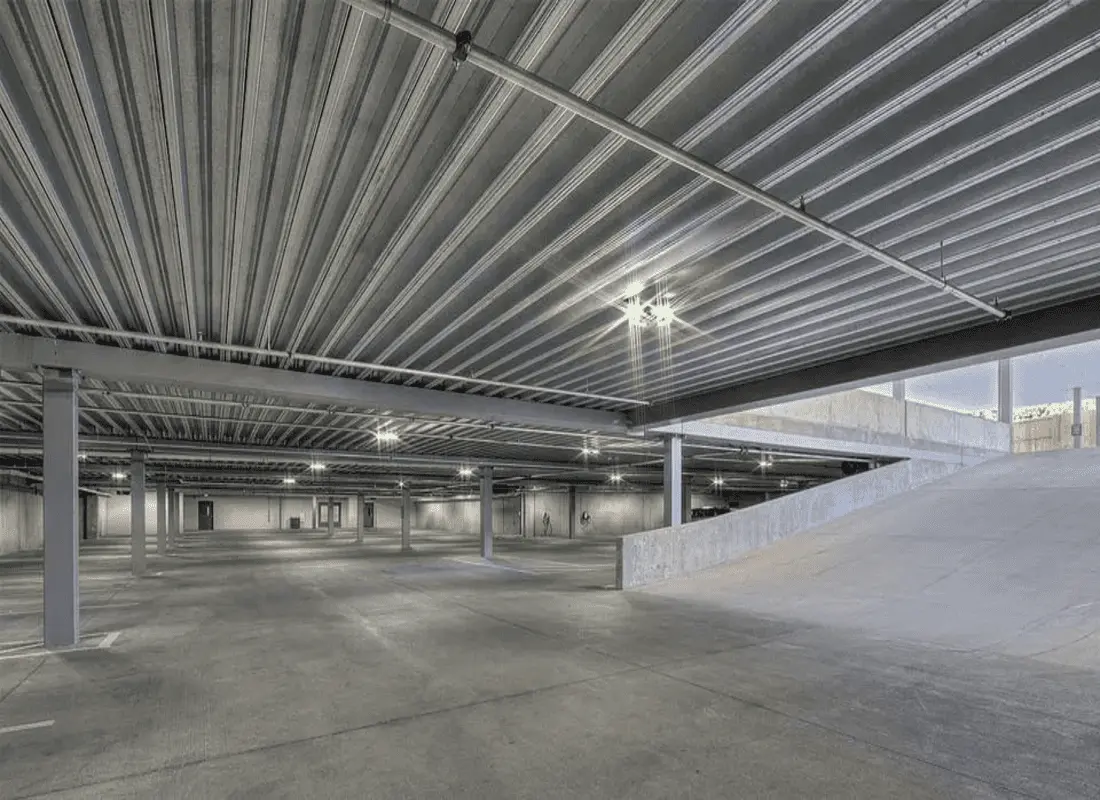
Provided high-clearance access platforms for installing ceiling-mounted automated gantries and ductwork.
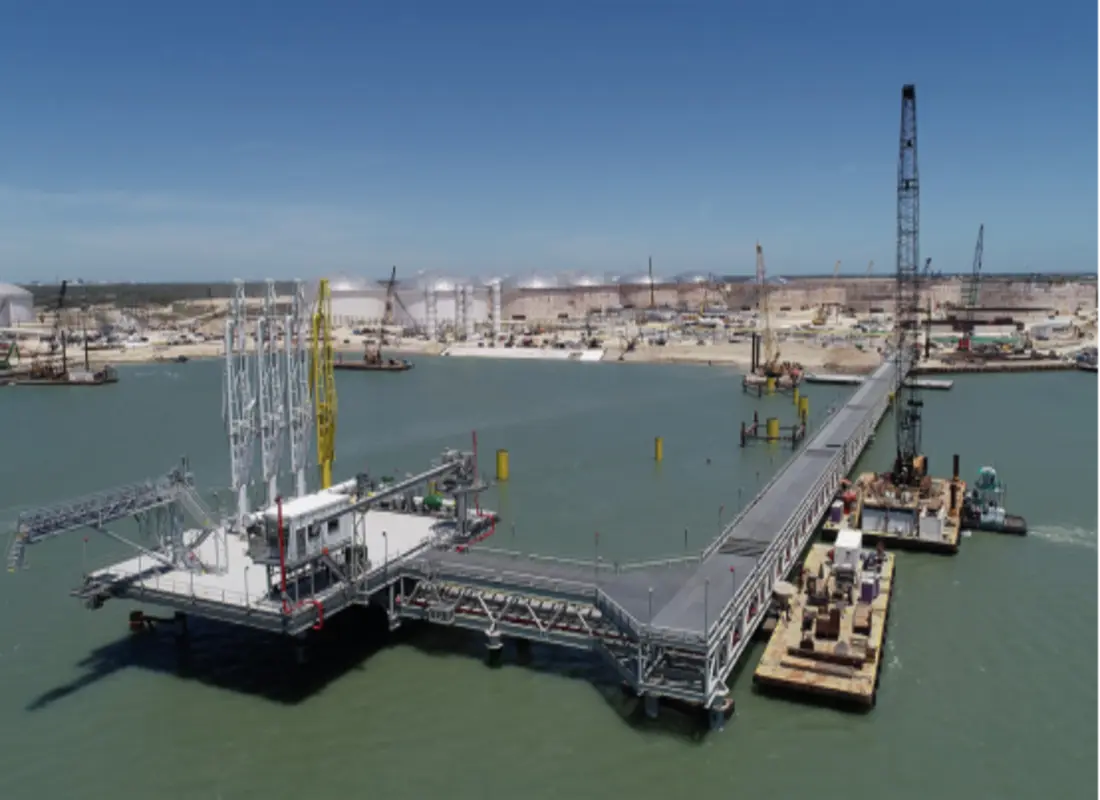
Our galvanized modular ringlock scaffolding resisted harsh saltwater environments during offshore port pipeline construction.
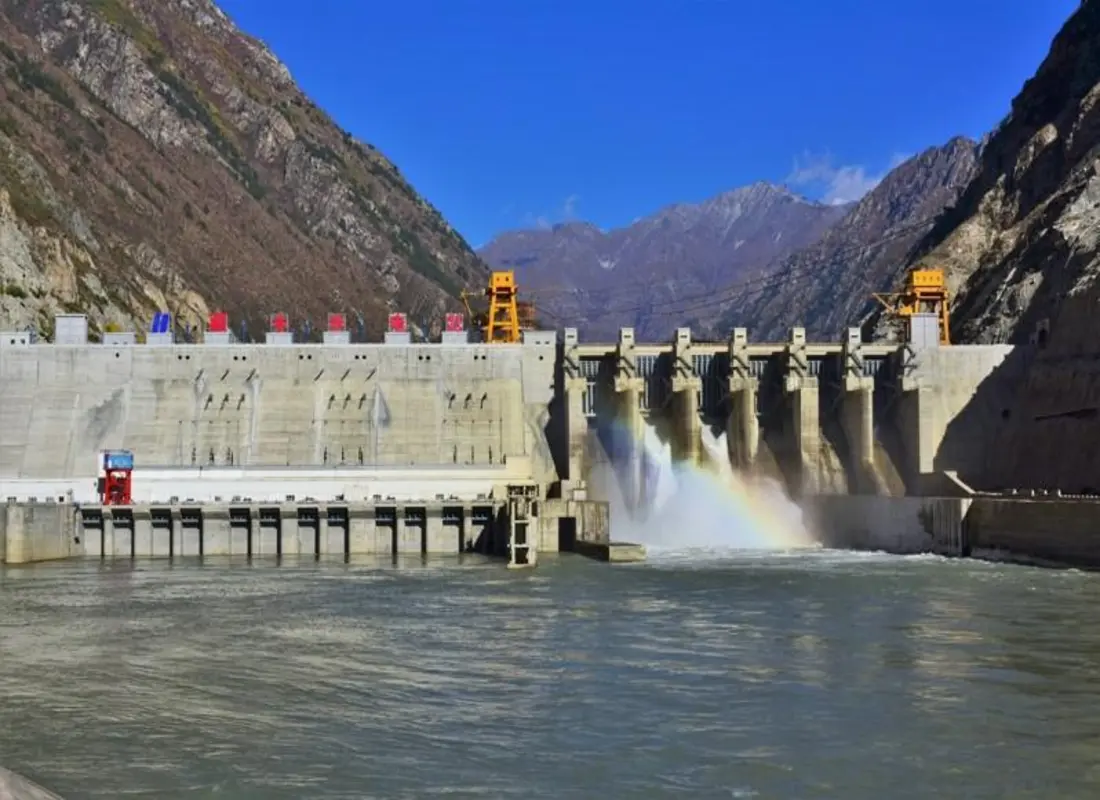
Engineered cantilevered ringlock platforms were anchored directly to vertical concrete walls to facilitate dam gate maintenance.
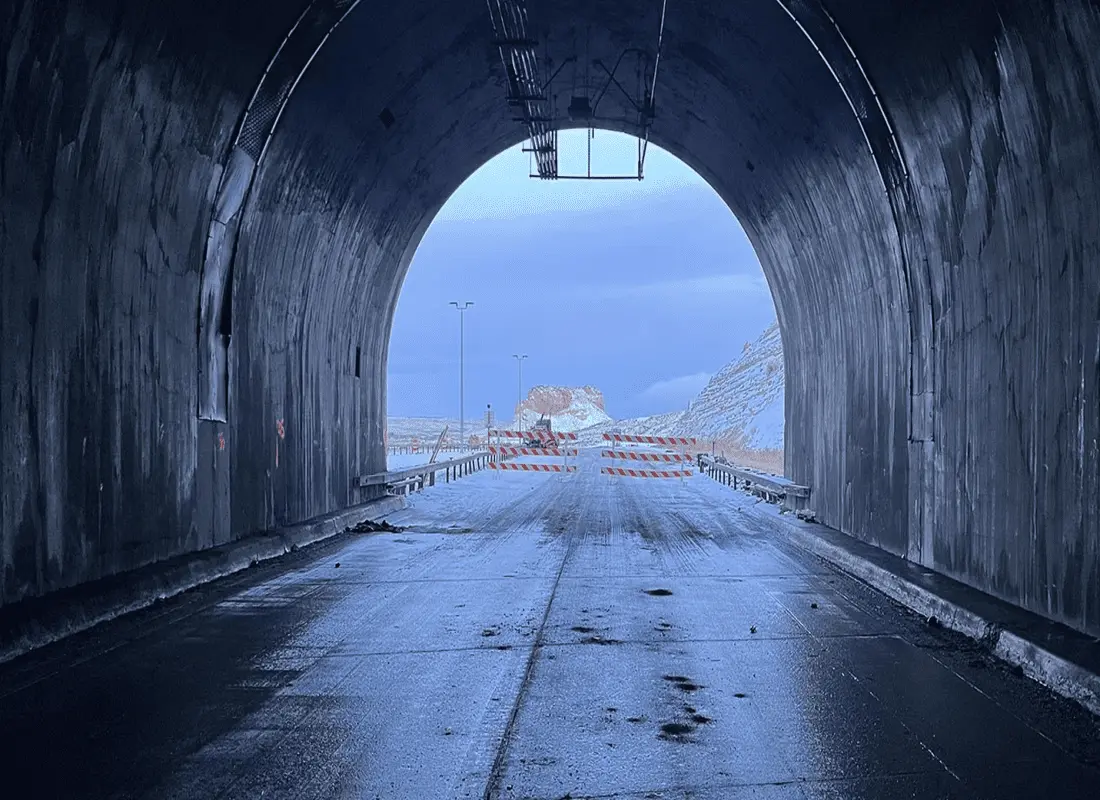
Configured mobile scaffold towers with high-yield ledger connections to support formwork placement inside curved tunnel arches.
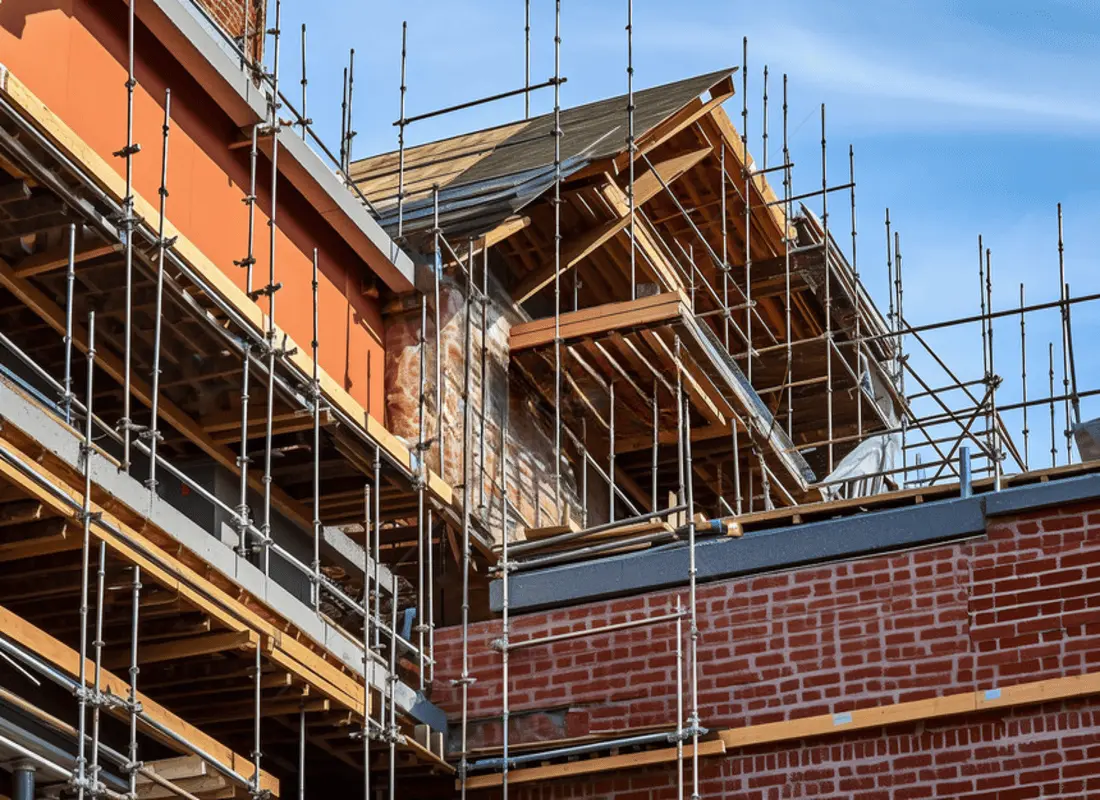
Integrated structural shoring posts and ringlock components to support heavy concrete floor slabs during construction.

Under-deck suspended platforms allowed repair crews to work safely over water without disrupting highway traffic.
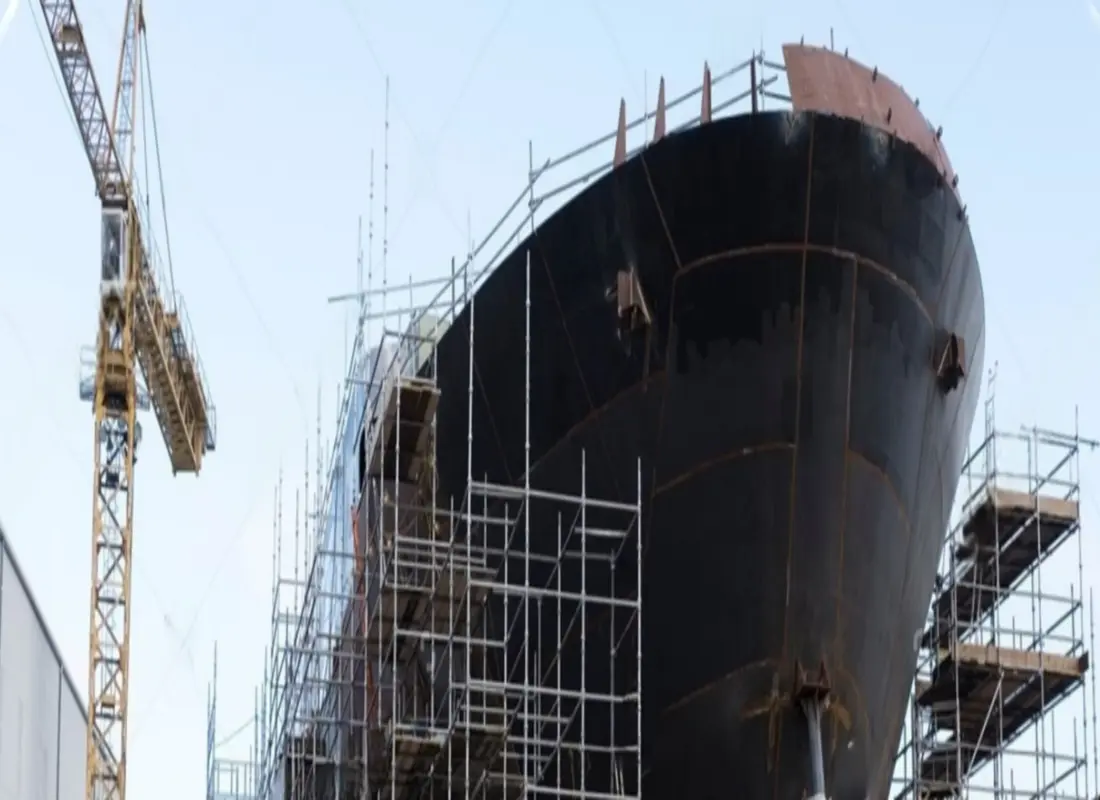
High-durability HDG components provided reliable access for welding teams working on curved hull plates in shipyards.
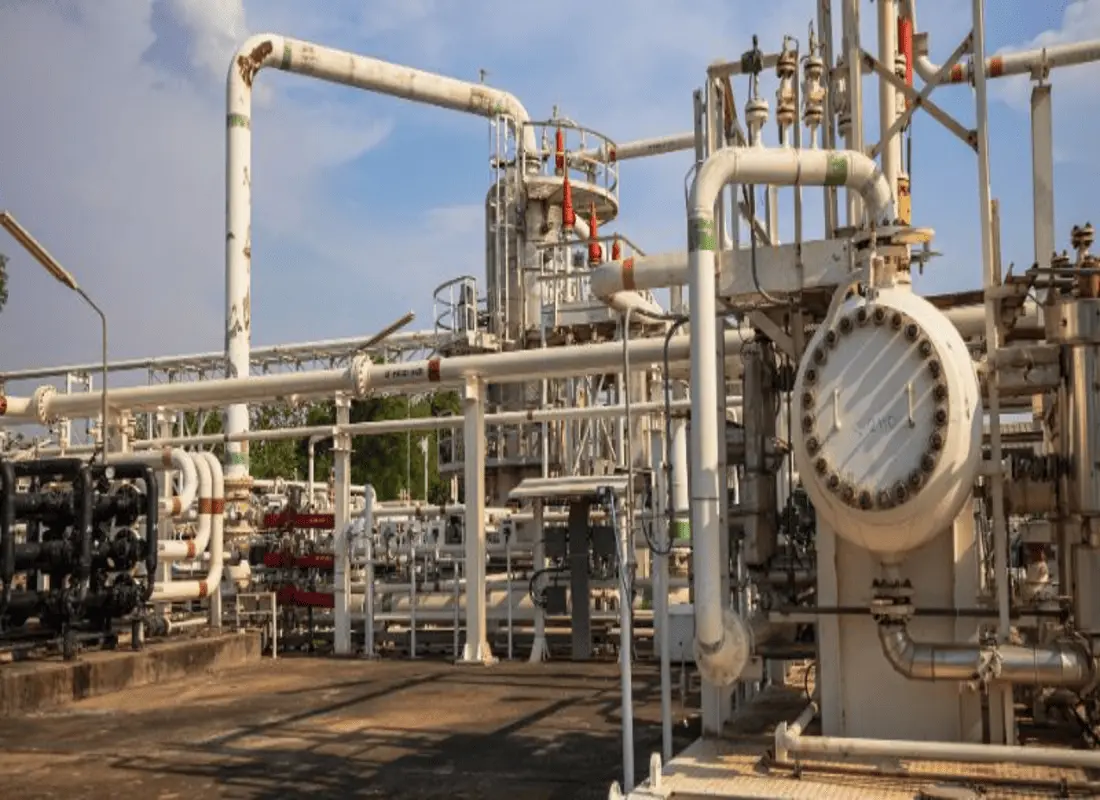
Designed heat-resistant access towers that allowed maintenance teams to inspect and service high-temperature boilers.
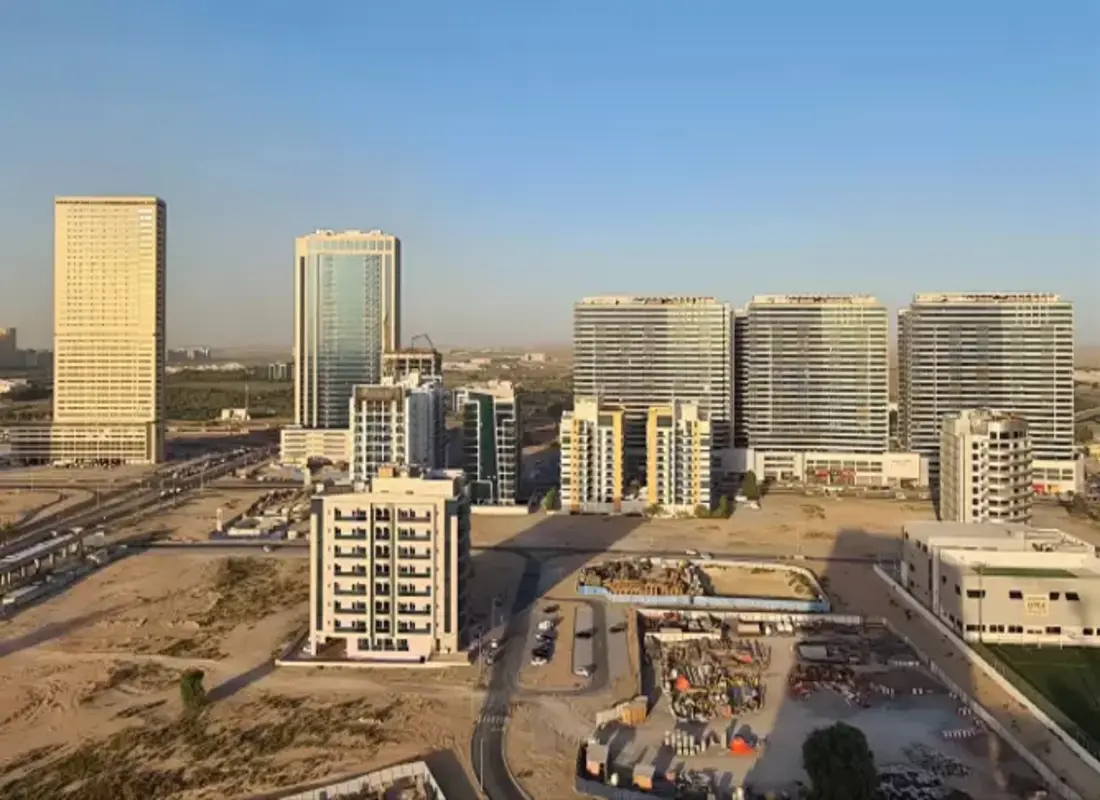
Our scaffolding systems provided stable exterior work platforms at extreme heights under harsh desert conditions.
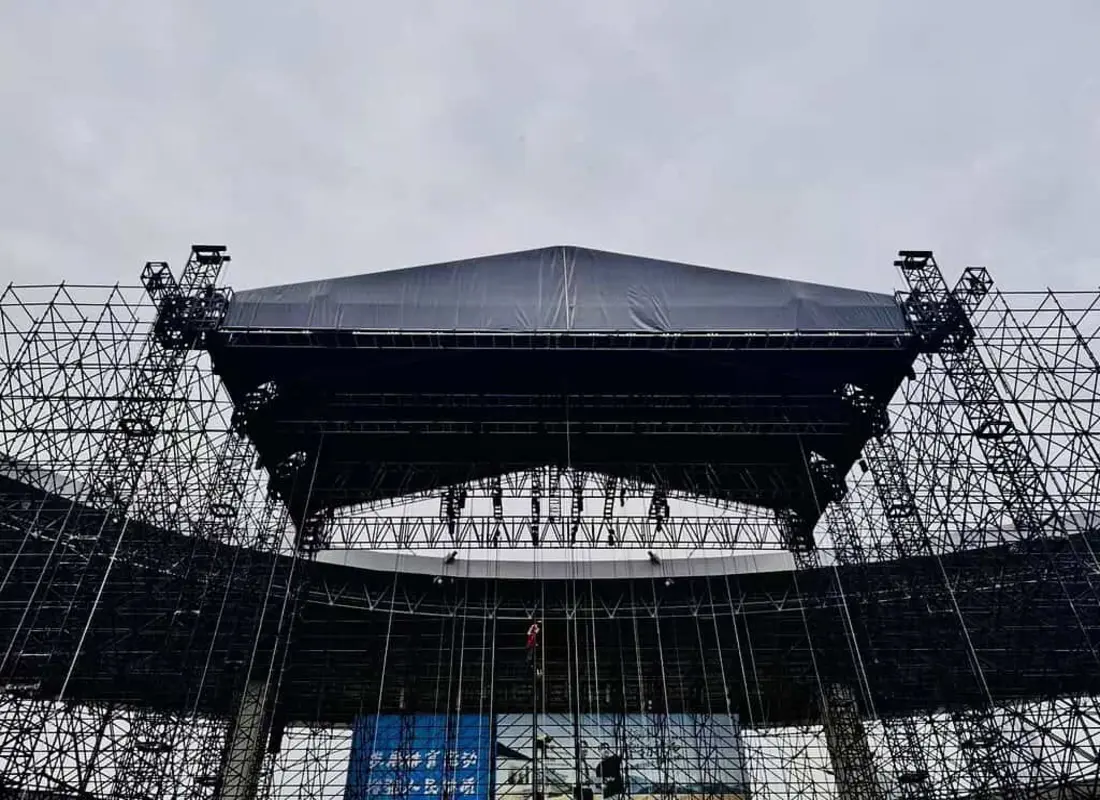
A fast-assembling modular system configured to build safe, high-capacity speaker towers and public stages.
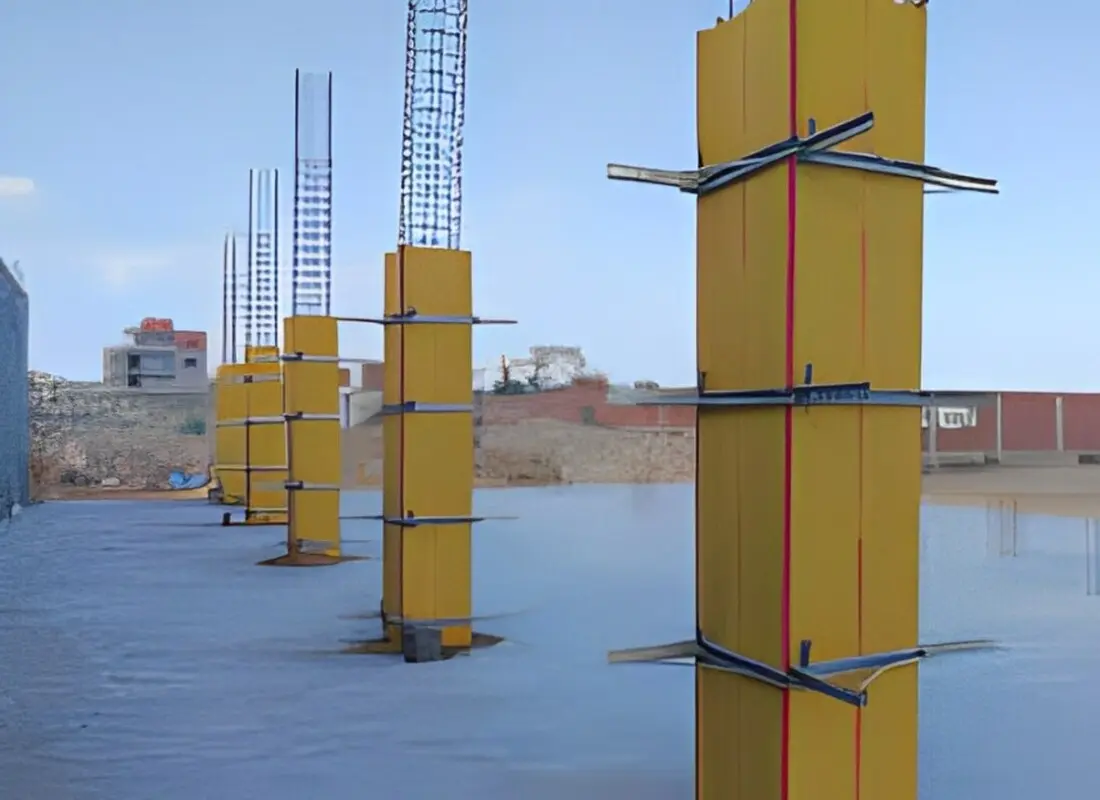
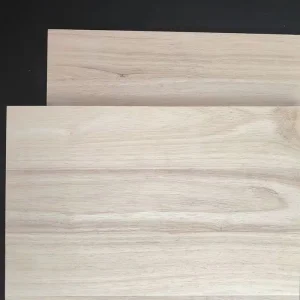
Premium architectural wood formwork sheets were utilized to achieve clean, smooth concrete finishes on exposed columns.
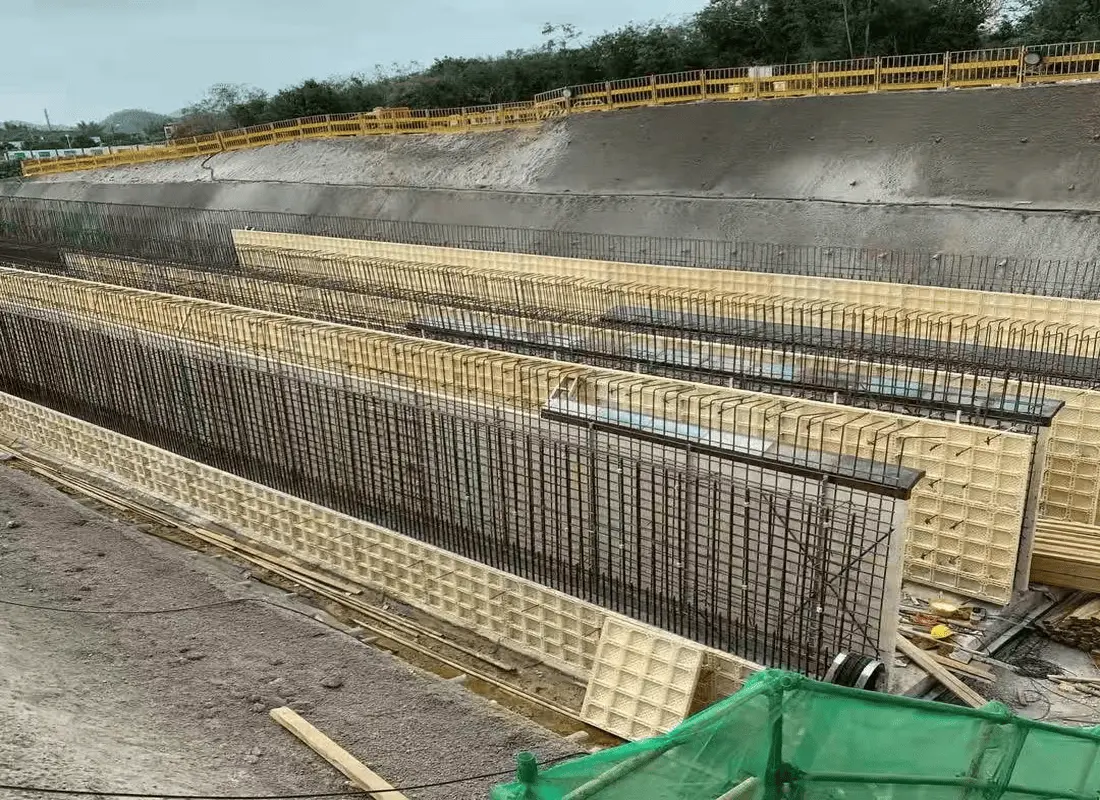
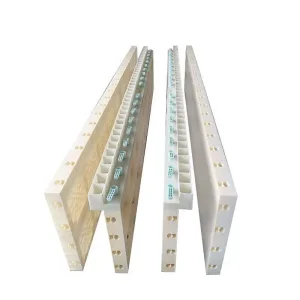
Durable, water-resistant modular plastic formwork panels were selected for concrete retaining walls in wet conditions.
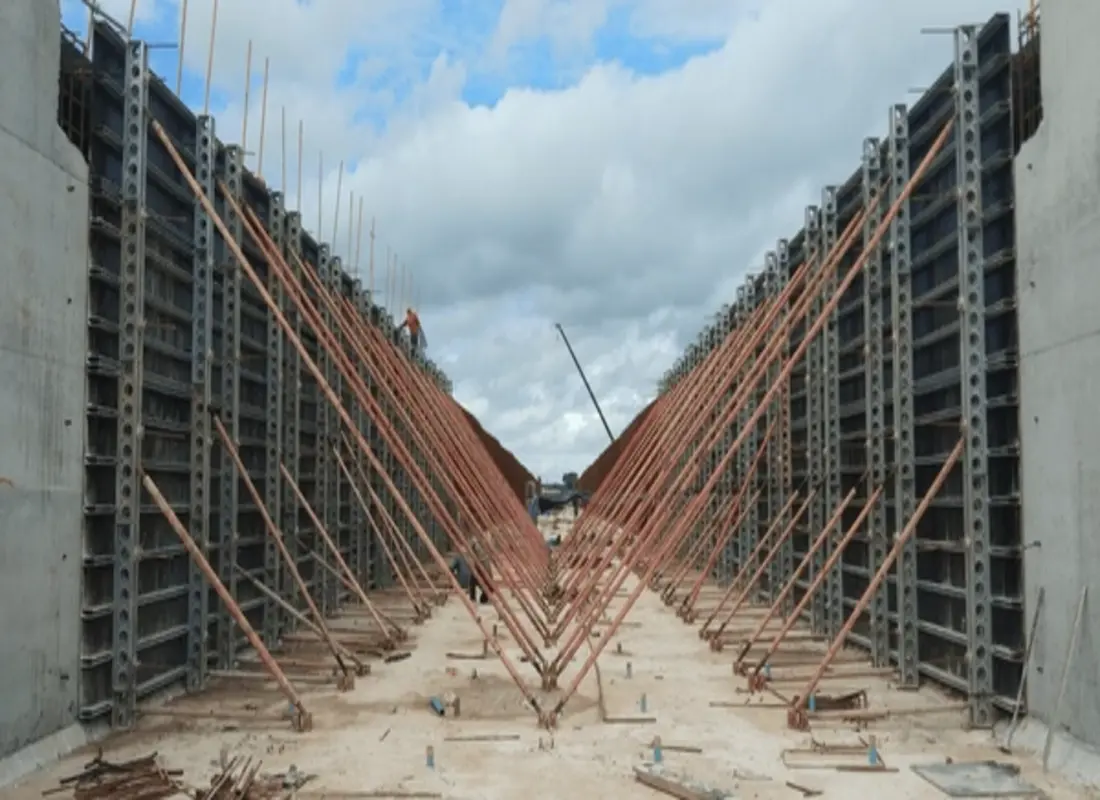
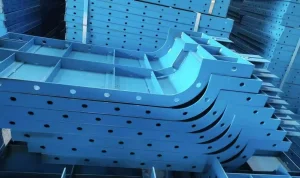
Heavy-duty steel formwork panels were engineered to cast large bridge girders and crossbeams under strict dimensional tolerances.
Expert answers regarding specifications, OEM capacity, supply chain logistics, and installation safety.
Cantilevered scaffolding shifts vertical loads into overturning moments and outward tension. When using our Q345B steel standards with high yield strength, the system supports higher bending stress. However, design teams must calculate counterweight ratios, configure tieback anchors into the building core, and install brace struts to manage compression forces, ensuring safety factors align with EN 12811-1 standards.
Q345B low-alloy steel offers a yield strength of 345 MPa, compared to 235 MPa for standard Q235. This allows structural components to support up to 1.5 times the load of ordinary steel scaffolding. The higher capacity means assemblies require fewer components, reducing the overall dead load of cantilevered platforms and lowering labor costs during installation and dismantle.
Our scaffolding systems, shoring posts, and modular connectors are manufactured under ISO 9001 quality management systems. They comply with European standards EN 12810/12811 and hold CE certifications. These standards verify our dimensional accuracy (controlled to within ±1mm) and validate the performance of our Hot-Dip Galvanization under extreme marine and industrial environments.
Our primary manufacturing site is located in Hebei Province, close to three major ports: Caofeidian Port, Jingtang Port, and Tianjin Port. This strategic proximity reduces inland shipping times and transport costs, allowing us to load containers directly onto ocean vessels and maintain competitive shipping rates for global delivery.
Yes. Our in-house design team of over 20 engineers uses advanced CAD and modeling software to build custom OEM/ODM solutions. We assist clients with structural calculations, custom component manufacturing, and site-layout planning to ensure safe, stable configurations for complex building geometries.
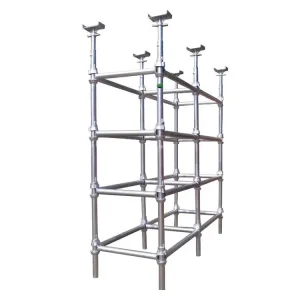
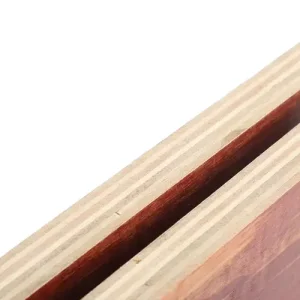
Select from our range of structural formwork, adjustable supports, and modular frame systems.
 Zhuozhan