 Zhuozhan
1 / 5
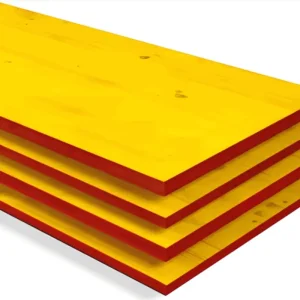
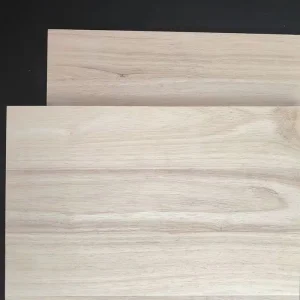
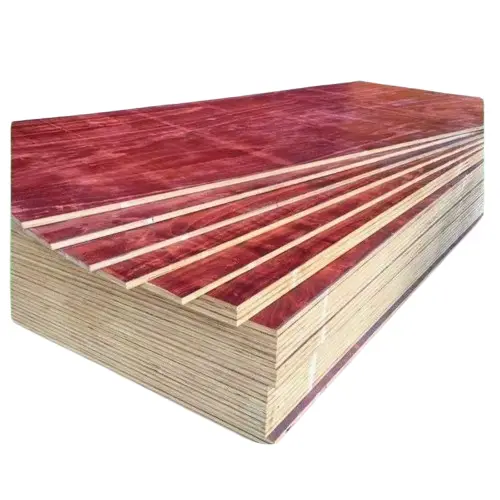
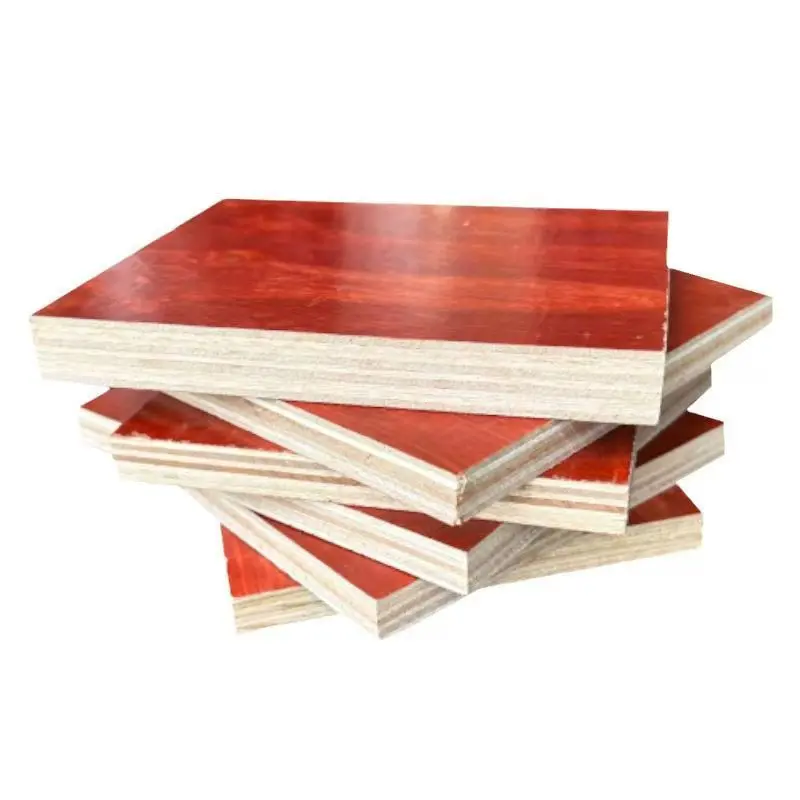
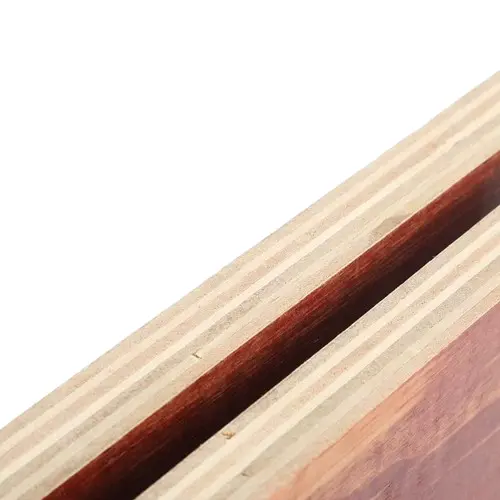
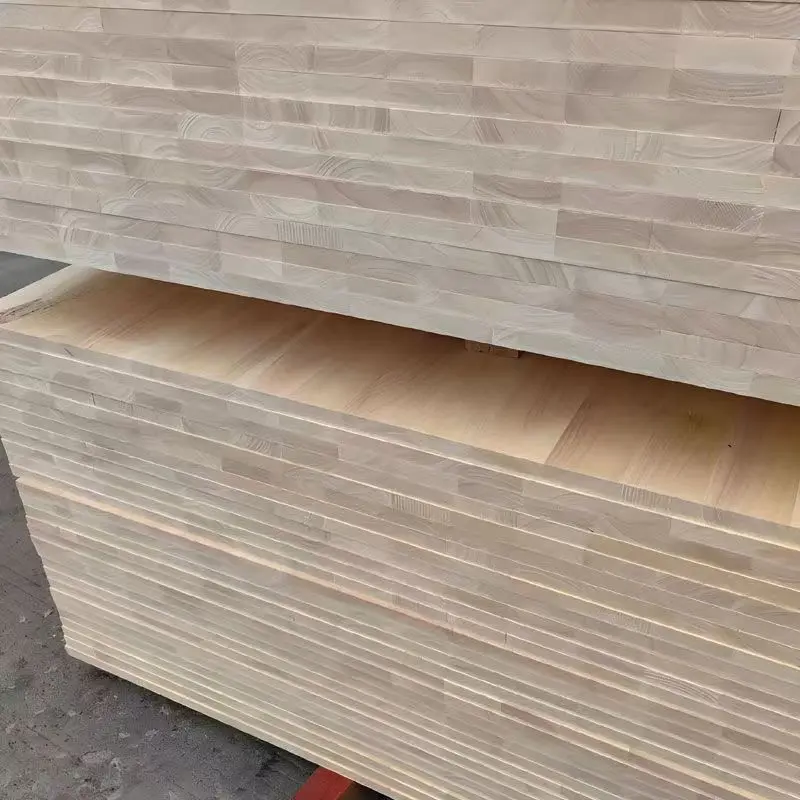
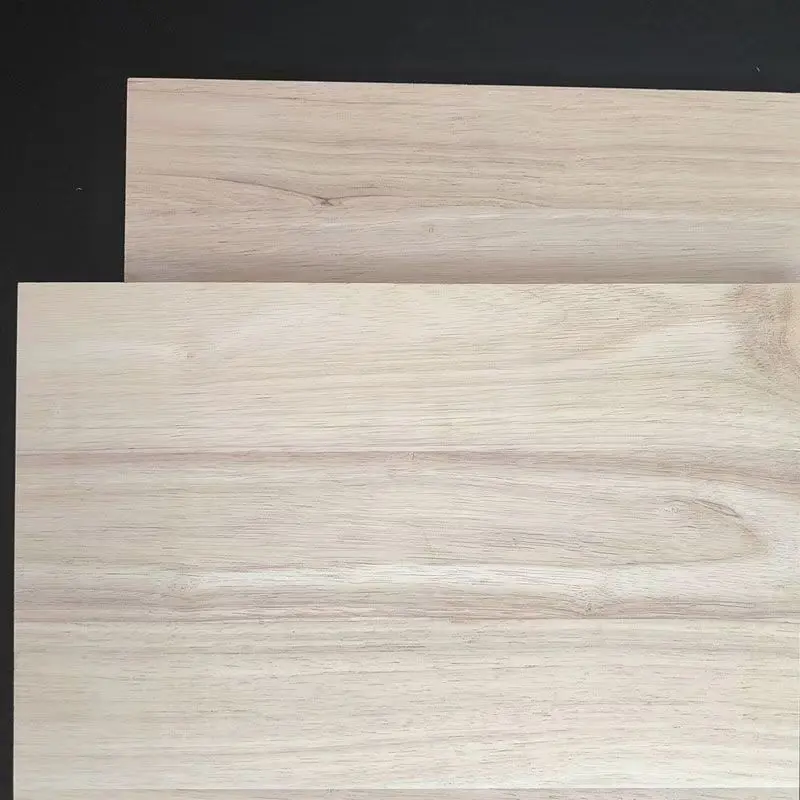
Wooden Formwork, also known as timber formwork or plywood formwork, is one of the most traditional and widely used systems in concrete construction. It is made of solid wood or high-quality plywood sheets, offering flexibility, cost-efficiency, and reliable strength. Wooden formwork is especially suitable for slabs, beams, columns, and foundations, making it a popular choice for both small-scale projects and large infrastructure works.
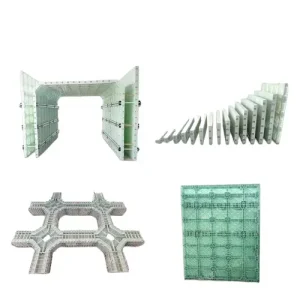
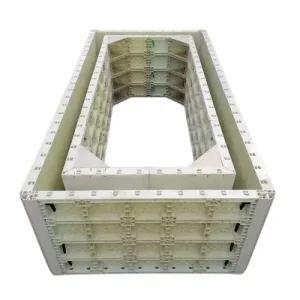
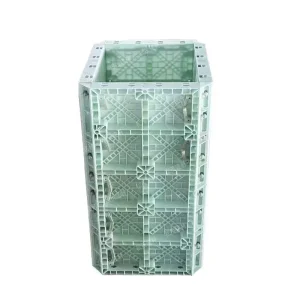
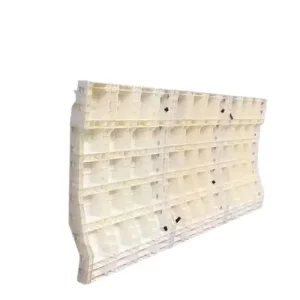
Made from high-strength plastic, the panels are lightweight, easy to carry, and require no special tools for assembly.
Resistant to water, corrosion, and chemicals; panels can be reused 50–100 times, far exceeding plywood formwork.
Lower material replacement costs and reduced labor intensity make it an economical solution for concrete formwork.
100% recyclable plastic reduces timber usage and minimizes construction waste, supporting sustainable building.
Produces flat, uniform surfaces, reducing plastering and finishing work after concrete casting.
Adaptable for walls, slabs, columns, and beams in residential, commercial, and infrastructure projects.
Wooden Formwork, also known as timber formwork or plywood formwork, is a temporary structure used to support and shape freshly poured concrete until it gains sufficient strength. It is one of the most traditional and widely applied formwork systems in global construction.
Made from solid timber or high-quality plywood, wooden formwork is valued for its flexibility, low cost, and ease of use. Unlike steel or plastic alternatives, it can be easily cut, nailed, and adjusted on site, making it suitable for complex or curved concrete structures.
Although its reuse times are lower (typically 6–10 cycles) compared to steel or plastic formwork, wooden formwork remains a preferred choice for residential buildings, small-to-medium projects, and budget-sensitive construction works due to its affordability and adaptability.
Wooden formwork requires lower initial investment compared to steel or plastic systems, making it ideal for budget-sensitive projects.
Timber and plywood sheets can be easily cut, nailed, or adjusted to fit complex and curved structures.
Suitable for slabs, beams, walls, columns, foundations, and custom shapes in residential, commercial, and infrastructure projects.
Easy to transport, handle, and install on site, reducing labor effort and time.
Can be reused 6–10 times, providing a balance between economy and functionality.
Wooden formwork materials are accessible globally, ensuring stable supply and fast delivery for construction projects.
| Parameter | Specification Details |
|---|---|
| Product Name | Wooden Formwork, Timber Formwork, Plywood Formwork |
| Size | 1220mm x 2440mm |
| Thickness | 6mm, 6.5mm, 8mm, 9mm, 10mm, 12mm, 15mm, 18mm, 21mm, 24mm, 25mm, 30mm |
| Face and Back | 1.5mm or 0.3mm birch veneer B/BB, S/BB, BB/BB, BB/CP, CP/C |
| Tolerance | Thickness tolerance: +/-0.3mm (<=9mm), +/-0.5mm (>=10mm) |
| Core | Birch, Poplar wood + Eucalyptus wood core |
| Glue | E0 / E1 / E2 / WBP / MR |
| Certification | CE, ISO9001 |
Choosing wooden formwork offers contractors and builders a balance of affordability, flexibility, and reliability. Compared with steel or plastic systems, wooden formwork remains one of the most practical solutions for a wide range of projects.
Lower initial investment makes it ideal for budget-sensitive or short-term projects.
Easily cut, nailed, or adjusted to fit unique shapes and curved concrete structures.
Perfect for slabs, beams, walls, columns, and foundations in residential, commercial, and infrastructure projects.
Lightweight design allows faster installation and handling on site.
Can be reused multiple times with proper care, providing economic value.
Timber and plywood are widely accessible worldwide, ensuring stable supply and shorter lead times.
Wooden formwork is the go-to solution when your project demands versatility, affordability, and easy handling without compromising structural quality.
Wooden formwork is widely used across different types of construction projects thanks to its flexibility, low cost, and adaptability.
Floors, slabs, beams, staircases, and foundations.
Columns, walls, and structural frames for offices, malls, and warehouses.
Bridges, tunnels, highways, and metro stations where curved or custom shapes are required.
Temporary support for vertical elements such as core walls and columns.
Ideal for architectural designs that require non-standard or curved concrete casting.
With its versatility and cost-effectiveness, wooden formwork is an excellent solution for both small-scale and large-scale construction projects.
Wooden formwork is usually made of solid timber or high-quality plywood sheets, sometimes coated with film or phenolic resin to improve water resistance and durability.
Typically 6–10 times, depending on handling, storage, and project conditions. Proper maintenance can extend its lifespan.
Yes. Unlike steel or plastic systems, wooden formwork can be easily cut and shaped on site, making it ideal for non-standard or curved concrete designs.
Standard timber absorbs moisture, but film-faced plywood or sealed timber provides better resistance. For long-term or outdoor projects, additional sealing is recommended.
Wooden formwork is more affordable, lightweight, and flexible, while steel and plastic are more durable and reusable. Wooden formwork is often the preferred choice for budget-sensitive or short-term projects.
Yes, wooden formwork can be supplied in different sizes, thicknesses, and surface finishes according to project requirements.