Engineered for durability, verified load capacity, and compliance with global safety codes.
In high-load construction scaffolding, structural safety dictates project continuity and workforce protection. In the modern regulatory landscape, traditional lumber scaffolding has increasingly yielded to high-strength metal scaffold boards and advanced composite panel formwork. Global infrastructure standards—such as European EN 12810/12811 and North American OSHA provisions—stipulate strict compliance guidelines governing load-bearing capacities, deflection tolerances, and life cycle limits.
Zhuozhan Industry utilizes high-strength structural grade steel (such as Q345 and Q355B), which provides a yield strength threshold significantly higher than standard carbon steels. By transitioning away from conventional Q235, we increase structural load limits and lower physical deformation risks under extreme high-rise or civil engineering conditions.
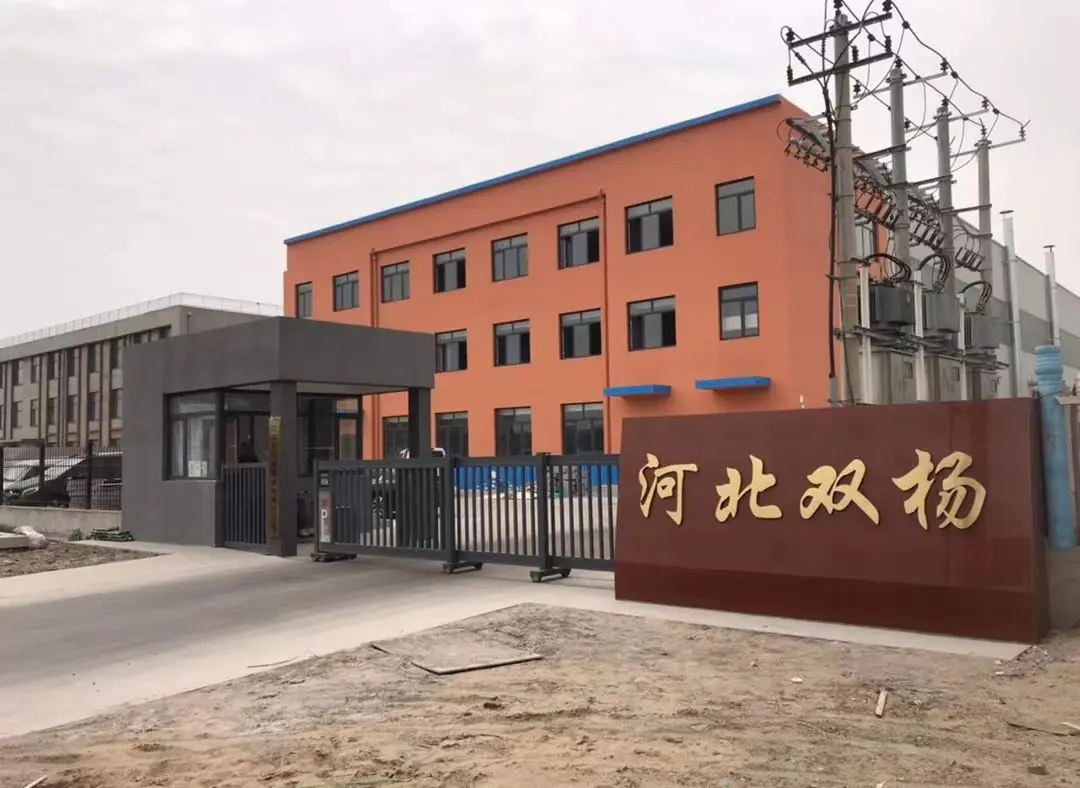
The manufacturing and QA infrastructure maintained by Hebei Shuangyang Metal Structure Co., Ltd. (a core subsidiary of Zhuozhan Group) integrates fully certified quality assurance operations. Tested against international criteria (including ISO 9001 and EN 12810/12811 standards), our steel scaffold platforms and ringlock structures utilize a specialized hot-dip galvanizing method. This process coats structural surfaces in a protective zinc envelope, mitigating atmospheric corrosion and expanding component life cycles to 15-20 years in harsh seaside, petrochemical, and industrial environments.
Understanding structural steel grades is critical for engineers drafting temporary access configurations. Let us evaluate the material difference between conventional structural grades:
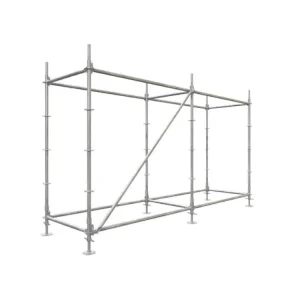
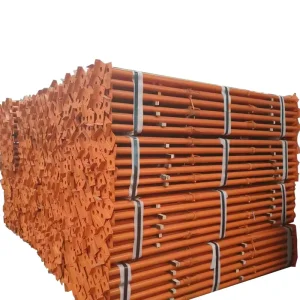
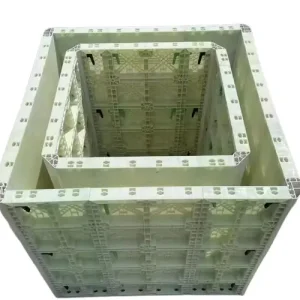
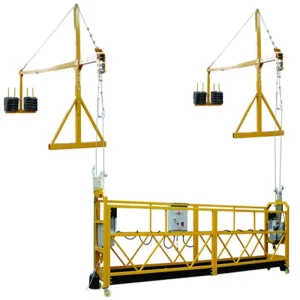
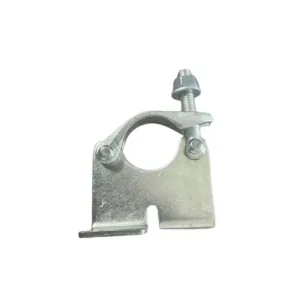
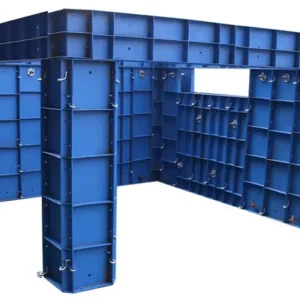
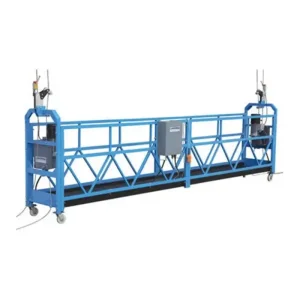
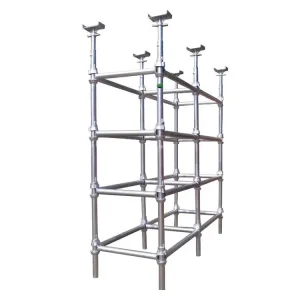
Industrial procurement departments rarely search for individual materials in isolation; instead, they seek comprehensive structural systems. We support structural projects through a diverse portfolio of heavy-duty solutions, including:
Zhuozhan Group is a diversified and innovative enterprise that seamlessly integrates scientific research, manufacturing, and sales. With a robust portfolio of subsidiaries, including Laoting Zhuozhan International Trade Co., Ltd. and Hebei Shuangyang Metal Structure Co., Ltd., Zhuozhan Group has firmly established itself as a key player in the construction and manufacturing industries.
Founded in 2014, Hebei Shuangyang Metal Structure is a pivotal subsidiary that has rapidly advanced to the forefront of the industry, occupying a total area of 13,132.68 square meters, with a construction area of 7,124.58 square meters. The company operates with more than 500 skilled employees and is equipped with over 150 sets of advanced machinery and equipment. Over the years, Shuangyang has successfully secured 15 patents, demonstrating its strong commitment to innovation. The company's impressive production capabilities include an annual output of 300,000 tons of steel pipes, 1 million tons of scaffolding, and 400,000 tons of adjustable steel supports, making it a critical supplier to both domestic and international markets.
Understanding Hebei's manufacturing ecosystems, logistics networks, and technological advantages.
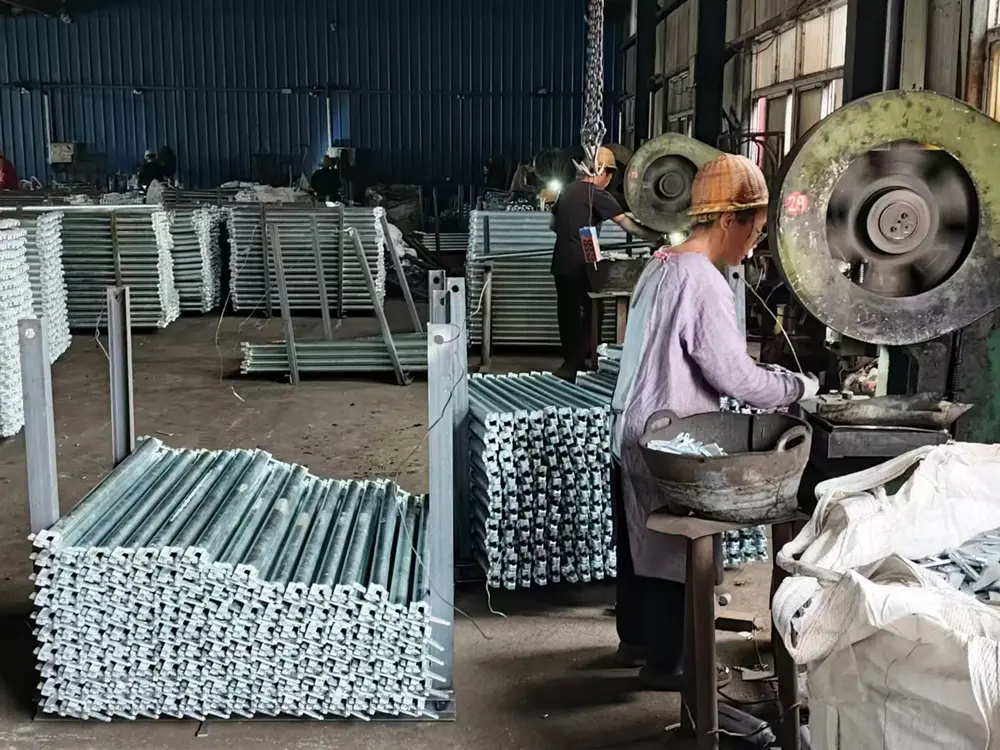
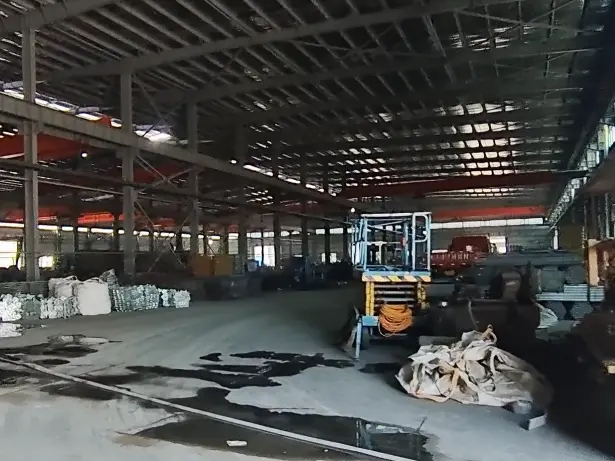
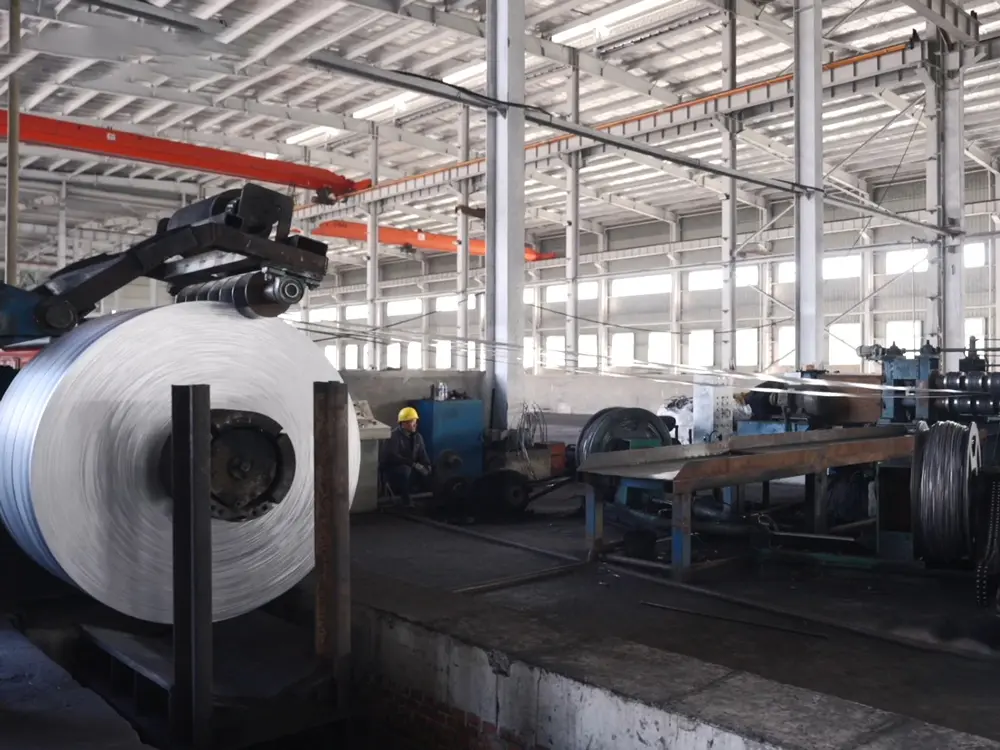
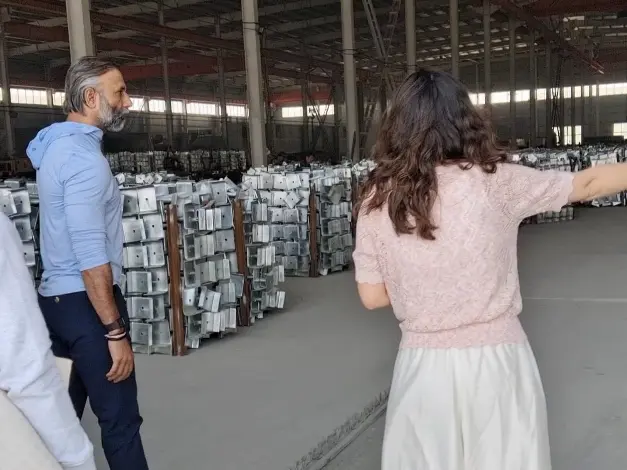
As a source factory, with an area of 40,000 square meters and an annual production capacity of more than 200,000 tons. High-volume machinery ensures rapid batch cycles and short delivery lead times for large construction contracts.
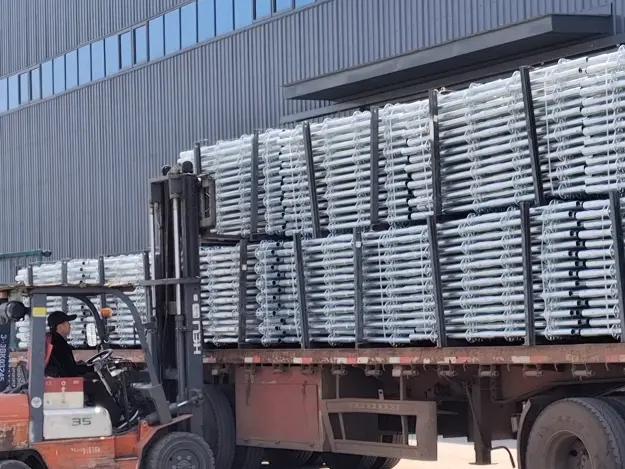
Our facility is situated close to three major ports (Jingtang Port, Tianjin Port, Caofeidian Port). This offers convenient shipping routing options, minimizing freight transit times and optimizing land container logistics.
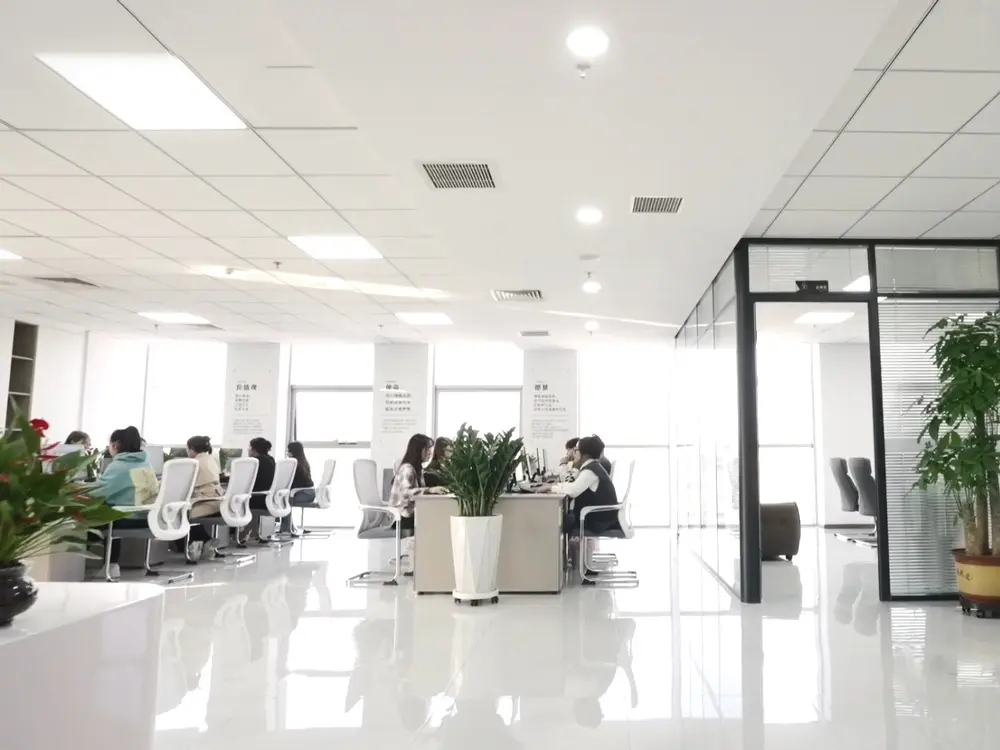
Our plant features more than 200 employees, supported by a professional engineering design team of 20+ specialists. We formulate custom shop designs and calculation sheets to match complex construction applications.
We have built a strong market presence across more than 30 provinces, partnering with nearly 200 partners. Our projects include cooperations with major state-owned and central enterprises like China Construction Fourth and Eighth Engineering Divisions.
Our products feature high load-bearing capacity (Q355B steel, single bearing capacity up to 10 tons, 1.5x conventional options) and lightweight, material-saving profiles that reduce standard component consumption to 1/2 of traditional systems.
With dedicated personnel assigned to each post, our team replies within 24 hours. Through Laoting Zhuozhan International Trade Co., Ltd., we handle shipping, clearance documentation, and final site delivery globally.
A detailed look at the processing steps and environmental safeguards used to build our vertical and horizontal rods.
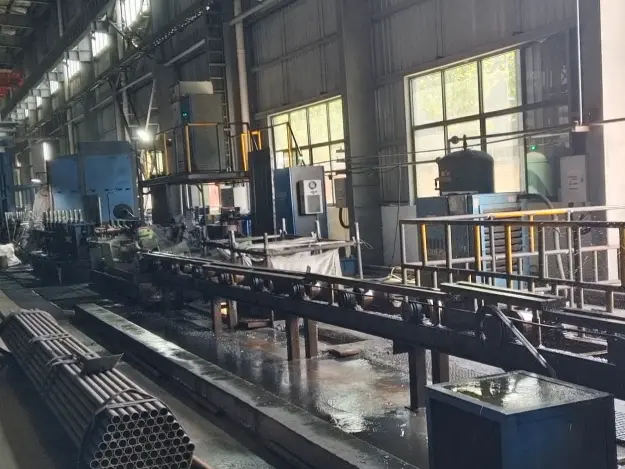
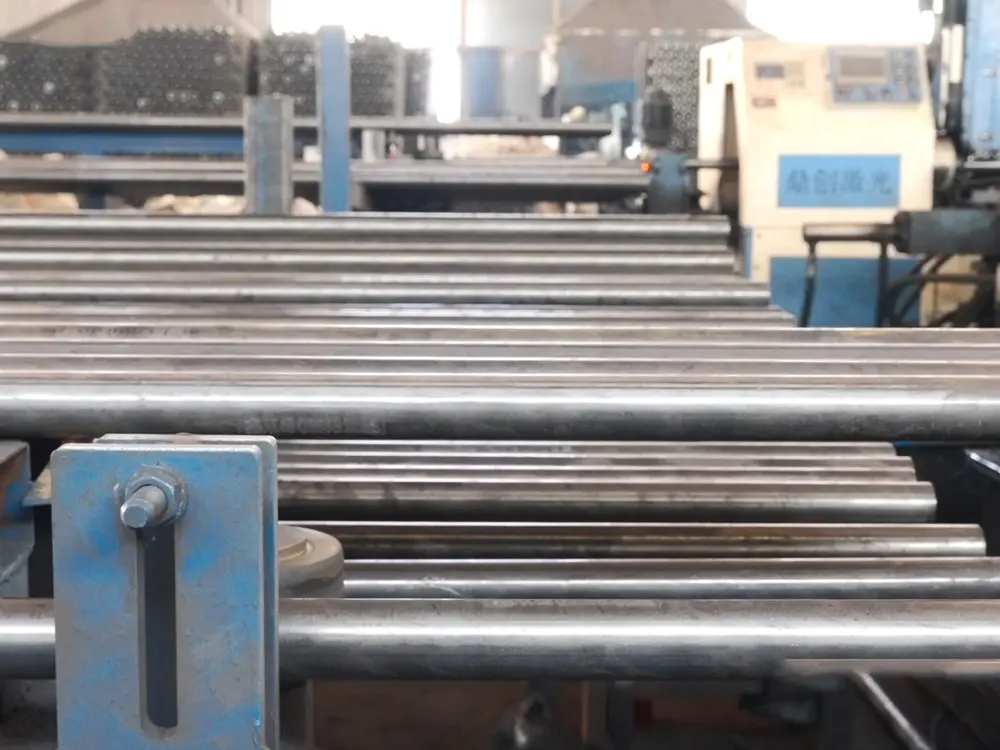
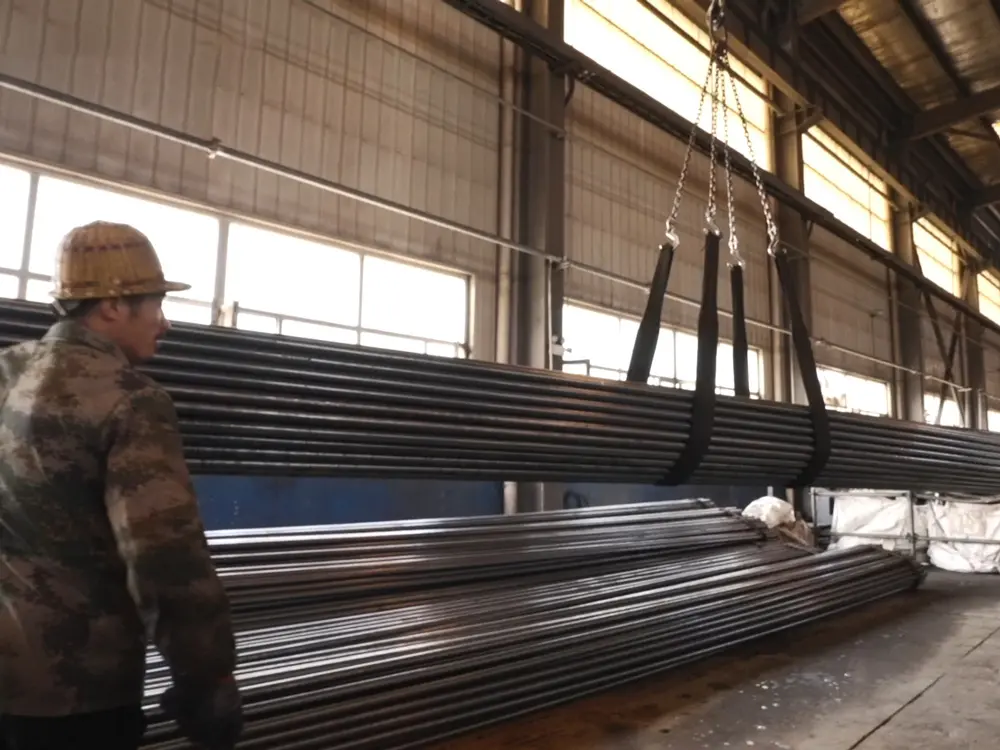
The initial sizing step for raw structural steel pipes. Generating waste solids (S) and operational noise (N), this process cuts profiles to precise dimensions.
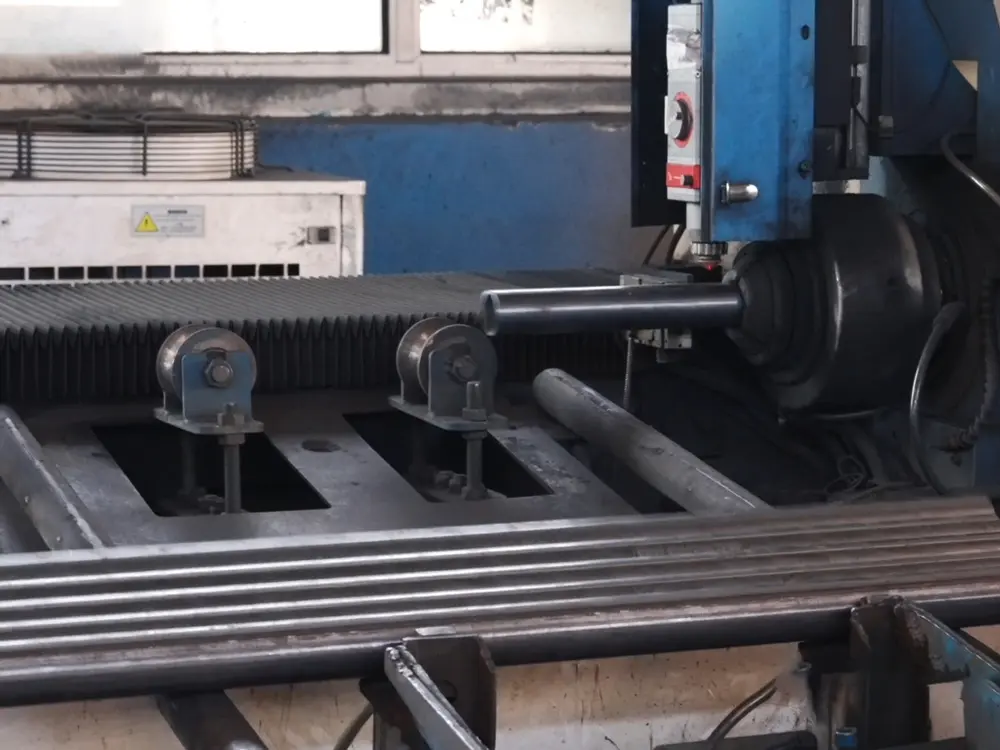
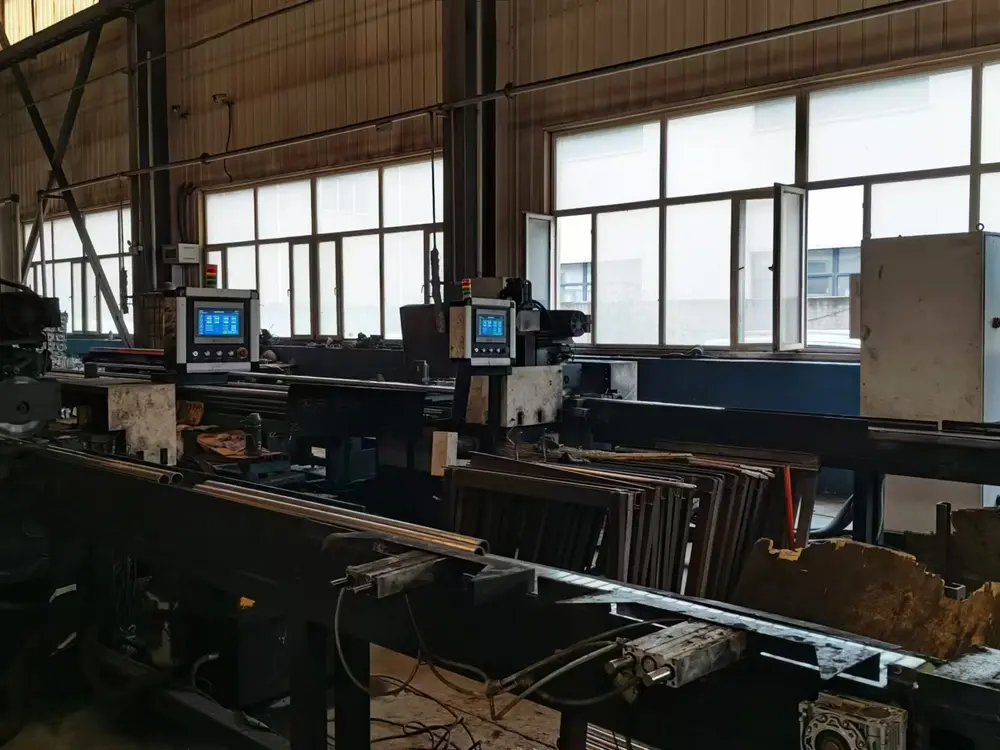
Automated punching systems stamp structural locating holes in the pipes, producing clean scrap steel (S) and noise (N).
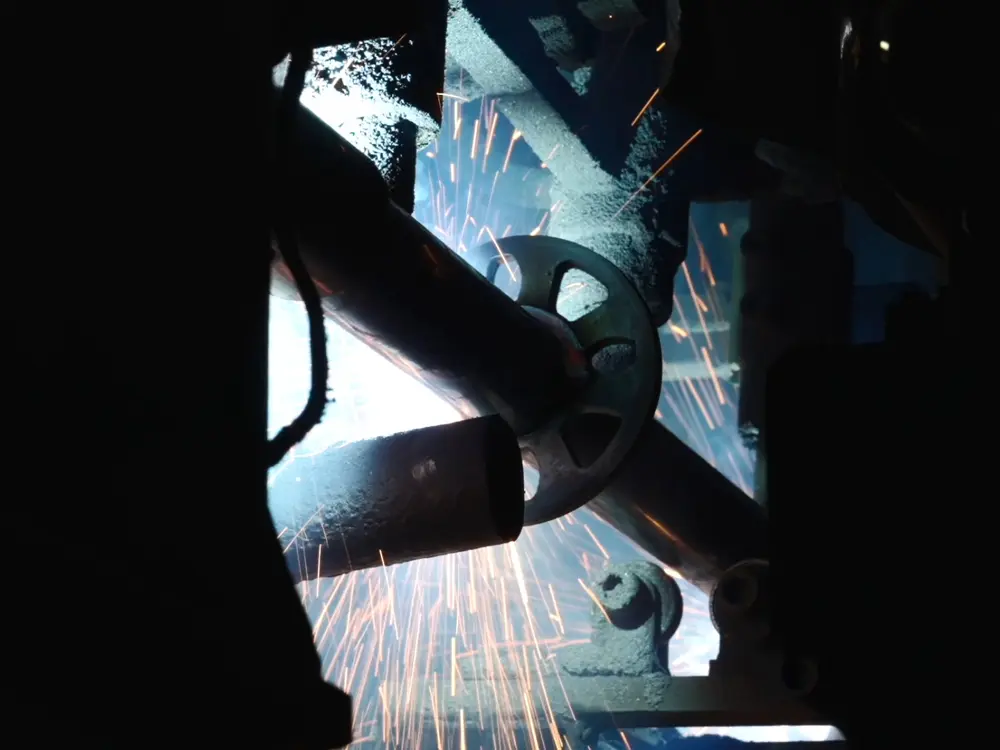
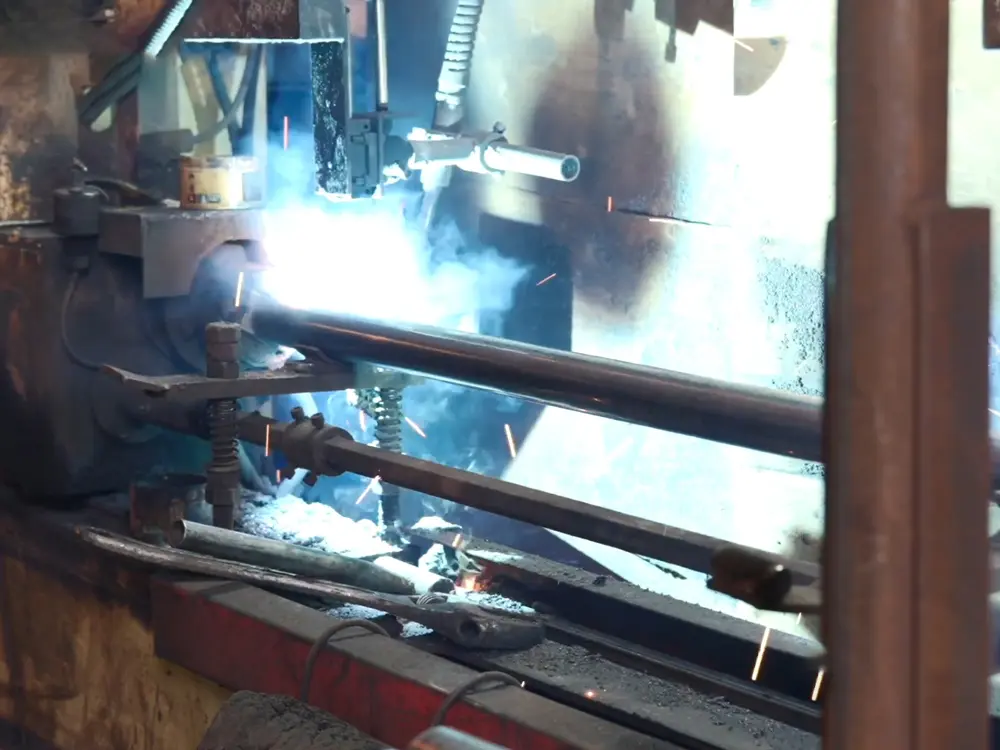
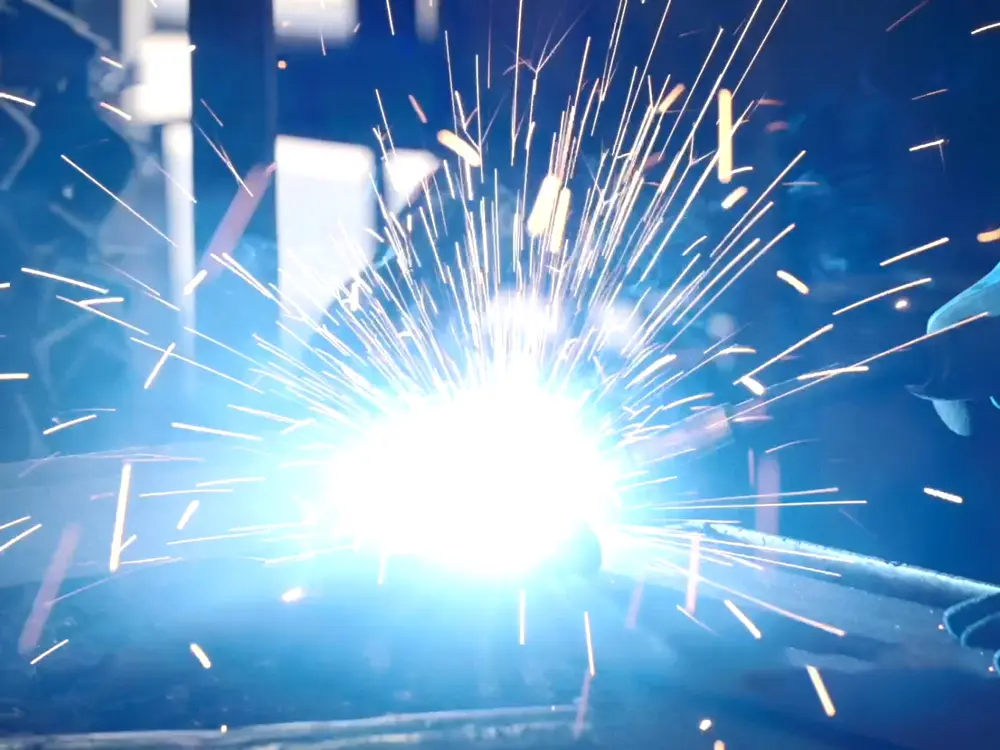
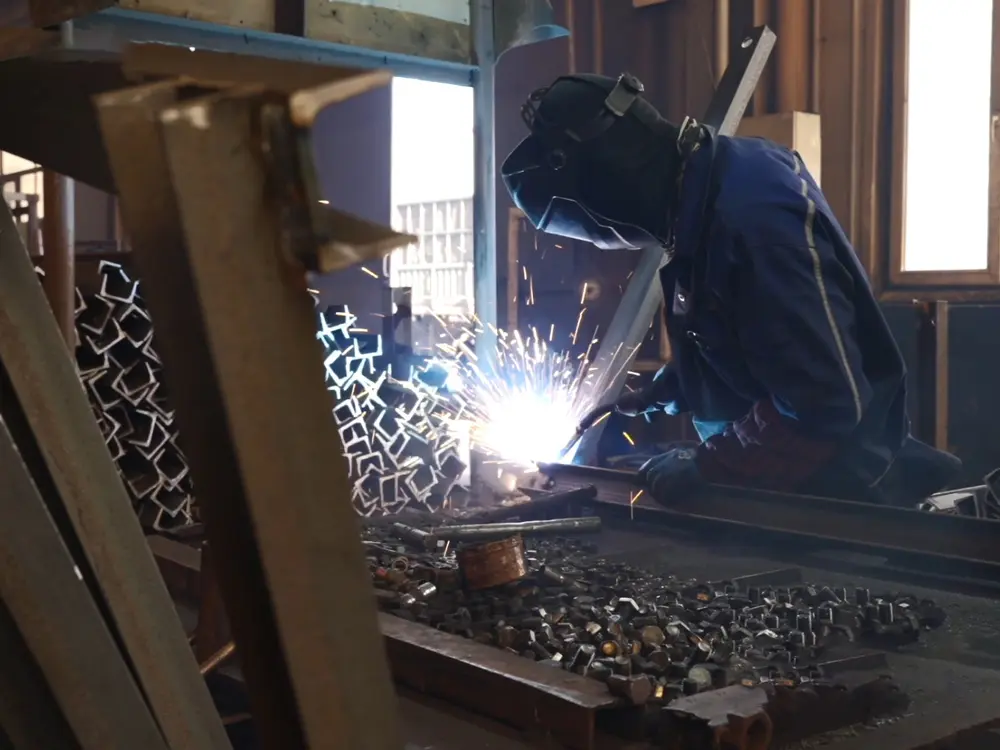
Robotic welding arms fuse the steel pipe with disc components, ensuring stable joints and reliable load transfer while managing emissions (G) and noise (N).
The welded structure is submerged in molten zinc, creating a thick metallurgical barrier that protects against rust and weathering.
Components undergo QA checking (confirming size tolerance holds within ±1mm) before sorting, bundling, and distribution preparation.
Sizing structural steel pipes. This step generates scrap metal solids (S) and operational noise (N) while prepping sections.
Hydraulic presses stamp alignment holes in the pipe profiles, producing scrap steel solids (S) and operational noise (N).
Horizontal pipes are welded to cast steel wedge heads using robotic welding processes, which produces emissions (G), noise (N), and solid waste (S).
The welded component is galvanized, providing clean finishes and a rust-resistant zinc barrier.
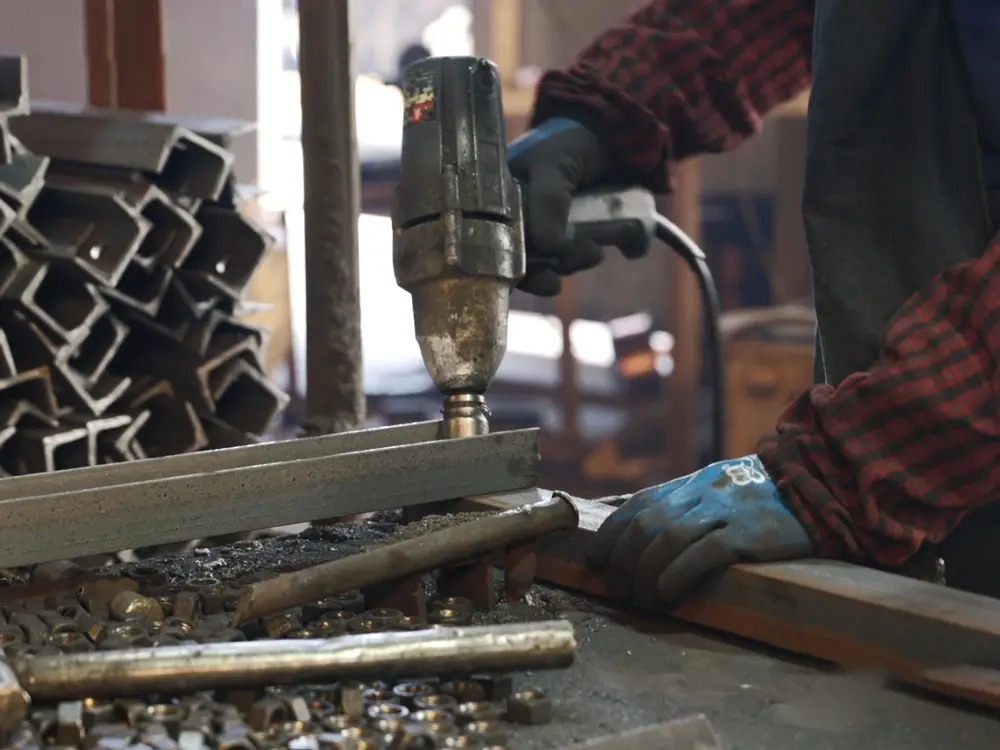
Wedge pins are riveted into the casting heads, creating noise (N). Final checks verify alignment and fit tolerances.
Zhuozhan Industry products comply with ISO 9001 and EN 12810/12811 standards, backed by continuous testing and inspection protocols.
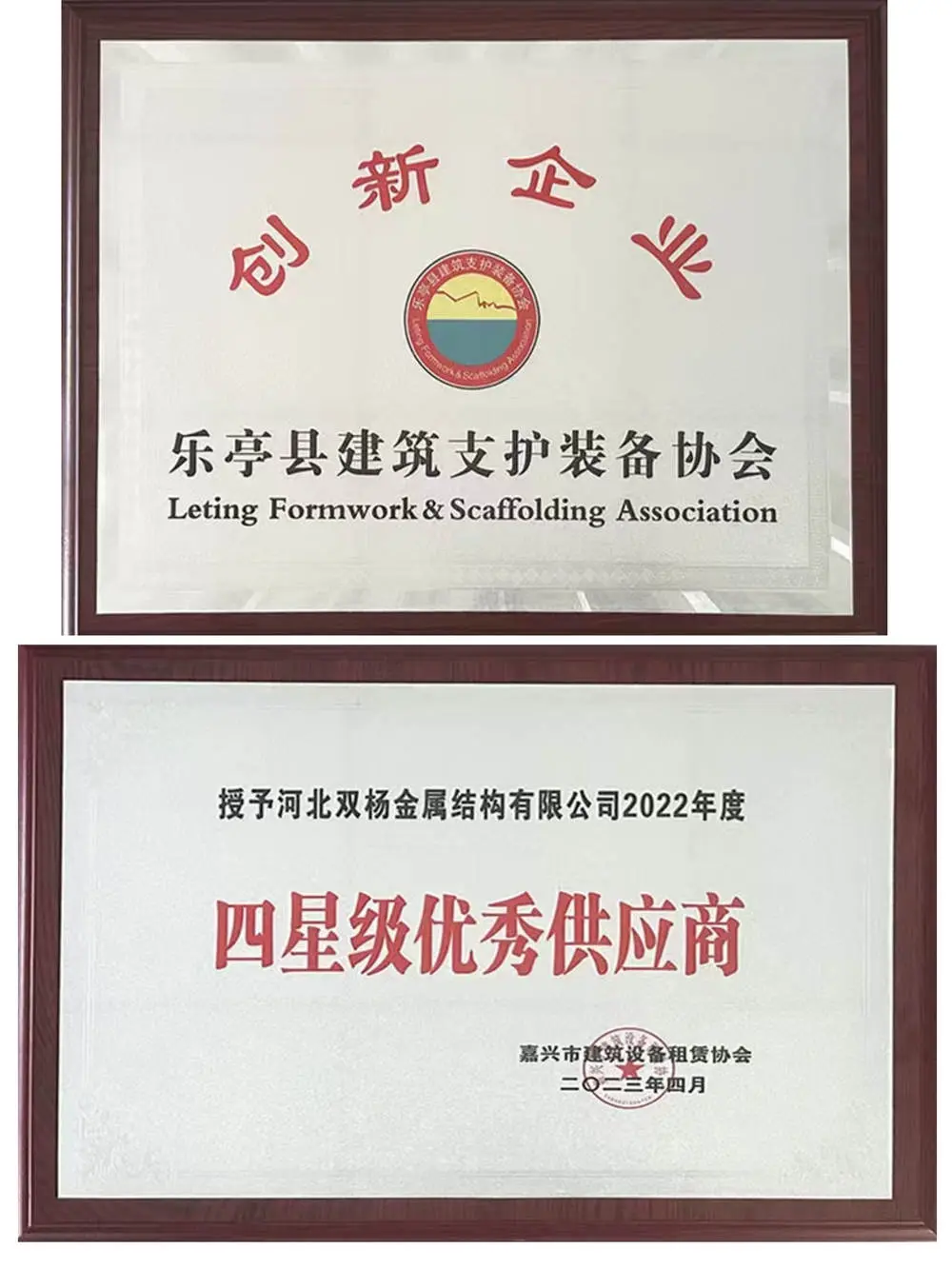
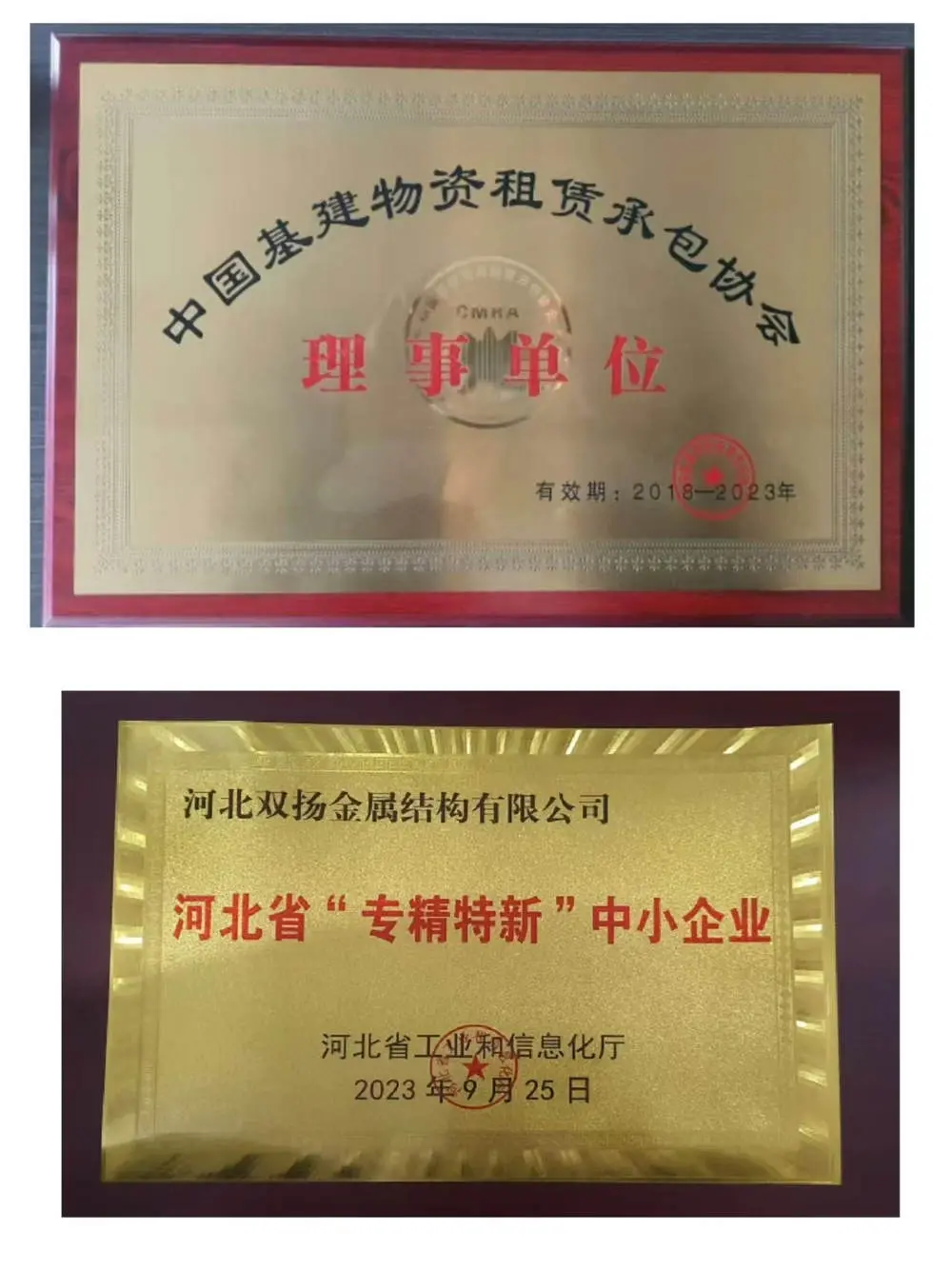
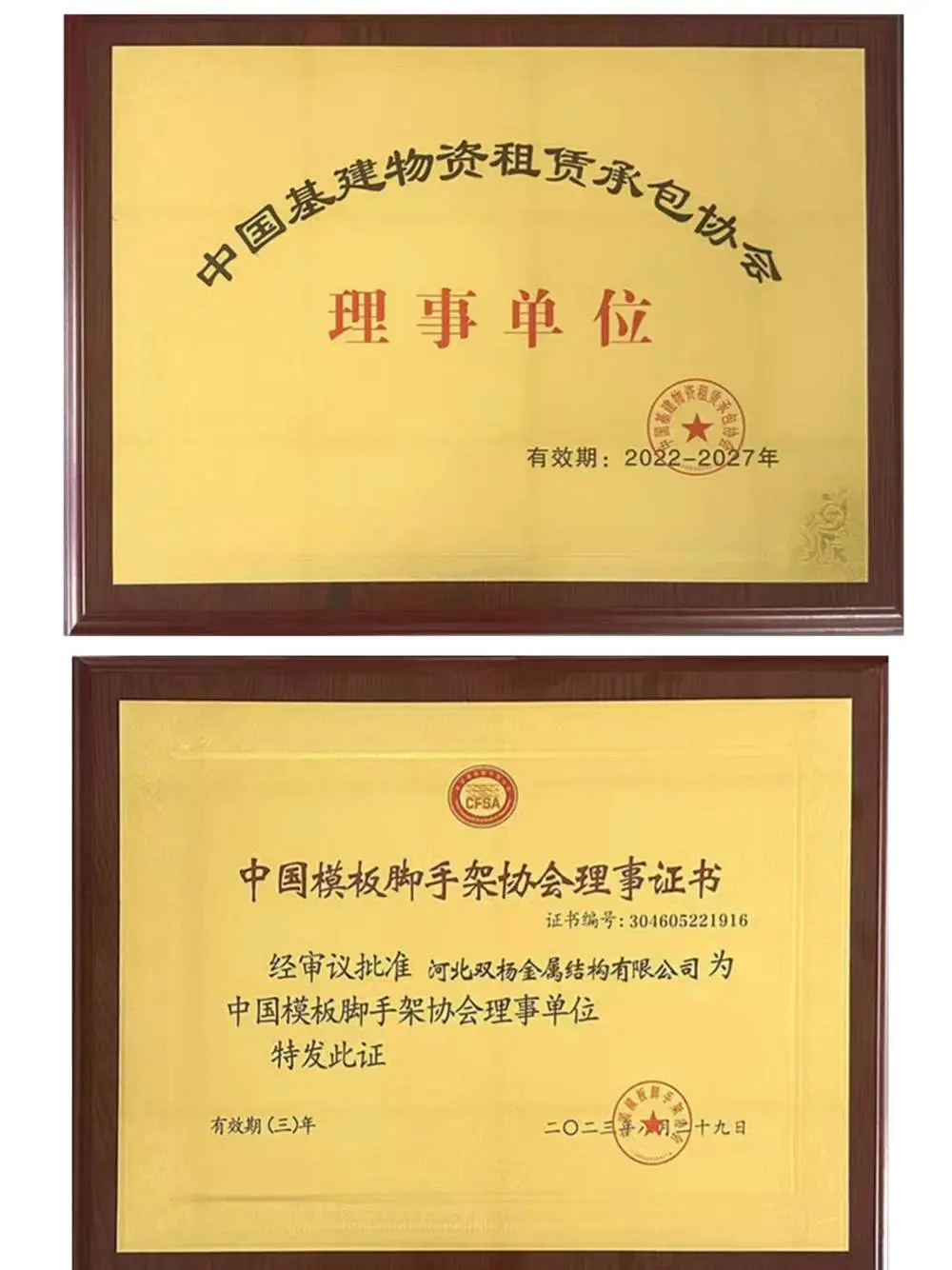
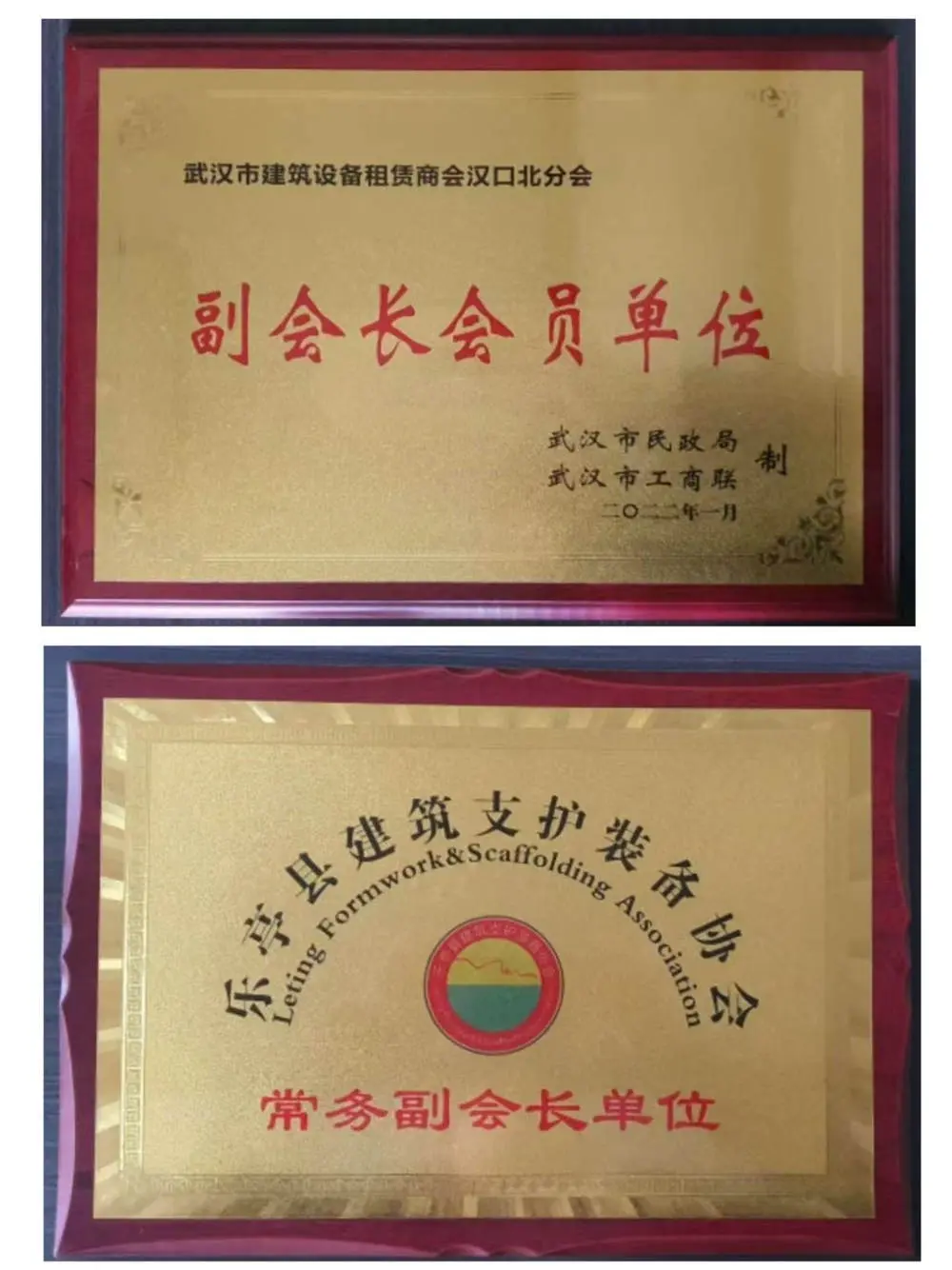
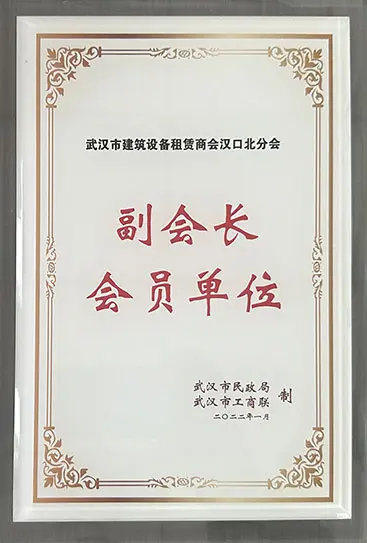
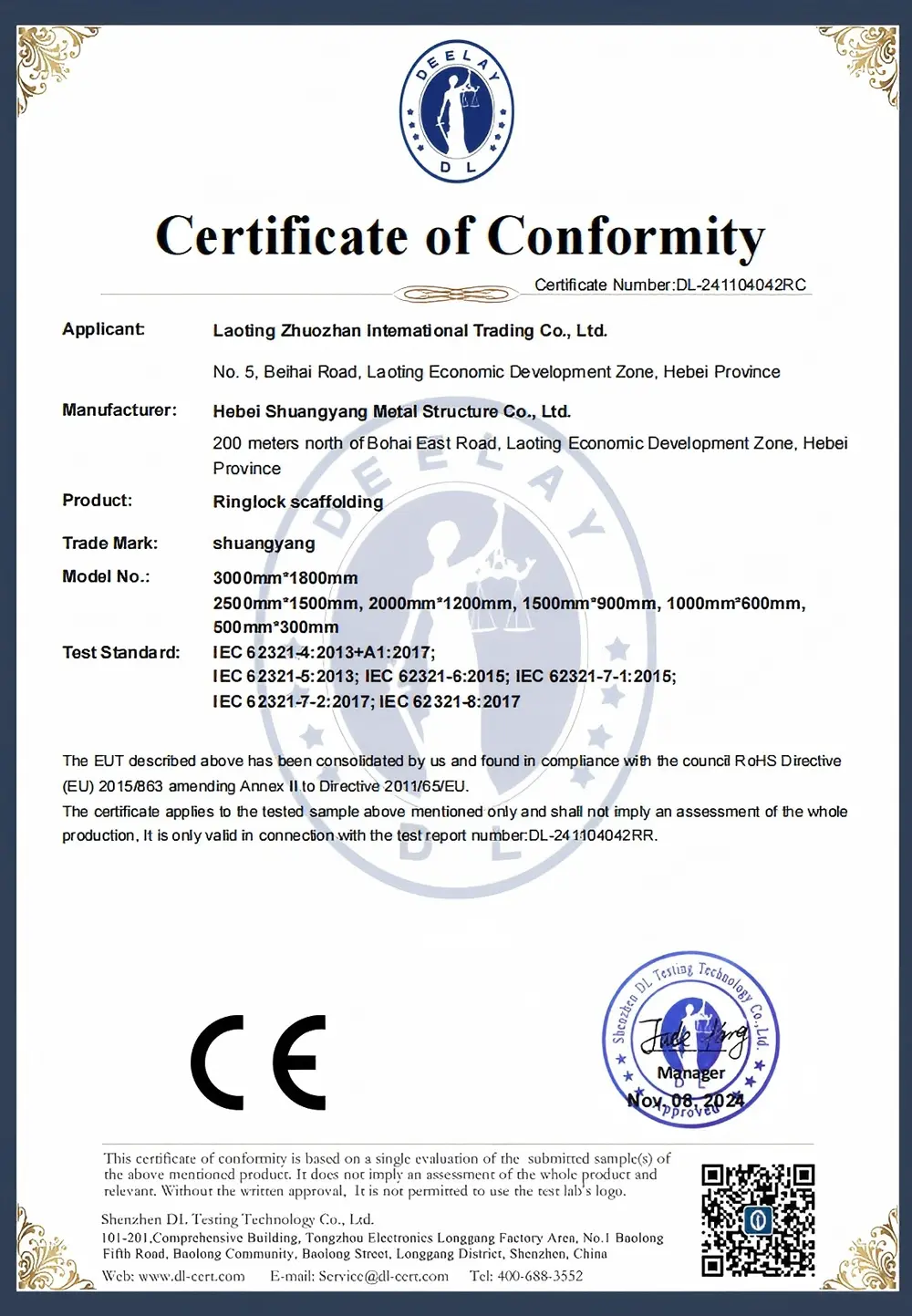
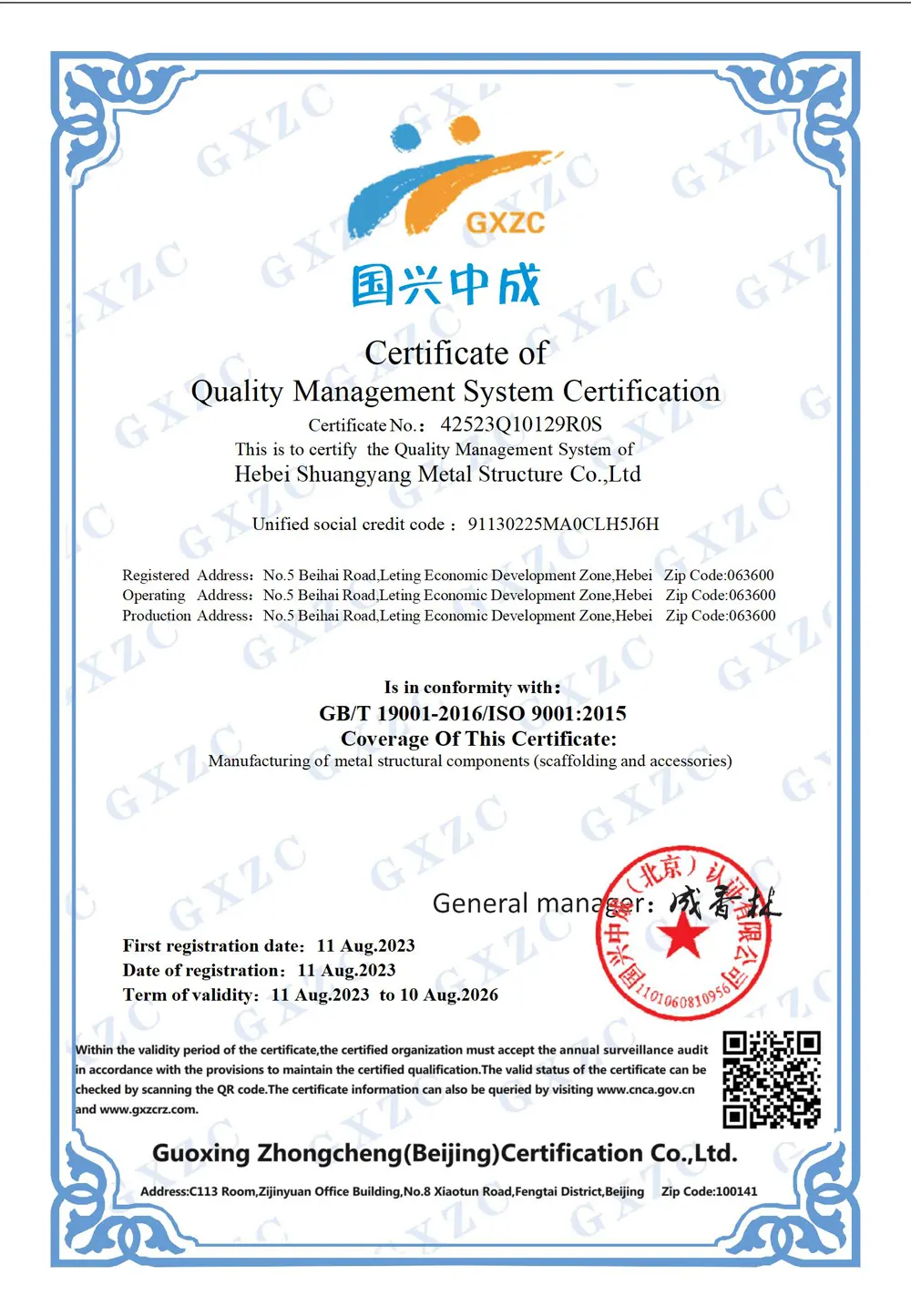
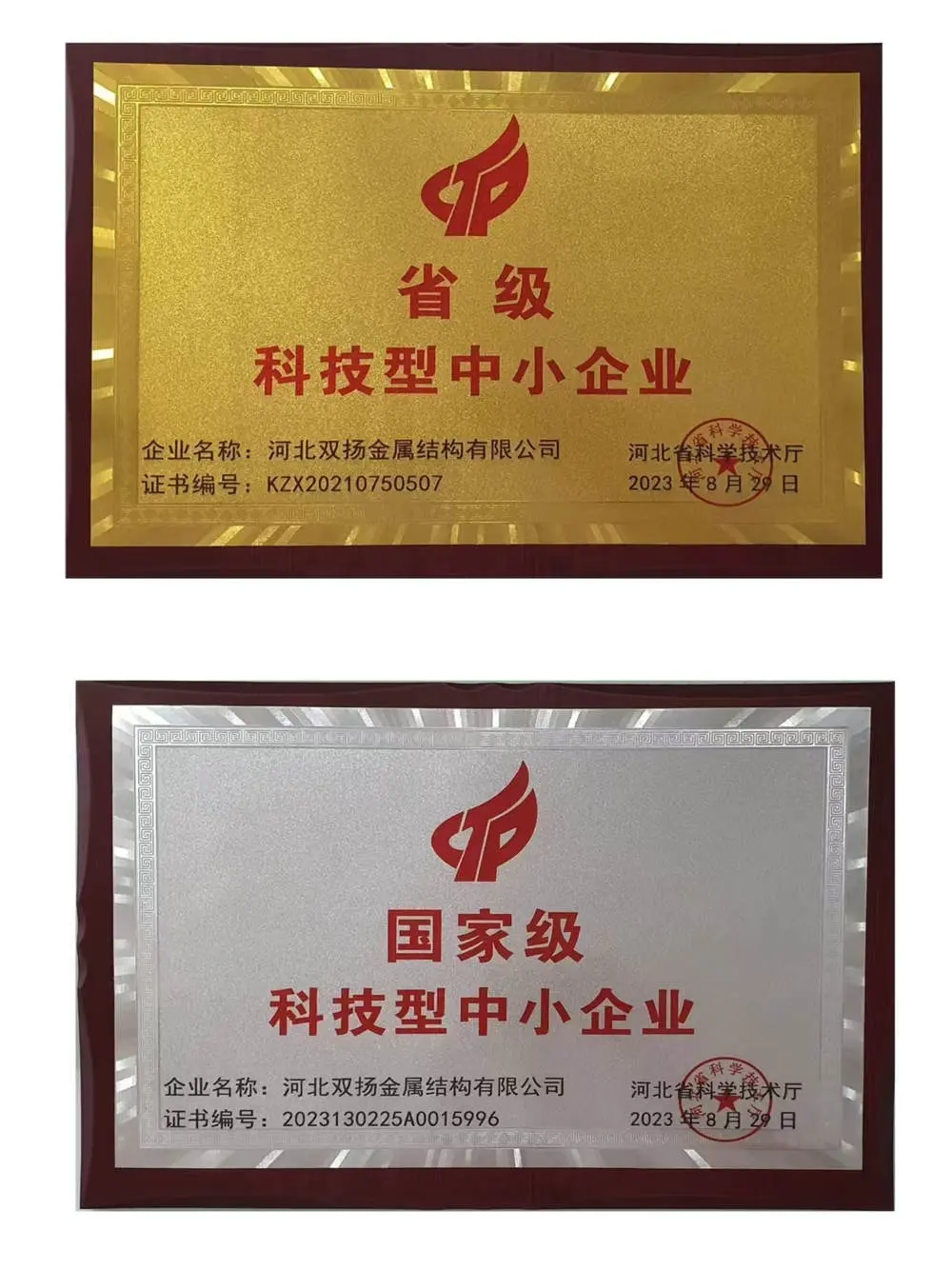
Serving construction projects worldwide with active distribution networks in the United States, Canada, China, Hong Kong-CN, Malaysia, Thailand, and Indonesia.
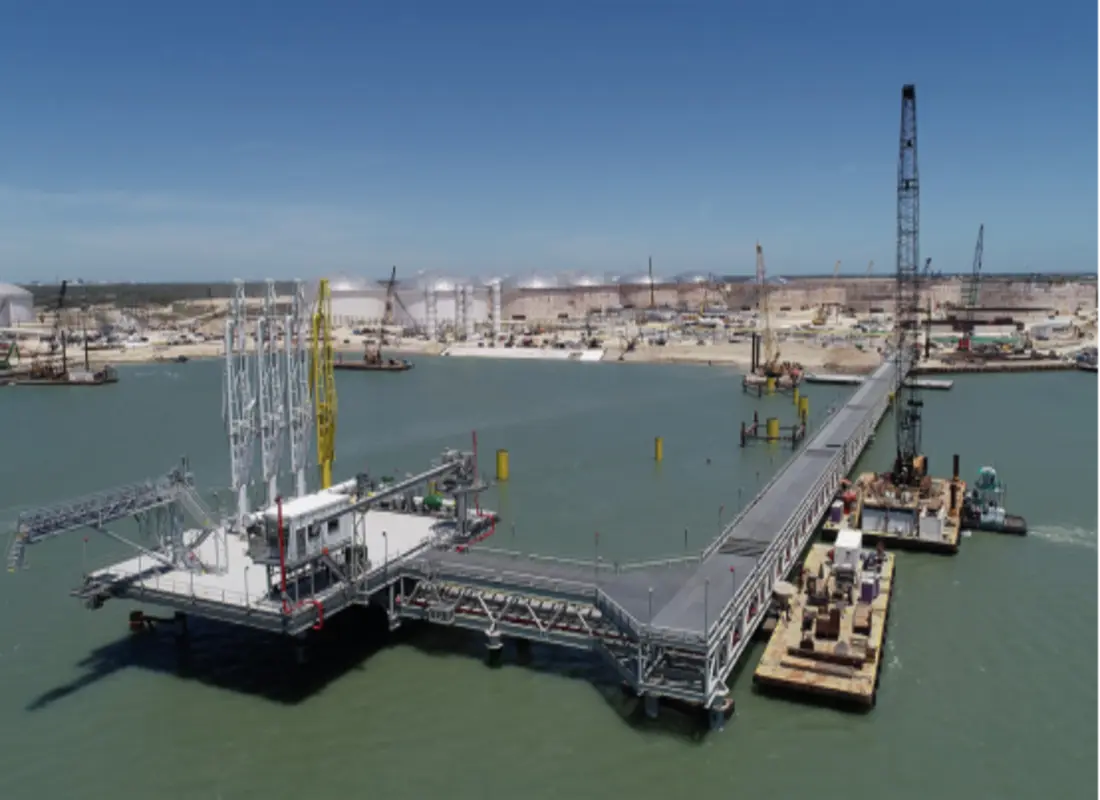
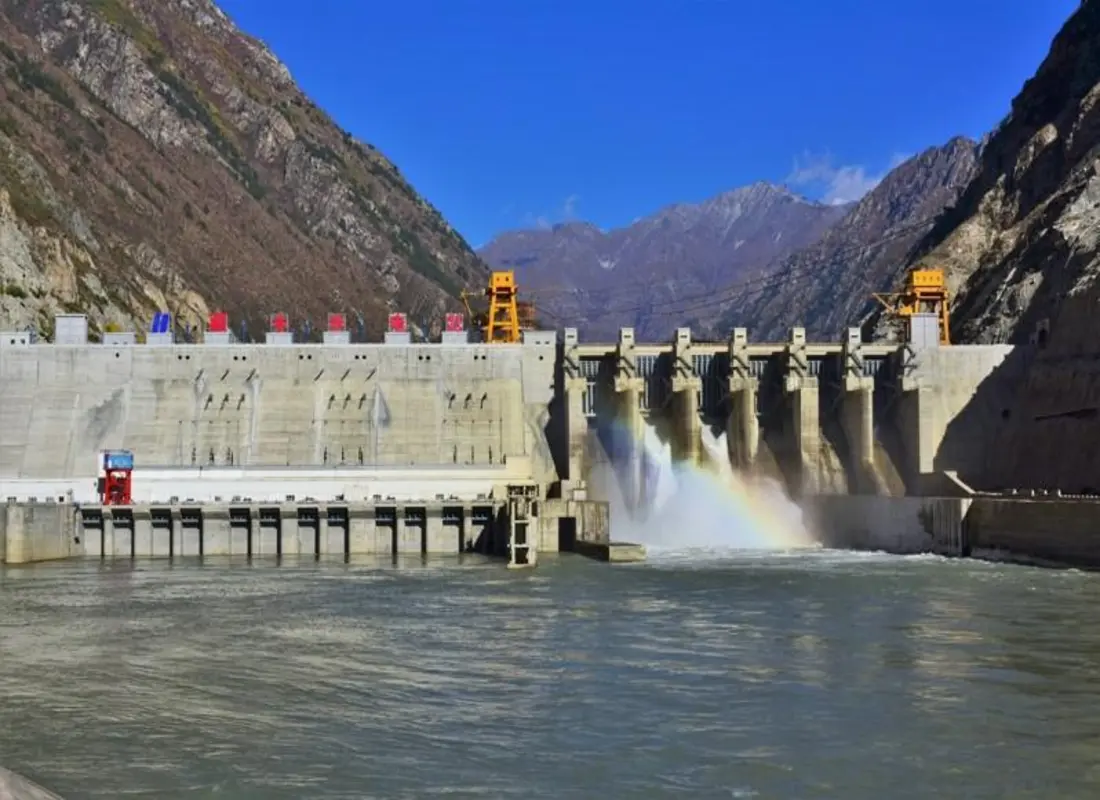
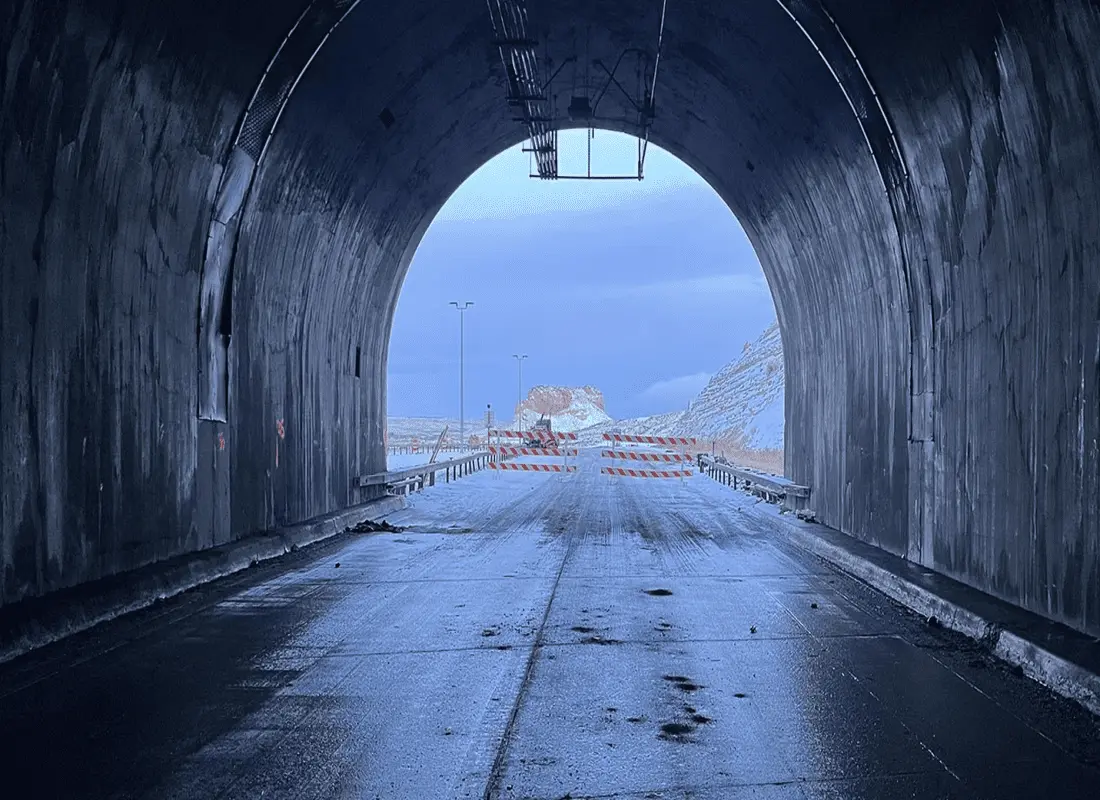
Explore our structural scaffolding and formwork applications deployed across municipal, power generation, infrastructure, and commercial projects globally.
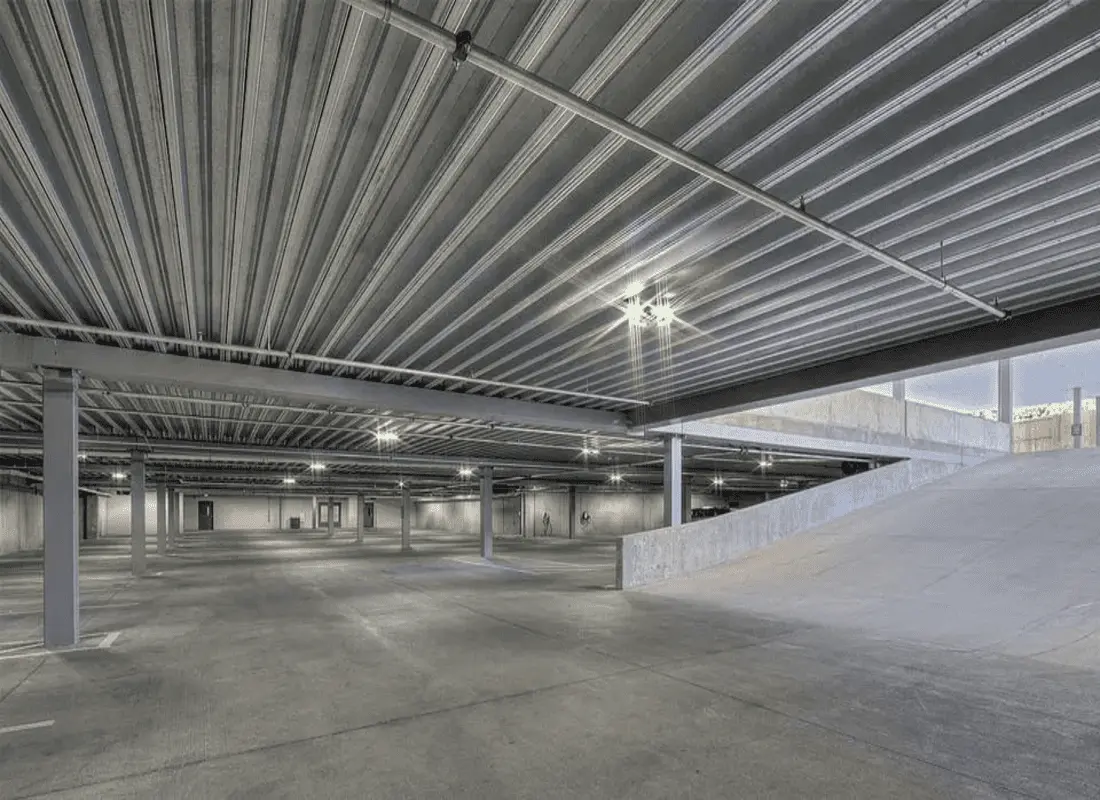
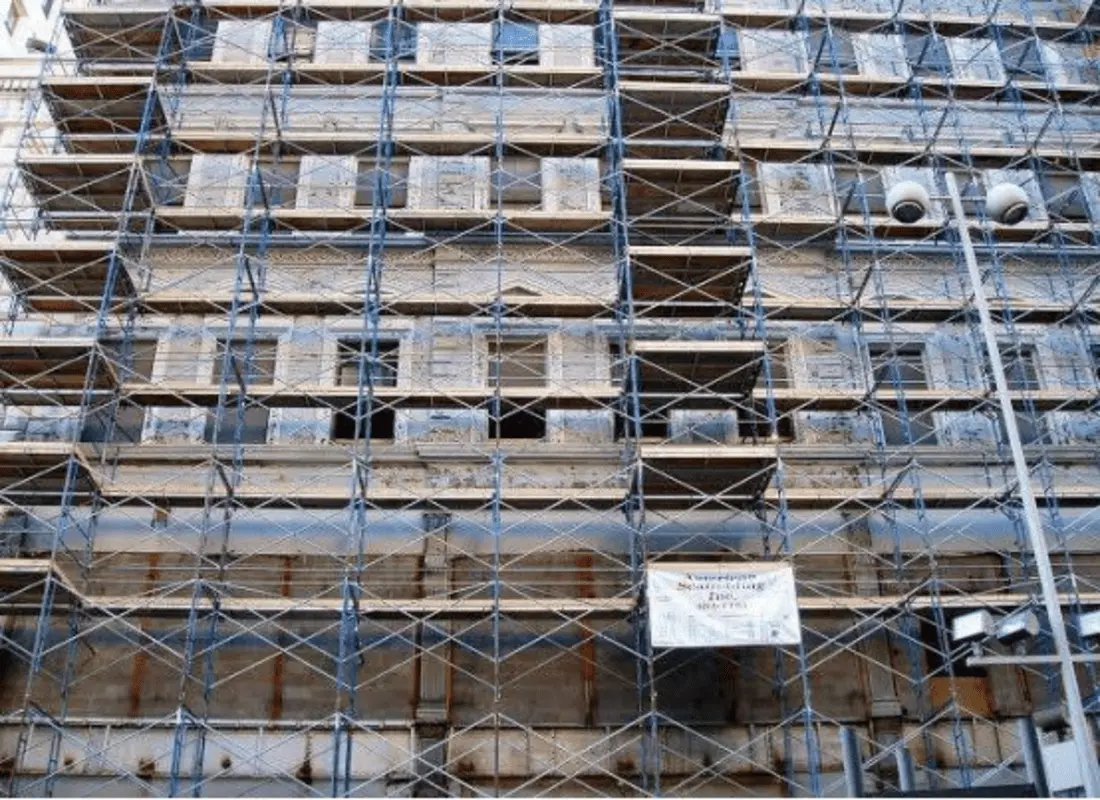
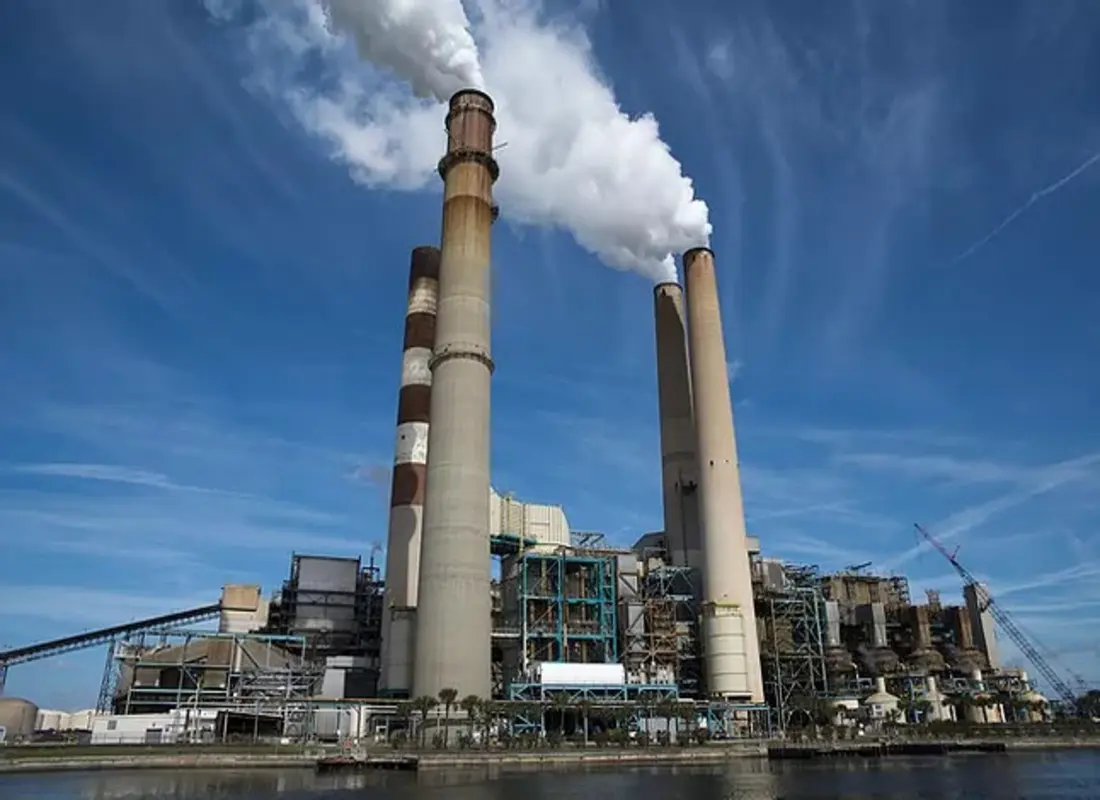
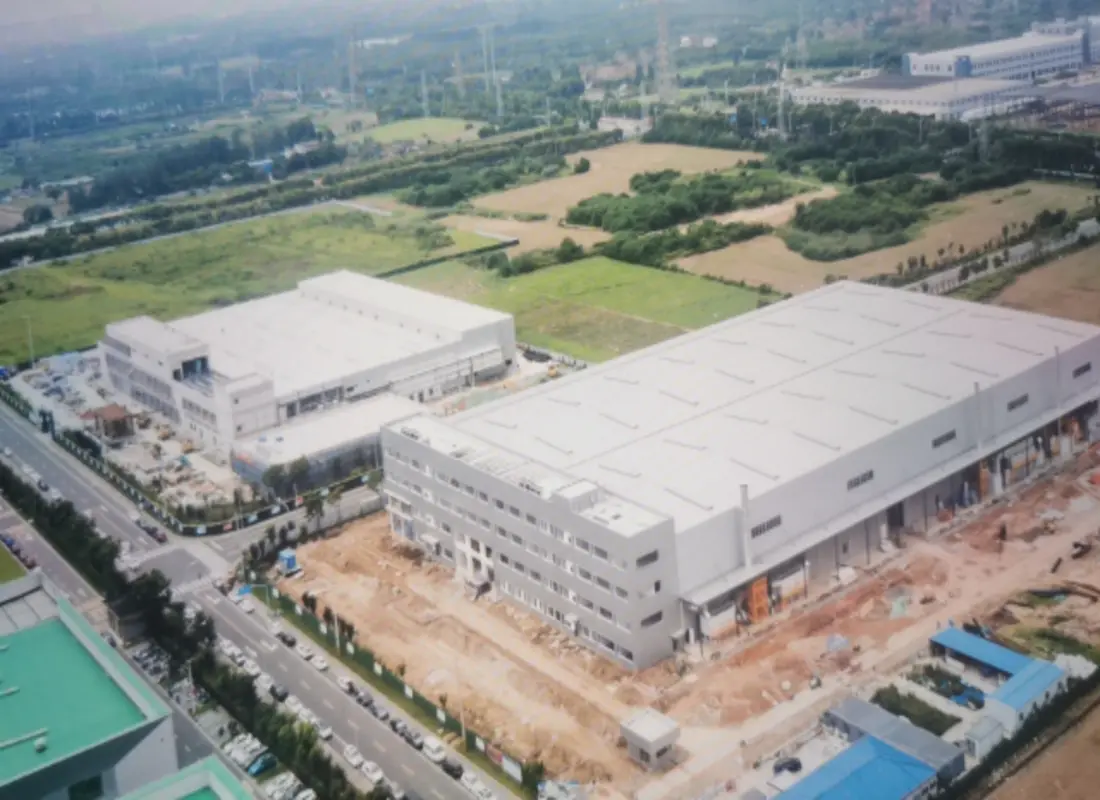
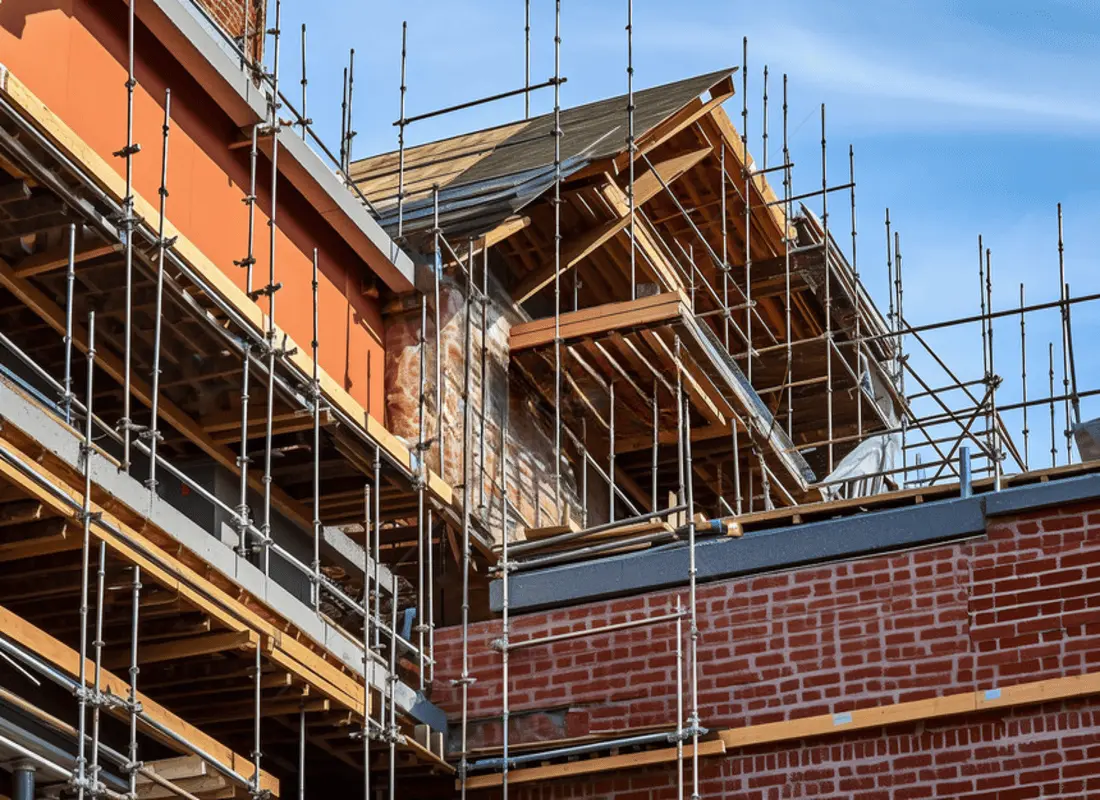

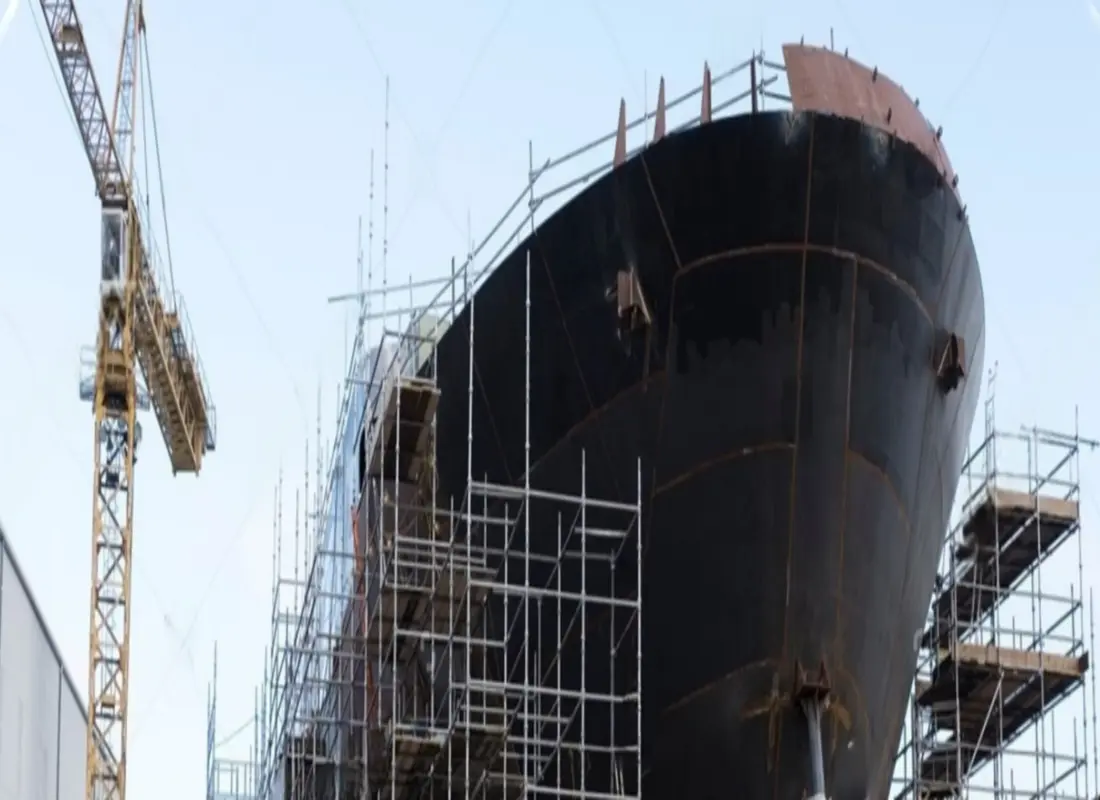
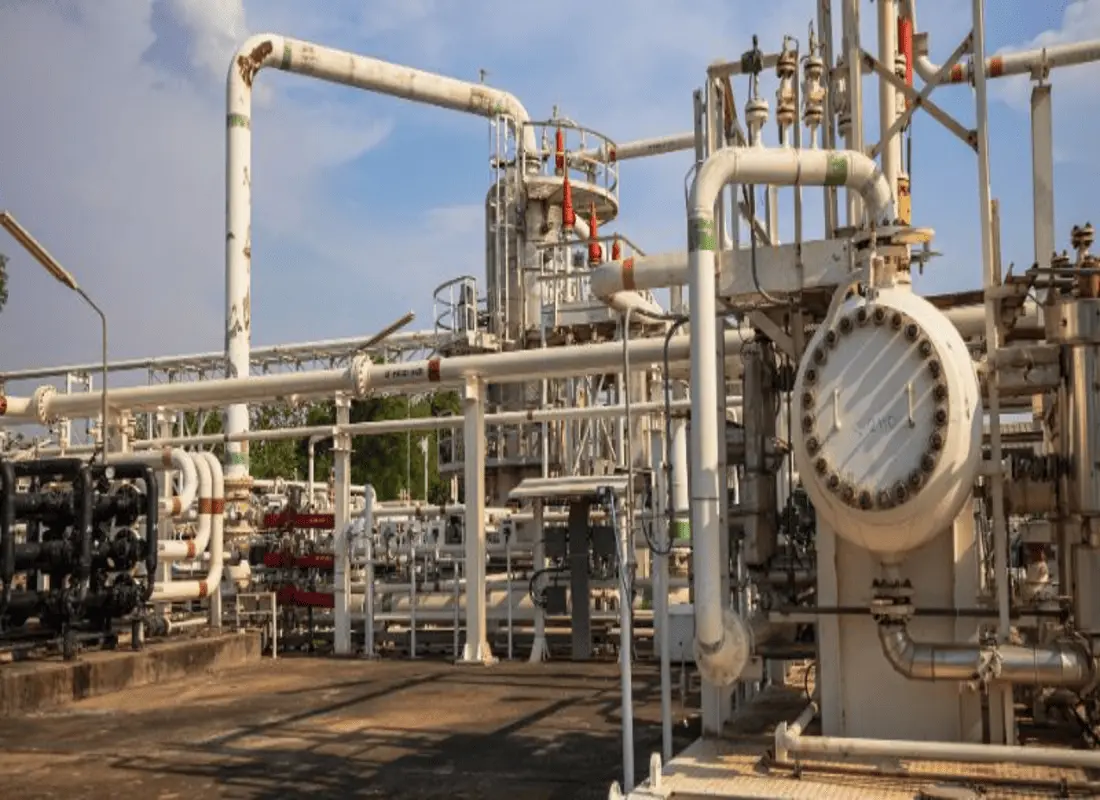
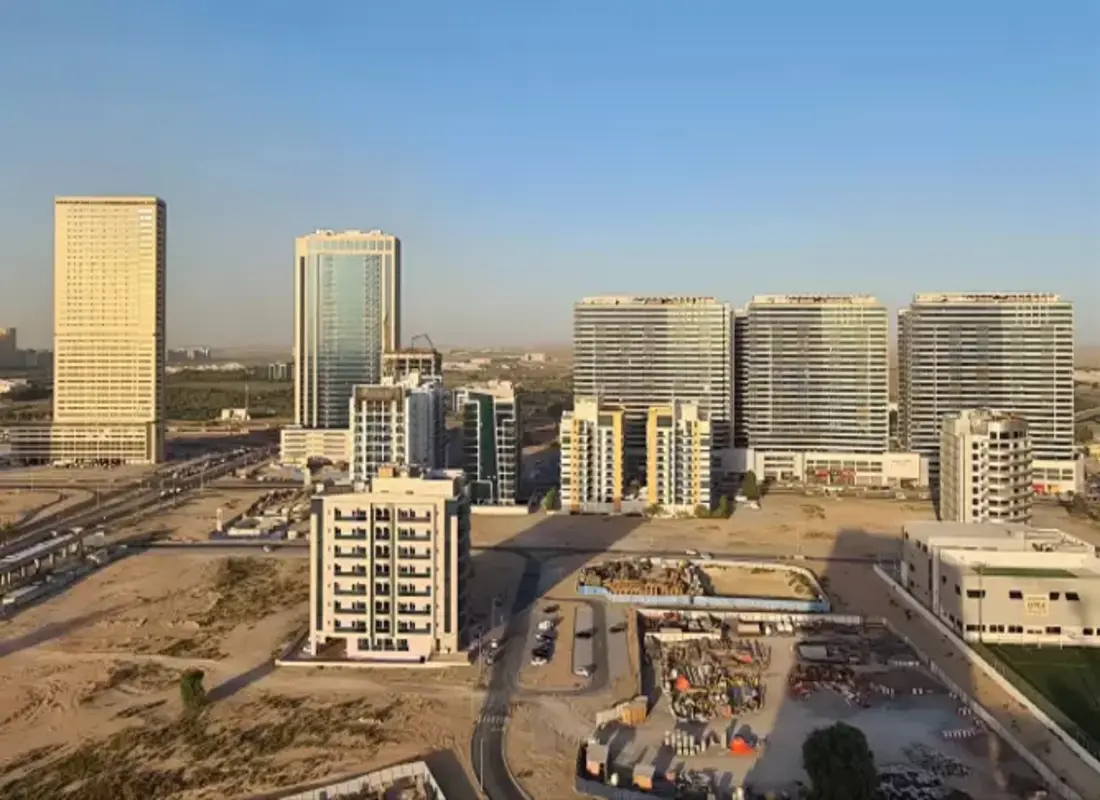
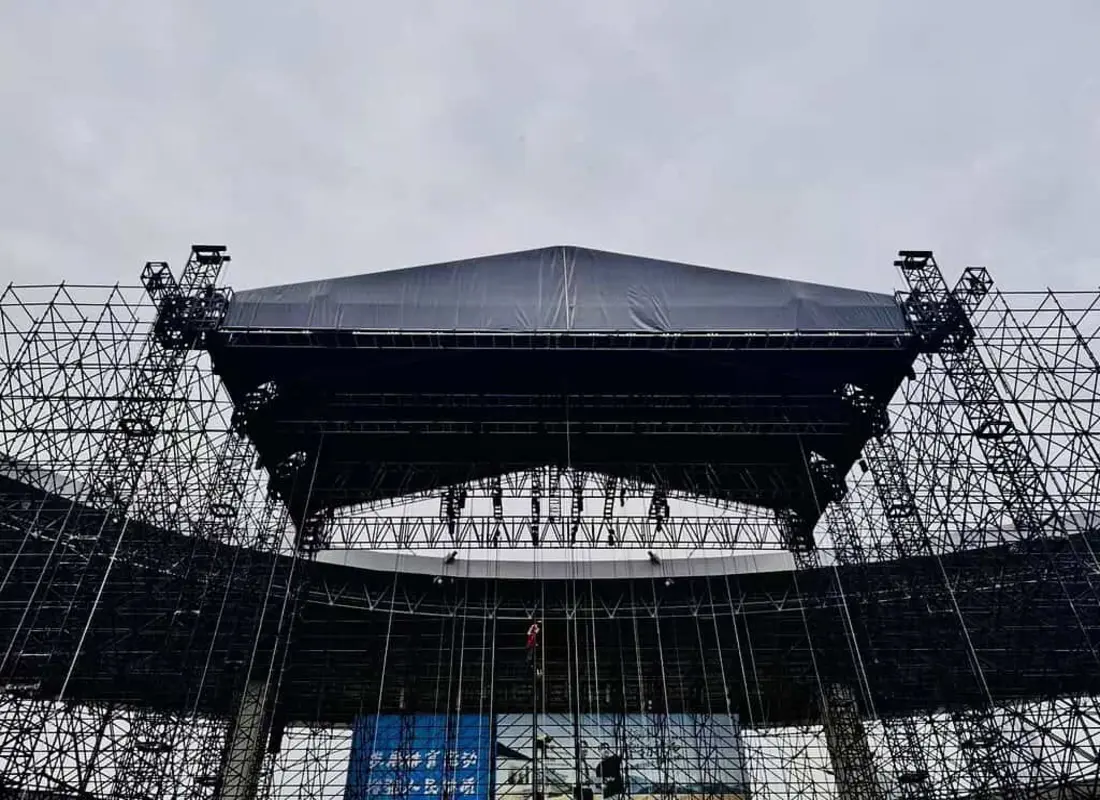
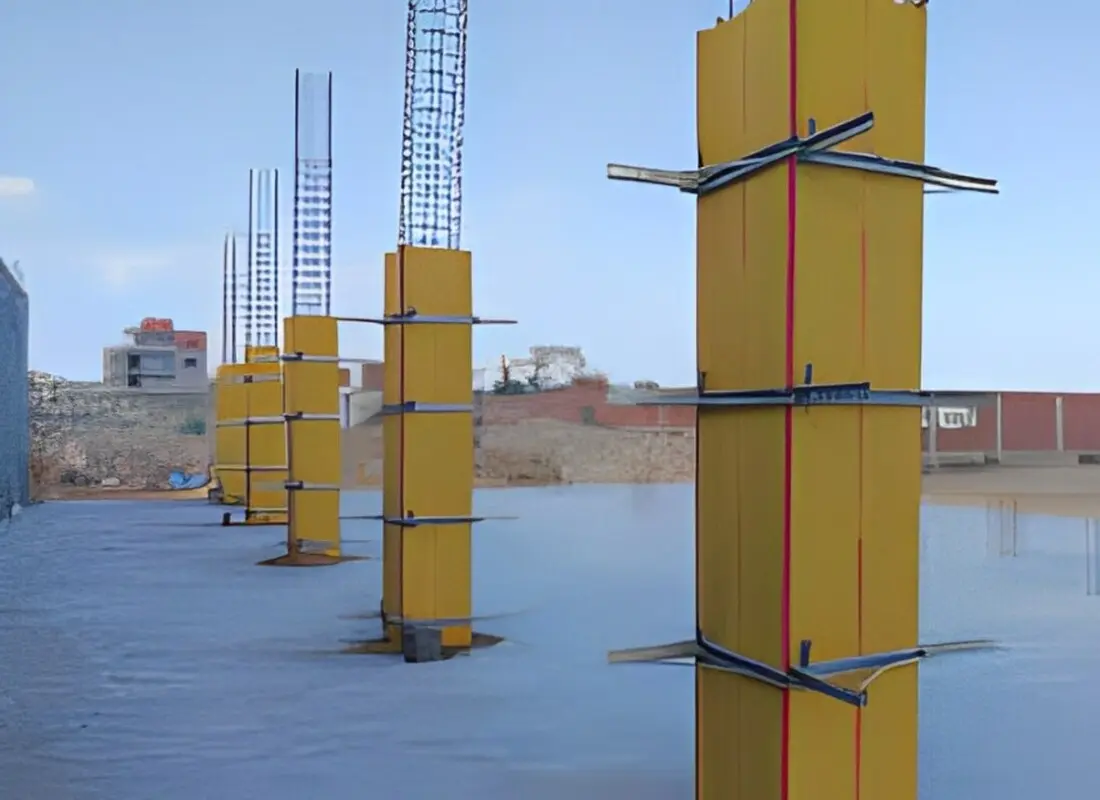
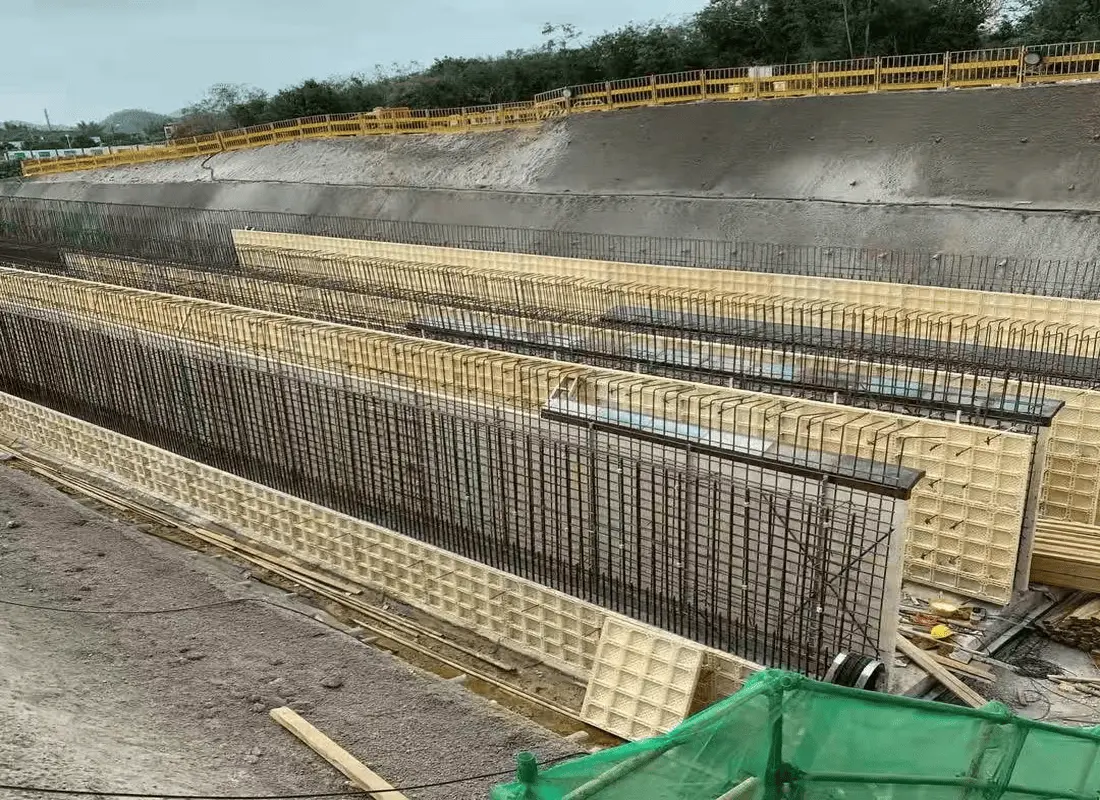
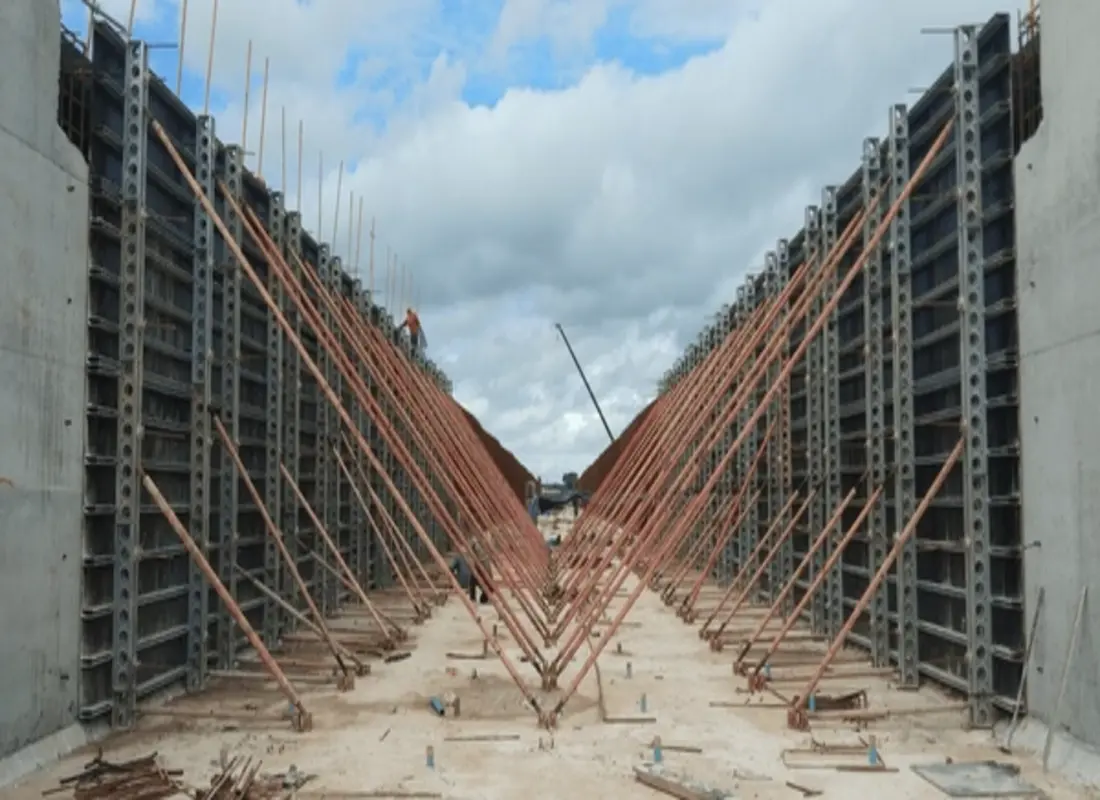
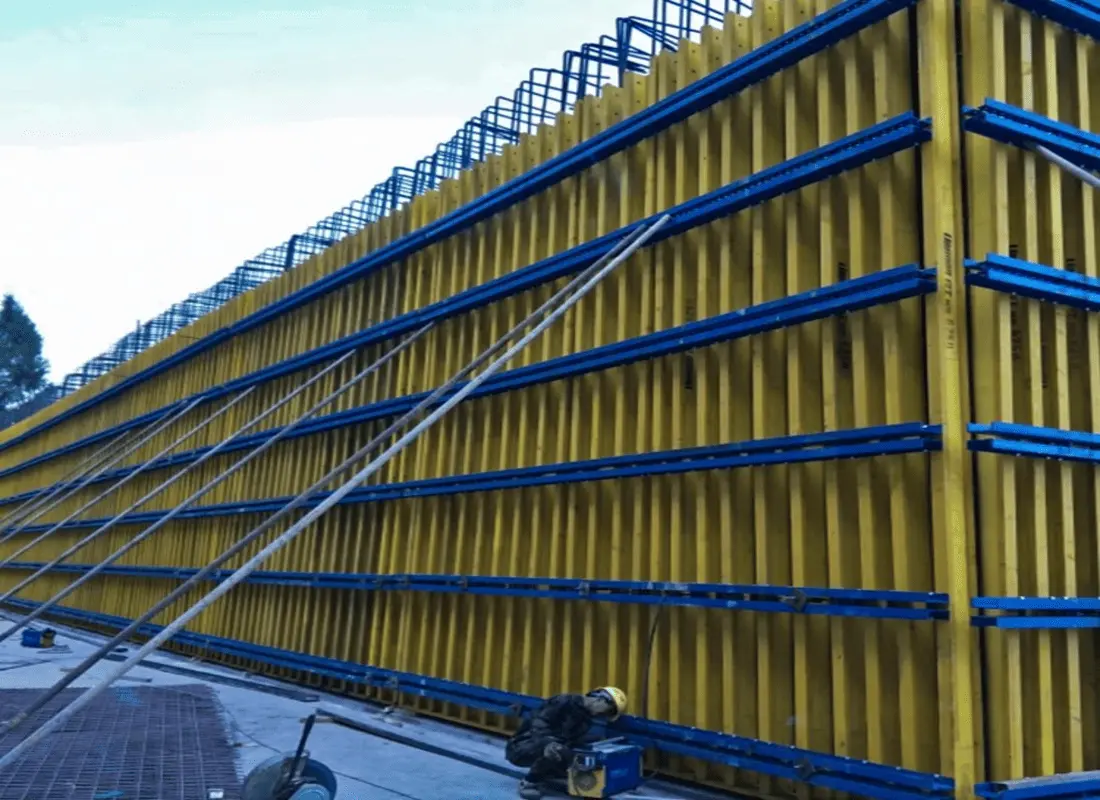
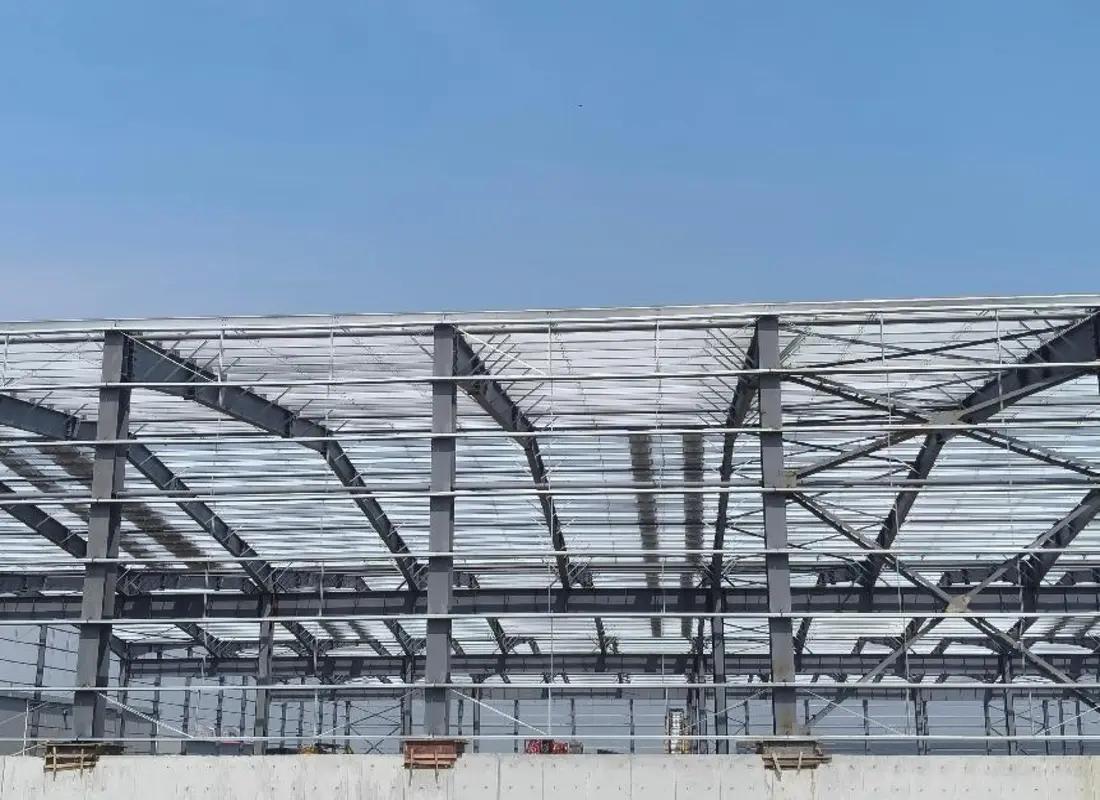
The construction sector is prioritizing low-carbon processes, reusable building elements, and digital modeling integration. Standard wood and timber scaffolding boards are progressively being phased out due to fire risks, mechanical degradation, and sustainability concerns. Modern contractors favor lightweight, recyclable steel planks and high-durability composite panel formworks.
Environmental policies in key markets (including the EU and North America) demand reductions in construction material waste. This shift increases the value of long-lifespan structural systems. Modern ringlock designs prioritize components that maintain structural integrity across hundreds of reuse cycles, significantly lowering the total cost of ownership (TCO) for leasing operations and project managers.
Additionally, building information modeling (BIM) software is changing temporary access planning. Projects require scaffold boards and framing components with precise dimensional tolerances (verified down to ±1mm). This precision ensures field assemblies match digital twin designs, preventing spacing issues and reinforcing site safety protocols.
To help engineering departments evaluate and verify scaffolding load configurations, the table below outlines structural specifications for steel grading standards:
Get expert insights on material specifications, safety standards, and global logistics options for temporary access systems.
Q355B steel features a minimum yield strength of 355 MPa, compared to 235 MPa for Q235 steel. This structural difference increases single vertical post load capacities up to 10 tons (approximately 1.5 times that of standard options), allowing design engineers to optimize and reduce raw component consumption by up to 50% for high-rise installations.
Hot-dip galvanizing produces a thick, metallurgically bonded zinc coating that protects against rust and weathering. For components exposed to marine or industrial environments, this process extends operational lifespans to 15-20 years. This delivers a significantly longer life cycle than basic painted or pre-galvanized alternatives.
Our scaffolding and modular support systems comply with European EN 12810/12811 standards for structural access systems, as well as ISO 9001 quality management requirements. We implement rigorous QA testing protocols throughout our production sequences to verify dimensional tolerances and structural performance.
Our facilities are situated near Jingtang Port, Tianjin Port, and Caofeidian Port. This close proximity to major shipping hubs simplifies container transportation, reduces domestic drayage costs, and offers flexible scheduling options for global deliveries.
Yes. Our engineering department (comprising 20+ design specialists) develops custom shop drawings and project designs based on concrete structures, load cases, and site conditions. We maintain manufacturing tolerances within ±1mm to ensure reliable assembly in the field.
Browse our range of specialized structural hardware, couplers, platforms, and lifting equipment.
 Zhuozhan