Premium structural components manufactured to rigid international standards including EN 12810, EN 12811, and OSHA regulations. Direct-from-factory global logistics support.
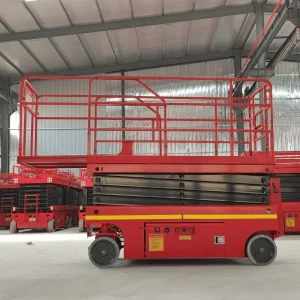
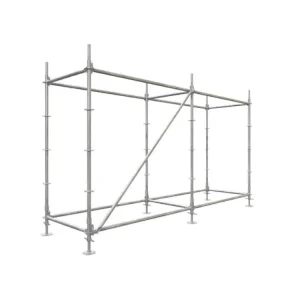
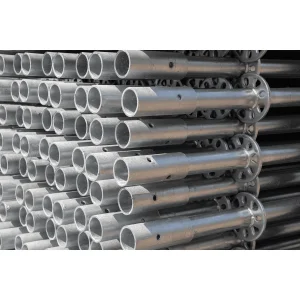
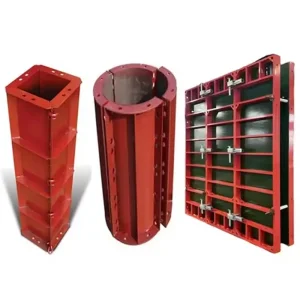
Technical insights into the transformation of structural support networks in modern global projects.
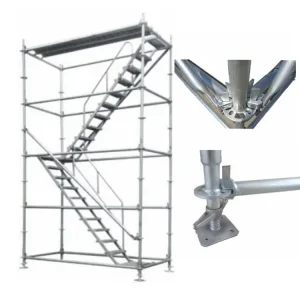
The global construction landscape is witnessing a structural shift from traditional, low-load tube-and-clamp setups toward modular systems, particularly hot-dip galvanized Ringlock scaffolding. Industrial developers demand materials capable of high load retention without compromising worker efficiency. By employing Q355B and Q345 steel alloys, contemporary manufacturers generate components with high tensile stability. Hot-Dip Galvanization (HDG) treatments provide a zinc diffusion barrier exceeding 60-80 microns in thickness, halting electrochemical corrosion in high-saline marine or industrial chemical zones.
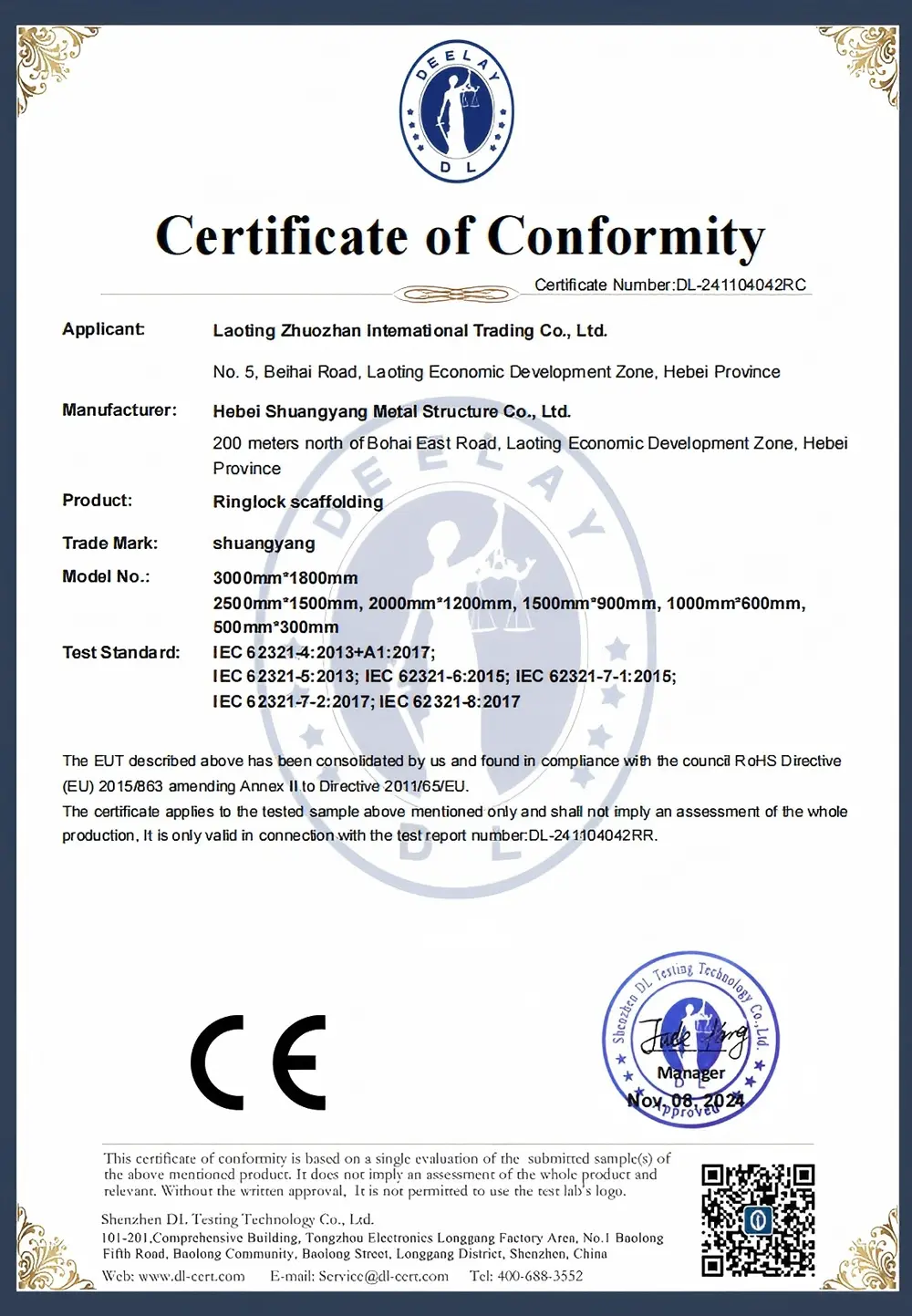
Safety regulations drive procurement mandates across Europe, North America, and the Middle East. Structural scaffolding must align with EN 12810/12811 (European standards defining structural design, performance requirements, and general layout assessment) and OSHA guidelines in the US. Modern infrastructure builders require verified structural reports specifying horizontal and vertical load-bearing limits. Our factory-tested scaffolding nodes deliver high rigidity, ensuring complete system stability under dynamic wind loads and asymmetric construction weights.
Chinese manufacturing centers utilize fully integrated supply chains, providing distinct cost and quality advantages. Direct access to primary metallurgical refining facilities ensures steady raw material costs, while robotic welding and computerized dimension milling limit deviations to ±1mm. Furthermore, geographical proximity to prime maritime gateways—specifically Jingtang Port, Tianjin Port, and Caofeidian Port—minimizes transfer times and shipping fees, enabling prompt delivery to global infrastructure projects.
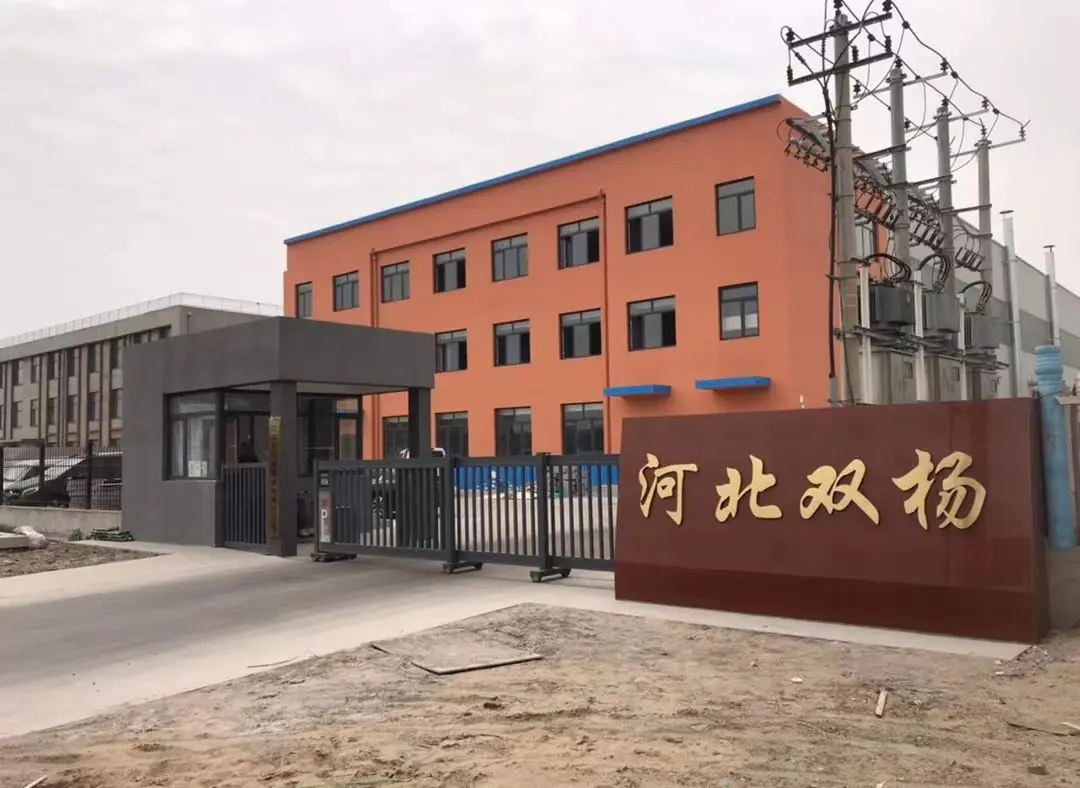
A premier manufacturing conglomerate driving excellence in structural metals, formwork, and modular scaffold design since 2014.
Hebei Shuangyang Metal Structure operates over 150 advanced machinery units to manage high production runs:
| Product Category | Annual Production Capacity |
|---|---|
| High-Strength Steel Pipes | 300,000 Tons |
| Modular Scaffolding Systems | 1,000,000 Tons |
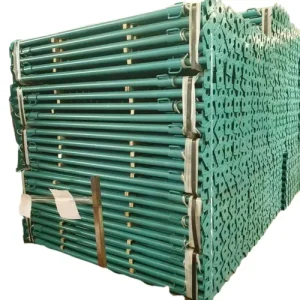
| Adjustable Heavy-Duty Steel Supports | 400,000 Tons |
Detailing the step-by-step processing lines for vertical and horizontal scaffolding members, highlighting quality assurance and environmental oversight.
Raw steel tubes are cut to precise operational lengths.
Hydraulic presses punch standard attachment points.
Welding machines fuse structural steel rosettes to standards.
Steel parts are sent out for hot-dip zinc plating.
Finished parts undergo final inspection and packing.
Steel tubes are cut to specific horizontal spans.
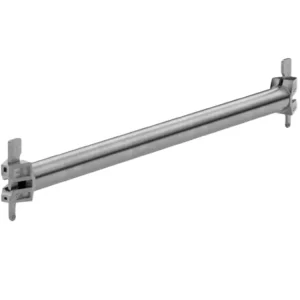
Tube ends are modified to align with casting accessories.
Ends are welded to casting components.
Components are galvanized to prevent corrosion.
Cast ends are pinned to complete the self-locking assembly.
Our structural support systems are deployed on infrastructure projects worldwide, demonstrating high load capacity and weather resistance.
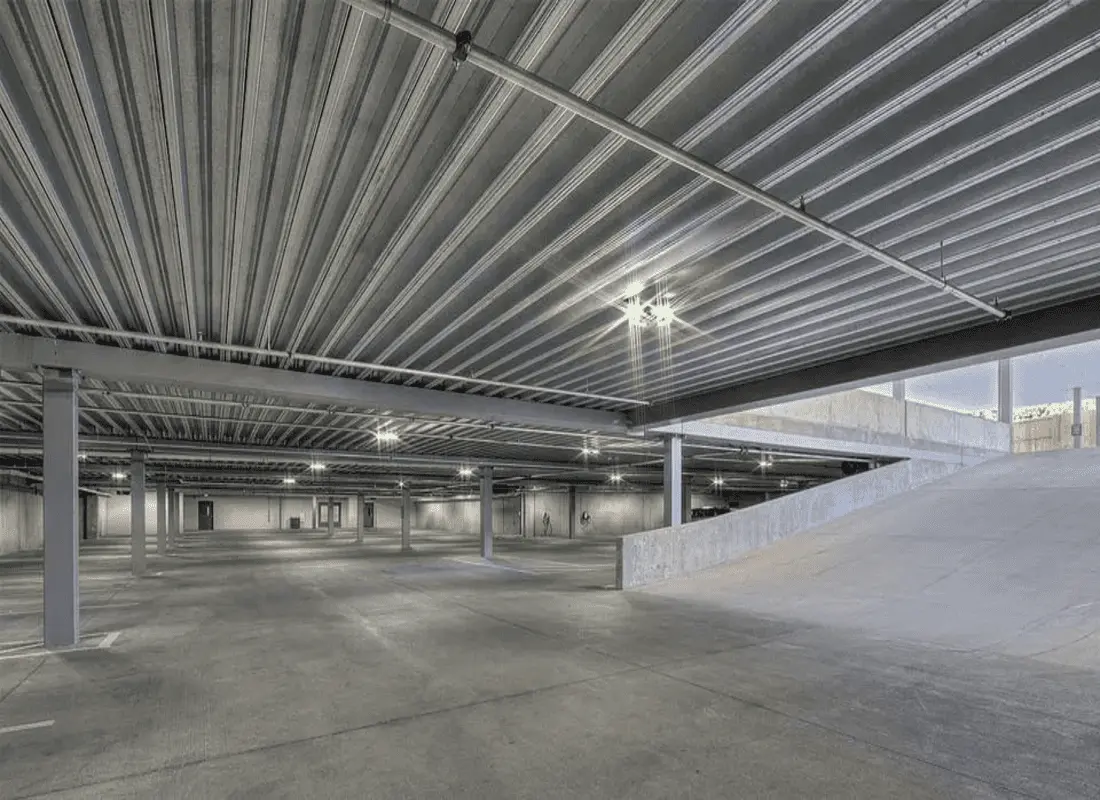
Adjustable heavy-duty shoring props supporting massive concrete pours during transport hub expansion.
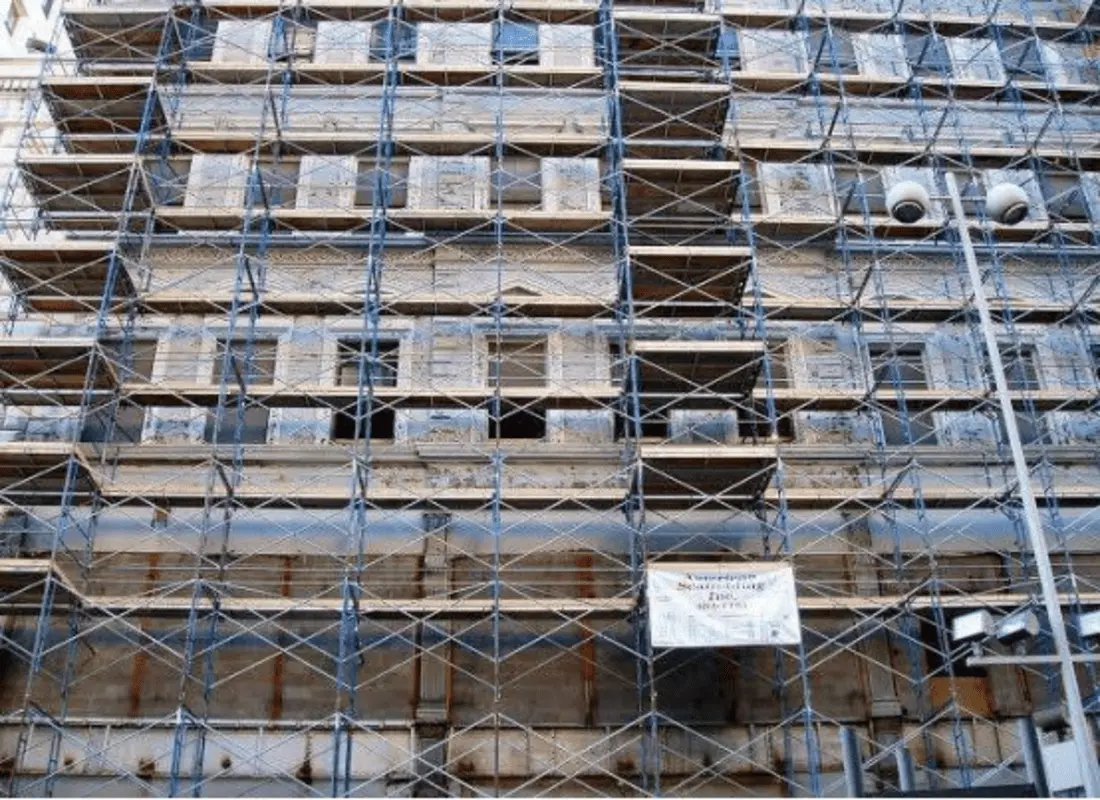
CE-certified scaffolding layout for historical facade renovation work.
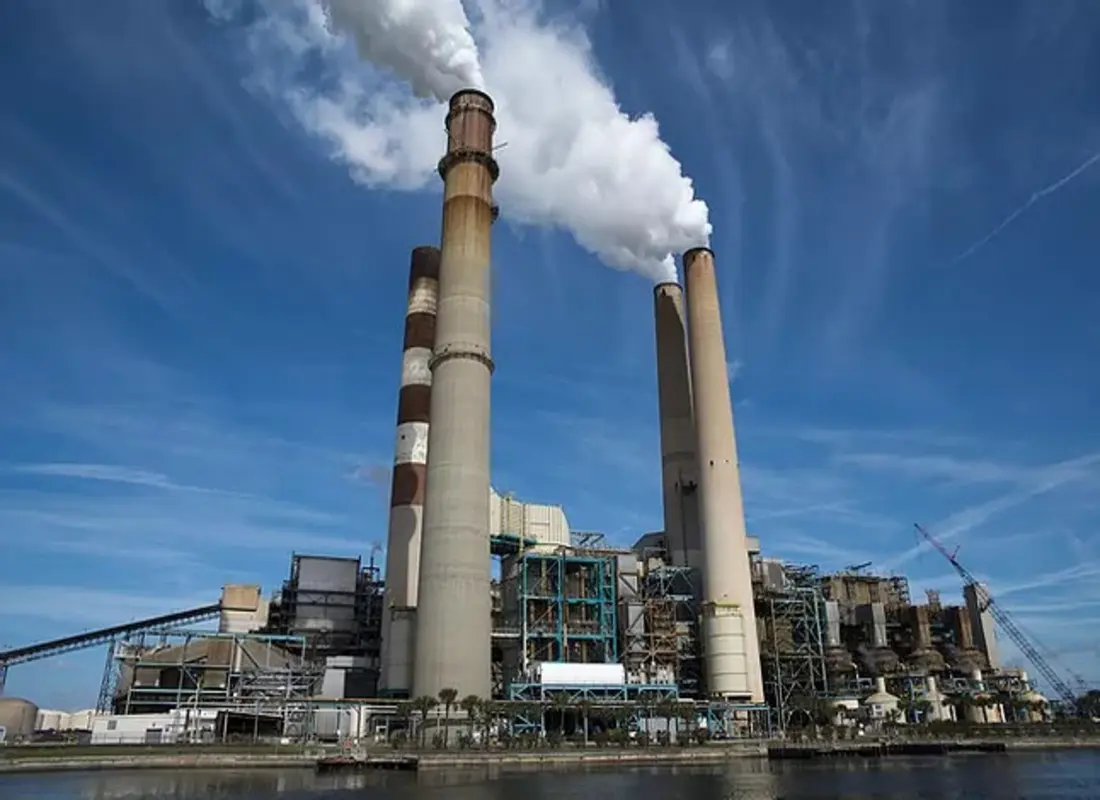
High-strength boiler access towers built using hot-dip galvanized standards.
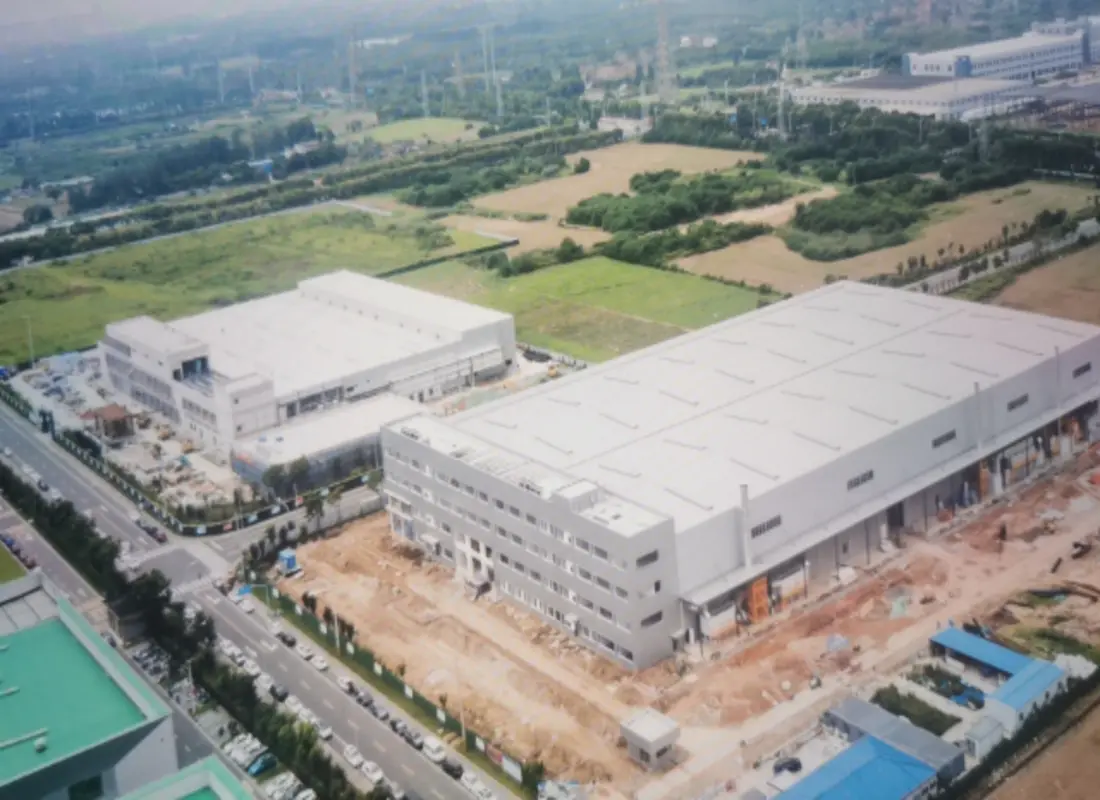
Industrial platforms for structural machinery integration and high-level installation work.
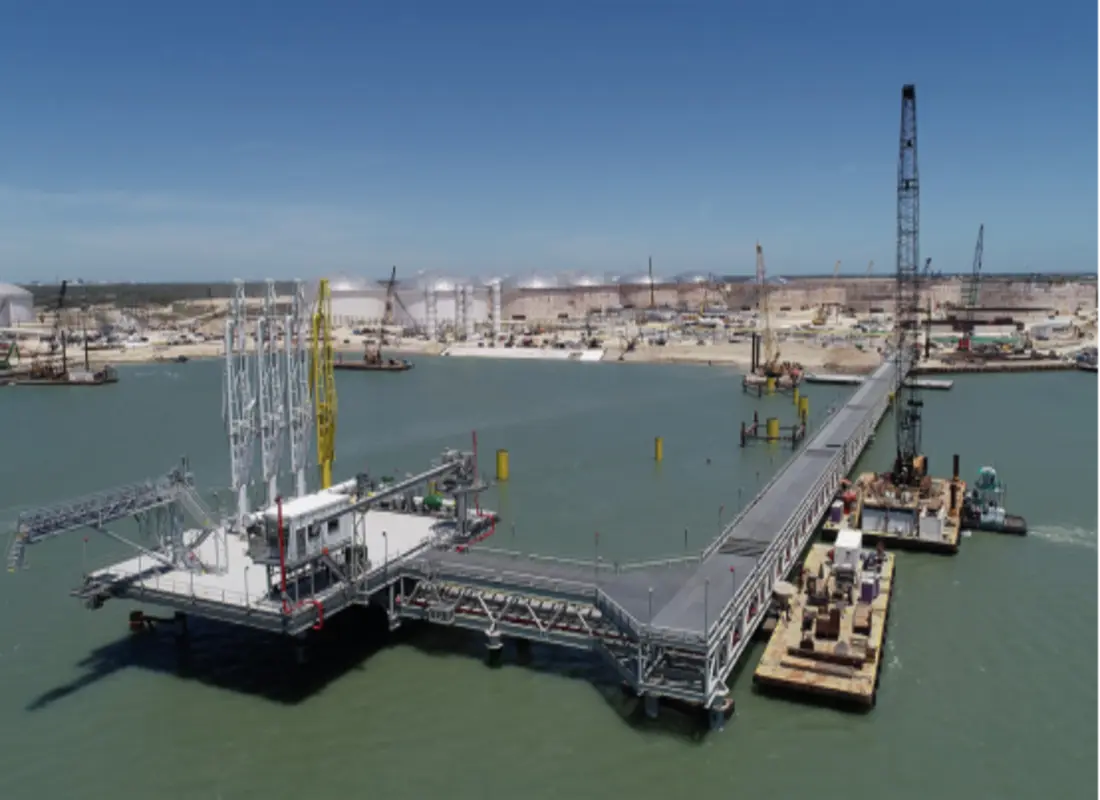
Suspended access decks over port infrastructure designed to resist marine air corrosion.
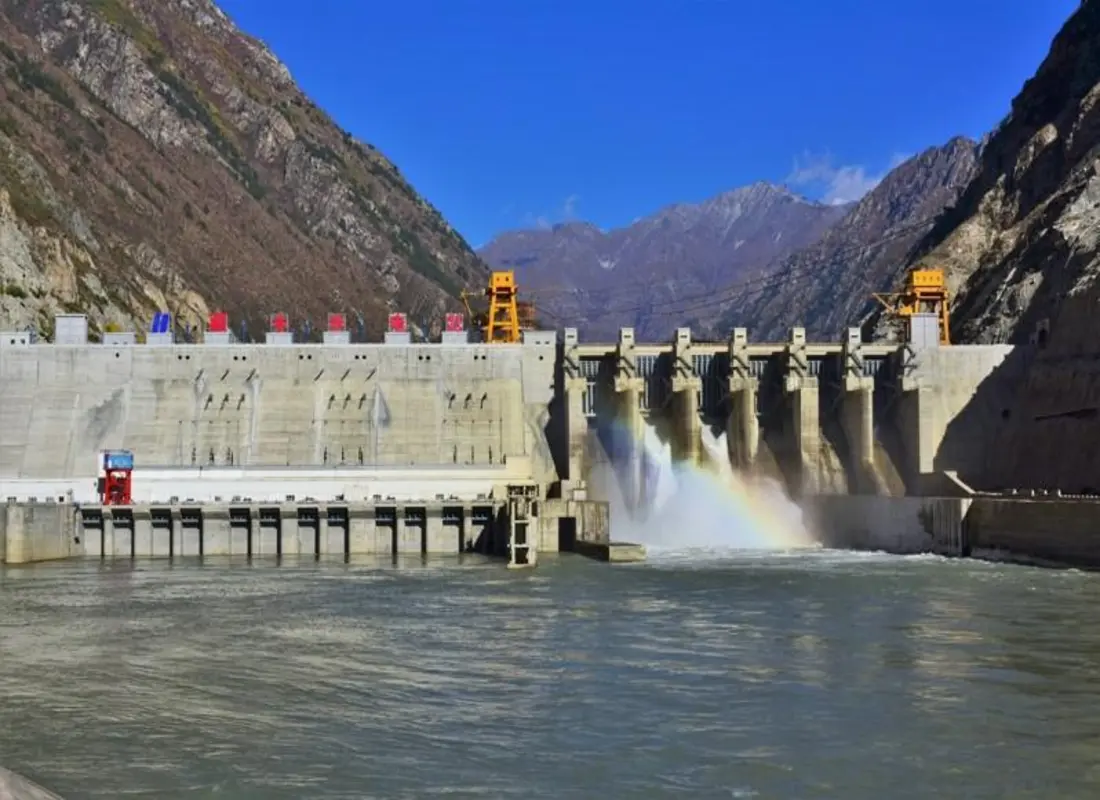
Shoring grids designed to bear high load capacities during massive spillway upgrades.
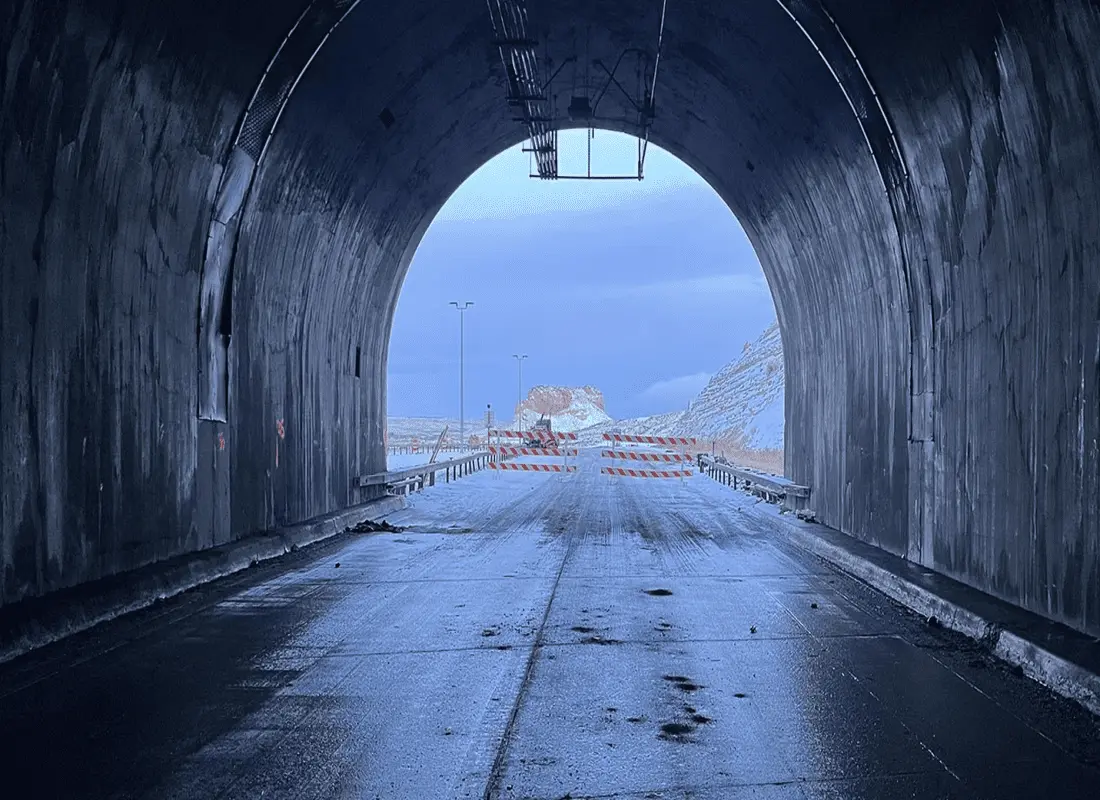
Heavy-duty modular frameworks supporting pre-cast concrete structures.
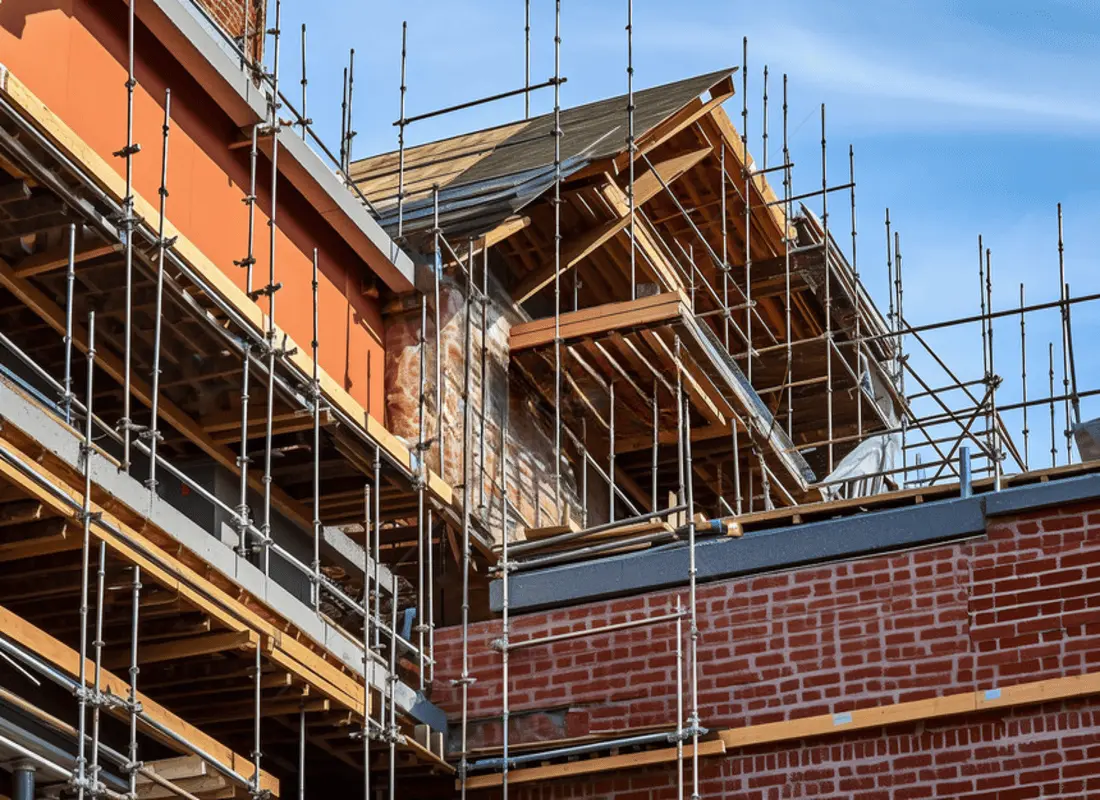
Industrial staging frameworks facilitating exterior cladding installation.

Suspended cantilever platforms designed to keep water traffic lanes open below.
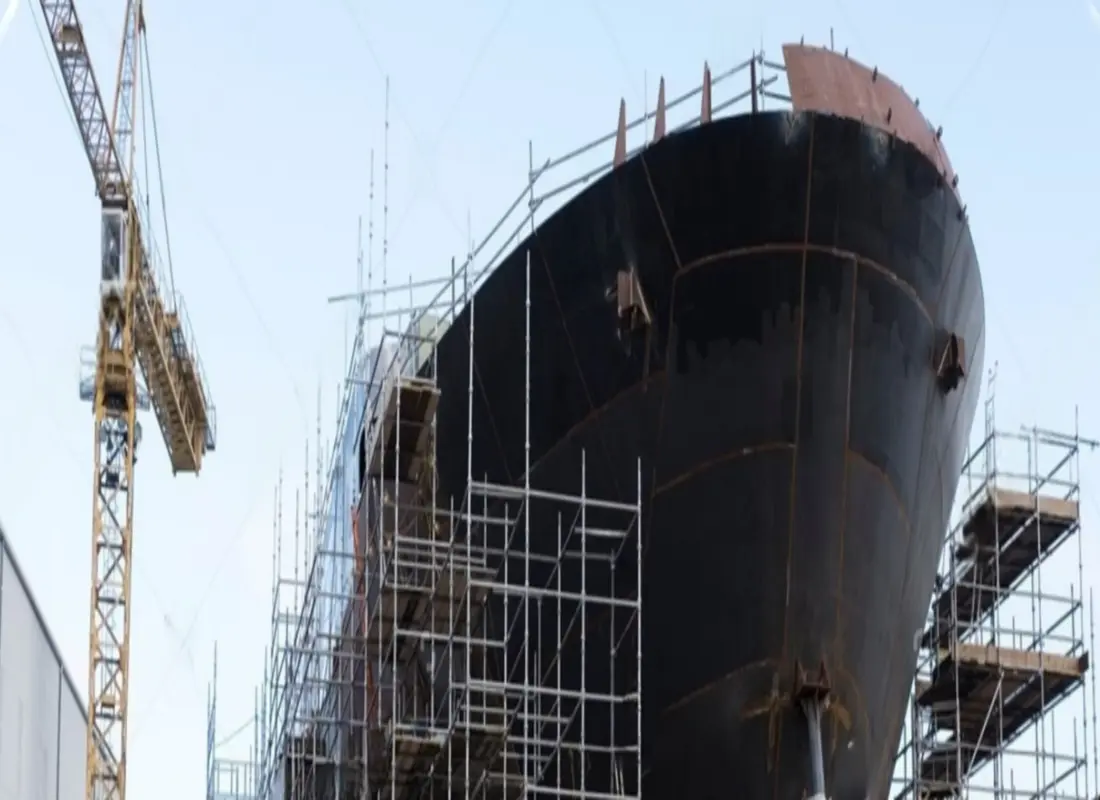
Corrosion-resistant staging panels designed for deep-dock shipyard operations.
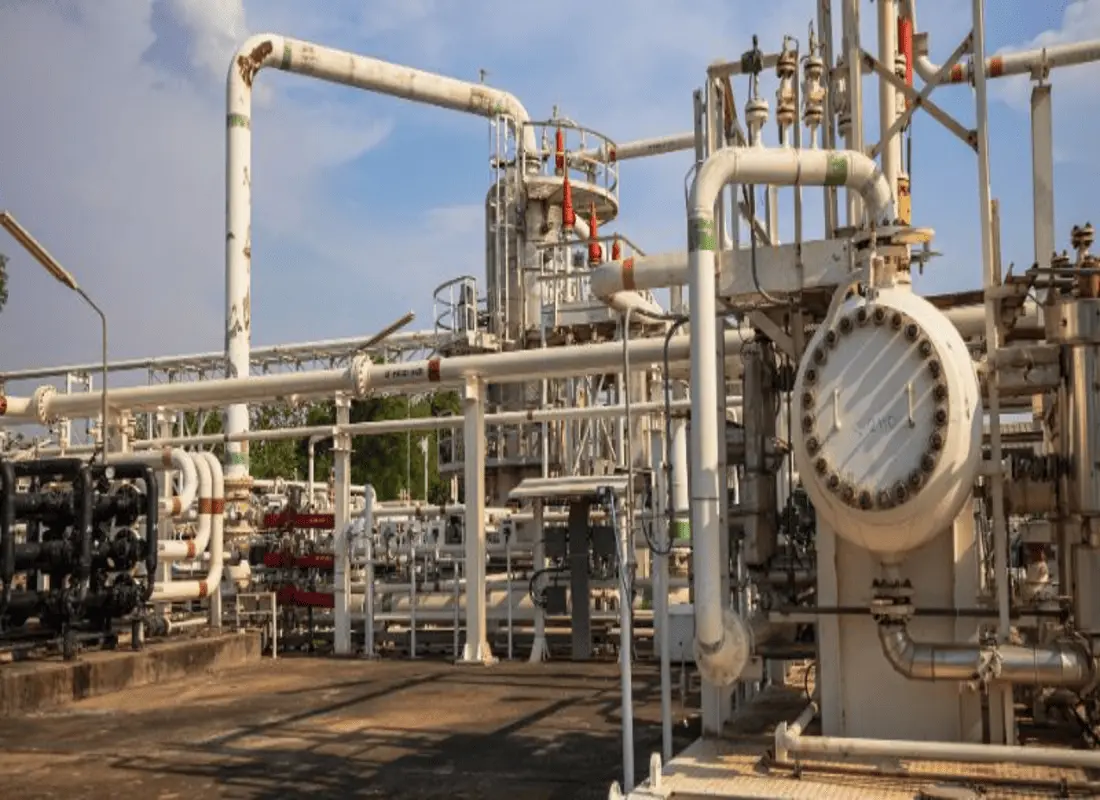
Heat-resistant scaffolding structures built for high-temperature maintenance environments.
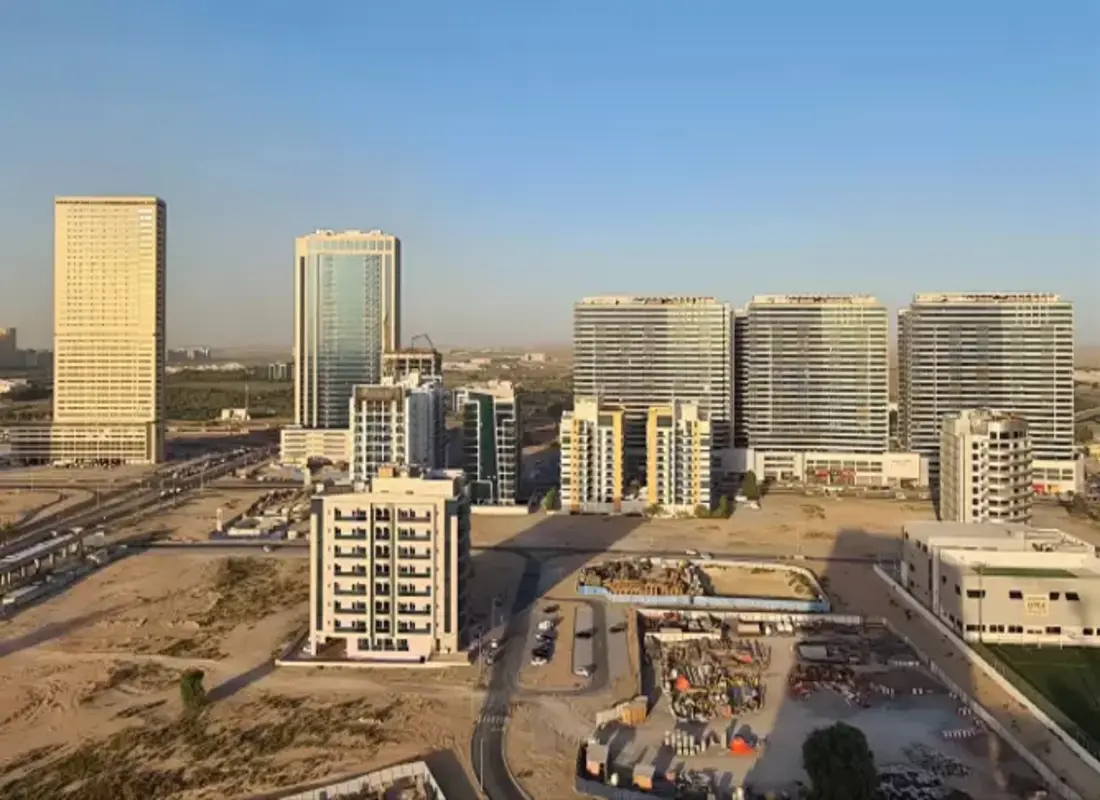
Engineered high-altitude staging systems built to withstand desert winds.
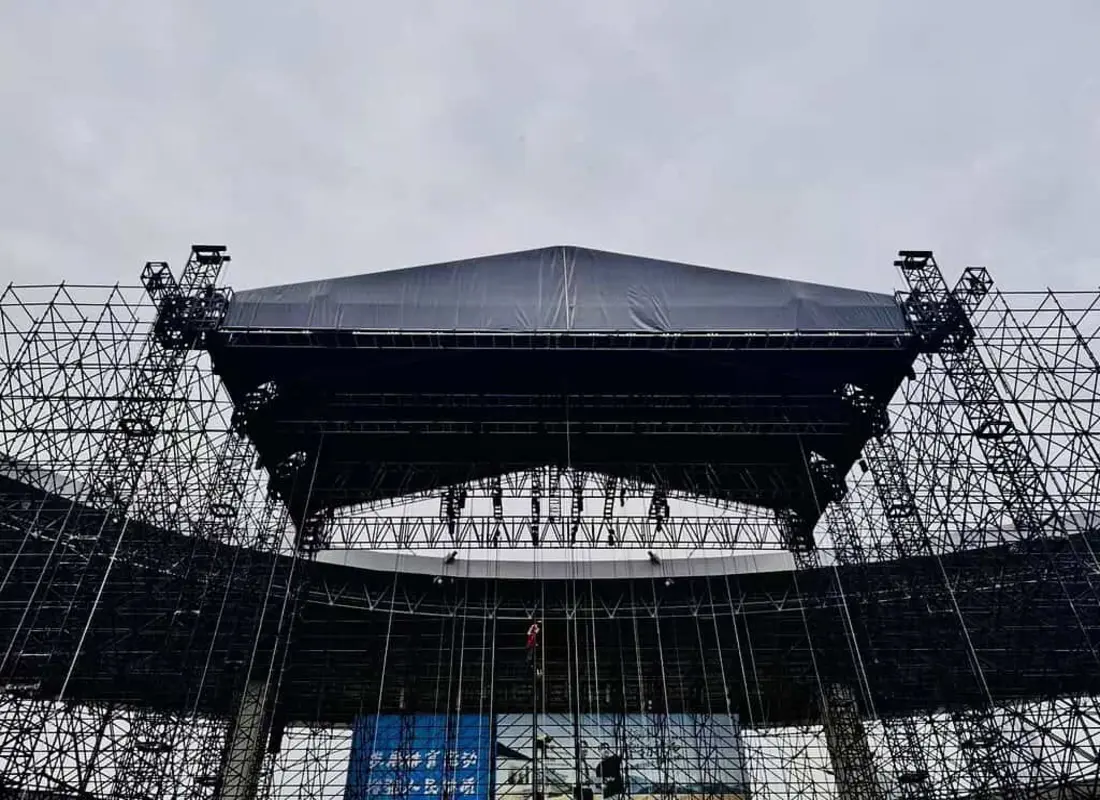
Quick-assembly modular towers configured for sound and lighting arrays.
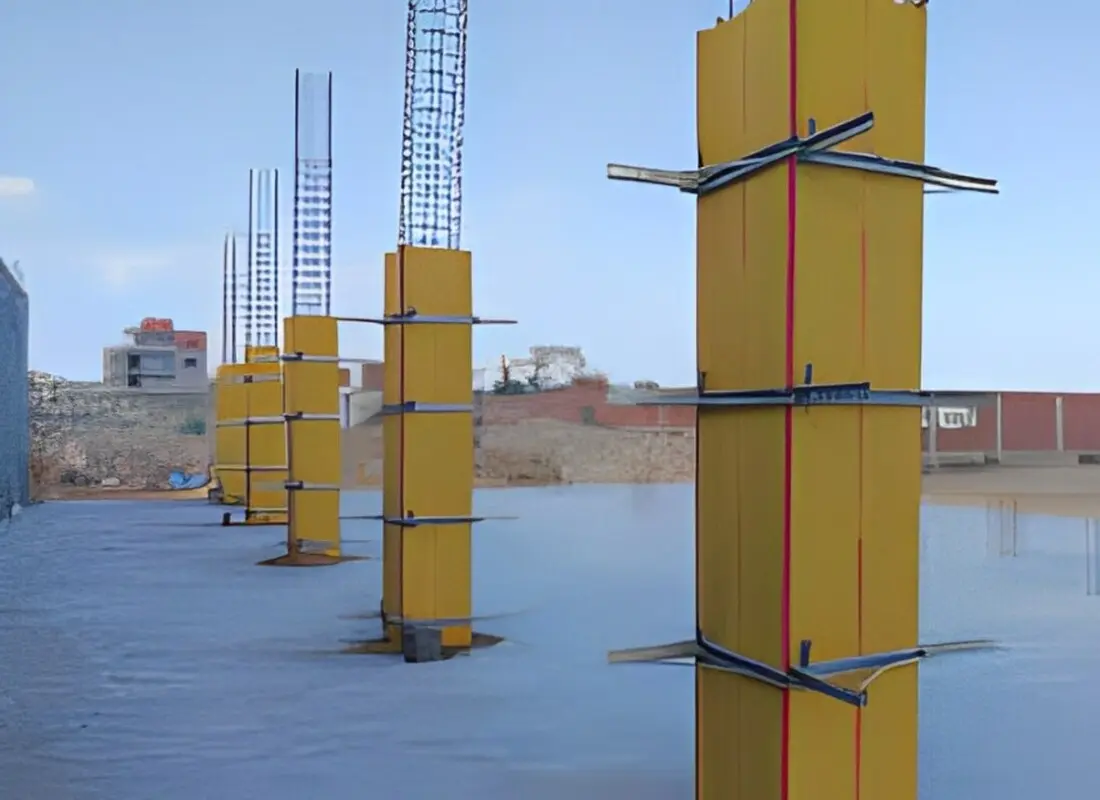
Slab formwork designs facilitating rapid floor-to-floor cycle times.
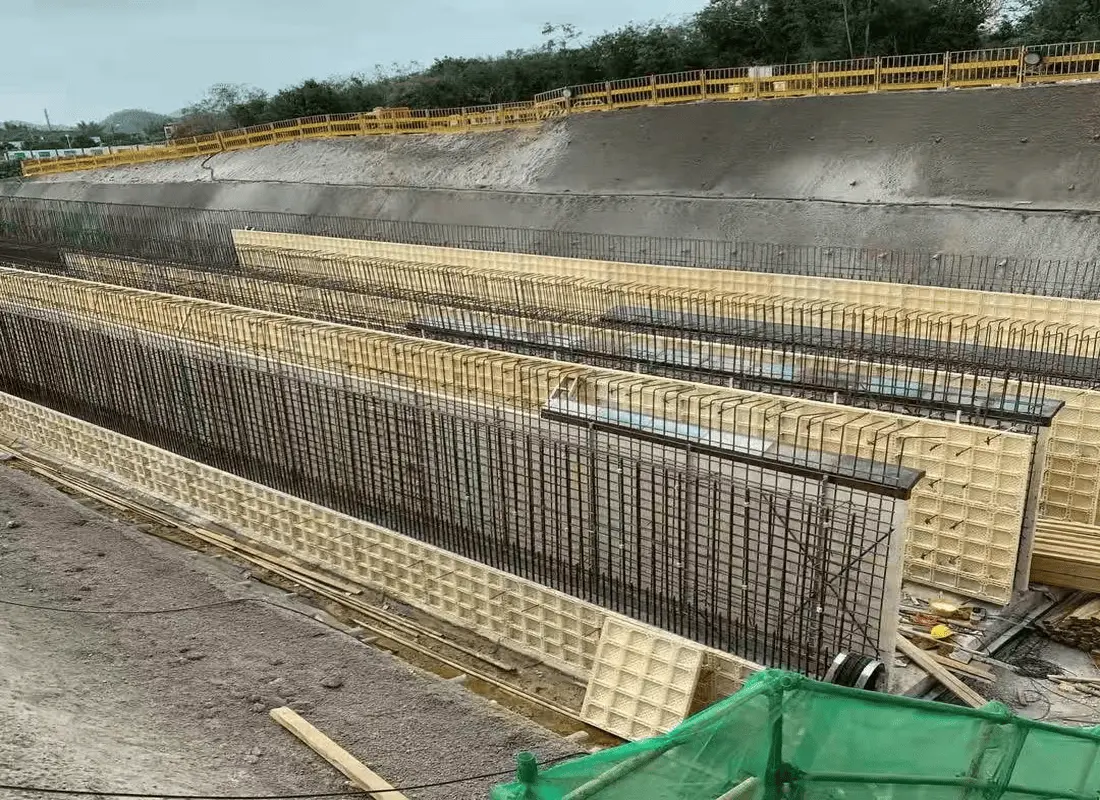
Watertight plastic formwork sheets used in concrete reinforcing walls.
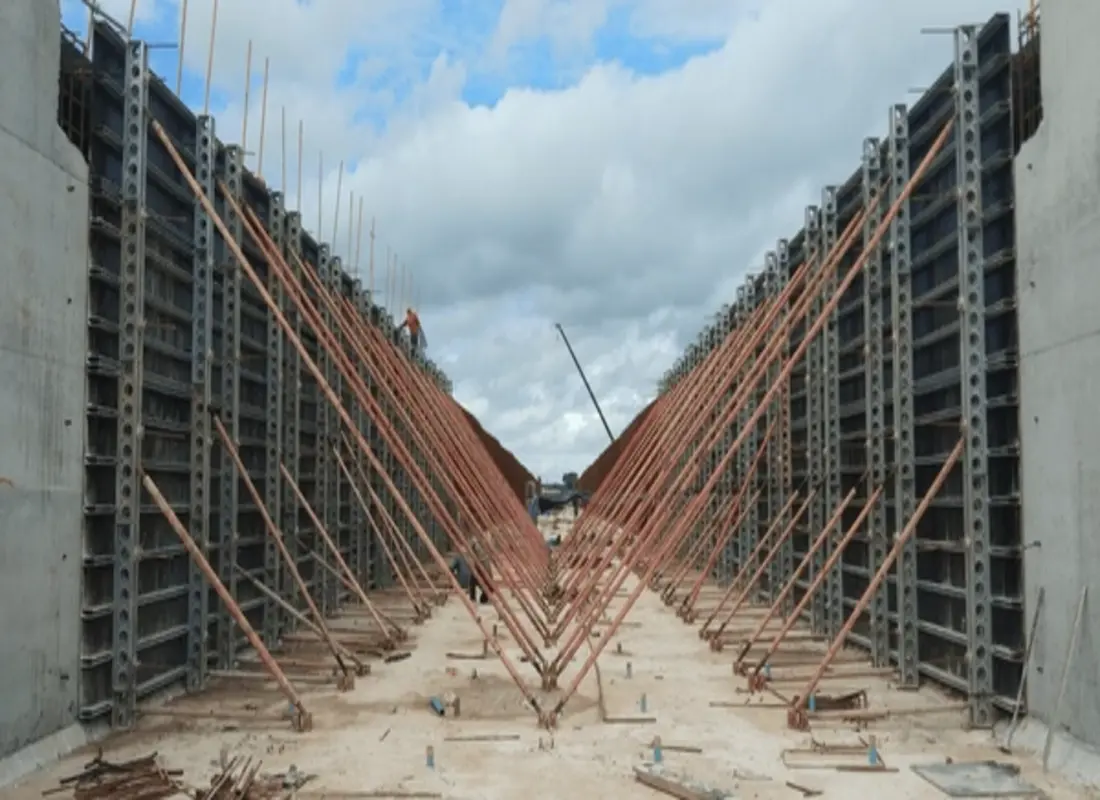
Heavy-duty structural steel casings shaping load-bearing pylons.
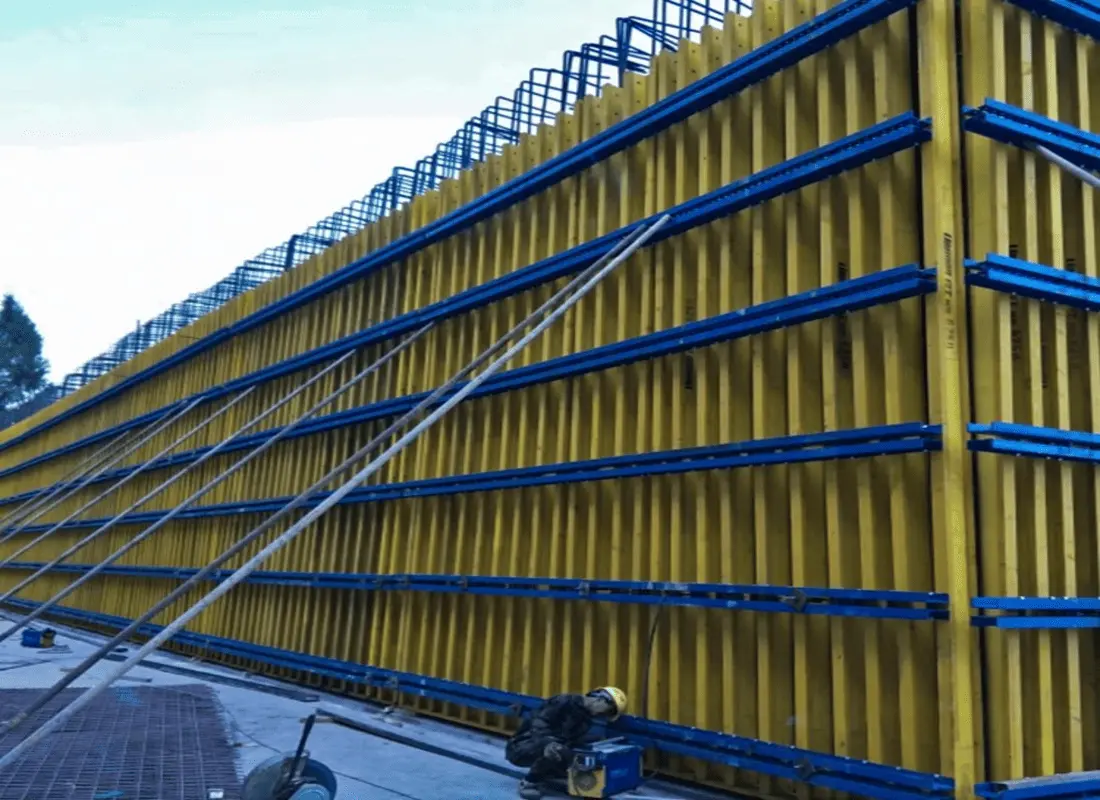
Rigid metal forms ensuring clean alignment on highway projects.
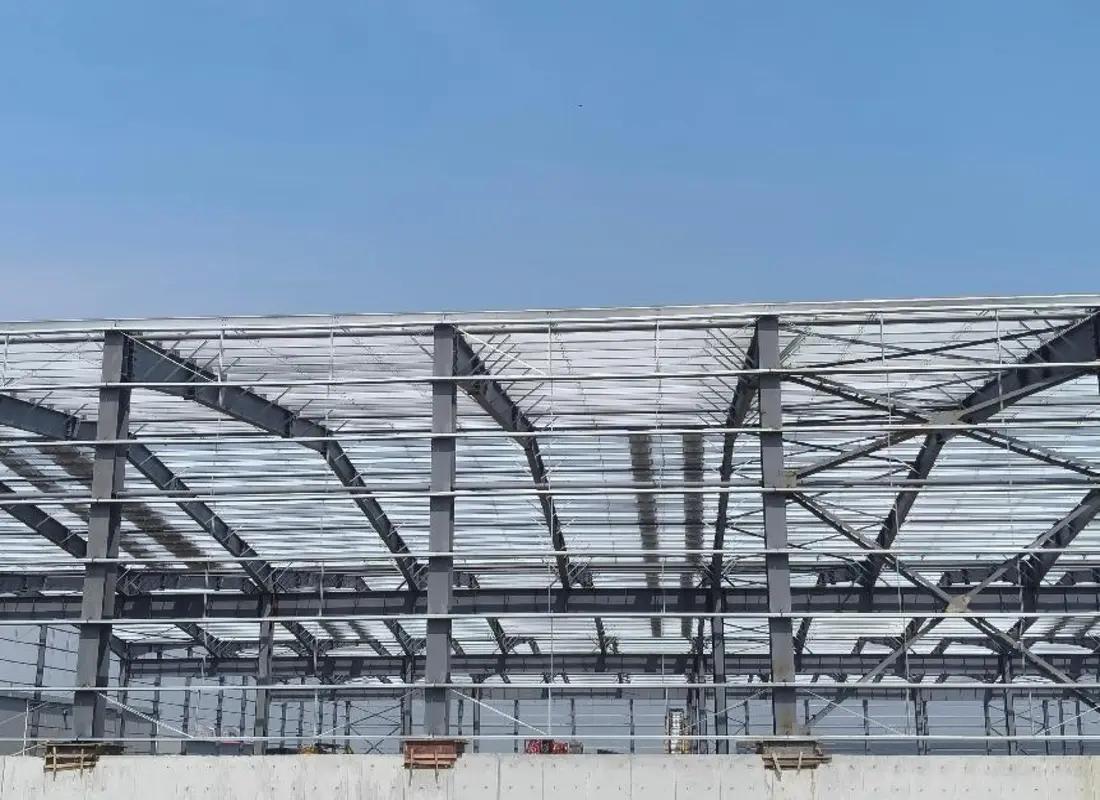
Advanced load-bearing steel scaffolding structures built to clean-room specifications.
Watch our computerized fabrication processes, automated welding lines, and structural testing procedures.
Production Speed & Line Capacity
Inventory Capacity & Custom Parts
Ringlock Structural Self-Locking Design
50,000㎡ Self-Owned Warehouse Facility
Factory Operations & Production Overview
Ringlock Production Process Demo
We support international logistics through distribution hubs in the United States, Canada, China, Hong Kong-CN, Malaysia, Thailand, and Indonesia.
Find expert answers to common questions about scaffolding compliance, materials, and ordering procedures.
These designations refer to the yield strength of the steel in Megapascals (MPa). Q235 steel has a yield strength of 235 MPa and is typically used in light-duty frame systems or simple masonry platforms. Q345 and Q355B steel have yield strengths of 345 MPa and 355 MPa, respectively. Using Q355B steel increases structural load capacity up to 1.5 times compared to Q235, making it the preferred choice for heavy-duty shoring, infrastructure projects, and high-rise facades.
Hot-dip galvanization (HDG) involves dipping steel components into molten zinc at around 450°C, creating a thick, alloyed zinc layer (typically 60–80 microns). This layer protects against corrosion in harsh outdoor environments, providing a service life of 15 to 20 years. Electro-galvanization applies a thin zinc layer (usually less than 15 microns) via electroplating, which is suitable only for dry indoor use and corrodes quickly when exposed to outdoor moisture.
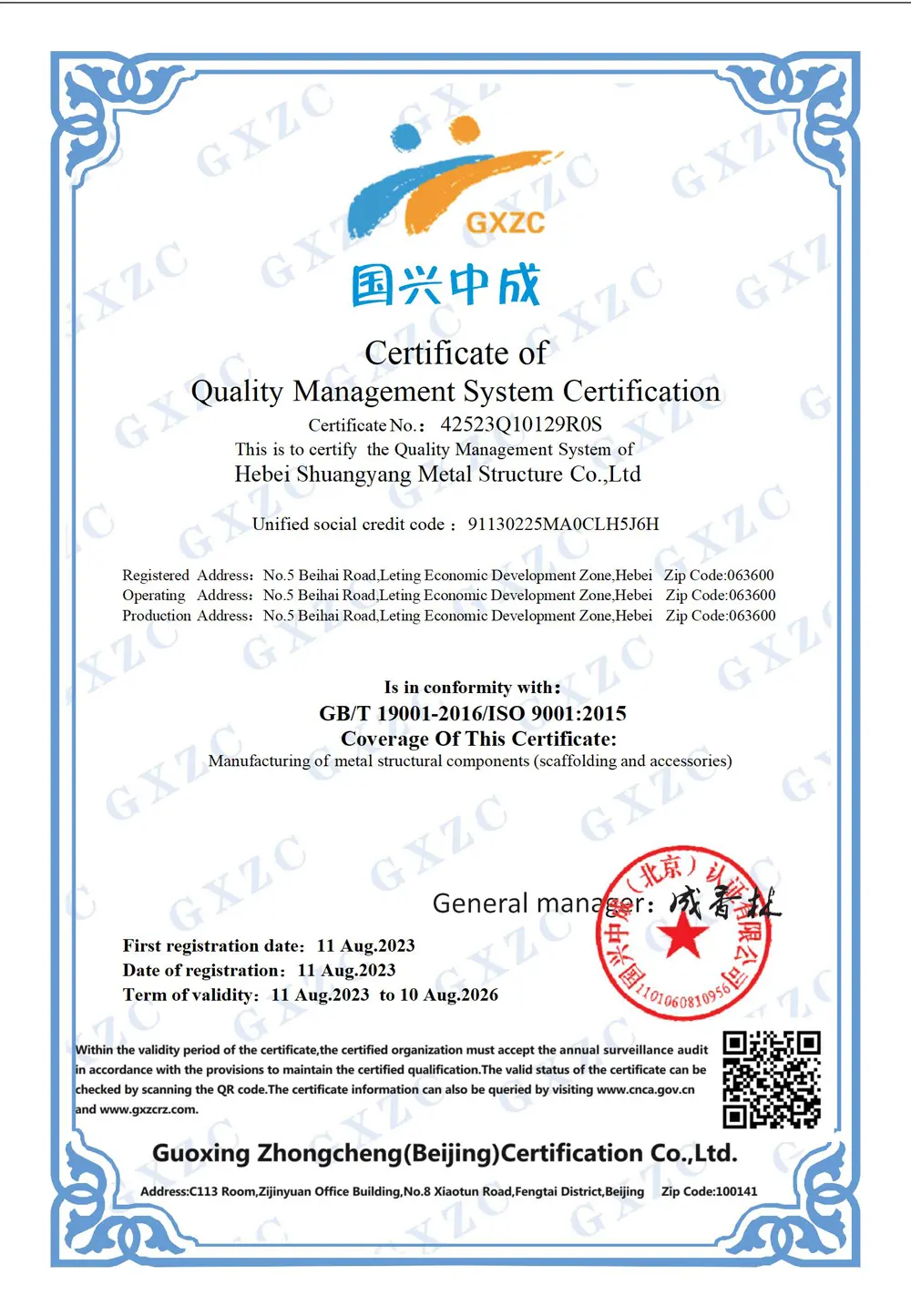
Engineers should verify compliance with EN 12810-1 (facade scaffolding requirements) and EN 12811-1 (performance specifications). These certifications ensure the scaffolding system has undergone structural analysis, load testing on ledger-to-rosette nodes, and vibration testing. Ensure the factory operates under ISO 9001:2015 quality management systems to guarantee consistent material standards across production runs.
The Ringlock rosette design features eight connection points that lock ledger ends in place with a hammer-driven wedge pin, establishing a rigid connection without loose fittings. This design prevents components from slipping, ensures automatic alignment at 90-degree angles, and speeds up erection rates to 150-300 square meters per worker daily—3 to 5 times faster than standard tube-and-clamp systems.
Scaffolding wind stability depends on building height, enclosure type (open vs. netted), tie spacing, and local wind velocity. Standard designs require anchoring ties every 4 meters vertically and utilizing dynamic diagonal bracing to transfer lateral forces to the ground. Our team of 20+ design engineers provides custom layout schematics to ensure compliance with local wind codes.
Complete your construction setups with OEM/ODM certified wedge locks, heavy-duty sleeves, reusable concrete formwork panels, and adjustable props.
 Zhuozhan