Engineered for extreme loading capacities, safety-tested compliance, and accelerated on-site structural assembly workflows.
In high-rise construction, structural refurbishment, and complex commercial indoor maintenance, traditional scaffolding stands as one of the single largest contributors to labor inefficiency and site accidents.
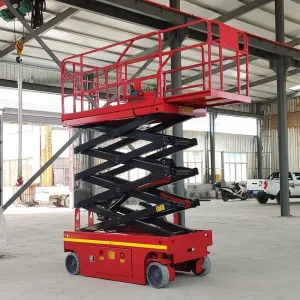
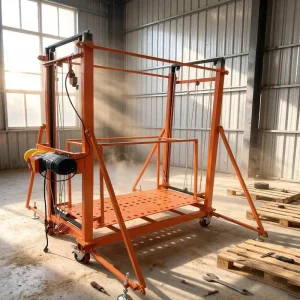
Modern engineering relies heavily on minimizing total cost of ownership (TCO) and maximizing safety compliance (e.g., OSHA, EN 12810/12811, and CE regulations). This has propelled the market demand for Electric Compact Folding Scaffolding. Built upon high-tensile structural steel profiles or lightweight structural aluminum alloys, these mechanized scaffolds feature integrated electric hoist motors, robust scissor-lifting geometries, and modular spatial designs. Key technological advantages accelerating their global adoption include:
Dual-motor drive setups reduce platform deployment times by up to 80%. What once required hours of manual modular scaffolding assembly is now achieved in minutes with simple electrical switch gear control.
Integrated electromagnetic dynamic braking and primary mechanical fall-arrest locks prevent catastrophic structural failure, guaranteeing operator safety during operations up to 10 meters and beyond.
Designed specifically to pass through standard commercial door frames and fit into standard logistics freight elevators, these units fold to a minimal footprint for efficient warehouse storage.
Procurement executives at tier-1 contracting companies must focus on structural durability, chemical safety, and international conformity when sourcing logistics, scaffolding, and formwork assets.
Whether managing high-rise curtain wall installations in Europe or residential masonry structures across metropolitan centers, international projects require heavy-duty performance characteristics. Selecting the right supplier goes beyond unit pricing—it requires analyzing metallurgical engineering, automated fabrication tolerances, and dynamic logistics coordination.
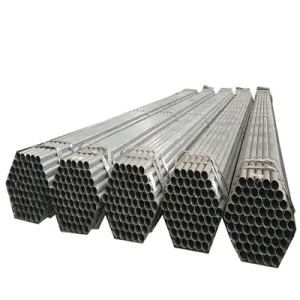
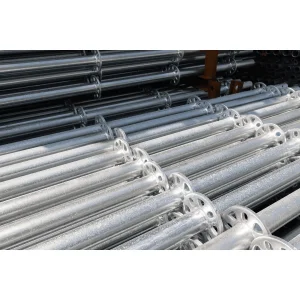
A primary factor in scaffolding TCO is rust prevention and structural longevity. High-quality scaffolding structures, such as those manufactured by Zhuozhan Group, utilize hot-dip galvanization conforming to EN ISO 1461. This yields a zinc layer thickness of over 80 microns, extending the service life to 15-20 years under normal environmental conditions, compared to only 2-3 years for cold-painted or electro-galvanized alternatives.
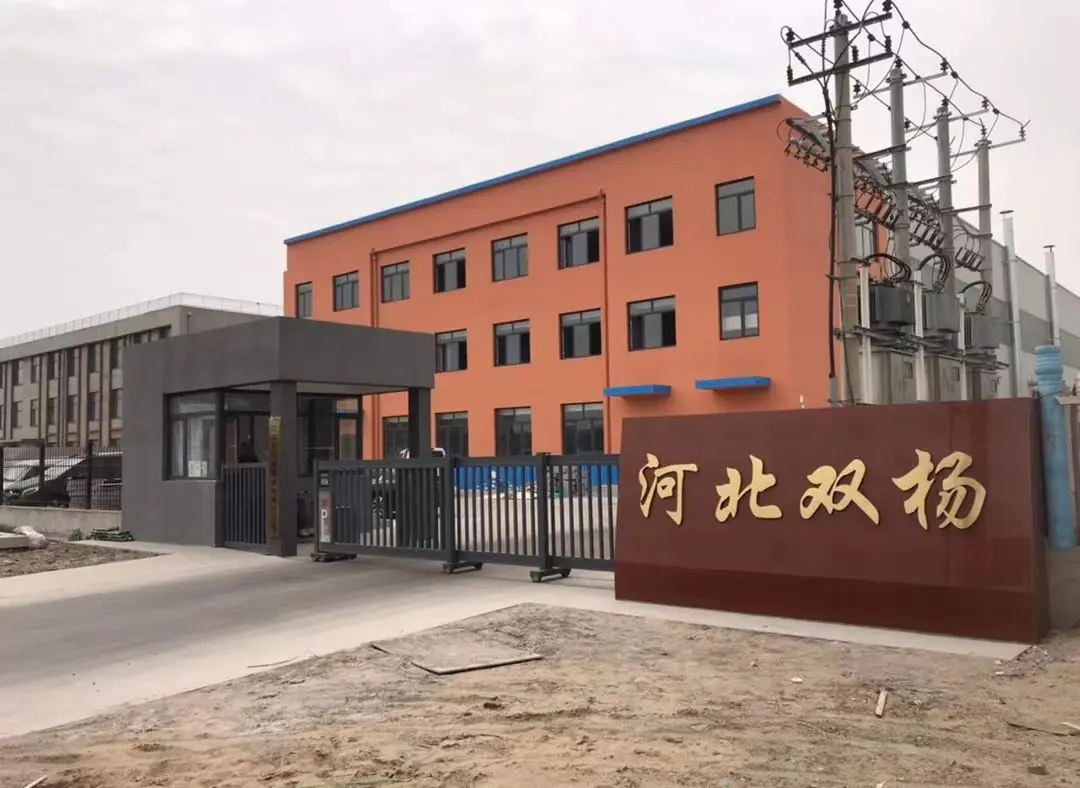
Zhuozhan Group stands as a leading manufacturer integrating R&D, manufacturing, and global logistics. Through its core subsidiaries—Laoting Zhuozhan International Trade Co., Ltd. and Hebei Shuangyang Metal Structure Co., Ltd.—the group provides extensive supply chain capabilities to global contracting partners.
Our manufacturing and logistical advantages include:
High-quality steel and scaffolding systems depend on automated manufacturing procedures and strict quality control nodes during fabrication.
Under the Hebei Shuangyang Metal Structure division (operating in a 13,132.68 square meter facility with over 500 workers and 150+ advanced machinery sets), production quality is verified at every stage. We hold 15 utility and structural patents, reflecting our commitment to advanced manufacturing techniques.
Vertical structural members bear the primary compressive loads. We manufacture these components using an automated, high-precision sequence:
Incoming raw steel pipes are sliced to precise design lengths, maintaining dimension tolerances within ±1mm.
Hydraulic punching machines create structural alignment locking points on the steel tubes.
The structural disc components are welded to the tube body via automated robotic arms, ensuring deep weld penetration.
Scaffold parts undergo standard hot-dip galvanization to form a durable, anti-corrosive metallurgical layer.
The parts undergo final QA check procedures, packaging, and sorting inside the 50,000㎡ storage warehouse.
Horizontal ledgers distribute tensile stresses and maintain vertical alignment. Their manufacturing includes a specialized riveting step:
Horizontal tubes are cut to specified grid spans, keeping dimensional deviation below 1mm.
Punches prepare ledger tube ends for connection to casting wedge joints.
Robotic welding secures high-strength casting connector heads onto the horizontal steel tubes.
Components receive standard zinc bath galvanization to protect the tubes from aggressive weather elements.
Heavy-duty pins are riveted into the casting connector heads, ensuring stable locking mechanisms.
Parts are logged into the ERP tracking system and prepared for immediate port loading.
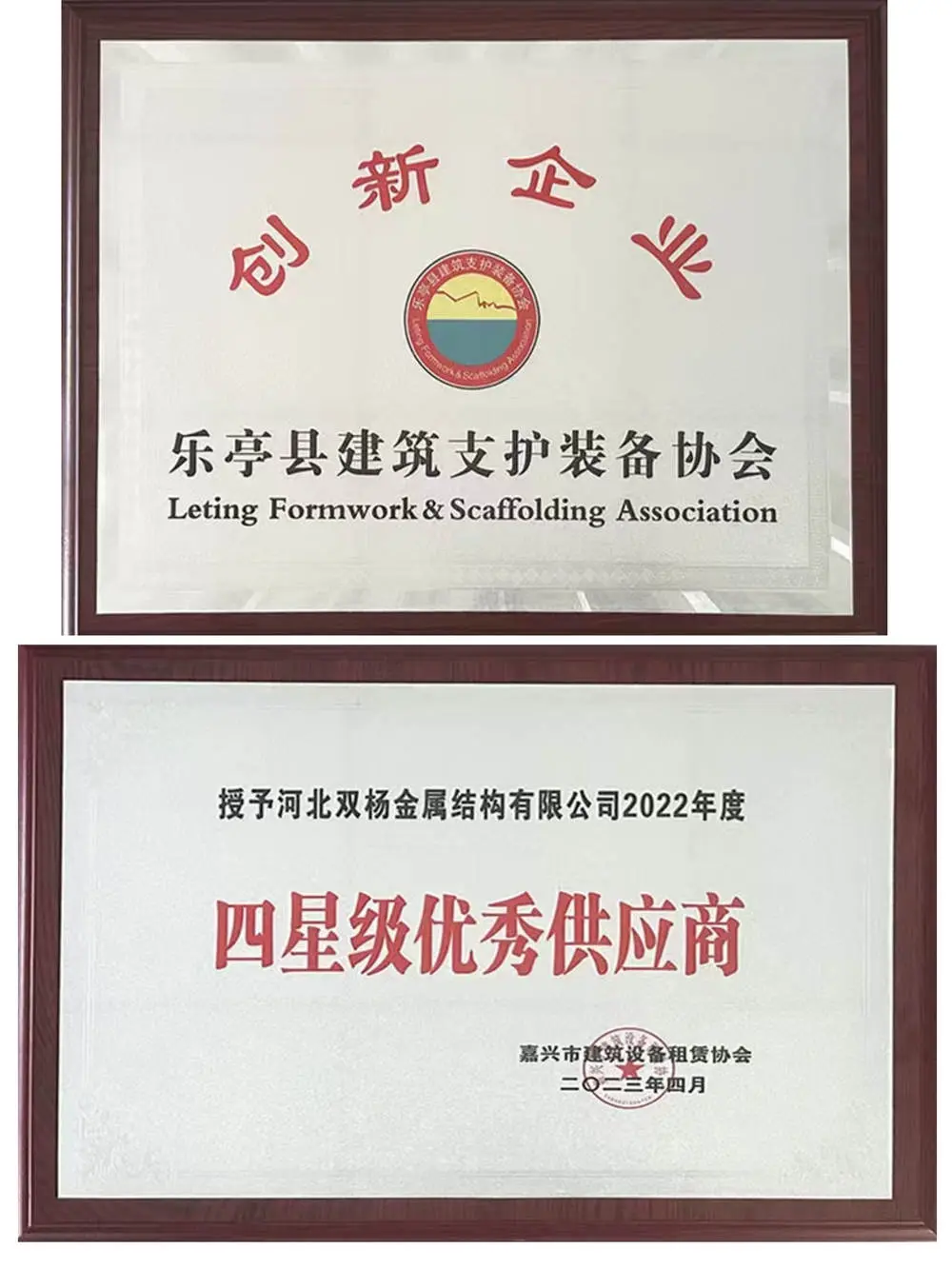
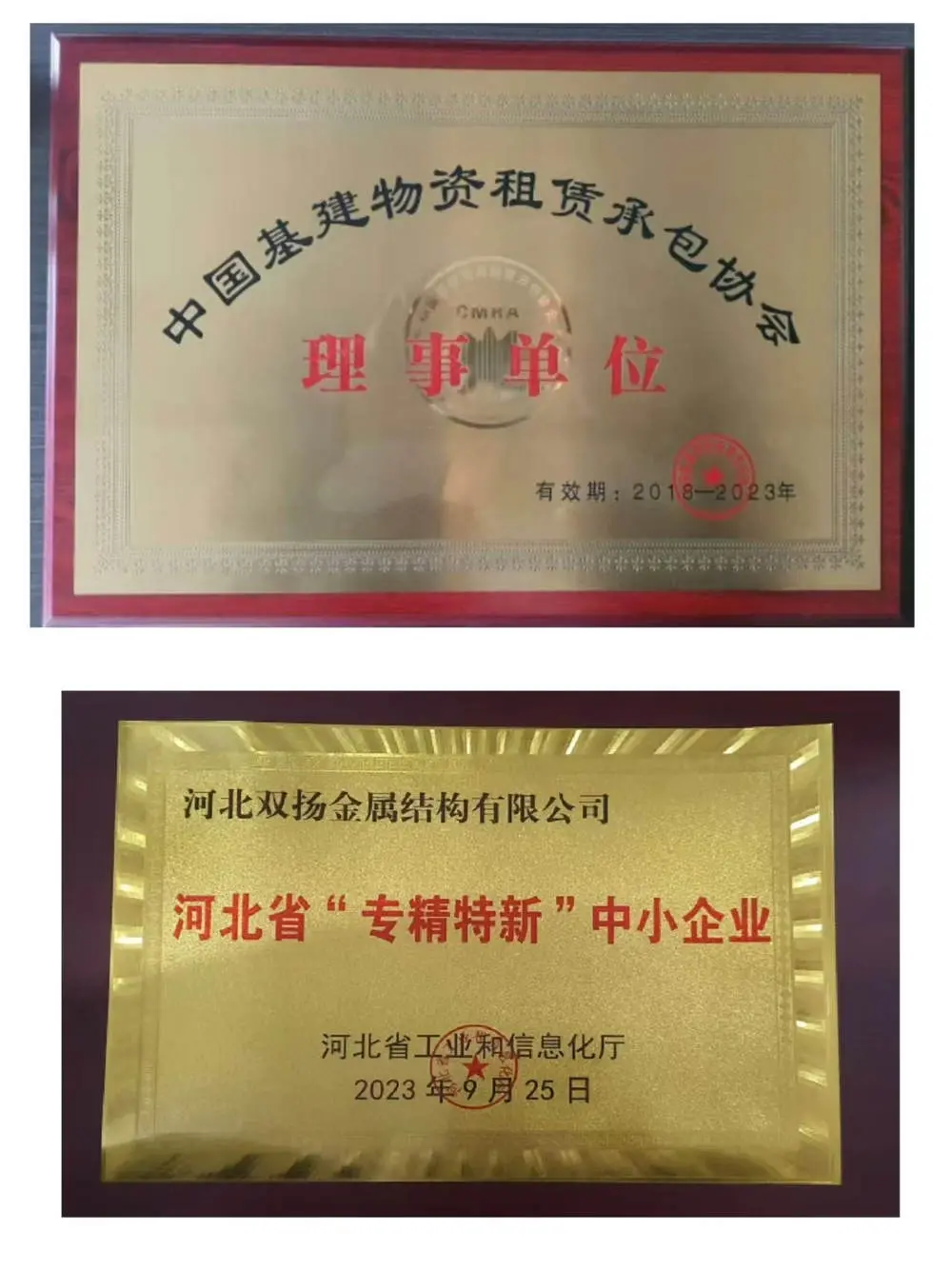
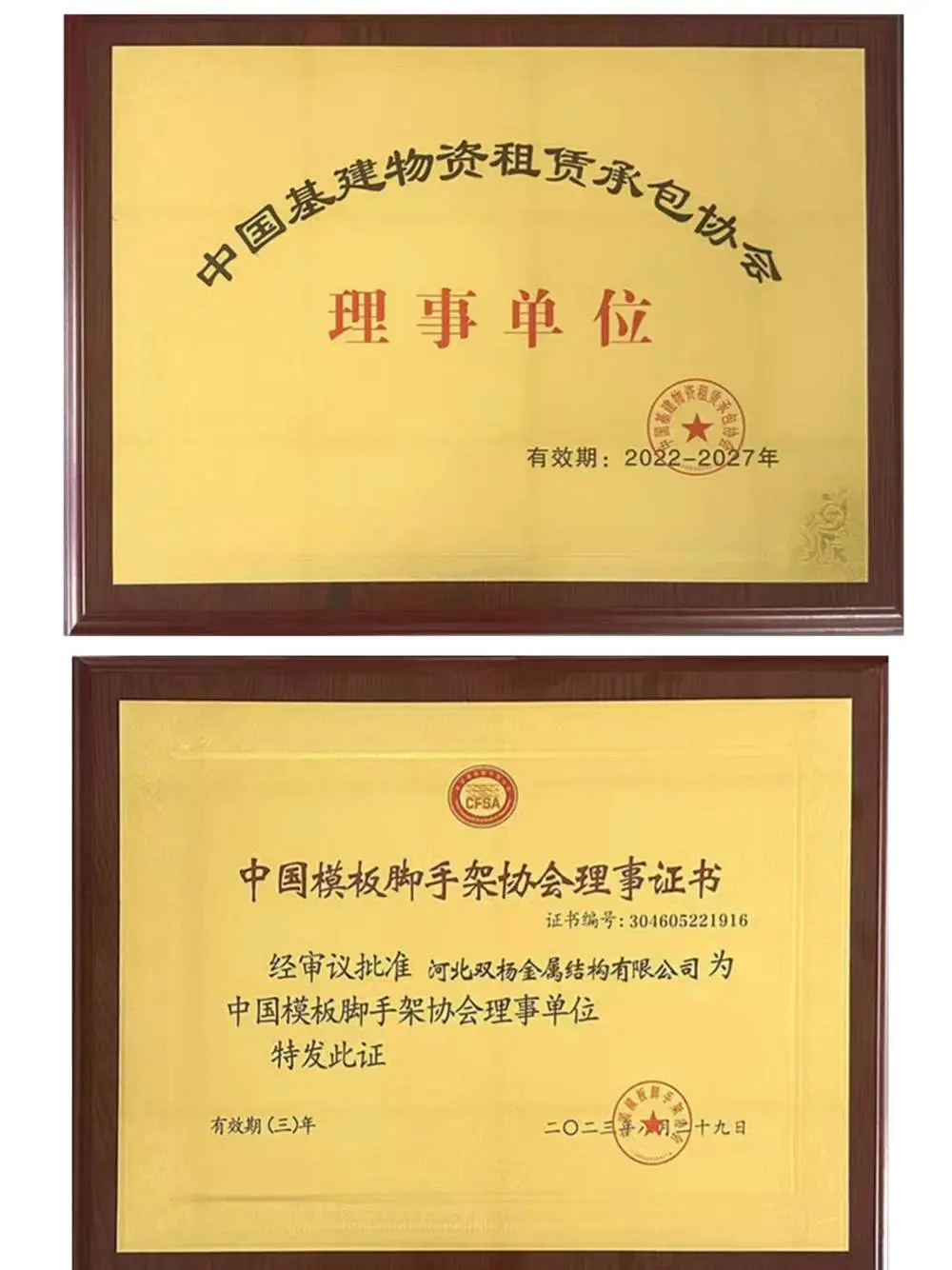
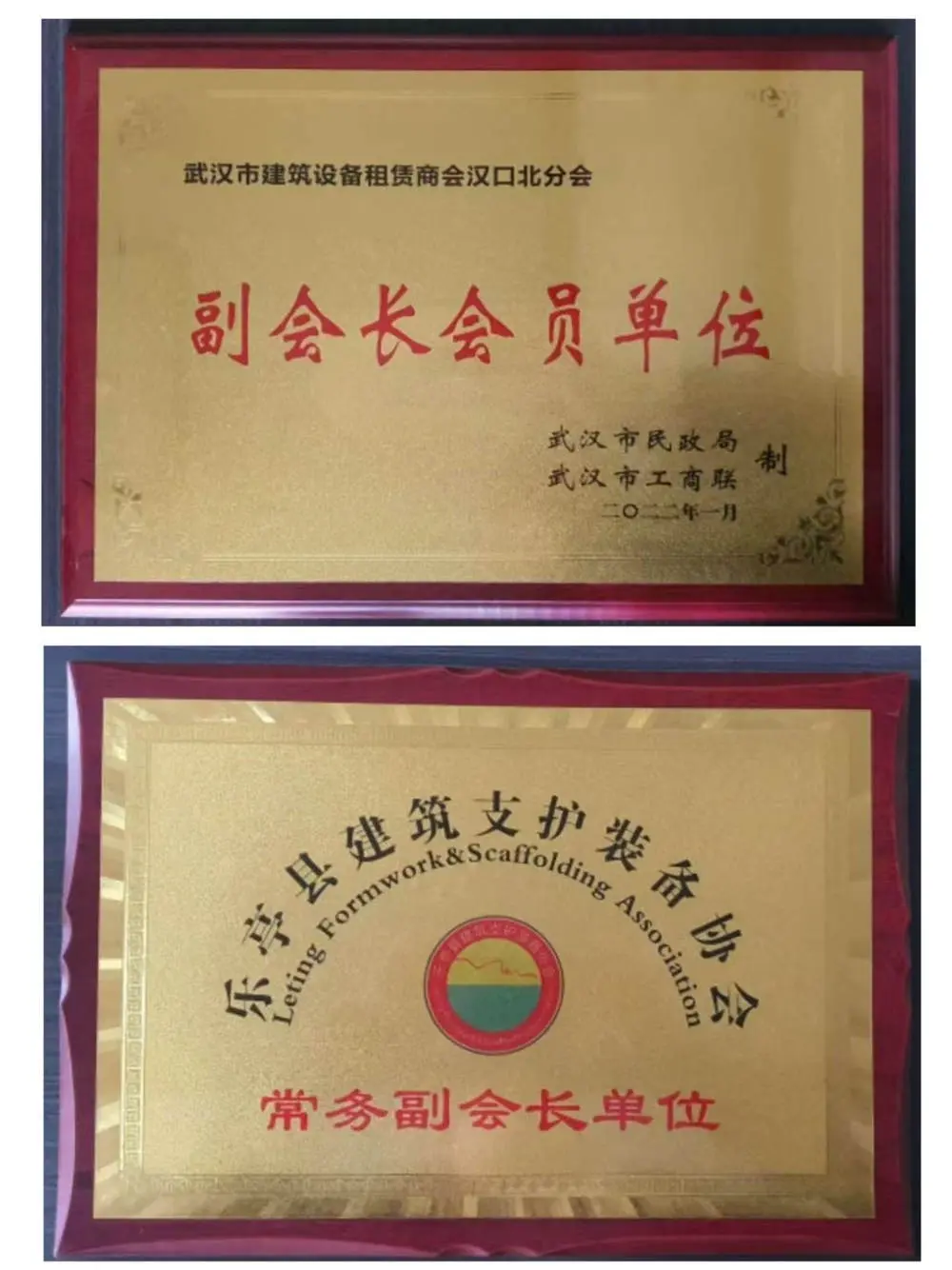
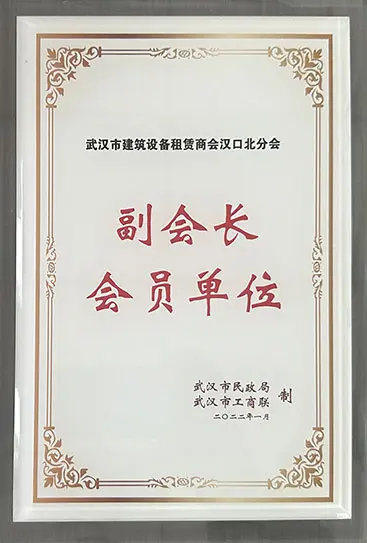
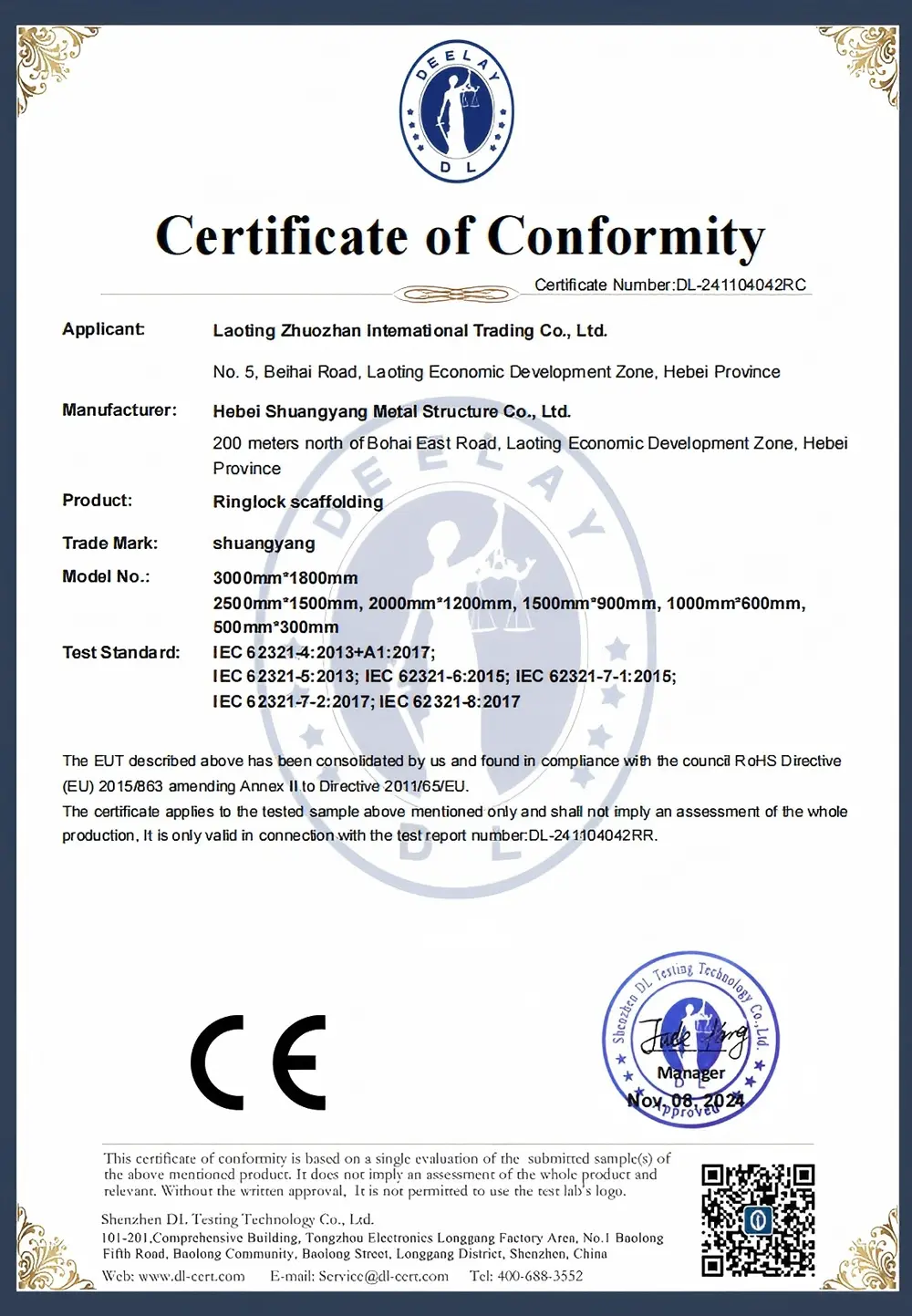
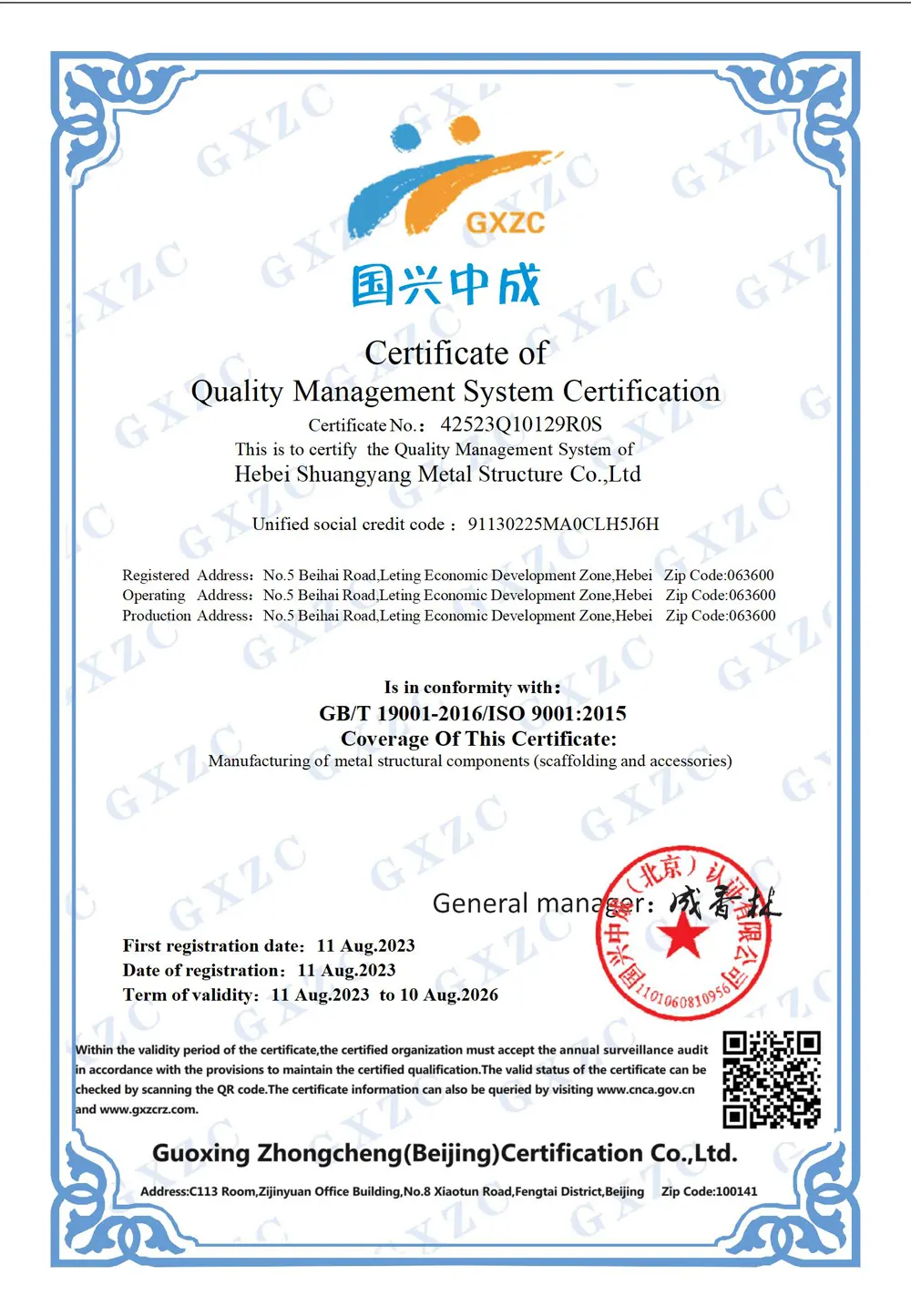
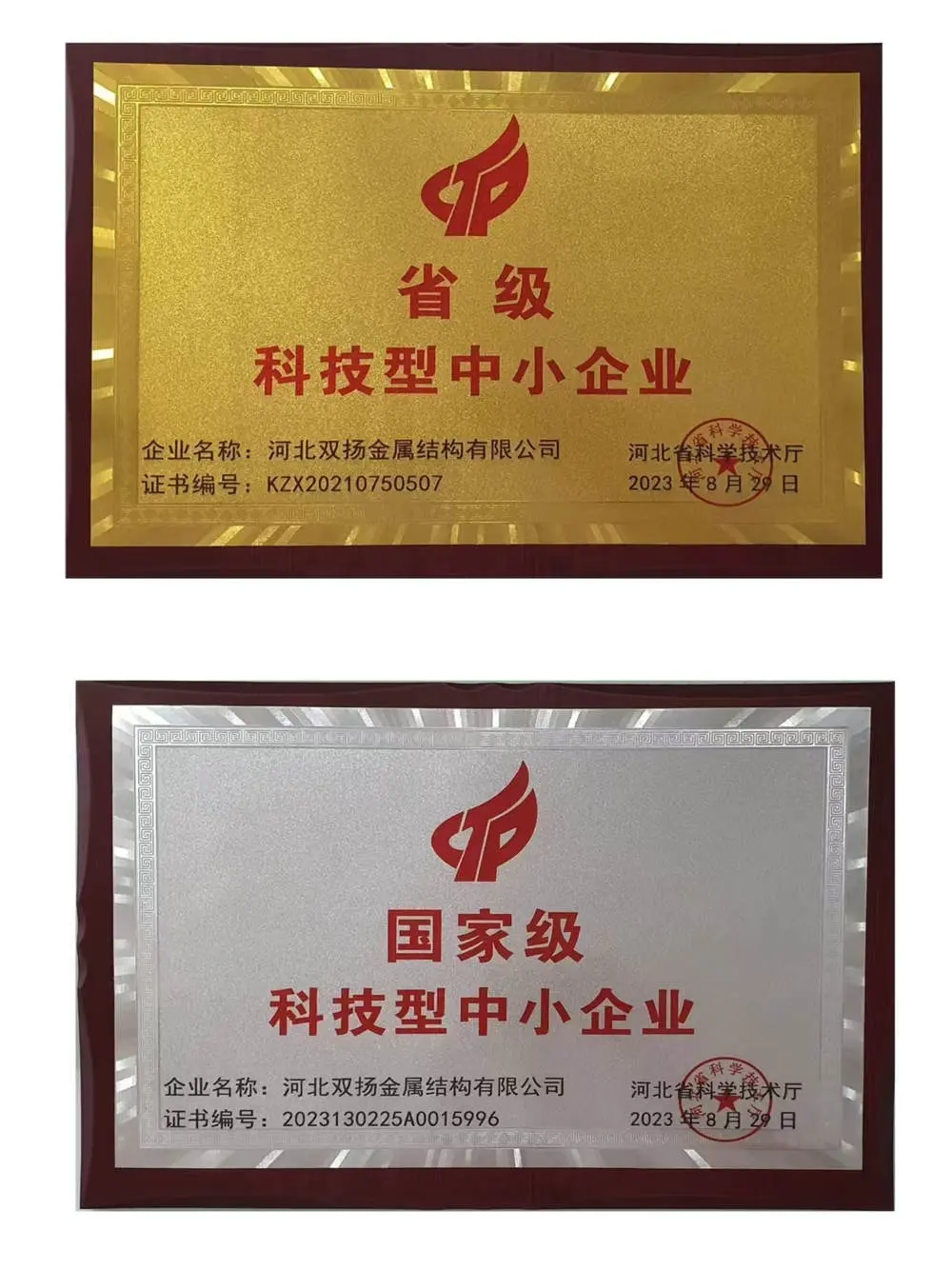
We demonstrate our manufacturing capabilities and quality control through certified test reports and transparent views of our facilities.
Observe our automated production lines and quality inspection protocols in action:
Our scaffolding systems are fabricated to international safety standards, including EN 12810/12811 and ISO 9001 certification, ensuring reliable and compliant performance on site.
From structural bridge repairs to industrial power plants and high-rise facades, we design custom access and shoring configurations for diverse project requirements.
Modern building projects face unique access and structural challenges. Standard modular systems must interface with specialized accessories like high-capacity steel support props, heavy-duty formwork clamps, and electric lift platforms. Integrating these components into a single supply source simplifies procurement and ensures consistent on-site performance.
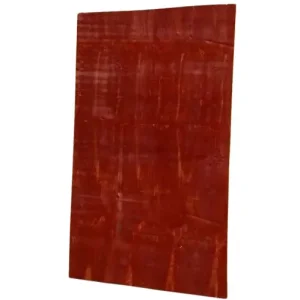
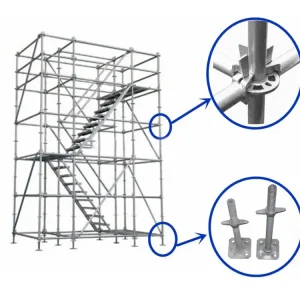
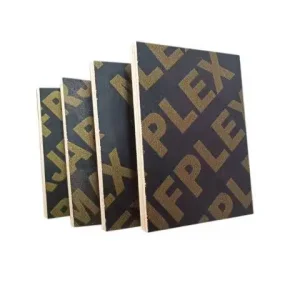
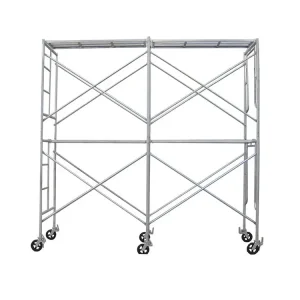
Combining heavy-duty ringlock scaffolding with high-quality film faced plywood deck formwork ensures clean concrete finishes and stable, multi-directional structural support frames.
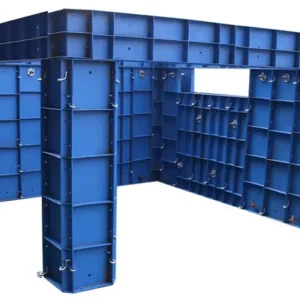
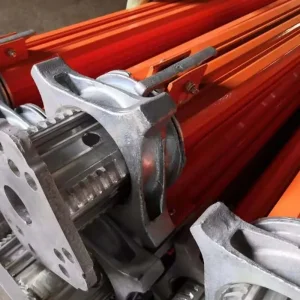
Utilizing high-capacity adjustable aluminum support props along with customized steel formwork columns provides reliable shoring performance for heavy pier, girder, and bridge deck concrete casting.
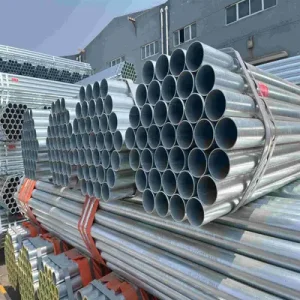
For chemical and power plants, we supply corrosion-resistant, hot-dip galvanized frame systems. These structures withstand harsh weather conditions, providing safe maintenance access around boilers and pipe networks.
Below is a summary of international structural installations utilizing our scaffolding and shoring components:
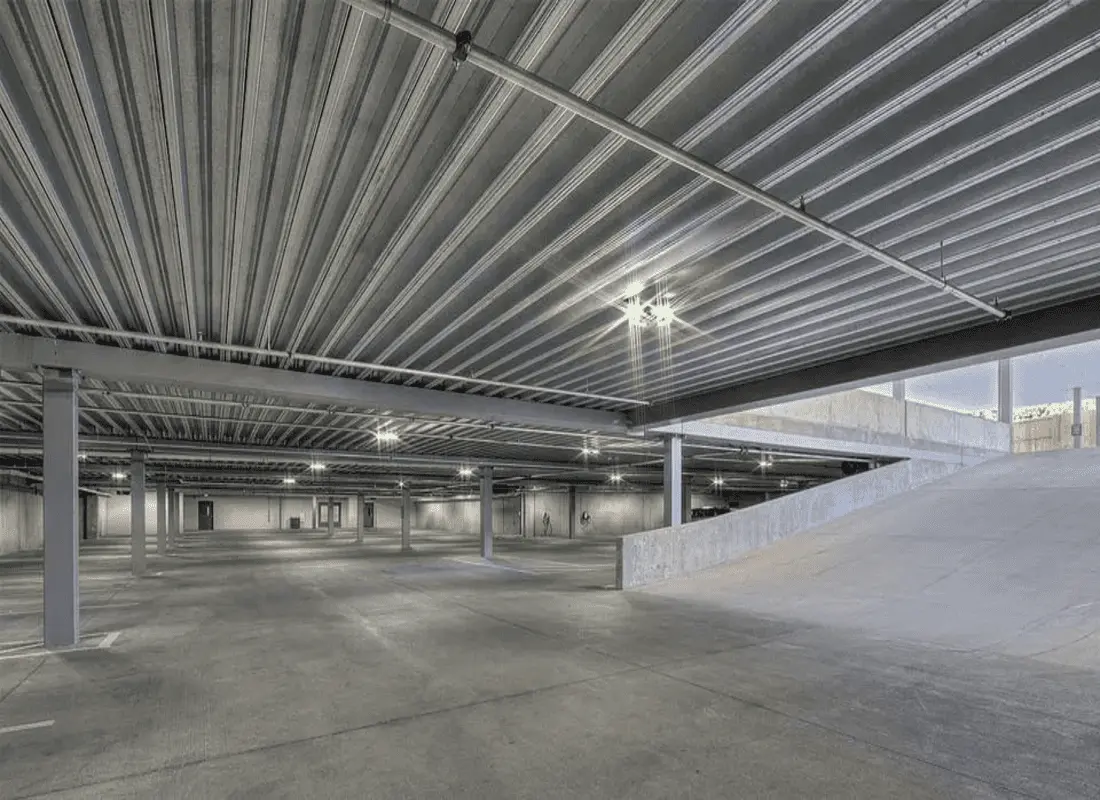
Steel shoring props applied in major railway terminal expansion.
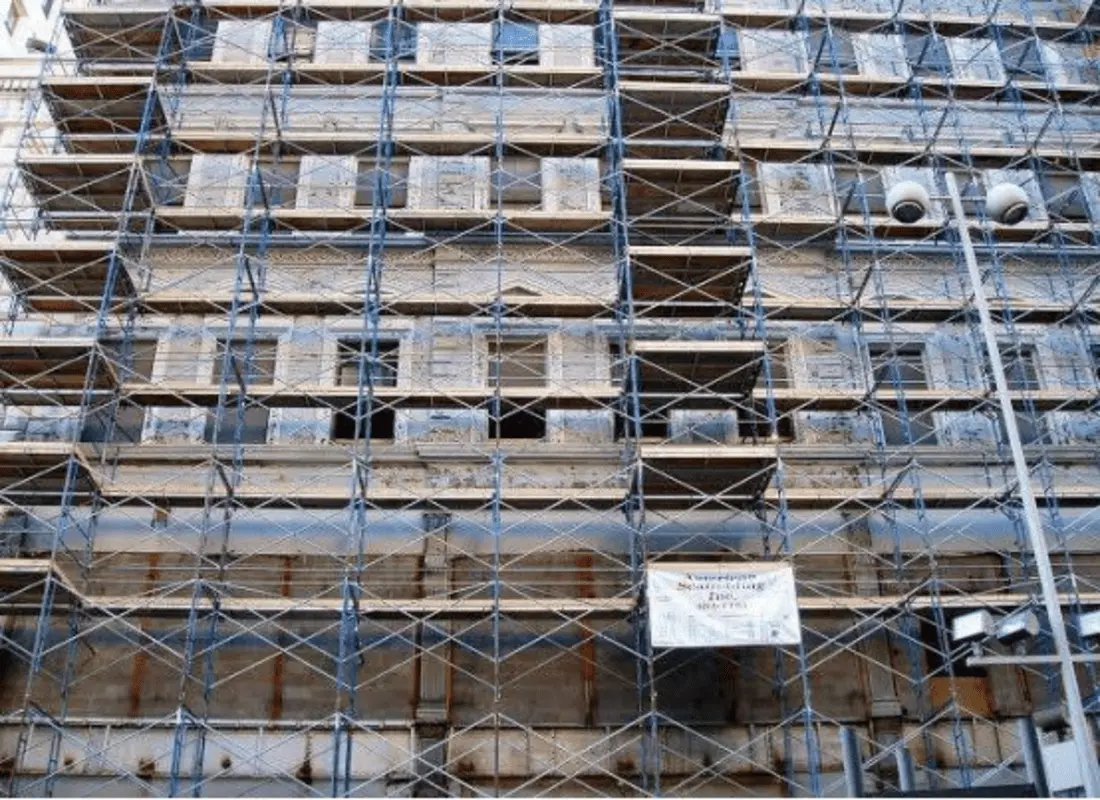
Modular scaffolding setups for historic masonry facade updates in Bologna.
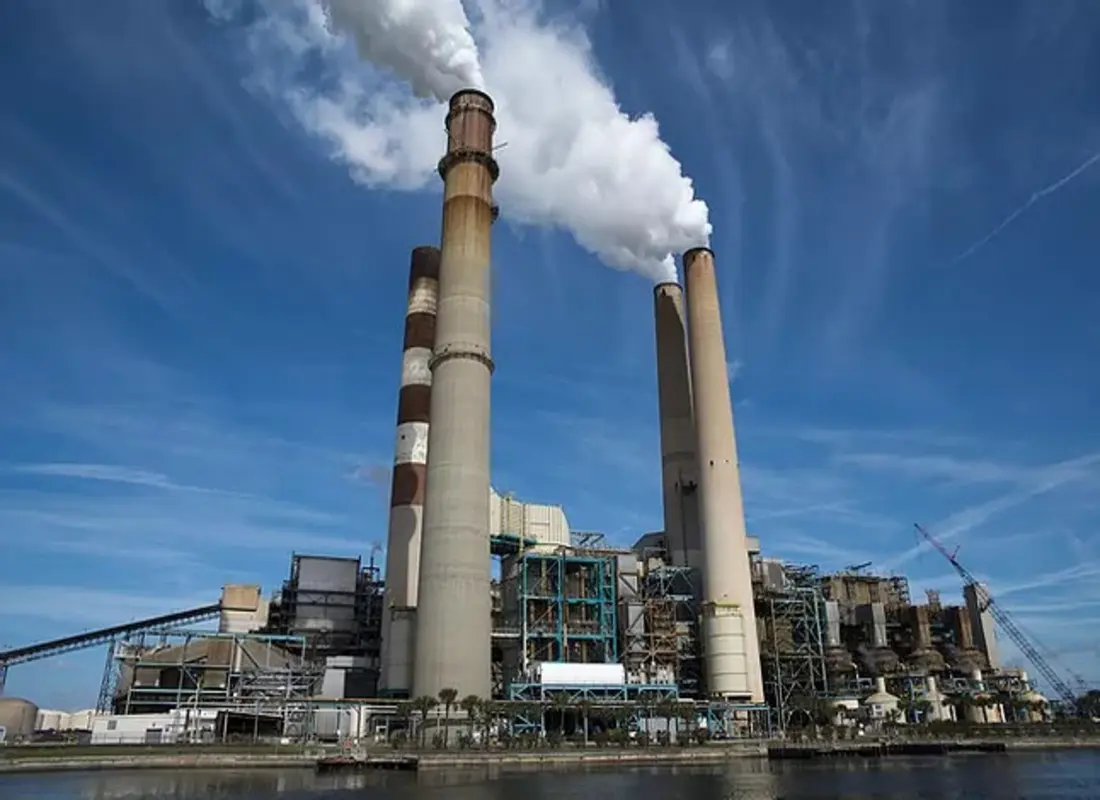
Industrial cuplock access scaffolding for pipe and boiler installations.
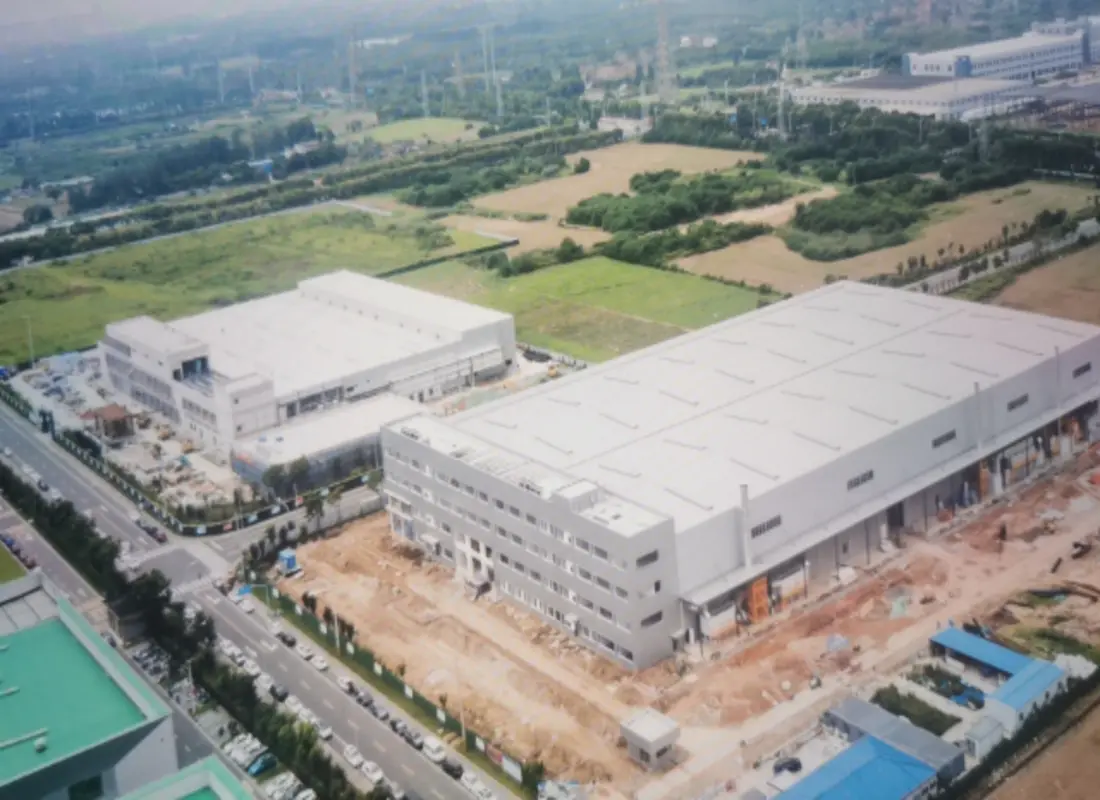
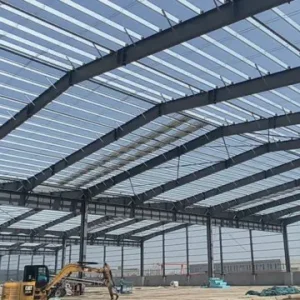
Ringlock support structures deployed for industrial warehouse assembly.
Industrial access equipment is shifting toward integration with digital technologies and advanced electrical drivetrains.
As construction projects incorporate more smart technologies, the electric compact scaffolding category is adapting to improve safety and control. Forward-thinking manufacturers are focusing on several key technical updates:
Integrated tilt sensors detect alignment deviations, automatically shutting down operation if platform angles exceed 3 degrees.
Moving to high-capacity lithium iron phosphate batteries to support full-shift operations on sites without direct grid connection.
Replacing heavy carbon steel frames with high-strength Q355B alloy components to reduce total unit weight while maintaining load performance.
Get answers to technical and logistical questions commonly raised by project managers and engineers.
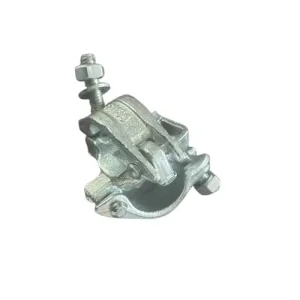
Tested locking nodes, stabilizers, and heavy-duty structural attachments for high-load platforms.
 Zhuozhan