Premium solutions engineered by Zhuozhan Group to maximize on-site execution efficiency
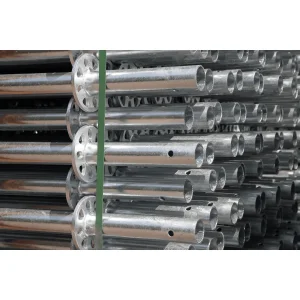
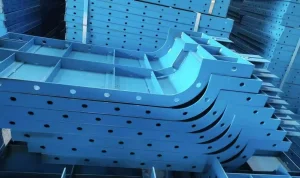
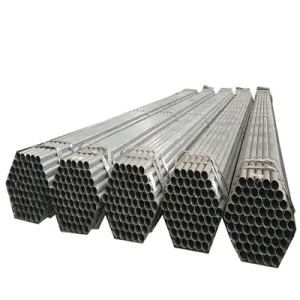
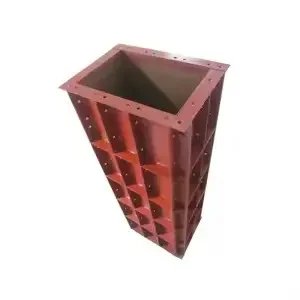
The global construction sector is undergoing a profound paradigm shift towards high-efficiency, reusable, and sustainable building systems. At the heart of this transition is the optimization of formwork systems, specifically for structural vertical support columns. Traditional timber, plywood, and heavy steel formworks are increasingly being superseded by Concrete HDPE (High-Density Polyethylene) Square Column Pillar Plastic Formwork.
"High-Density Polyethylene (HDPE) composite design offers structural engineering projects a perfect balance between high tensile rigidity, ultra-lightweight structural profiles, and unparalleled chemical resistance against concrete alkaline paste."
For decades, civil engineers and project managers accepted the rapid depreciation of plywood panels. Standard structural plywood often fails after 5 to 10 pours due to moisture absorption, warping, and surface degradation. While steel formwork systems provide durability, their extreme weight necessitates constant crane reliance, driving up crane-hour costs on complex high-rise and civil projects.
HDPE formworks address these operational inefficiencies directly. Using state-of-the-art polymer extrusion and injection molding processes, manufacturers produce modular square column formworks capable of exceeding 100 reusable cycles under rigorous site conditions. Additionally, the non-porous face of HDPE ensures no water absorption, maintaining a consistent concrete water-cement ratio and yielding a superior, fair-faced concrete finish that eliminates the need for expensive plastering or remedial cosmetic work.
Procurement offices across North America, Europe, the Middle East, and Southeast Asia are standardizing on modular plastic formworks to meet strict ESG (Environmental, Social, and Governance) targets. B2B buyers now look beyond initial unit costs, evaluating systems on TCO (Total Cost of Ownership) metrics.
By implementing lightweight HDPE column formwork, contractors can reduce labor mobilization requirements by up to 50%. The modular interlocking keys permit fast erection and disassembly without skilled carpentry. Regionally, the high ambient heat of regions like Dubai or Houston demands formwork with high thermal stability; modern HDPE square column molds are formulated with specialized UV inhibitors and thermal stabilizers to withstand extreme temperatures without expanding or bowing.
| Performance Attribute | HDPE Plastic Formwork | Phenolic Plywood | Structural Steel Formwork |
|---|---|---|---|
| Reusability Cycles | 100+ Cycles | 5 - 12 Cycles | 150+ Cycles |
| Average Weight | 11 kg/m² (Ultra-lightweight) | 8 kg/m² (Light but degrades) | 45+ kg/m² (Heavy, requires crane) |
| Corrosion & Rust Resistance | 100% Resistant to acids & alkalis | Prone to delamination & rotting | Prone to oxidation & rusting |
| Concrete Finish Quality | Fair-faced, glossy, no plastering | Standard (needs sanding/plaster) | Industrial (w/ visible seams) |
| On-site Assembly Speed | Fast (Interlocking pins) | Slow (Nailing and bracing) | Moderate (Crane-assisted placement) |
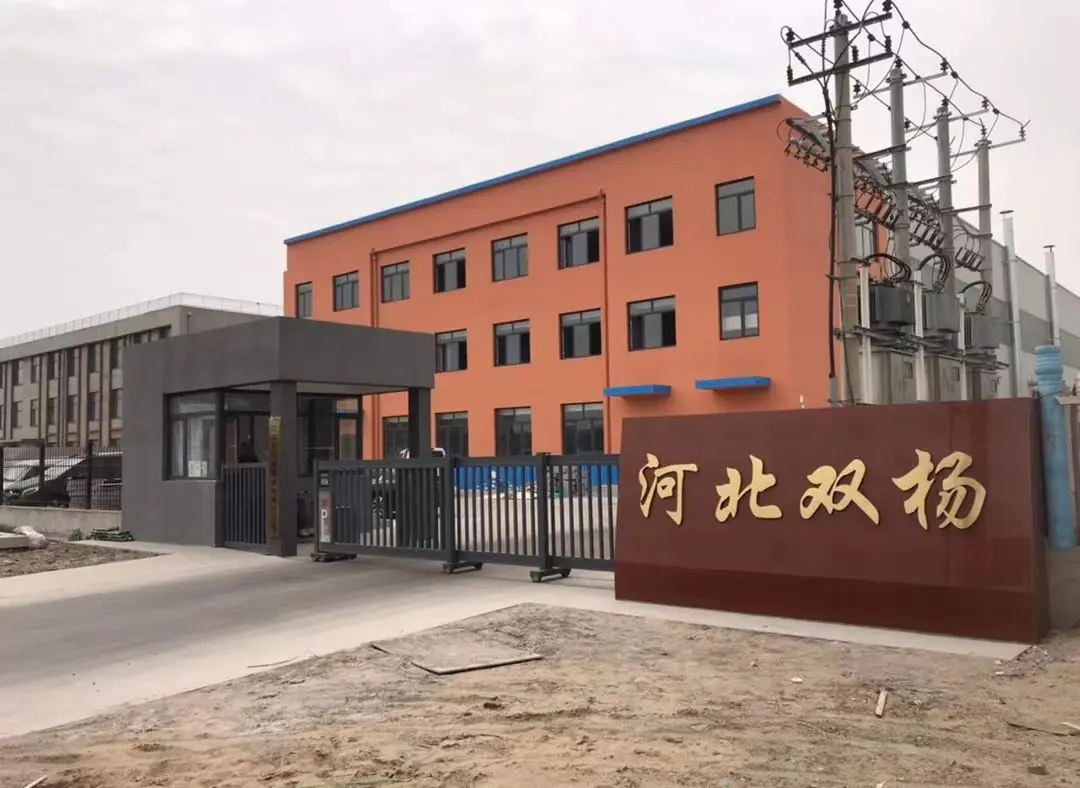
As a leading industrial force, the Zhuozhan Group (along with its state-of-the-art subsidiary, Hebei Shuangyang Metal Structure Co., Ltd.) represents the pinnacle of Chinese Factory 4.0 integration. The facility features automated sheet extrusion lines and robotic welding components, ensuring strict dimensional tolerances of ±1mm across all formwork and scaffolding modules.
Operating from an expansive production floor (with Shuangyang occupying 13,132.68 m² and a total source factory layout of over 40,000 m²), the group produces an annual output of 300,000 tons of high-grade steel pipes and 1 million tons of scaffolding systems. This massive output capacity provides the leverage needed to secure raw polymer and steel supplies at highly competitive rates, buffering global buyers from raw material cost fluctuations.
Furthermore, the geographical location of the factories near three major deepwater shipping hubs—Jingtang Port, Tianjin Port, and Caofeidian Port—guarantees streamlined logistics. This strategic logistics advantage ensures that containerized shipments of modular column formworks reach construction sites in the US, Europe, and Asia on time, mitigating project delay risks.
Empirical data demonstrating our operational capacity and product capabilities
A transparent look at Hebei Shuangyang's fabrication lifecycle and pollution control nodes
Initial processing of raw steel pipe. Controlled acoustic enclosures manage sound levels, while structural scrap is collected for recycling.
Automated CNC punches form installation nodes with tight tolerances. Metal shavings are processed via structural waste lines.
Disc connection units are welded to the pipe. Multi-stage filtration systems capture welding fumes to protect local environments.
Components are treated with high-strength hot-dip galvanizing for long-term corrosion resistance.
Initial tube sizing and structural preparation. Standardized acoustic dampening monitors local noise output.
High-precision welding attaches the cast ends to horizontal pipes. Advanced extraction units manage gas and dust emissions.
Coating processes are followed by mechanical riveting of securing inserts under strict quality control.
Every batch undergoes structural testing and dimensional verification (+-1mm tolerance) before packaging and shipping.
Our solutions deployed on high-stakes commercial, civil, and industrial developments worldwide
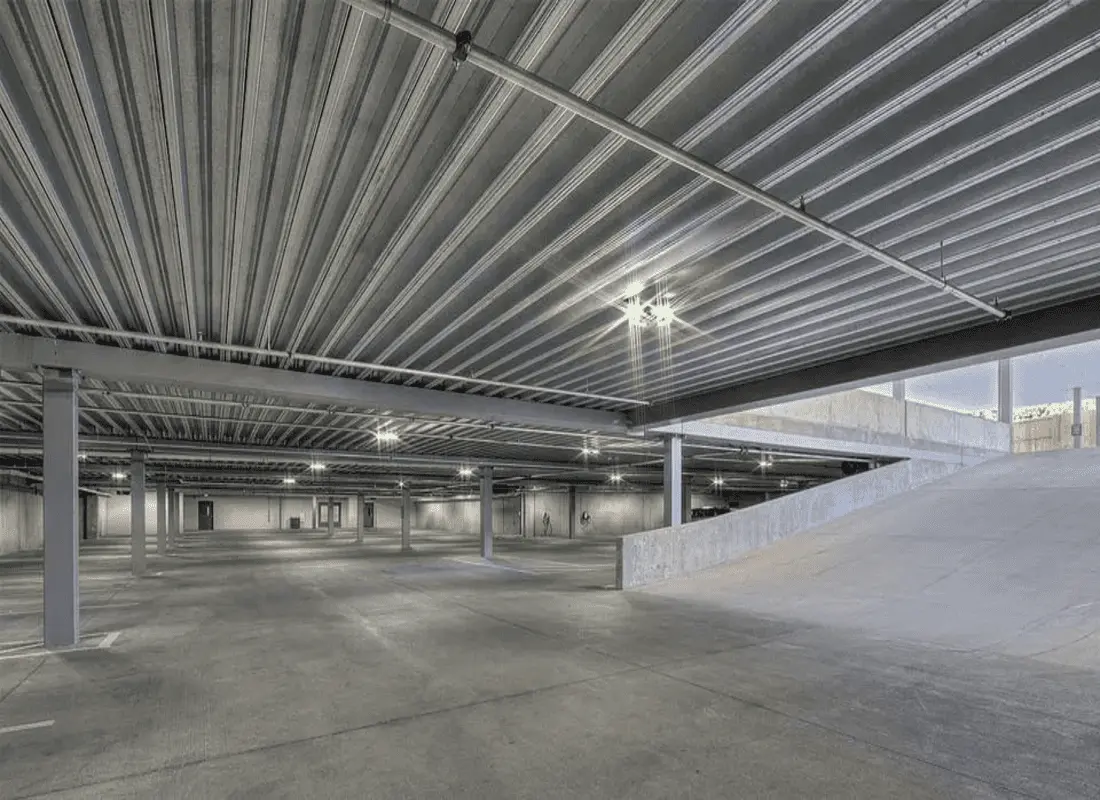
High-load shoring props deployed to support massive overhead platform construction under strict rail corridor safety limits.
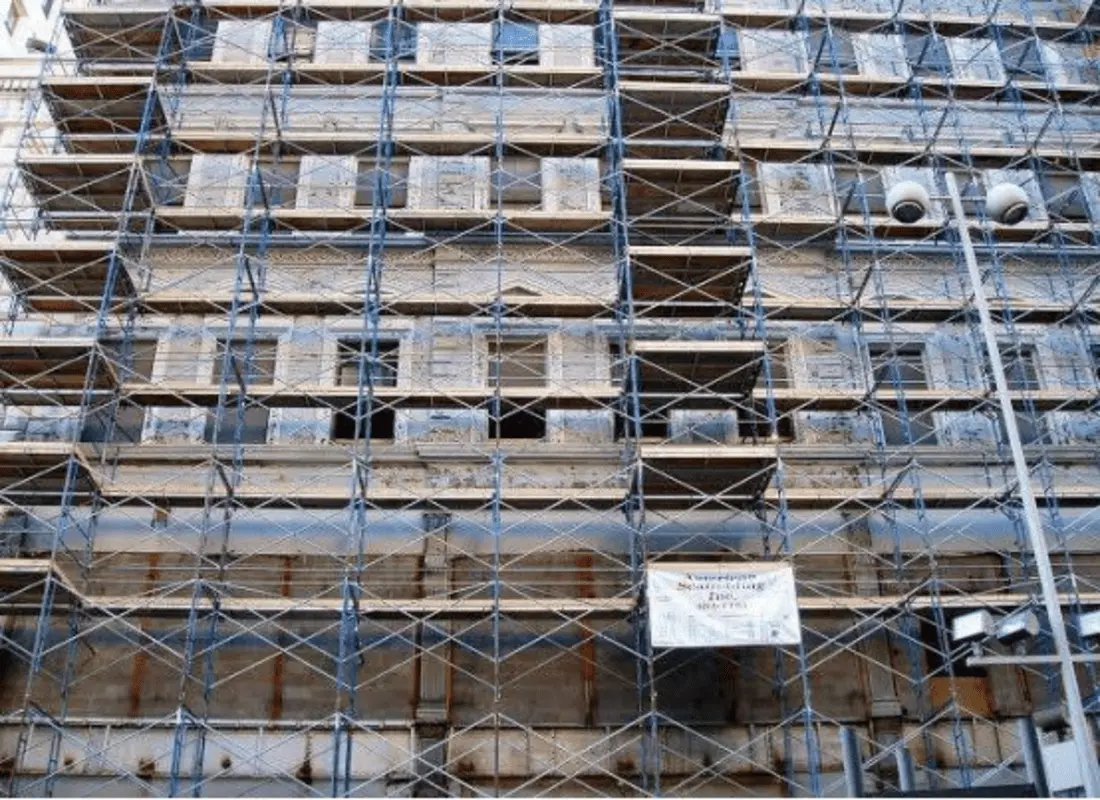
Flexible frame scaffolding systems utilized on heritage exterior restorations, meeting strict safety standards.
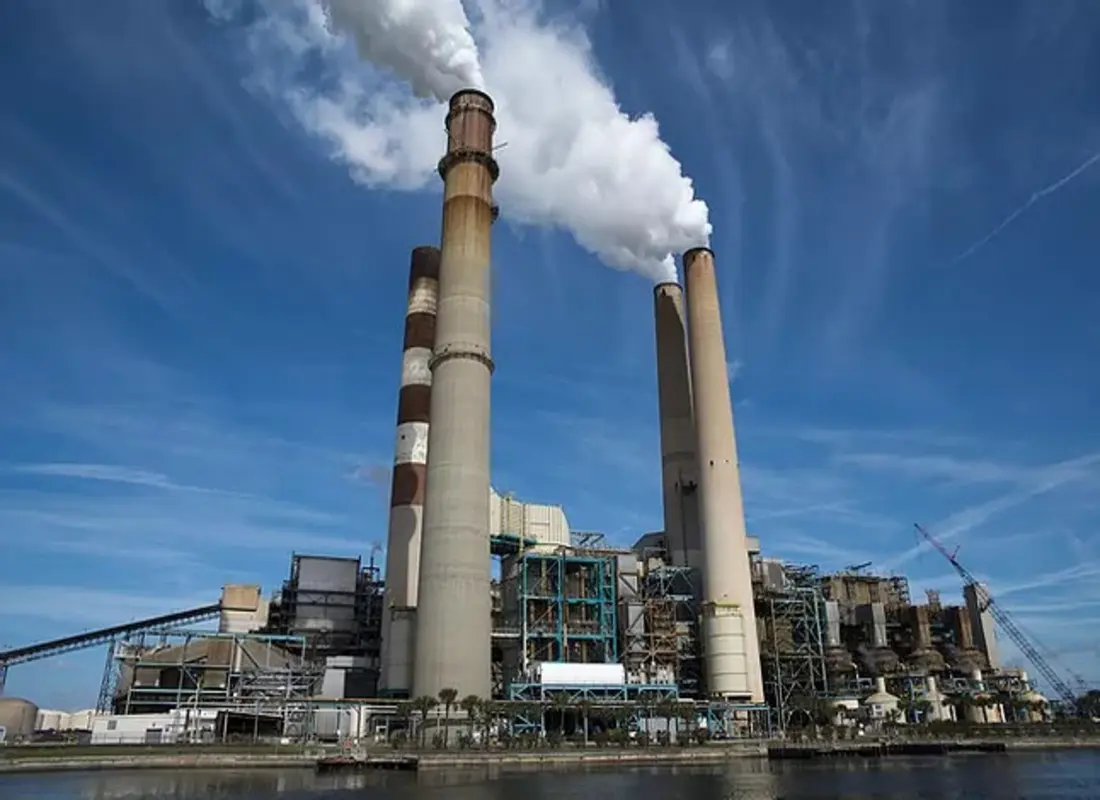
Cuplock scaffolding and heavy-duty structural shoring optimized for high-elevation utility access.
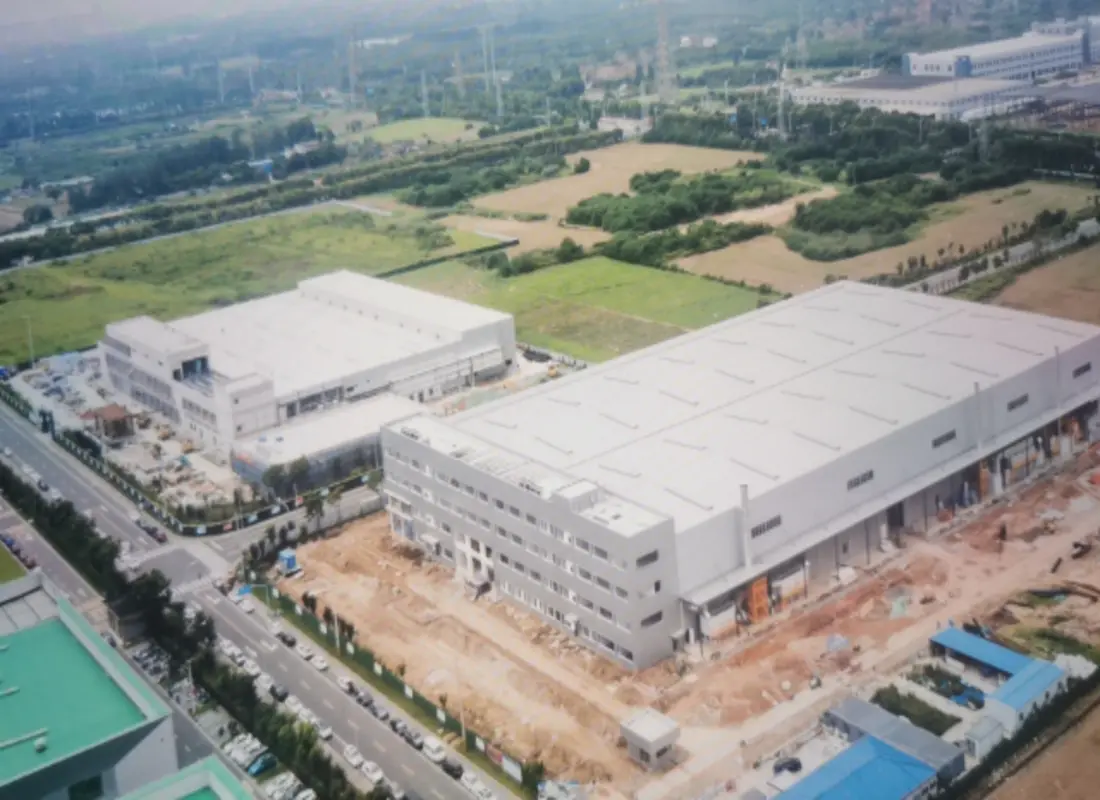
Modular ringlock scaffolding systems deployed to support high-precision ceiling installations and heavy overhead utility runs.
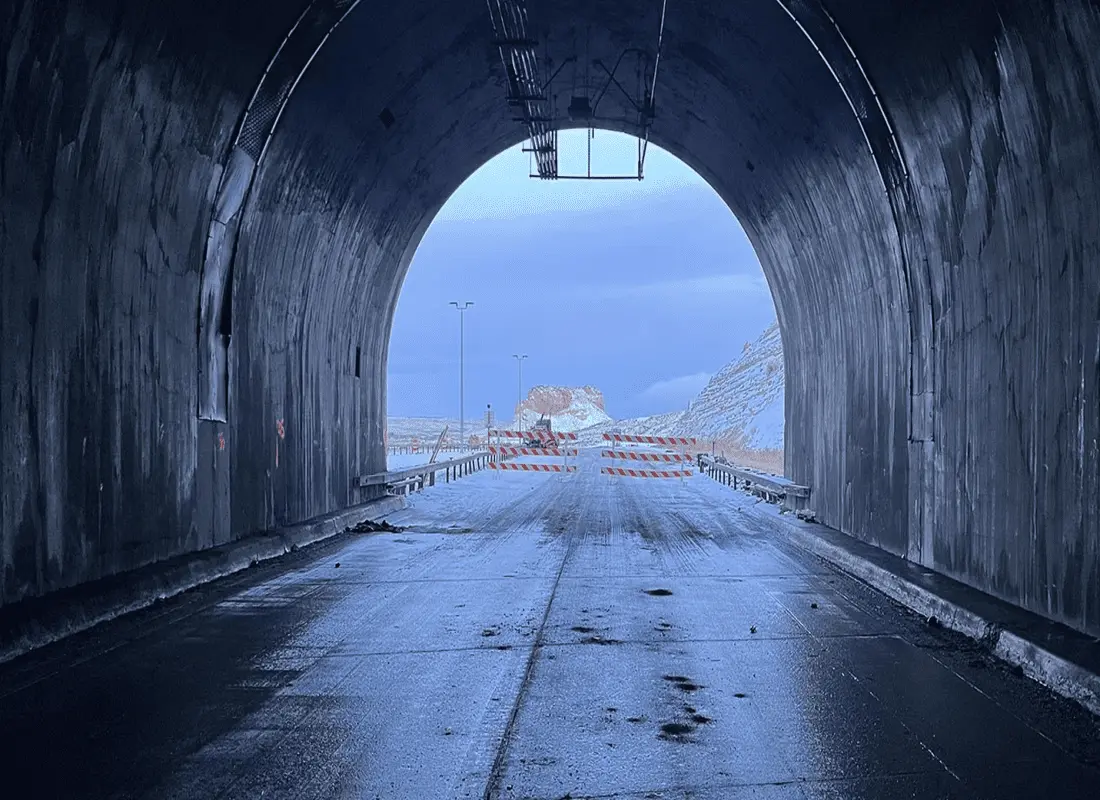
Custom shoring layouts engineered to support heavy dynamic loads during deep-cut vault pouring.
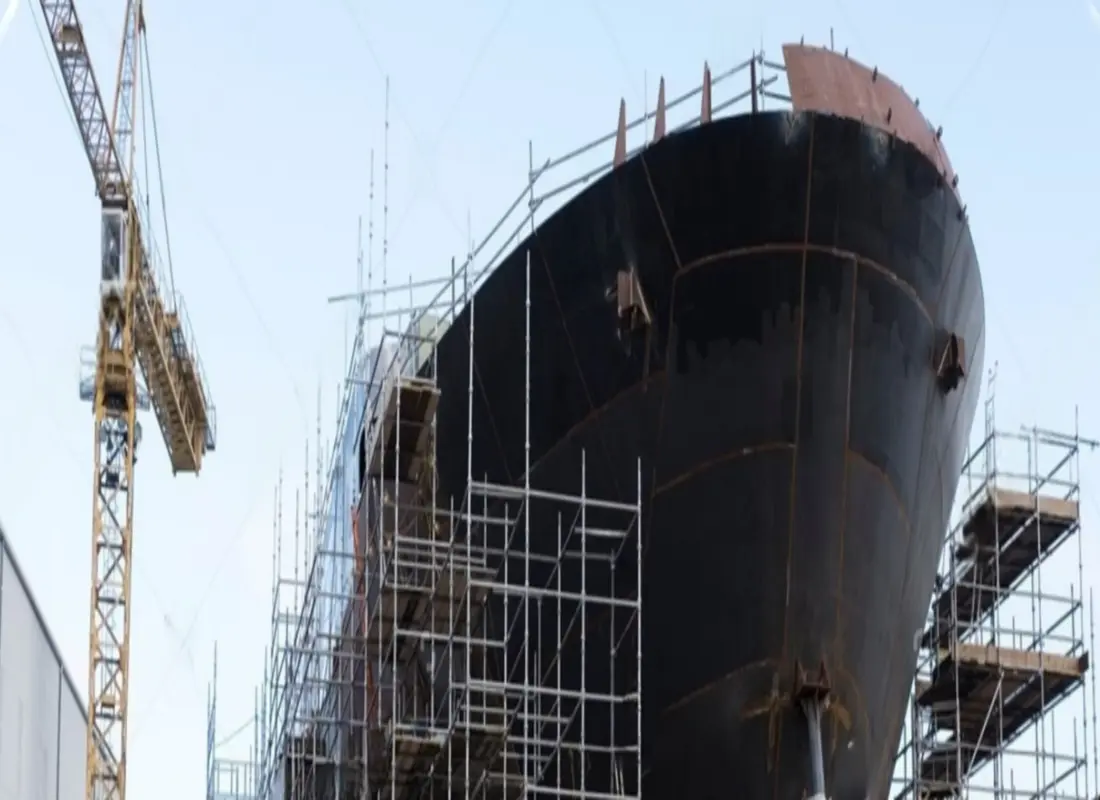
Anti-corrosion hot-dip galvanized ringlock platforms deployed in coastal marine dock repair yards.
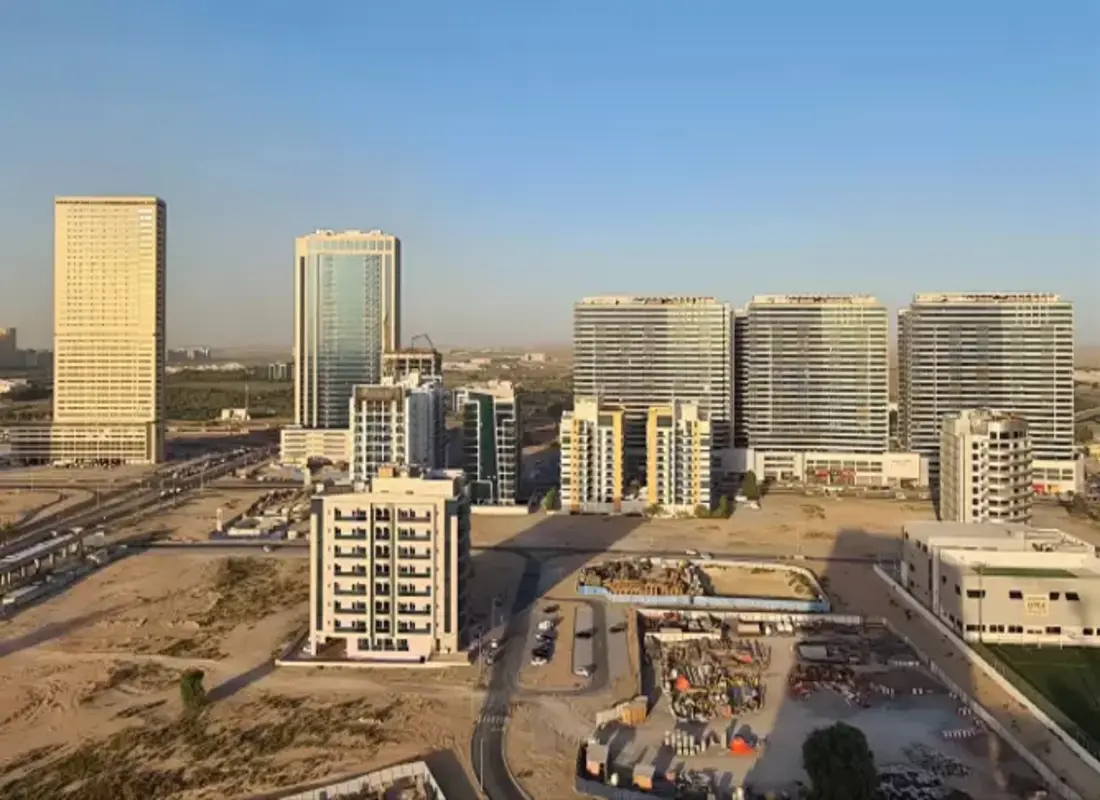
Complete structural access scaffolding engineered to withstand high wind loads on high-rise residential towers.
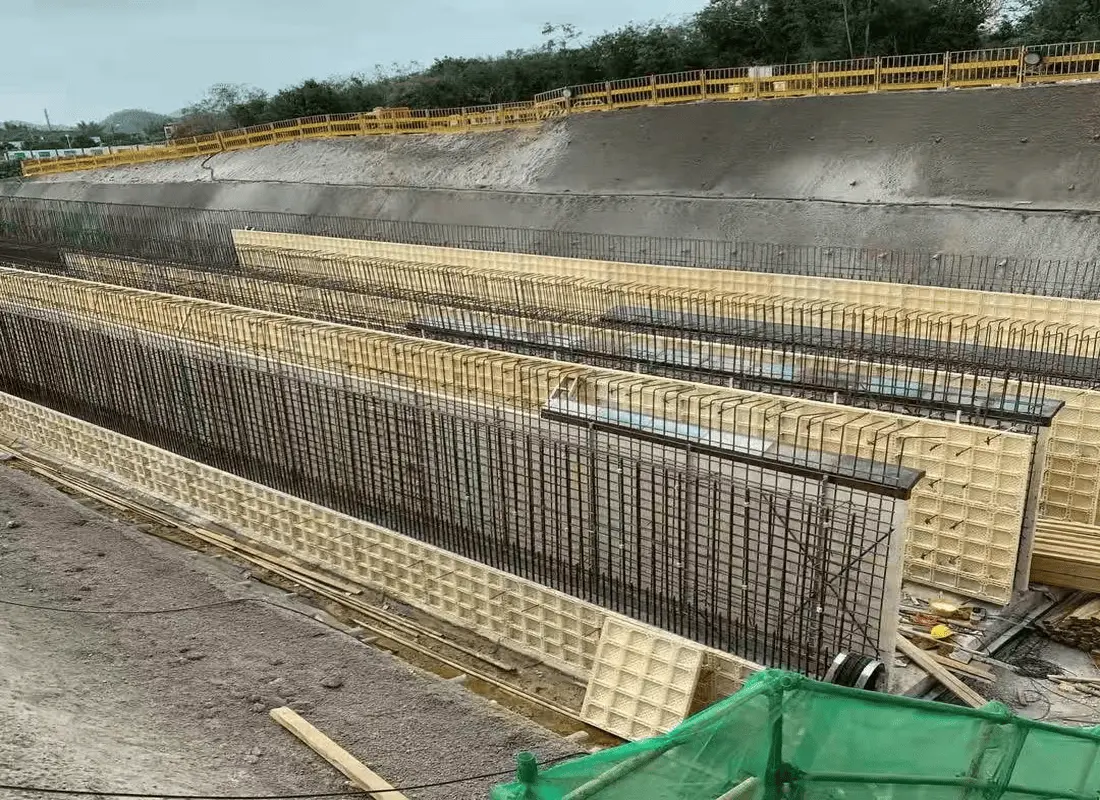
Lightweight plastic formwork systems applied in high-moisture river retaining walls, speeding up stripping times.
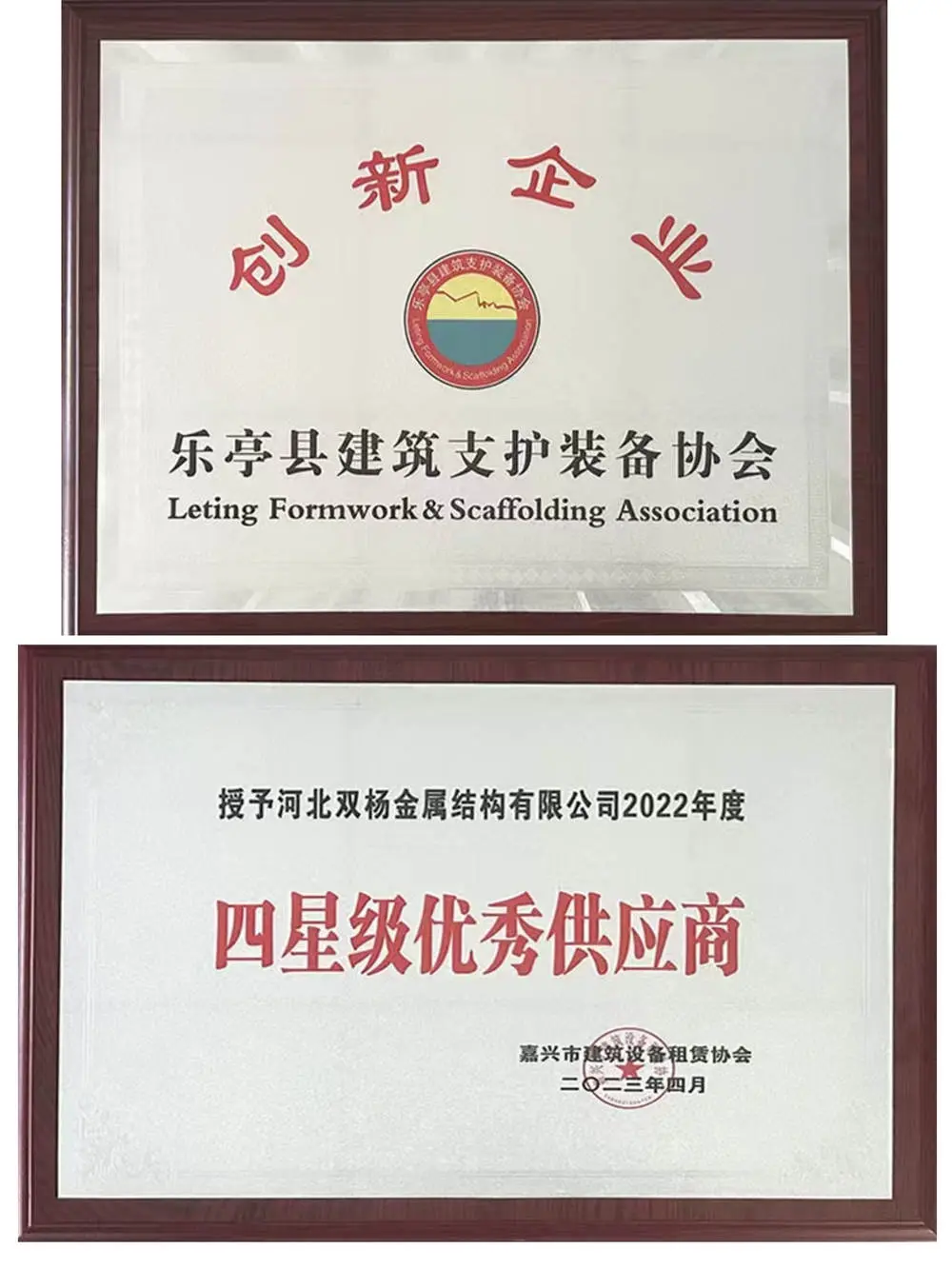
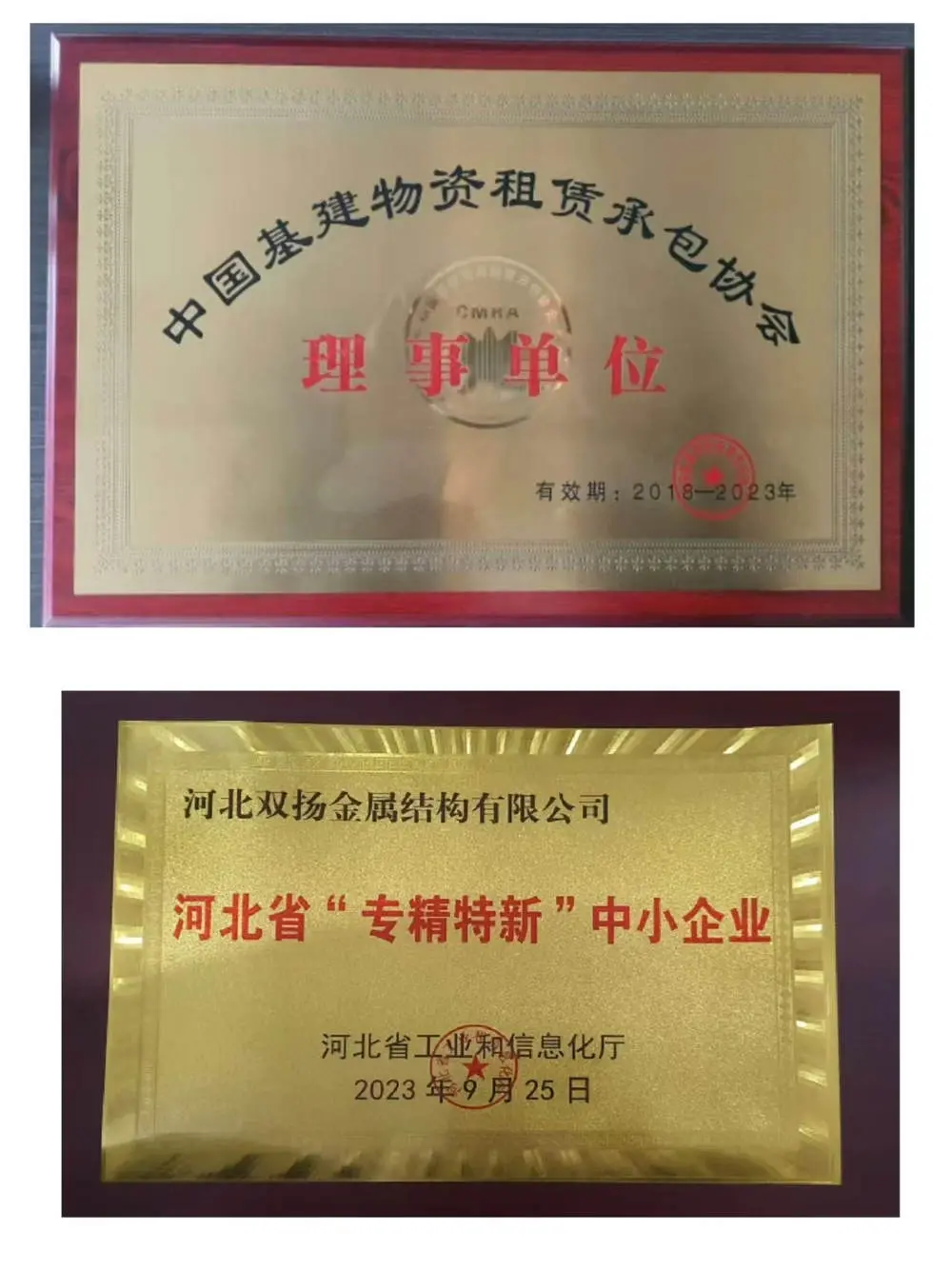
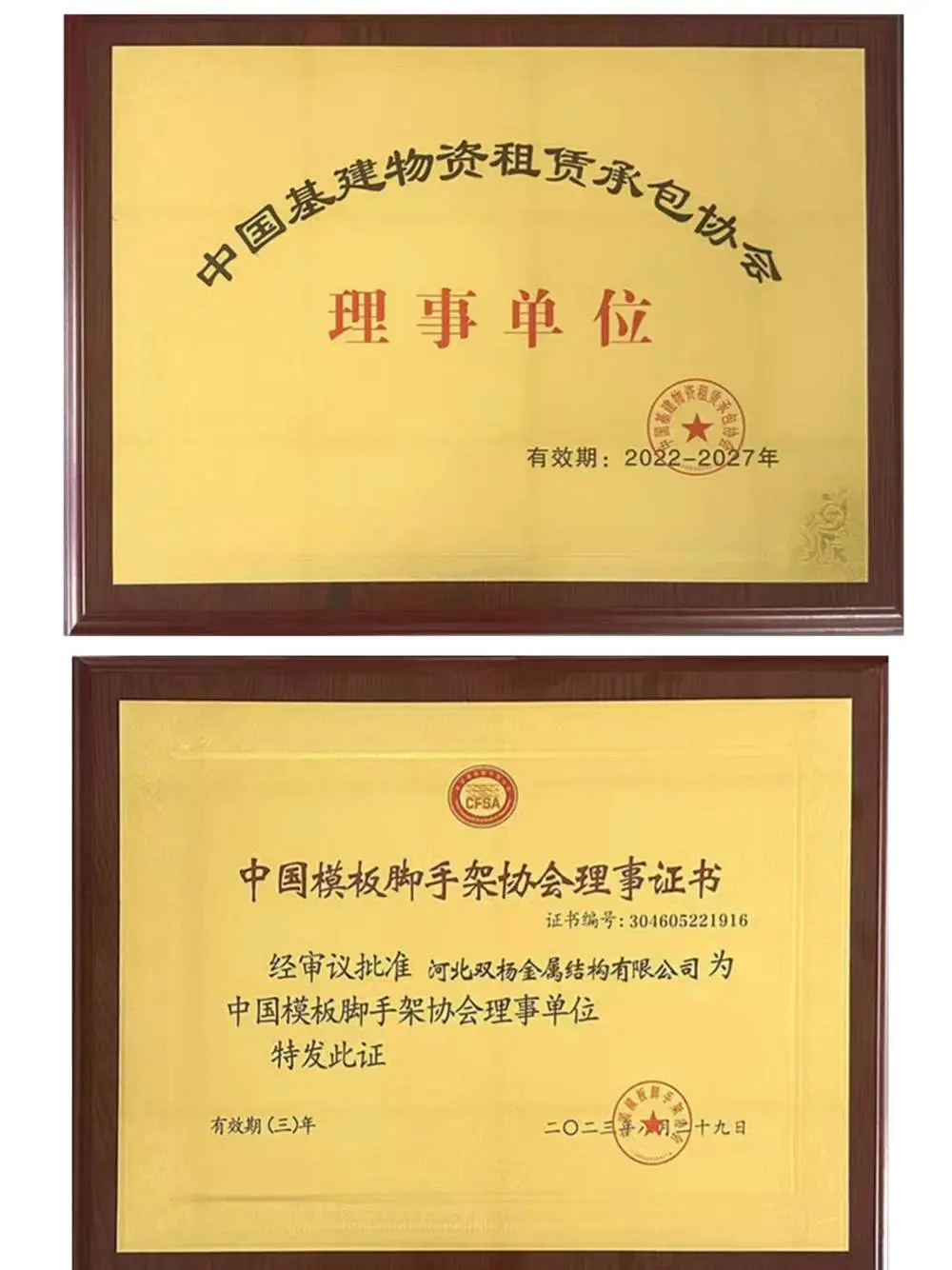
Verify our automated manufacturing capacities, warehouse reserves, and assembly protocols
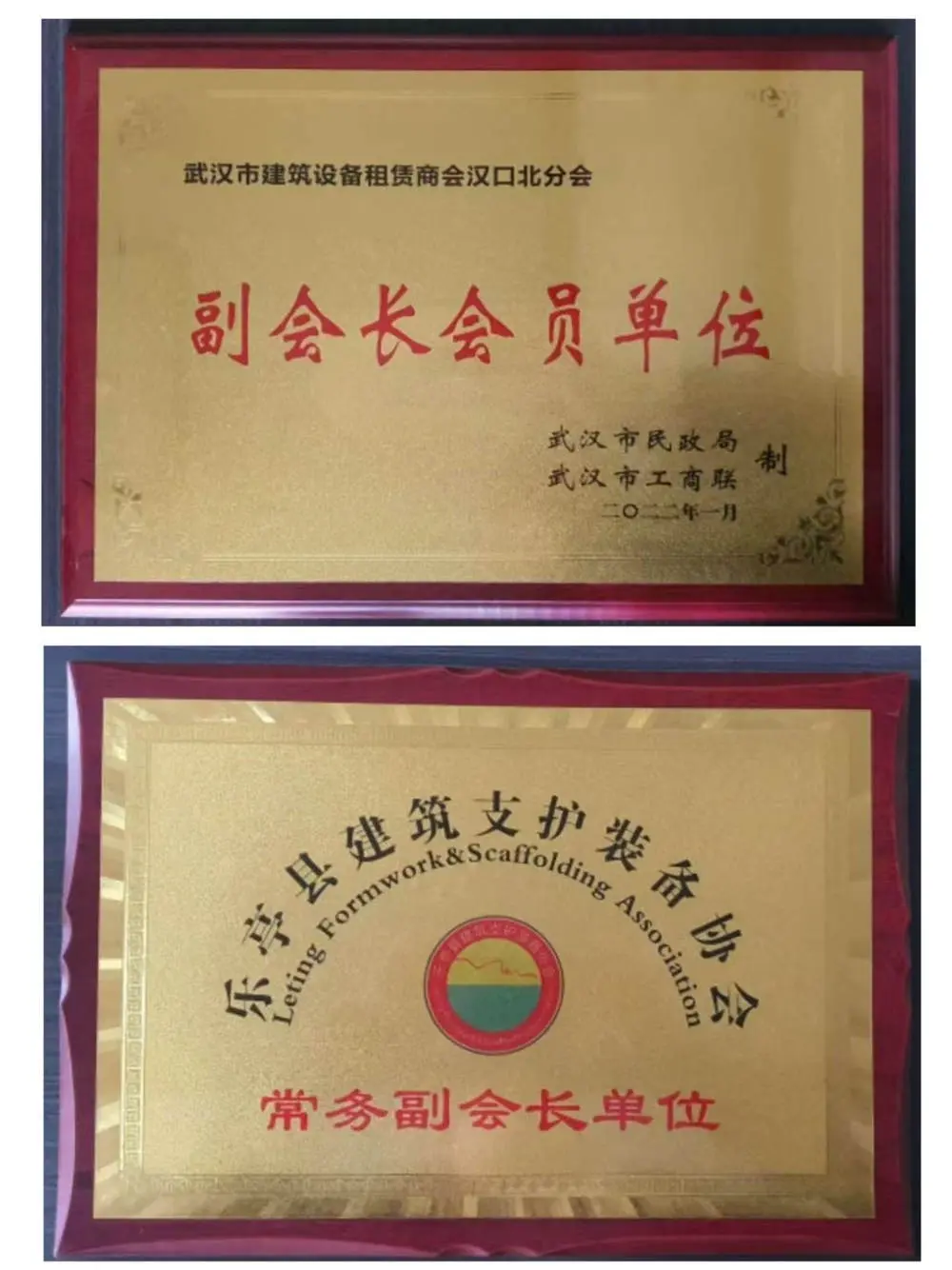
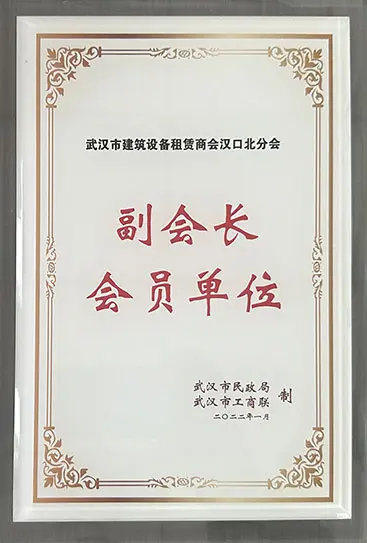
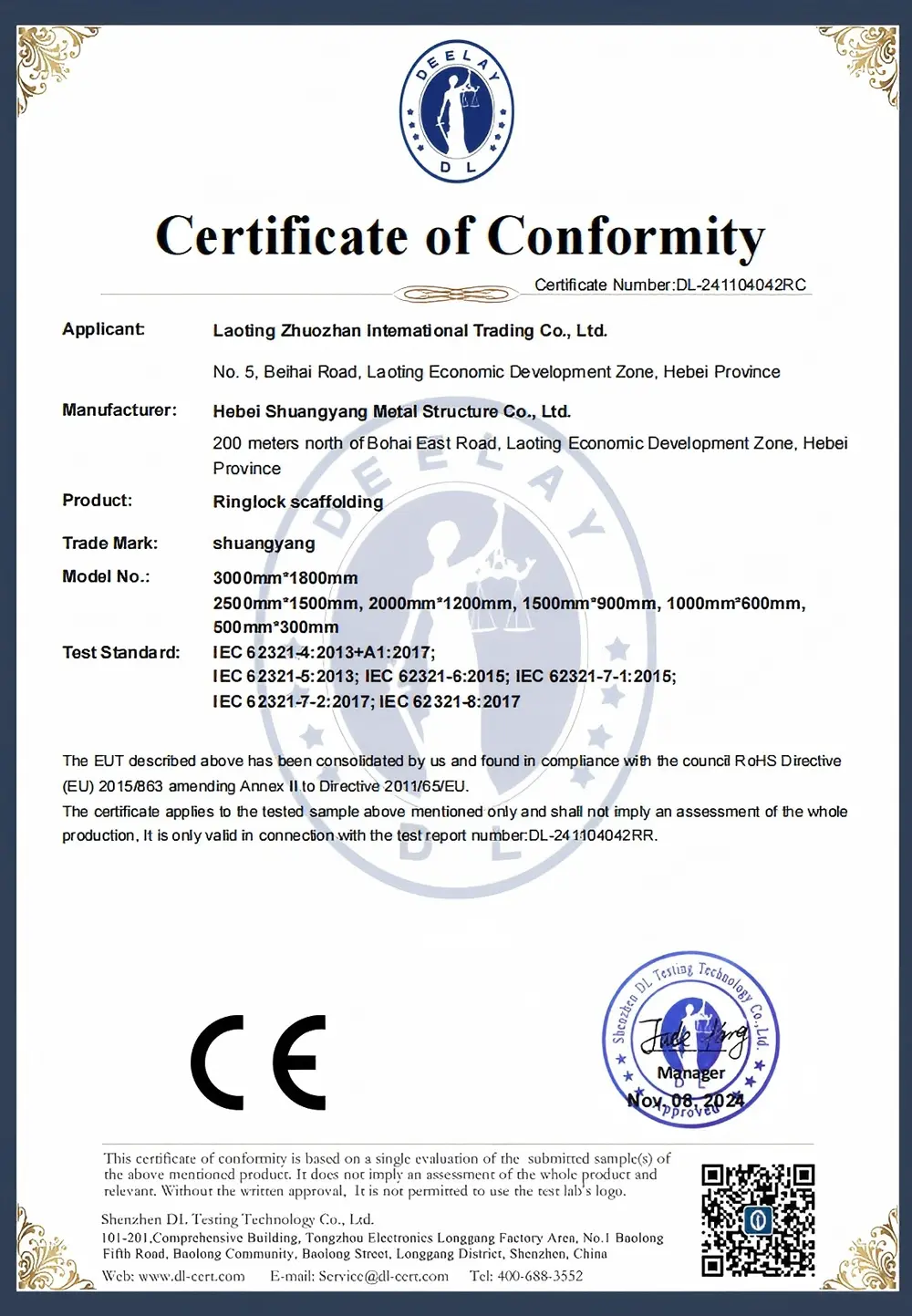
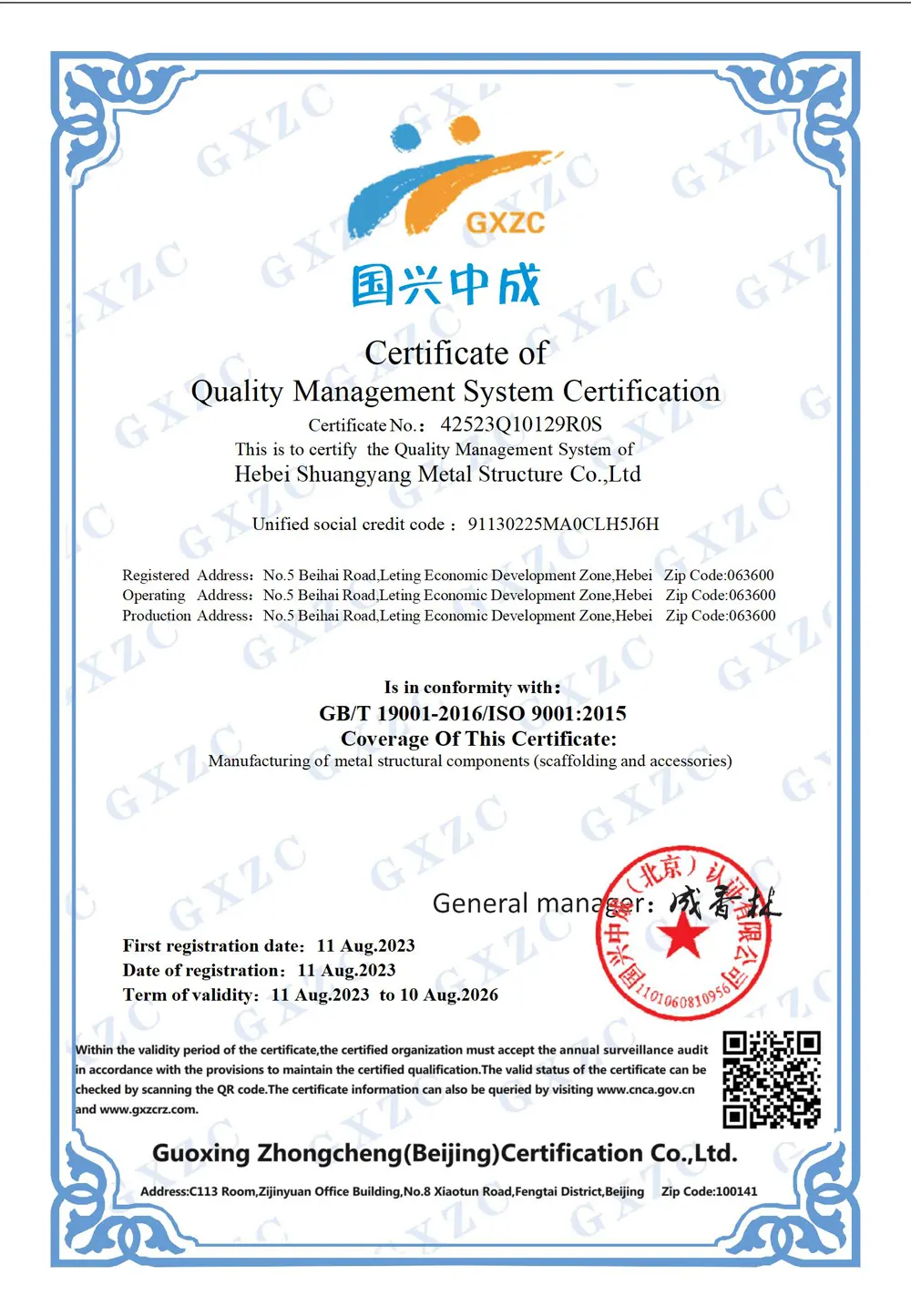
Meeting ISO 9001 and EN 12810/12811 standards for structural safety
Technical answers to common B2B procurement and engineering questions
HDPE (High-Density Polyethylene) Formwork is a reusable concrete forming system constructed from highly resilient composite polymers. Unlike plywood, which absorbs moisture, warps, and delaminates after 5 to 10 uses, HDPE formwork is completely non-porous and chemically inert. It can be reused up to 100+ times, providing a lower cost-per-use and delivering a smooth, glossy concrete finish.
Our HDPE formwork modules are designed with reinforced structural ribbing on the reverse face. When used with our high-tensile column clamp systems (such as the Q235/Q355 steel tie-rod props), the panels withstand lateral concrete pressures exceeding 60 kN/m², preventing bowing, seam separation, or blowouts during fast concrete placement.
Pure polymers can experience thermal expansion; however, our HDPE column formwork is formulated with composite mineral stabilizers and UV inhibitors. This ensures stability in ambient temperatures ranging from -15°C to 75°C, making it suitable for both cold climate pours and high-temperature desert regions.
Yes. The modular nature of our plastic column formworks allows panels of different widths to be interlocked. Utilizing integrated incremental adjustment slots, contractors can configure the same set of panels to pour columns ranging from 200mm x 200mm up to 800mm x 800mm in 50mm increments.
Located in Hebei, our production facilities are close to Jingtang Port, Tianjin Port, and Caofeidian Port. This close proximity reduces local shipping costs and transportation times, allowing us to load and dispatch containerized shipments of scaffolding and formwork systems efficiently.
By substituting consumable timber with recyclable HDPE, projects significantly reduce construction waste. The formwork itself is 100% recyclable at the end of its service life, helping contractors earn points under Material and Resources categories for international green building rating systems.
Explore our wider range of high-strength components for high-rise and infrastructure projects
 Zhuozhan