 Zhuozhan
1 / 5
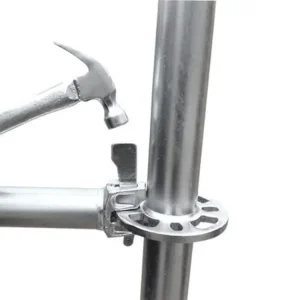
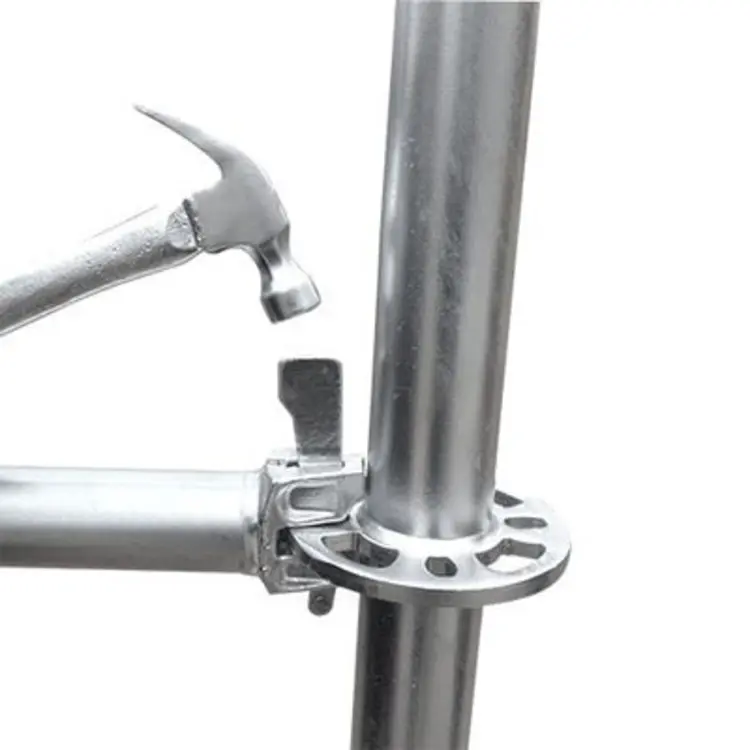
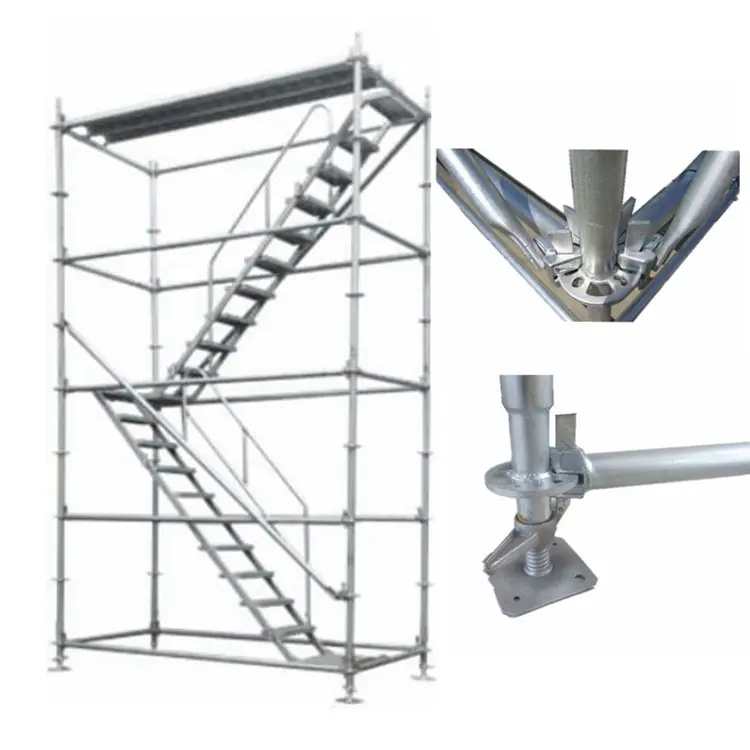
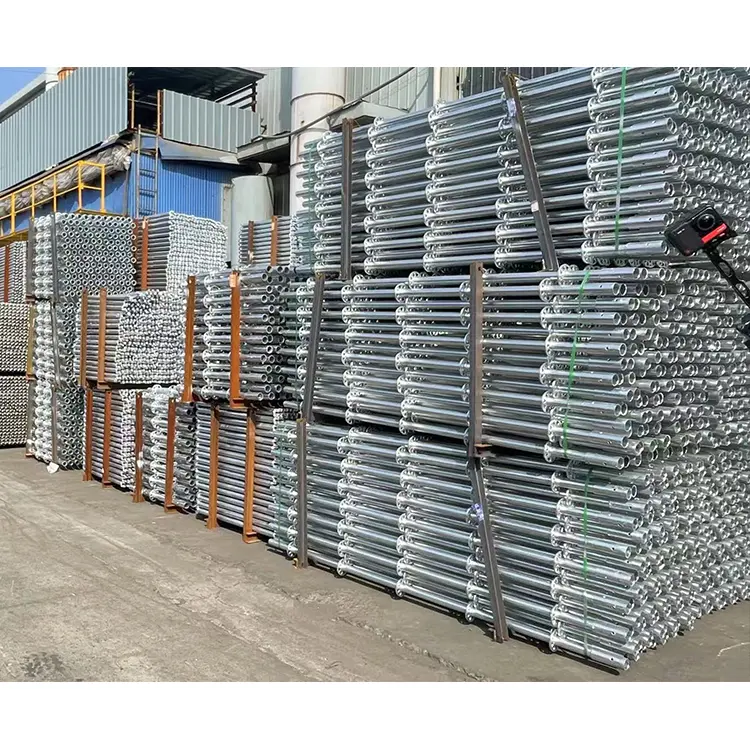
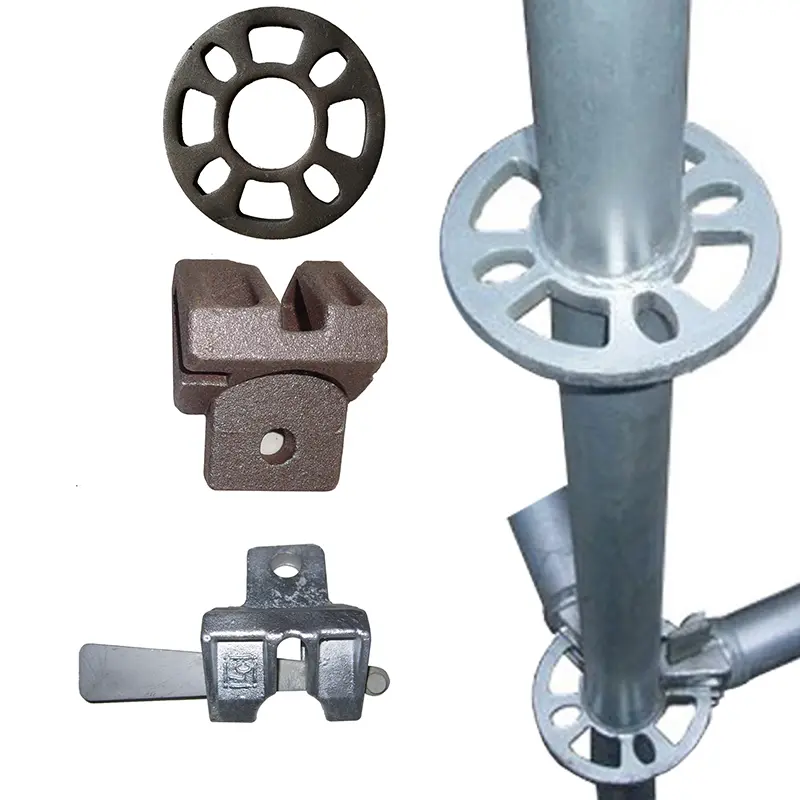
The ringlock scaffolding system is a modular steel support system that deeply integrates engineering classification logic with the compatibility features of the international brand layher. It covers two core uses: work frames and support frames, and is equipped with dual specifications of standard type (Type B) and heavy-duty type (Type Z). It is suitable for high-altitude operations and heavy-load support requirements in multiple scenarios such as building construction, bridge building, and industrial operation and maintenance.
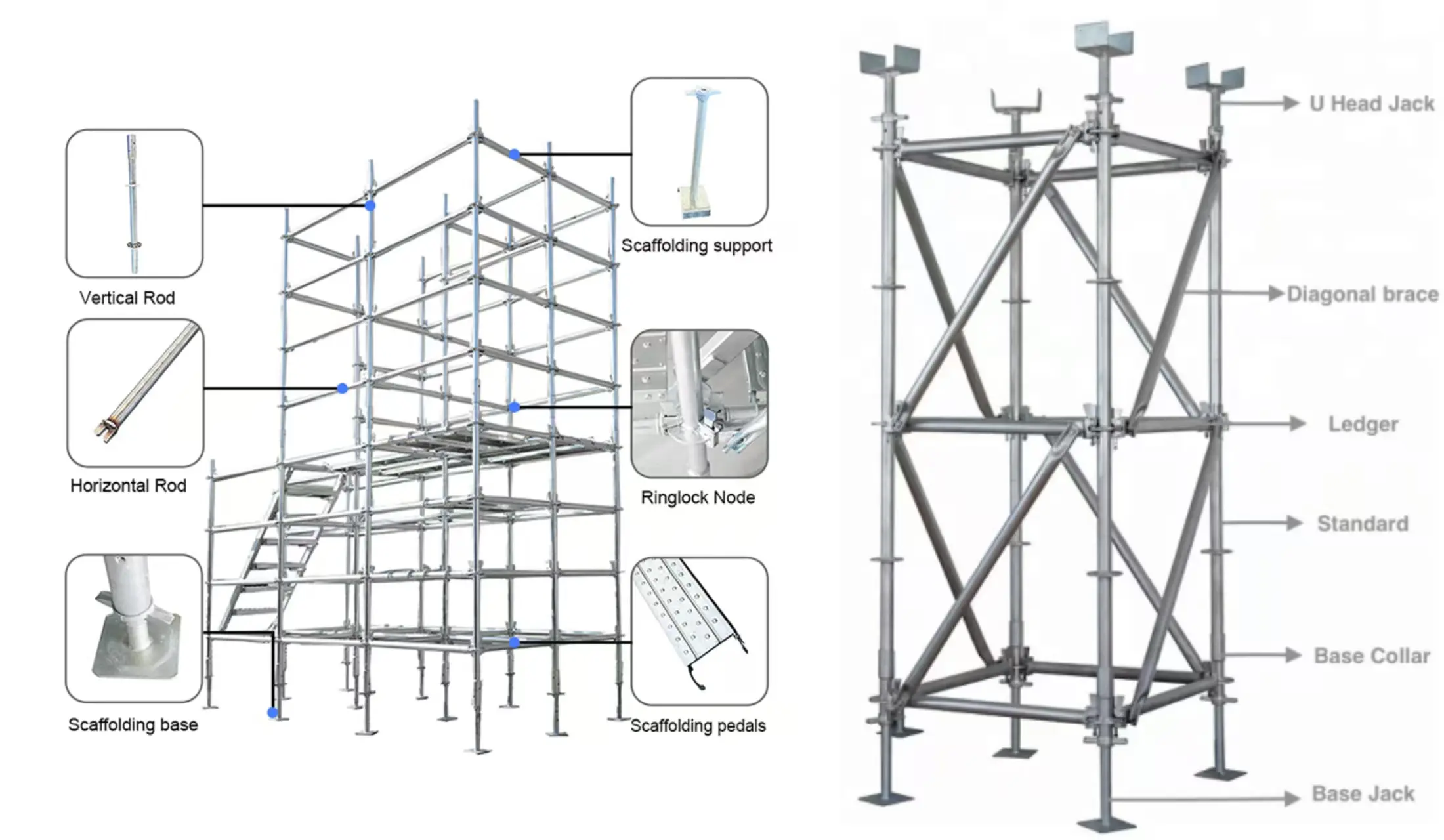
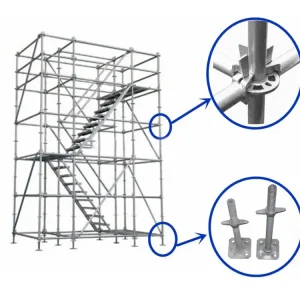
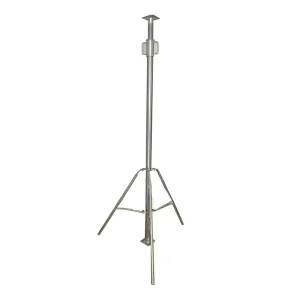
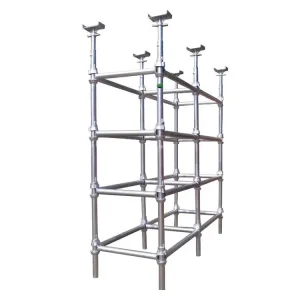
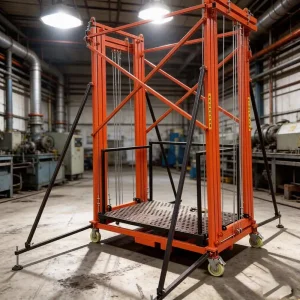
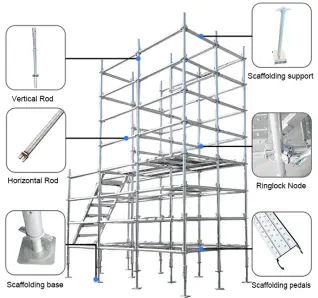
The work frame is divided into two types: the floor-standing double-row external work frame and the steel cantilever-type external work frame. Its main components include vertical rods, horizontal rods, diagonal rods, bases, adjustable bases, adjustable supports, steel scaffold boards, footrests, hanging steel ladders, tripods, etc. The corresponding structure can be seen in Figure 2.1.1.
| 48 System Standard Specifications | |
|---|---|
| Material | Q355 Steel |
| Surface Treatment | Hot dipped galvanized |
| Dimensions | Ф48*3.25mm |
| Theoretical Weight | 5.17 / 8.02 / 10.45 / 12.75 kg |
| Effective Length | 1000 / 1500 / 2000 / 2500 mm |
Application Scenarios of Work Racks: The main application scenarios of the work frame are in the construction field, where it is used for building facade masonry, decoration and renovation, as well as safety protection. It can also be used to build an operation platform to assist in construction, and is also suitable for specific processes and temporary operation scenarios such as industrial facility maintenance.
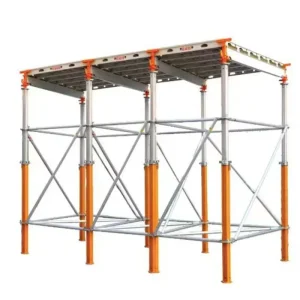
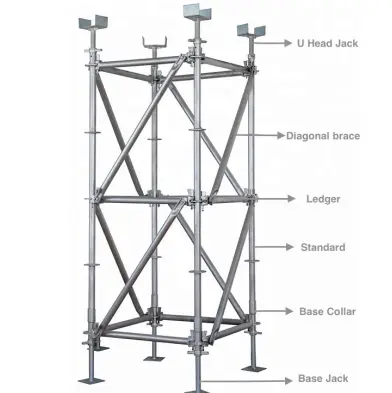
The support frame includes the formwork support frame and the structural installation support frame, mainly composed of vertical rods, horizontal rods, diagonal rods, bases, adjustable bases, adjustable supports, U-shaped supports and other components (the corresponding schematic diagram is Figure 2.1.2).
| 48 Horizontal Rod Specifications | |
|---|---|
| Material | Q355 Steel |
| Surface Treatment | Hot dipped galvanized |
| Dimensions | Ф48*2.75mm |
| Theoretical Weight | 1.41 / 2.39 / 3.34 / 4.29 / 5.24 / 6.14 kg |
| Effective Length | 300 / 600 / 900 / 1200 / 1500 / 1800 mm |
Support Frame Application Scenarios: Support frames are applied in building formwork support (residential/bridge), temporary support for structural installation (steel structure/prefabricated components), industrial equipment foundation and municipal engineering, emergency disaster relief and temporary construction for large-scale events, and can also cope with special scenarios such as heavy load and ultra-high construction.
Support frame: The core is to carry heavy loads such as concrete and equipment, focusing on vertical bearing capacity (single pole bearing capacity can reach 60kN+), and the foundation and stability need to be verified (such as bridge box girder support).
Work frame: It is mainly for personnel operation and safety protection, with a load of ≤2kN/m², emphasizing the flatness of the platform and protective measures (such as scaffolding for exterior wall construction).
Mixing is strictly prohibited. If the support frame is used as a work frame, it may fall due to lack of protection; the work frame is prone to collapse when carrying heavy loads (there have been cases where the work frame collapsed due to overloading of steel bars).
For heavy-load scenarios such as concrete pouring (beam-slab column, bridge box girder), temporary fulcrum for steel structure assembly, and foundation construction of large equipment, professional support frames are required.
Example: The large-span roof pouring of a high-speed railway station requires a heavy-duty support frame (pole diameter ≥ 60mm).
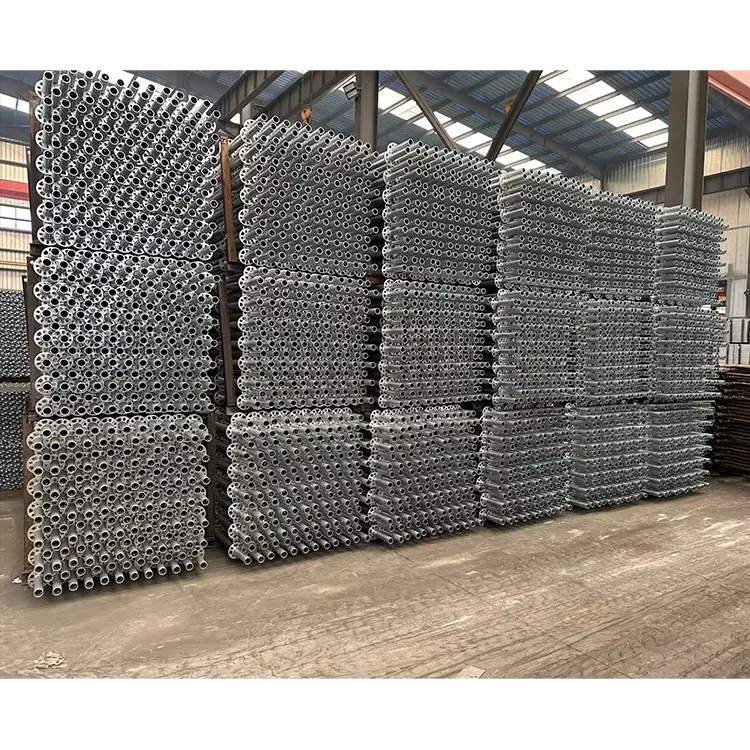
Both standard systems utilize high-strength Q355 Steel. To guarantee durability and prevent corrosion, all components undergo a hot-dipped galvanization surface treatment process.
The standard system has a dimension of Ф48*3.25mm. The theoretical weight ranges from 5.17kg to 12.75kg depending on effective lengths, which are available in 1000mm, 1500mm, 2000mm, and 2500mm.
The work frame is composed of vertical rods, horizontal rods, diagonal rods, bases, adjustable bases, adjustable supports, steel scaffold boards, footrests, hanging steel ladders, and tripods.