Premium architectural and engineering platforms engineered to exceed Cal/OSHA standards for complex geometric assemblies.
The San Francisco Bay Area demands unparalleled stability, structural safety, and rapid adaptability. From strict California Occupational Safety and Health Administration (Cal/OSHA) mandates to complex seismic retrofit schemes on iconic bridges and heritage architectural facades, scaffolding is more than temporary framing—it is a critical point of safety and productivity.
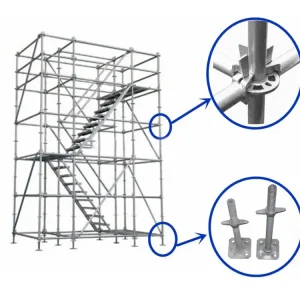
Urban density in downtown San Francisco, SOMA, and the Mission District leaves minimal footprint for standard staging. Modular Ringlock systems offer the ideal solution. Using high-tensile Q355B galvanized steel, these systems deliver structural integrity and self-locking rosette nodes. This setup speeds assembly, reduces staging footprints, and provides high load capacities that accommodate high-density wind forces from the Bay.
A globally integrated enterprise combining scientific research, precision manufacturing, and international trade.
Founded in 2014, Hebei Shuangyang Metal Structure Co., Ltd. is a major manufacturing subsidiary of Zhuozhan Group. Spanning 13,132.68 square meters (with 7,124.58 square meters of specialized building area), the facility operates with over 500 skilled craftspeople and more than 150 advanced machinery systems.
Commitment to technical excellence has earned Shuangyang 15 national patents. The manufacturing site achieves an annual output of 300,000 tons of steel pipes, 1,000,000 tons of scaffolding systems, and 400,000 tons of adjustable steel props.
Laoting Zhuozhan International Trade division links these advanced manufacturing capabilities to international markets, including the United States, Canada, and Europe. This ensures that projects in San Francisco receive factory-direct shipments that comply fully with local standards.
A look at the manufacturing stages that verify structural performance and control environmental impact.
Heavy duty structural steel tubes are precision-cut. This step generates minor noise and solid waste, which are fully recycled.
Precision punching guarantees absolute vertical alignment. This step generates localized noise and steel scraps.
Robotic welding secures the rosette disc components. Gas filtration systems manage welding fumes (waste gas).
The standard parts undergo zinc-immersion to coat all internal and external surfaces against corrosion.
Engineers run loading checks and dimensional tolerance inspections (controlled to ±1mm) before dispatch.
High-strength steel pipes are measured and cut. Solid waste from this step is reclaimed.
The tube ends are formed to fit the casting ledger heads.
Automatic welding machines secure the casting steel wedge heads, ensuring stable load transfer.
Components are galvanized and high-durability locking wedges are pinned in place, verifying the self-locking mechanism.
Finished ledgers are verified for standard dimensions, bundled, and prepped for containerized loading.
Ancillary engineering elements to complete high-capacity shoring layouts on San Francisco job sites.
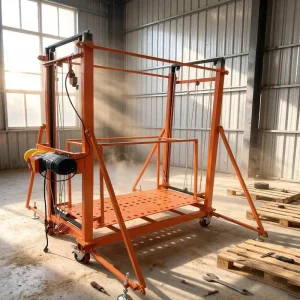
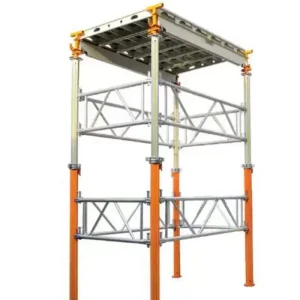
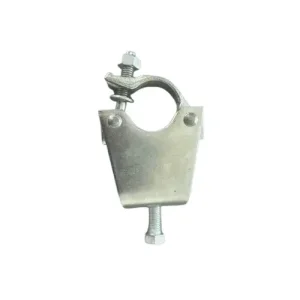
Zhuozhan Industry products comply with ISO 9001, EN 12810/12811, and ANSI standards for reliable performance under heavy loading.
The self-locking mechanism limits node deflection, maintaining frame alignment under lateral loads in high-wind zones.
A zinc layer exceeding 80 microns provides long-term protection against salt air and damp coastal conditions.
Our engineering team designs structural staging layouts to meet Cal/OSHA standards for complex project builds.
Proven execution across complex civil, industrial, and high-rise construction projects.
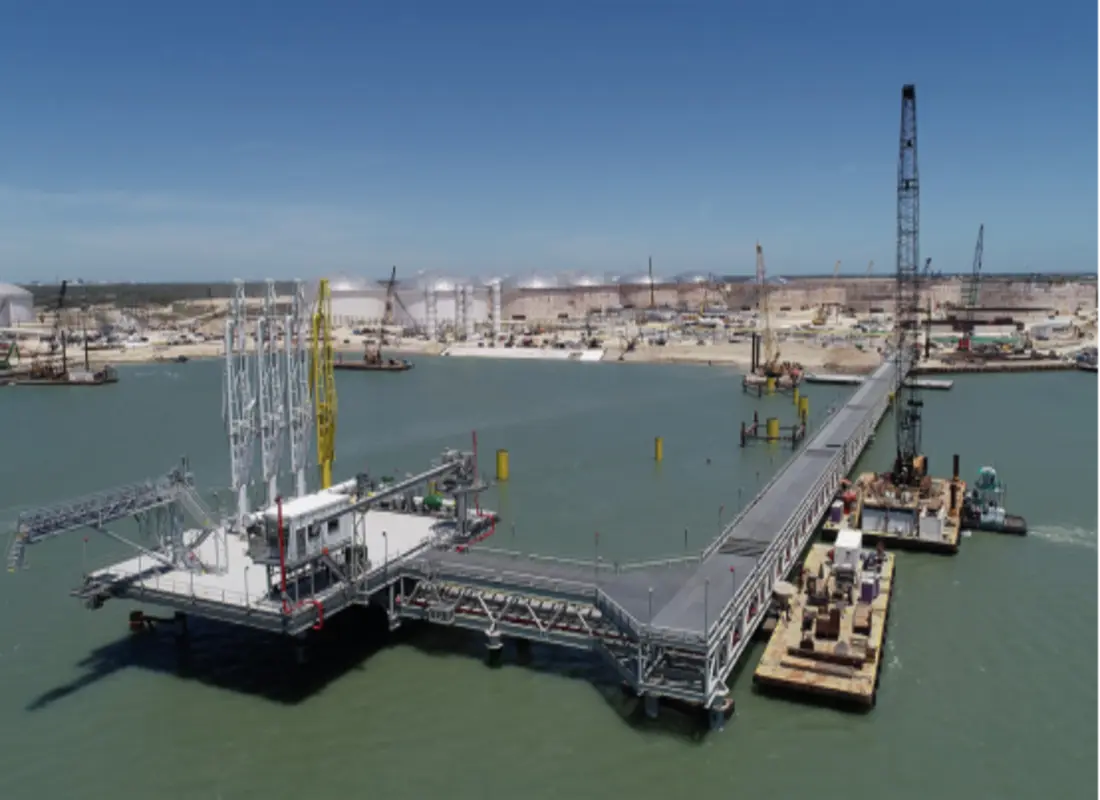
High-capacity suspended platforms configured for marine exposure, enabling wet-welding and inspection with steady footing.
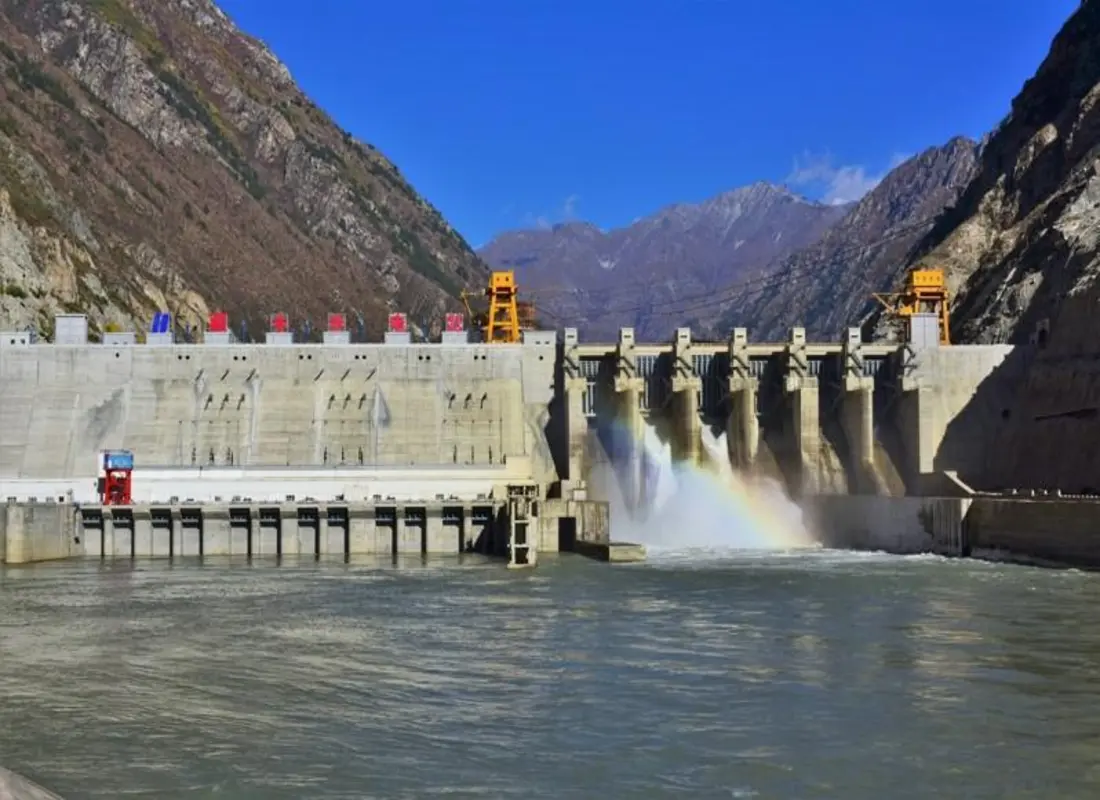
High-load shoring towers designed for heavy concrete wall pours on water treatment facilities.
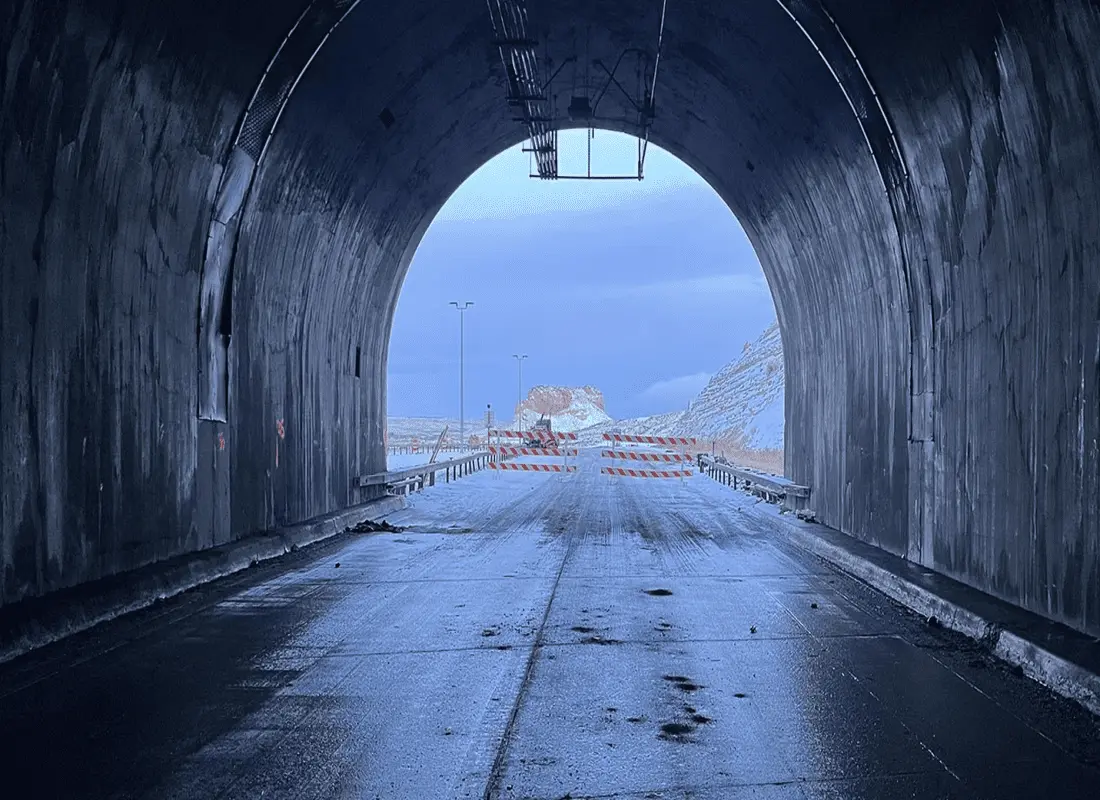
Arched structures design providing clearance for traffic flow during major structural concrete repair works.
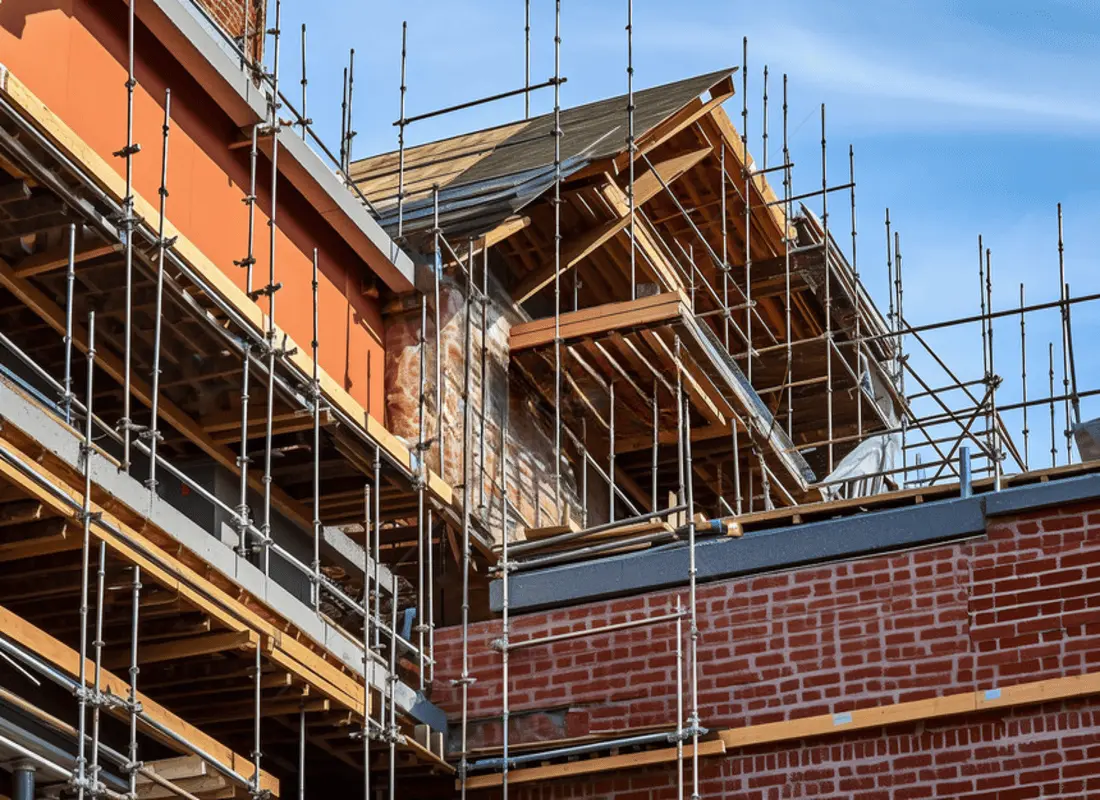
Cleanroom-compliant structural staging supporting high-level MEP installations in active biological research laboratories.
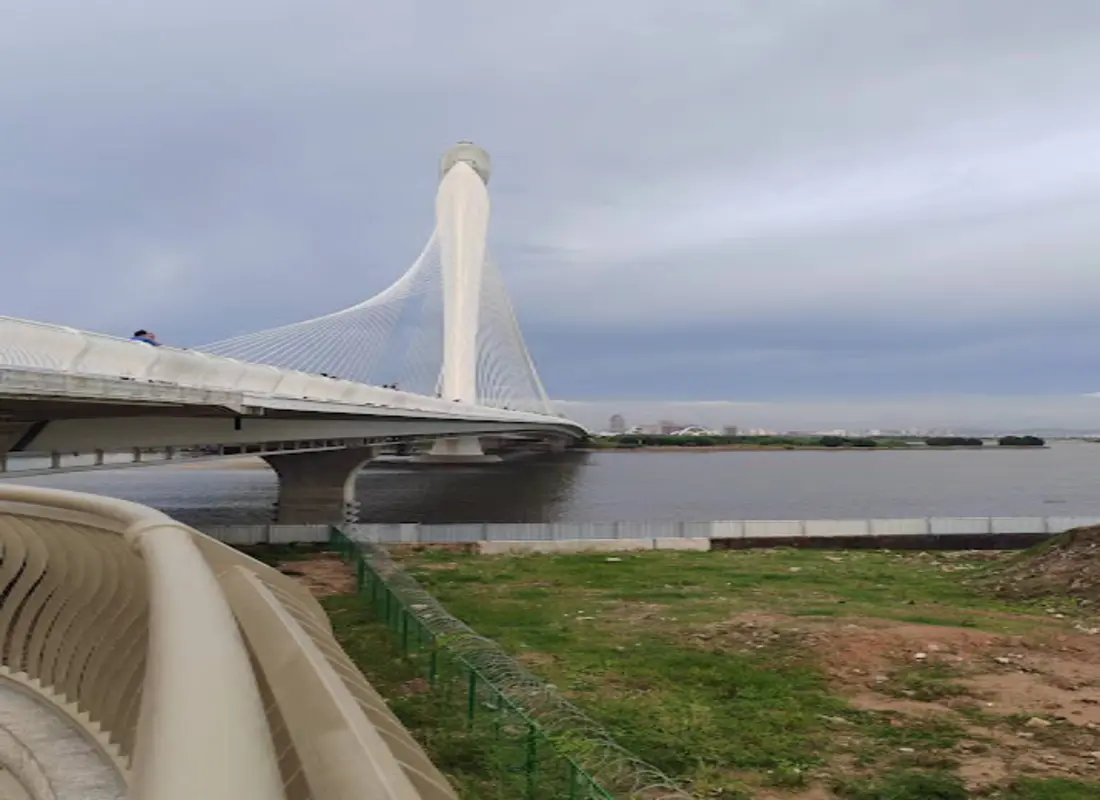
A cantilevered truss arrangement designed to withstand dynamic wind forces off the Bay while providing safe access for painters and structural inspectors.
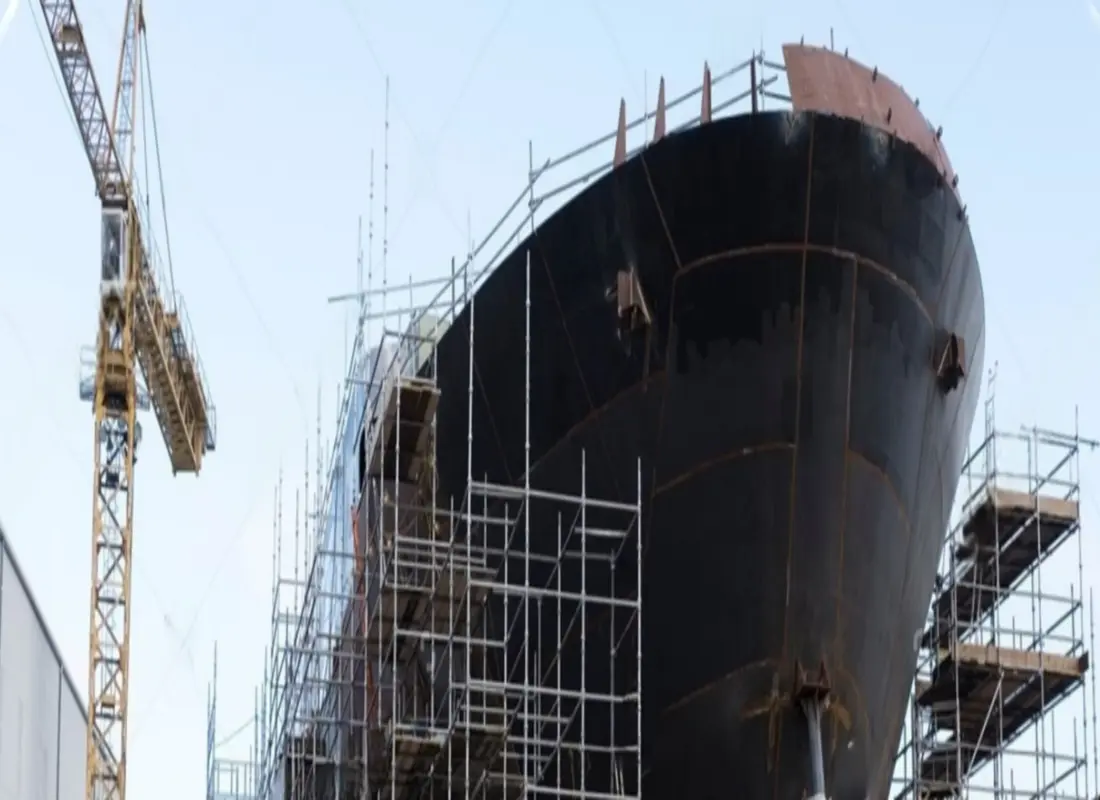
Tailored access towers hugging hull contours, built using corrosion-resistant hot-dip galvanized components.
Watch our automated manufacturing processes, structural load tests, and installation practices.
Inspection of standardized parts across our global warehouses.
Demonstrating the wedge pin installation that speeds up setup on site.
Inside Hebei Shuangyang's robotic welding lines.
Review our range of heavy-duty scaffolding and temporary support solutions.
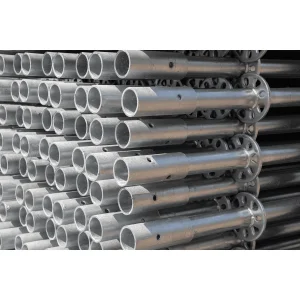
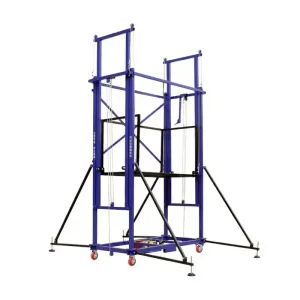
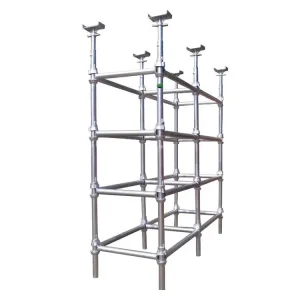
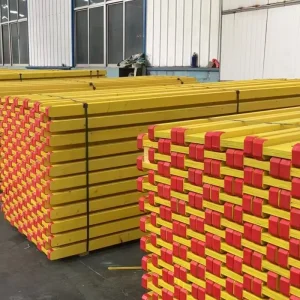
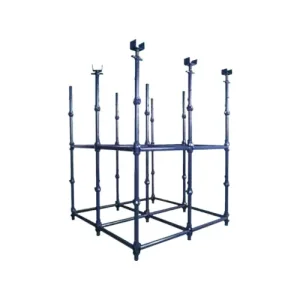
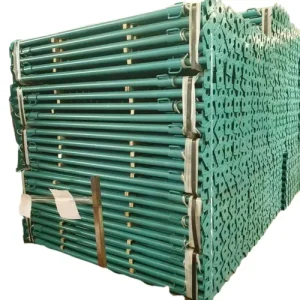
An analysis of material choice, weight reduction, and labor productivity in modern modular scaffold systems.
Historically, scaffolding installations relied on Q235 carbon steel tubing with a nominal wall thickness of 3.8mm. Modern engineering projects in San Francisco favor high-tensile Q355B (equivalent to ASTM A572 Grade 50) steel. The higher yield strength of Q355B steel allows for lighter structural tubes (wall thickness of 3.25mm) while maintaining load performance.
By using Q355B steel, modular systems reduce dead weight by up to 30%, which helps lower transport energy consumption and reduces physical strain on erection crews. Rosette rings are forged using weldable steel, ensuring consistent load capacity and reliable performance in cold weather.
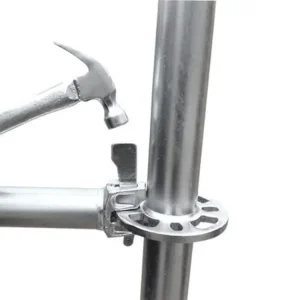
The self-locking mechanism of Ringlock scaffolding uses wedge connector ends that slip over rosette discs and lock with a hammer strike. This design reduces assembly errors compared to traditional tube-and-clamp setups, which require torque-wrench calibration on every fastener.
Assembly records show that a typical scaffolding crew can erect 150 to 300 square meters of Ringlock staging per day, whereas tube-and-clamp setups average 40 to 60 square meters. For projects in high-density urban areas of San Francisco, this faster assembly translates to shorter road closures and reduced labor costs.
For operations in Northern California, scaffolding systems must comply with Cal/OSHA safety standards under California Code of Regulations, Title 8, Section 1637. This code requires regular component inspections, verified handrail strengths, and loading calculations for scaffolding structures over 125 feet.
Our engineering services assist Bay Area contractors with complete safety documentation, design calculations, and factory certificates. This support helps streamline approval processes with San Francisco's Department of Building Inspection (DBI).
Answers to common questions from structural engineers, project managers, and logistics coordinators regarding Ringlock scaffolding systems.
A: Yes. Our modular Ringlock and Cuplock scaffolding systems are certified under EN 12810/12811 and meet ANSI/SSFI loading requirements, which align with Cal/OSHA Title 8 safety parameters for regional construction projects.
A: Made from high-tensile Q355B steel, a single vertical standard with standard bracing can support axial loads of up to 10 tons (approximately 22,000 lbs), which is 1.5 times the load capacity of traditional Q235 steel tubes.
A: High humidity and sea spray accelerate corrosion. To address this, we hot-dip galvanize our components to apply a zinc layer of over 80 microns. This coating prevents rust creep and provides a service life of 15 to 20 years in coastal environments.
A: Yes. Our design team of 20 engineers creates custom modular structures, shoring systems, and formwork designs tailored to the complex geometries of historic restorations and modern structures.
A: With our facility situated near Jingtang Port, Tianjin Port, and Caofeidian Port, ocean transit to the Port of Oakland/San Francisco typically takes 18 to 25 days, supported by complete customs documentation.
A: Our Ringlock rosette rings are manufactured to standard international dimensions, allowing them to integrate with compatible systems. However, we recommend consulting our engineers to verify connection details before mixing components on site.
 Zhuozhan