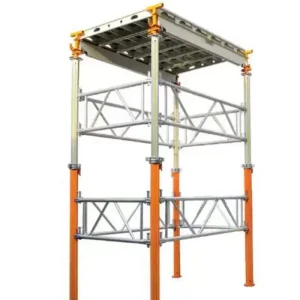
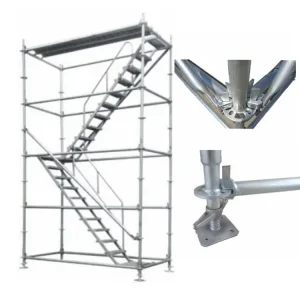
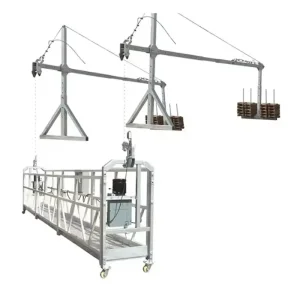
Modern electrical infrastructure development demand absolute reliability and strict compliance with high safety standards. Substation build-outs, power generation facilities, transmission line support towers, and large-scale cable routing structures require structural access systems designed to withstand heavy loads, prevent electromagnetic risks, and enable rapid assembly. This comprehensive industry analysis explores structural scaffolding designs tailored for the electrical power construction sector.
The global push toward renewable energy projects and high-voltage transmission networks has transformed the specifications of structural support equipment. Power plants, turbine platforms, and transmission substations present unique site conditions, requiring materials that balance heavy weight-bearing capabilities with ease of use and weather resistance. As electrical construction projects expand in height and complexity, high-load scaffolding systems are replacing traditional scaffolding configurations. Additionally, clean energy and modern transmission infrastructure projects demand structural support frameworks that integrate easily with high-performance electrical components, control cabinets, and heavy-duty busbars.
EPC (Engineering, Procurement, and Construction) companies and electrical utility operators encounter severe logistical and technical challenges when sourcing structural support materials. Crucial factors include:
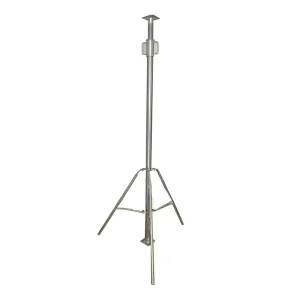
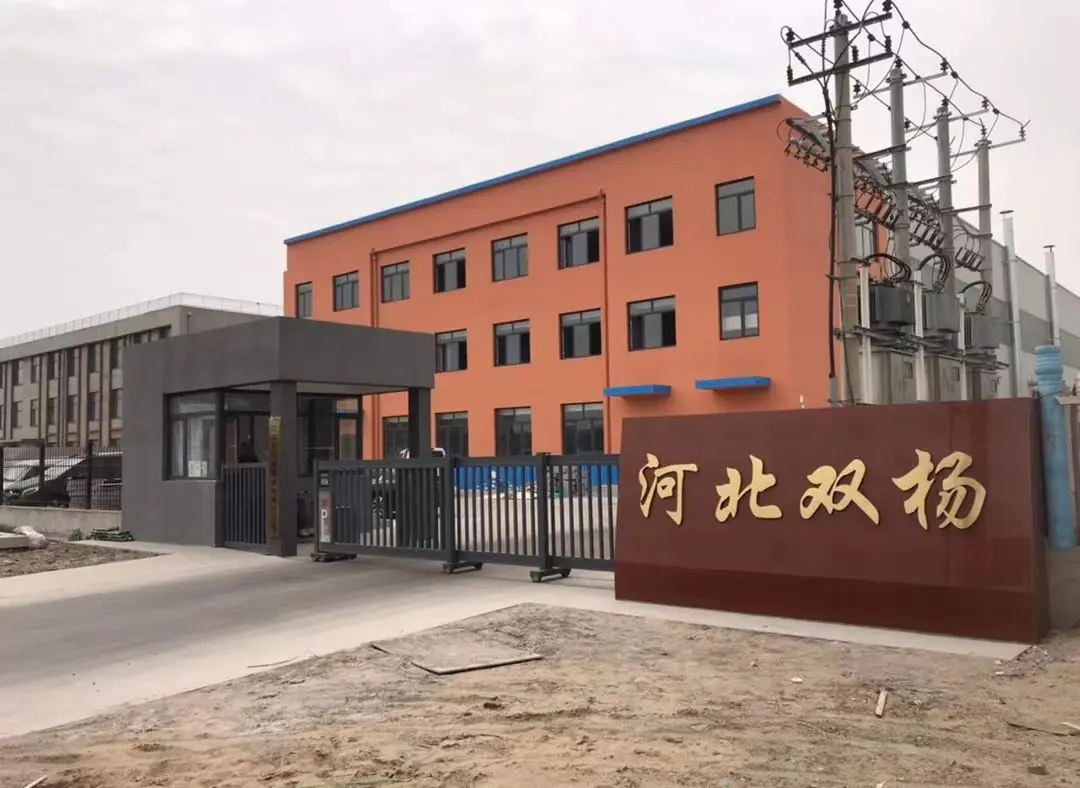
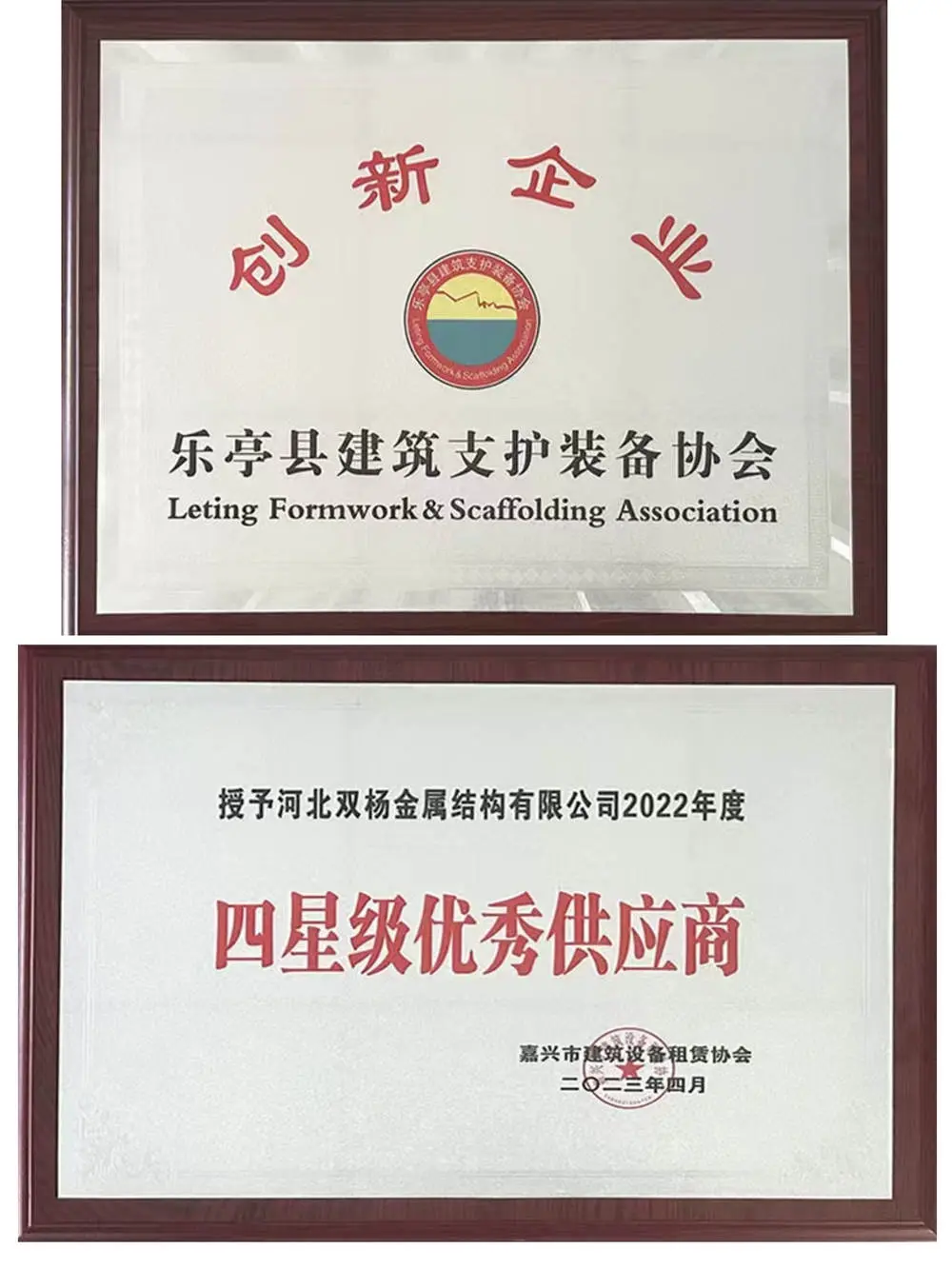
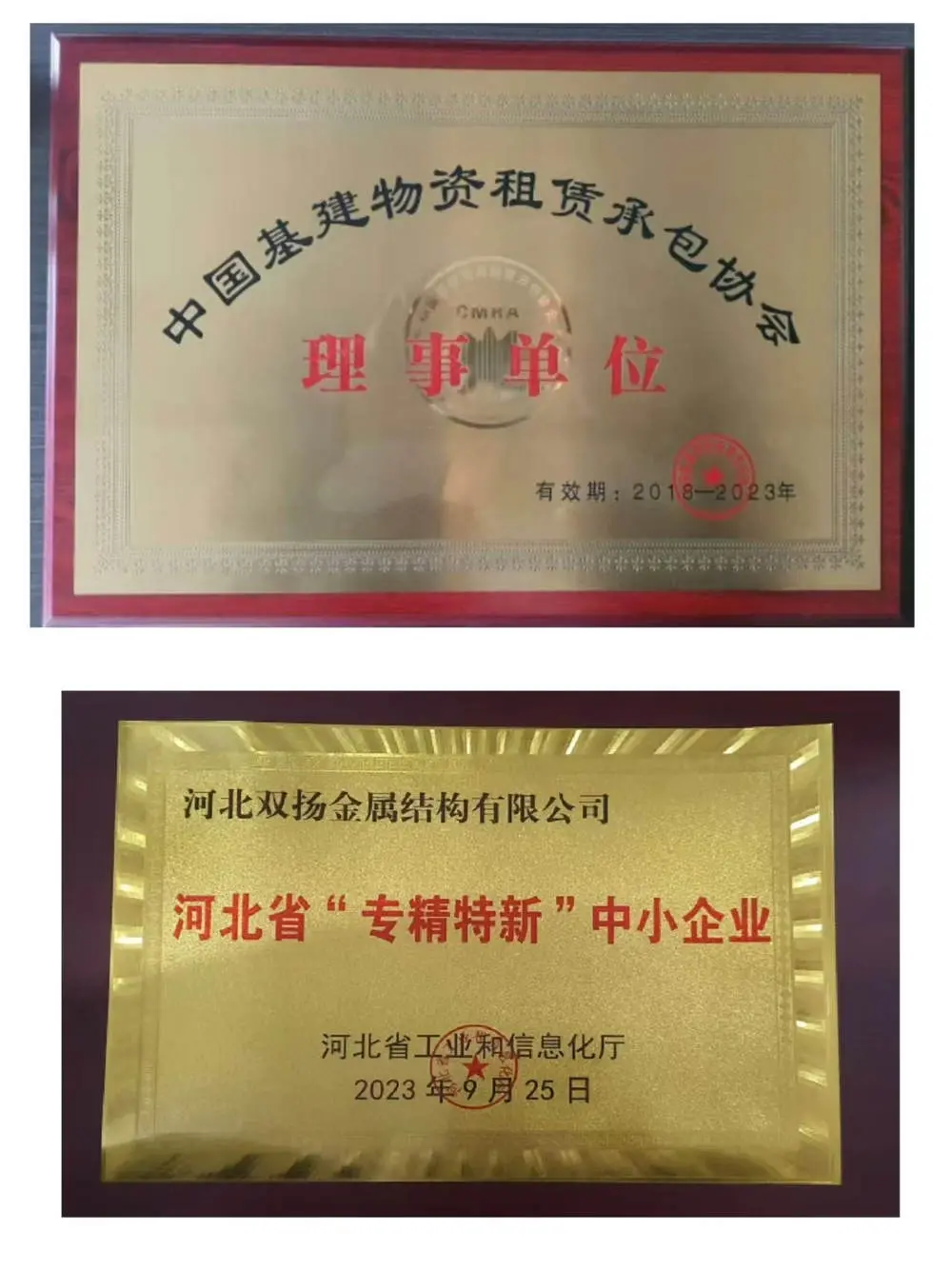
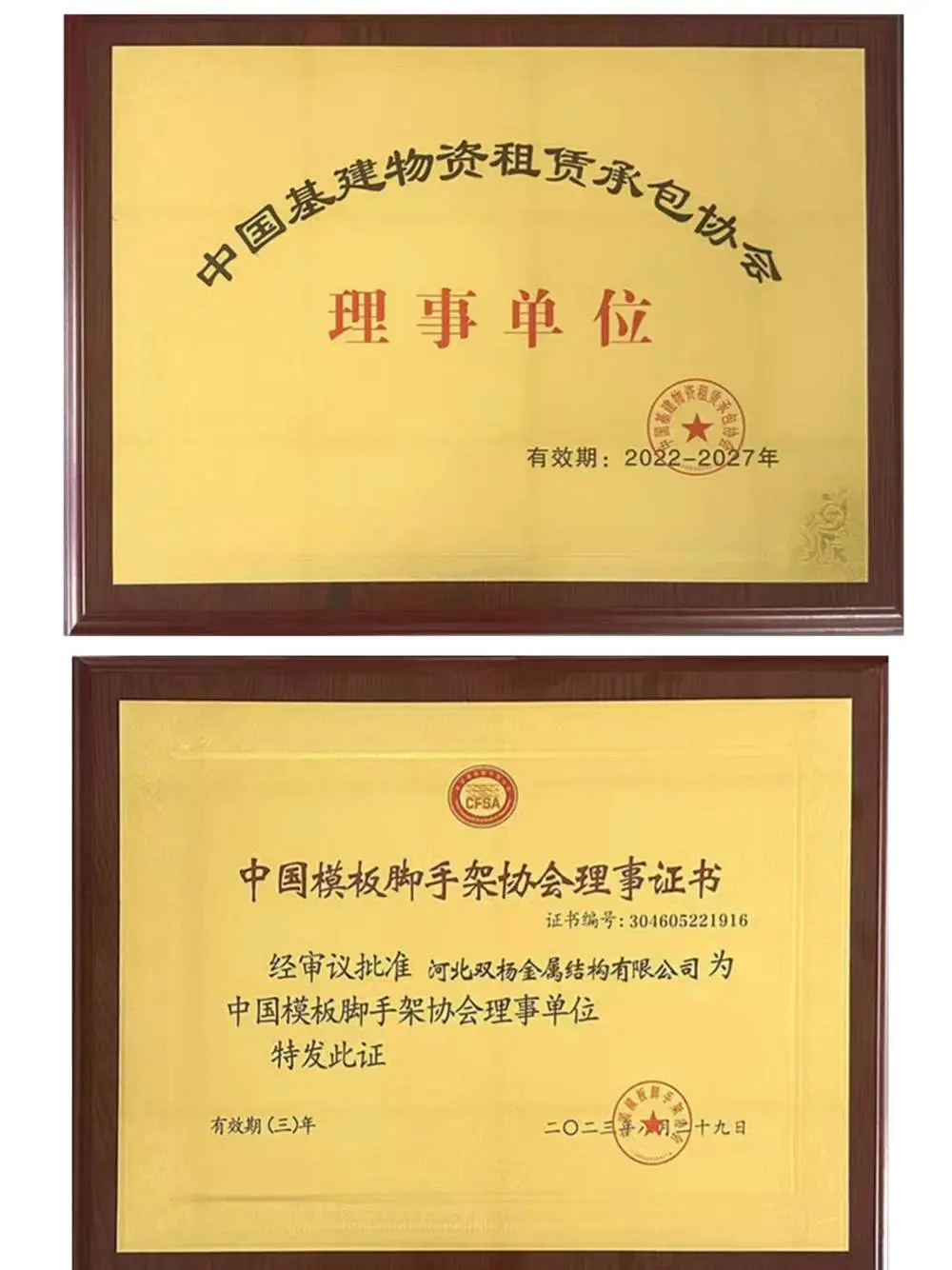
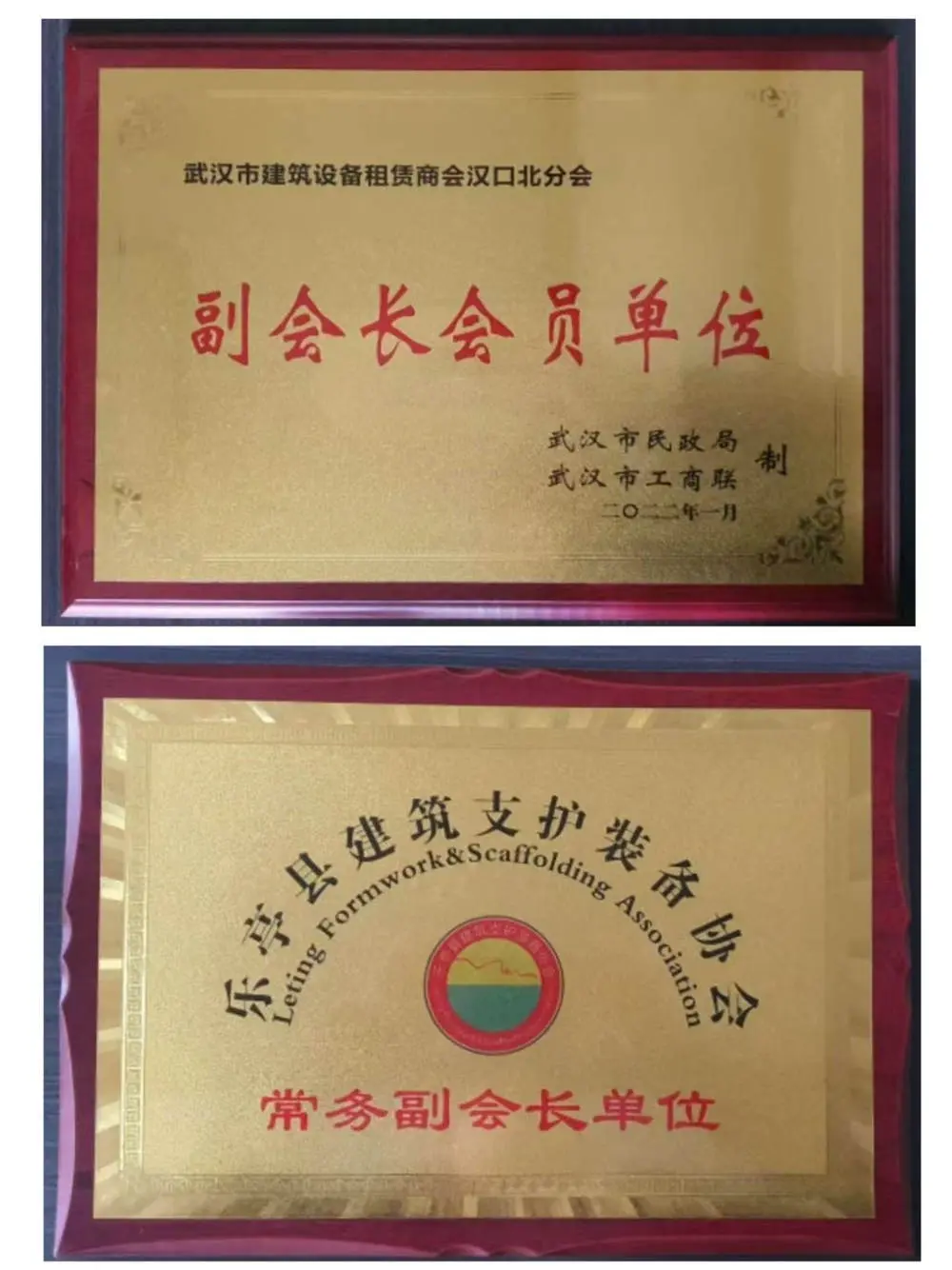
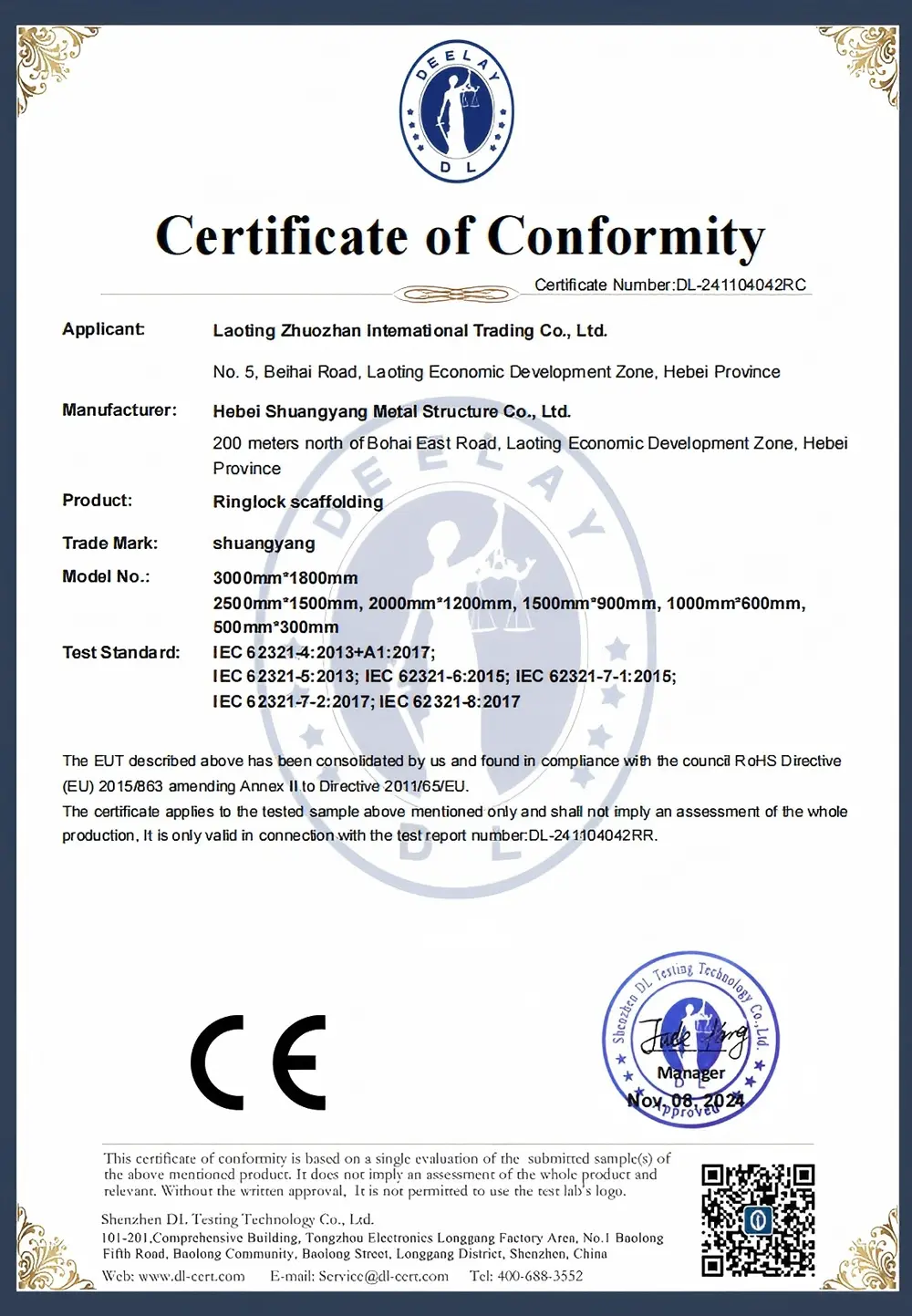
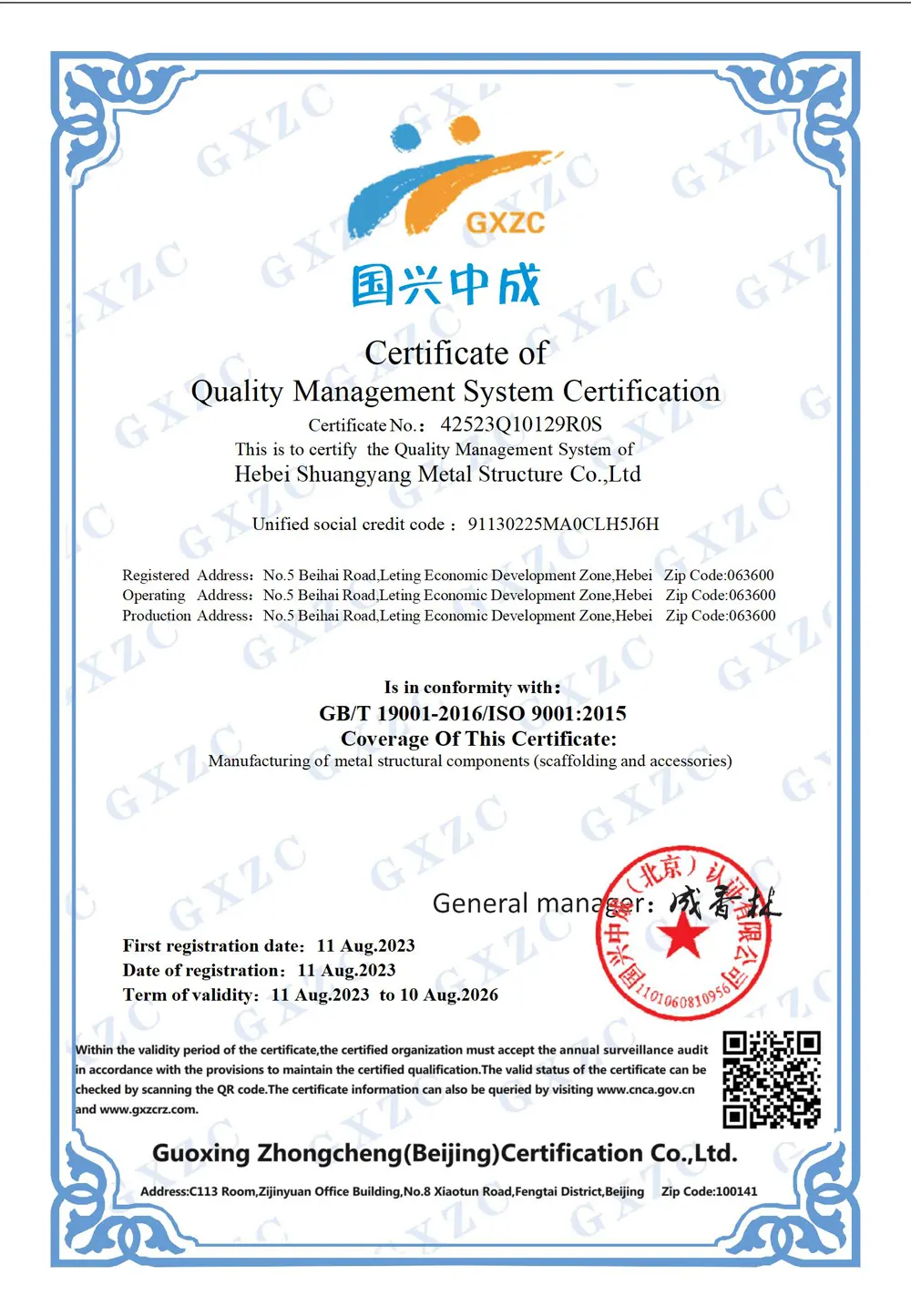
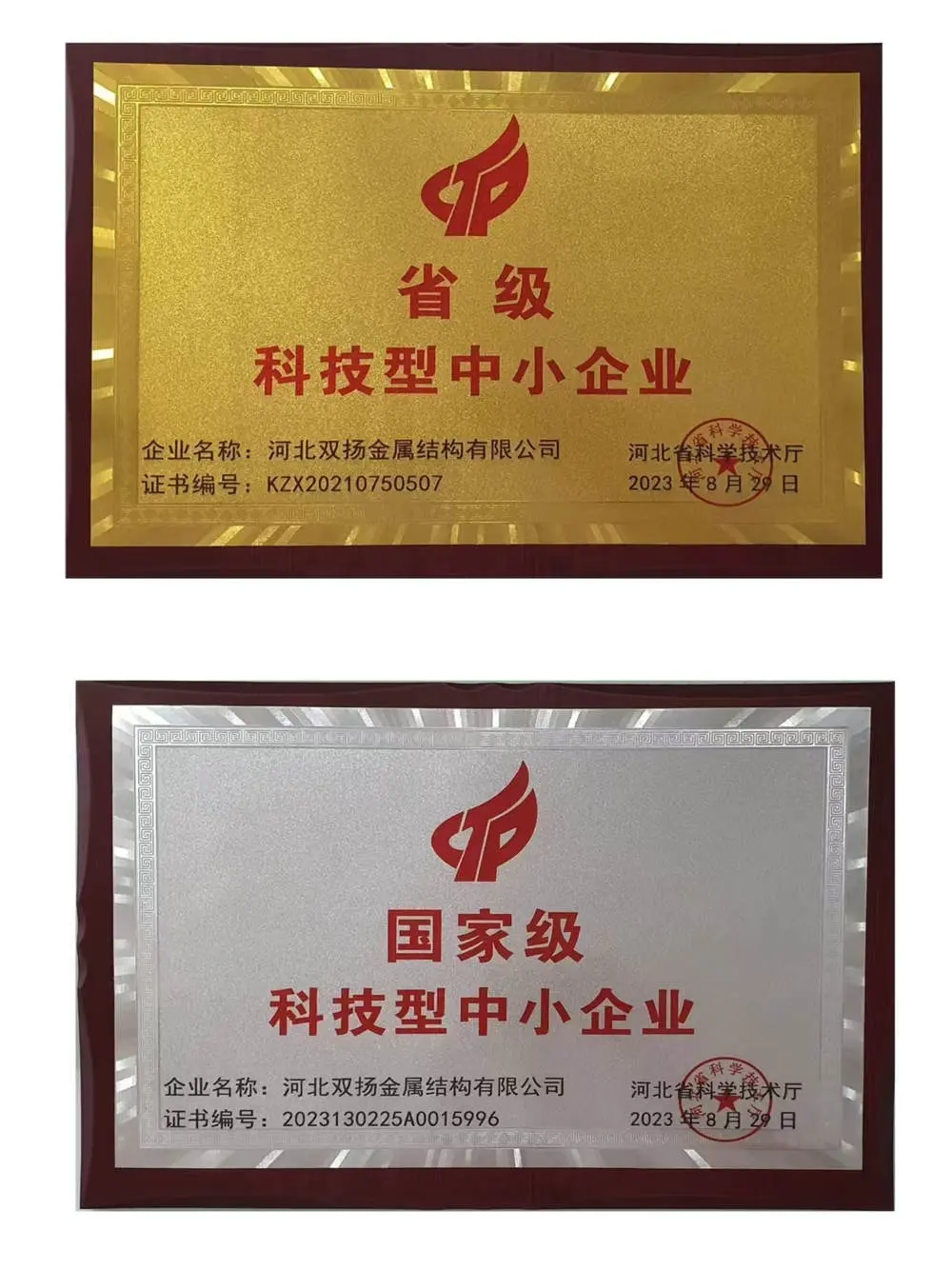
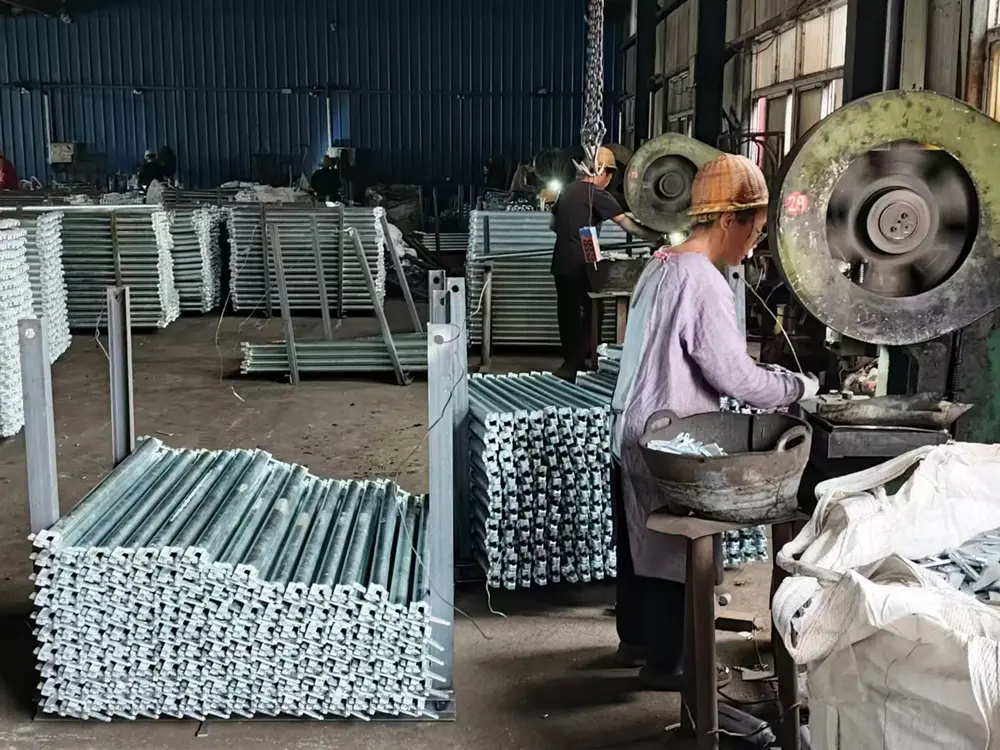
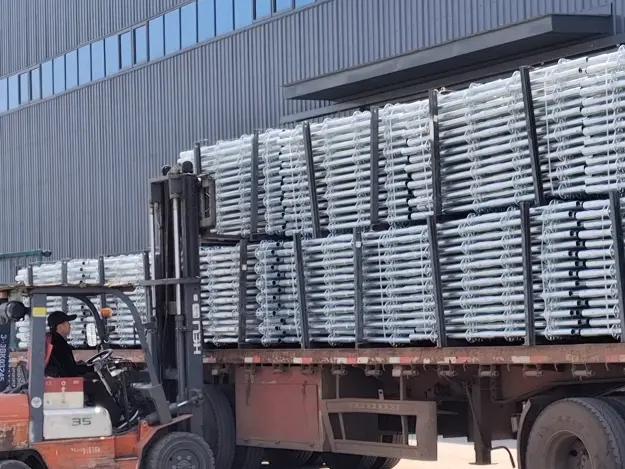
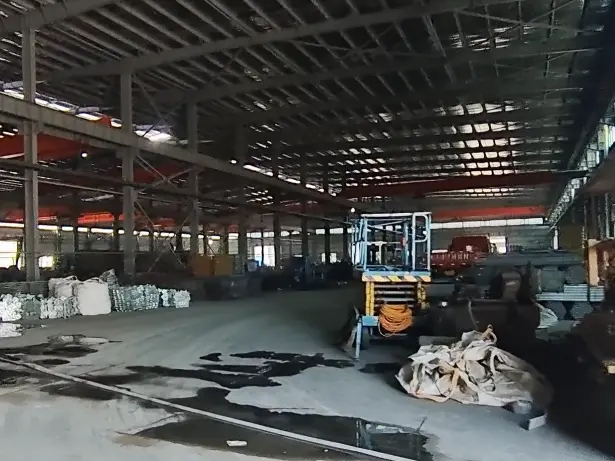
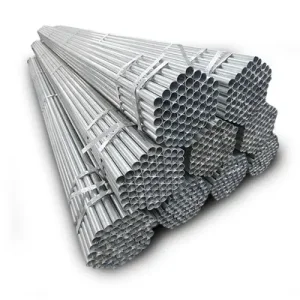
Zhuozhan Group's manufacturing process relies on precision engineering and strict compliance with international standards (such as EN 12810/12811, ISO 9001). Under Hebei Shuangyang Metal Structure Co., Ltd., we combine scientific research, manufacturing, and distribution. Operating on a factory area of over 40,000 square meters, we achieve an annual output of 300,000 tons of steel pipes, 1 million tons of scaffolding systems, and 400,000 tons of adjustable structural steel props, providing a reliable supply chain for large infrastructure projects.
Our commitment to continuous innovation is backed by 15 national design patents, improving node rigidity, structural stability, and weight optimization.
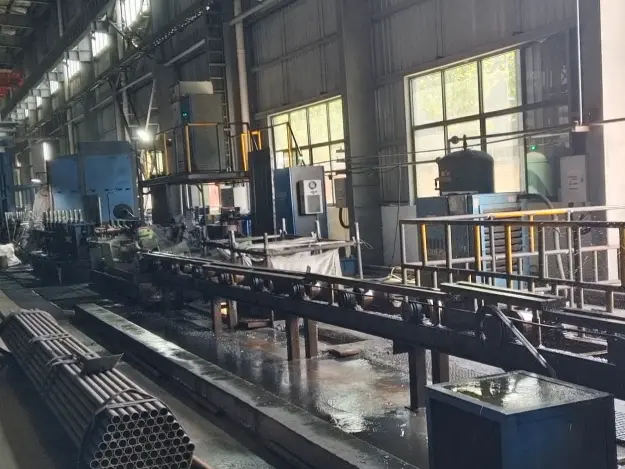
Fully automated cutting and welding processes keep tolerances within ±1mm, preventing assembly issues on site and improving system load distribution.
Tested and certified to comply with European standards EN 12810/12811, verifying safety and load-bearing performance under harsh industrial conditions.
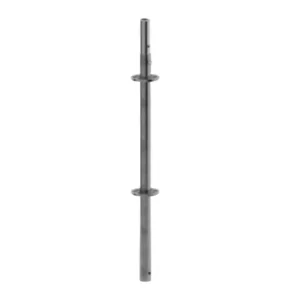
The production line for vertical standards focuses on maintaining tube roundness, precise hole sizing, and high welding penetration to optimize load capacity.
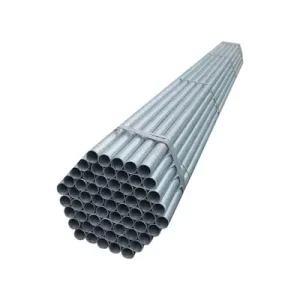
Raw high-strength Q355B/Q235 steel pipes are cut to design lengths. Controls manage noise (N) and solid scrap (S).
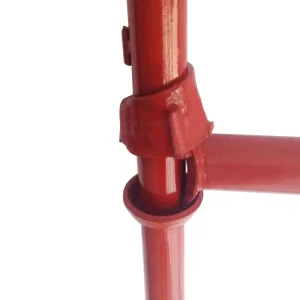
Hydraulic punching machines create rosette connector holes. Generates solid waste metal disks (S).
Rosette rings are welded to the standard. Monitored for welding fumes (G) and slag (S).
Components are pickled and dipped in molten zinc for rust resistance. Handled through accredited facilities.
Final inspection confirms dimensional tolerances and coating thickness before packing.
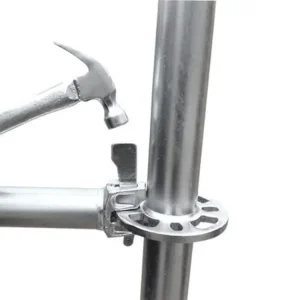
Horizontal ledgers must fit closely between vertical posts. Ledger ends are cast for secure node connections.
Steel pipes are cut to length for the ledger span. Controls manage scrap metal recycling.
Pipe ends are flattened and shaped to receive the ledger end casting.
Cast steel ledger ends are welded to the pipe. Pulse MIG welding ensures consistent joint quality.
Dipped in zinc bath to cover interior and exterior surfaces against moisture build-up.
Captive wedge pins are riveted into the ledger ends, completing the component assembly.
Located near Caofeidian Port, Jingtang Port, and Tianjin Port, allowing for immediate loading and reduced domestic transportation times.
Support through regional distribution networks across the United States, Canada, China, Malaysia, Thailand, and Indonesia.
Experienced in high-voltage substation and clean energy projects across more than 30 provinces in China, Southeast Asia, Europe, and the Americas.
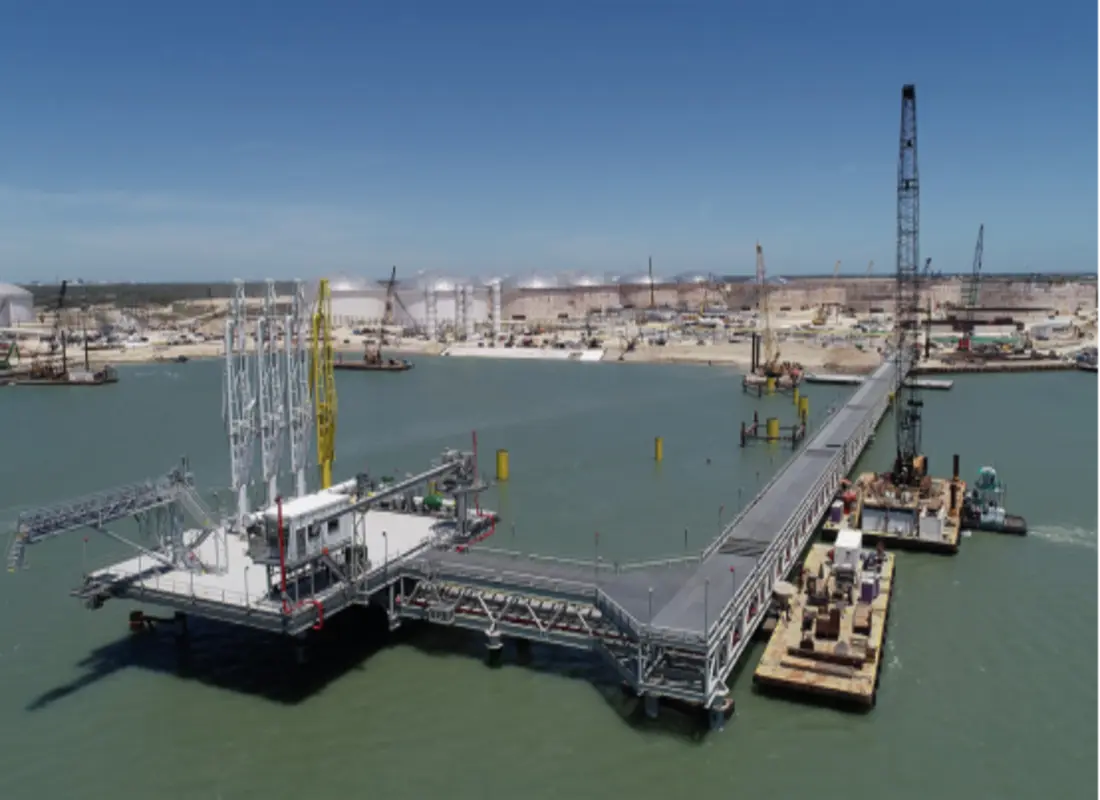
Heavy utility routing layout at petro-chemical shipping berths.
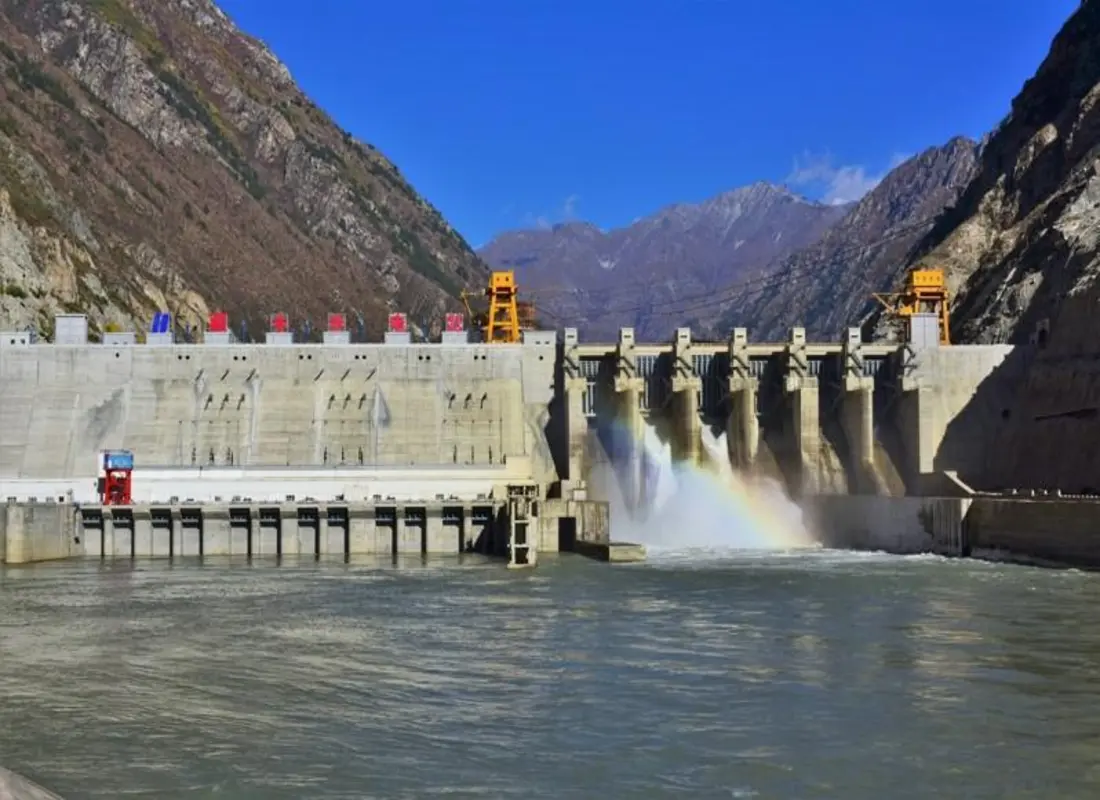
High-stability scaffolding arrays for turbine housing renovations.
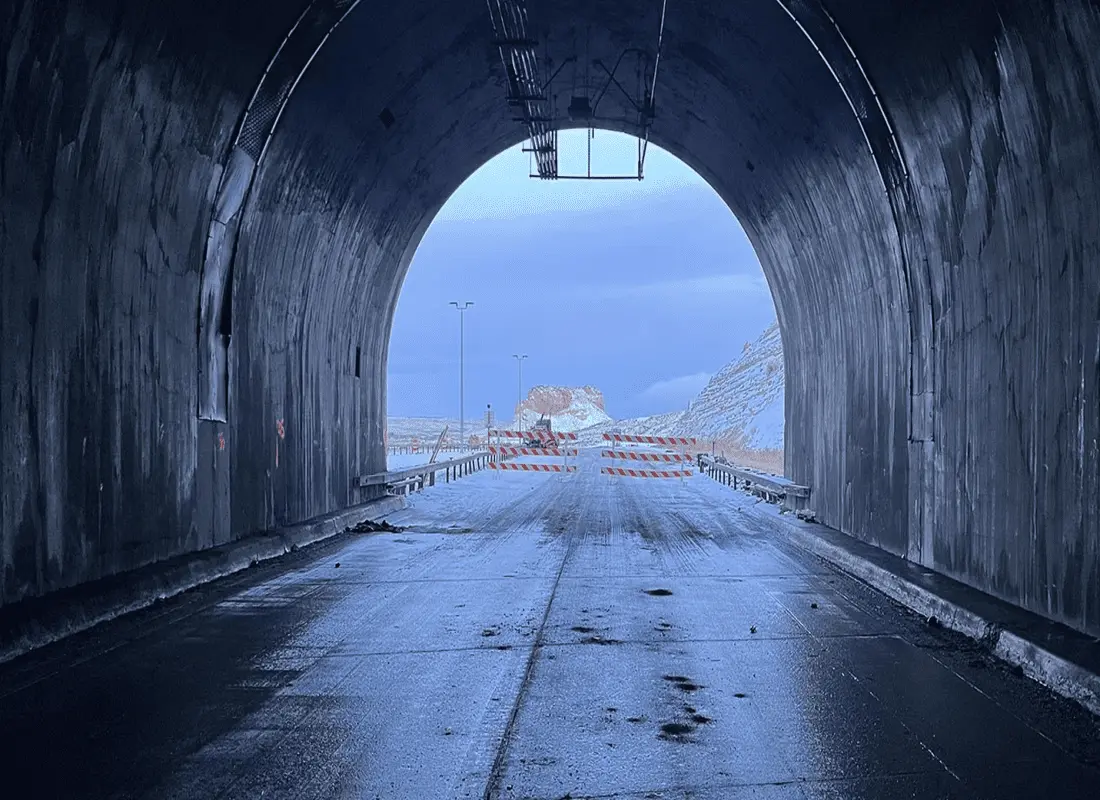
High-load arched support systems for structural concrete lining.
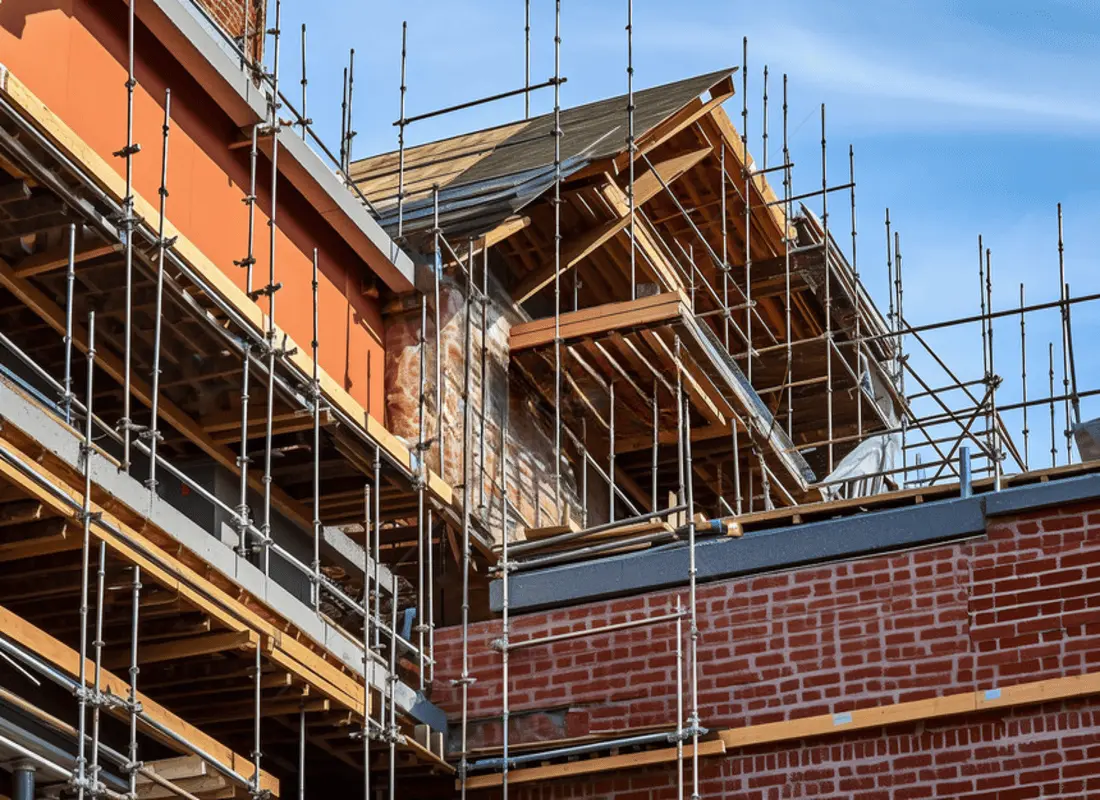
Complex ceiling access towers built for cleanroom electrical installations.
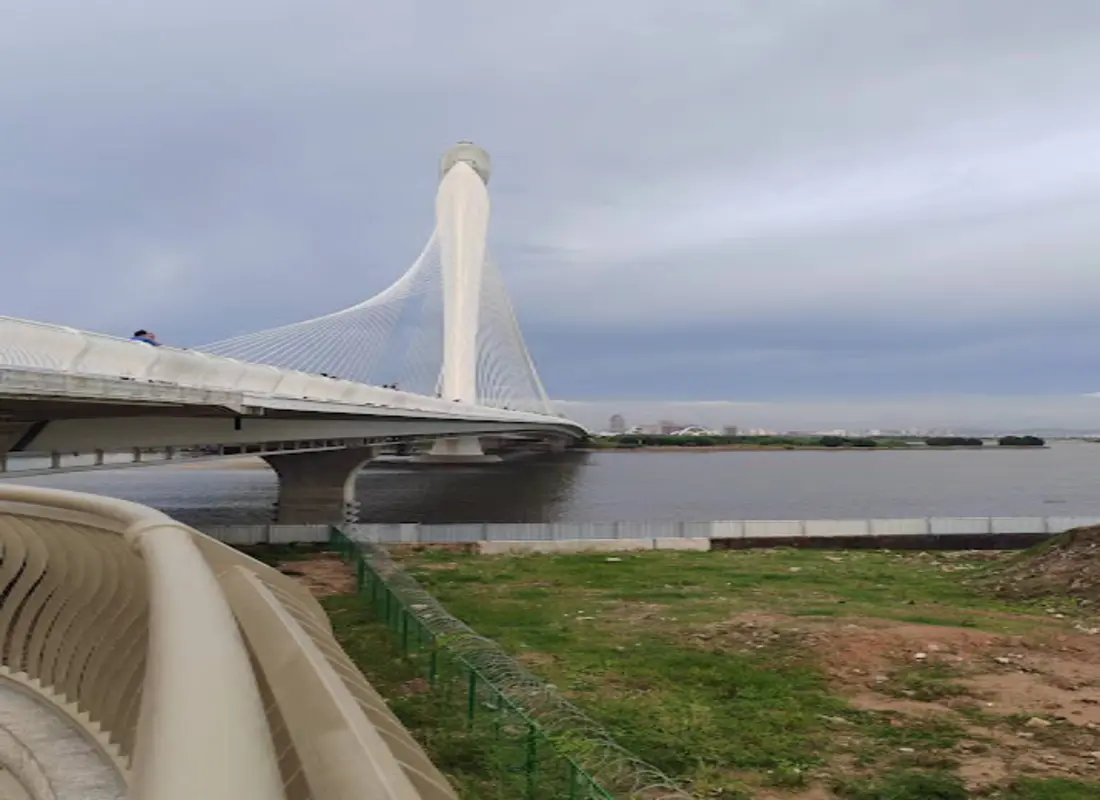
Suspended scaffold decks for bridge structural reinforcement.
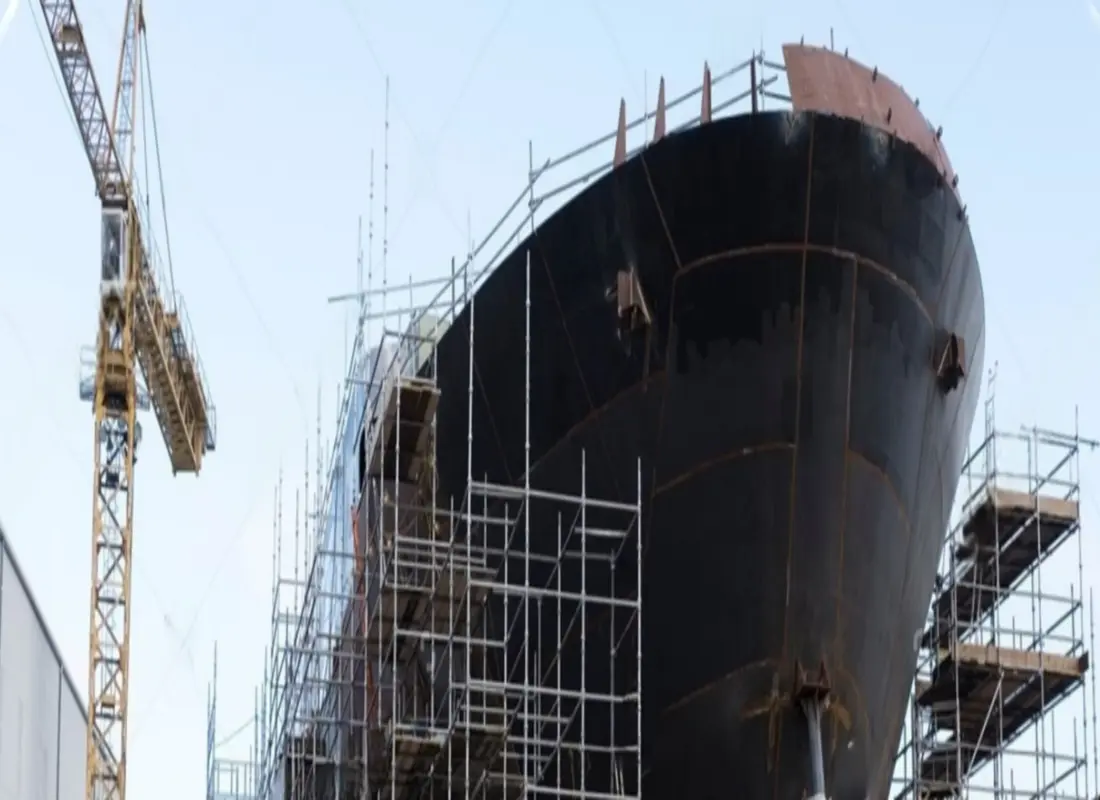
Corrosion-resistant scaffolding arrays built for shipyard assembly.
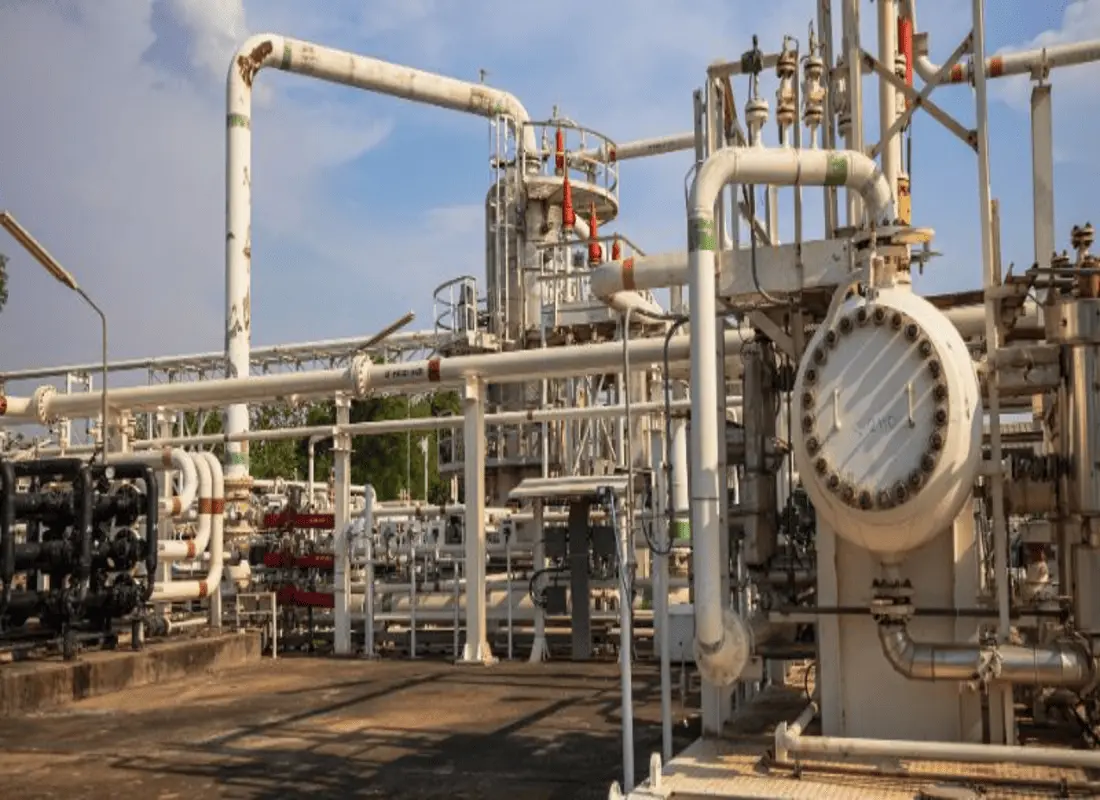
High-temperature tolerant access towers for heat exchanger maintenance.
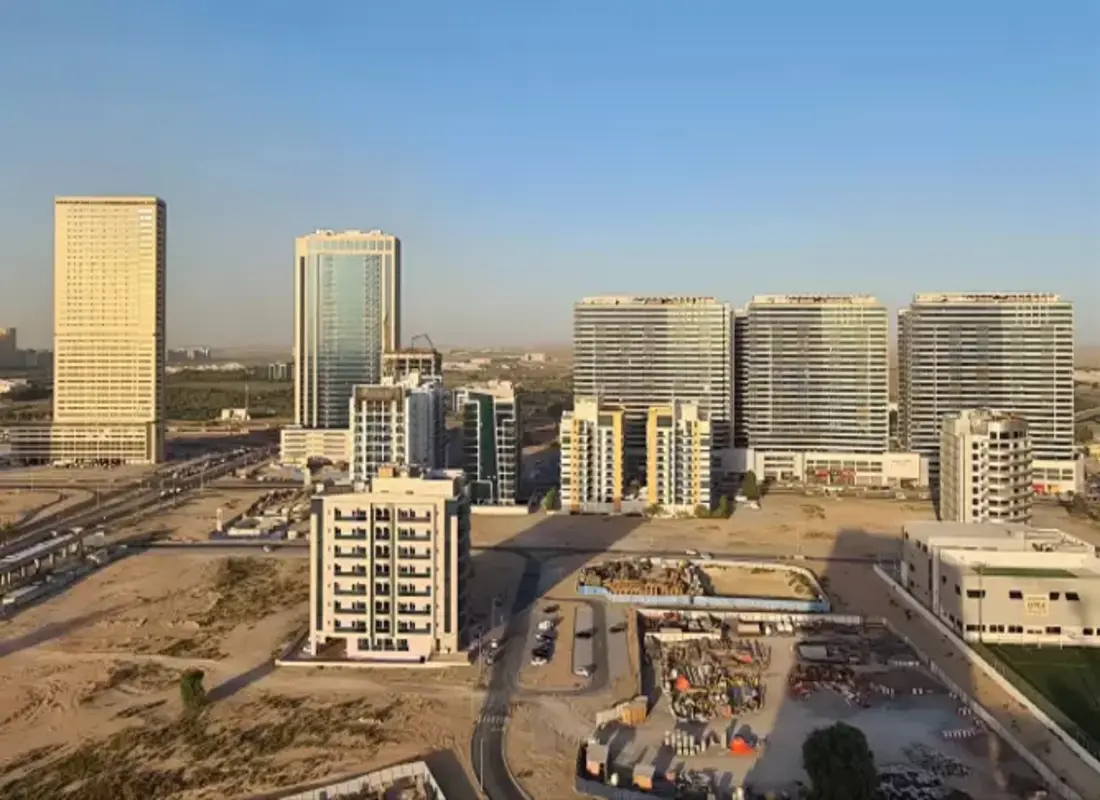
Exterior wind-load rated scaffolding arrays for high-altitude cladding.
To support next-generation smart factories and digitized electrical substations, the structural scaffolding sector is undergoing three major technological changes:
We are transitioning our production lines to utilize Zinc-Aluminum-Magnesium alloy coatings. This advanced metal alloy delivers self-healing edge protection and corrosion resistance up to three times greater than standard hot-dip galvanization, making it highly suitable for coastal substation construction and offshore wind power installations.
Our engineering division is developing scaffolding standards with integrated static grounding connectors. In live electrical substation environments, structural scaffolding can accumulate induced static voltage. Built-in grounding paths protect maintenance technicians and sensitive electrical installations from accidental currents.
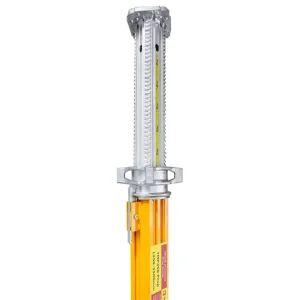
For heavy electrical converter stations, heavy-duty industrial busbar ducts, and massive indoor transformer assemblies, standard temporary scaffolding is insufficient. We are developing specialized high-load support lines that use Q355B structural steel to handle vertical loads exceeding 15 tons per column, ensuring reliable structural support under complex industrial conditions.
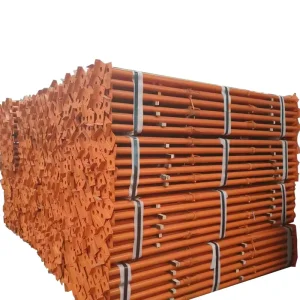
 Zhuozhan