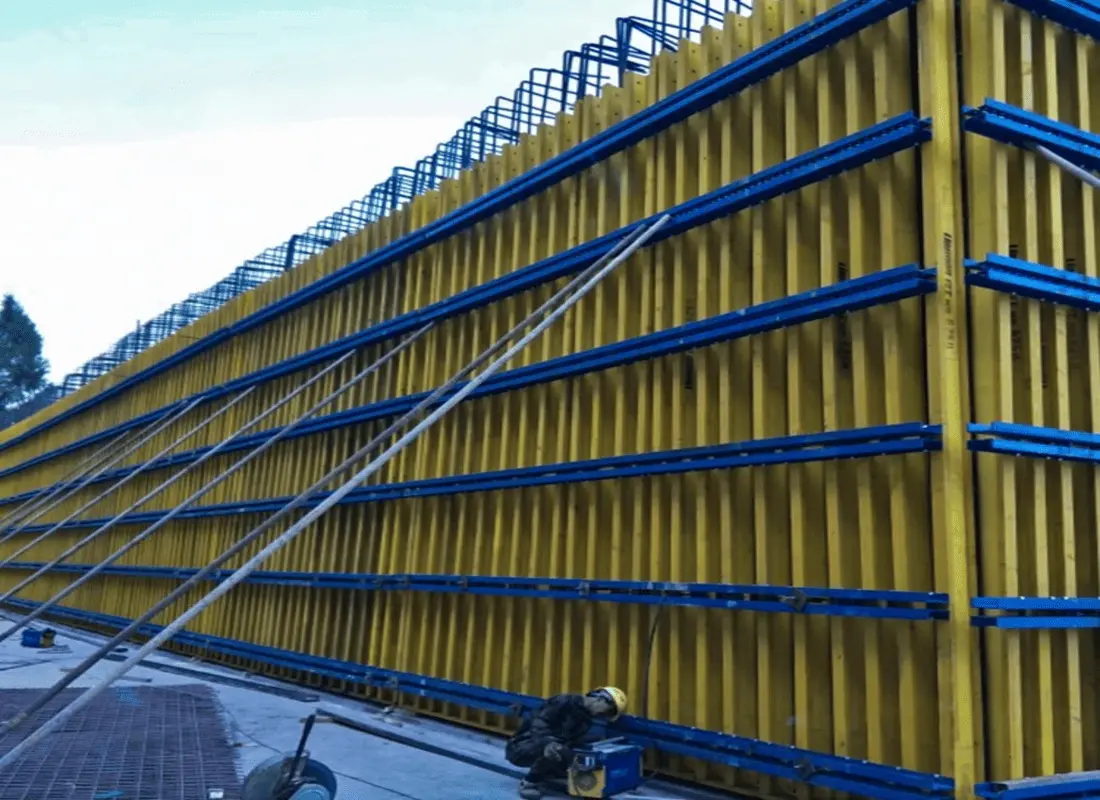
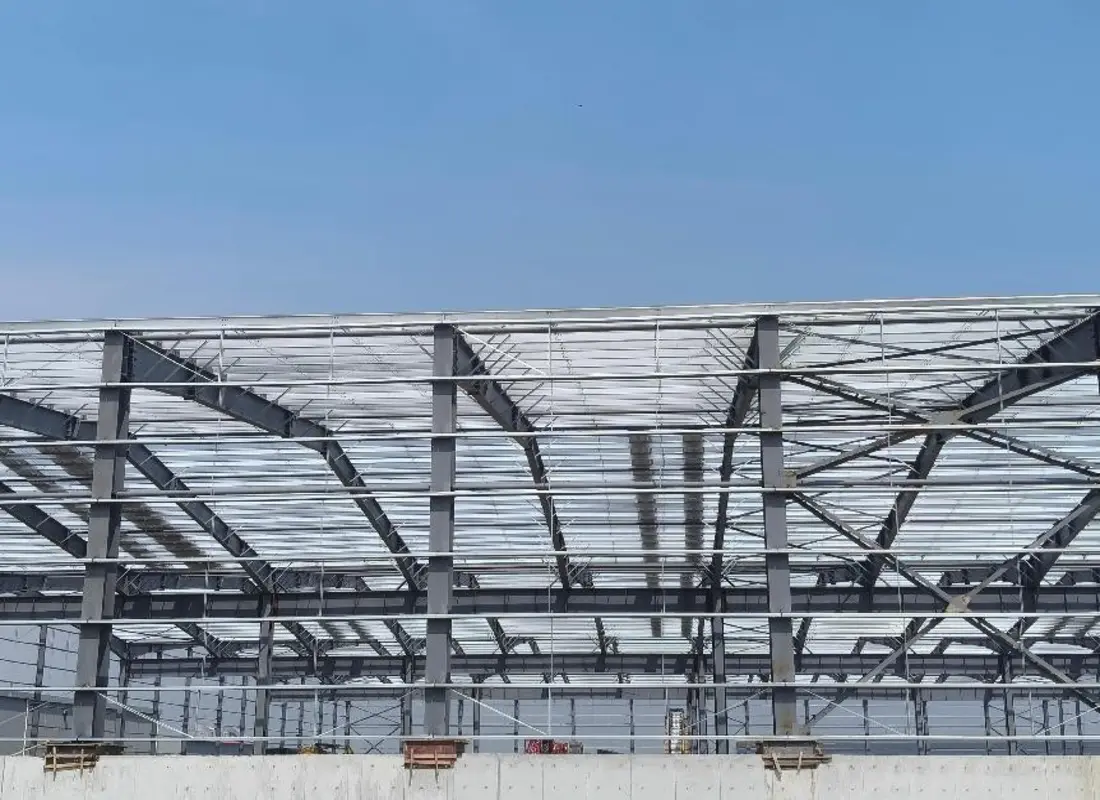
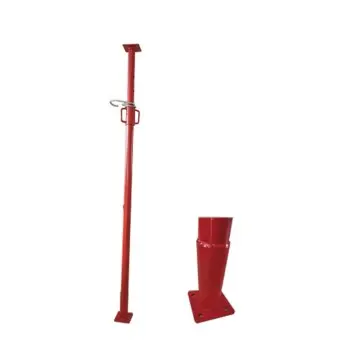
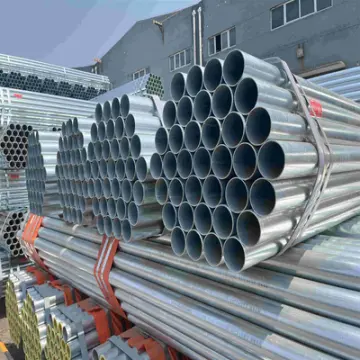
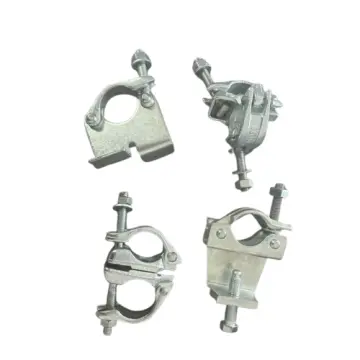
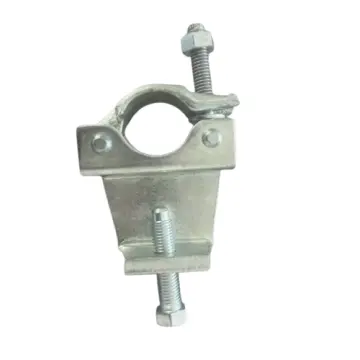
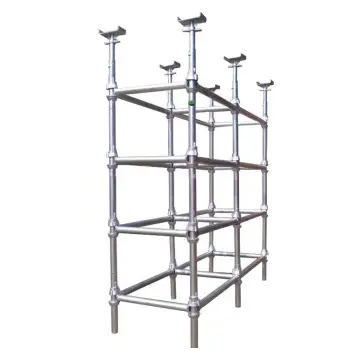
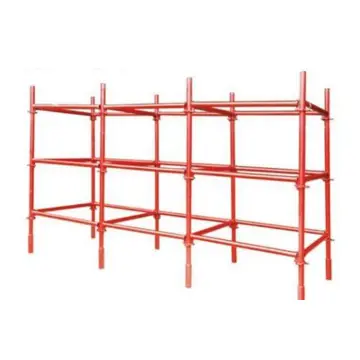
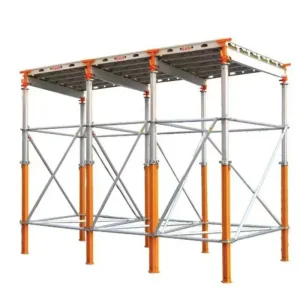
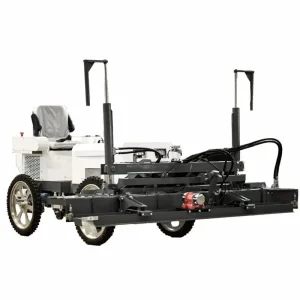
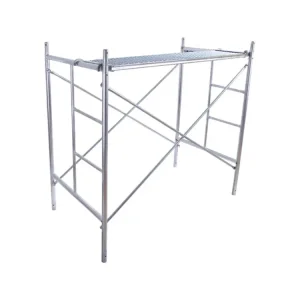
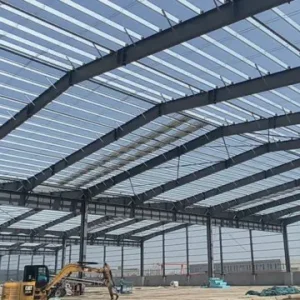
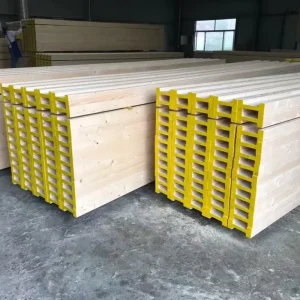
Factory-direct products from the provided range for integrated formwork, shoring and construction procurement teams. Each product page link is retained for direct technical review.
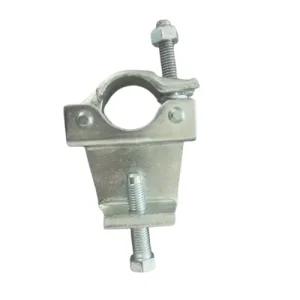
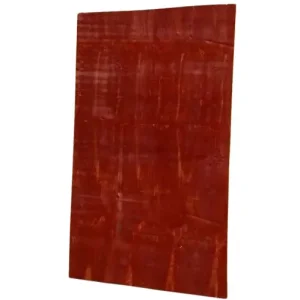
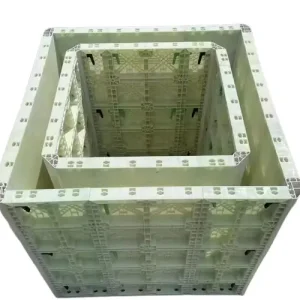
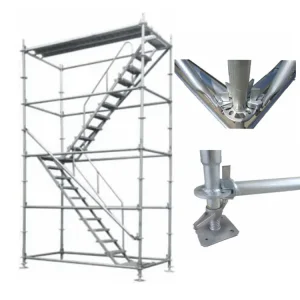
OEM H20 beams with protection cap is a procurement phrase with layered search intent. A contractor may need a replacement beam for a modular slab table; a distributor may want private-label packaging; an engineering, procurement and construction company may be qualifying a Chinese factory for multi-year formwork supply; and a project owner may be investigating why end caps matter for reuse, moisture control and jobsite safety. The common thread is not simply “a timber beam.” It is a standardized formwork girder with engineered protection, repeatable OEM quality and export-ready documentation.
In formwork systems, the H20 beam acts as a primary or secondary horizontal member that transfers concrete pressure into props, walers and shoring frames. The protection cap is a small component with an outsized role: it shields the end grain from rain, curing water, slurry, impact and repeated handling. For buyers, the difference between a low-cost beam and a reliable OEM beam is often found in moisture content, glue-line quality, dimensional tolerance, cap fit, packaging and the supplier’s ability to reproduce the same specification across shipments.
This guide is written for international buyers who are comparing factories, suppliers and OEM programs. It explains the anatomy of a protection-capped H20 beam, the advantages of Chinese manufacturing, local application scenarios, macro-level formwork solutions, global procurement requirements, industry trends and a practical supplier qualification framework. The objective is information gain: decision criteria that help purchasing teams move beyond price per meter and evaluate total formwork productivity, reuse cycles, safety and delivery risk.
A protection cap is not an accessory added after thought. It should be designed with the beam profile, moisture exposure, handling method and reuse target in mind.
H20 beams commonly use selected solid timber or laminated veneer lumber with controlled moisture and structural grading. OEM factories must control raw-material density, knots, finger joints and glue spread to achieve consistent stiffness and nail-holding performance.
Exterior-grade adhesive and controlled press pressure reduce delamination risk during wet trades, rain exposure and repeated formwork cycles. Buyers should request glue-line inspection and batch traceability, not only a generic product photo.
PP or HDPE caps protect end grain from water, concrete slurry, hammer impact and abrasion. A good cap fits tightly, remains in place during transport and does not split under repeated handling. UV-stabilized grades are preferred for outdoor stockyards.
Height, width, straightness and end-squareness influence formwork alignment and panel flatness. OEM buyers should define tolerances in writing and require inspection records for each production lot, especially when beams are used with proprietary slab tables.
Useful checks include moisture content, cap pull-off resistance, drop-impact resistance, dimension verification, visual glue-line inspection and load testing where project design requires it. Third-party inspection can be arranged for export orders.
Private-label programs may include branded caps, laser marking, color coding, length marking, barcodes, QR traceability, project-specific packaging and multilingual labels. These details support site logistics and reduce substitution risk.
| Procurement Data Point | Typical Buyer Question | Factory Evidence to Request |
|---|---|---|
| Beam profile | Is the beam compatible with our slab table, wall formwork or shoring system? | Dimensional drawing, height/width verification, end-squareness report |
| Wood-based core | What is the raw material, moisture content and structural grade? | Material certificate, moisture readings, grading records, glue-line inspection |
| Protection cap | Will the cap stay on during transport and jobsite handling? | Cap material grade, fit tolerance, pull-off/drop-impact test, sample photo |
| Reuse target | How many cycles can we expect under our site conditions? | Reference projects, maintenance guidance, warranty terms, packaging spec |
| OEM branding | Can the factory produce our label, color and barcode? | Artwork proof, marking sample, packaging mock-up, approval sign-off |
| Export compliance | What documents accompany the container? | Inspection report, packing list, invoice, certificate of origin, fumigation/phytosanitary documents where applicable |
China’s advantage in protection-capped H20 beams is not limited to labor cost. It is a system advantage: dense raw-material sourcing, mature wood-processing clusters, industrial cap molding, steel accessory manufacturing, galvanizing capacity, container-loading experience and port proximity. For global buyers, the strongest factories are those that can combine repeatable engineering, export documentation and access to a complete formwork and shoring ecosystem.
Zhuozhan Group is a diversified and innovative enterprise that seamlessly integrates scientific research, manufacturing, and sales. With a robust portfolio of subsidiaries, including Laoting Zhuozhan International Trade Co., Ltd. and Hebei Shuangyang Metal Structure Co., Ltd., Zhuozhan Group has firmly established itself as a key player in the construction and manufacturing industries.
Founded in 2014, Hebei Shuangyang Metal Structure is a pivotal subsidiary that has rapidly advanced to the forefront of the industry, occupying a total area of 13,132.68 square meters, with a construction area of 7,124.58 square meters. The company operates with more than 500 skilled employees and is equipped with over 150 sets of advanced machinery and equipment. Over the years, Shuangyang has successfully secured 15 patents, demonstrating its strong commitment to innovation. The company’s impressive production capabilities include an annual output of 300,000 tons of steel pipes, 1 million tons of scaffolding, and 400,000 tons of adjustable steel supports, making it a critical supplier to both domestic and international markets.
This manufacturing background matters when buyers source H20 beams with protection caps because formwork beams rarely operate alone. They are combined with film-faced plywood, ringlock scaffolding, cuplock systems, adjustable props, U-head jacks, sleeve couplers and safety accessories. A supplier with deep metal-structure and formwork experience can coordinate tolerances, delivery schedules and after-sales support across the full kit.
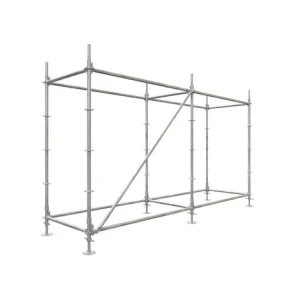
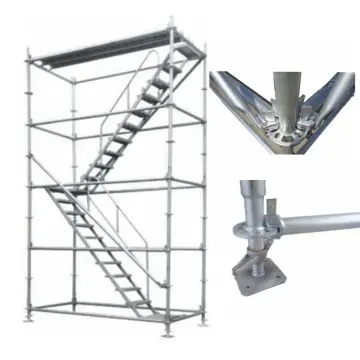
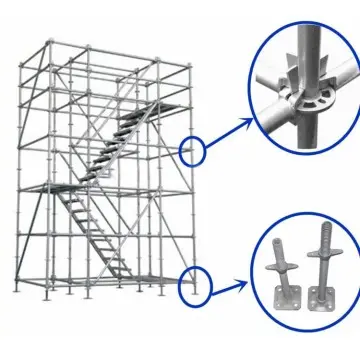
The ring lock scaffolding of Zhuozhan Industry has passed multiple international quality certifications (such as EN 12810/12811, ISO 9001). High-strength hot-dip galvanized steel, with strong corrosion resistance and a long service life. The nodes have strong rigidity and the overall structure is stable. Modular design, quick installation and convenient disassembly.
The Laoting Zhuozhan International Trade division plays a vital role in connecting Zhuozhan Group with global markets, focusing on providing customer-oriented solutions for a wide range of projects.
By understanding the unique needs of each client, the company crafts tailor-made solutions that help clients achieve greater success and sustainable growth.
Zhuozhan International Trade’s customer-first approach, coupled with its expertise in logistics and timely delivery, has made it a trusted partner for many clients.
Zhuozhan Group’s products are widely recognized for their superior quality and reliability. With a strong presence across more than 30 provinces in China, the group collaborates with over 150 manufacturers, including several key enterprises in the industry. Its products are exported to a variety of global markets, including Asia, Europe, the United States, and Africa. The high quality of its products and services has earned the company significant recognition and a loyal customer base overseas.
In the past year, Zhuozhan Group achieved remarkable sales, surpassing 20 million US dollars, which reflects not only the competitiveness of its offerings but also its strong potential for future growth. With a strategic focus on continuous innovation, product excellence, and global expansion, Zhuozhan Group is well-positioned to maintain its leadership in the industry and contribute to the sustainable development of global construction infrastructure.
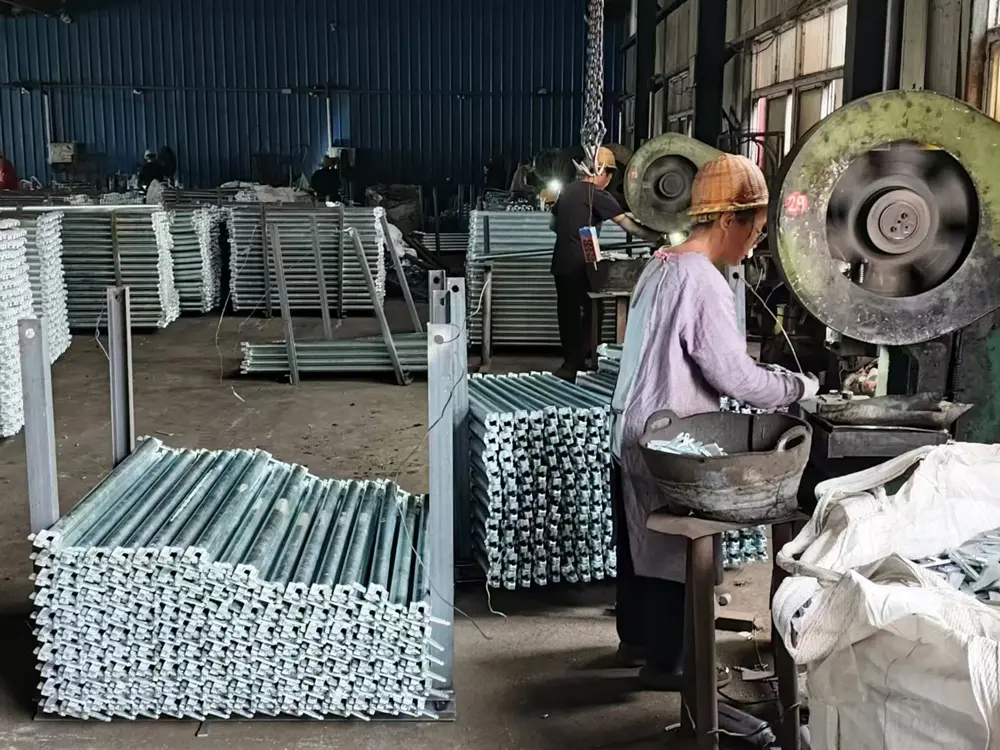
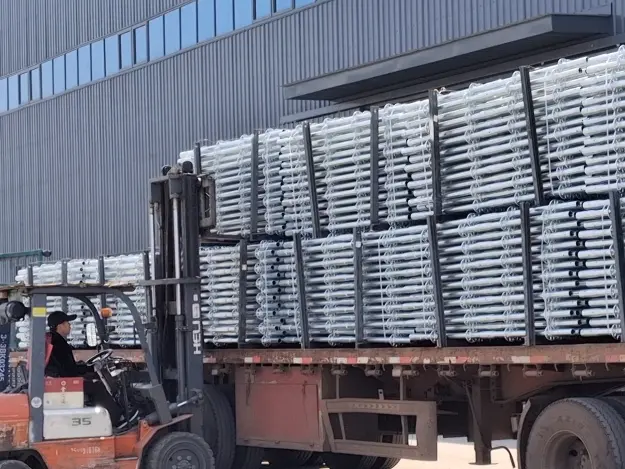
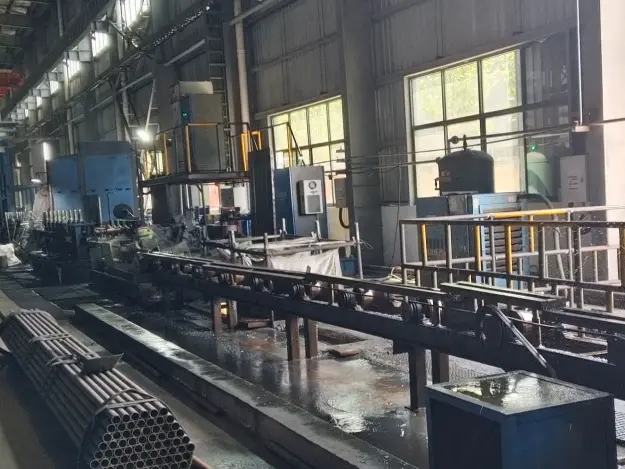
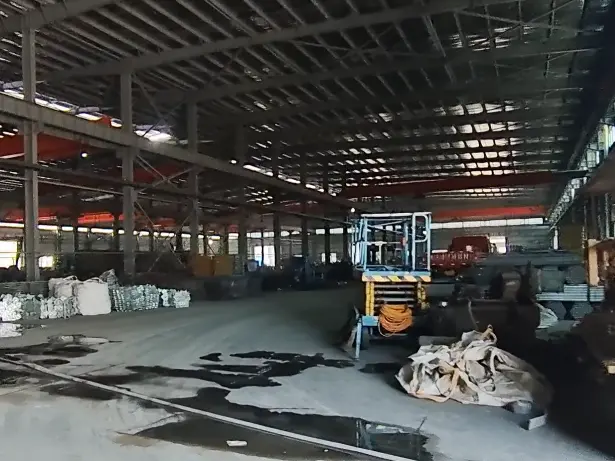
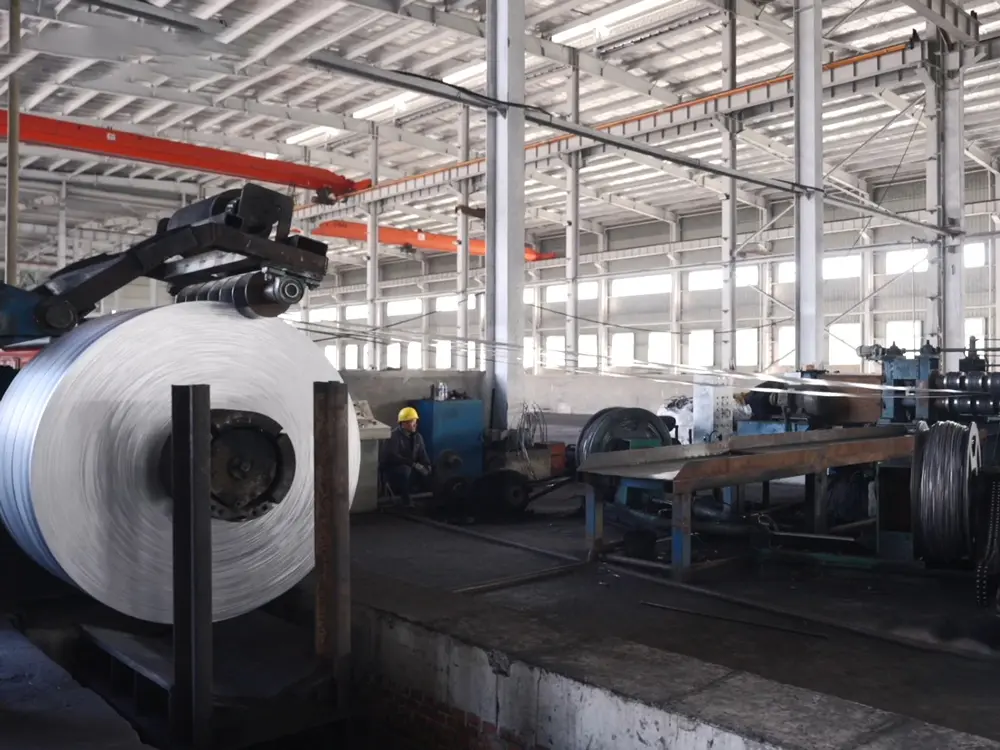
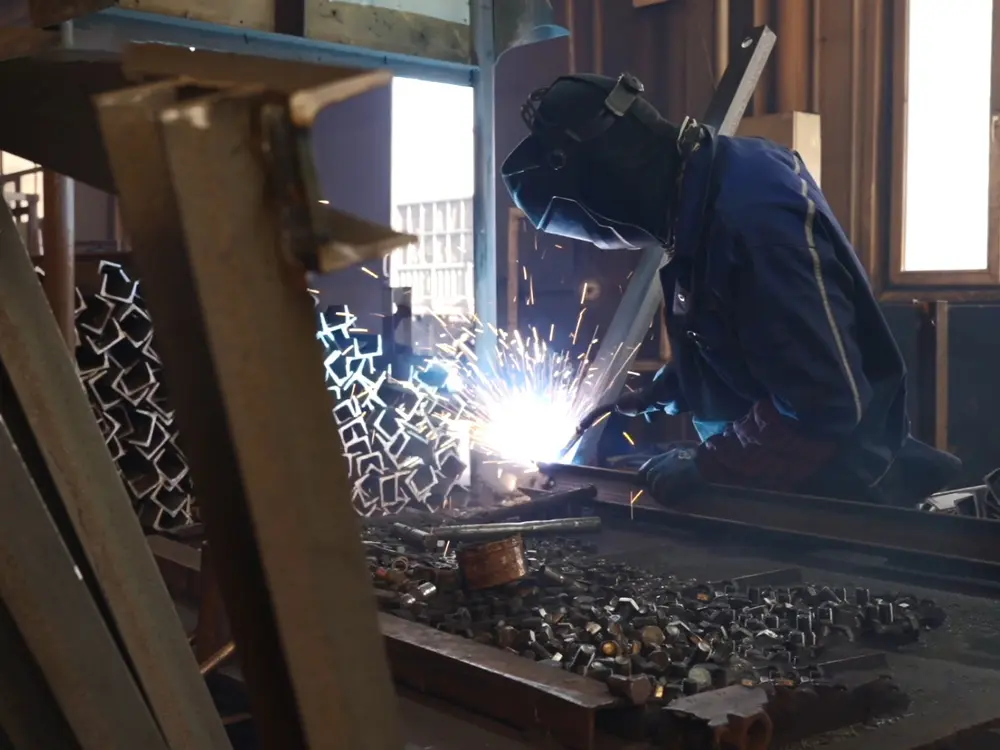
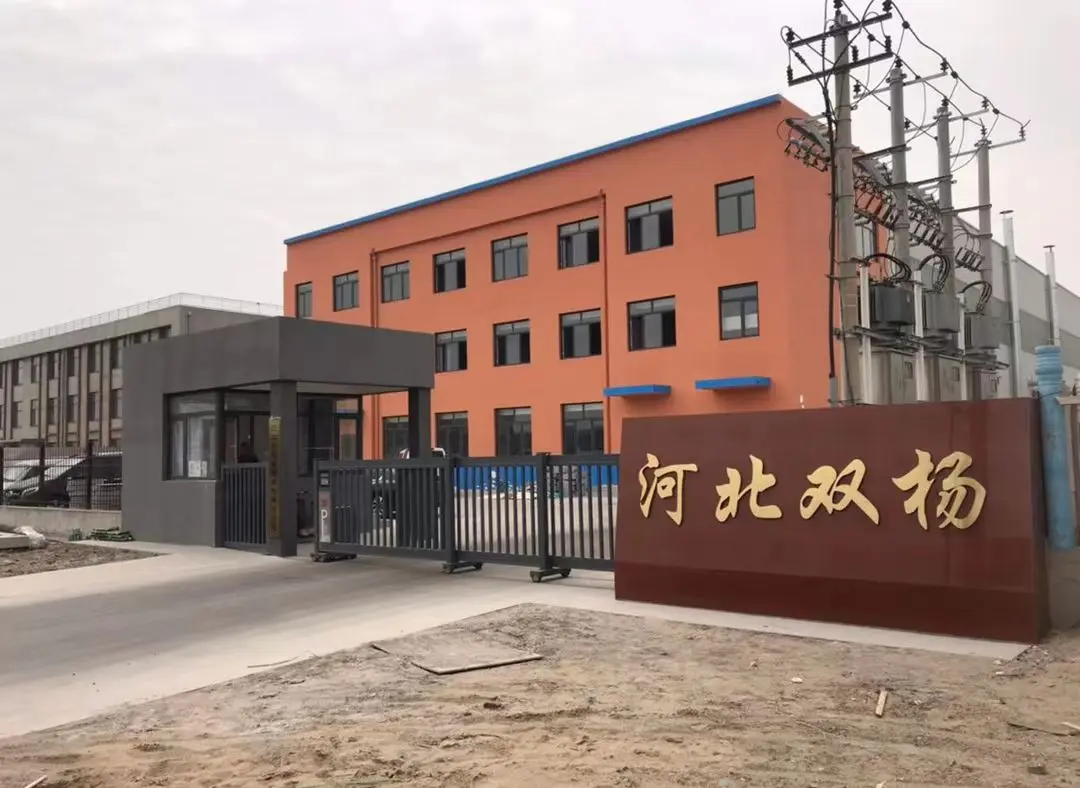
Factory and production overview from Zhuozhan Group / Hebei Shuangyang Metal Structure.
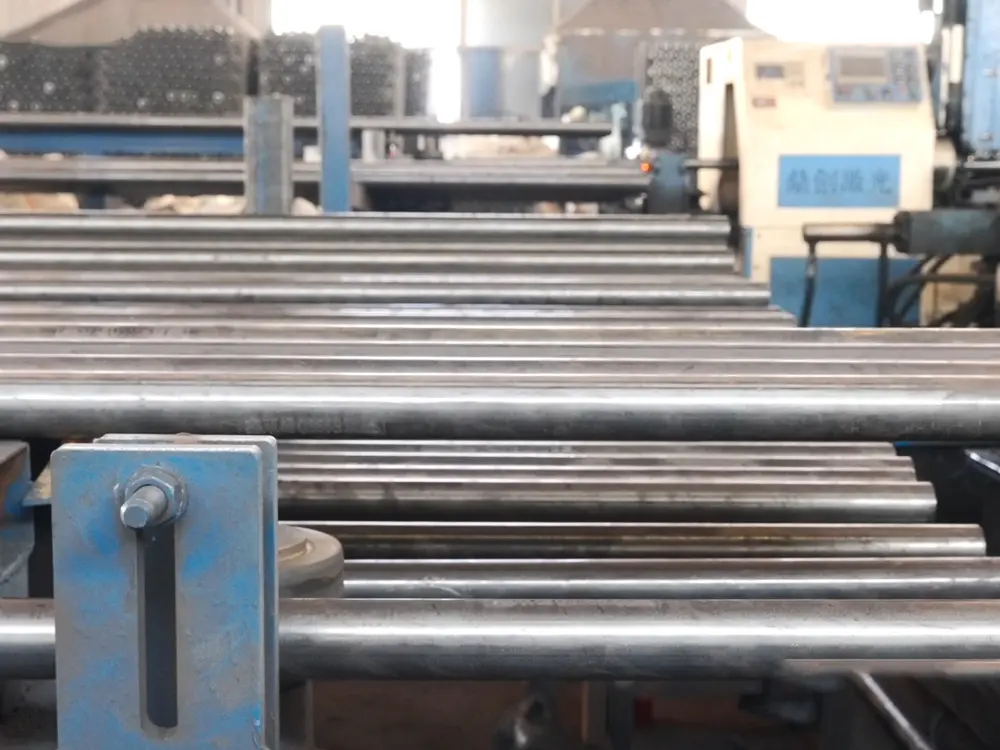
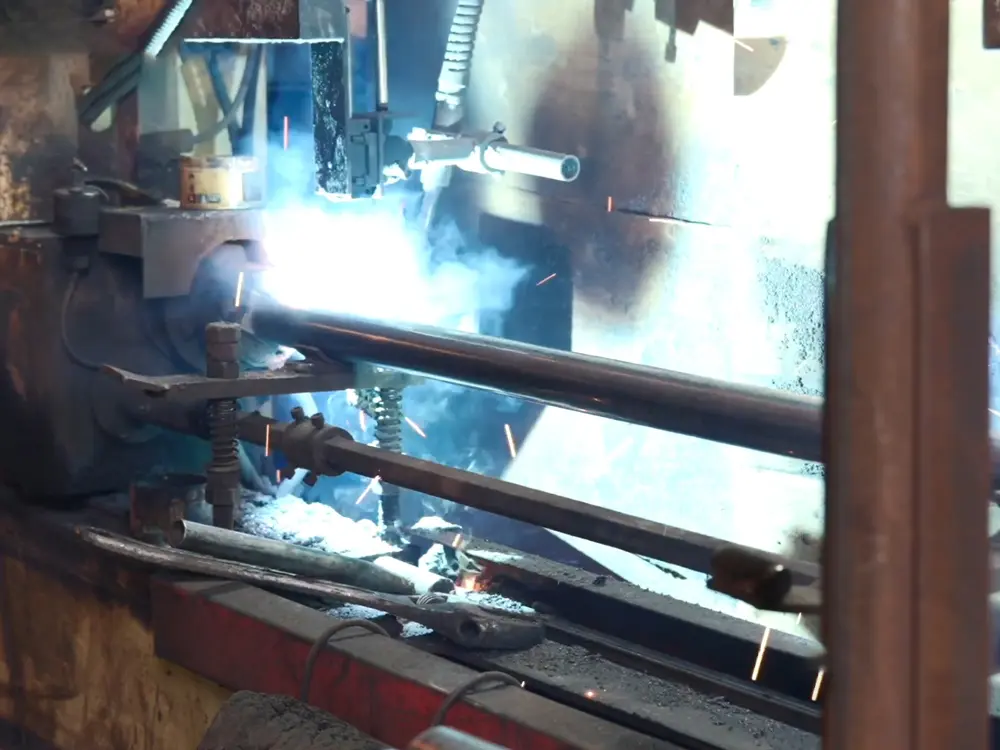
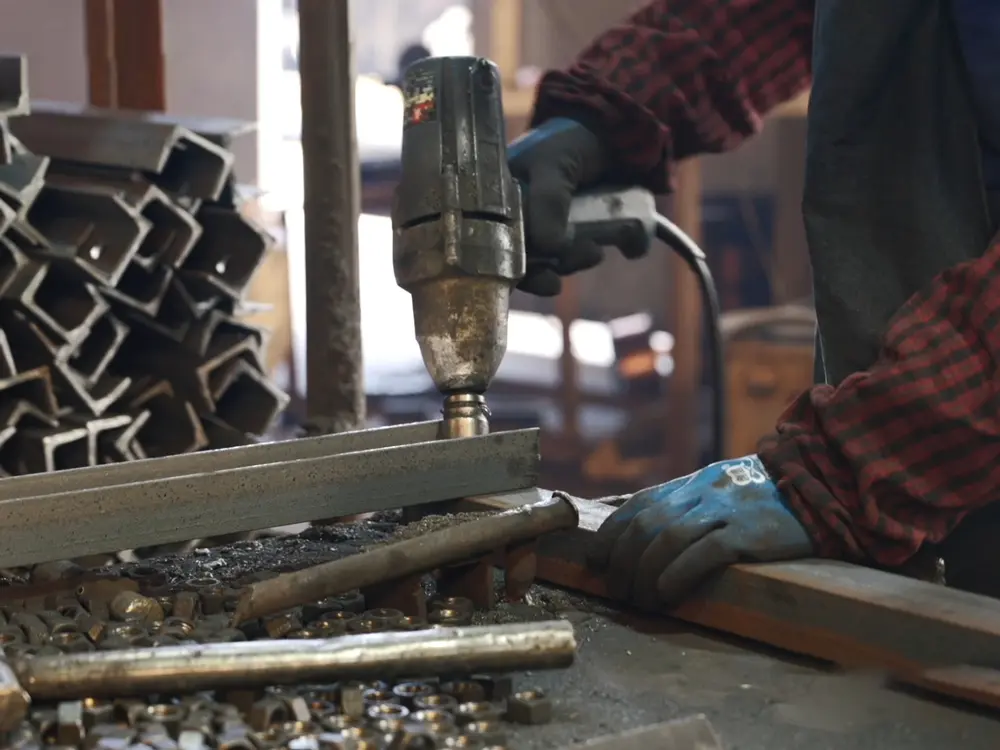
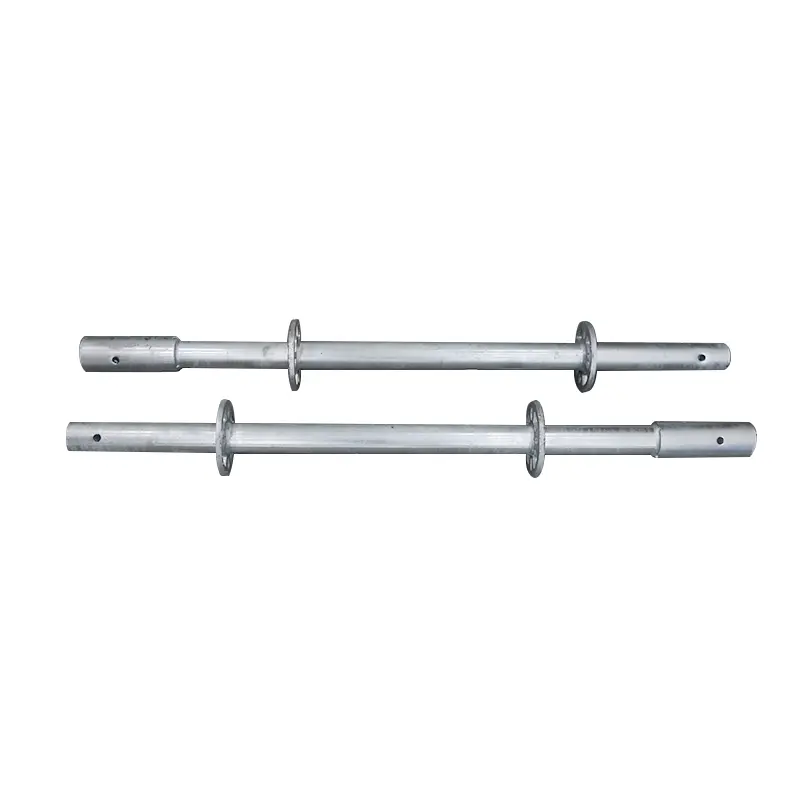
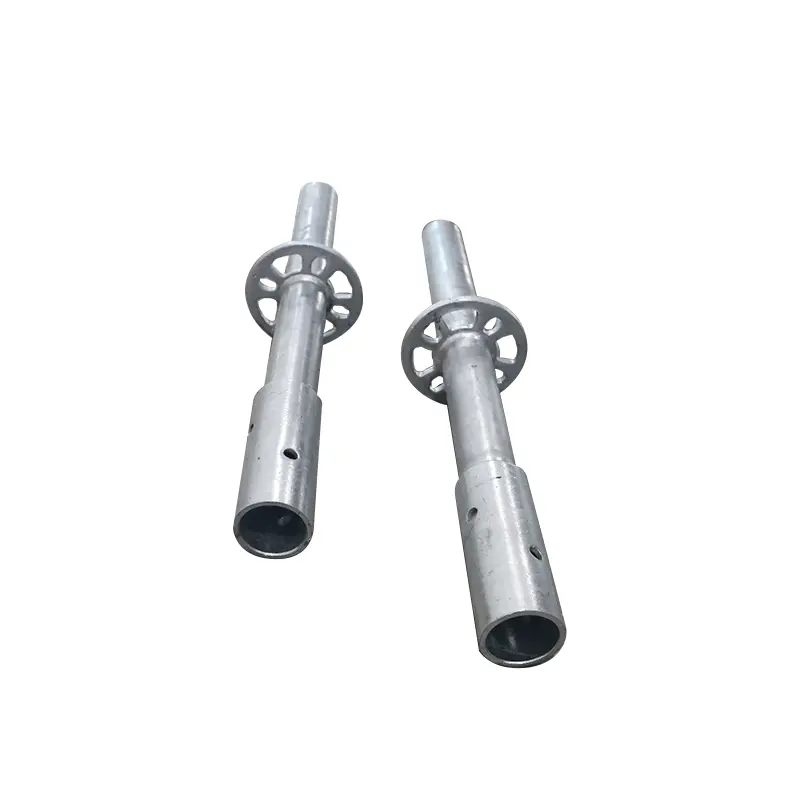
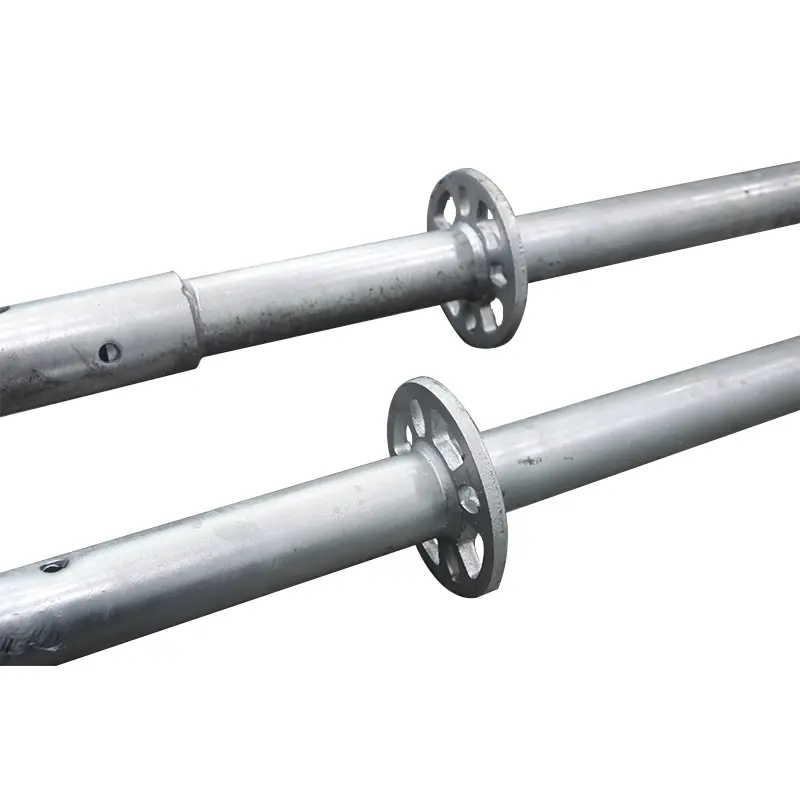
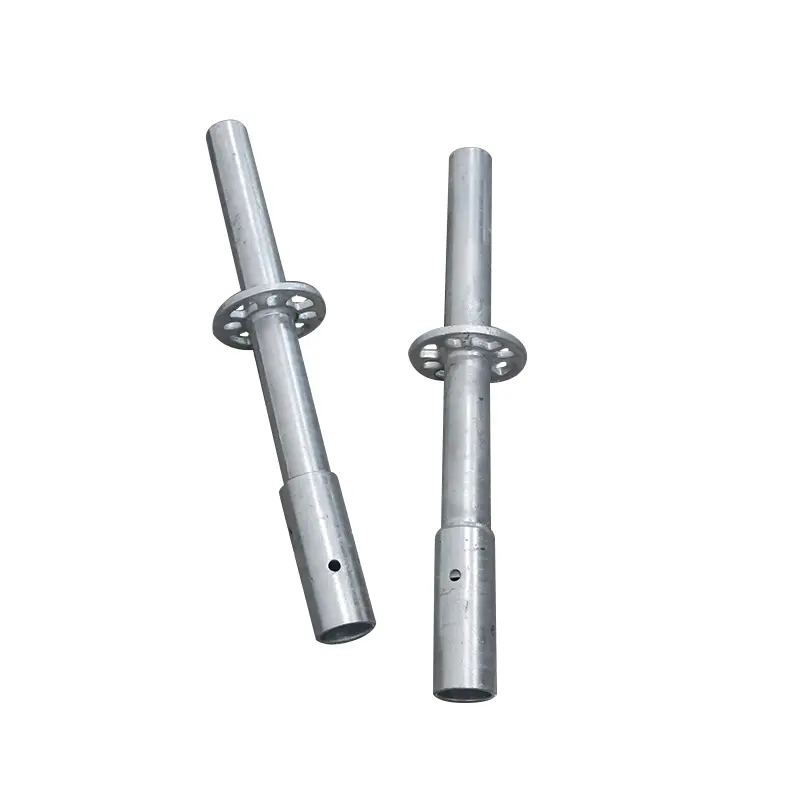
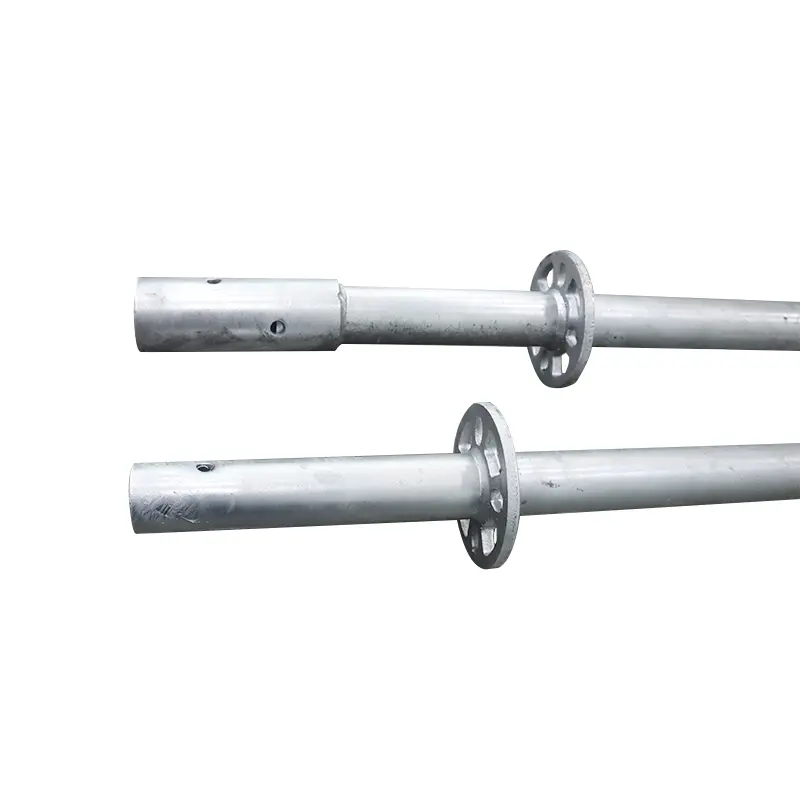
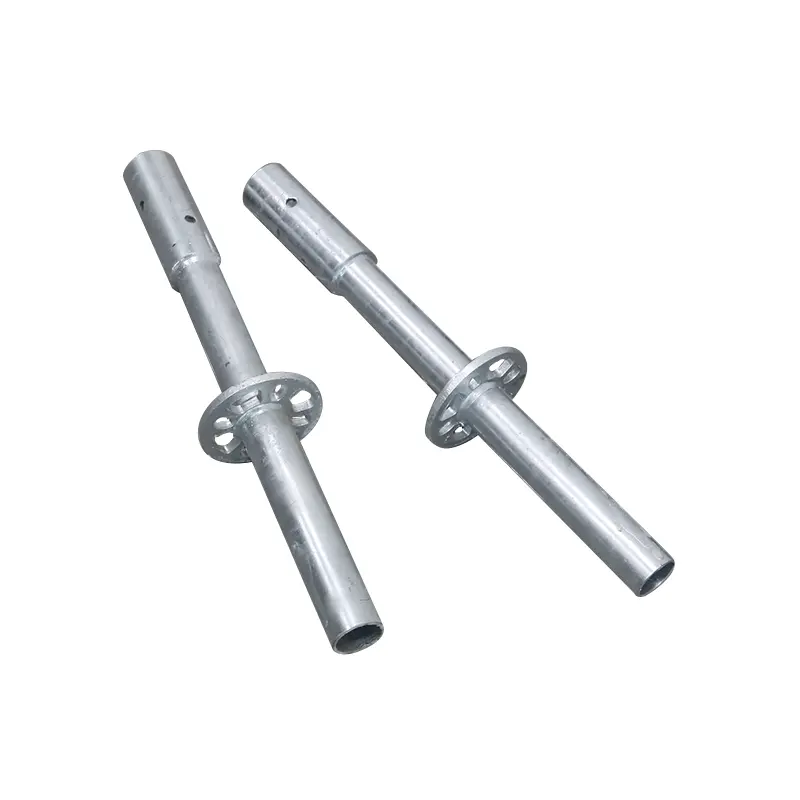
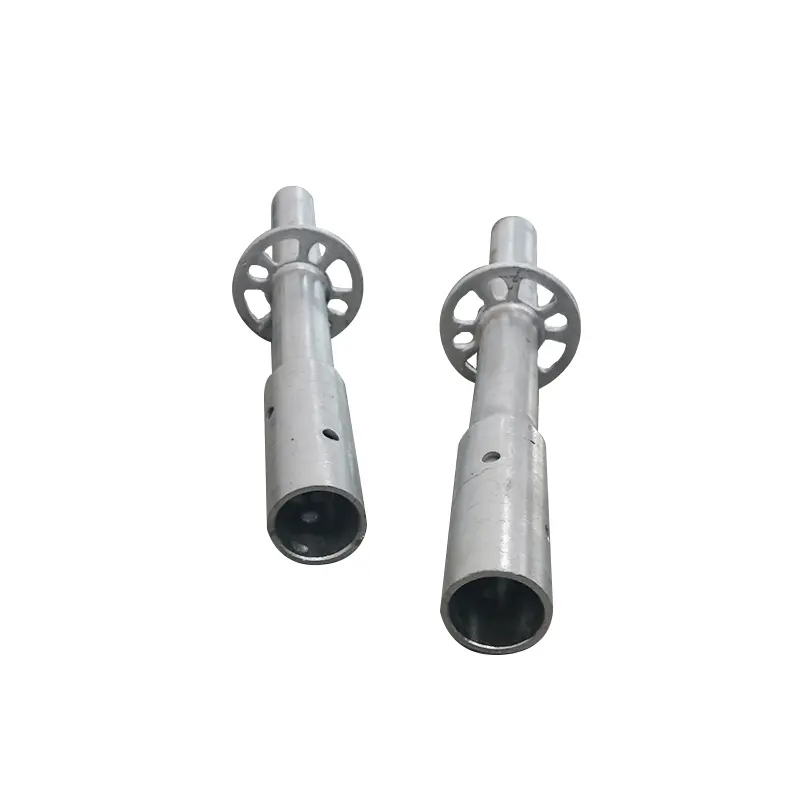
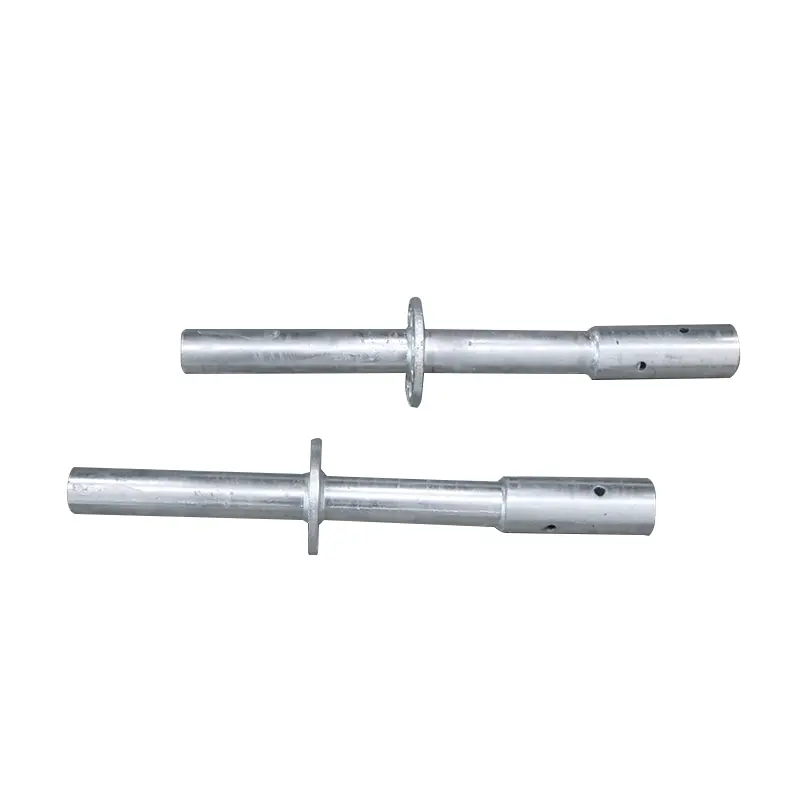
Serious OEM buyers ask for process evidence, not just final-product photos. The same discipline that supports steel scaffolding and adjustable supports is also relevant to formwork accessories: controlled cutting, hole punching, automatic welding, galvanizing and final inspection. The original production-flow information below documents the key processing nodes and pollution-discharge points for vertical and horizontal rods. For H20 beam programs, buyers should expect equivalent discipline in wood grading, gluing, cap assembly, moisture control and packing.
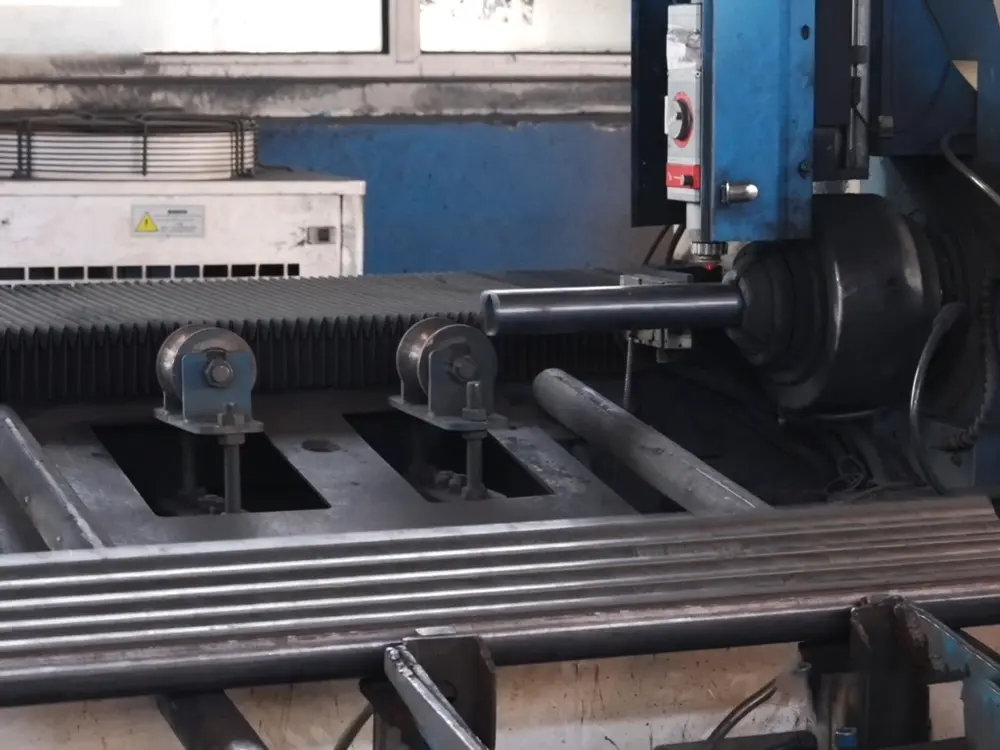
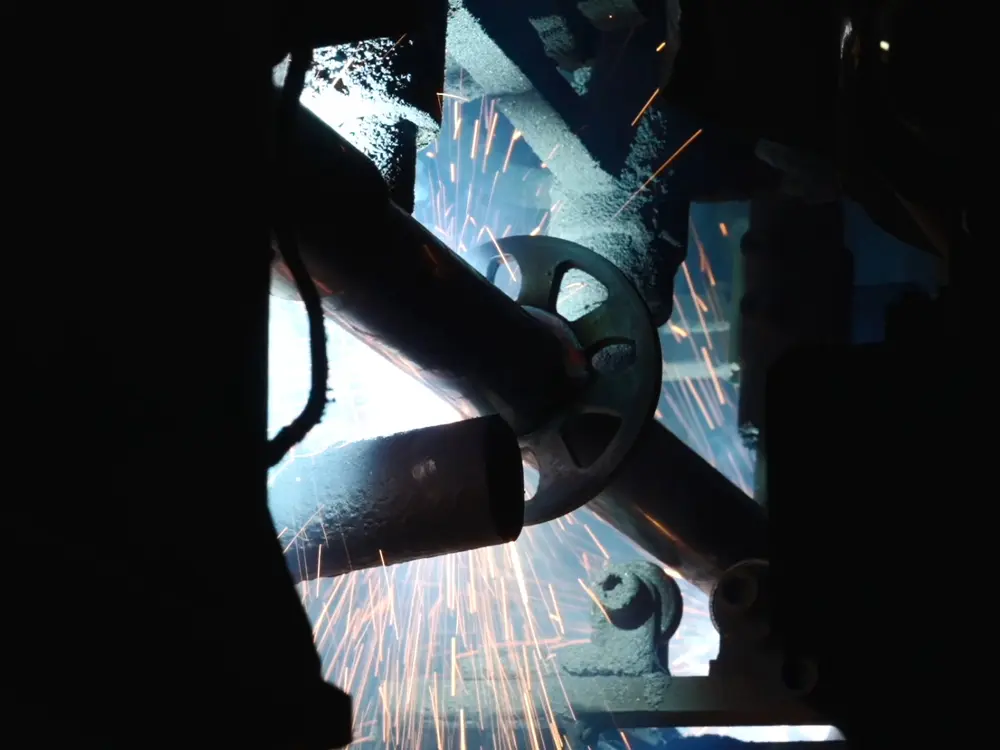
First, perform blanking and cutting, which will generate noise and solid waste; then punch holes, which will also generate noise and solid waste; subsequently, automatically weld the steel pipe and the disc black parts. In this process, in addition to noise, it will also generate waste gas and solid waste; then conduct outsourcing galvanizing; finally, the finished products are waiting for sale. Multiple links in the processing process will generate pollutants and need to be effectively managed and controlled.
This is the first step in steel pipe processing. During this process, noise (N) and solid waste (S) will be generated.
After blanking and cutting, the steel pipe enters the punching process. This link will also generate noise (N) and solid waste (S).
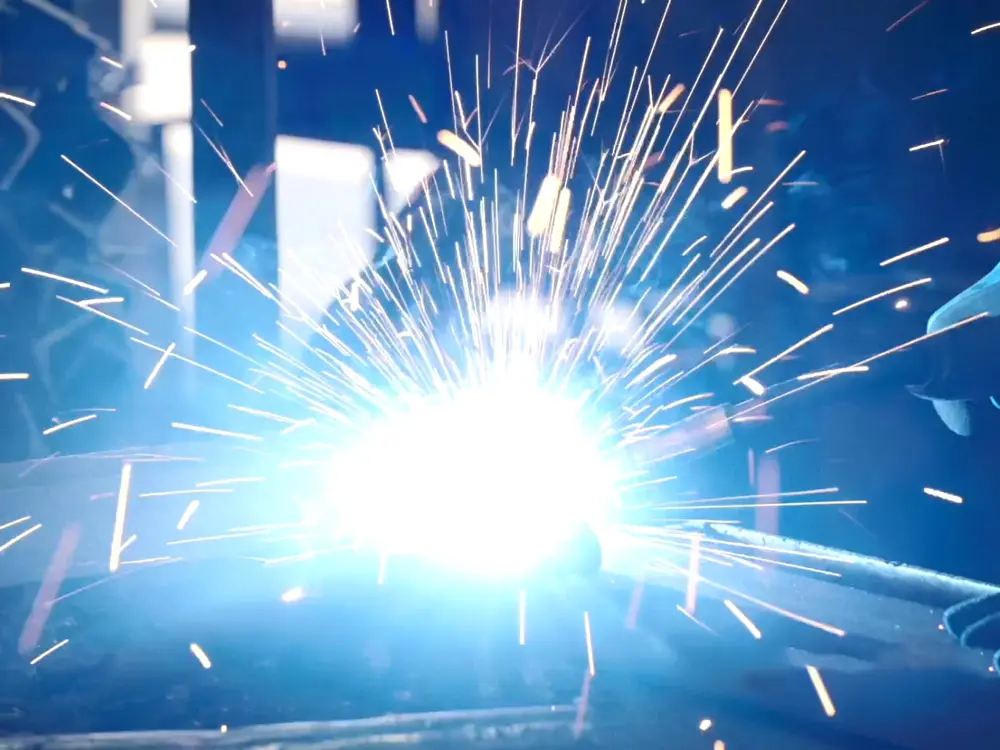
The punched steel pipe is automatically welded with the disc black parts. This process will generate noise (N), waste gas (G) and solid waste (S).
After the automatic welding is completed, a white part is formed, and the white part needs to be outsourced for galvanizing treatment.
After the outsourcing galvanizing treatment, the steel pipe becomes a finished product and waits for sale.
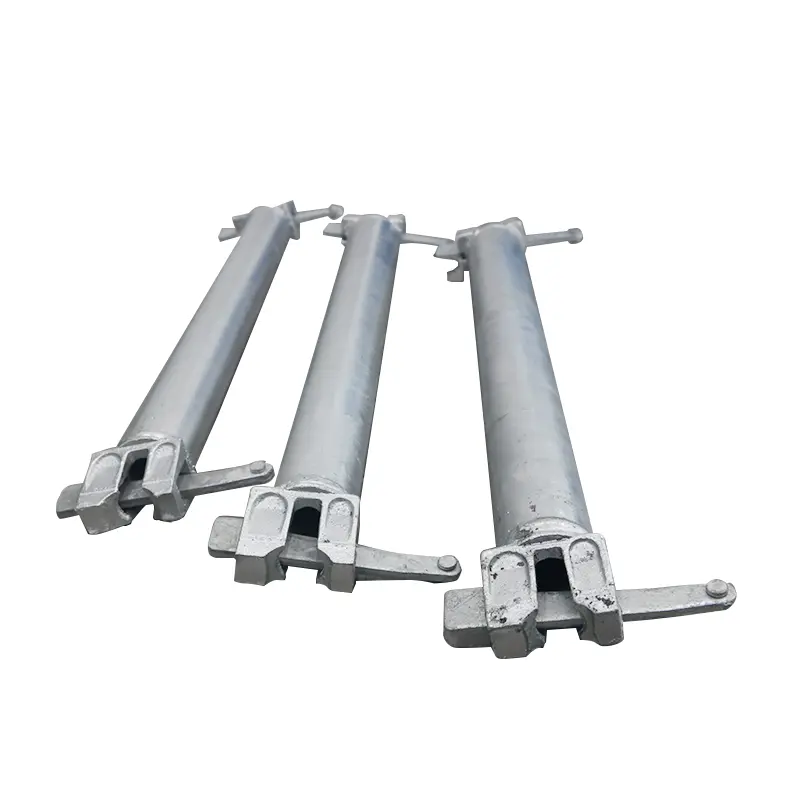
First, perform blanking and cutting, which will generate noise and solid waste; then punch holes, which will also generate noise and solid waste; then automatically weld the punched steel pipe with the casting black parts, which will generate waste gas, noise and solid waste; then conduct outsourcing galvanizing; then rivet the insert with the galvanized white part, which will generate noise; finally, the finished products are waiting for sale. Multiple links in the processing process generate pollutants and need to be treated with environmental protection measures.
The raw material is a steel pipe. This process will generate noise (N) and solid waste (S).
Following the blanking and cutting process, it will generate noise (N) and solid waste (S).
This process welds the punched steel pipe with the casting black parts and will generate waste gas (G), noise (N) and solid waste (S).
The automatic welding is carried out for the white part after outsourcing galvanizing treatment.
The insert is riveted with the outsourced galvanized workpiece, which will generate noise (N).
After the above processes, the product becomes a finished product and waits for sale.
The same beam specification can perform very differently across climates, labor practices, safety cultures and formwork systems. Buyers should localize the OEM specification, not simply copy a catalog number.
Aluminum formwork, slab tables and wall formwork rely on repeatable beams to maintain flatness and cycle speed. Protection caps reduce end-grain swelling in wet trade zones and help maintain smooth table stripping.
Bridge deck slab formwork and pier shaft systems need robust beams with stable dimensions under long pours. OEM branding and batch traceability support large-project inspection and handover.
Dark, damp and congested sites benefit from protection caps that resist slurry and impacts. Beams should be packed in moisture-resistant bundles and delivered in sequence to match the excavation cycle.
Heavy industrial floors, equipment foundations and warehouse slabs often require long-span support. H20 beams combined with adjustable props and ringlock systems create flexible shoring layouts.
Salt air, humidity and wind-driven rain accelerate end-grain deterioration. UV-stabilized caps, sealed packaging and hot-dip galvanized accessories are strong specification choices.
Reusable molds and tables need consistent beam stiffness and reliable cap retention. Color-coded caps and length marking can improve yard sorting and reduce misplacement.
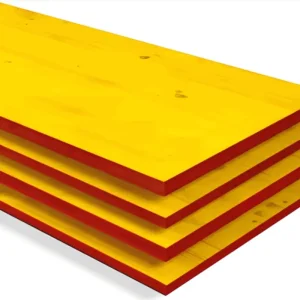
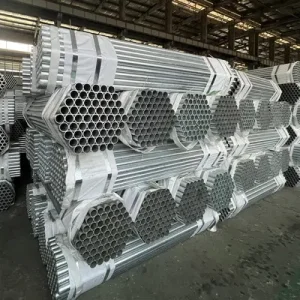
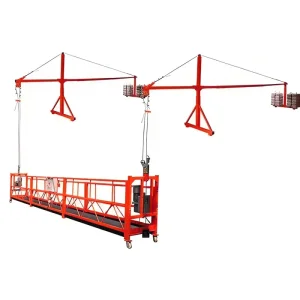
For global contractors, the most valuable supplier is not the one with the lowest beam price. It is the one that can coordinate a complete formwork and shoring kit with compatible interfaces, one loading plan and one after-sales channel. H20 beams sit naturally inside an integrated solution alongside film-faced plywood, wooden formwork, hollow plastic formwork, ringlock scaffolding, cuplock scaffolding, adjustable props, U-head jacks, sleeve couplers, steel pipes and electric gondolas.
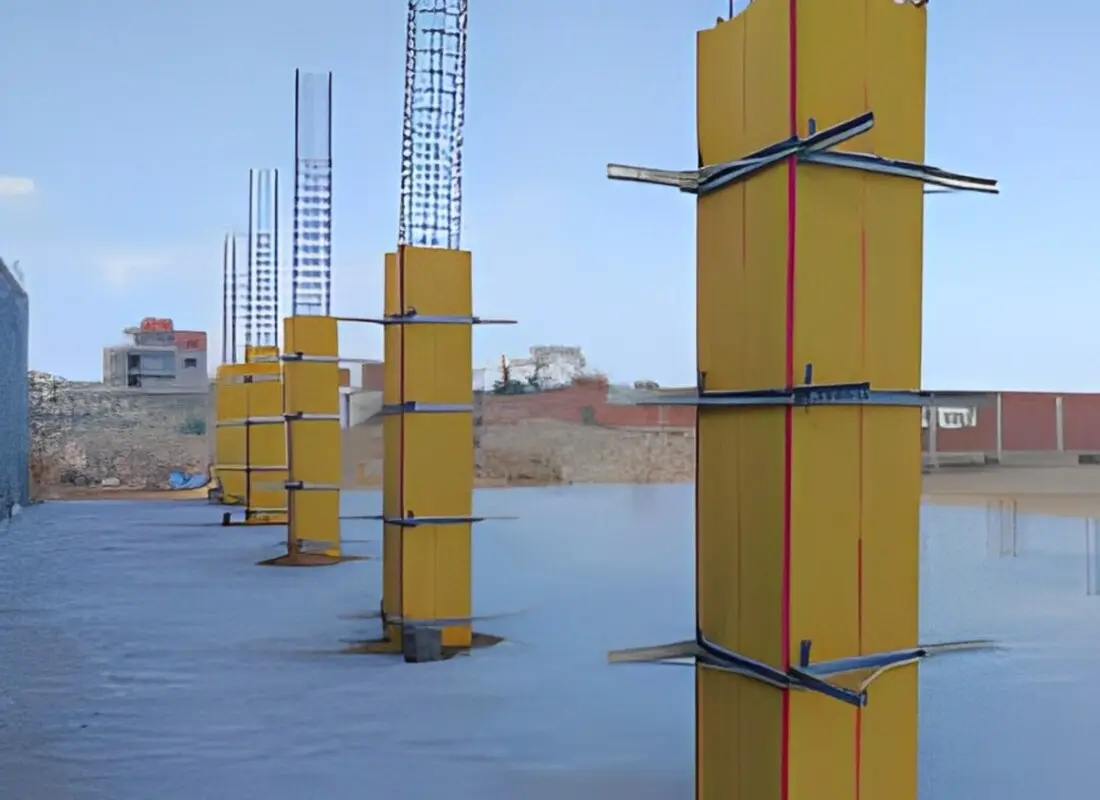
H20 beams, film-faced plywood and adjustable props can be configured for slab tables, wall panels and column forms. Suppliers should provide interface dimensions, recommended spacing and assembly guidance.
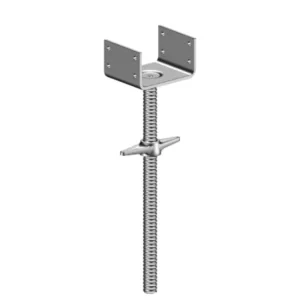
Combine protection-capped H20 beams with ringlock or cuplock shoring frames, U-head jacks and base jacks for heavy slabs, bridges and industrial floors. Standardized nodes improve speed and safety.
Beams are bulky and sensitive to moisture. Packing should separate caps, protect beam ends, allow container loading efficiency and support phased delivery aligned with site lifting plans.
Include incoming inspection, cap retention checks, beam straightness verification, damaged-stock tagging and rejection criteria. Safety is not a slogan; it is a receiving procedure.
Evaluate purchase price plus replacement rate, handling damage, moisture loss, site delay, packaging waste and end-of-life recovery. A premium cap and consistent beam can outperform a cheaper substitute over several cycles.
Reusable protection caps, responsible wood sourcing, low-waste packaging and repair protocols support greener construction. Buyers can request take-back or recycling guidance for caps and damaged beams.
Use this scorecard when comparing OEM H20 beam factories. It converts vague assurances into evidence that can be checked, sampled and audited.
| Evaluation Area | Weight | Evidence to Request | Pass Criteria |
|---|---|---|---|
| Factory identity and audit | 15 | Business license, factory video, audit report, production line photos, export records | Verified factory; capacity aligned with order size; clear quality organization |
| Material and glue system | 15 | Material certificate, moisture readings, adhesive specification, glue-line inspection | Moisture within agreed range; exterior-grade adhesive; no visible delamination |
| Protection cap design | 15 | Cap material grade, fit sample, pull-off test, drop-impact test, UV stabilization statement | Cap remains tight; no cracking after drop test; suitable for outdoor storage |
| Dimensional capability | 10 | Drawing, inspection report, straightness check, length and end-squareness data | Within agreed tolerance; repeatable across lots |
| OEM and branding | 10 | Artwork proof, marking sample, barcode/QR plan, packaging mock-up | Clear traceability; correct label language and logo placement |
| Compliance and documentation | 10 | Inspection report, certificate of origin, packing list, fumigation/phytosanitary docs where applicable | Complete document set before shipment; no customs delays |
| Logistics and packaging | 10 | Packing drawing, container loading plan, moisture-barrier method, corner protection | Ends protected; caps not crushed; container utilization efficient |
| After-sales and responsiveness | 15 | Named contact, 24-hour response commitment, warranty terms, spare-parts policy | Clear escalation path; replacements handled without project delay |
A trading company may offer faster communication and mixed-product consolidation. A factory-direct partner may offer stronger process control, custom caps, better batch traceability and lower long-term cost. The ideal partner combines factory access with export coordination.
Ask for a pre-production sample, a small trial shipment and a scale-up plan. A reputable OEM factory will document approval steps, cap color, marking and packaging before bulk production.
Clarify production lead time, inspection time, booking window and shipping terms. For project-critical formwork, include buffer stock and a replacement plan for damaged caps in the commercial agreement.
Beam ends and caps should be protected from container condensation and rain. Request moisture-barrier wrapping, desiccant where appropriate and clear unloading instructions.
For European or regulated markets, discuss EN-related documentation, ISO 9001 quality management and project-specific test reports. Confirm which certificates apply to the exact product and factory before ordering.
Include change-control clauses for wood grade, cap material, dimensions, marking and packaging. Stable specifications are essential for formwork system compatibility and repeat purchasing.
Automated cutting, optimized nesting, barcode marking and digital production records are improving repeatability. Buyers will increasingly expect lot-level traceability from raw material to container.
Reusable caps, repair programs and responsible end-of-life planning are becoming differentiators. The goal is not only to sell beams, but to extend the productive life of the formwork fleet.
QR-coded beams can link to inspection records, usage history and maintenance instructions. This supports lean construction and reduces the risk of mixing non-compliant stock on site.
Buyers are asking about responsible wood sourcing, low-emission adhesives, recyclable cap materials and packaging reduction. Suppliers that document these choices will be preferred in green procurement.
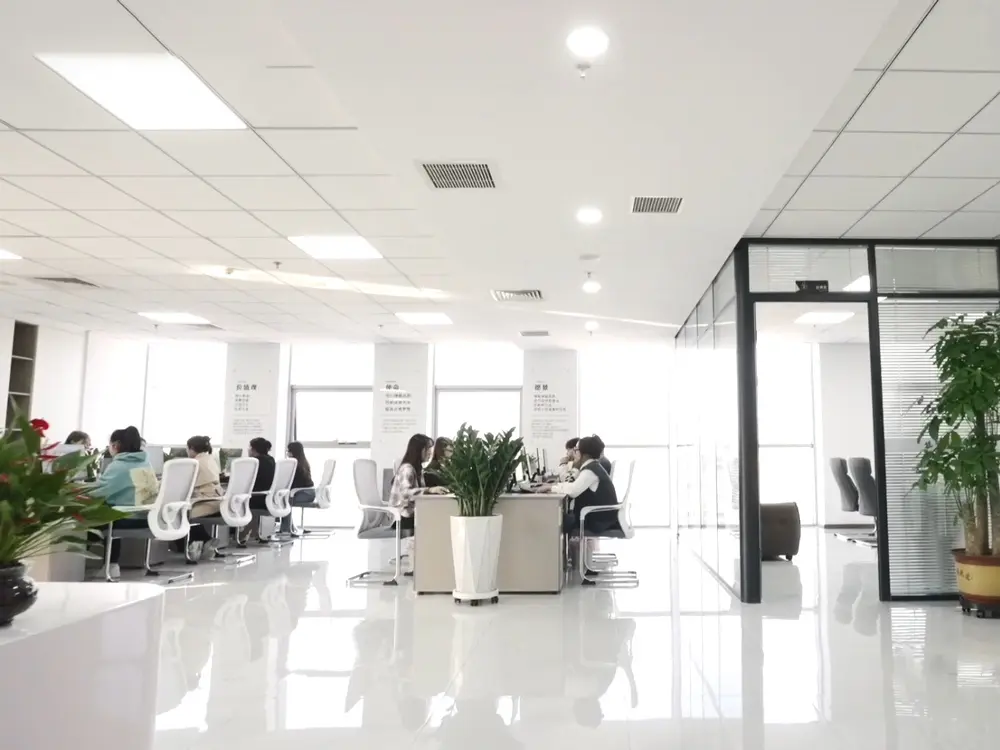
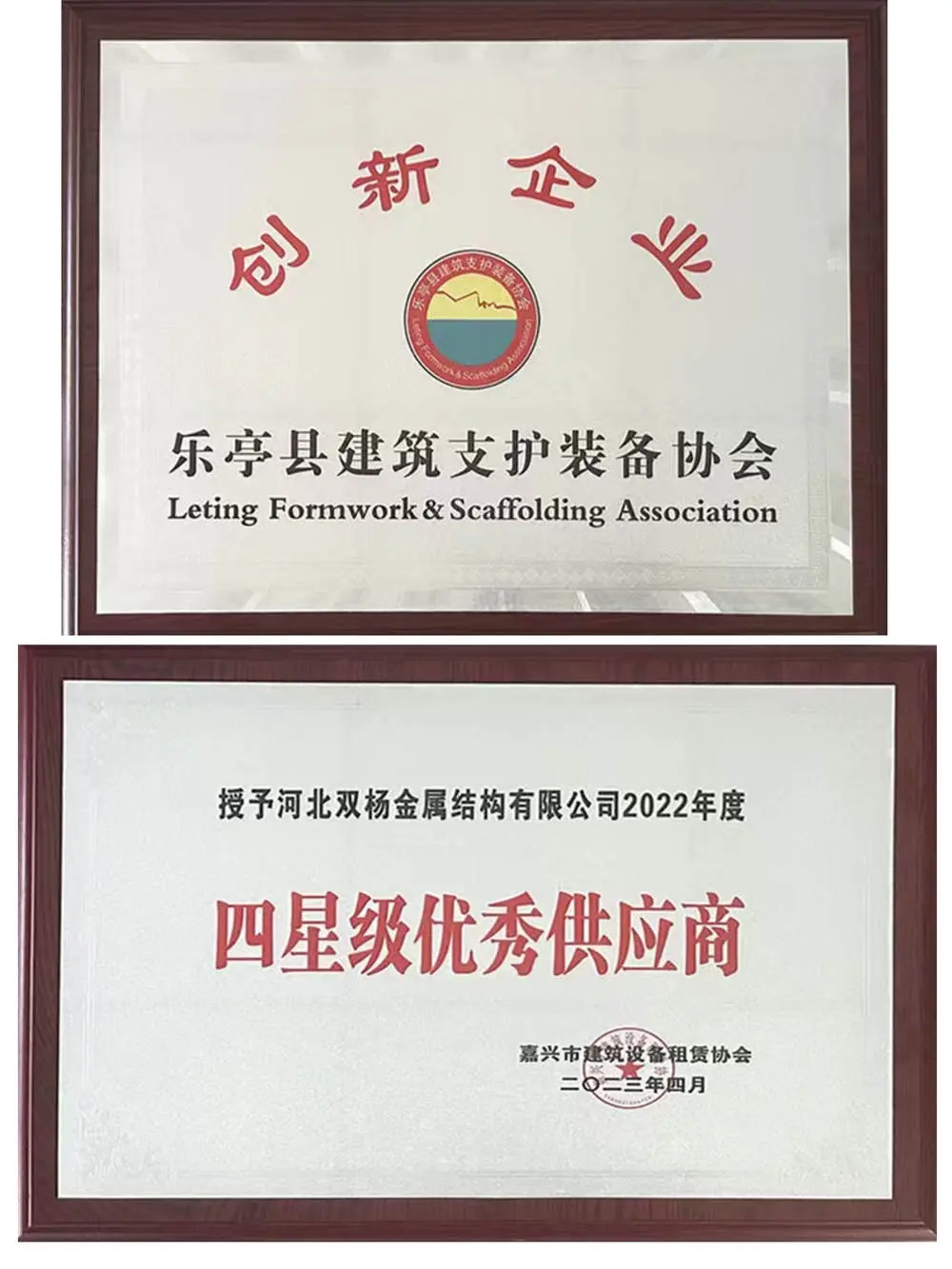
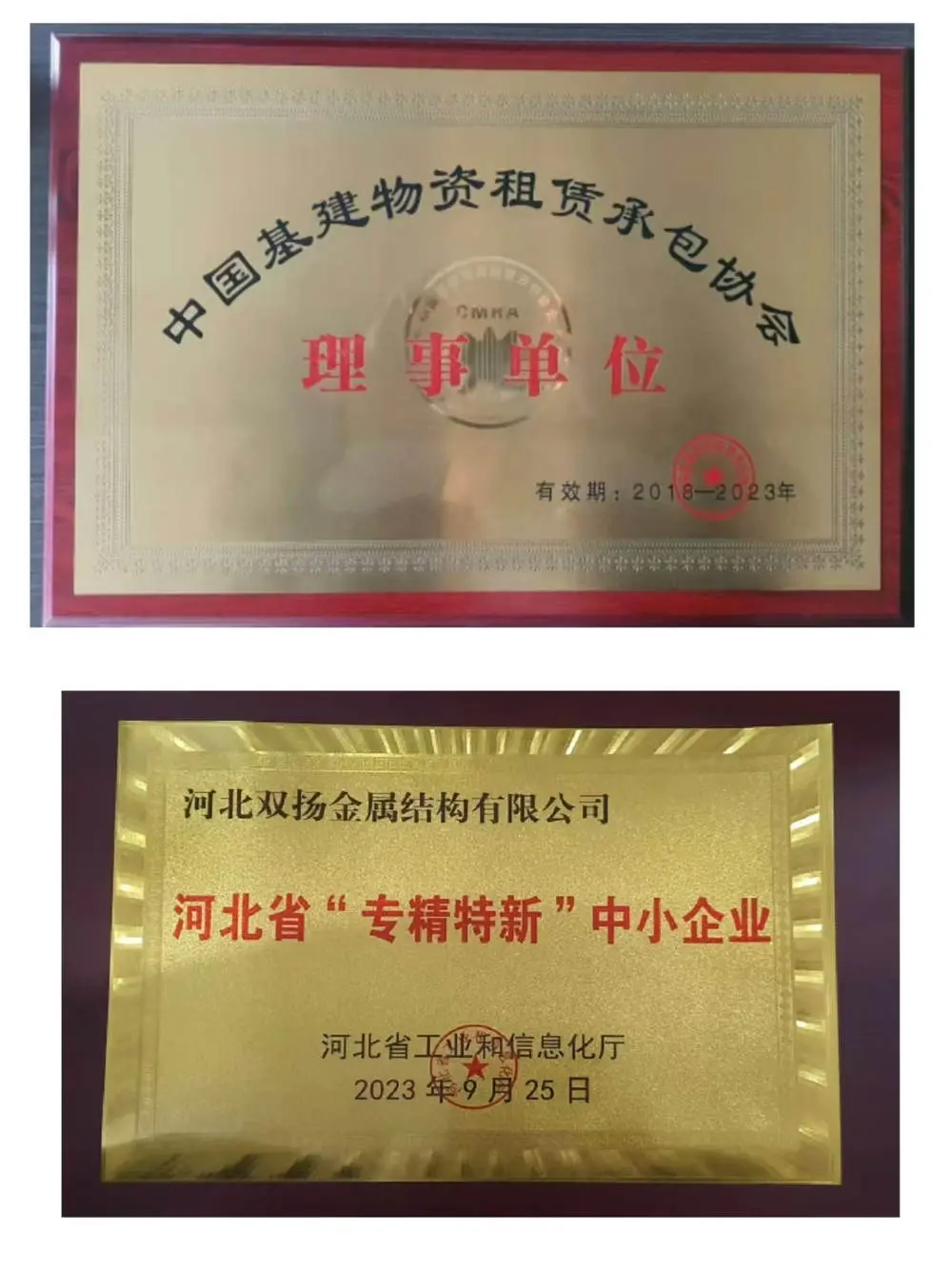
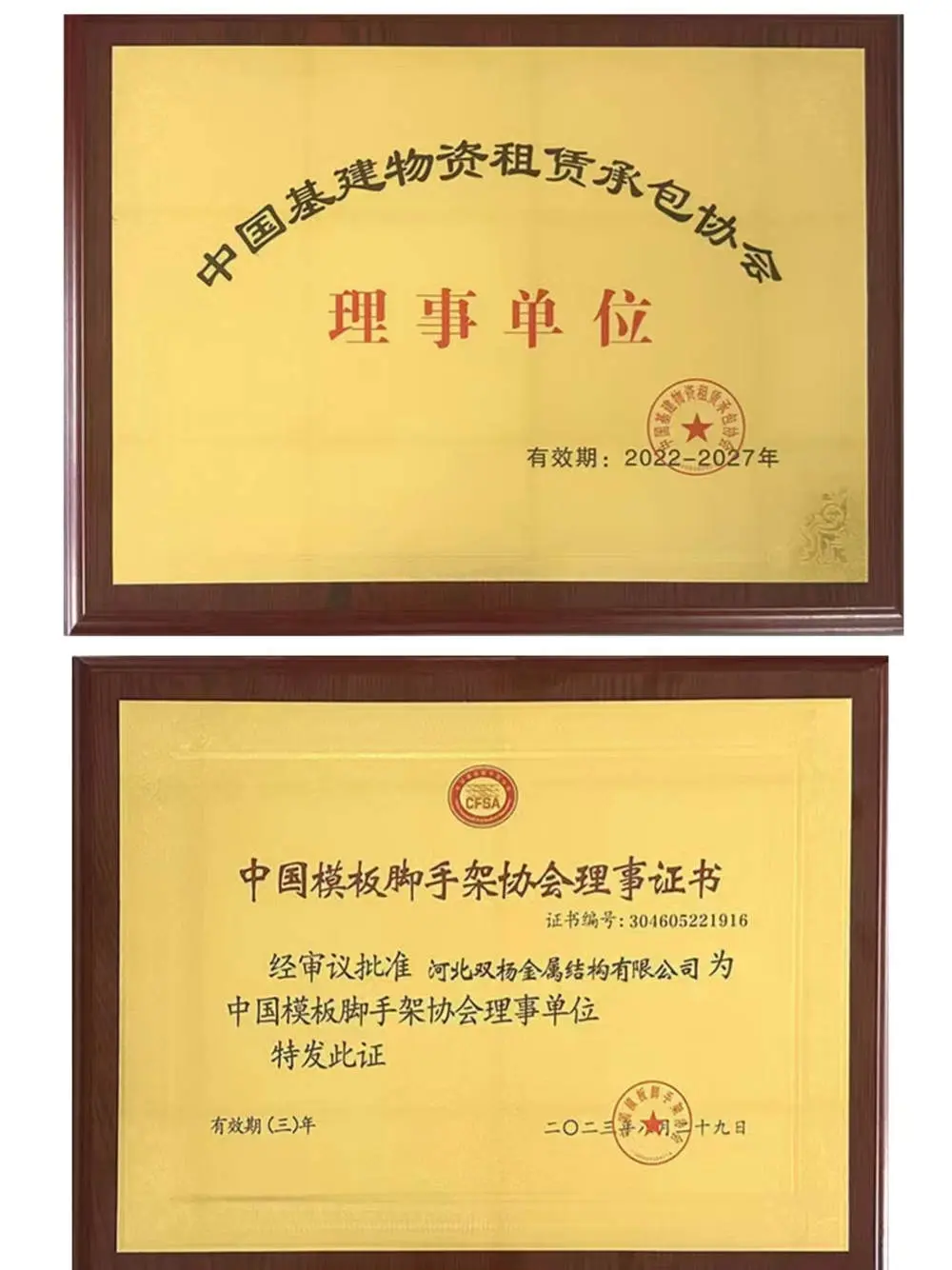
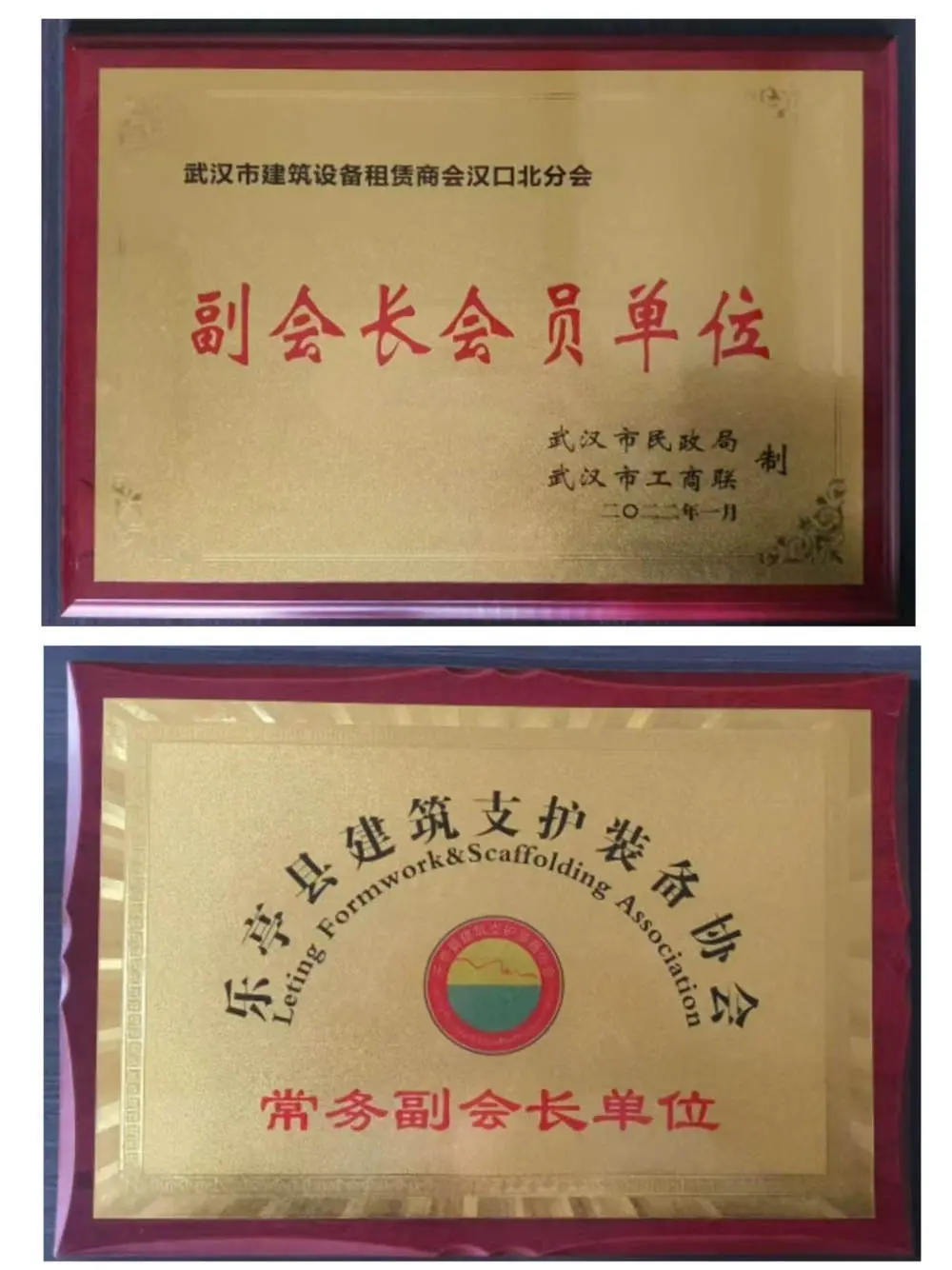
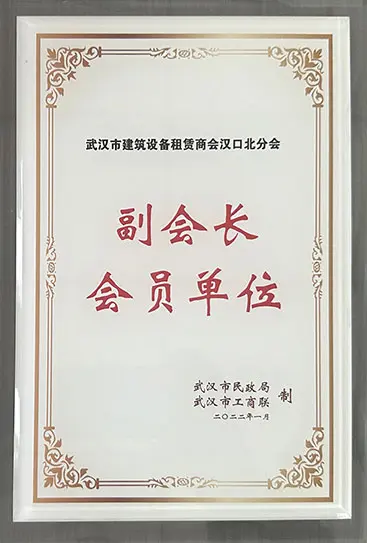
Retained original factory and certificate images provide visual proof of manufacturing scale, equipment and quality commitment.
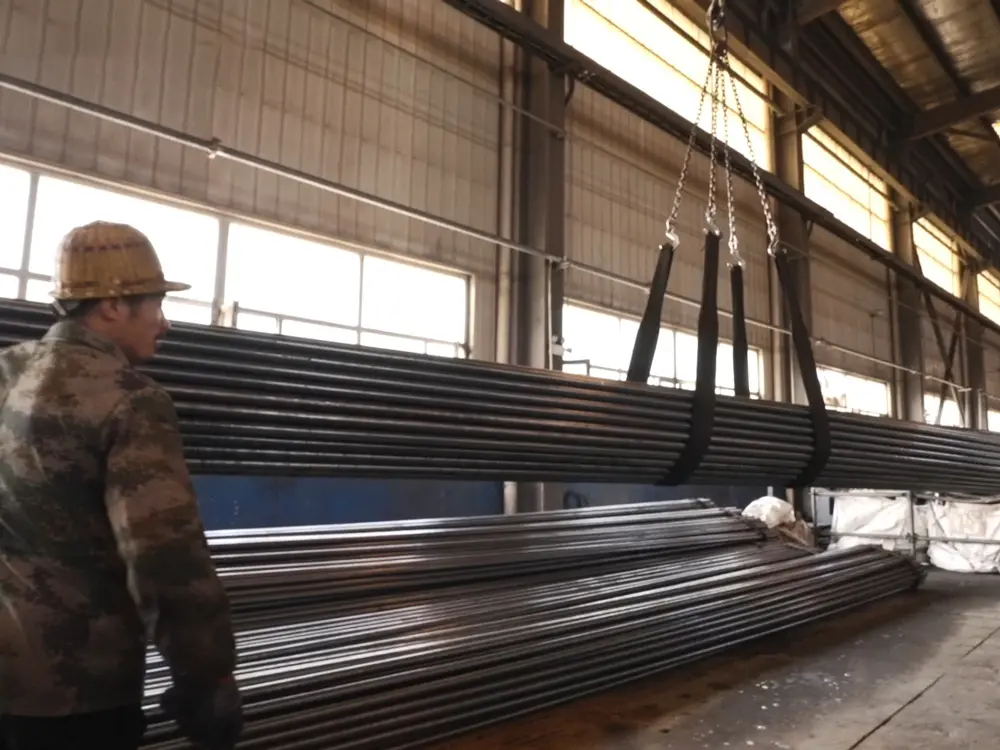
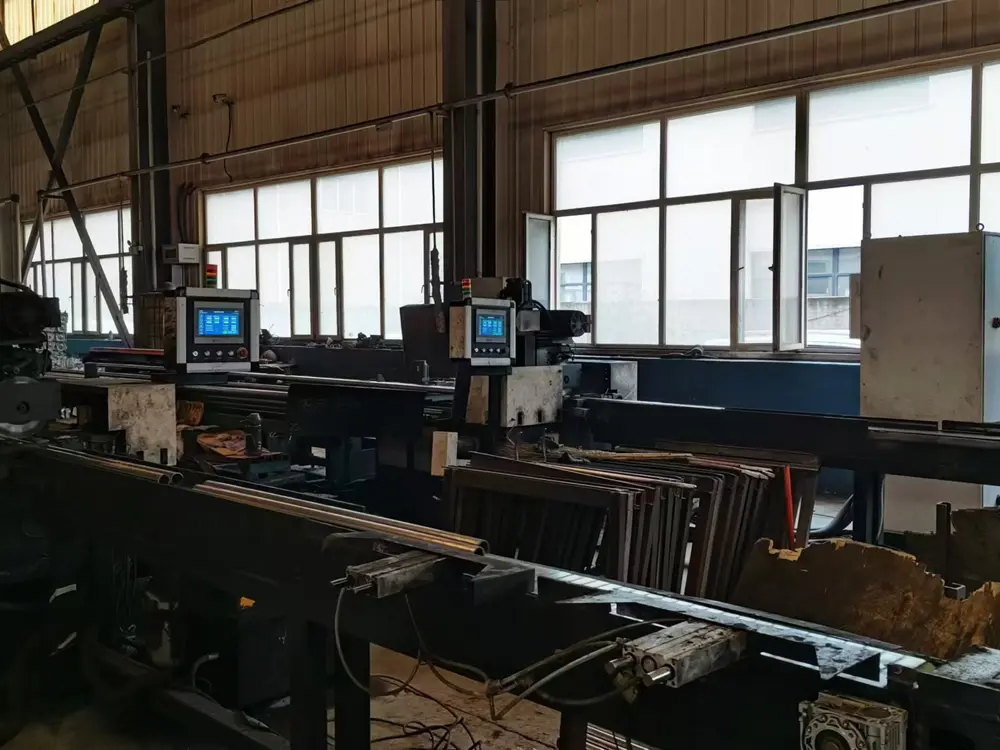
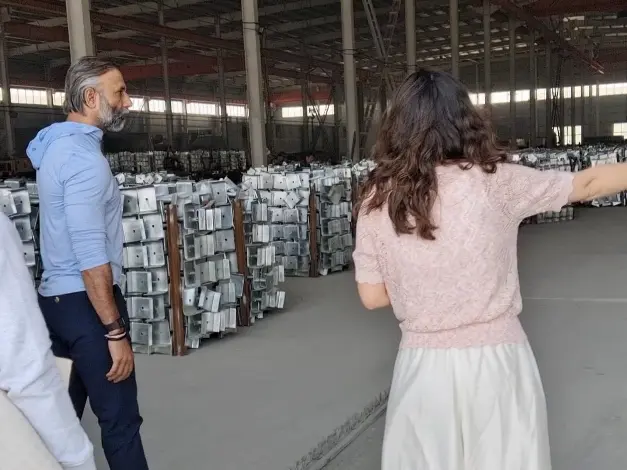
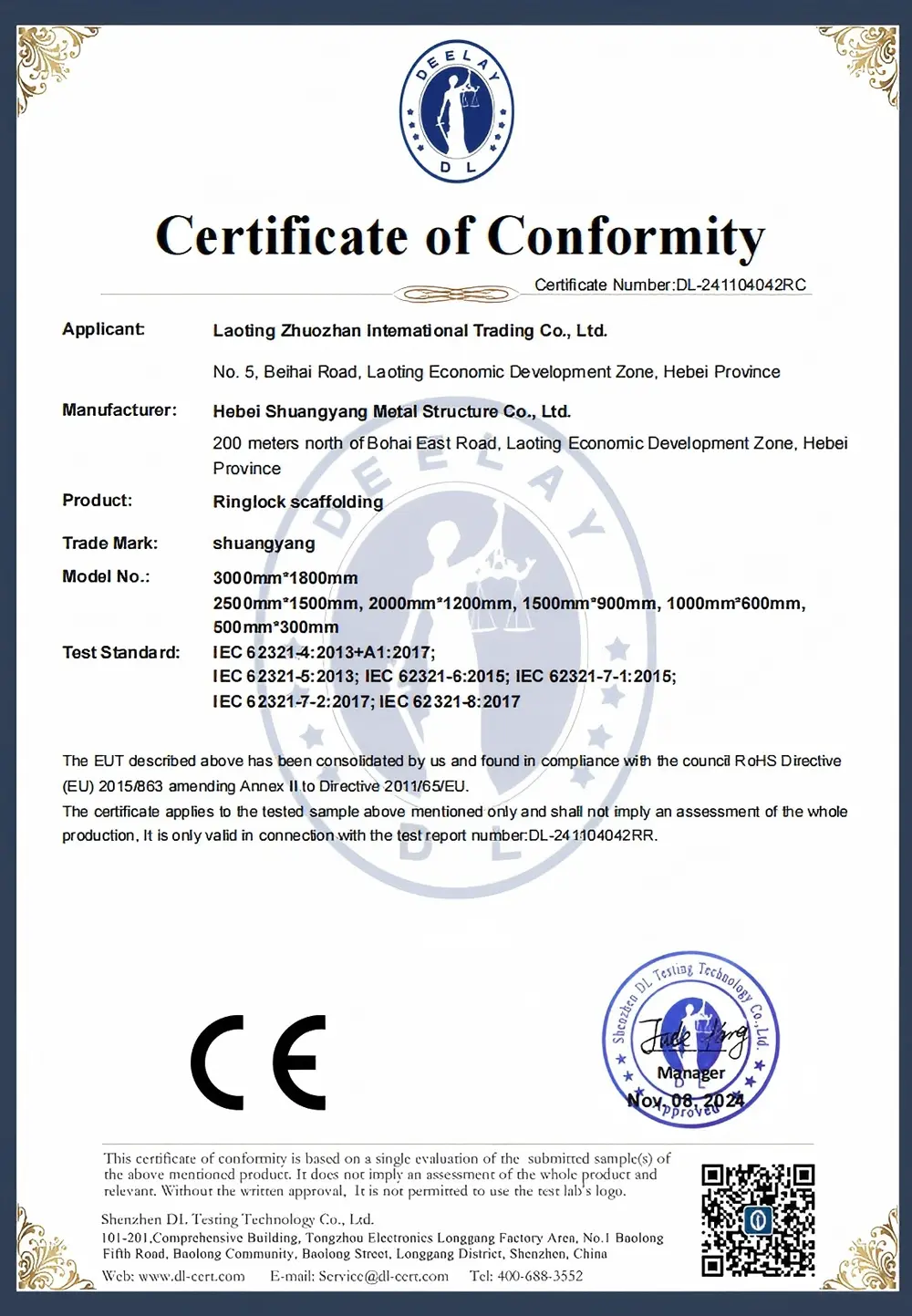
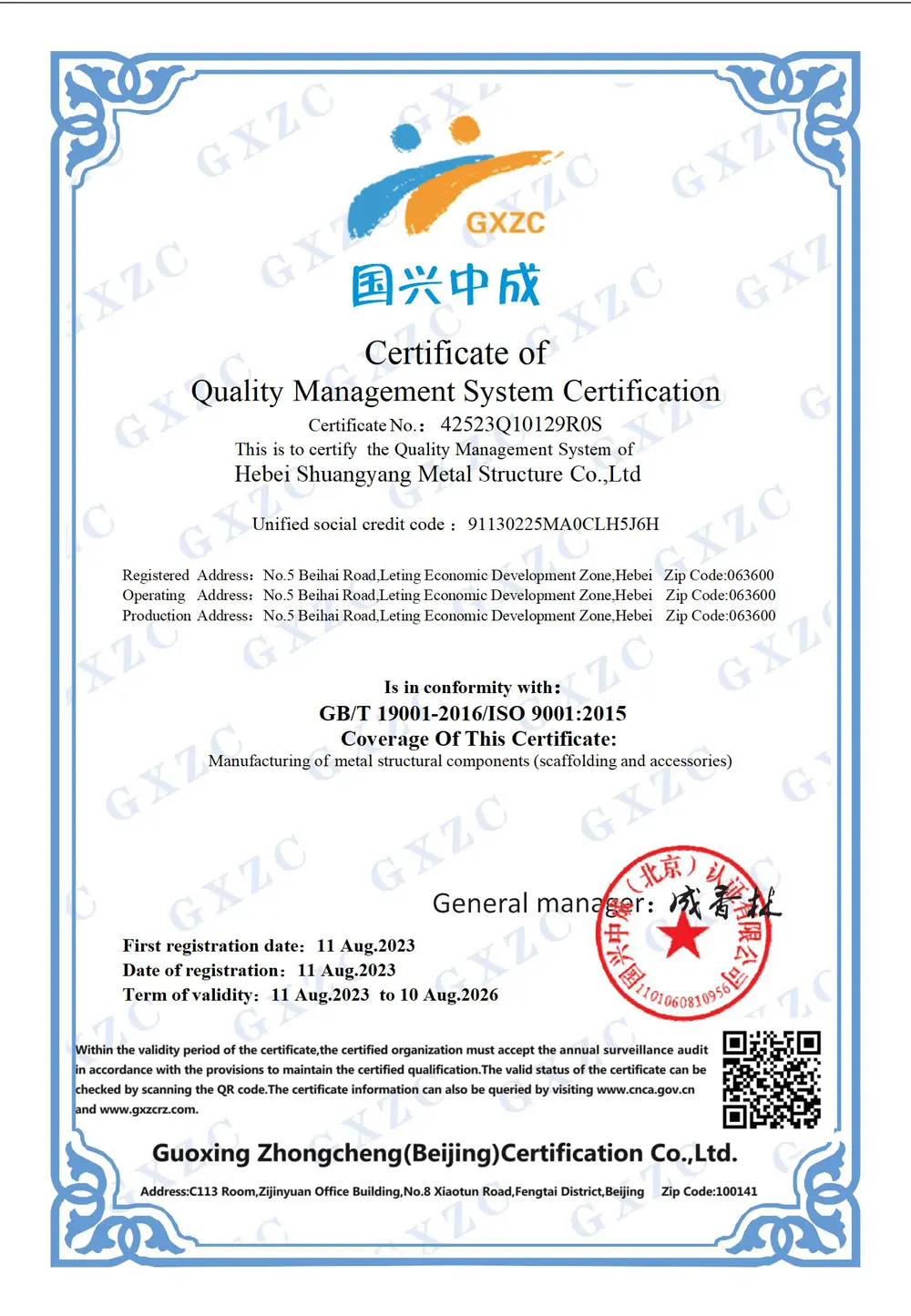
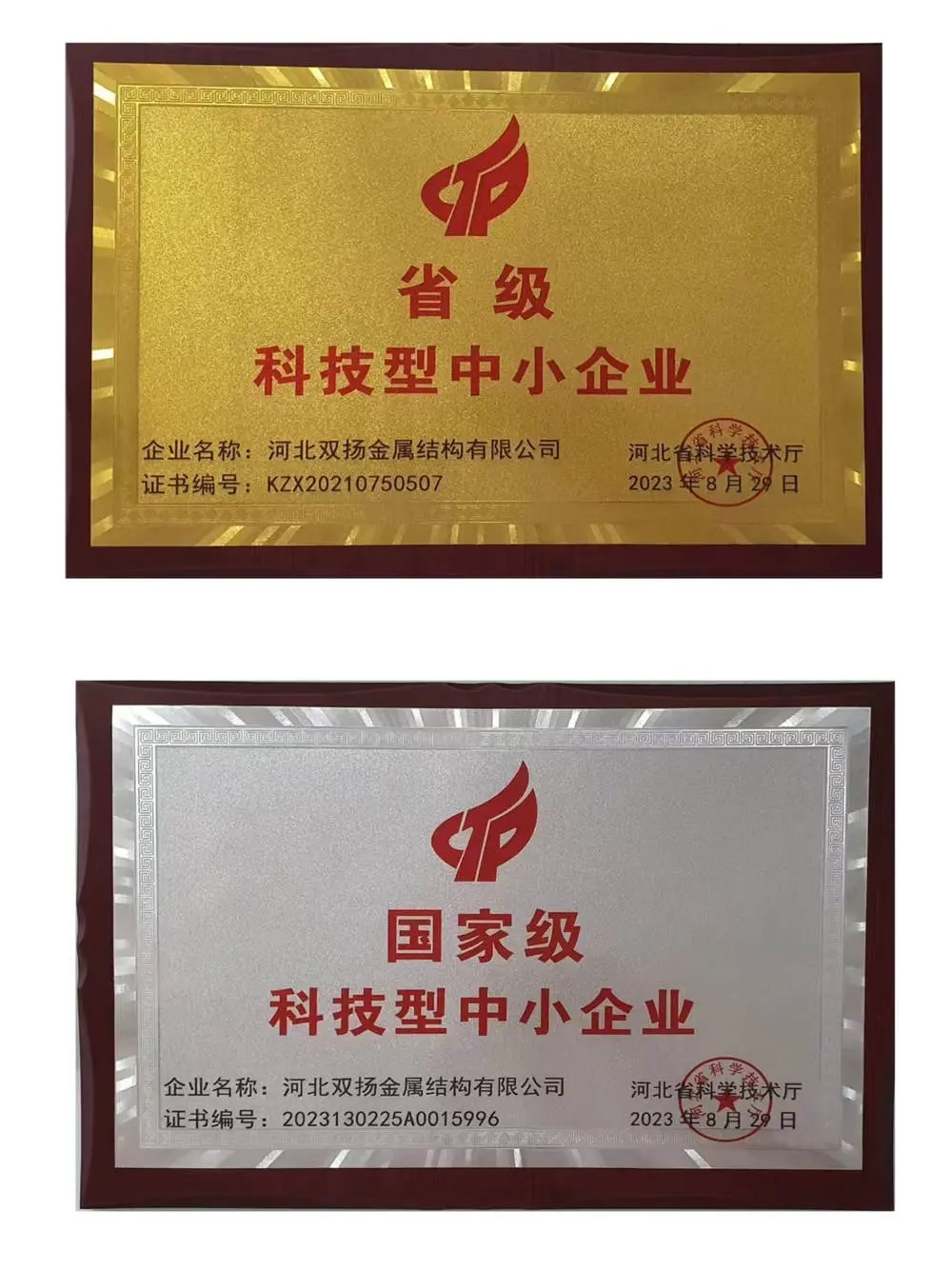
Through ongoing commitment to quality, technological advancement, and customer satisfaction, Zhuozhan Group remains dedicated to fostering cooperative growth with its partners, building stronger relationships, and achieving mutual success on the global stage.
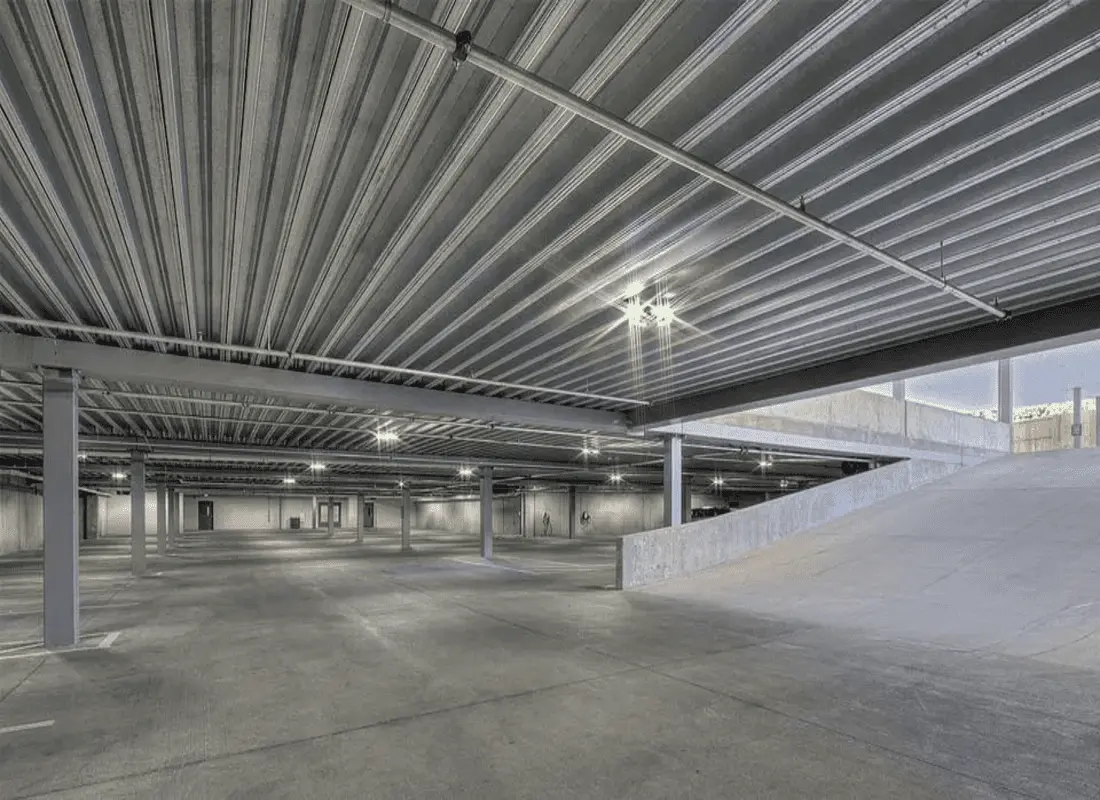
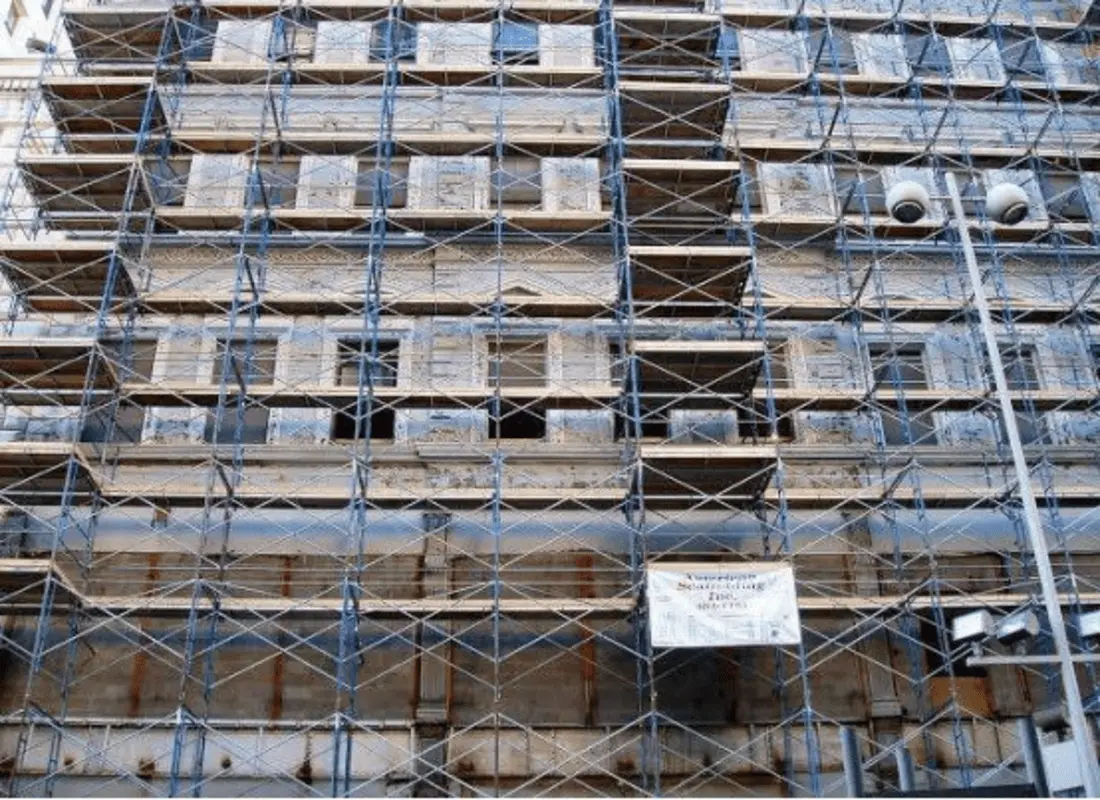
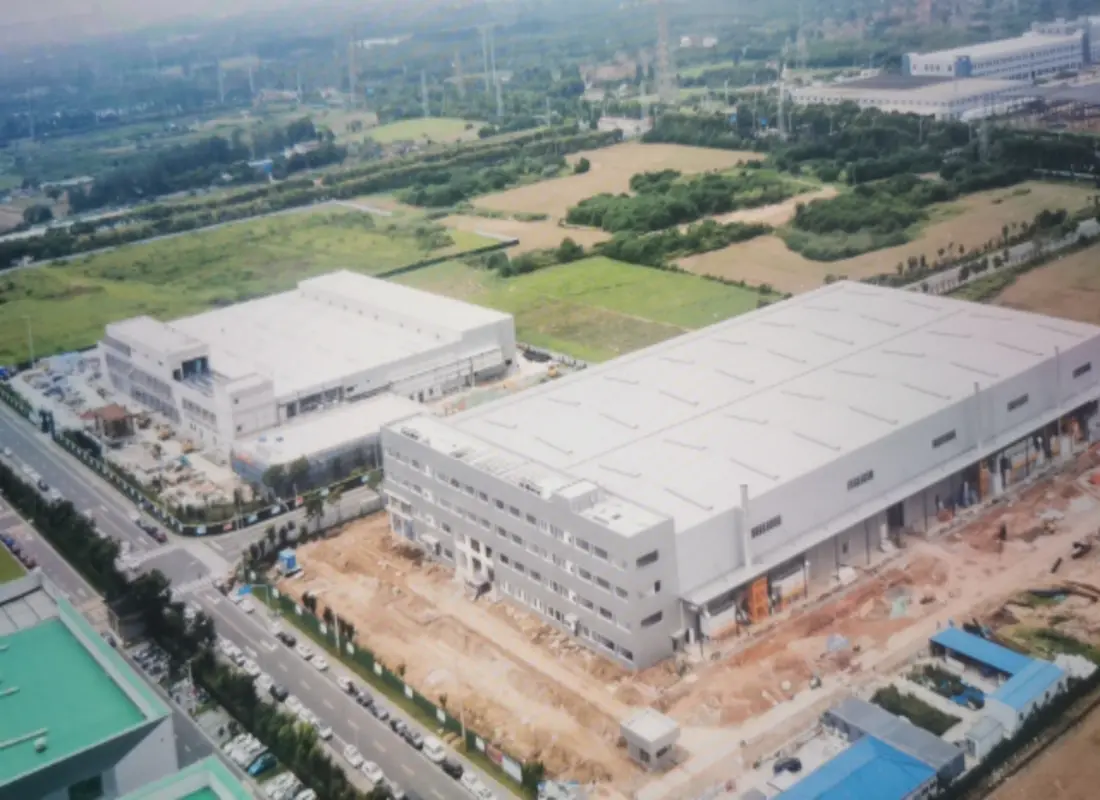
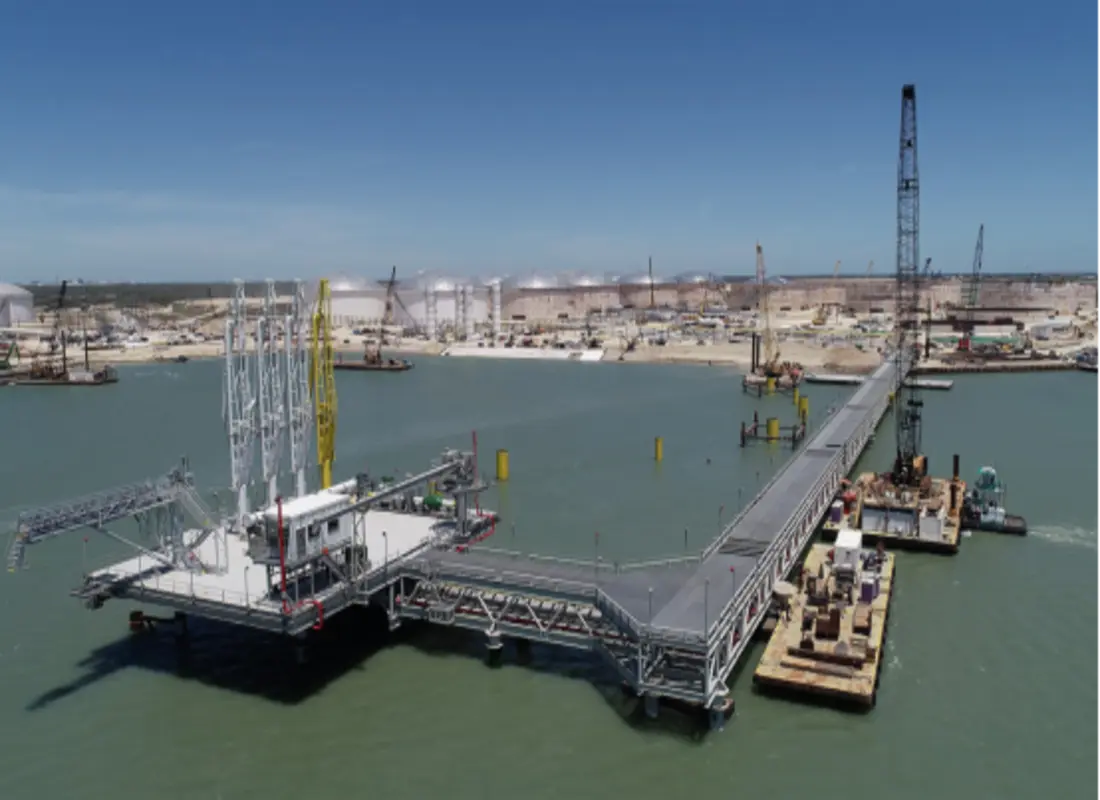
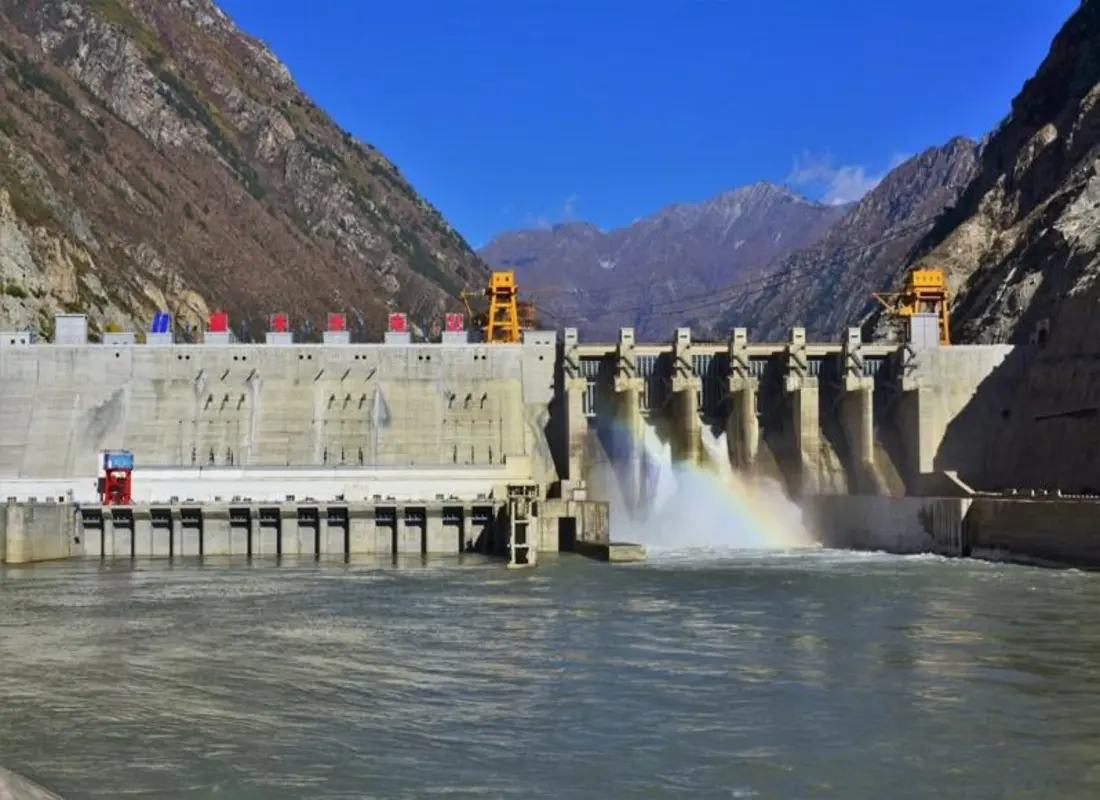
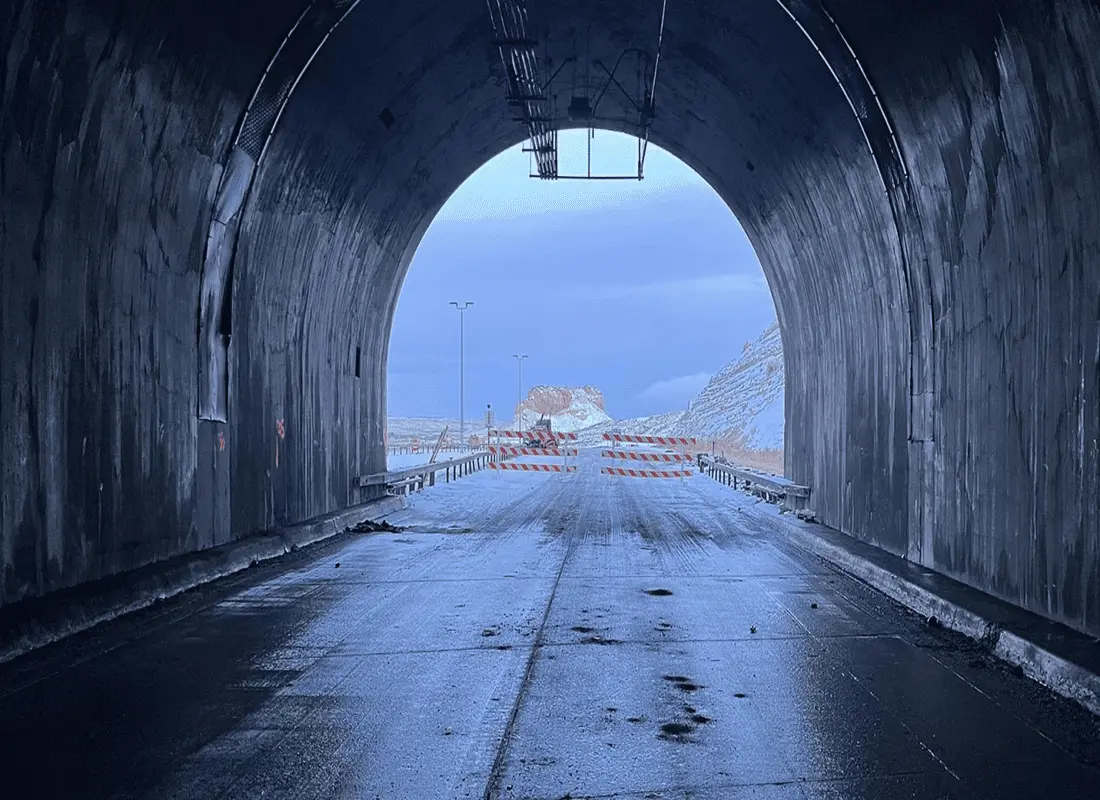
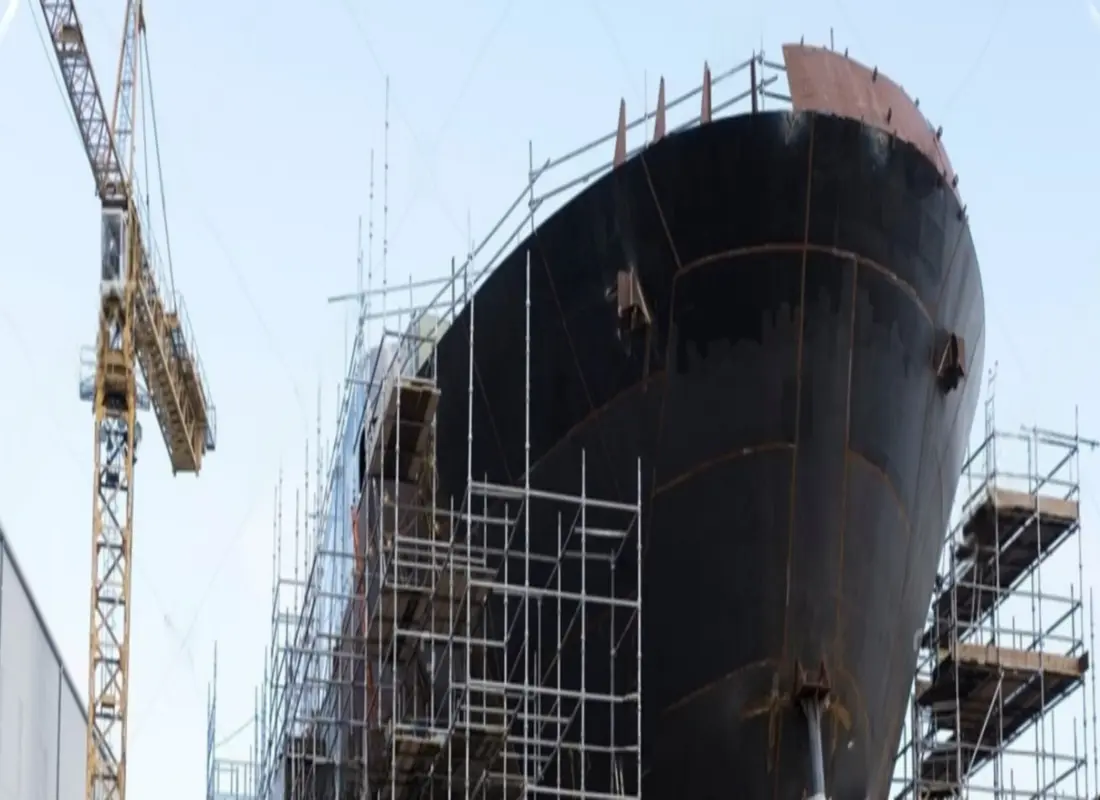
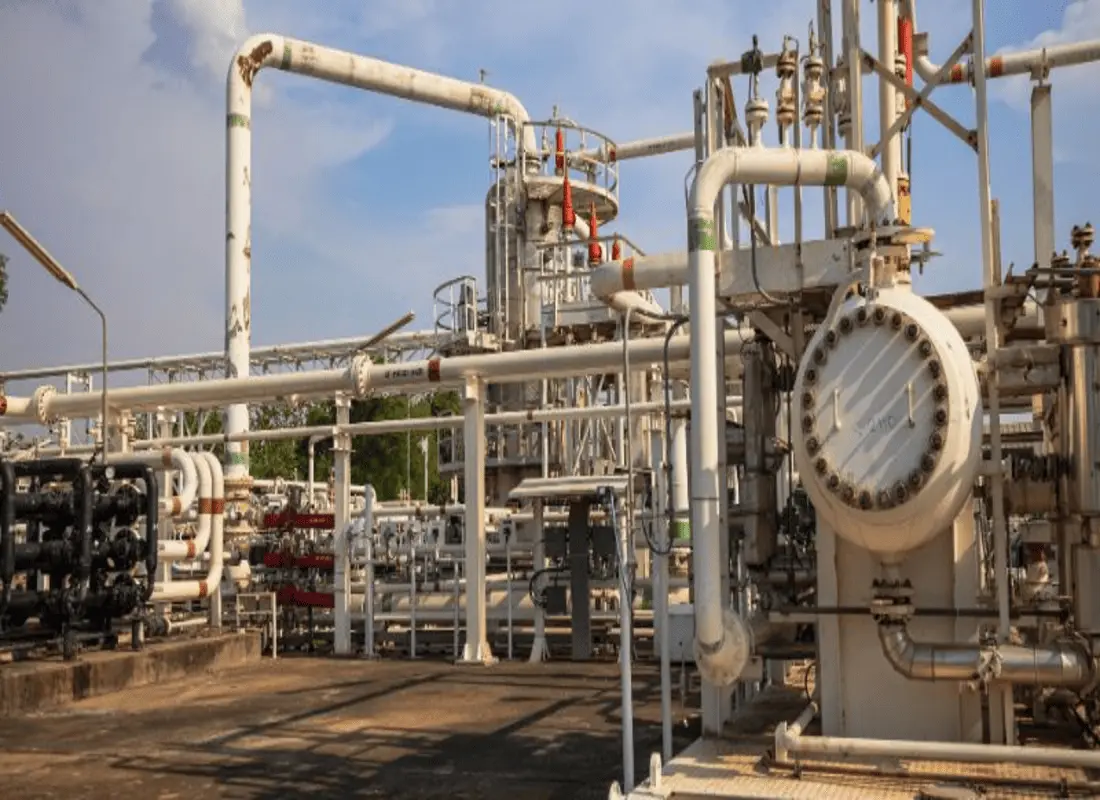
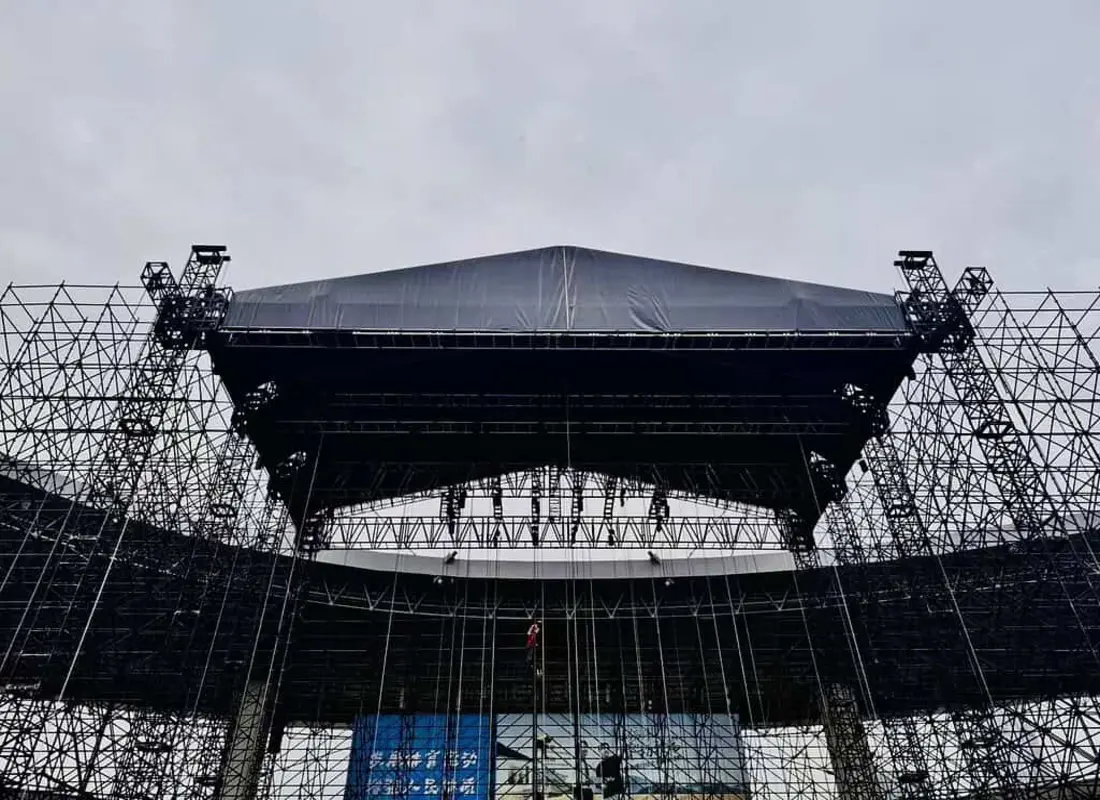
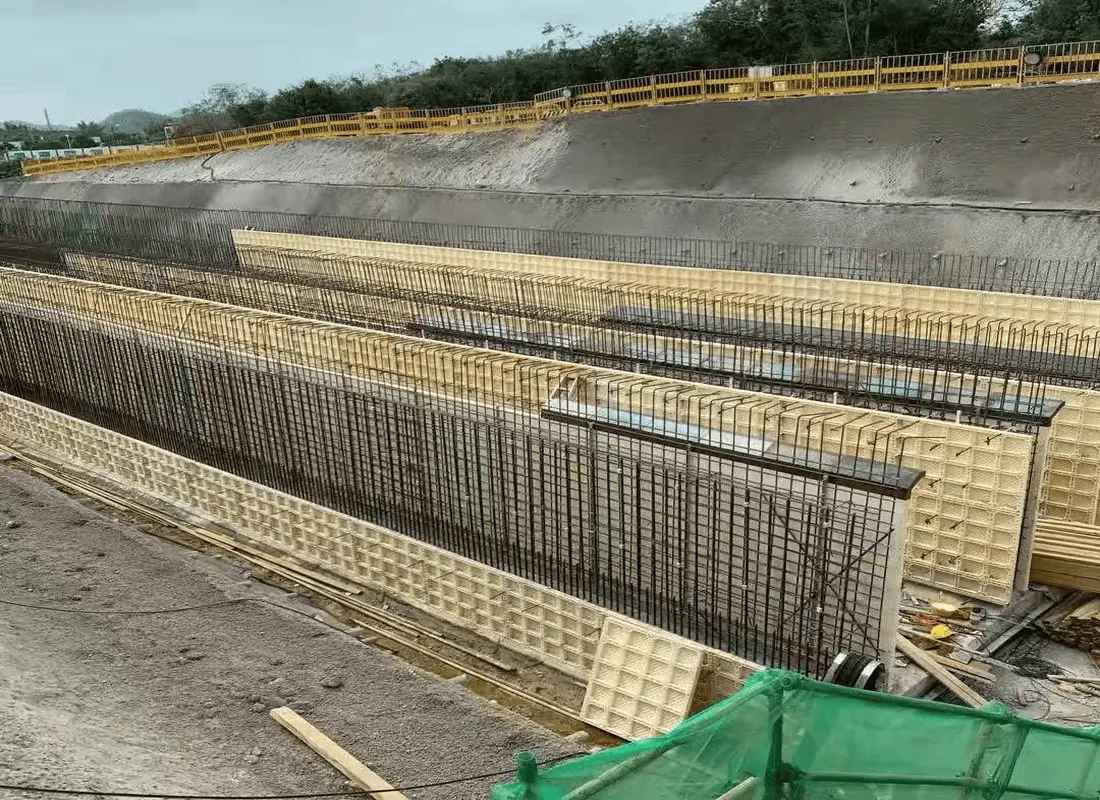
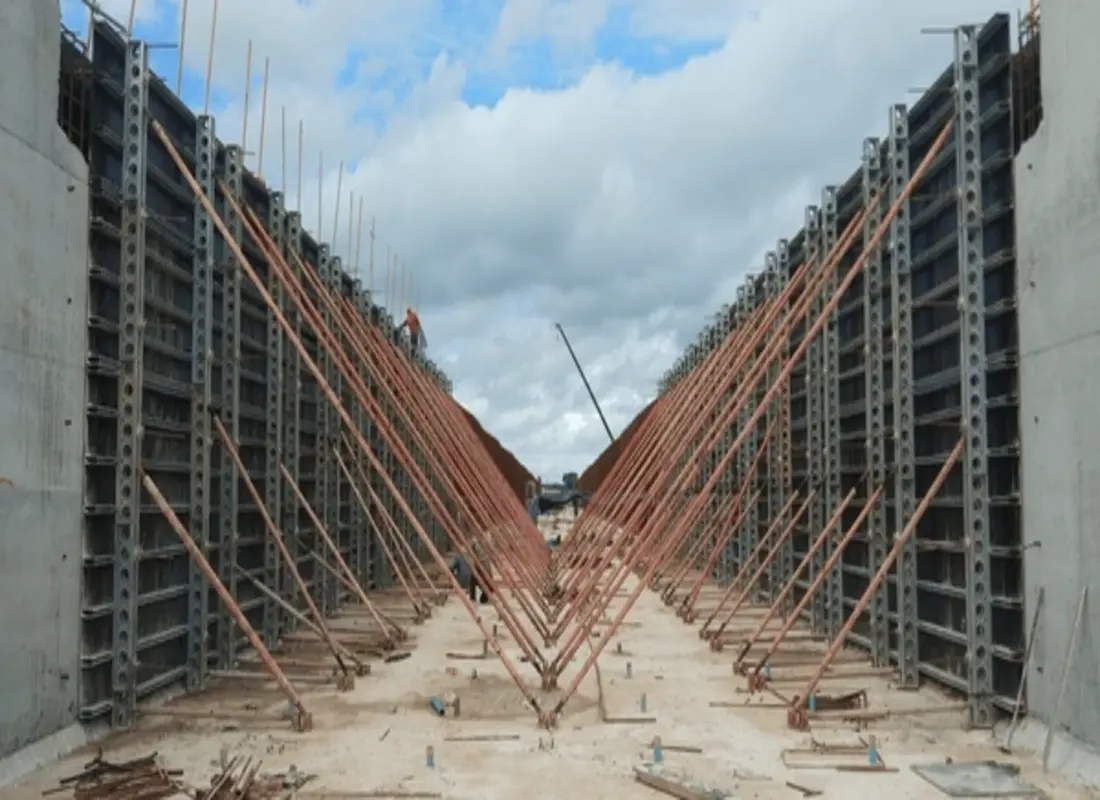
Selected project references retained from the original content. These cases show the application range of formwork, shoring and scaffolding solutions across infrastructure, buildings and industrial projects.
Retained hot-product references from the original content. These items support bundled procurement for H20 beam users.
Adhere to the high-quality standard requirements for each production link and regard quality as the lifeline of the enterprise. Whether it is the selection of raw materials or the control of the production process, strive to achieve excellence to ensure the provision of reliable and durable metal products for customers.
To become an outstanding leader in the global metal products industry, shape the future of the metal products industry with innovative technology, high-quality products and excellent services, provide reliable metal products solutions for customers around the world, and promote global infrastructure construction and industrial development.
Committed to the R & D and Innovation of Metal Products. Continuously invest resources in technological research and development, explore the application possibilities of metal products in different fields, improve the performance and quality of products, and meet the increasingly diverse and complex needs of customers.
As a source factory, with an area of 40,000 square meters and an annual production capacity of more than 200,000 tons.
15 national patents.
Close to three major ports (Jingtang Port, Tianjin Port, Caofeidian Port).
Factory scale: more than 200 employees, and a design team of more than 20 people to design professional engineering schemes.
Deeply cultivated in the industry for 12 years.
Market coverage: more than 30 provinces across the country, nearly 200 partners.
Background of cooperation with state-owned and central enterprises (China Construction Eighth Engineering Division, China Construction Fourth Engineering Division).
Dedicated personnel for each post, and reply at any time within 24 hours.
Made of Q355B material, the single bearing capacity is up to 10 tons, which is 1.5 times that of the ordinary one.
Each person can install 150 - 300 square meters per day, which is 3 - 5 times that of the traditional one.
Nearly 100 application scenarios, such as buildings, ships, aerospace, etc.
Under the same load-bearing capacity, the consumption is reduced to 1/2 of the traditional one, and the weight is reduced to 1/2 - 1/3.
The hot-dip galvanizing process has a long service life, with an average of more than 10 years and a normal service life of 15 - 20 years.
The error of product size data is ±1mm.
United States, Canada, China, Hong Kong-CN, Malaysia, Thailand, Indonesia
ringlock scaffold stock mass, full specifications, standard and custom parts are sufficient
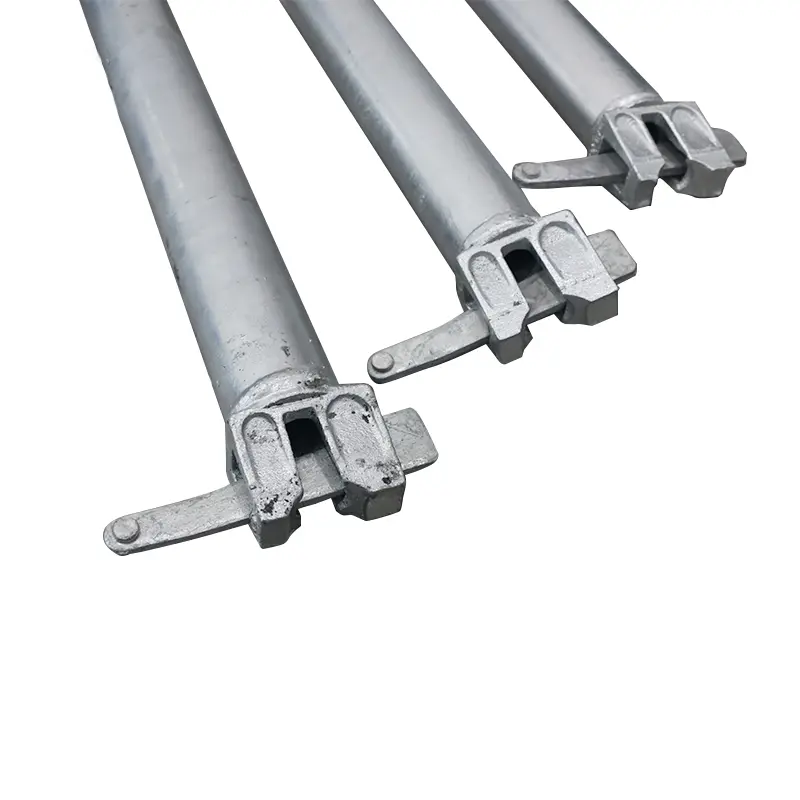
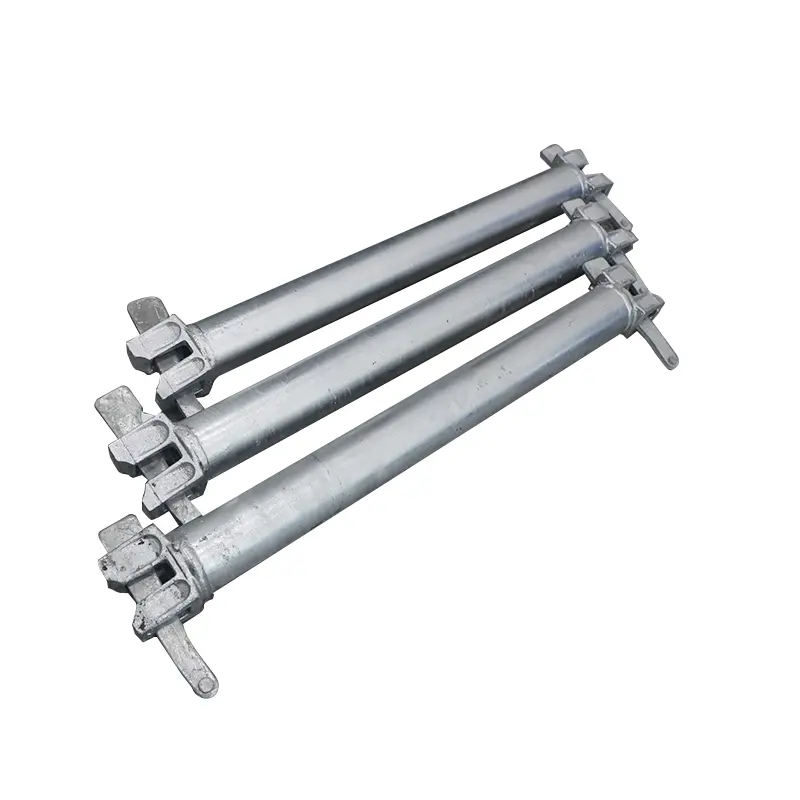
ringlock scaffold, high strength steel, self-locking design, safe and efficient.
✅ 50,000㎡ self-owned warehouse (equivalent to 7 football fields)
Fourteen production lines guarantee the production speed
Factory Operations and Production Overview
Ringlock Scaffold Production Process Demonstration
Practical answers for buyers comparing factories, suppliers and OEM programs.
It means the beam is manufactured to the buyer’s specification or under the buyer’s brand, and both ends are fitted with protective caps. OEM scope can include dimensions, wood grade, adhesive, cap color, logo, barcode, length marking and packaging.
Ends are the most vulnerable part of a timber beam. Caps reduce water ingress, concrete slurry adhesion, impact damage and end splitting. They support longer service life and cleaner formwork.
Request a sample and perform pull-off, drop-impact and repeated handling checks. The cap should not fall off during normal transport, should not crack easily and should sit square to the beam end.
Yes. Custom lengths, cap colors, printed logos, laser marking, barcodes and project-specific packaging are common OEM options. All changes should be approved through a pre-production sample.
Typical documents include commercial invoice, packing list, inspection report, certificate of origin and relevant phytosanitary or fumigation documents where applicable. Certification scope should be confirmed for the exact product and market.
Beam ends and caps should be protected with corner guards or wrapping. Bundles should be strapped securely, kept off container floors where possible and protected from condensation. Clear unloading marks help site teams avoid damage.
Yes. Integrated sourcing can improve interface compatibility and logistics. A typical kit may include H20 beams, film-faced plywood, ringlock or cuplock scaffolding, adjustable props, U-head jacks and sleeve couplers.
Ask for factory audit evidence, production-line photos, raw-material records, in-process inspection and export references. A trading company may consolidate products well, but a factory-direct partner usually provides deeper process control.
Start with a sample, then a small container or less-than-container-load trial. Verify cap retention, moisture, dimensions, branding and packing before scaling to a repeat-order agreement with locked specifications.
Zhuozhan Group combines manufacturing, international trade and logistics coordination. Its product range covers scaffolding, formwork, props, steel structures and accessories, with support for custom solutions and export documentation.
Humid, rainy, coastal and high-reuse markets benefit strongly. This includes Southeast Asia, the Middle East, Europe, Africa, North America and large infrastructure projects where stockyard exposure and handling intensity are high.
Provide beam dimensions, lengths, required quantity, cap material and color, branding requirements, destination port, target delivery date, packing preference and any certification or inspection requirements. This allows the factory to quote accurately.
When comparing OEM H20 beam factories and suppliers, use a total-value equation: beam quality × cap reliability × dimensional consistency × documentation × delivery reliability × after-sales response. A lower-priced beam with poor cap retention can create replacement cost, schedule delay and safety exposure. A slightly higher-priced beam with verified moisture control, strong caps and repeatable tolerances may reduce labor friction and improve formwork reuse across multiple projects.
For global procurement teams, the strongest strategy is to lock the specification, approve a golden sample, define inspection points, arrange pre-shipment inspection and maintain a small safety stock of caps and beams for urgent replacements. If the same supplier can also provide film-faced plywood, formwork, ringlock scaffolding, cuplock systems, adjustable props and U-head jacks, the buyer gains a single technical channel and fewer compatibility risks.
Share your beam dimensions, lengths, cap color, branding, quantity and destination port. Our team can coordinate factory review, samples, packaging and export documentation for integrated formwork and scaffolding procurement.
The remaining products from the provided range, with original URLs preserved for direct review and quotation.
 Zhuozhan