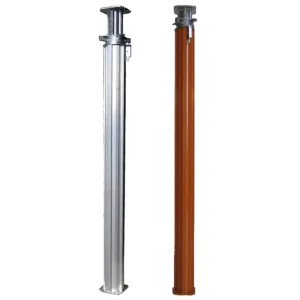
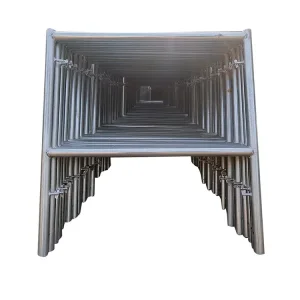
High-precision, certified structural products supporting structural concrete and modular scaffolding globally.
The global construction industry is undergoing a radical transition toward optimized modular support structures. Traditional tube-and-clamp setups are rapidly being replaced by systemic, engineered solutions to mitigate labor costs, reduce onsite injury risks, and accelerate project cycles. Among these modular systems, the **Cuplock Scaffolding System** remains a dominant choice for civil engineering, marine shipbuilding, aviation maintenance facilities, and high-load shoring operations.
Across key construction markets in North America, Western Europe, and the Middle East, municipal regulations and strict safety policies (such as OSHA 1926.451 and EN 12811-1) have institutionalized the use of high-strength, galvanized steel scaffolding. These regulations demand high-tolerance standards that prevent structural buckling, lock failure, and horizontal drift.
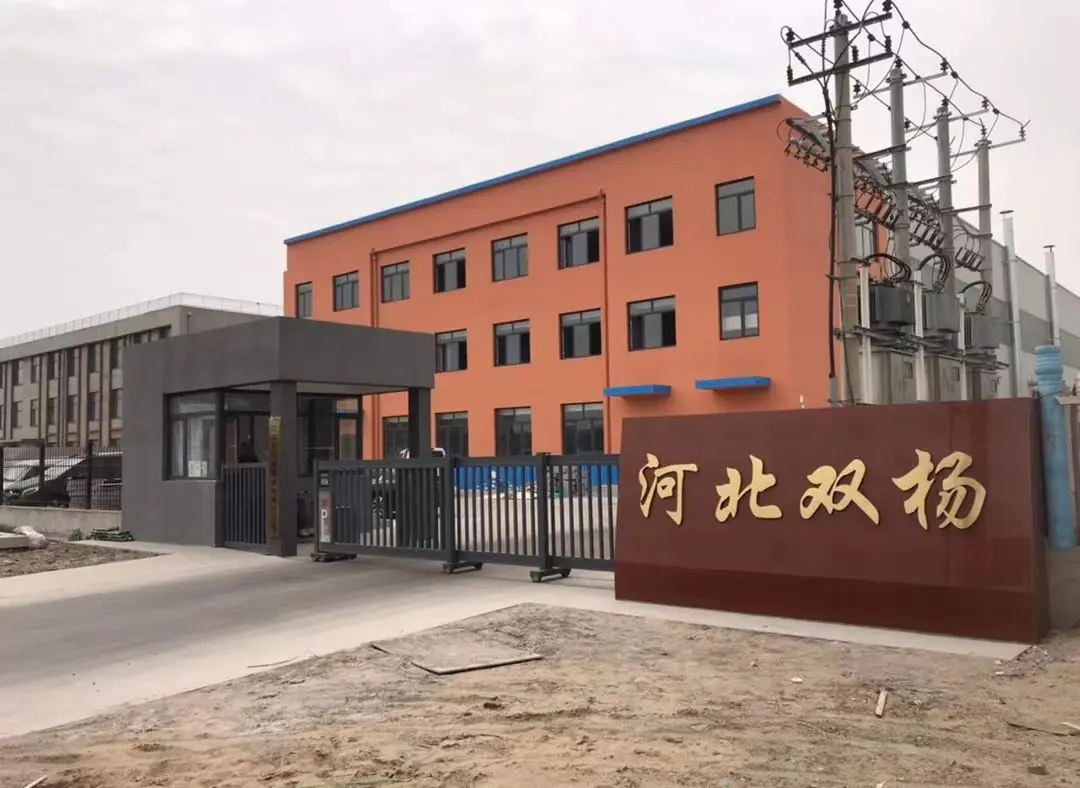
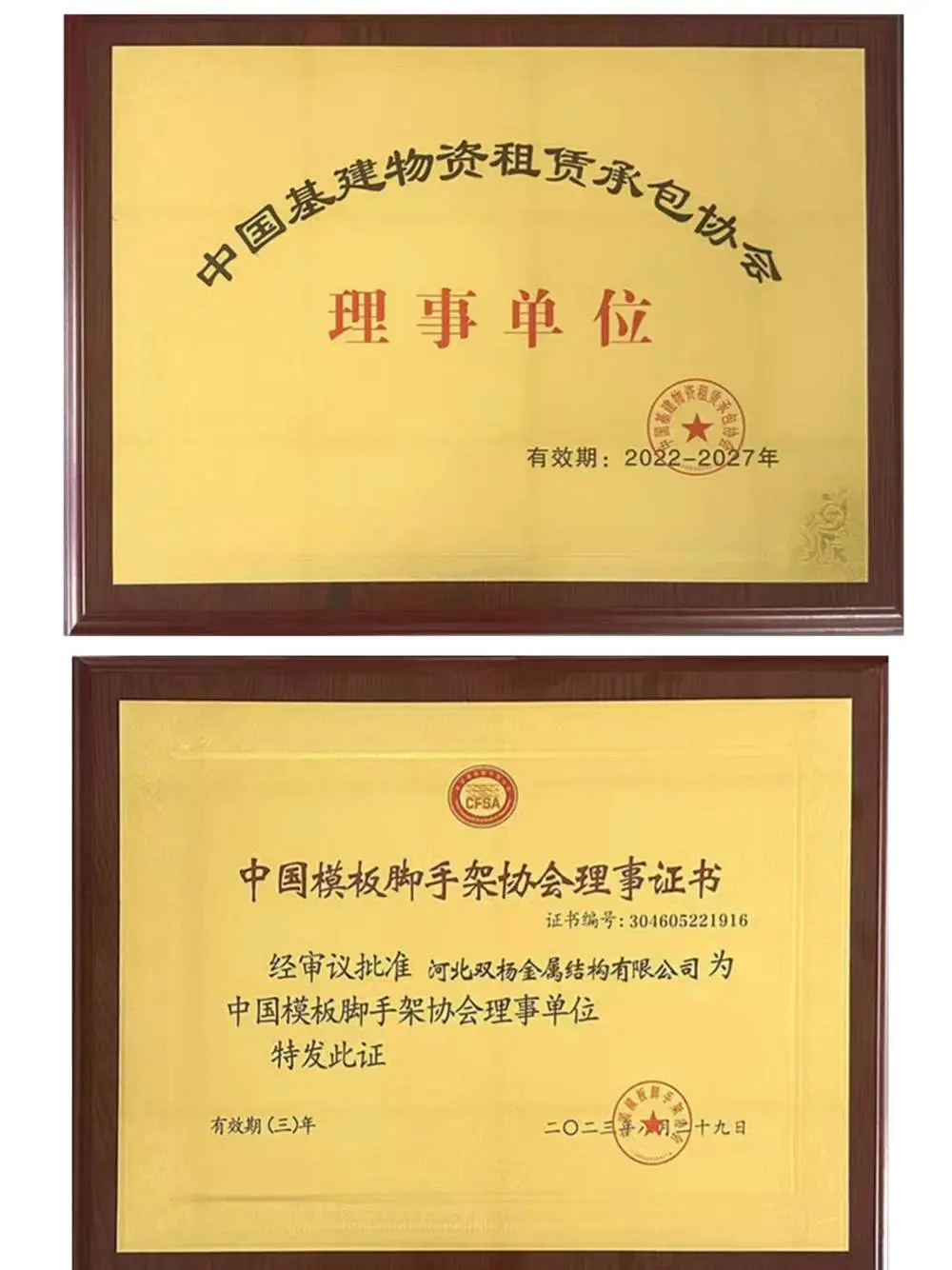
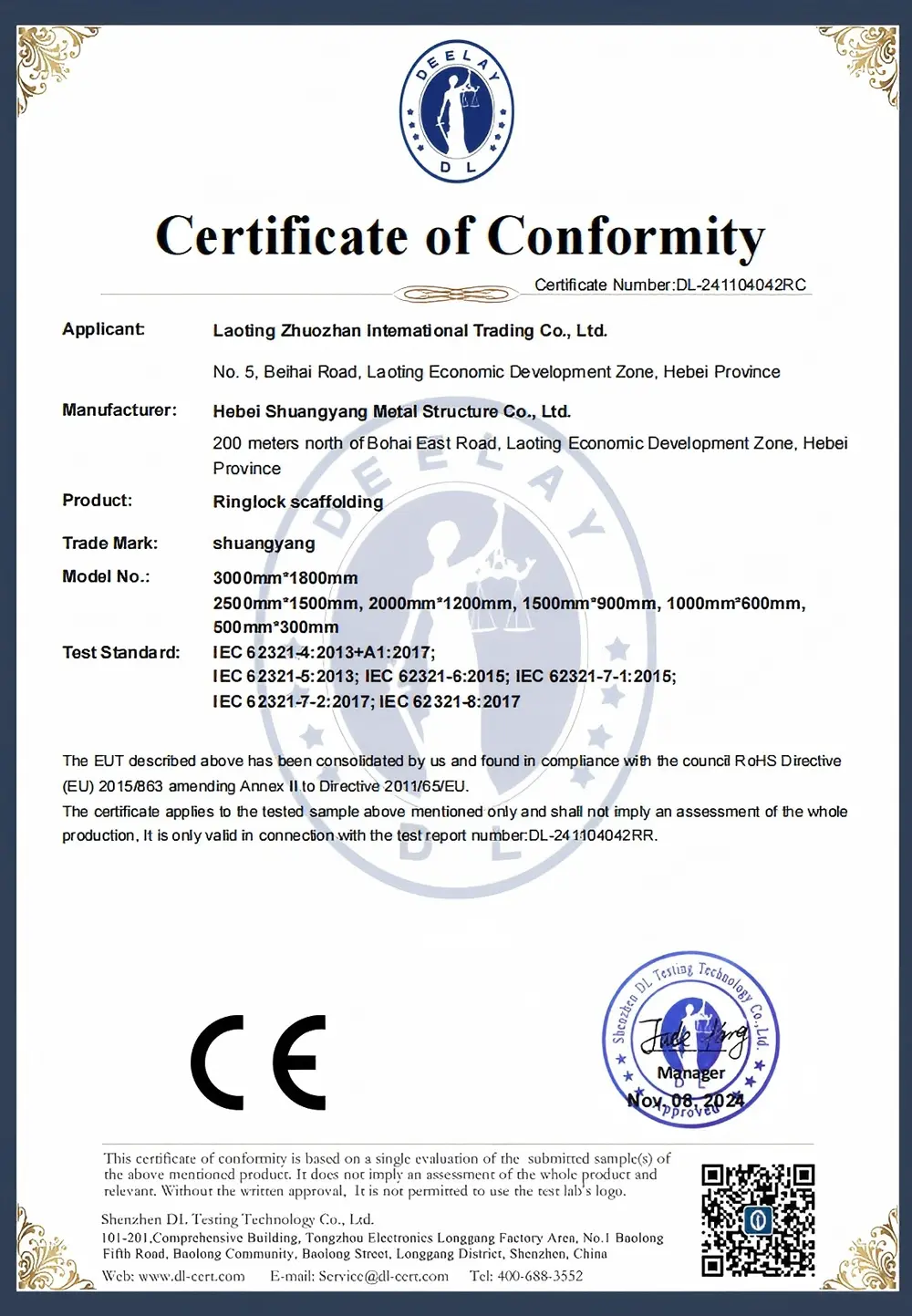
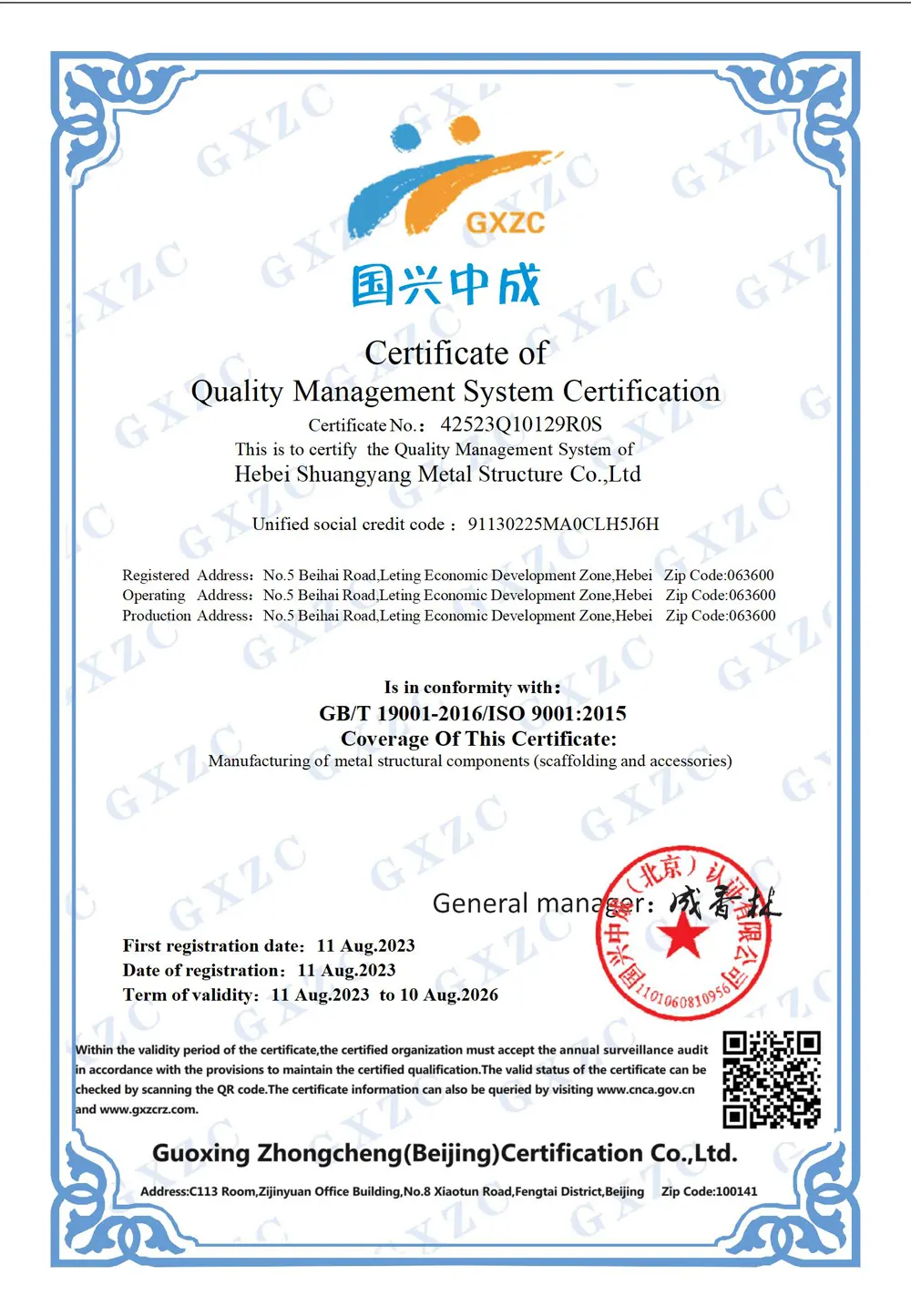
Zhuozhan Industry, utilizing Hebei Shuangyang Metal Structure Co., Ltd.'s manufacturing division, produces certified Cuplock parts. Our systems pass rigorous international certifications like ISO 9001 and EN 12810/12811, offering consistent structural integrity to general contractors, plant operators, and municipal projects worldwide.
A scaffolding system is only as reliable as its steel chemical composition, outer diameter tolerances, and weld integrity. Modern structural design requires standards to handle high vertical loads and ledger connections to resist rotational moments. Below are the definitive technical specifications for professional Cuplock systems manufactured by Hebei Shuangyang Metal Structure Co., Ltd.
| Component | Material Grade | Outer Diameter (OD) | Wall Thickness | Surface Treatment | Yield Strength (Min) |
|---|---|---|---|---|---|
| Vertical Standard / Cup Standard | Q345B / Q355B | 48.3 mm / 60.3 mm | 3.2 mm / 3.25 mm / 4.0 mm | Hot-Dip Galvanized (HDG) | 345 - 355 MPa |
| Horizontal Ledger | Q235 | 48.3 mm | 3.0 mm / 3.2 mm | Hot-Dip Galvanized / Painted | 235 MPa |
| Diagonal Brace | Q235 / Q195 | 48.3 mm / 42.3 mm | 2.5 mm / 2.75 mm | Hot-Dip Galvanized / Electro-Galvanized | 195 - 235 MPa |
| Top & Bottom Cups | Malleable Cast Iron / Pressed Steel | Fits 48.3 mm Tube | Heavy Duty Reinforced | Self-Color / Galvanized | Cast Iron Standard |
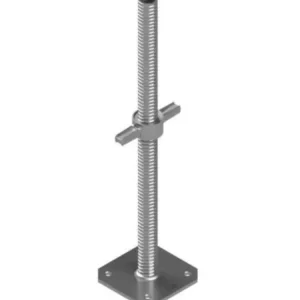
| Adjustable Jack Base | Q235 (Solid / Hollow Screw) | 38 mm | 5.0 mm (Hollow Jack) | Electro-Galvanized | Load capacity: Up to 10 tons |
The vertical load carrying capacity is further optimized by utilizing high-tensile Q355B steel for standards. Under normal configurations with standard ledger spacing of 1.5m to 2.0m, a single standard can safely support up to 57 kN (approx. 5.7 tons) of static vertical load. For heavier shoring requirements, larger diameter standards or modified structural bracing plans can be calculated by our technical engineering team.
A leading Chinese factory division driving the future of metal structures since 2014.
Global industrial buyers require stable supply chains, volume flexibility, and cost efficiency. Operating from the heart of China's heavy industrial core in Hebei, Zhuozhan Group's manufacturing division delivers logistical and cost advantages:
Our factory is strategically close to three major northern deepwater ports: **Jingtang Port, Tianjin Port, and Caofeidian Port**. This short shipping radius lowers inland transport costs, reduces container transit times, and protects our raw and finished steel structures from exposure to atmospheric corrosion prior to ocean shipping.
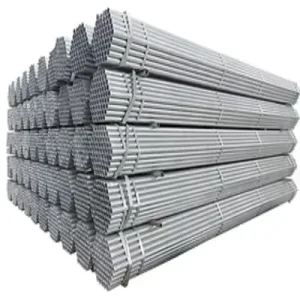
With an annual manufacturing capacity of 300,000 tons of steel pipes and 1 million tons of scaffolding systems, we buy directly from local state-owned steel mills. This stable supply chain limits raw material price swings and guarantees consistent metallurgical compositions for our customers.
Equipped with over 150 sets of advanced machinery across 14 automated production lines, our manufacturing process limits sizing tolerances to **±1mm**. This level of precision is critical for multi-tier Cuplock scaffolding, ensuring all standards align correctly and cup locks engage securely at heights exceeding 50 meters.
Our raw-material-to-finished-product workflow features strict quality inspections and emissions management.
Raw structural steel pipes are cut to design sizes. Generates noise (N) and solid waste (S) which is recycled.
Precision hydraulic machines press node locations. Generates noise (N) and steel scrap (S).
Steel standards and bottom cups are joined using automated robotic welders. Generates noise (N), solid waste (S), and minor waste gas (G).
Welded components undergo hot-dip galvanization to form an anti-corrosive coating.
Pipes are checked for thread pitch and cup alignment before packaging for export.
Tubes are cut to length for ledger configurations. Generates noise (N) and steel offcuts (S).
Tubes are prepped at ends to receive cast ledger blades. Generates minor industrial noise (N).
Cast steel ledger blades are welded to the pipe ends using automated welding tables. Generates waste gas (G) and solid waste (S).
Tubes are treated with hot-dip galvanizing to resist rust.
Ledger blades are finalized and prepped for assembly. Checked for structural loading alignment.
Environmental Compliance: To control industrial emissions, Hebei Shuangyang installs baghouse dust collectors, enclosed weld zones, and partners with certified hot-dip galvanizing facilities that manage chemical wastewater and recycle zinc byproducts.
Take a virtual tour of our 50,000㎡ warehouse and modern production lines.
Our scaffolding and formwork systems are utilized across high-load civil and marine infrastructure projects.
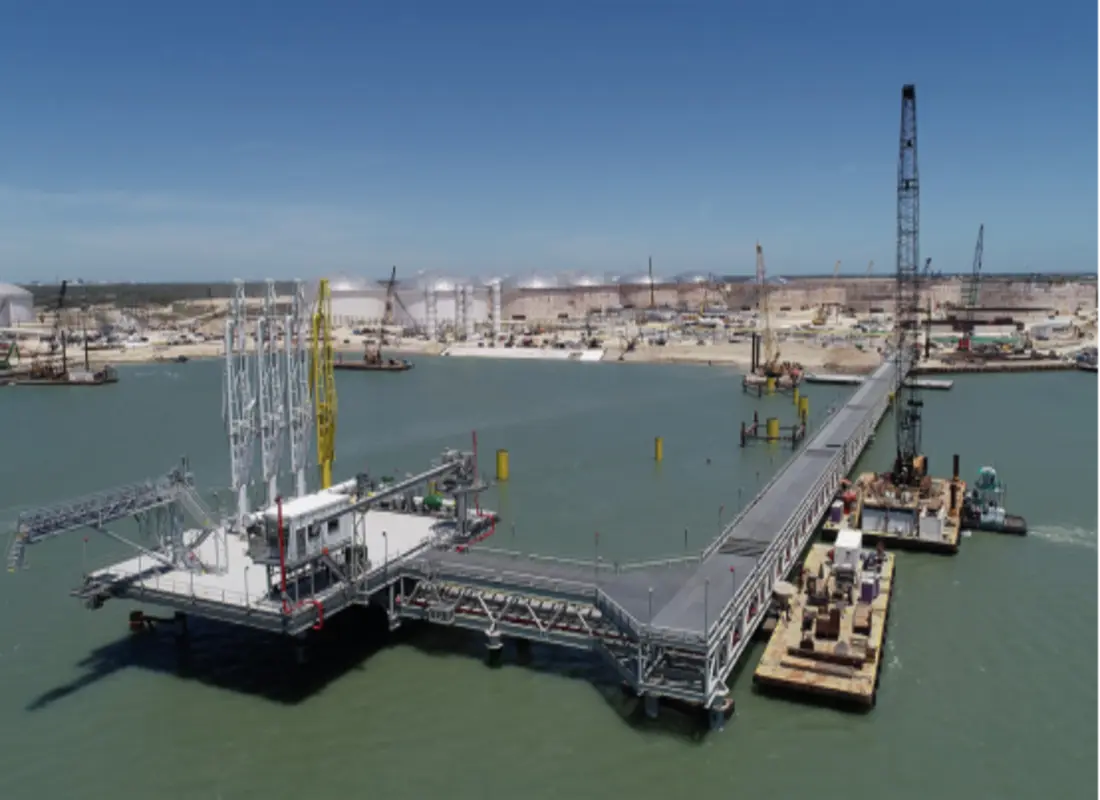
High-corrosion resistance modular scaffolding systems supporting pipeline installations in high-salinity harbor environments.
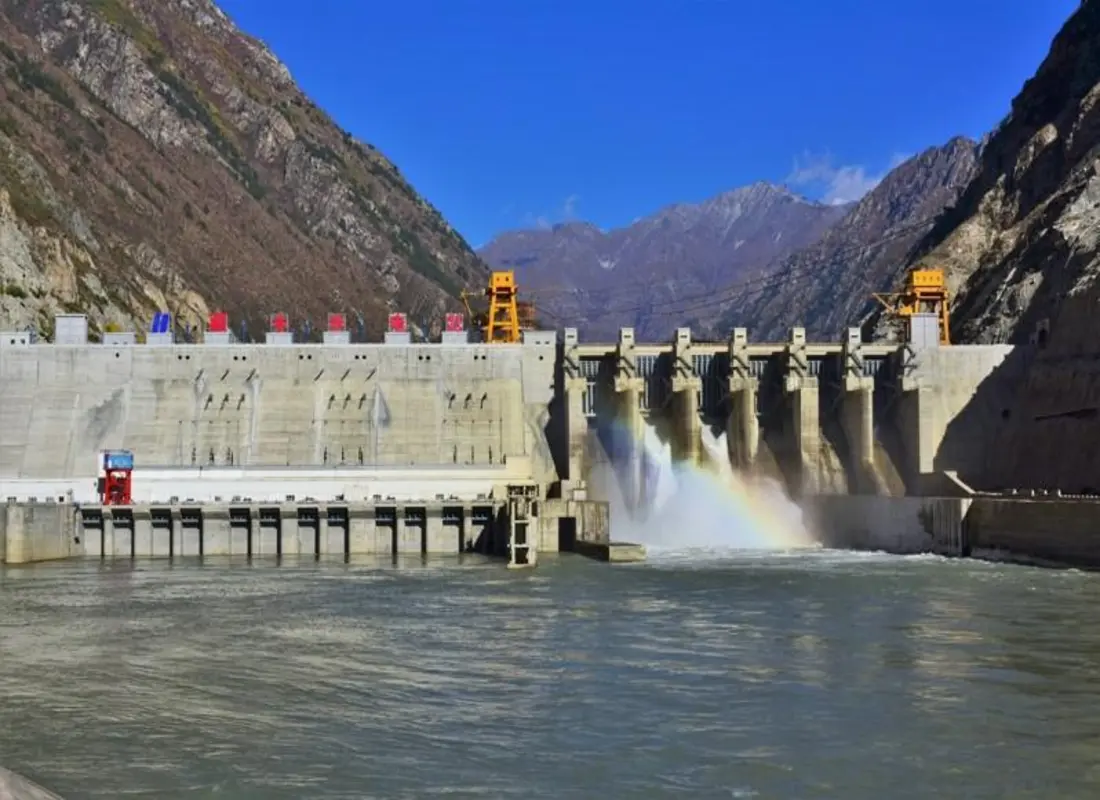
Rigid access platforms designed to withstand heavy vibrations and high water velocity during dam face rehabilitation works.
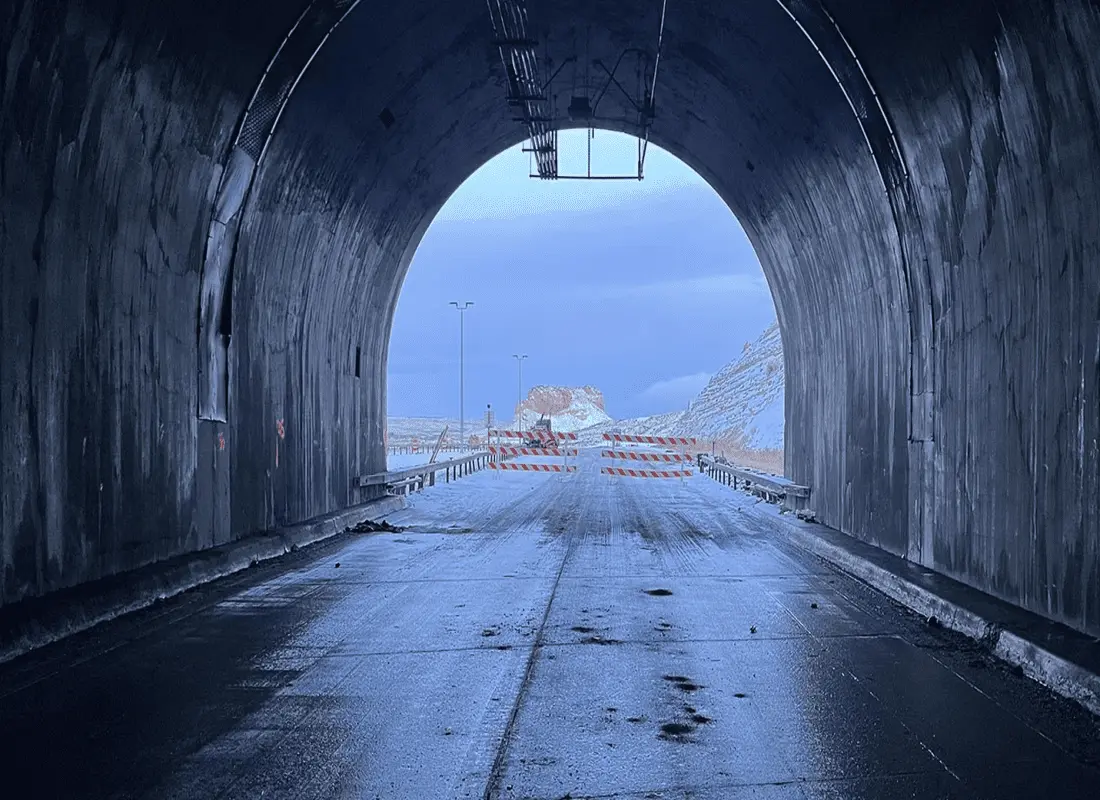
Custom curved overhead scaffolding systems supporting concrete tunnel lining and high-load ceiling shoring.
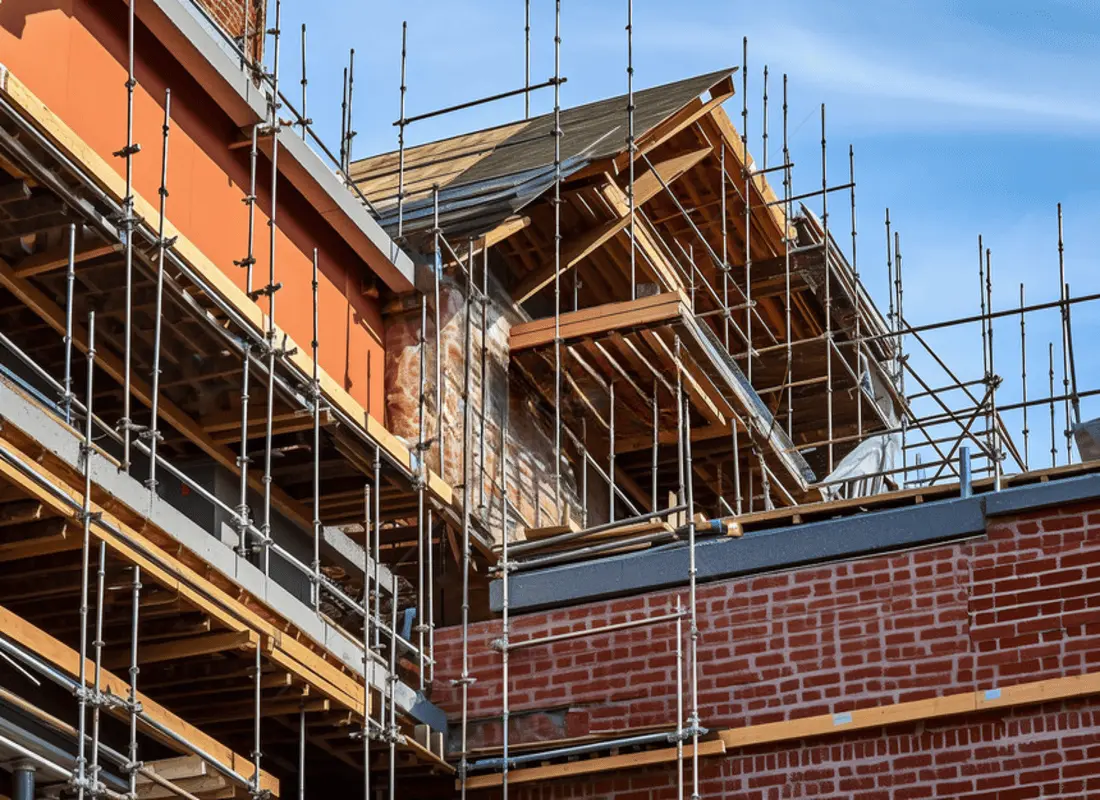
Large-scale modular staging scaffolds providing multi-tier interior access for cleanroom utility layouts.

Suspended scaffold structures and heavy shoring systems erected over waterways for structural pier reinforcement.
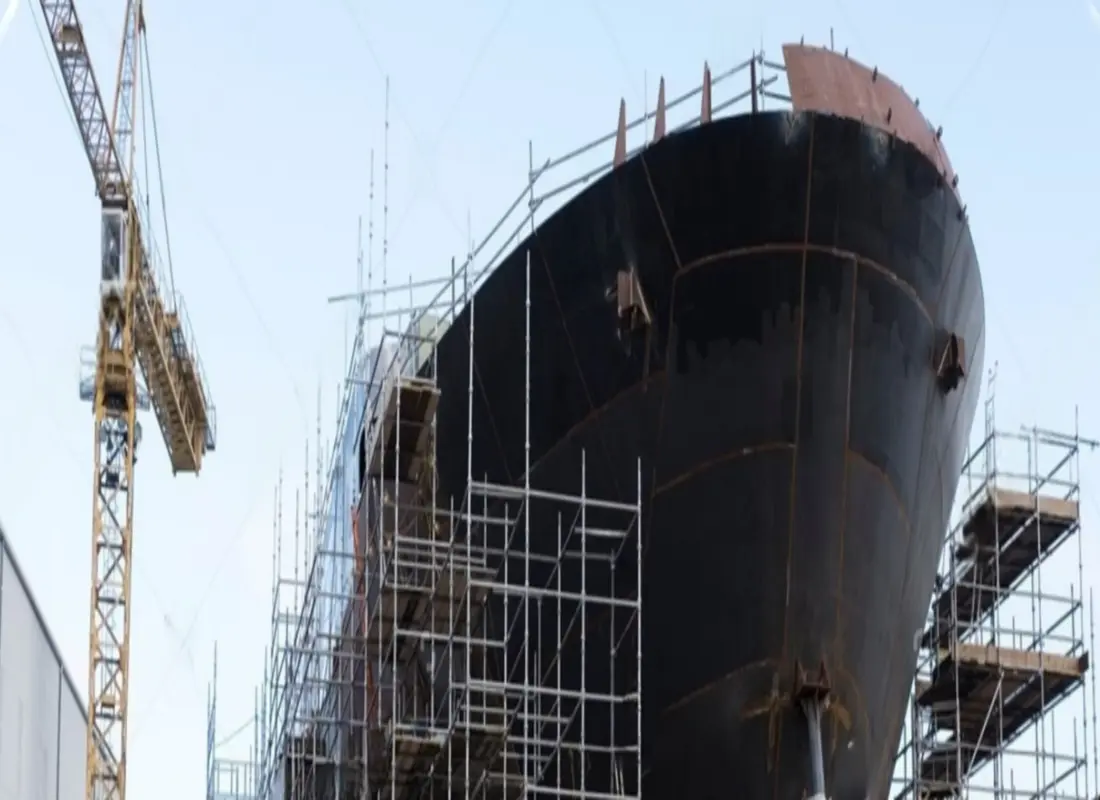
Custom access structures built inside drydocks to allow facade sandblasting, painting, and propeller maintenance.
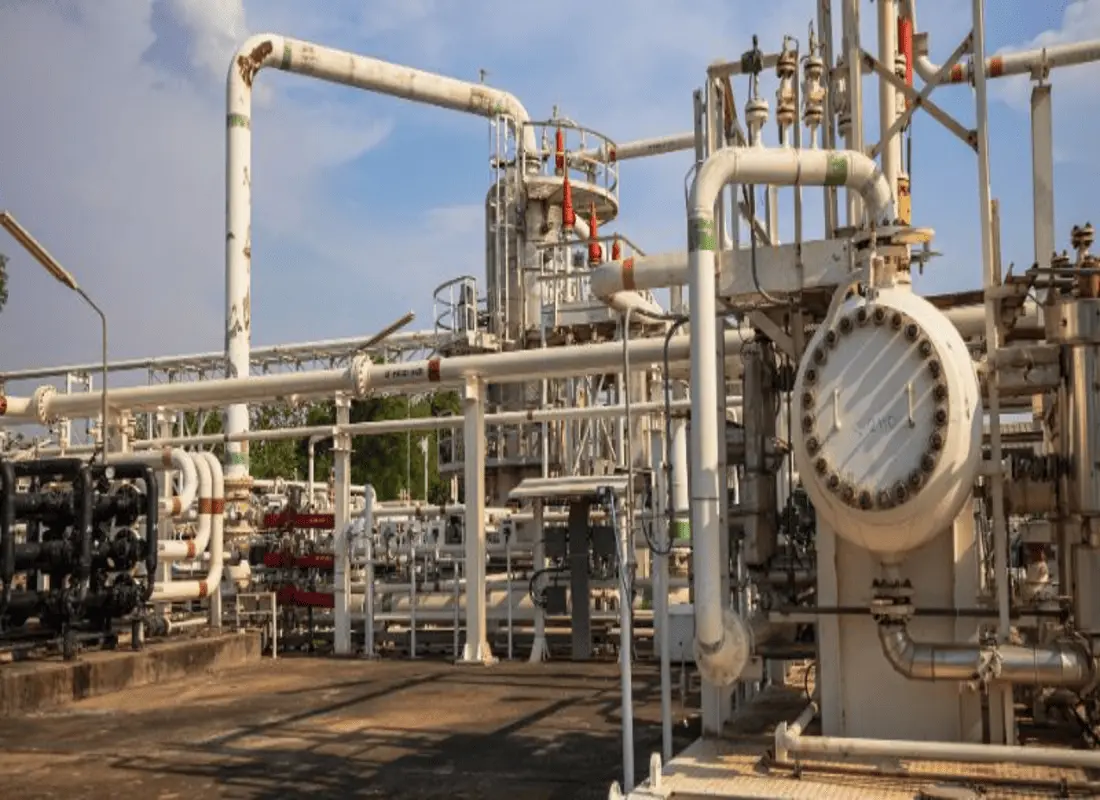
High-temperature resistant access systems designed for boiler inspection and steam pipe maintenance.
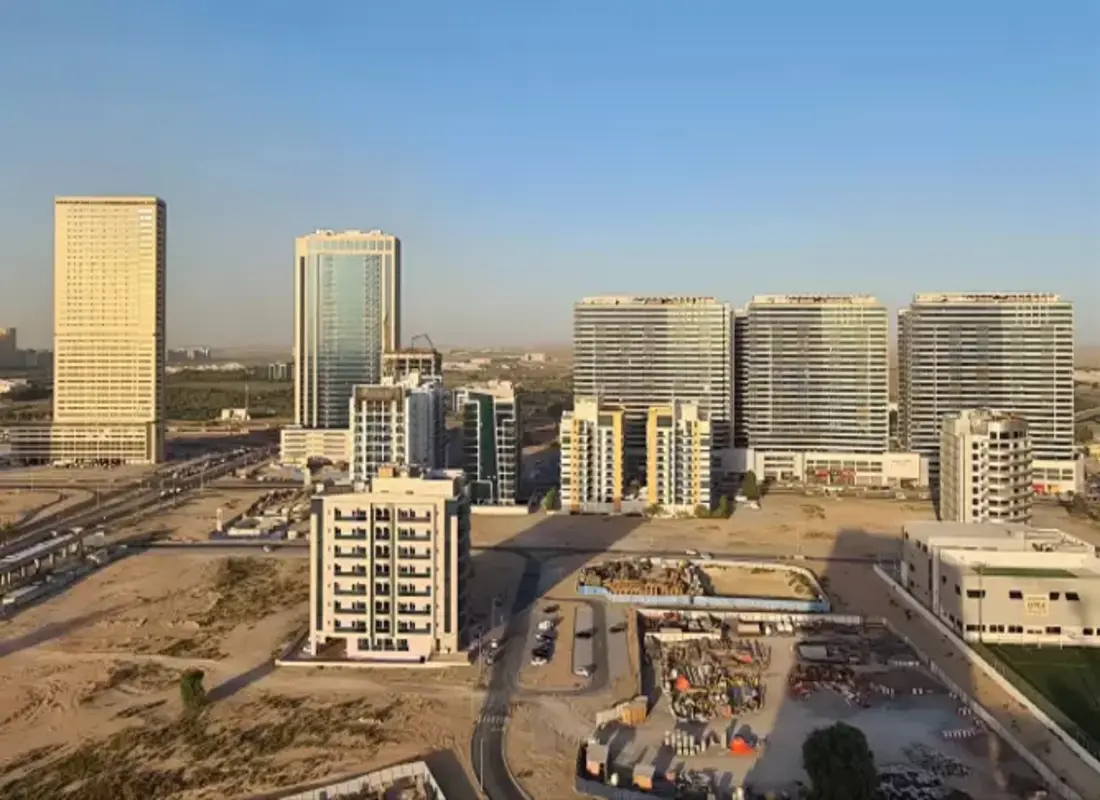
High-load vertical modular systems adapted to harsh desert environments for high-altitude exterior cladding installation.
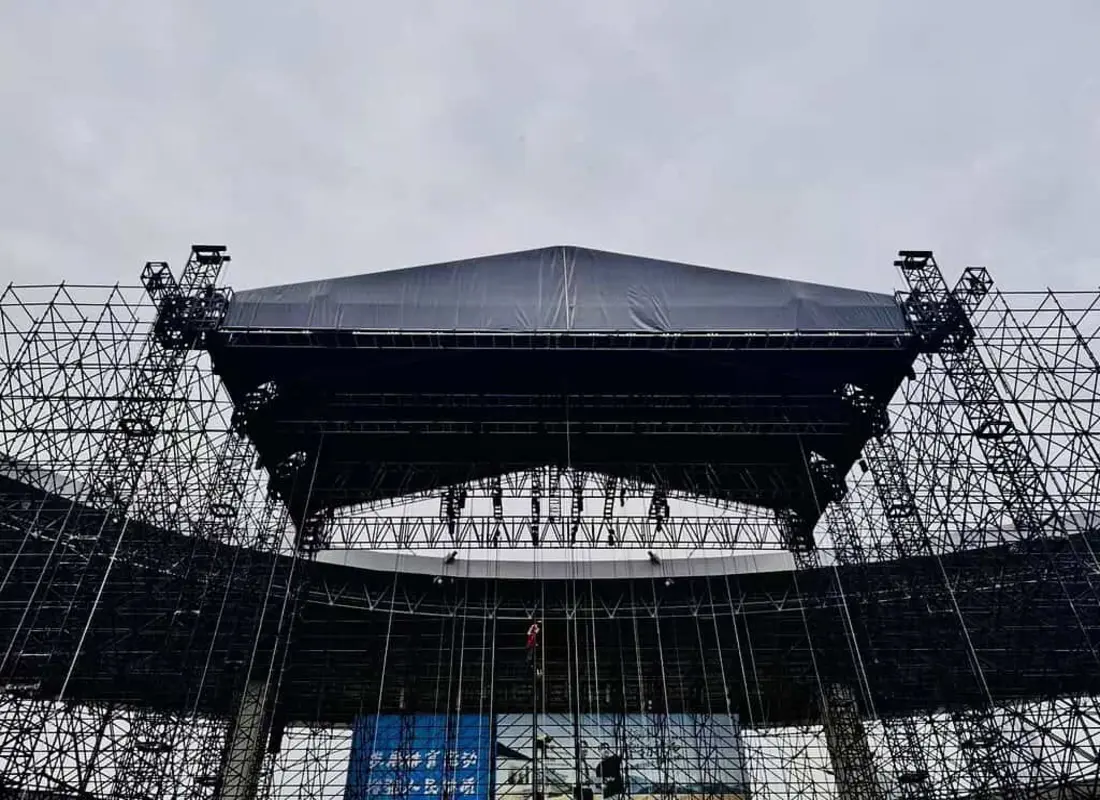
Temporary structural event stages, lighting towers, and public load-bearing pedestrian walkways.
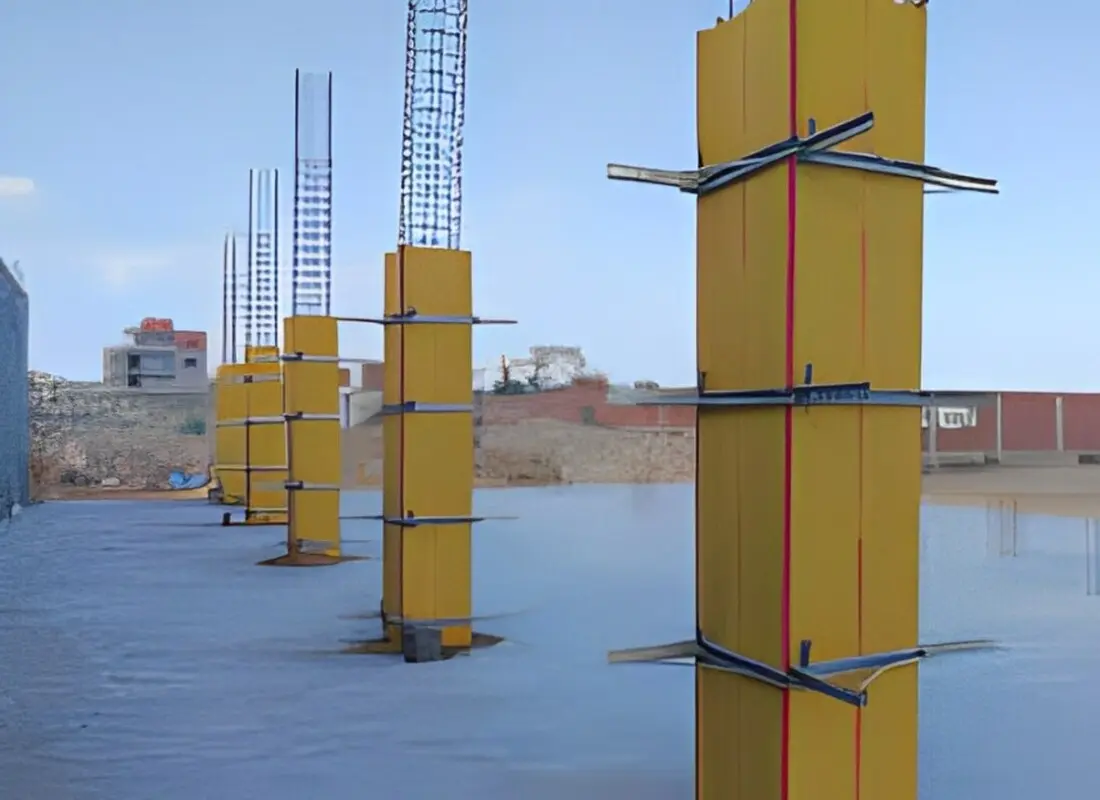
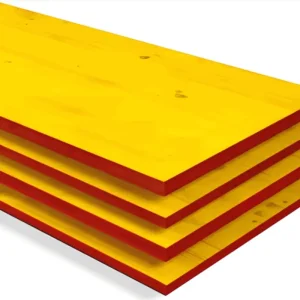
Multi-use wood formwork systems applied to core concrete columns, speeding up structural floor cycles.
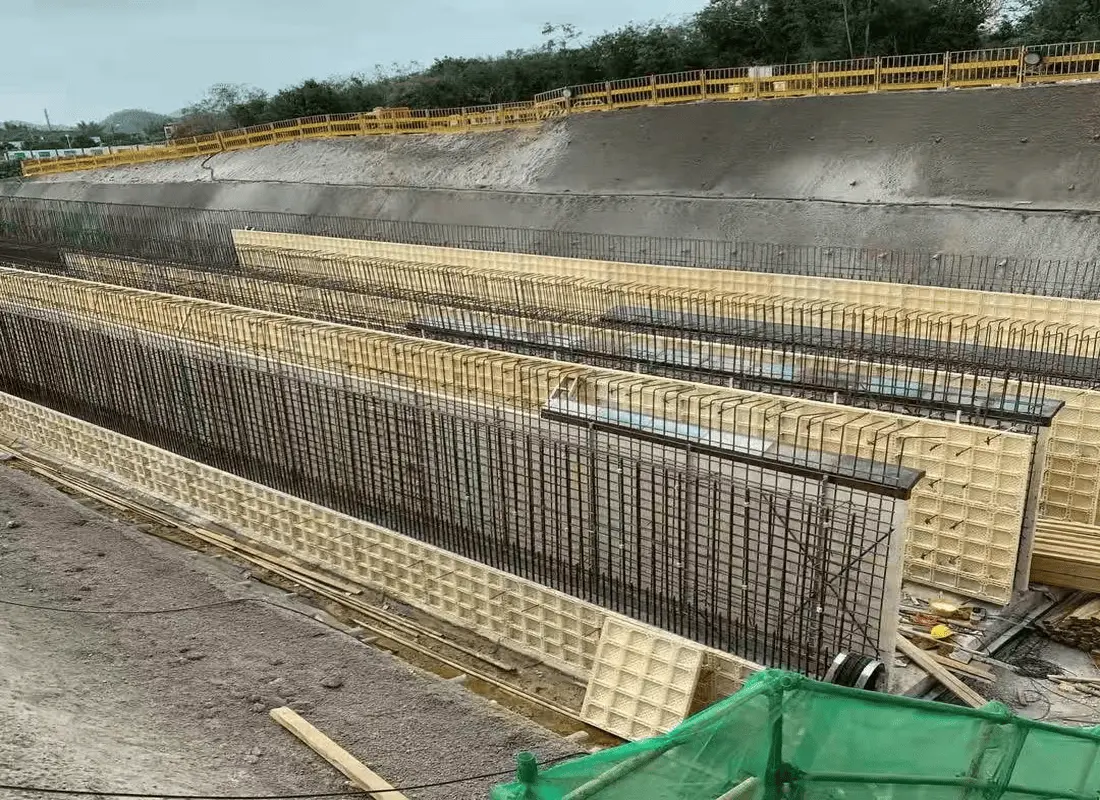
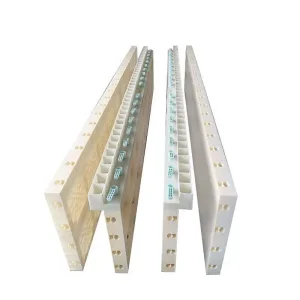
Moisture-resistant plastic formwork structures utilized to shore sub-level concrete lock walls.
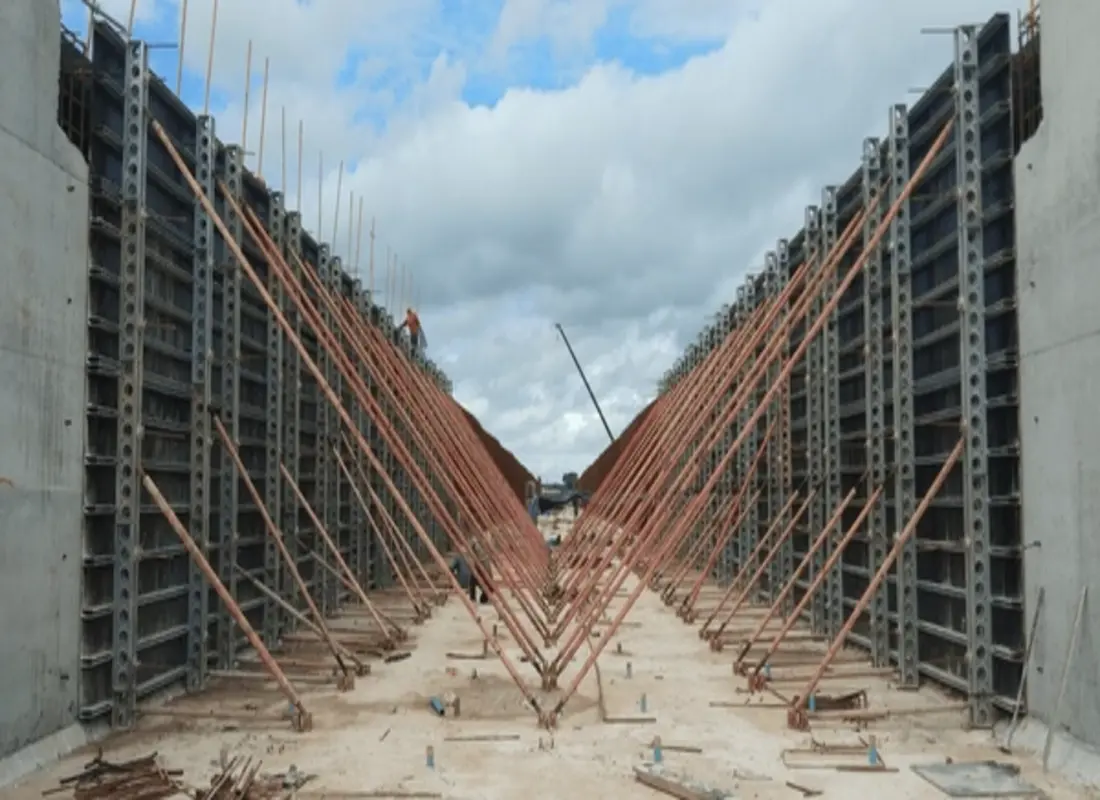
High-capacity structural steel formwork molds for precast concrete beam production.
International project planners require scaffolding suppliers to meet high standards of quality, lead time, and compliance. When purchasing Cuplock or Ringlock scaffolding systems, consider these procurement variables:
The scaffolding sector is transitioning toward smarter, safer, and lighter products:
1. High-Tensile Steel: Standard scaffolding tubes are shifting from Q235 to high-strength Q355B and Q460 steel alloys. This allows thinner wall dimensions while maintaining load capacities, reducing overall structure weight by 15-25% and cutting down on freight and handling costs.
2. Integration with BIM (Building Information Modeling): Modern scaffolding is designed using 3D modeling programs. This outputs exact packing schedules, prevents onsite shortages, and ensures correct load distributions during erection.
3. Smart Safety Monitoring: Future scaffolding systems will incorporate IoT load-cell sensors on key standards. These send real-time alerts if localized overload limits are reached, helping prevent structural failures.
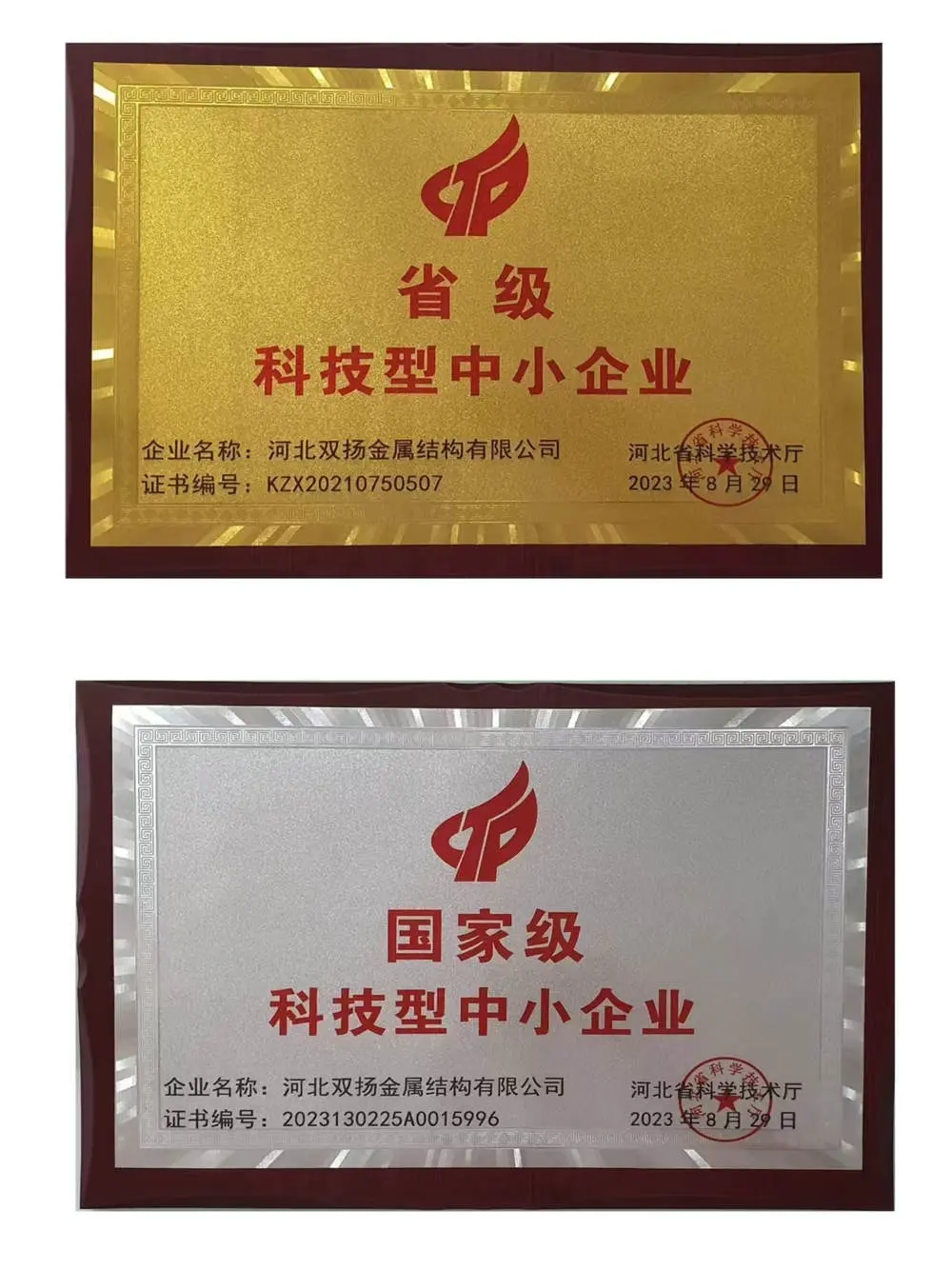
Zhuozhan products meet international standards, backed by local inventory across multiple global regions.
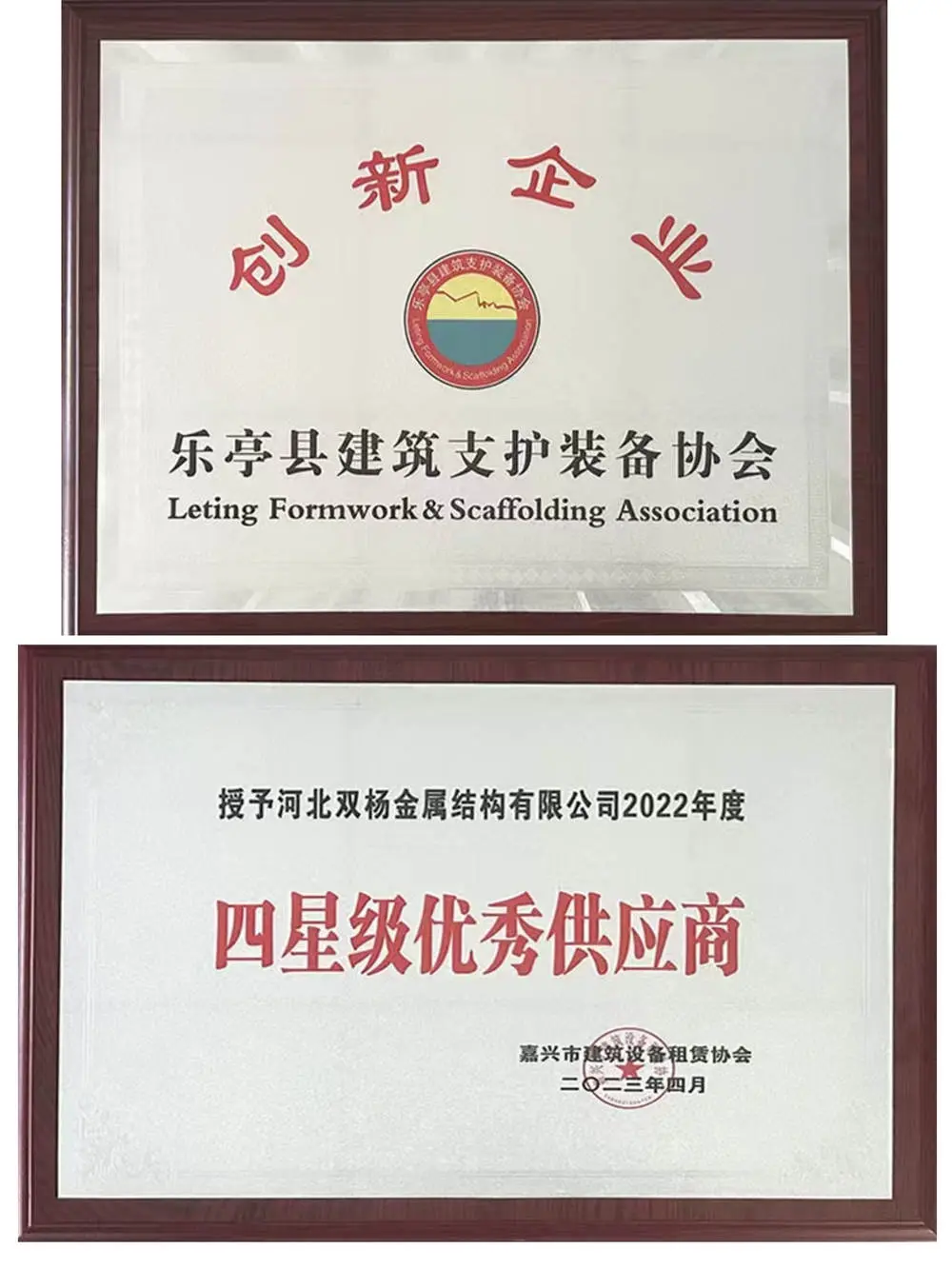
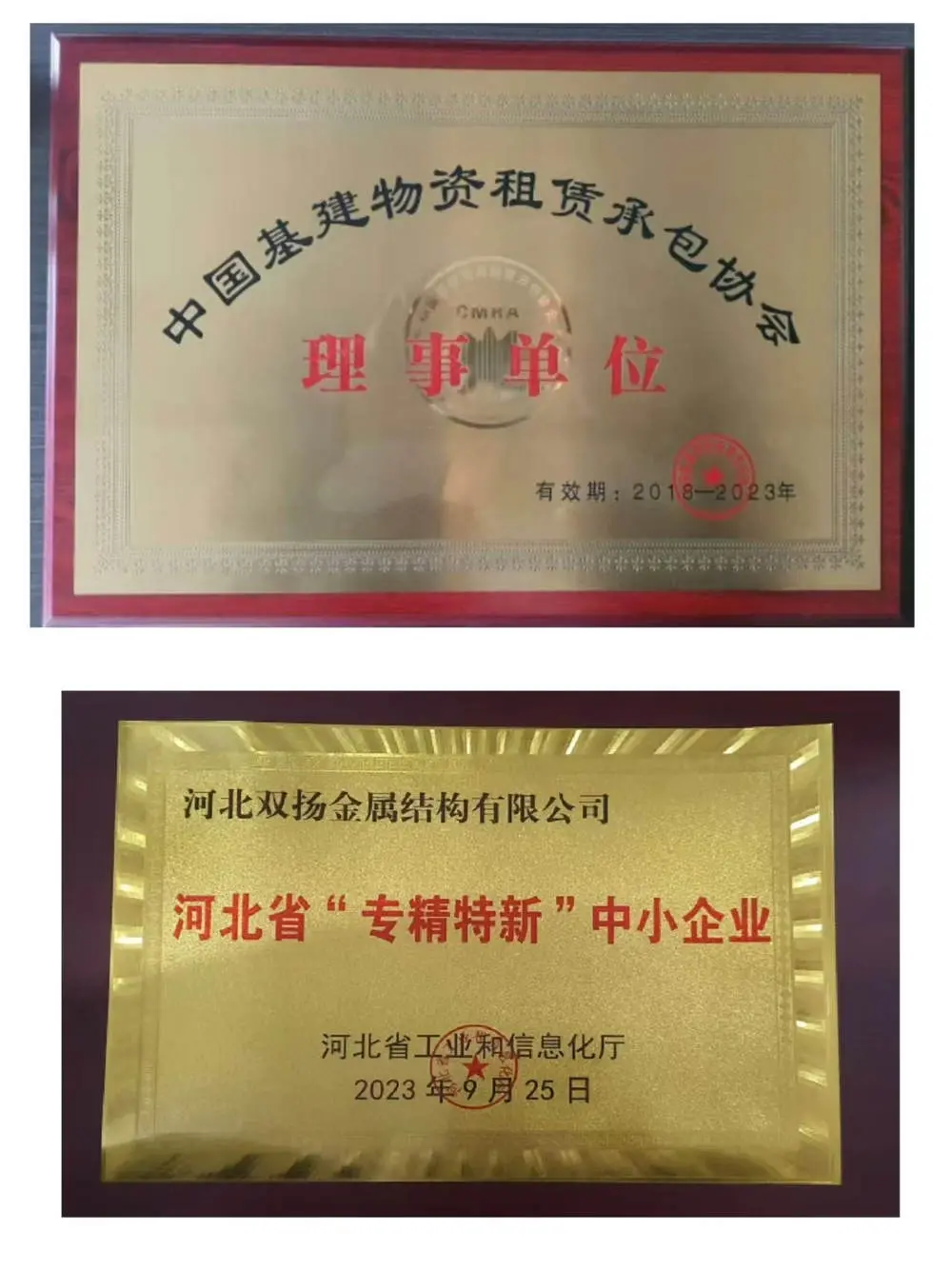
Providing direct answers to engineering and procurement queries regarding Cuplock scaffolding systems.
Our vertical standards are manufactured using high-strength Q355B (equivalent to EN S355JR) steel. This steel offers a minimum yield strength of 355 MPa, providing safety margins and load-bearing performance compared to standard Q235 carbon steel. Our horizontal ledgers use Q235 steel, balancing structural stiffness with cost-efficiency.
The locking system features a fixed bottom cup welded to the vertical standard at 500mm intervals, and a sliding top cup. Hooked ledger blades are set into the bottom cup, and the top cup is slid down over the connection and struck with a hammer. This wedges the assembly into a rigid node point that resists rotational moments and limits structural sway.
Our hot-dip galvanizing process applies an average zinc thickness of 60-80 microns. Under typical outdoor conditions, this provides corrosion protection for 15-20 years. In coastal or chemical plants, the service life is adjusted, but it outlasts standard painted or electro-plated options.
Yes, our Cuplock systems are manufactured to standard outer diameter dimensions (48.3 mm). They are design-compatible with international cup systems, allowing integration into existing rental fleets or jobsite inventories.
We use automated steel pipe cutting machines, robot welding arms, and precision casting molds for top cups and ledger blades. Our quality control team measures random pieces from every production run to ensure node spacing and dimensions remain within our target ±1mm tolerance.
Our minimum order is one 20ft container (approx. 20-22 tons of steel). Standard items like 2m and 3m standards are stocked in our warehouse for quick dispatch. Custom sizes or custom steel specifications require 20 to 30 days for manufacturing.
Explore our complete structural formwork, scaffolding accessories, and site machinery lines.
 Zhuozhan