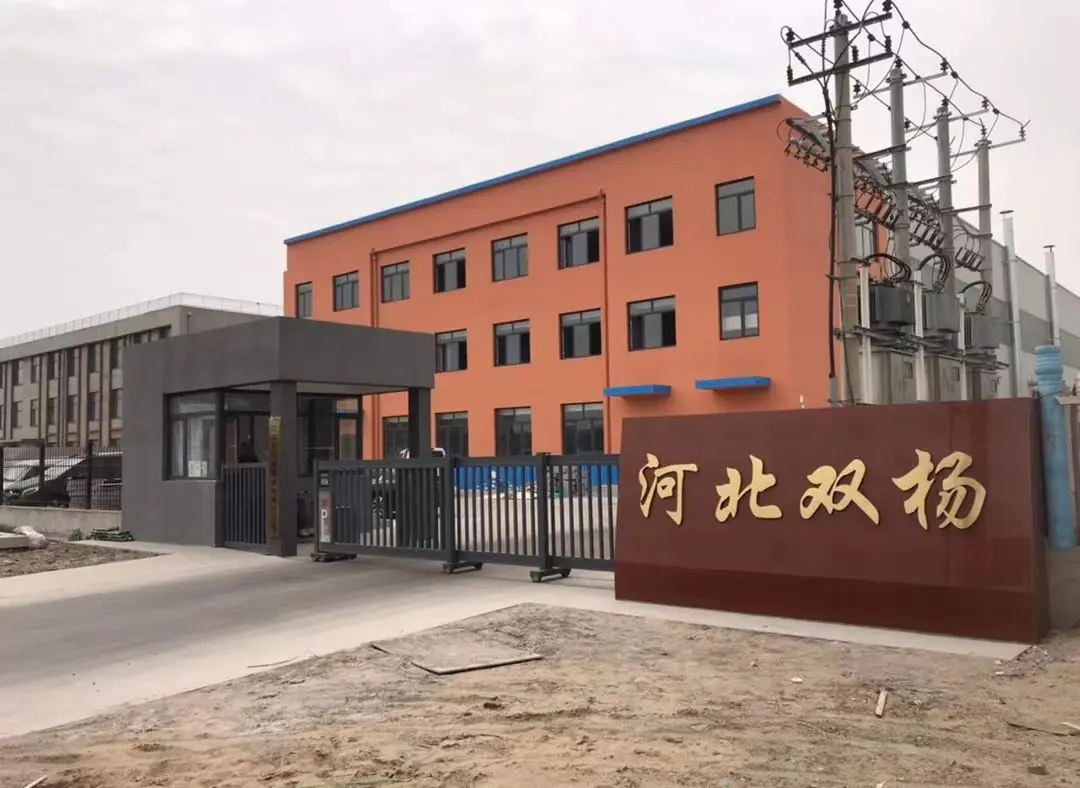
Explore our certified structural components engineered for maximum loading capacities and strict compliance with international safety protocols.
| Infrastructure Aspect | Capacity & Spec Metrics |
|---|---|
| Annual Support Capacity | 400,000 Tons of Steel Props / Year |
| Scaffolding Production | 1,000,000 Tons / Year |
| Structural Pipe Output | 300,000 Tons / Year |
| Patents & IP Portfolio | 15 National Patents Issued |
| Core Metallurgical Materials | Q355B & Q235 Structural Steel |
| Total Facility Footprint | 13,132.68 m² total area |
Why engineering consultancies and international procurement directors partner with Zhuozhan Group.
A step-by-step insight into the engineering workflow, from steel billet processing to final shipment.
High-yield raw steel pipes are cut using computerized circular saws, creating minor solid waste and noise, which are controlled under local emission standards.
Automated CNC punch presses pierce the setting pin holes along the inner tube length with millimeter accuracy to ensure locking pin insertion.
Inner and outer steel pipes are automatically welded to base plates and threaded collars, producing clean weld seams and venting gases through high-efficiency extractors.
The semi-finished components are dipped into molten zinc bath to construct a dense rust-resistant metallurgical alloy layer on all surfaces.
Every prop is calibrated, fitted with heavy-duty pins, tested for wall thickness, and bundled for safe oceanic shipment.
Pipes are cold-cut to exact tolerances to ensure they fit correctly into the ledger locks without axial play.
End connections are punched to shape, ensuring a close fit with vertical ring plate sockets.
Advanced digital welding cells attach forged steel heads, ensuring strong penetration joints to withstand heavy lateral wind loads.
A full chemical wash and pickling sequence prepares the components for hot-dip zinc plating to guarantee long-term weather resistance.
Forged steel locking pins are riveted into position, checked for ease of movement, and packed into steel crates.
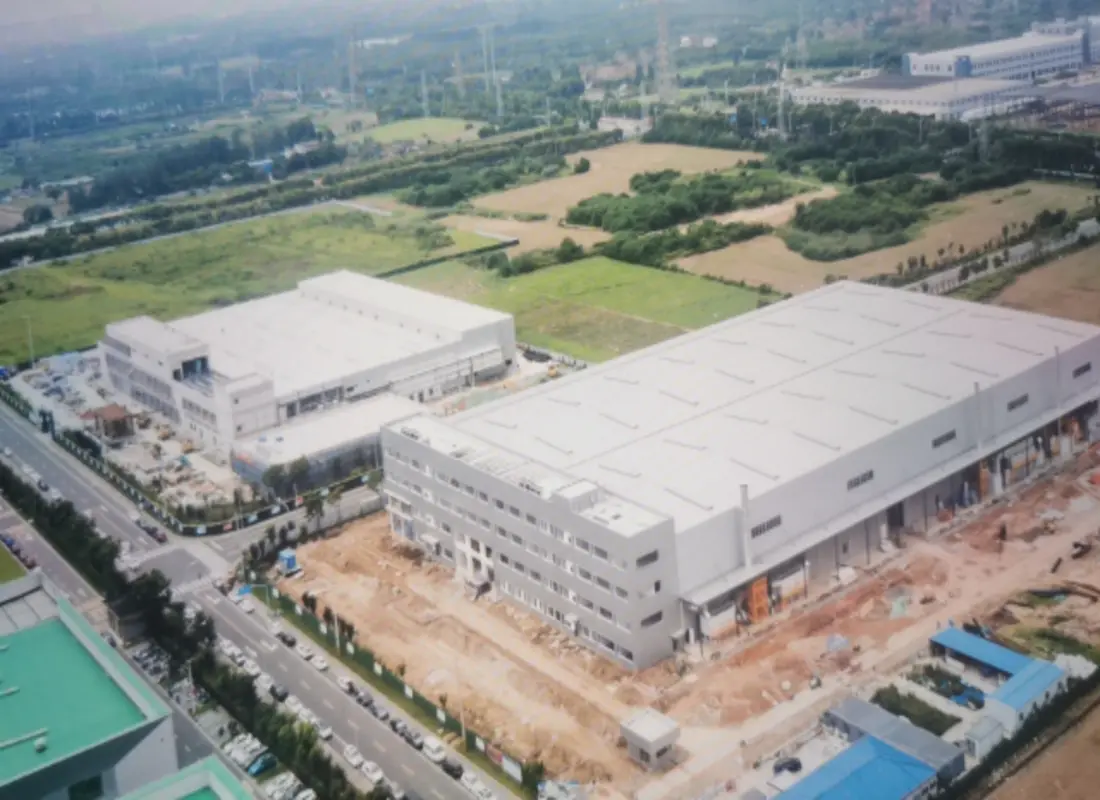
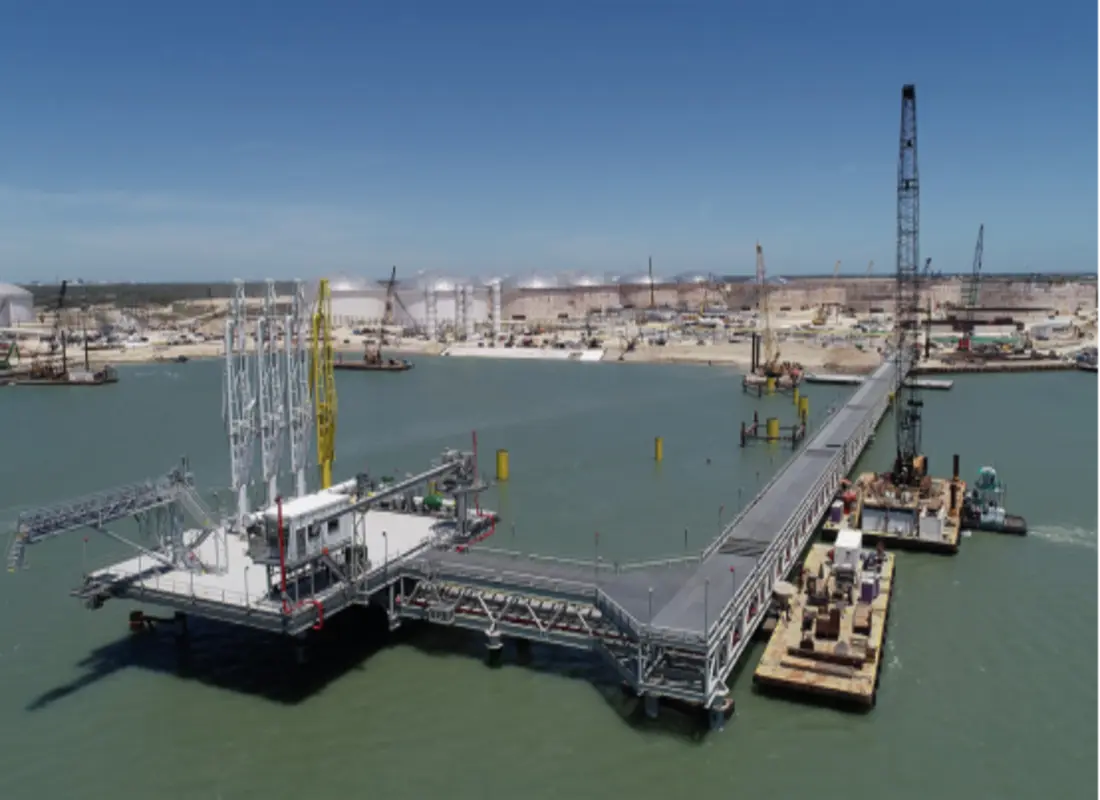
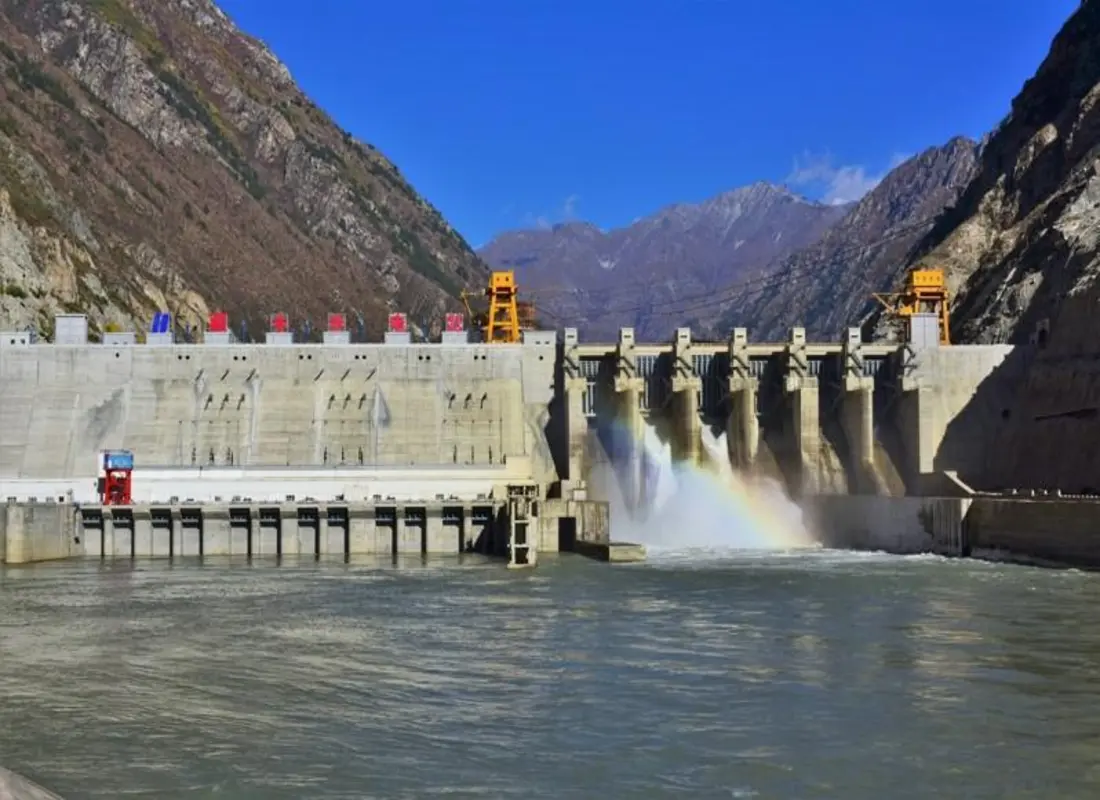
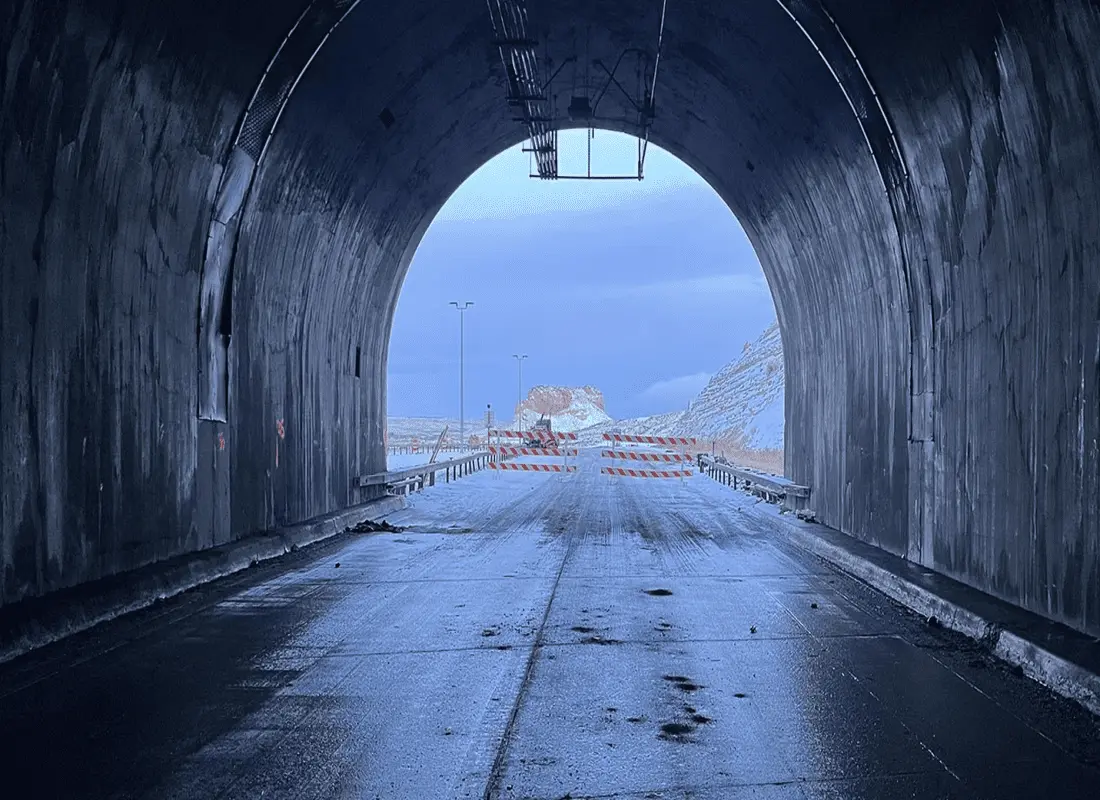
Proof of reliability in key structural, infrastructure, and heavy commercial construction applications.
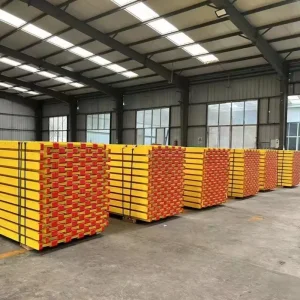
A closer look at our automated welding systems, pipe profiling machines, and extensive warehouse stock.
Detailed insights from our engineering and manufacturing teams to assist in product evaluation.
The load capacity depends on several critical factors: the outer and inner steel tube diameter and wall thickness, the carbon grade of the steel (such as Q355B vs. standard Q235), and the extended length. As a prop is extended, its slenderness ratio increases, reducing its ultimate buckling load limit. Standard EN 1065 outlines distinct load ratings based on these configurations.
Unlike painting or electro-galvanization, hot-dip galvanization creates a dense metallurgical bond between the zinc and the underlying steel, measuring over 85 microns thick. This layer provides electrochemical protection that prevents oxygen and moisture from attacking the steel, even if the outer surface is scratched during site handling, extending the typical lifespan to 15-20 years.
Q355B is a low-alloy, high-strength steel with a yield strength of 355 MPa, compared to 235 MPa for Q235. This allows engineers to use thinner walls to achieve the same load-bearing capacity, reducing the total prop weight by up to 30%, which lowers transportation costs and installer fatigue on-site.
An open-thread design exposes the adjusting threads on the outer pipe, allowing concrete debris and dirt to fall through easily, making it simple to clean. A closed-thread design covers the adjustment area inside a steel sleeve to shield it from direct mechanical impacts, often preferred in heavy-duty environments to prevent thread damage.
We use robotic cutting stations, laser tube cutters, and automated CNC boring and welding machines. Eliminating manual variation ensures that collar plates, pins, and threads align correctly, which prevents eccentric load distribution under load.
Our manufacturing processes conform to ISO 9001 quality management guidelines. Additionally, our scaffolding and support products are engineered to comply with EN 12810 and EN 12811 European standards, and we can provide third-party SGS or TUV load testing reports upon request.
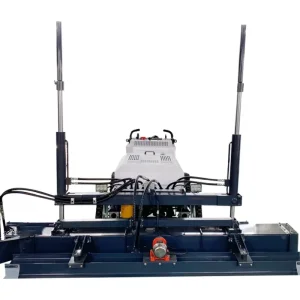
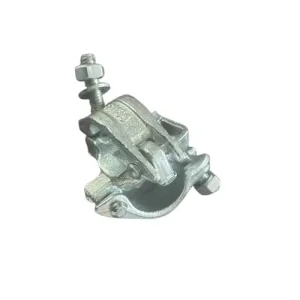
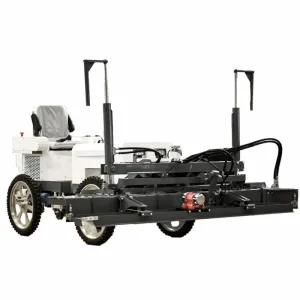
Further components including couplers, platforms, and heavy-duty concrete screeds to support your formwork and scaffolding systems.
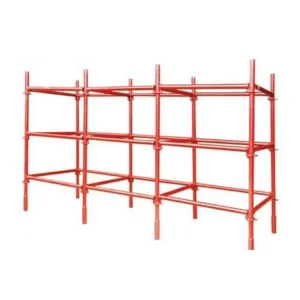
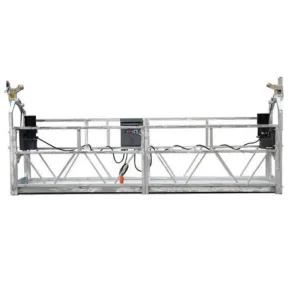
 Zhuozhan