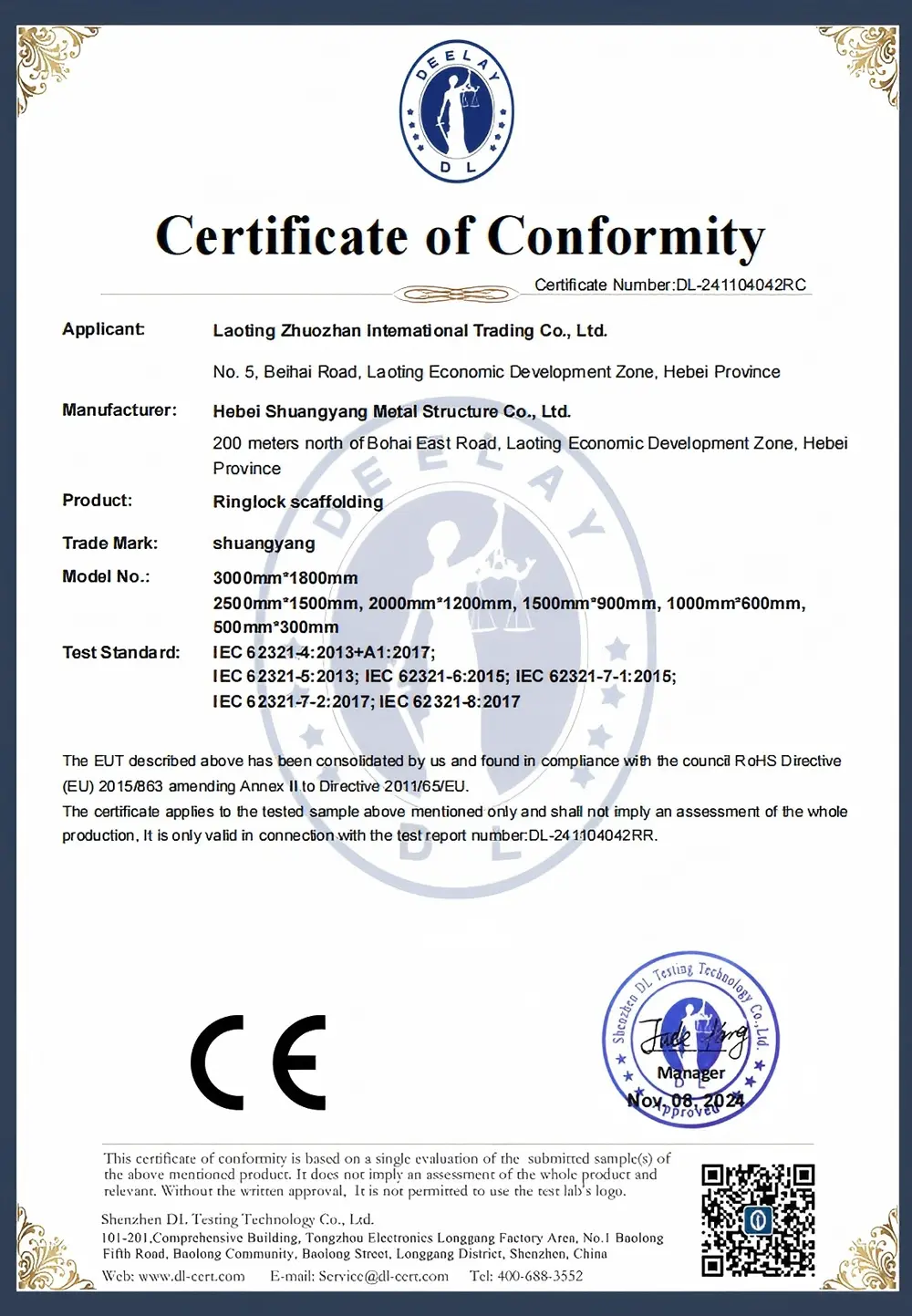
Direct manufacturer supplies designed to international safety standards including EN 12810, EN 12811, and CE certification protocols.
Why leading structural engineering firms and global EPC contractors are phasing out plywood and steel to source engineered polypropylene composite formwork panels.
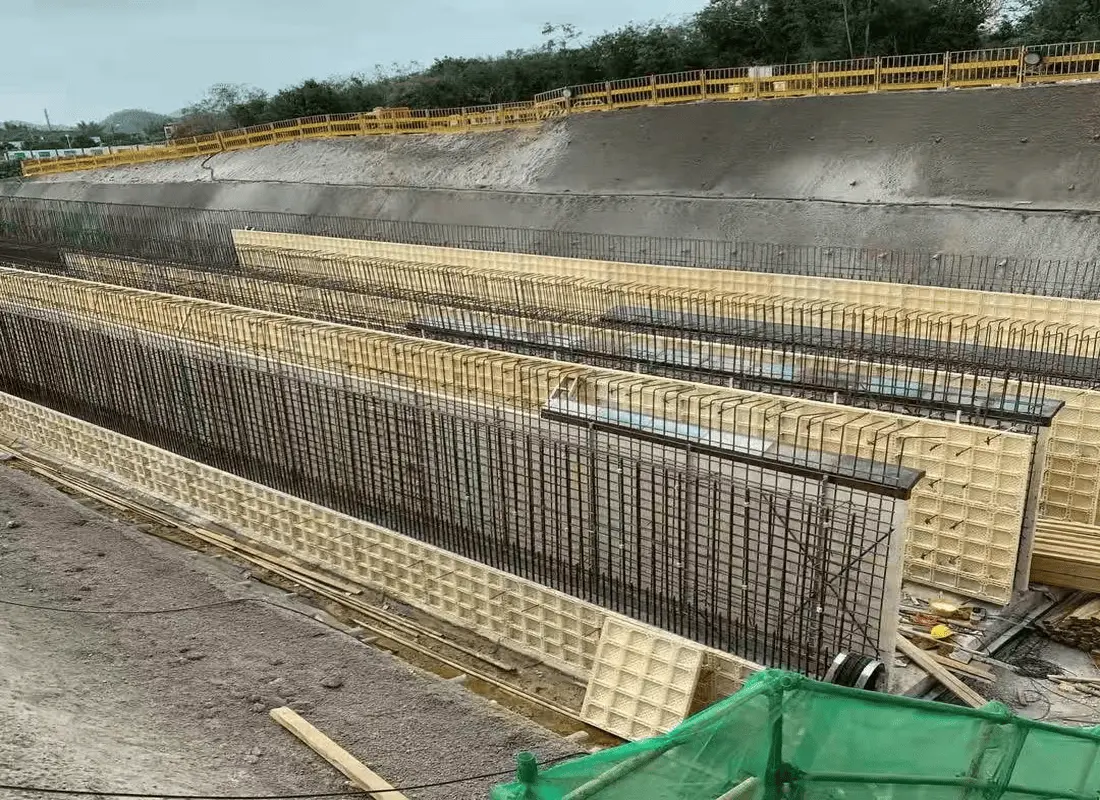
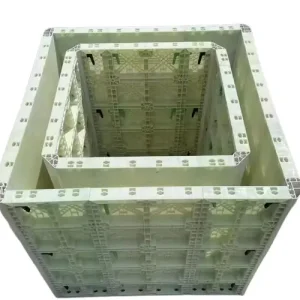
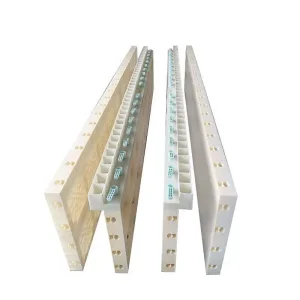
Plastic formwork panels engineered for construction are primarily fabricated using premium polypropylene (PP) or polyethylene (PE) matrix alloys, reinforced with specialized glass fibers or mineral additives. The key architectural differentiation is the *hollow core matrix*, designed to distribute hydrostatic concrete pressures while significantly reducing the volumetric deadweight of each panel. Compared to traditional film-faced plywood, which absorbs moisture and swells over time, engineered plastic panels maintain consistent physical properties. This micro-structural stability ensures that under structural load cycles, the allowable bending deflection meets rigorous international structural parameters, yielding zero-defects in cast-in-situ concrete elements.
Procuring plastic formwork represents a calculated capital expenditure (CapEx) reduction tool. Plywood formwork generally yields between 5 to 10 reuse cycles, forcing continuous procurement, storage, and waste disposal cycles. Our hollow plastic formwork panels are rated for over 60 to 100 reuse cycles depending on structural care and setup configuration. This drops the per-pour tooling costs to a fraction of wood formwork. Additionally, the lack of a requirement for formwork release agents drastically minimizes post-pour wall preparation expenses and concrete cleanup tasks on site, providing an accelerated amortization schedule for commercial builders.
Addressing global logistical friction, supply chain resilience, and environmental standard compliance in bulk formwork exports.
With key operational bases located near the major Chinese shipping routes, our industrial export network capitalizes on immediate access to three massive northern sea hubs: Jingtang Port, Tianjin Port, and Caofeidian Port. This logistical proximity cuts domestic transit timelines and allows for highly competitive FOB/CIF shipping quotes to North America, the EU, the Middle East, and Southeast Asia. Standardized container packaging ensures formwork components are protected from maritime atmospheric corrosion.
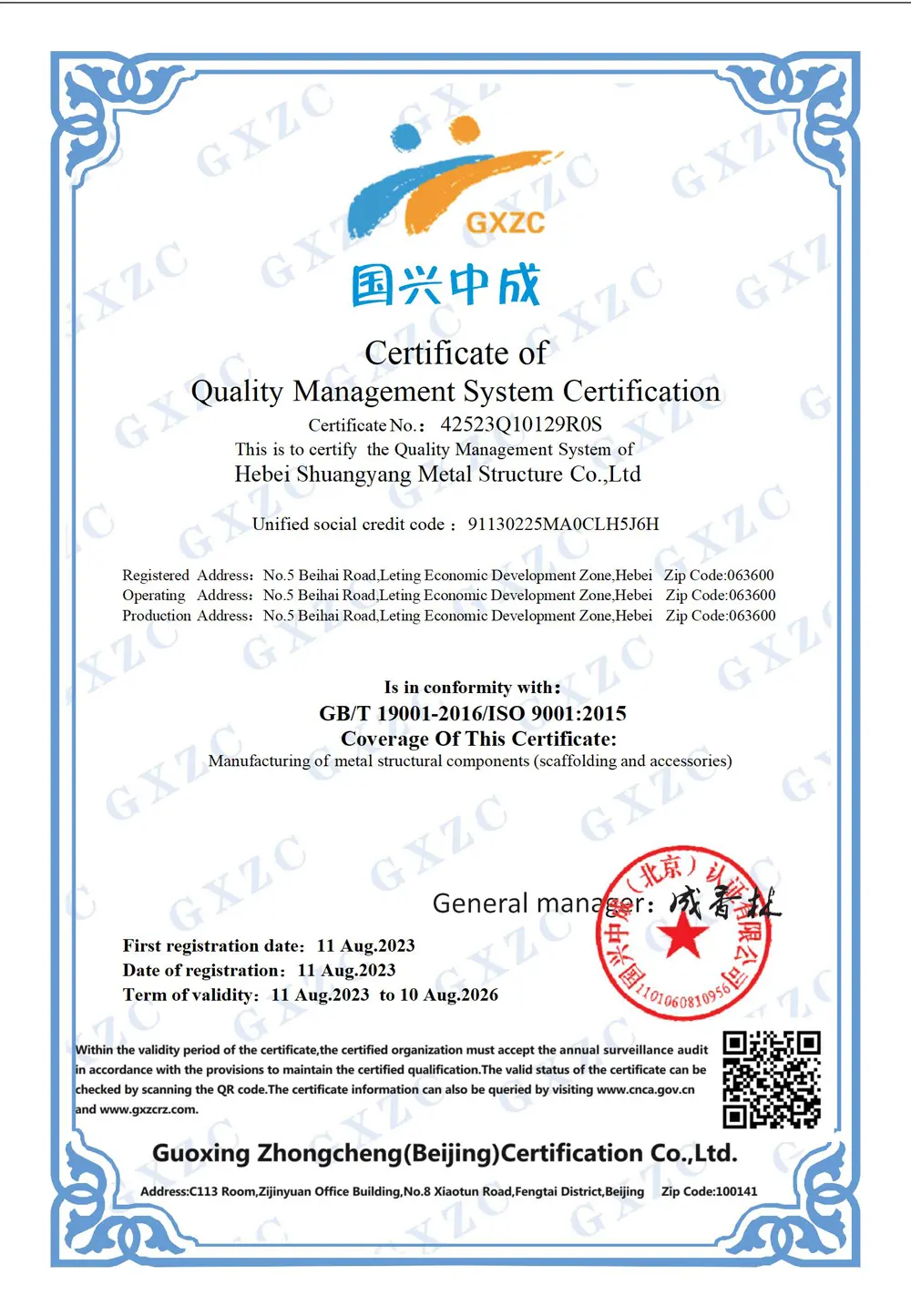
To support industrial compliance, our manufacturing processes align with recognized international benchmarks. The structural steel and structural scaffolding accessories undergo strict quality control protocols matching EN 12810/12811 and ISO 9001:2015 standards. For plastic panel compositions, strict batch testing confirms standard flexural modulus and load capacity profiles, protecting large-scale civil projects from catastrophic formwork blowouts and ensuring compliance with occupational health and safety codes globally.
To bridge the gap between Asian manufacturing hubs and local job sites, we maintain established support infrastructure and supply channel contacts in regions including the United States, Canada, China, Hong Kong-CN, Malaysia, Thailand, and Indonesia. This international network reduces lead times for critical project phases and provides local contractors with immediate access to technical design support and regional compliance certificates.
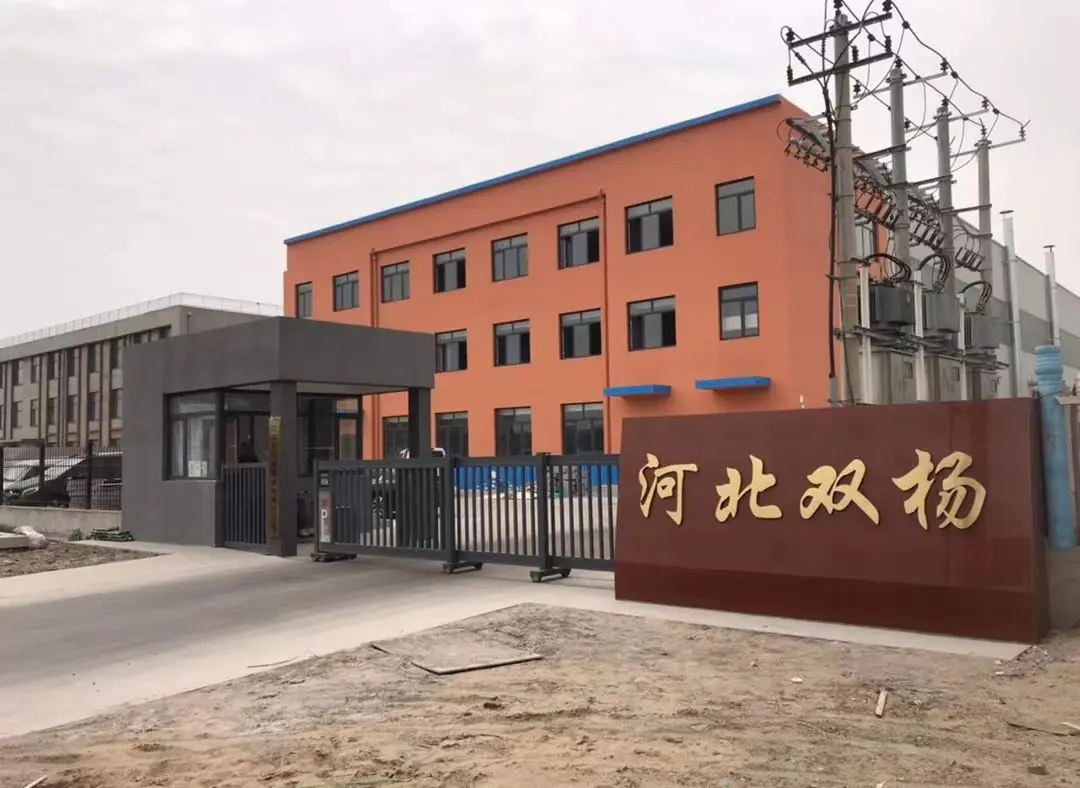
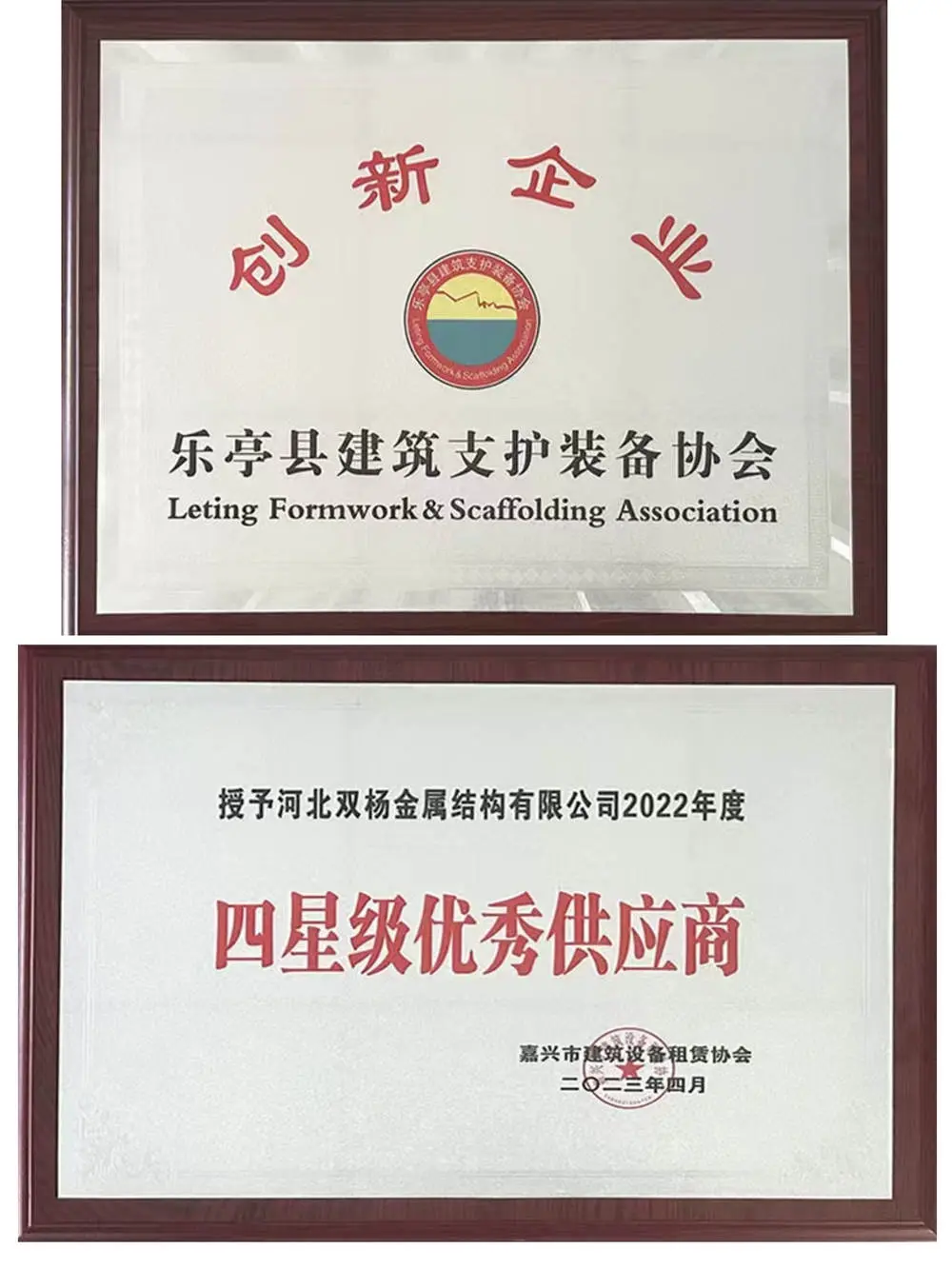
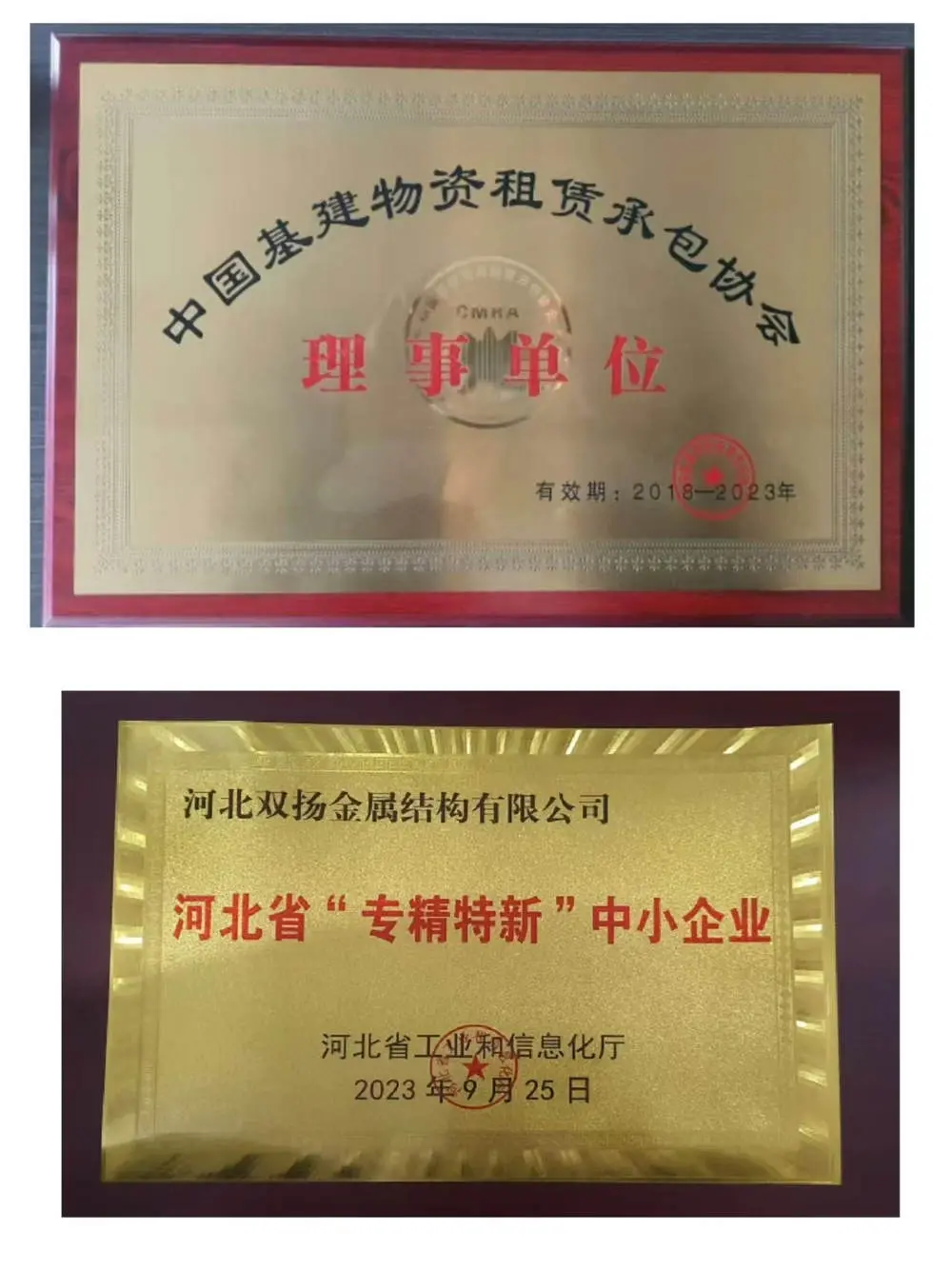
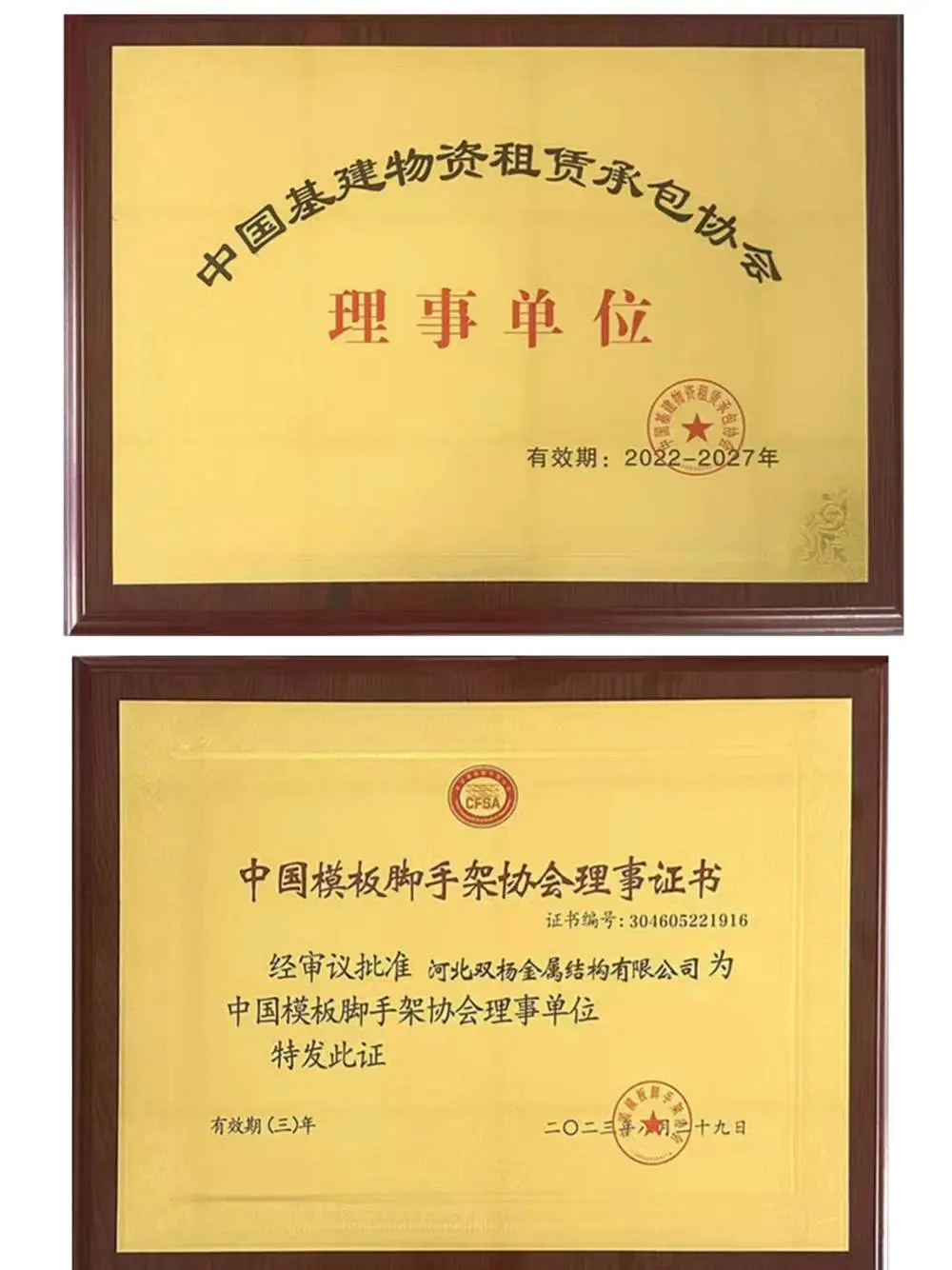
Zhuozhan Group is a diversified and innovative enterprise that seamlessly integrates scientific research, manufacturing, and sales. With a robust portfolio of subsidiaries, including Laoting Zhuozhan International Trade Co., Ltd. and Hebei Shuangyang Metal Structure Co., Ltd., Zhuozhan Group has firmly established itself as a key player in the construction and manufacturing industries.
The Laoting Zhuozhan International Trade division plays a vital role in connecting Zhuozhan Group with global markets, focusing on providing customer-oriented solutions for a wide range of projects. In the past year, Zhuozhan Group achieved remarkable sales, surpassing 20 million US dollars, which reflects not only the competitiveness of its offerings but also its strong potential for future growth.
Founded in 2014, Hebei Shuangyang Metal Structure is a pivotal subsidiary that has rapidly advanced to the forefront of the industry, occupying a total area of 13,132.68 square meters, with a construction area of 7,124.58 square meters. The company operates with more than 500 skilled employees and is equipped with over 150 sets of advanced machinery and equipment.
Over the years, Shuangyang has successfully secured 15 patents, demonstrating its strong commitment to innovation. The company's impressive production capabilities include an annual output of 300,000 tons of steel pipes, 1 million tons of scaffolding, and 400,000 tons of adjustable steel supports, making it a critical supplier to both domestic and international markets.
A comprehensive analysis of hollow plastic formwork panels against traditional plywood and steel formwork systems.
| Performance Metrics | Hollow Plastic Formwork (PP/PE) | Film-Faced Plywood | Modular Steel Formwork |
|---|---|---|---|
| Average Reuses | 60 - 100+ Cycles (Highly Reusable) | 5 - 10 Cycles (Degrades rapidly) | 150 - 300+ Cycles (Highly durable) |
| Water Absorption | 0% (Completely Waterproof) | ≥15% (Leads to swelling & warping) | 0% (Corrosive if uncoated) |
| Concrete Finish Quality | Mirror Finish (No plastering needed) | Matte / Wood-Grain textured | Flat (Prone to panel joint lines) |
| Weight (kg/㎡) | approx. 8 - 11 kg (Lightweight) | approx. 12 - 15 kg (Heavy when wet) | ≥35 kg (Heavy, requires cranes) |
| Chemical Release Agent | Not Required (Self-releasing matrix) | Mandatory (Increases labor cost) | Mandatory |
| Recyclability | 100% Recyclable (High scrap value) | Non-recyclable (Landfill/Incineration) | 100% Recyclable (Scrap metal value) |
Ensuring reliable product performance and comprehensive service delivery across global infrastructure projects.
Our source factory operates over 40,000 square meters of production space, yielding an annual capacity of over 200,000 tons of structural equipment to support major global infrastructure needs.
Located close to major northern export ports, allowing fast transport to global shipping routes and cost-effective shipping for bulk containers.
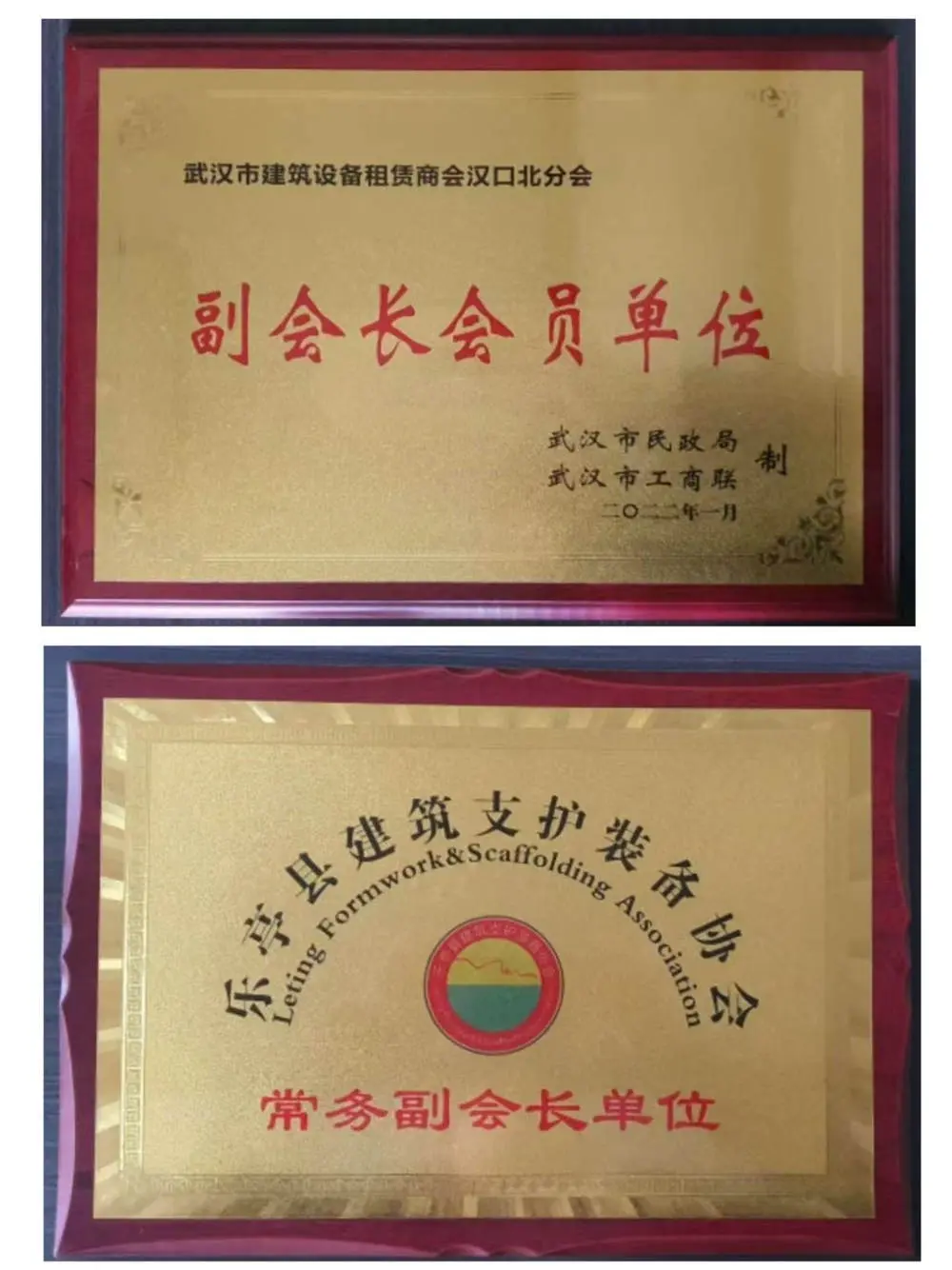
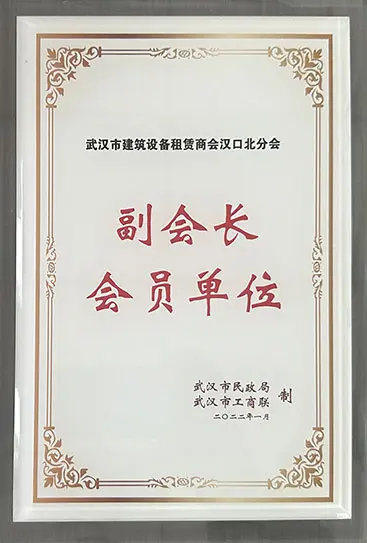
Established track record of collaborating with leading state-owned and central enterprises, including China Construction Eighth Engineering Division and China Construction Fourth Engineering Division.
Equipped with 15 national patents and a dedicated engineering design team of over 20 personnel to draft professional structural and formwork layout schemes.
High structural support metrics engineered to match the requirements of modern concrete forming tasks.
Constructed from certified Q355B grade material, our systems support individual loading metrics of up to 10 tons, which is 1.5 times the capacity of standard grade scaffolding options.
The modular configurations allow single installers to set up between 150 to 300 square meters daily, increasing labor productivity up to 3 to 5 times compared to traditional options.
Protected with a hot-dip galvanizing process that ensures long service lifespans. Systems average over 10 years of use, with typical lifespans reaching 15 to 20 years under normal service conditions.
Detailed production tracking showing quality monitoring steps and waste control practices for key structural components.
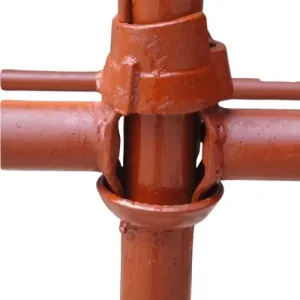
Initial sizing of structural steel pipes. Monitors mechanical noise (N) and solid waste output (S).
Precision hole punching for rosette placement. Tracks mechanical noise (N) and solid metal waste (S).
Automated welding of rosettes onto pipe sections. Monitors welding gas emissions (G) and noise (N).
Application of protective zinc layer to raw welded parts for long-term corrosion resistance.
Dimensional tolerance inspection (±1mm) before storage and commercial shipping.
Sizing raw pipes to accurate structural lengths while managing noise and steel waste.
Precision mechanical punching for joint fitment with standard noise control measures.
Automated welding of ledger ends with exhaust filtration to manage process gases.
Hot-dip galvanizing treatment to create a durable anti-corrosion barrier layer.
Final assembly of ledger pins and structural check before packing for dispatch.
Our products undergo regular testing to meet strict compliance criteria for civil and industrial projects.
Watch our automated manufacturing processes, inventory management, and structural system performance testing.
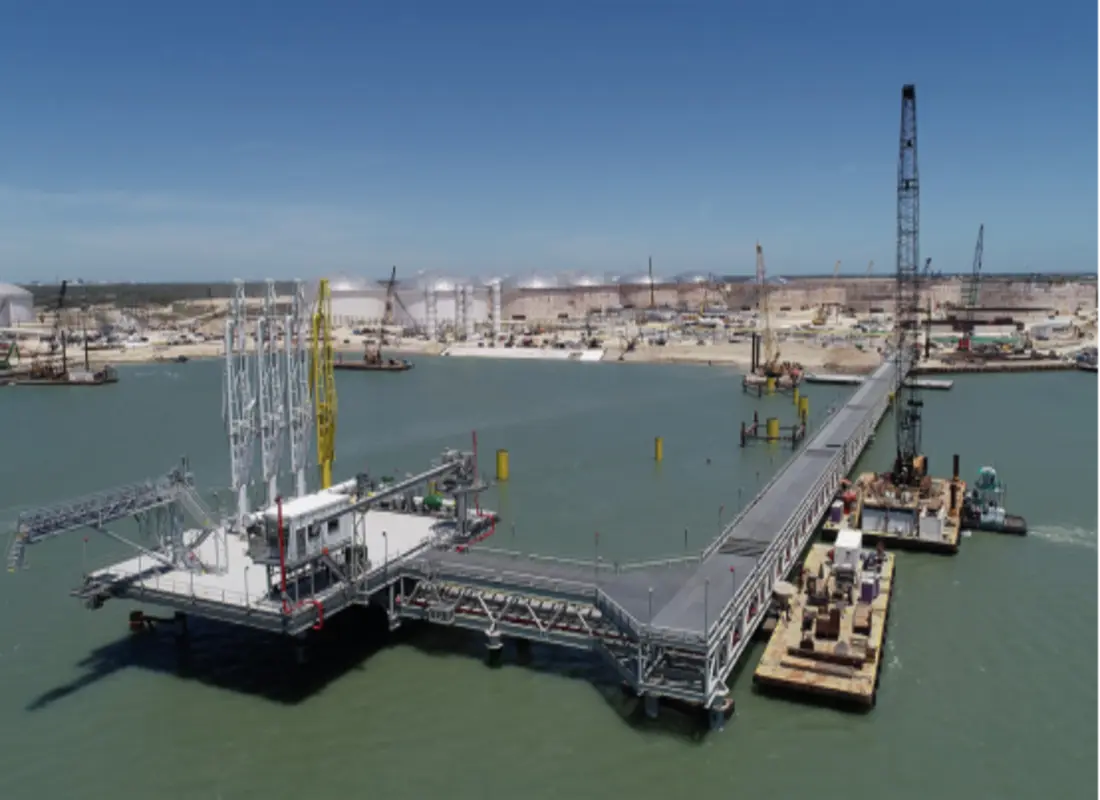
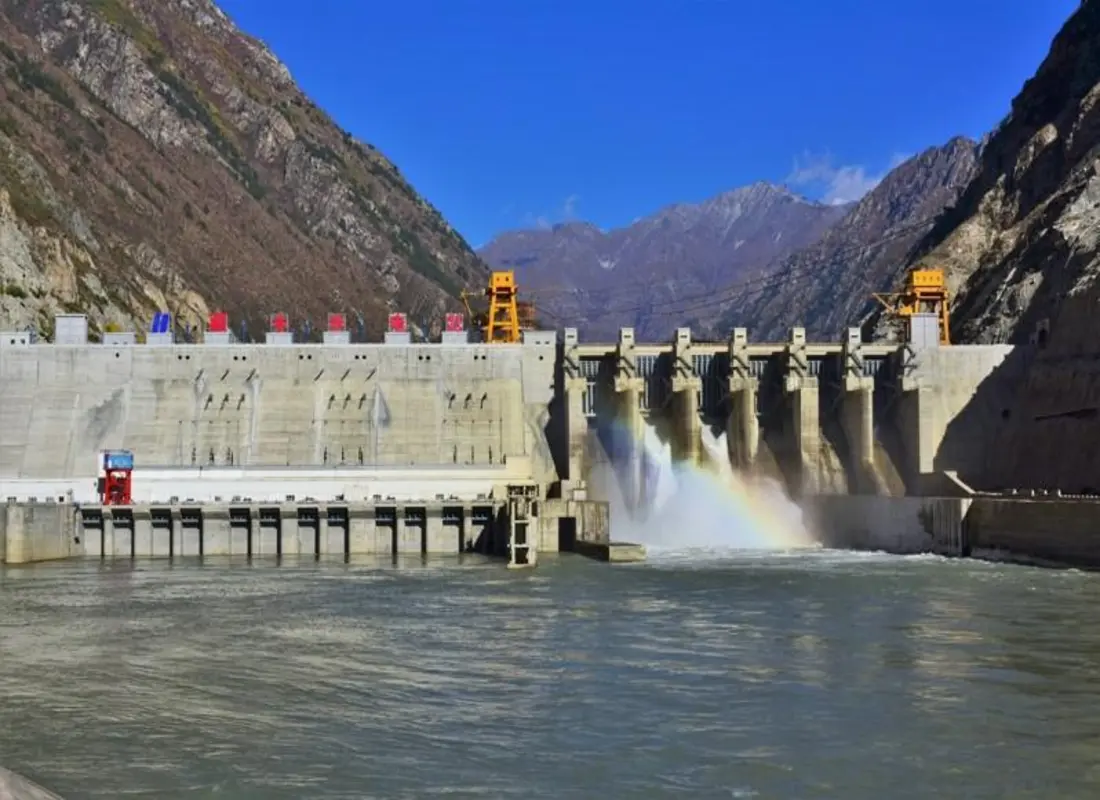
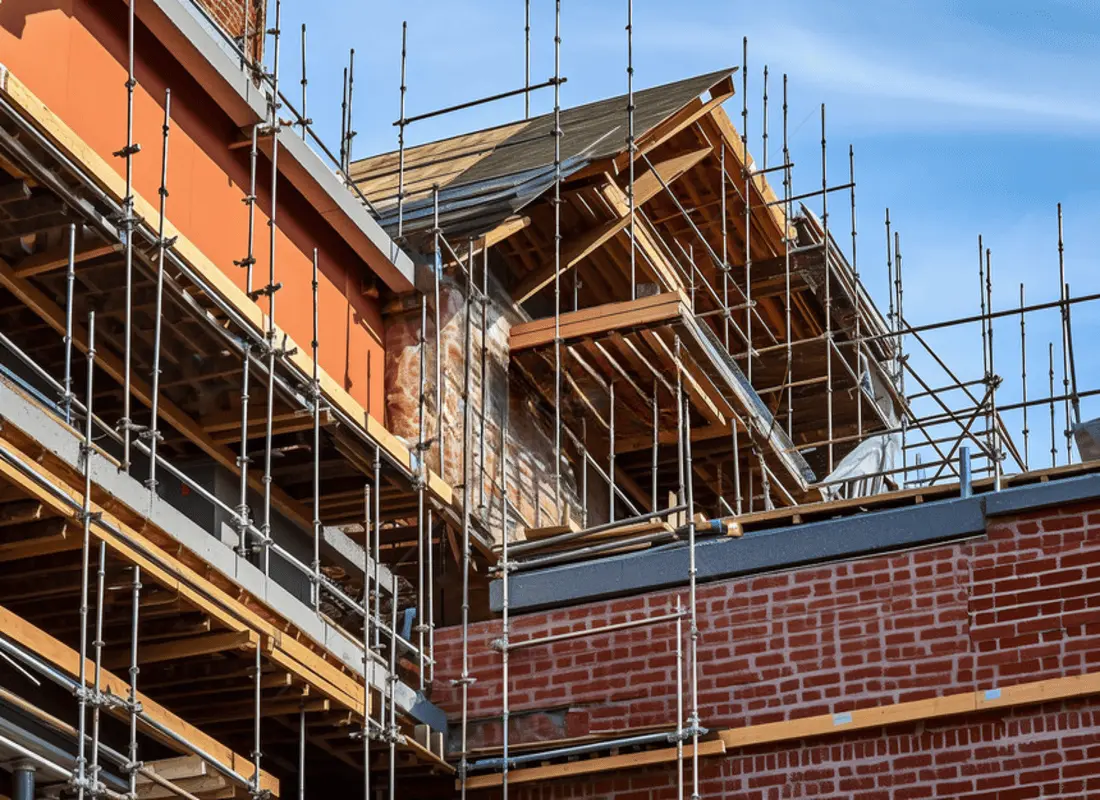
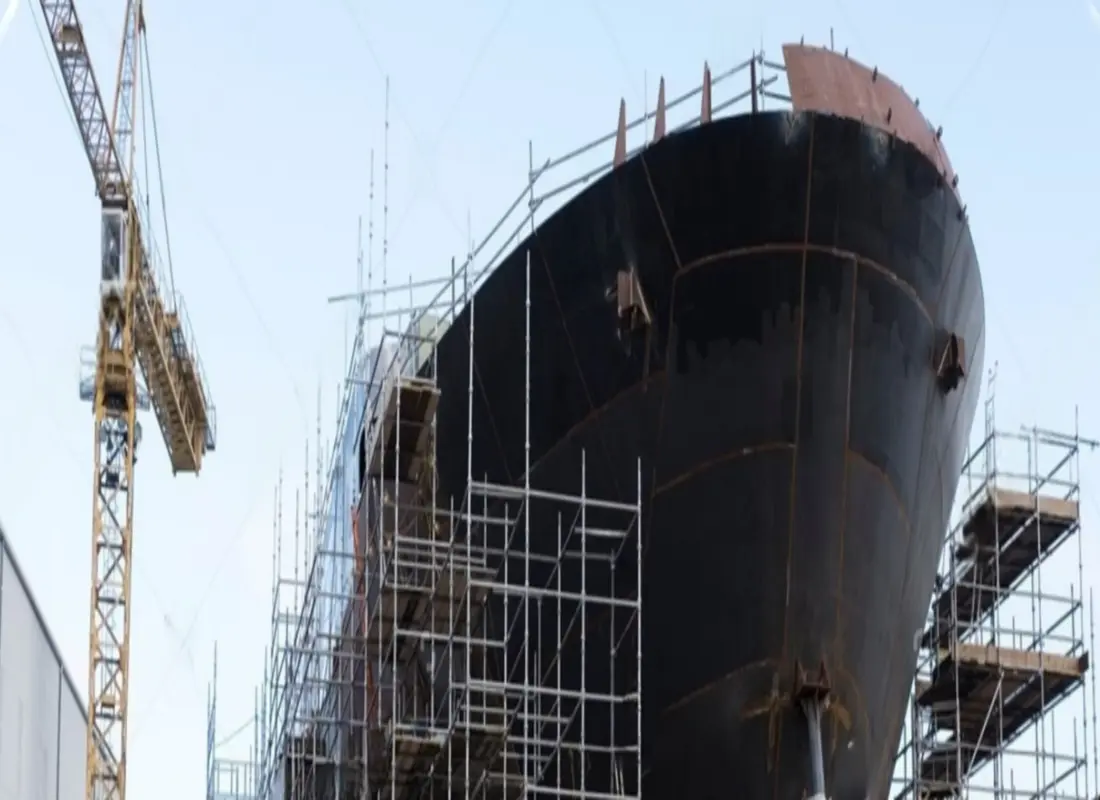
Reviewing our structural support solutions applied across major civil infrastructure and commercial construction projects worldwide.


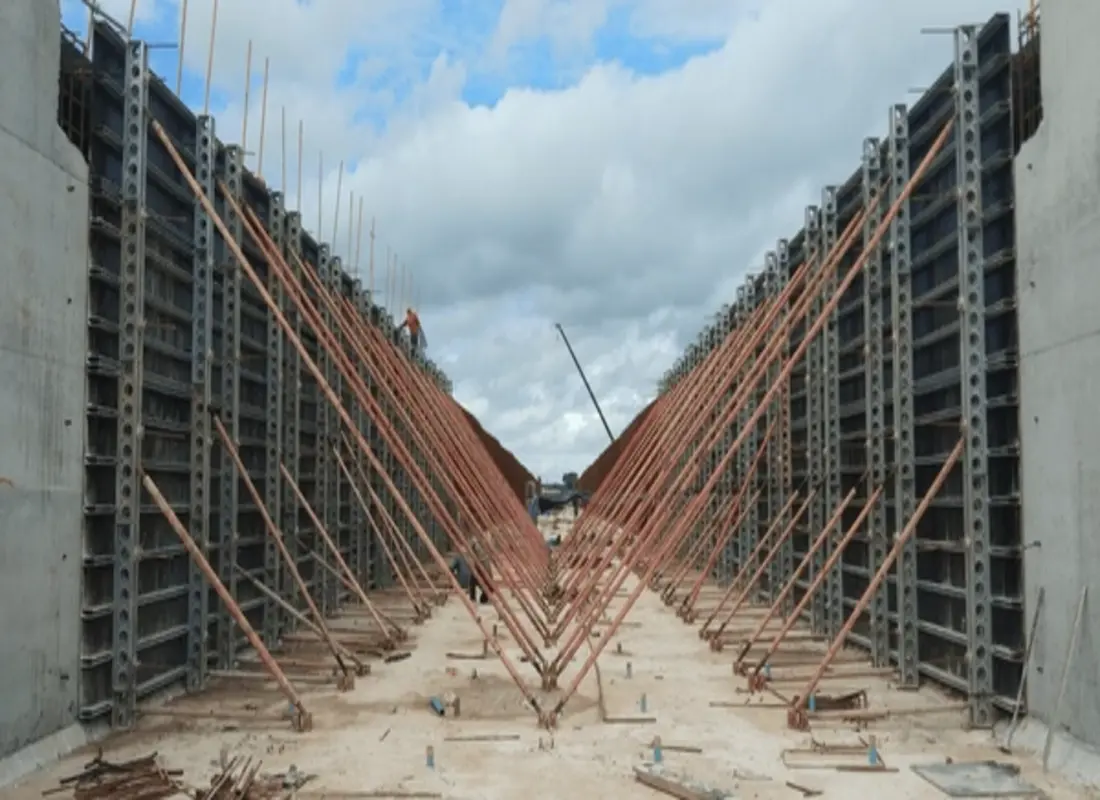
Addressing key technical questions regarding load calculations, chemical compatibility, and installation practices for hollow plastic formwork.
Deflection limits are primarily determined by the panel thickness (typically 12mm, 15mm, or 18mm), structural backing support spacing (timber or steel joist spacing), and the temperature of the concrete during pouring. Our PP hollow panels are designed with internal strengthening ribs. For standard wall pours with a rate of rise at 1.5 to 2 meters per hour, structural calculations indicate that keeping support joist centers between 200mm and 300mm keeps deflection well under the L/360 limit, in line with international building codes.
Polypropylene has a higher thermal expansion coefficient than steel or wood. To mitigate thermal movement under direct sun exposure, panels should be joined tightly but with calculated tolerances at boundary interfaces. Standard practice includes pre-drilling fixing holes slightly larger than screw diameters to allow movement, avoiding rigid locking during extreme thermal swings. Additionally, light gray or blue surface coloring is selected to minimize solar heat absorption compared to black plastics.
Yes, our engineered PP composite panels function similarly to traditional high-grade plywood. They can be sawed, nailed, drilled, and routed using standard wood-working tools. The panels hold nails securely due to their resilient polymer matrix, and standard screw pull-out tests show performance comparable to dense hardwood boards.
At the end of their useful lifespans (typically 60+ reuses), panels can be collected, cleaned, and crushed back into raw polymer pellets. These pellets are then reused in manufacturing, creating a circular economy model. This circular lifecycle helps projects target LEED, BREEAM, or regional green building credits by minimizing construction waste sent to landfills.
Heavy-duty construction tooling, laser concrete levelers, and structural formwork panels direct from the manufacturing floor.
 Zhuozhan