 Zhuozhan
1 / 5
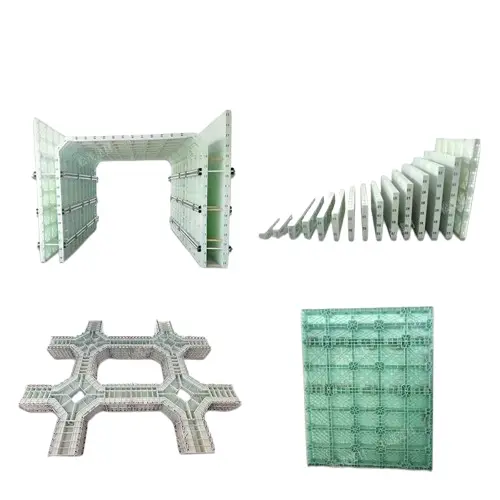
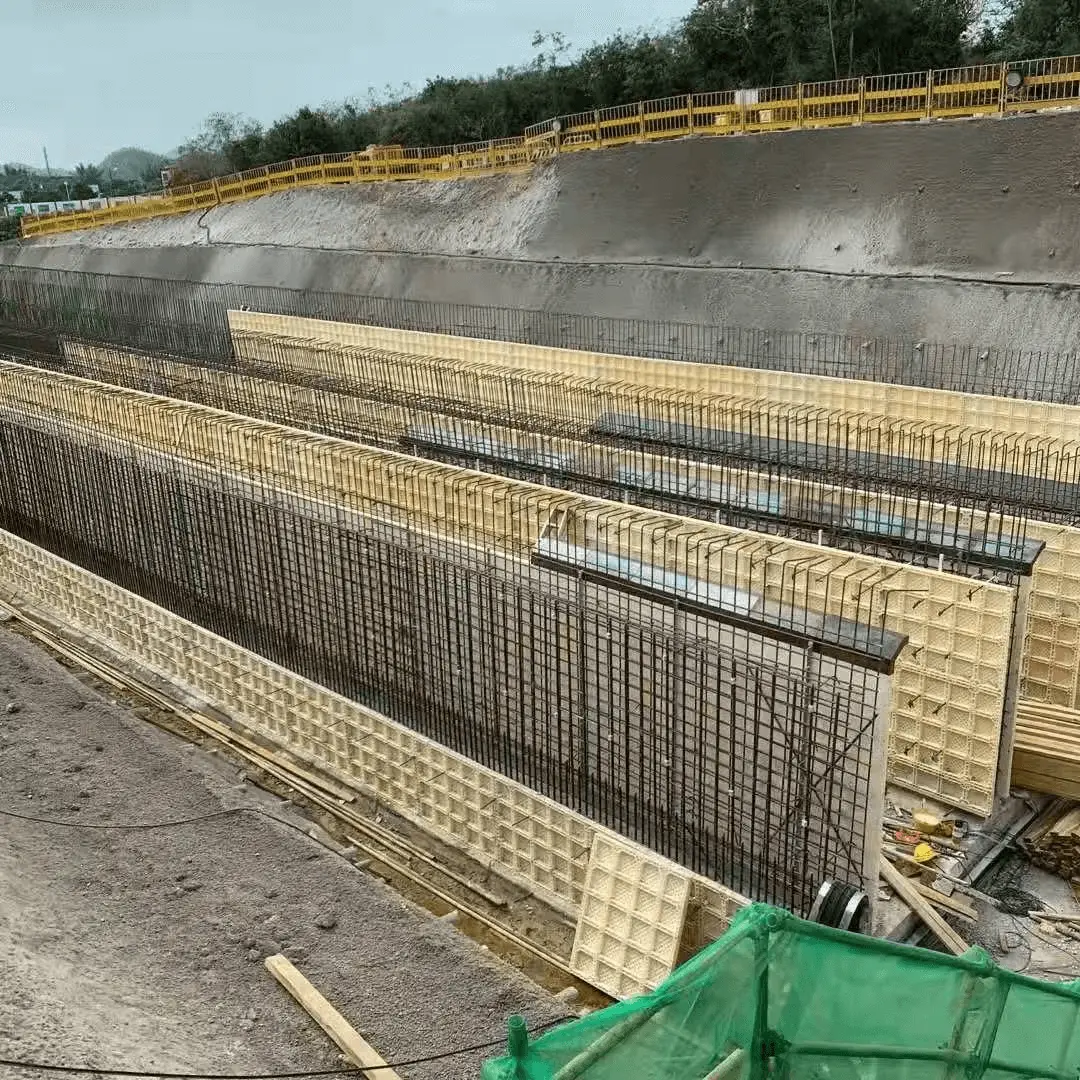
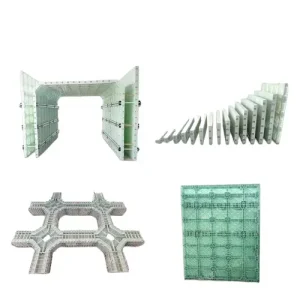
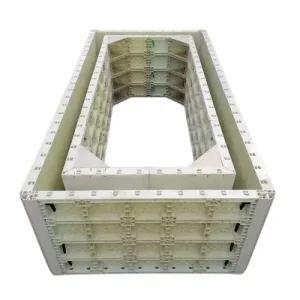
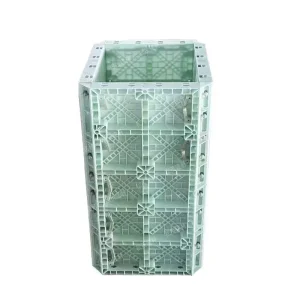
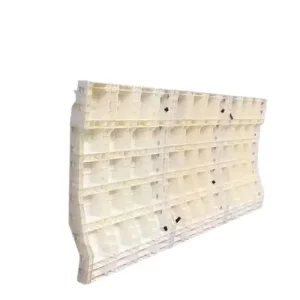
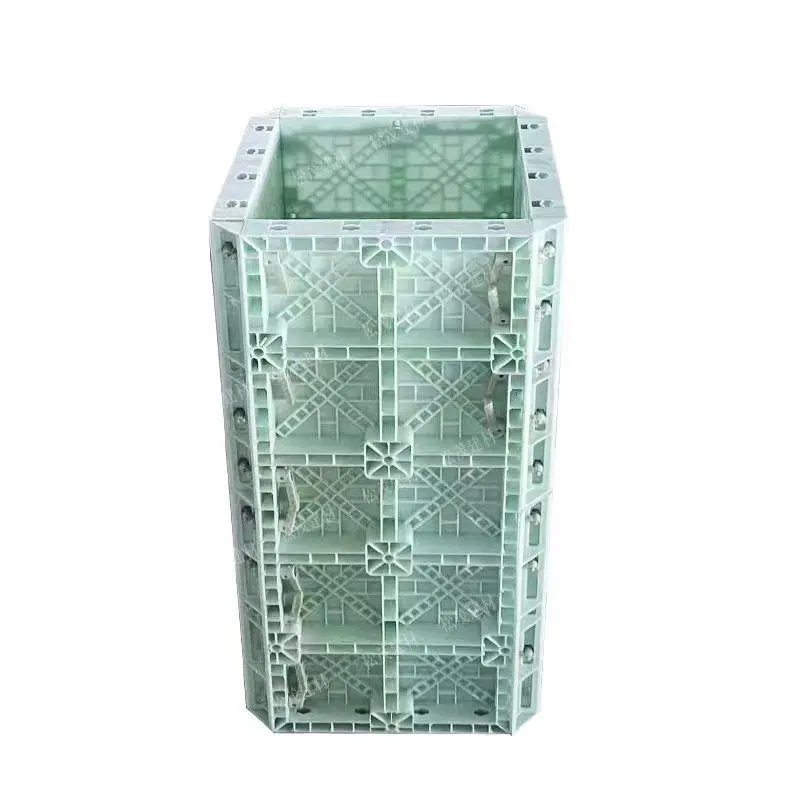
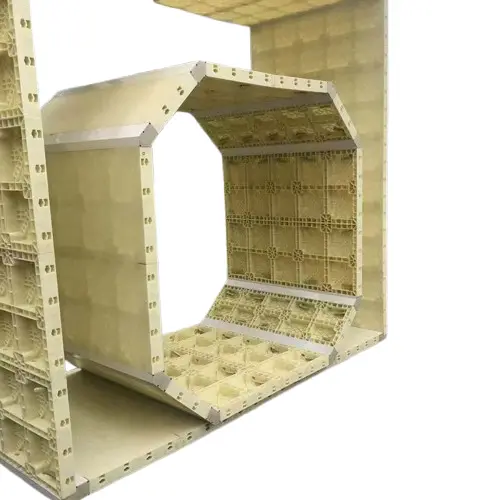
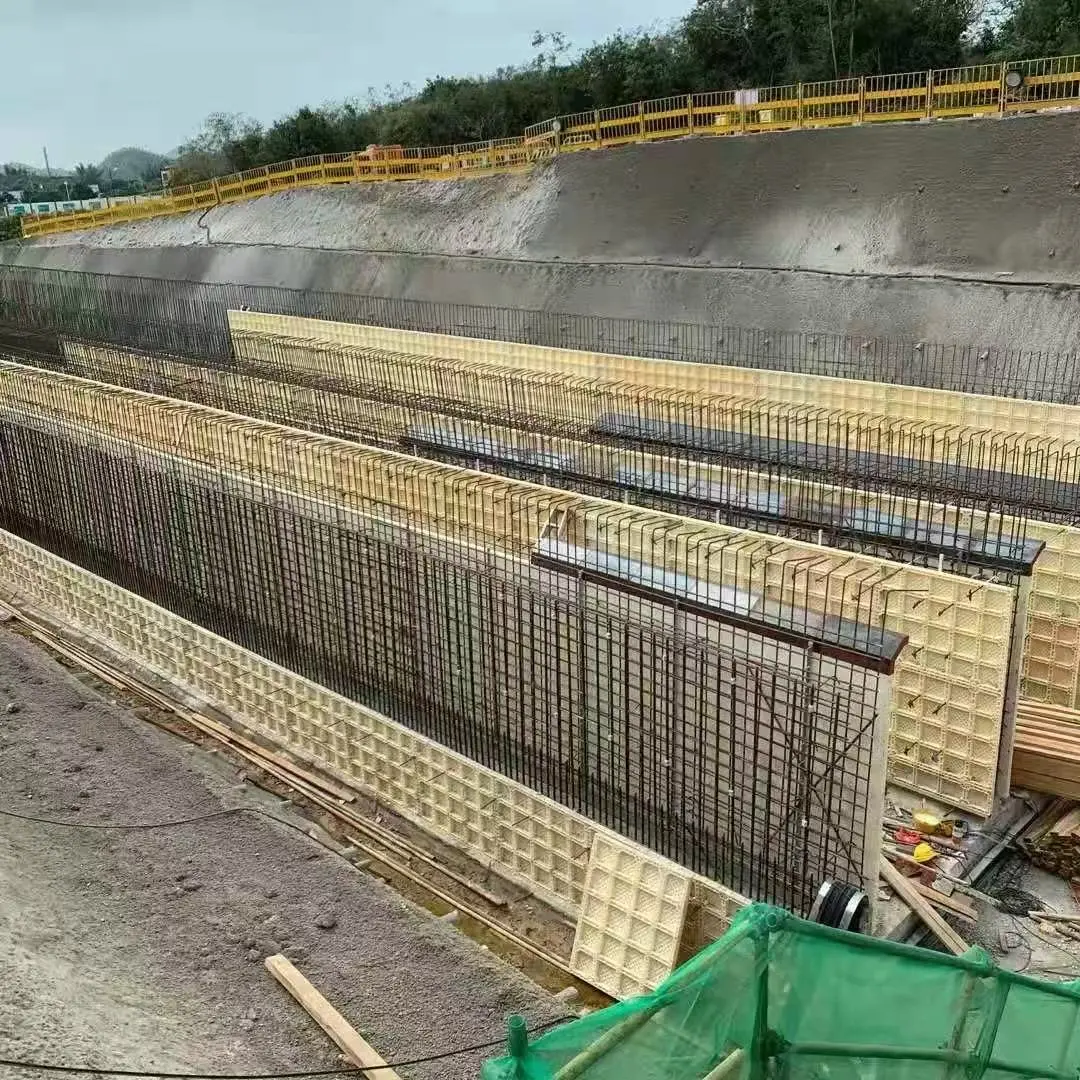
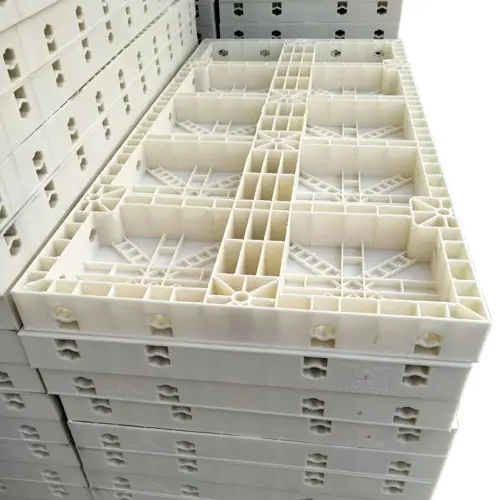
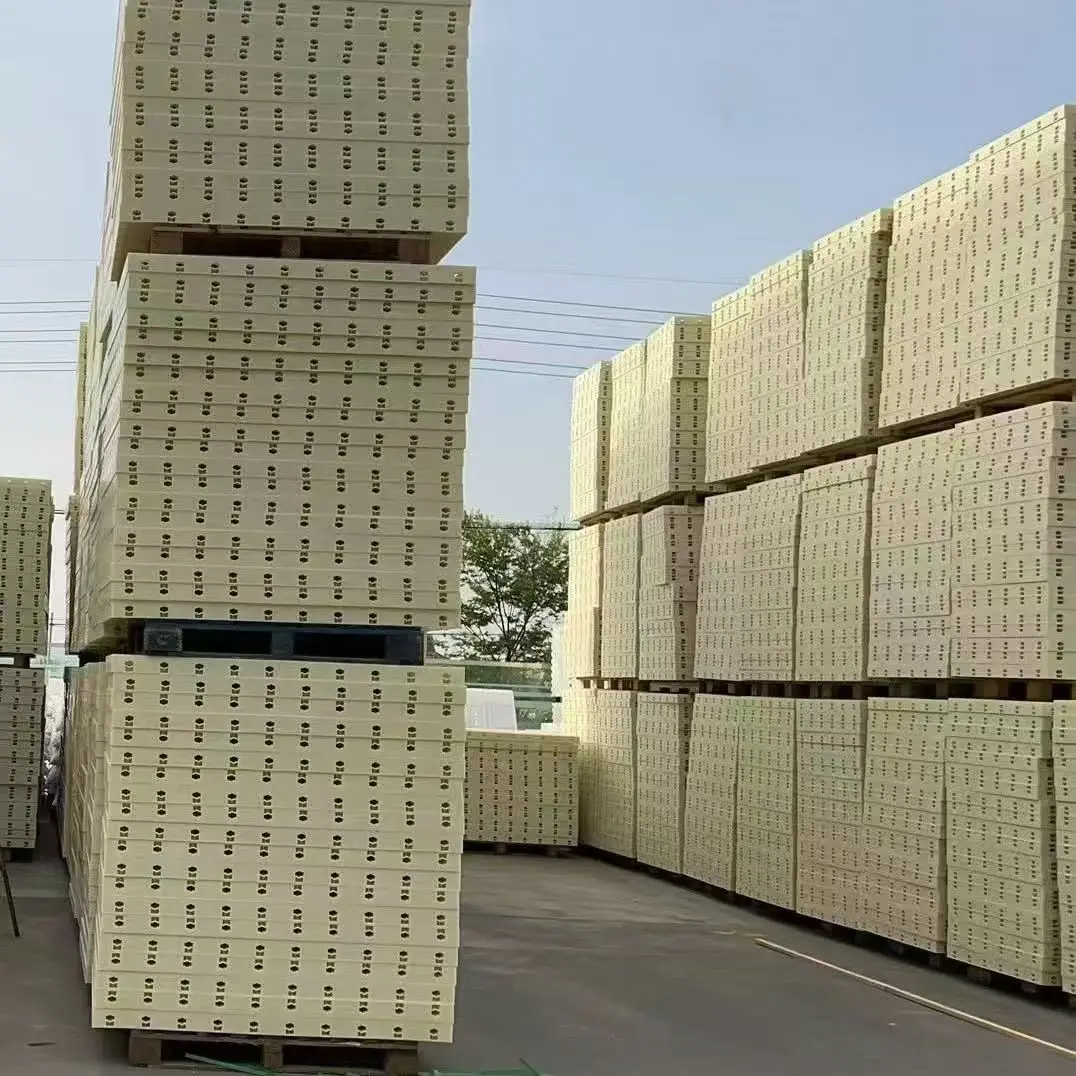
Plastic formwork is a modern construction system made from high-strength, lightweight, and recyclable plastic materials. Unlike traditional plywood or steel formwork, plastic formwork is resistant to water, corrosion, and chemicals, making it more durable and easier to maintain.
It is designed as a modular system, allowing panels to be quickly assembled and dismantled without special tools. Plastic formwork can be reused up to 50–100 times, significantly reducing construction costs and waste. With its smooth surface, it ensures high-quality concrete finishes while minimizing the need for additional plastering.
| Size (L × W × T) mm | Common Application | Thickness Options (mm) | Material | Available Colors | Customizable Features |
|---|---|---|---|---|---|
| 1200 × 600 × 12 | Wall and column formwork | 10 / 12 / 15 | PP / ABS | Black, Blue, Gray | Reinforced ribs, pre-drilled holes, steel edge |
| 915 × 610 × 15 | General small-size panels | 12 / 15 | PP / ABS | Black, Blue | Anti-slip surface, pin holes |
| 1830 × 915 × 12 | Slabs, large area casting | 12 / 15 / 18 | PP / Composite | Black, Gray | Thickened panels, waterproofing |
| 1200 × 300 × 15 | Beam and corner formwork | 12 / 15 | PP / ABS | Black | Adjustable size |
| 1000 × 500 × 12 / 15 | Auxiliary panels | 10 / 12 / 15 | PP | Black | Drilling, reinforced corners |
| 600 × 600 × 12 / 15 | Connecting or joint panels | 10 / 12 / 15 | PP | Blue, Gray | Pin hole positioning, anti-slip texture |
Choosing the right plastic formwork depends on your project type, budget, and technical requirements. Here are some key factors to consider:
Plastic formwork is widely used across residential, commercial, and infrastructure construction projects, thanks to its durability, reusability, and cost-effectiveness. Typical applications include: