High-performance engineering systems engineered for ultra-flat floor specification execution in industrial zones.
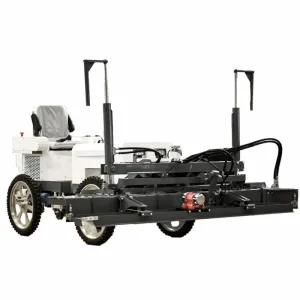
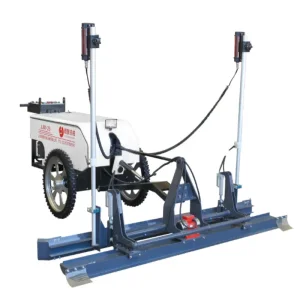
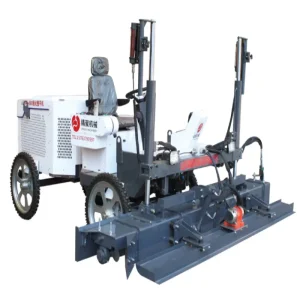
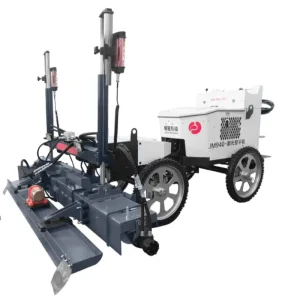
Kuala Lumpur, as the financial and commercial epicentre of Malaysia, alongside the surrounding Klang Valley, is witnessing unprecedented industrial expansion. The rapid growth of regional logistics networks, automated fulfillment hubs, advanced microchip manufacturing facilities, and aviation transport zones demands specialized construction methodologies. In these setups, concrete slab floor tolerances are no longer just basic structural requirements; they are essential parameters for modern industrial operations. The integration of automatic laser screed machinery has revolutionized the leveling accuracy of floor slabs, allowing regional engineers to easily meet international standards like TR34 FM1 and FM2 (Flatness and Levelness) specifications.
The transition from traditional, labor-intensive manual screeding to computerized laser-guided installation has optimized construction timelines and increased long-term durability. By utilizing high-frequency, auto-calibrating laser receivers, regional construction entities in Kuala Lumpur achieve high slab smoothness that minimizes wear on automated guided vehicles (AGVs) and heavy forklifts. This paradigm shift has led to an increased local demand for advanced laser screed machinery, driving developers to establish strategic alliances with top-tier global manufacturers and Chinese factories that offer high cost-efficiency and performance.
Globally, the concrete leveling equipment industry is growing rapidly, driven by the expansion of large-scale logistics warehouses, distribution centers, and infrastructure projects. Modern supply chains rely on vertical integration, high-rack storage, and automated logistics systems. These operations require extremely flat floors to prevent vehicle instability and uneven mechanical load distribution. Laser screed machinery stands at the intersection of structural engineering and robotic automation. Featuring high-precision transmitter systems, responsive hydraulic controls, and rugged chassis layouts, these machines enable commercial builders to complete expansive concrete pours within tight timelines.
From North American commercial developments to massive infrastructure expansion programs across Southeast Asia, laser screeds are key assets in modern construction fleets. As global carbon-neutrality initiatives tighten emissions rules, the market is shifting toward eco-friendly electric and hybrid engines, alongside advanced telematics that track machine health and grade metrics in real-time. This technological evolution requires manufacturers to maintain robust R&D processes, secure critical design patents, and scale manufacturing pipelines to provide reliable machinery globally.
Bridging Scientific Research, Heavy Metal Fabrication, and Global Infrastructure Supply Chains
Zhuozhan Group is a diversified and innovative enterprise that seamlessly integrates scientific research, manufacturing, and sales. With a robust portfolio of subsidiaries, including Laoting Zhuozhan International Trade Co., Ltd. and Hebei Shuangyang Metal Structure Co., Ltd., Zhuozhan Group has firmly established itself as a key player in the construction and manufacturing industries. By leveraging high-grade metal metallurgy, automation designs, and structured project logistics, the group supplies key infrastructure products to international airports, high-speed rail terminals, and high-rise commercial structures across multiple continents.
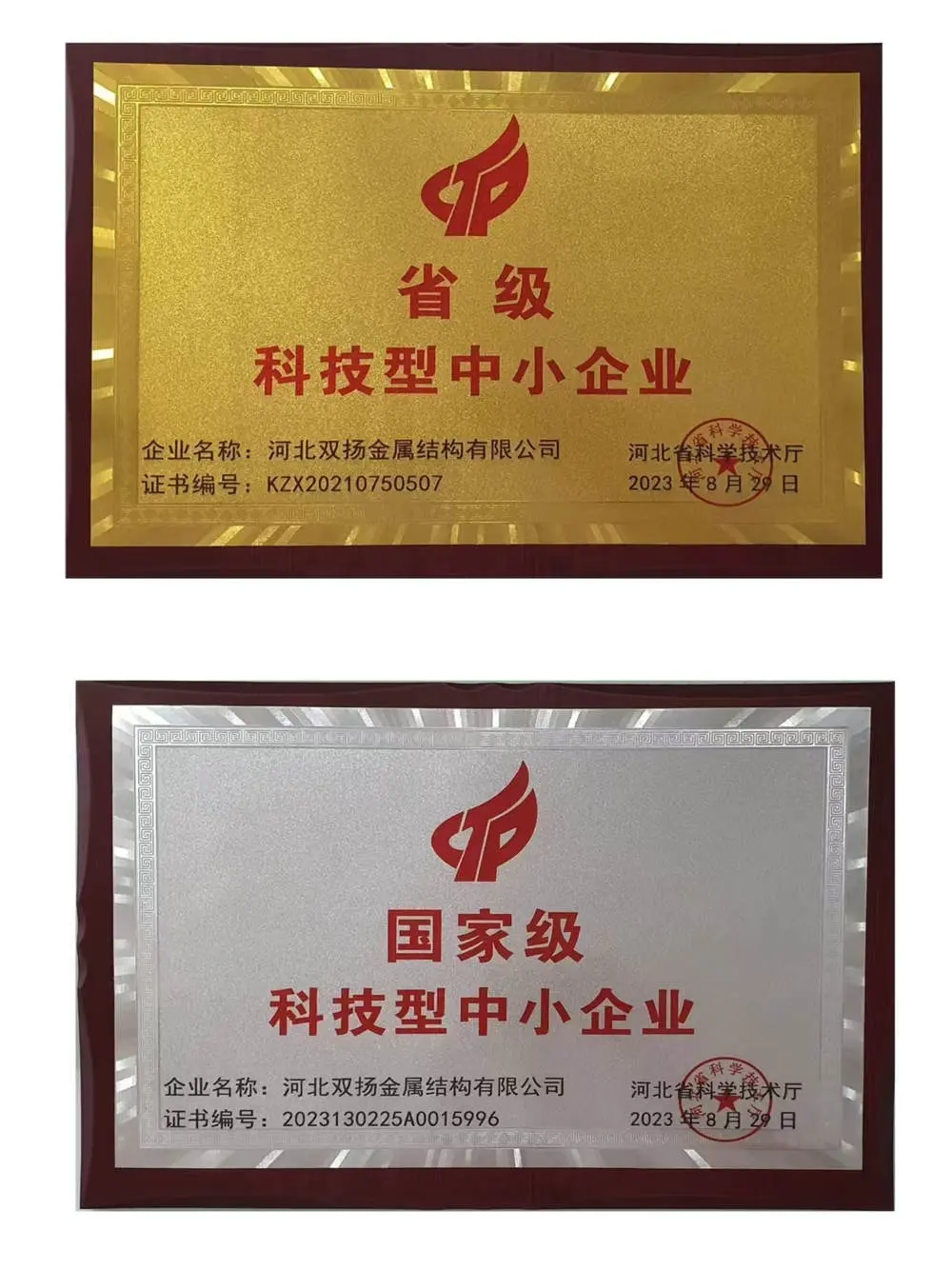
Founded in 2014, Hebei Shuangyang Metal Structure is a pivotal subsidiary that has rapidly advanced to the forefront of the industry, occupying a total area of 13,132.68 square meters, with a construction area of 7,124.58 square meters. The company operates with more than 500 skilled employees and is equipped with over 150 sets of advanced machinery and equipment. Over the years, Shuangyang has successfully secured 15 patents, demonstrating its strong commitment to innovation. The company’s impressive production capabilities include an annual output of 300,000 tons of steel pipes, 1 million tons of scaffolding, and 400,000 tons of adjustable steel supports, making it a critical supplier to both domestic and international markets.
The manufacturing efficiency of Chinese factories represents a major advantage for global sourcing managers. Chinese production facilities combine specialized regional raw material supply chains, advanced automation, and highly integrated logistics pipelines. For high-precision machinery like laser screeds, production quality depends on the structural integrity of its underlying components—such as heavy metal frames, telescope booms, and support structures.
By leveraging an annual supply capacity of 300,000 tons of structural steel tubing and advanced automated robotic welding lines, Zhuozhan Group's manufacturing plants optimize both precision and cost. Robotic welding reduces structural variation down to the millimeter range, preventing the micro-deflections that can compromise laser receiver accuracy during intensive operations. In addition, the factory's location close to Jingtang Port, Tianjin Port, and Caofeidian Port ensures efficient international shipping, keeping transport costs low and delivery schedules reliable for projects throughout Southeast Asia, Europe, and the Americas.
Underpinning our manufacturing excellence with rigorous quality assurance and environmental compliance measures.
Initial dimension formatting of structural steel tubes. Generating controlled noise (N) and recyclable solid steel waste (S).
High-speed hydraulic punching for setting accurate locating and connection pins. (Noise N, Solid Waste S).
Welding steel pipes with collar discs. Guided by specialized fixtures to prevent thermal distortion. (Noise N, Waste Gas G, Solid Waste S).
Surface treatment via outsourcing to high-grade hot-dip galvanizing lines to provide complete protection against corrosion.
Quality testing, final calibration checks, and packing for global shipping.
Structuring the primary steel pipe profile. Generates noise (N) and solid waste (S).
Secondary hydraulic stamping to set connection holes. (Noise N, Solid Waste S).
Welding the punched steel tubes with high-grade steel castings. (Waste Gas G, Noise N, Solid Waste S).
Applying the zinc coating layer to protect components from moisture and salt air during transport.
Mechanical riveting of the lock pins and wedges with the galvanized workpieces. (Noise N).
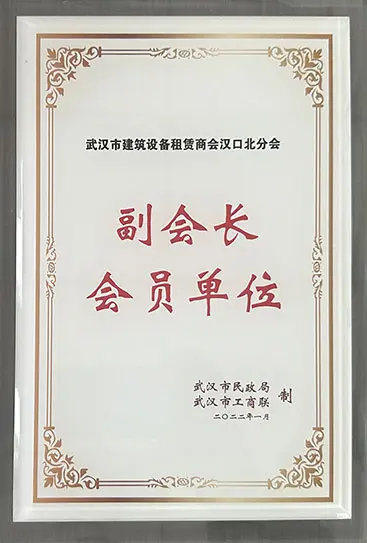
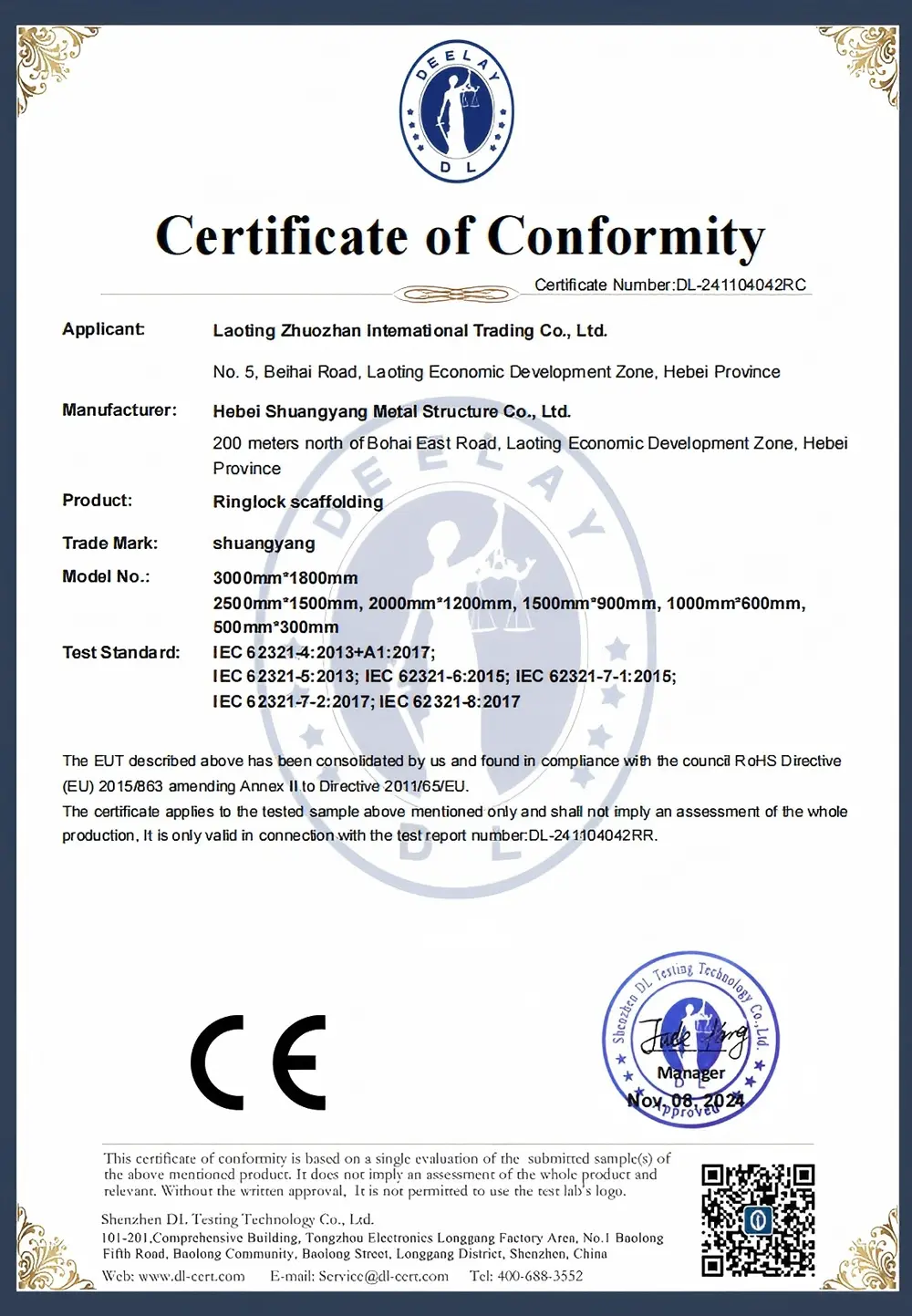
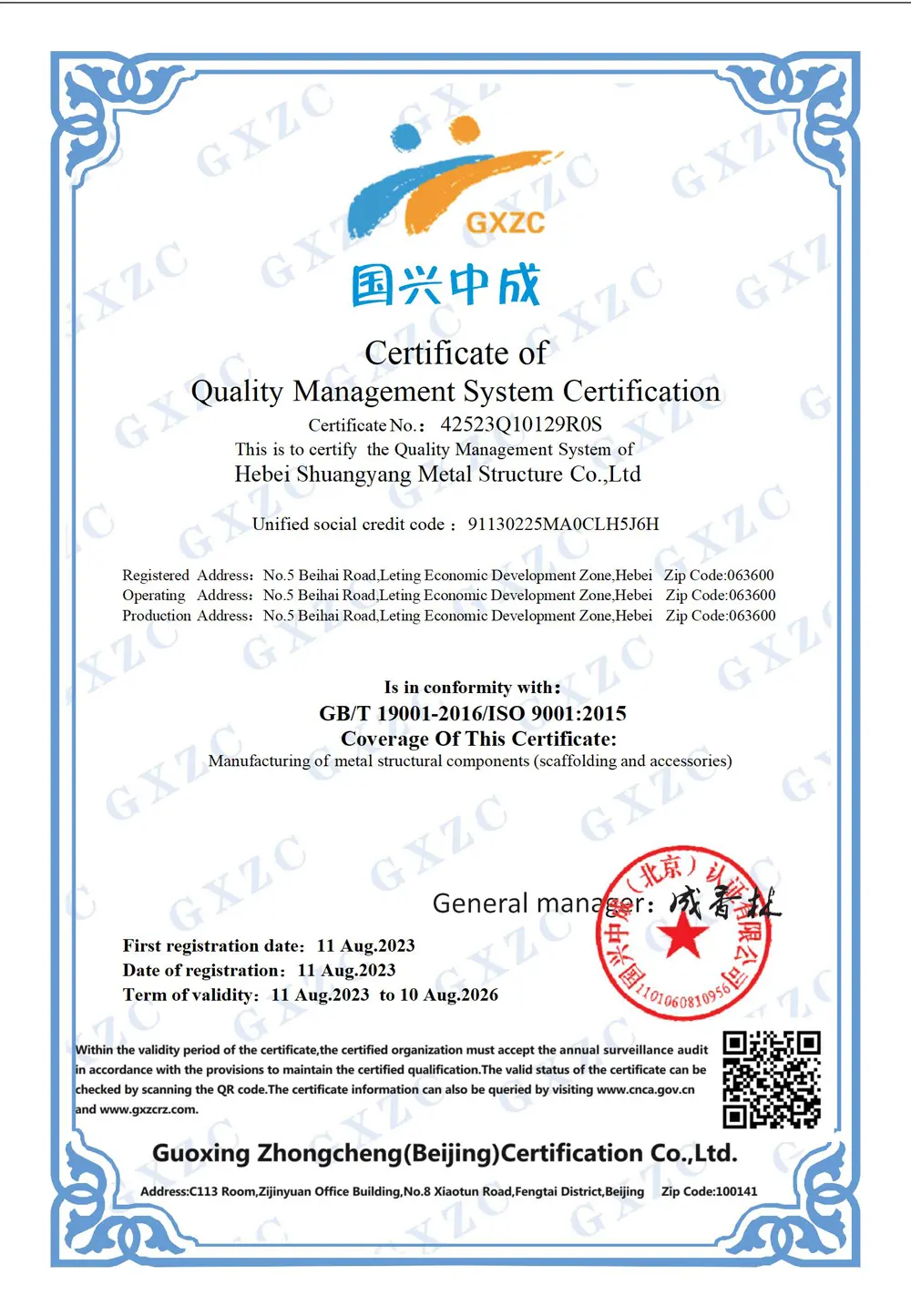
Products engineered to comply with EN 12810/12811 and ISO 9001 quality guidelines.
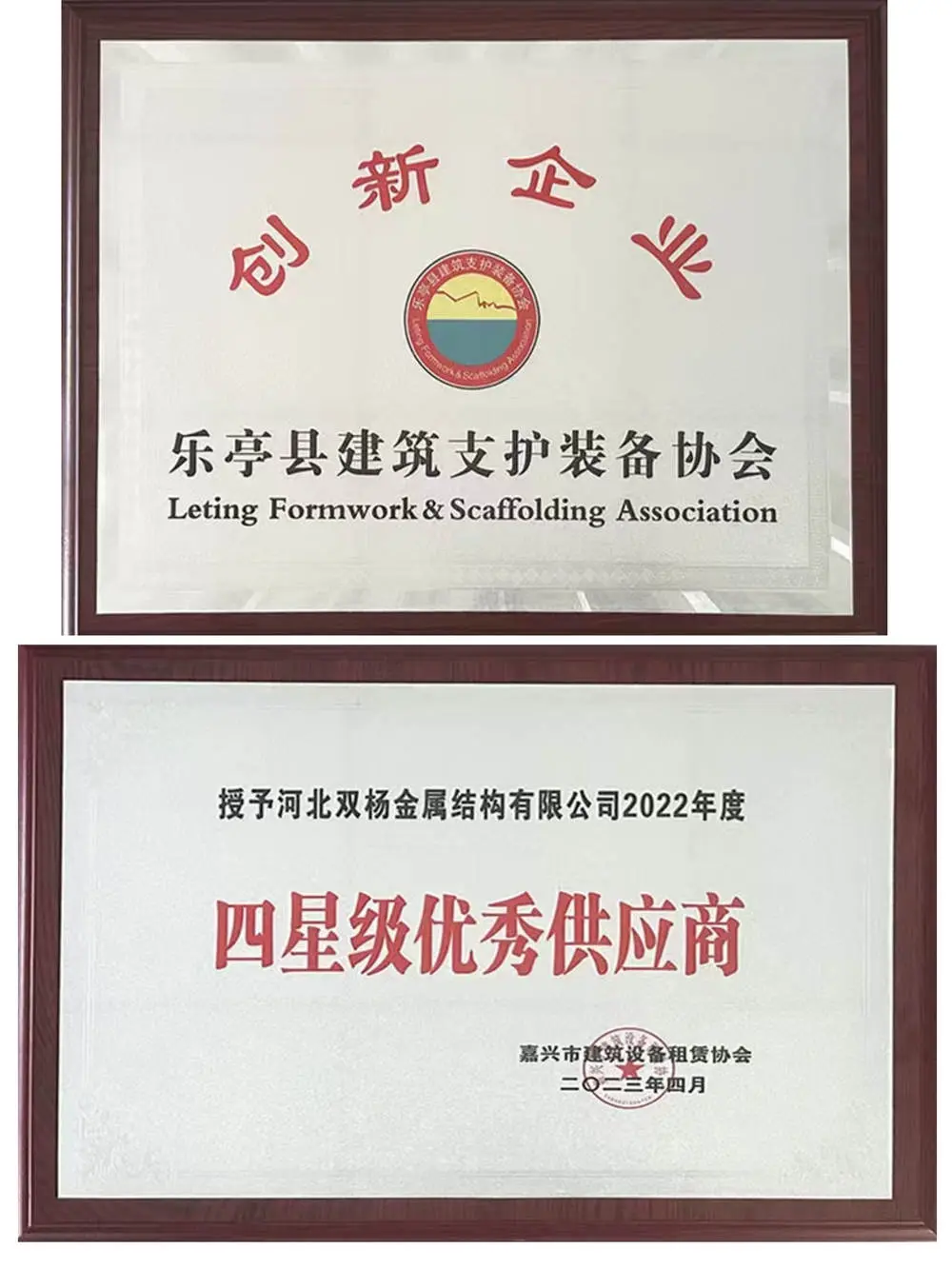
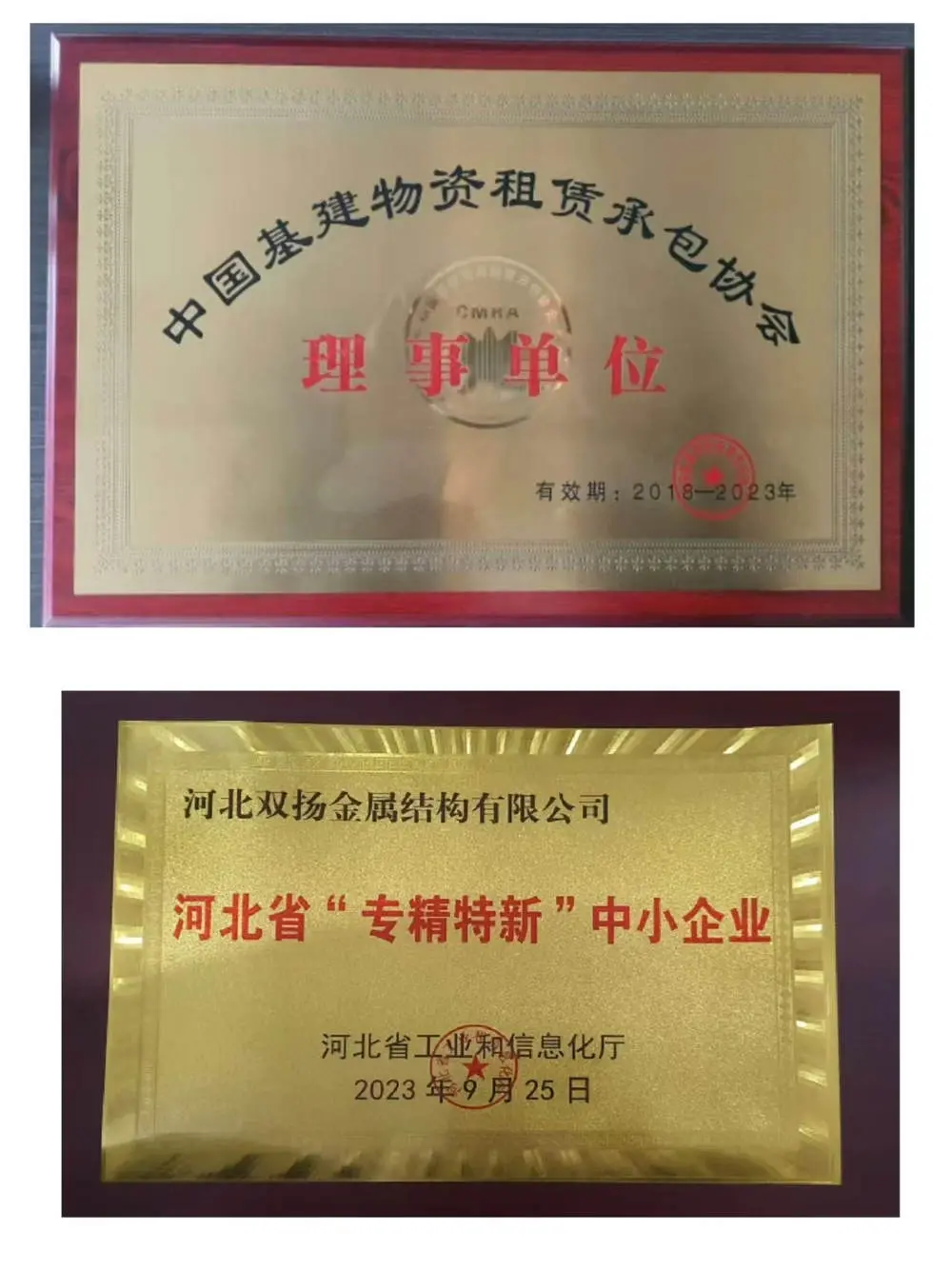
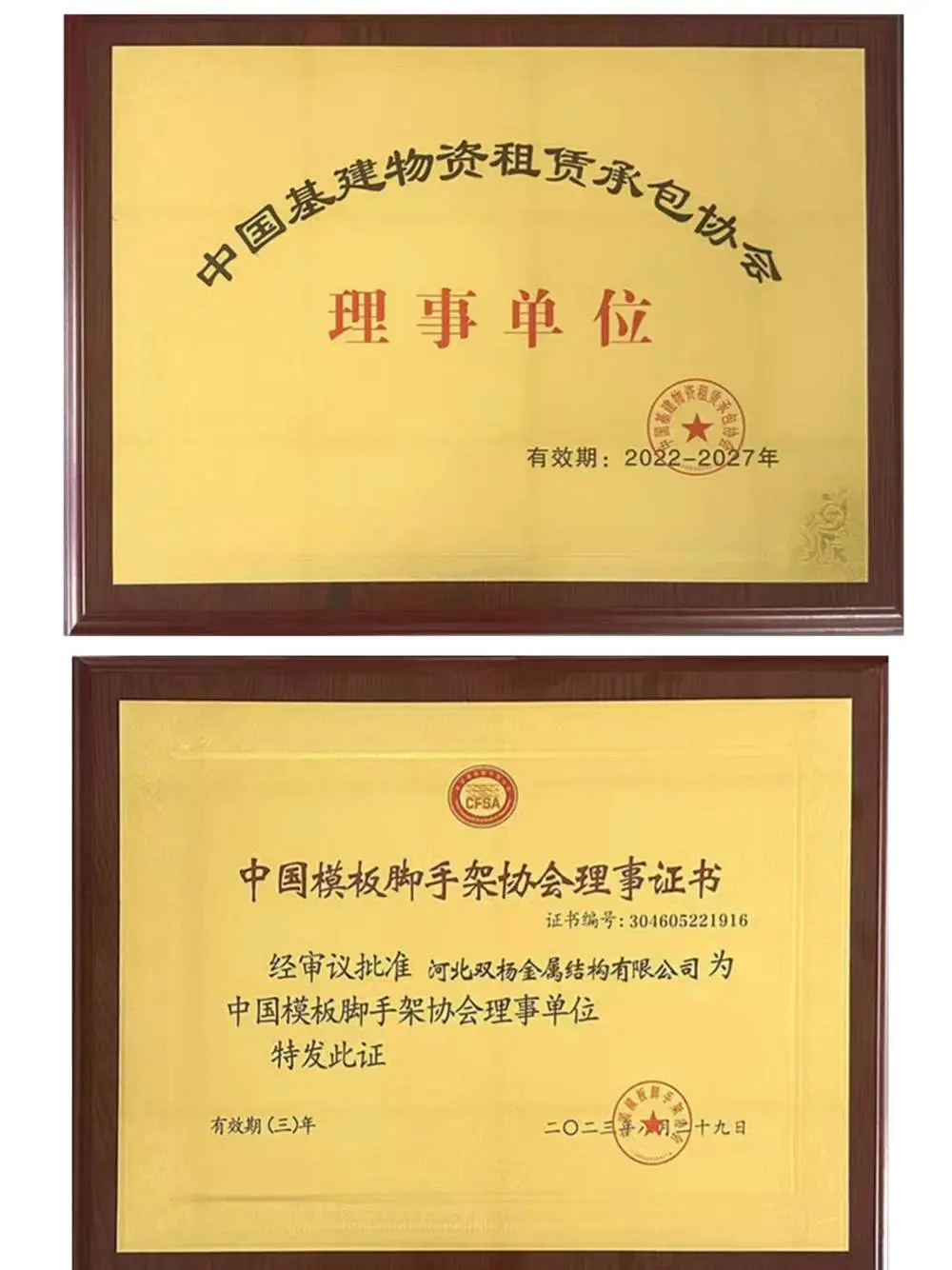
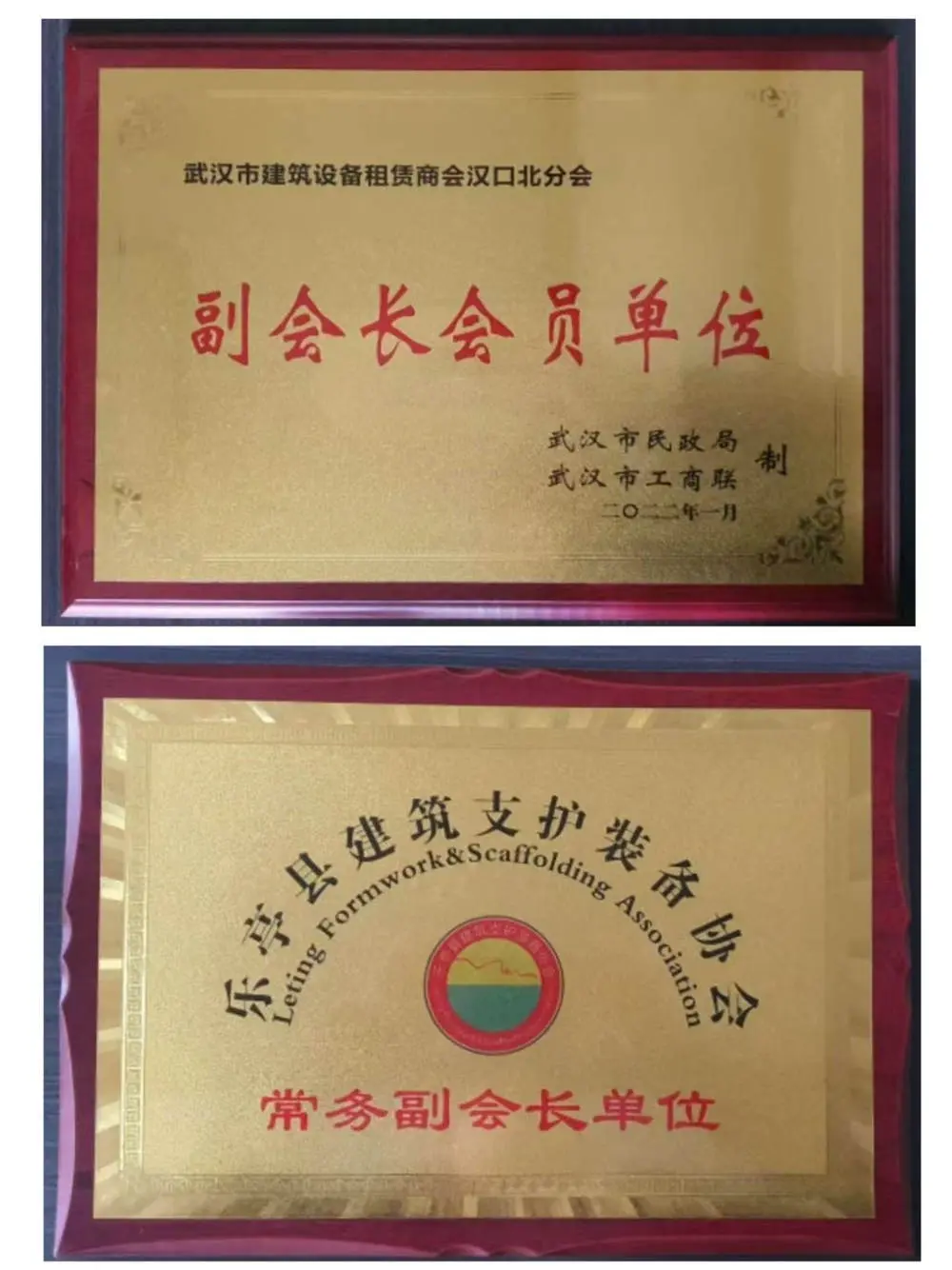
Zhuozhan Industry products undergo strict quality testing at every stage of production. From raw material sourcing through manufacturing to final delivery, we verify structural load limits and precision alignment. This systematic quality control program has earned our products recognition by major construction firms and state-owned infrastructure enterprises across the globe.
Step inside our advanced manufacturing facility and automated workshops.
Fourteen automated production lines ensure fast, reliable delivery.
Modern structural tube processing featuring self-locking connections.
50,000㎡ storage and logistics facility supporting global projects.
Laser screed concrete levelling equipment is essential for projects requiring tight flatness tolerances and fast turnaround times. The technology is widely deployed across key regional projects in Southeast Asia, the Middle East, and Europe:
Large-scale warehouse facilities, such as the Bukit Raja Distribution Hub near Kuala Lumpur, require flat, highly level concrete floors. Utilizing automatic laser screed systems minimizes grade errors, creating flat surfaces that support high-speed reach trucks and automated materials handling equipment.
Airport runway construction and hangar apron expansions, similar to developments at KLIA Sepang, demand exceptionally flat surfaces. Laser screeding provides structural consistency, ensuring concrete slabs can withstand high wheel-load pressures during aircraft taxing and parking operations.
Advanced electronics fabrication plants require vibration-free floors to protect sensitive lithography and assembly equipment. Laser-guided concrete leveling systems maintain tight elevation control, helping construct floors that prevent vibration propagation throughout the cleanroom.
In addition to concrete leveling machinery, our structural support divisions supply key projects globally. View our recent project deployments:
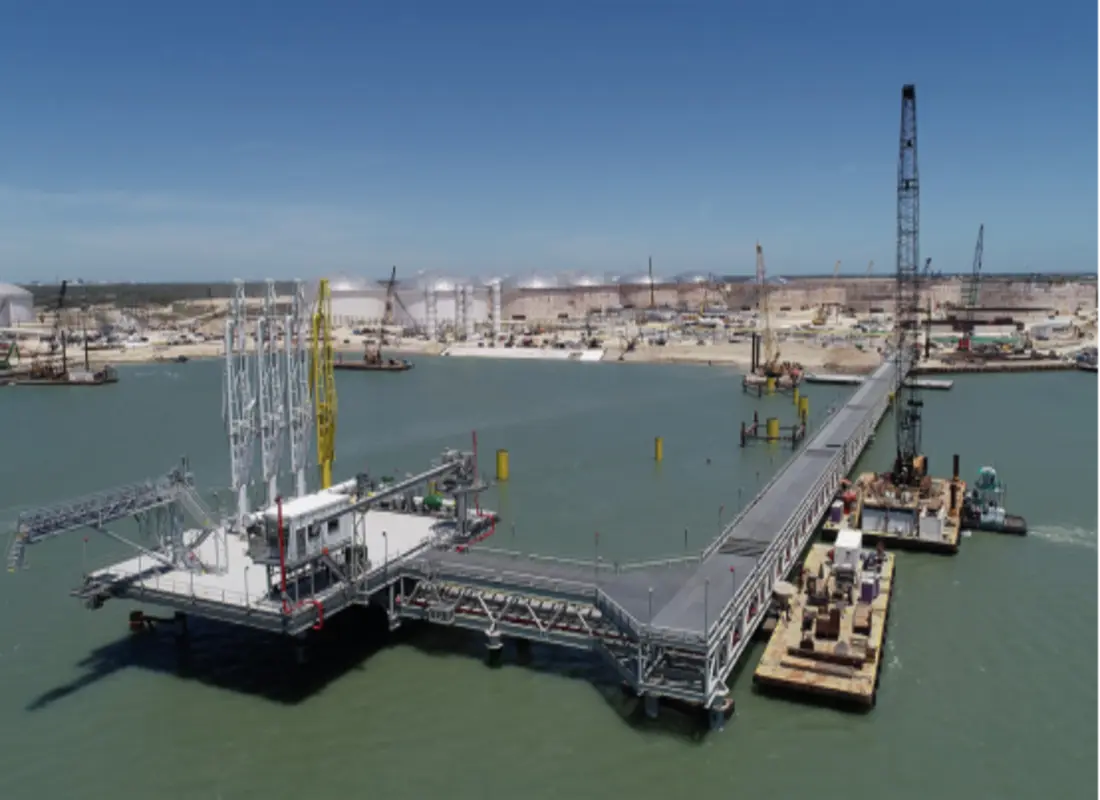
Providing high-capacity structural shoring for coastal petrochemical distribution pipelines.
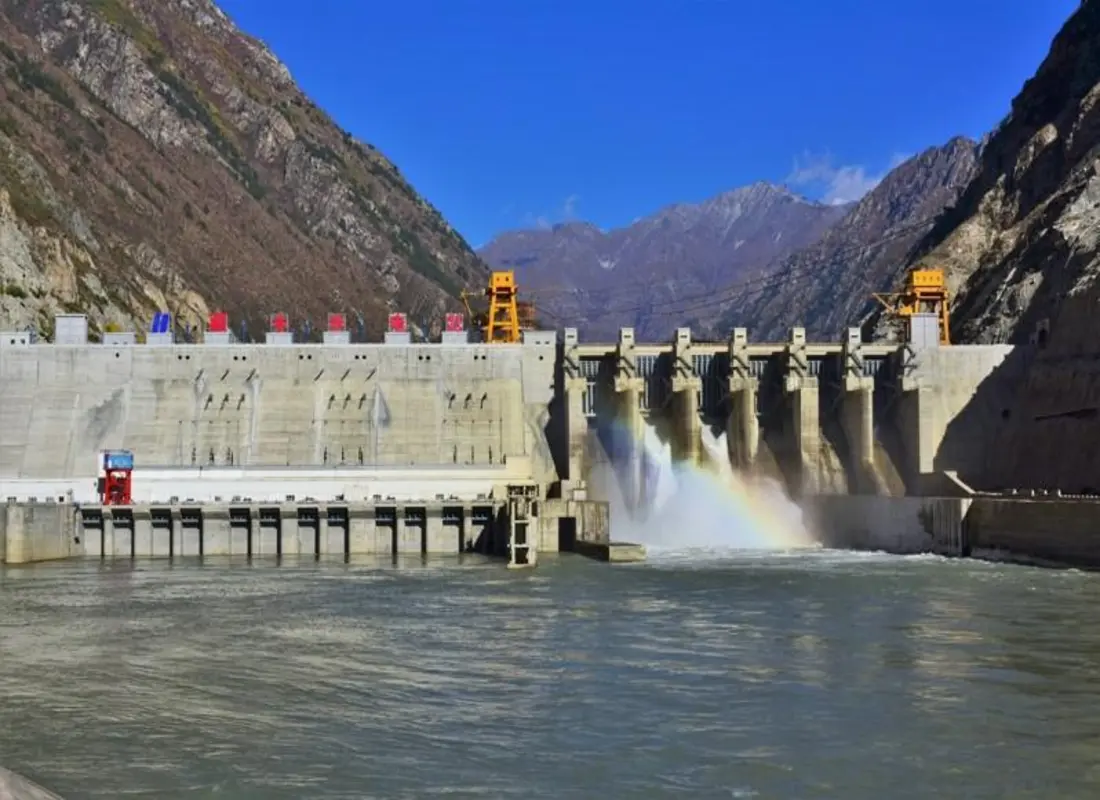
Heavy-duty scaffold systems engineered to perform in high-humidity hydro-facility upgrades.
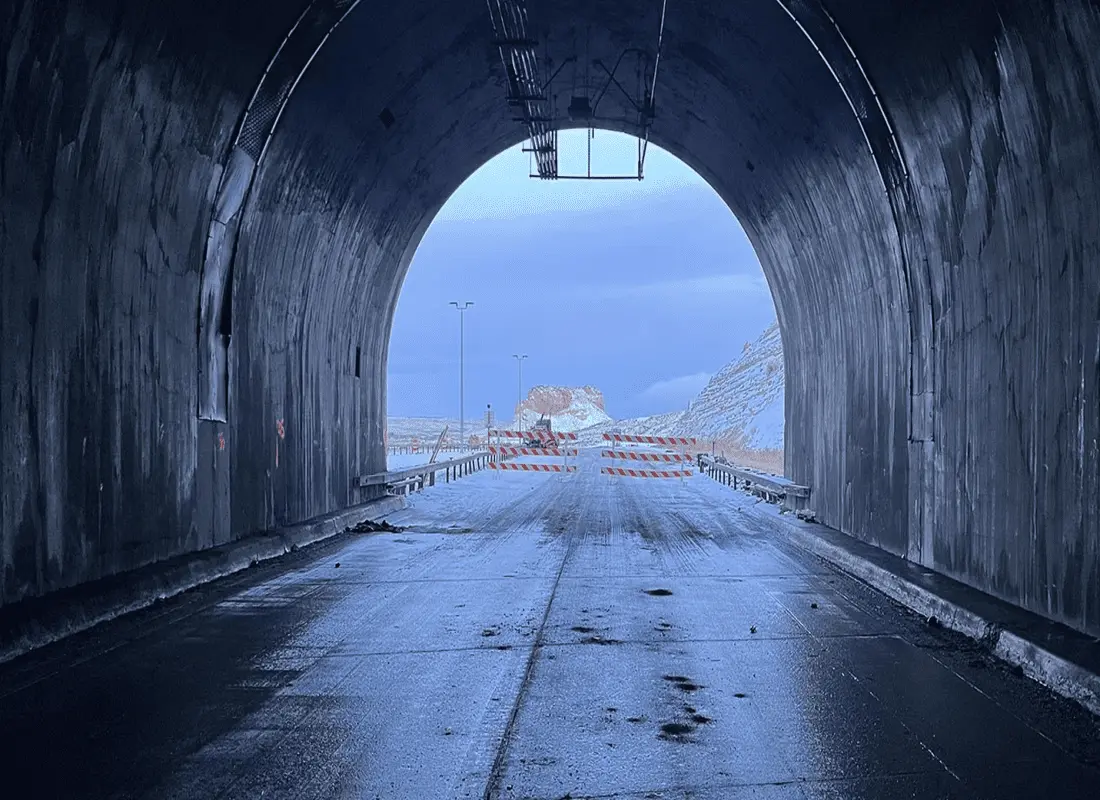
Precision structural systems supporting tunnel crown casting and lining operations.
As the construction industry focuses on increasing efficiency and reducing environmental impact, several key trends are shaping the future of laser-guided concrete leveling technology:
1. Electrification and Battery Power: Manufacturers are developing hybrid and battery-powered laser screeds to meet zero-emissions requirements inside enclosed industrial buildings, warehouses, and tunnels. These electric systems reduce indoor noise levels while ensuring high-precision leveling performance.
2. Advanced Real-Time Telematics: Modern concrete screeding machines increasingly integrate GPS tracking and floor-flatness telematics. Operators can monitor grade deviations, surface leveling rates, and engine status in real-time, helping project managers identify and correct deviations before the concrete cures.
3. Intelligent Sourcing Strategies: Global procurement teams are looking beyond initial equipment costs, focusing instead on structural durability, manufacturer warranty programs, and parts support. Sourcing directly from certified factories ensures access to engineering customization, high structural steel grade options, and reliable replacement parts support.
Professional engineering responses to technical questions about concrete leveling operations.
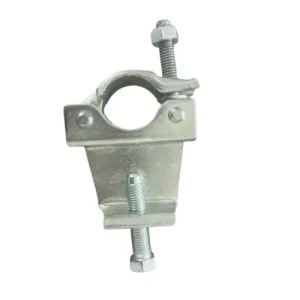
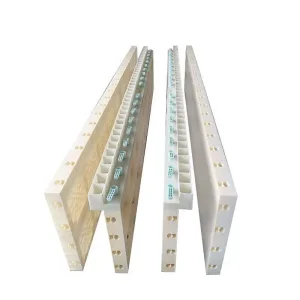
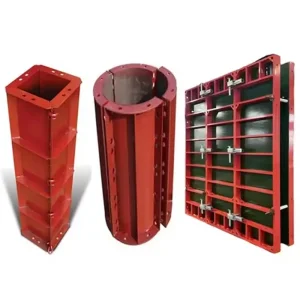
A complete selection of high-durability construction machinery, shoring systems, and heavy-duty formwork components.
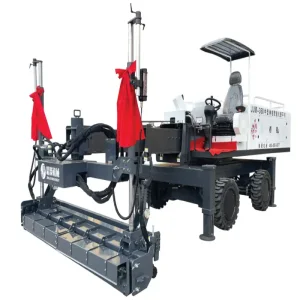
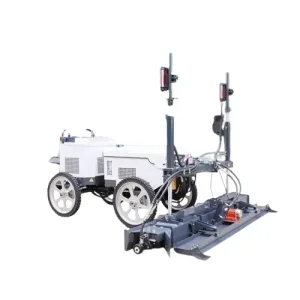
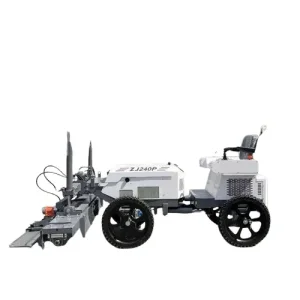
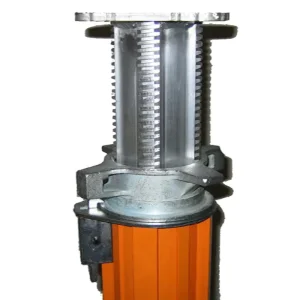
 Zhuozhan