Engineered structural systems built to withstand the rigorous requirements of South Korean construction regulations, offering high safety factors and rapid structural deployment.
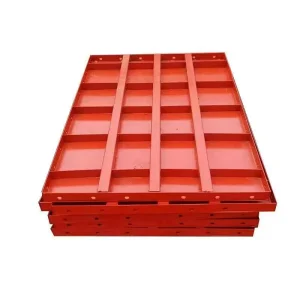
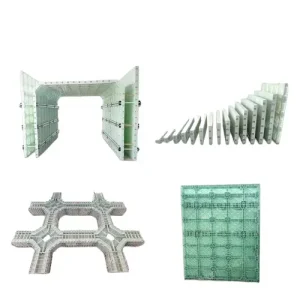
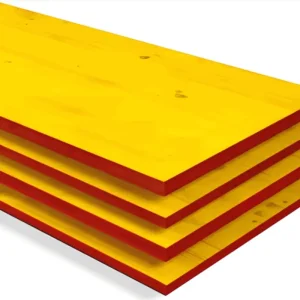
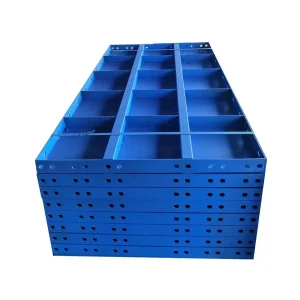
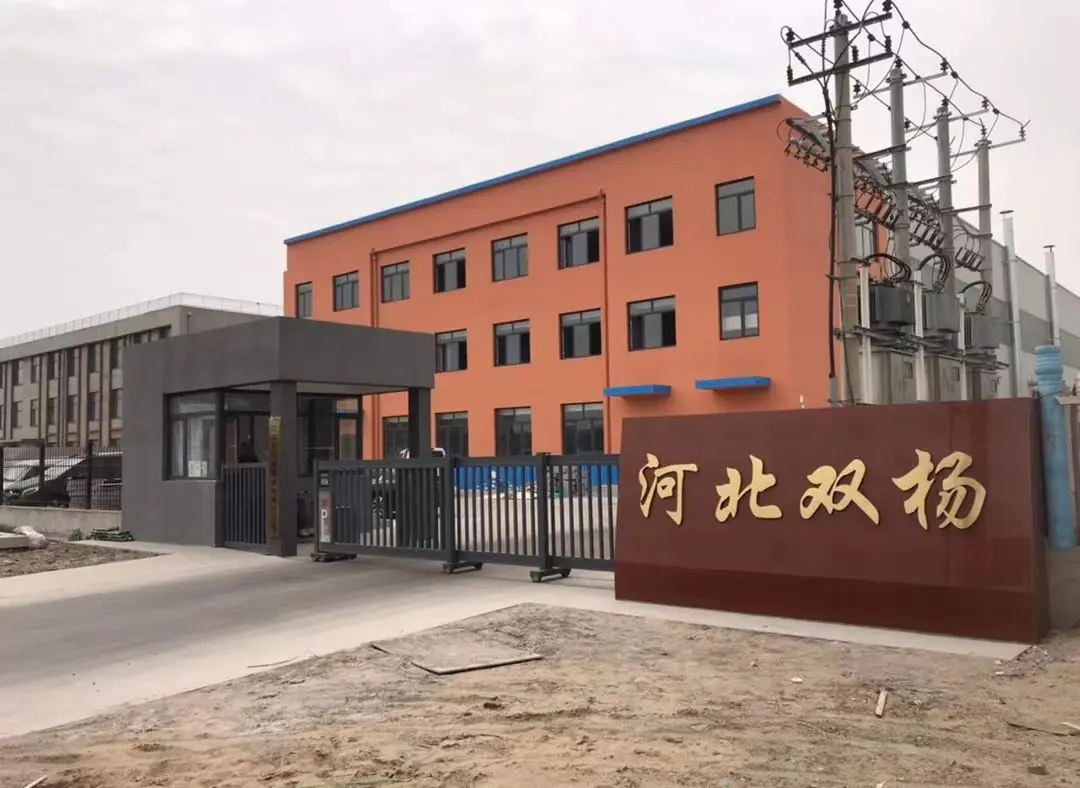
Zhuozhan Group stands as an industry-leading, diversified global enterprise that seamlessly integrates state-of-the-art scientific research, precision manufacturing, and strategic international trade. Operating through its specialized trade arm, Laoting Zhuozhan International Trade Co., Ltd., and its core production base, Hebei Shuangyang Metal Structure Co., Ltd. (founded in 2014), the group provides elite-grade structural formwork and scaffolding systems designed for high-load structural application.
Our key subsidiary, Hebei Shuangyang Metal Structure Co., Ltd., encompasses a massive manufacturing site occupying 13,132.68 square meters (with a physical facility construction area of 7,124.58 square meters). Powered by over 500 highly trained metallurgical and engineering specialists, the plant implements automated manufacturing via 150+ sets of heavy machinery. Our technology department holds 15 patents and maintains complete design authority to tailor scaffolding and formwork designs to the exact specifications of South Korean EPC contractors.
Why modern structural formwork selection determines the regulatory and mechanical success of building developments in Seoul, Busan, and Incheon.
Under the SAPA framework enacted in South Korea, site safety is a high legal priority. Our formwork systems utilize structural Q355B steel, delivering a safe structural capacity that is 1.5 times stronger than standard options. This guarantees safety, minimizes failure risk, and helps contractors pass rigorous inspections from KOSHA (Korea Occupational Safety and Health Agency).
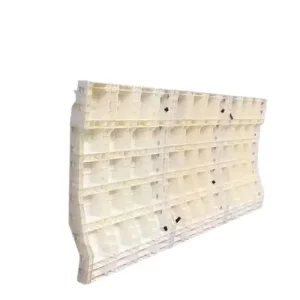
Projects in congested metro areas like Seoul (Yongsan, Gangnam) and Songdo International Business District require formwork with minimal footprint and high load capacity. Our high-durability steel and lightweight modular plastic formwork systems facilitate rapid cycle times, enabling faster concrete pouring schedules on high-rise structures.
For coastal works in Busan and Ulsan (harbor structures, bridge abutments), standard steel structures degrade rapidly from sea breeze and humidity. We apply advanced hot-dip galvanizing (HDG) technology, creating a zinc-coated barrier of 80+ microns. This secures a 15-20 year service life and prevents oxidation under severe weather conditions.
Our core philosophy centers on high-quality standards across every step of production. We ensure quality remains the lifeline of our company. From sourcing structural raw steel from premium mills to conducting micro-dimensional testing on automated robotic welding lanes, we maintain high standards to deliver reliable formwork solutions to our global partners.
Through our advanced testing protocols, we verify that key scaffolding systems meet EN 12810/12811 and ISO 9001 certifications. This structural compliance guarantees that every ring-lock component and wall panel provides predictable structural support under heavy loads, ensuring trouble-free site integration for our clients.
A transparent look at our factory stages, ensuring structural integrity and environmental compliance across our manufacturing process.
Raw structural steel tubes are sliced to precise dimensions. This mechanical process is monitored to control noise and industrial scrap, and materials are recycled through our waste mitigation system.
Using computerized mechanical punch presses, holes are pierced at precise intervals along the steel columns, maintaining tight dimensional tolerances of ±1mm.
Robotic welding lines join the structural collar flanges and tube bodies. Heavy welding fumes are extracted and filtered through our multi-cyclone environmental scrubbers.
Semi-finished parts undergo acid pickling and fluxing before immersion in a molten zinc bath at approximately 450°C (842°F), creating a metallurgically bonded anti-corrosion barrier.
Structural assemblies undergo dimensional inspection and load verification. Compliant units are packaged and transferred to our warehouse, ready for maritime shipment to South Korean ports.
Our scale advantages ensure steady supply chains, reducing delays for overseas construction developments.
How we manufacture the high-capacity horizontal ledger bars and structural connectors that brace high-rise formwork assemblies.
High-tensile steel tubes are cut to exact ledger dimensions. We recycle scrap steel to support sustainable factory management practices.
Hydraulic presses shape the structural connection ends, ensuring precise placement for locking pin insertions.
Automated welders fuse cast steel ends to the ledger tubes, ensuring high shear strength and robust weld quality.
Completed ledger assemblies are hot-dip galvanized, establishing an anti-corrosion barrier that stands up to demanding marine and wet-pour environments.
Wedge pins are permanently secured into the ledger ends by automated riveting machinery, eliminating loose site parts.
Technicians verify locking mechanisms and weld profiles. Approved parts are strapped, bundled, and logged for export tracking.

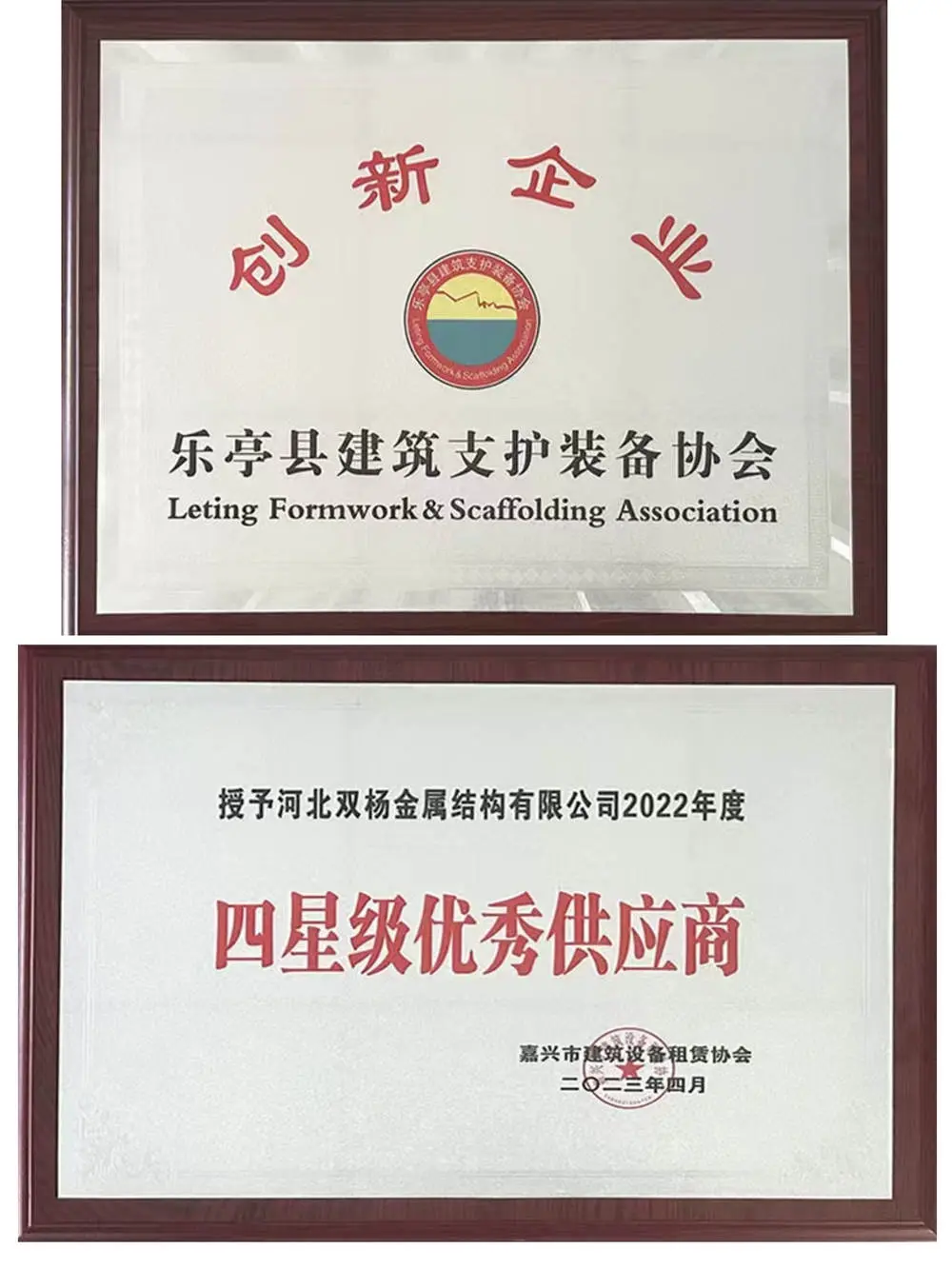
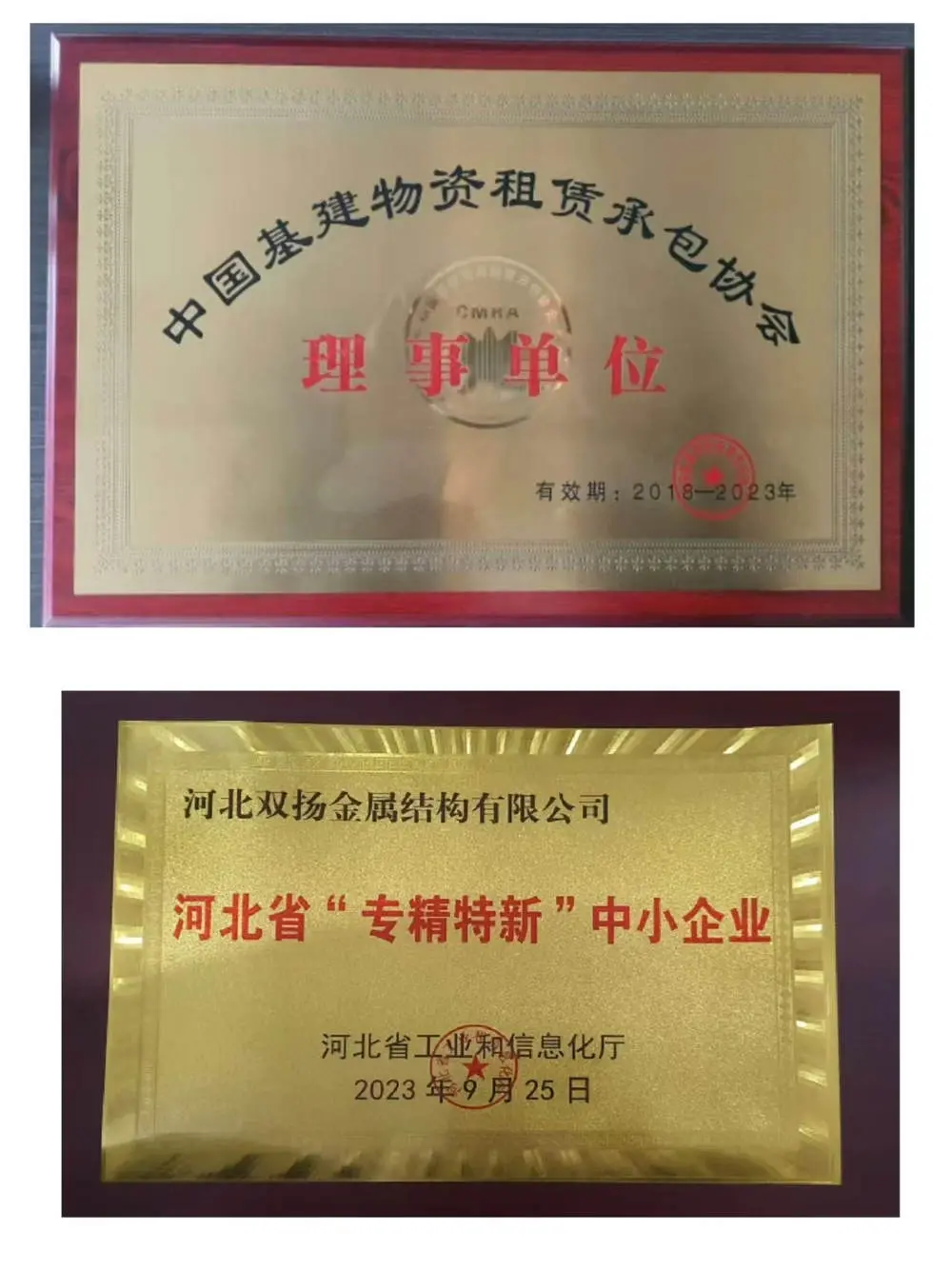
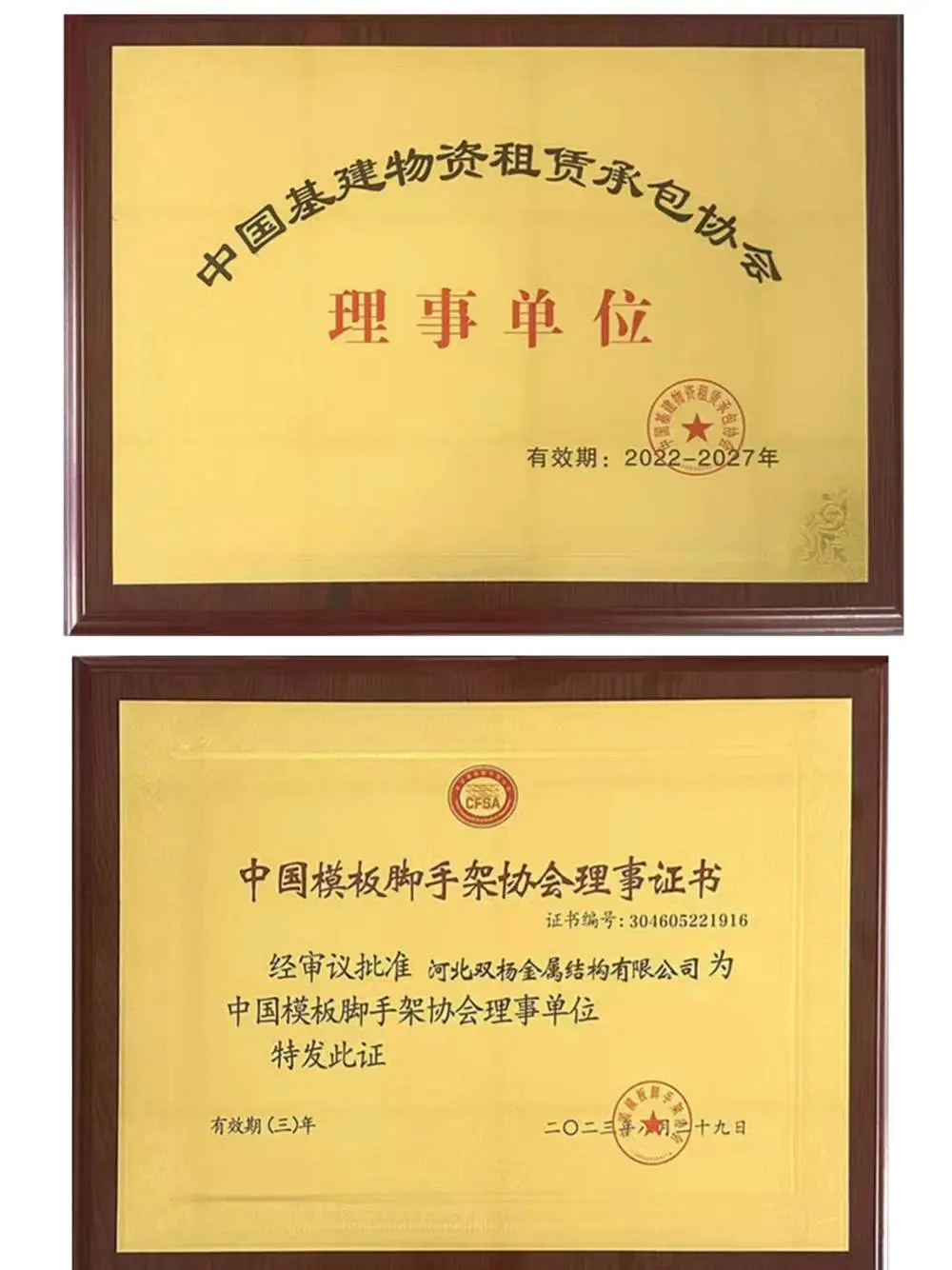
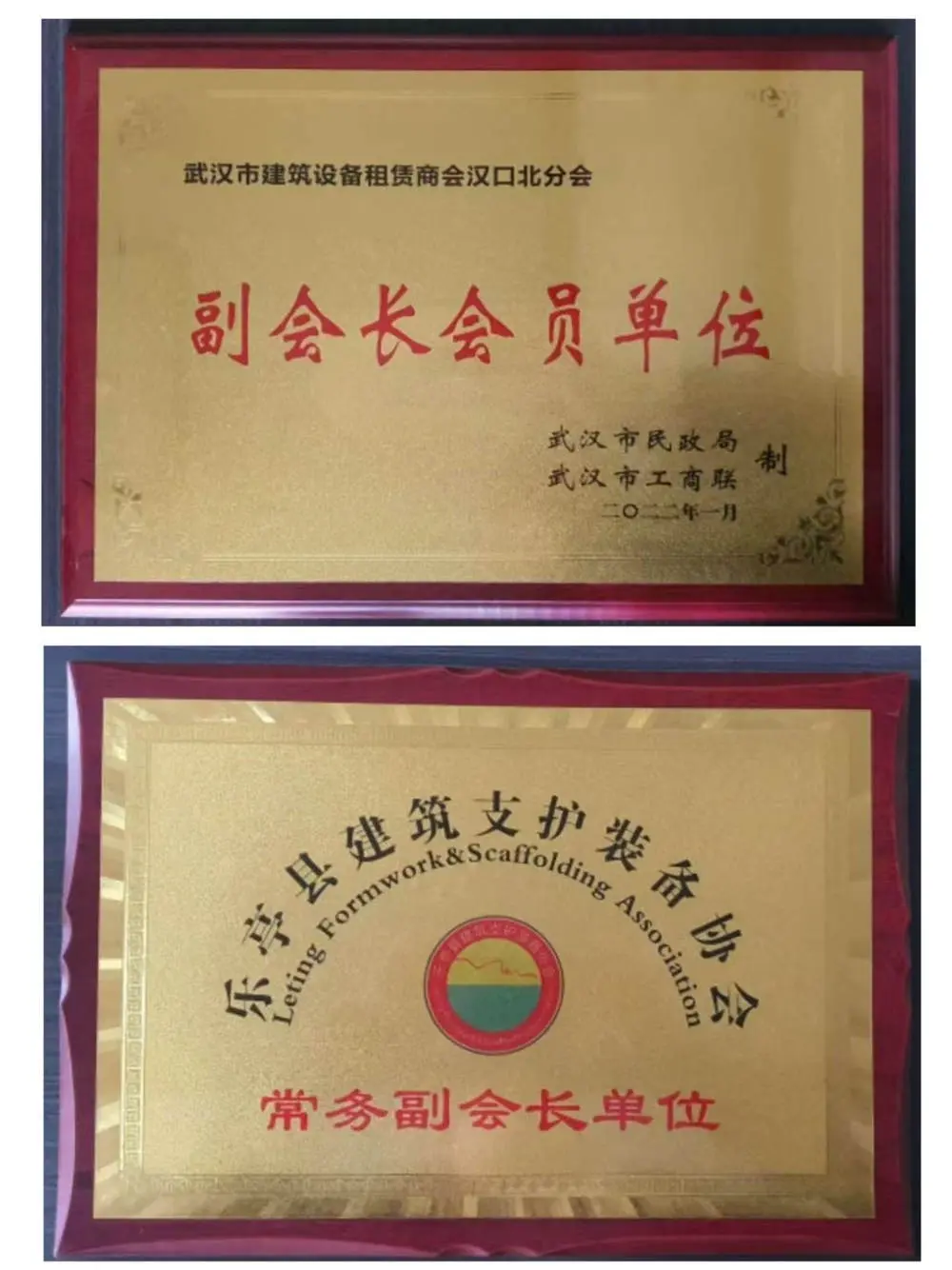
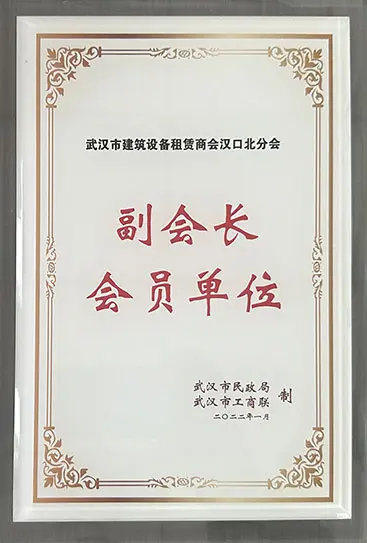
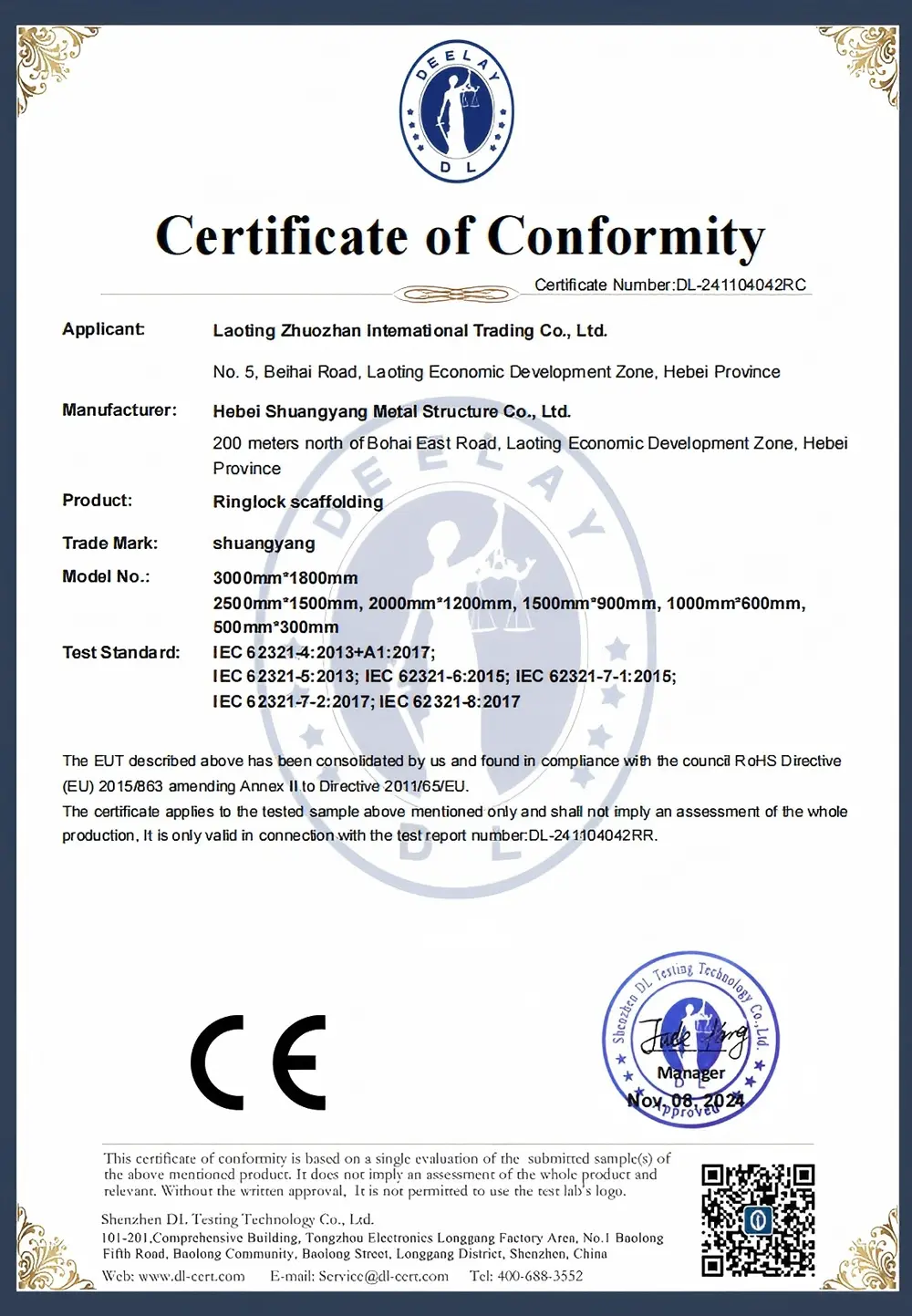
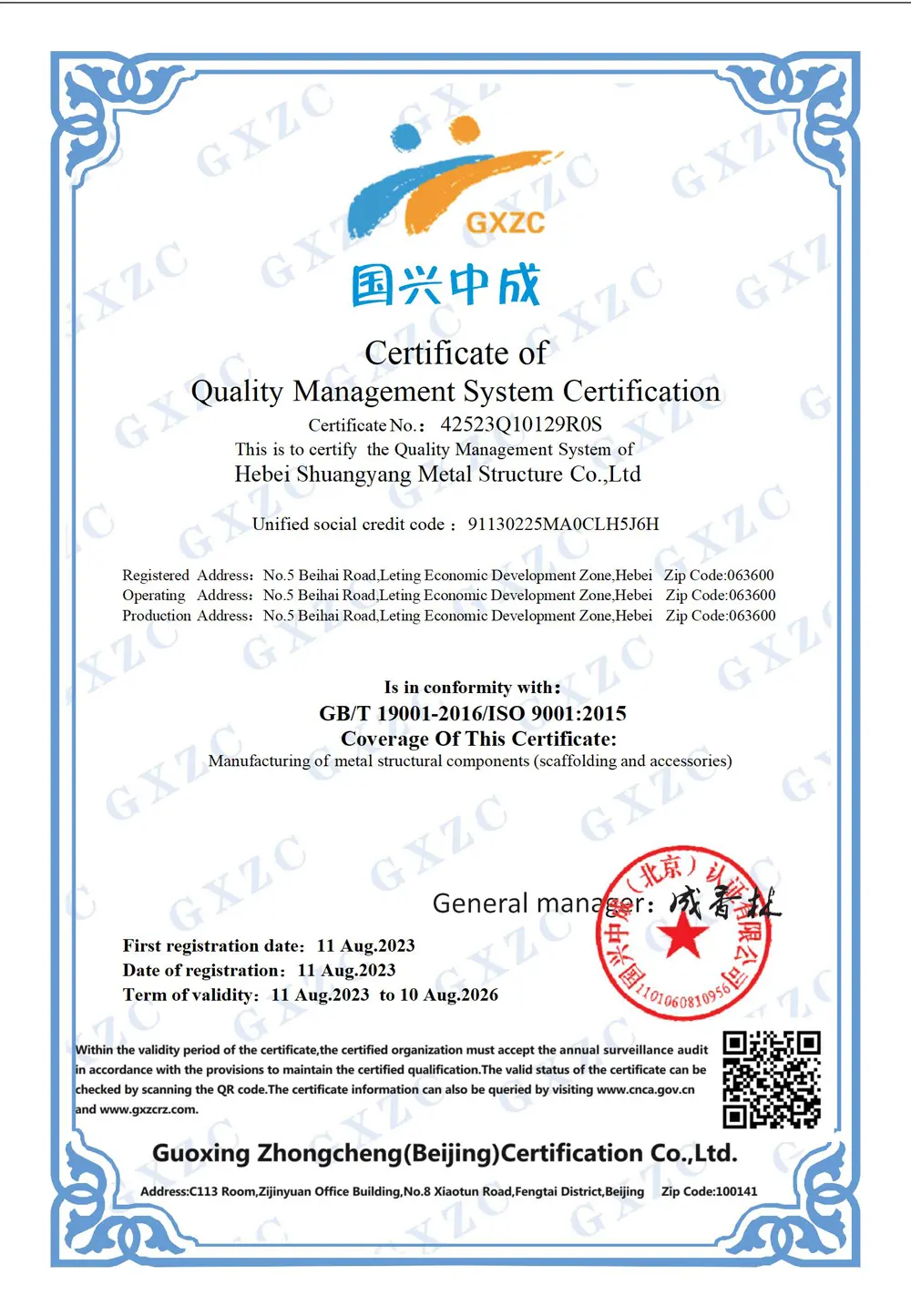
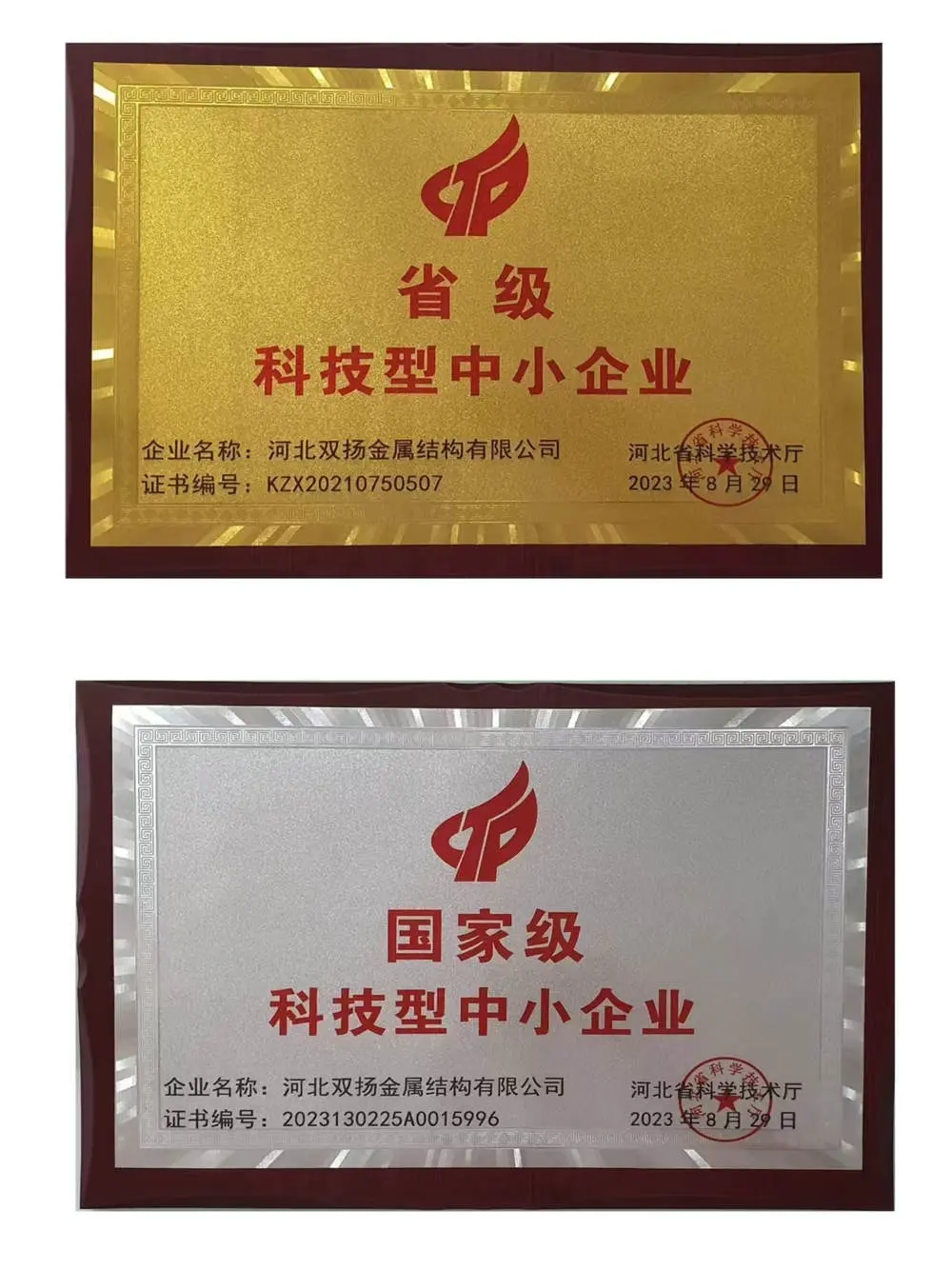
Our structural components are certified to international standards. The Ring-Lock scaffolding and slab shoring components manufactured by Zhuozhan Industry comply with EN 12810/12811 and ISO 9001 quality management standards.
By using Q355B low-carbon alloy structural steel instead of traditional steel, we achieve a yield strength of 355 MPa. This structural advantage allows for high load performance, reduces overall material requirements, and saves on shipping and assembly costs.
We work closely with South Korean testing agencies to align material certificates with Korean Industrial Standards (KS), ensuring smooth project approvals for engineering and procurement managers.
Strategically situated near primary northern China shipping ports to secure reliable transport routes to South Korea and global destinations.
Our production facilities are situated near three main shipping ports: Jingtang Port, Tianjin Port, and Caofeidian Port. This logistical location enables shipping within 48 hours of packaging. Transit times to South Korea's main ports (Busan, Incheon, Gwangyang) are typically 2 to 4 days, ensuring predictable supply chains.
Additionally, we coordinate logistics with offices and distribution hubs across the United States, Canada, China, Hong Kong, Malaysia, Thailand, and Indonesia to support global contractors with complex, multi-site project deliveries.
Demonstrated performance in heavy infrastructure projects, transit upgrades, and high-rise developments globally.
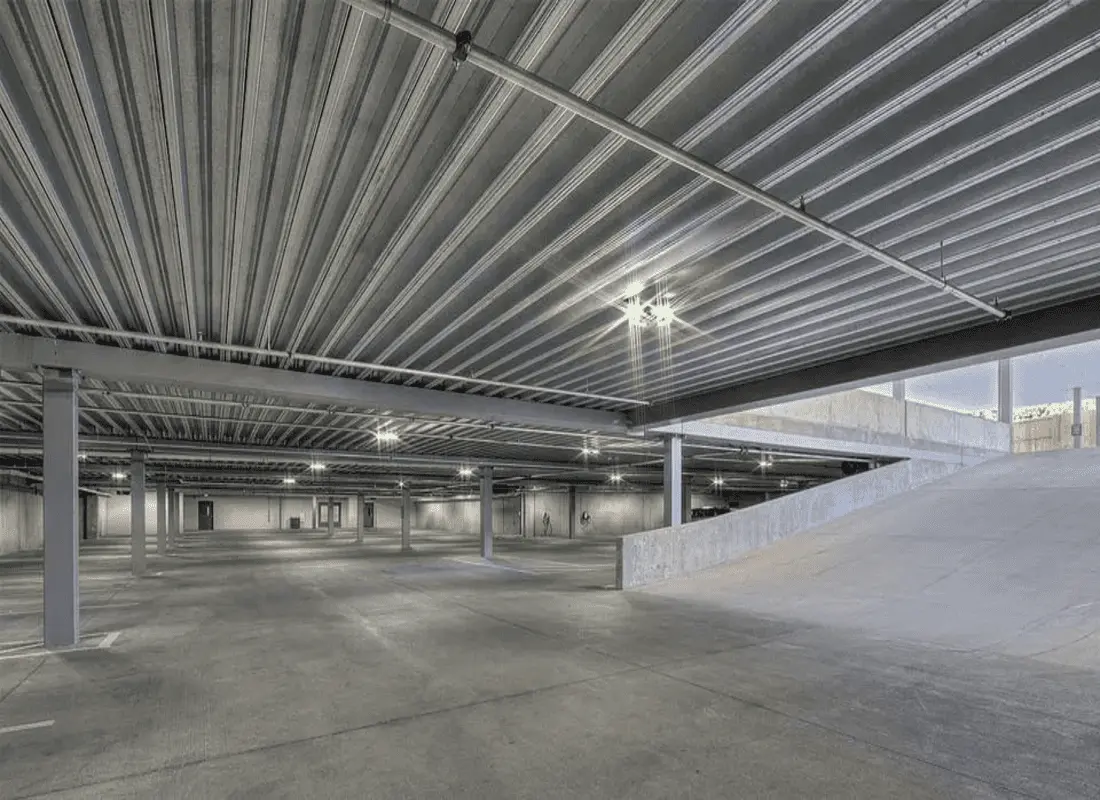
Our heavy-duty steel props and shoring systems provided structural support for the station's reinforced concrete slab extensions, carrying high load limits under active rail traffic conditions.
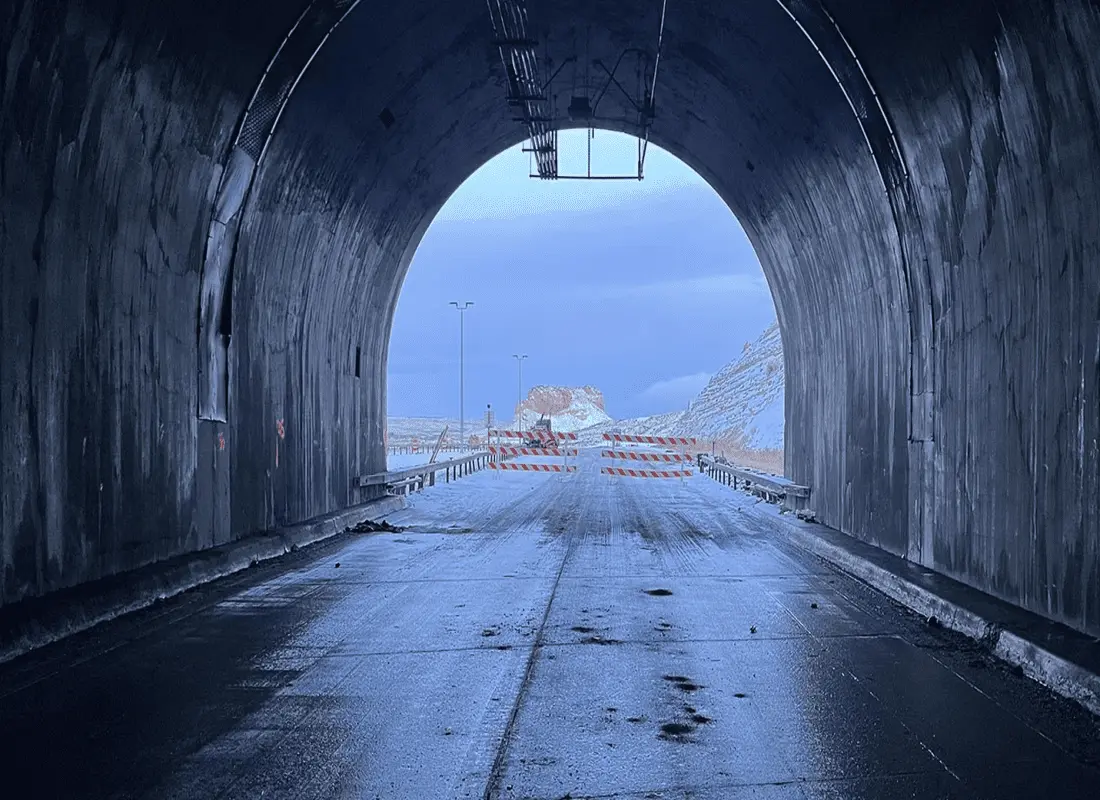
Our adjustable ring-lock scaffolding systems provided structural shoring during overhead concrete pouring for major highway tunnels, maintaining high structural stability.
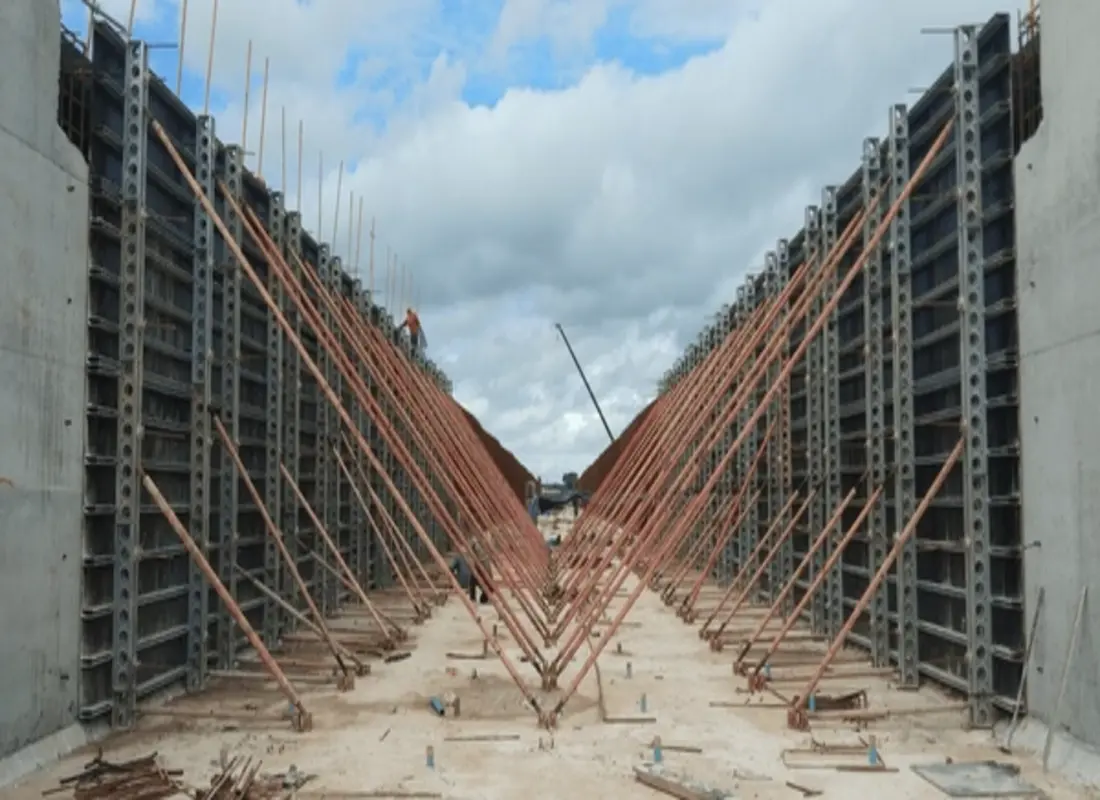
Custom steel pier formwork and heavy support structures were deployed to ensure precise geometric alignment for deep bridge pier concrete pours, meeting tight tolerance specifications.
Detailed technical information covering regulatory compliance, load specifications, and logistical capabilities for our operations in South Korea.
Yes. Our structural components are manufactured using high-strength Q355B steel, offering safety capacities that align with South Korea's Severe Accident Punishment Act (SAPA) safety expectations. Material test reports, including EN 12810/12811 and mill certificates, are provided with shipments to verify structural load ratings.
Our close proximity to Jingtang, Tianjin, and Caofeidian ports allows us to dispatch container shipments quickly. Maritime transit from these ports to Incheon or Busan typically ranges from 2 to 4 days, helping minimize project delays.
Yes, our in-house engineering team uses 15 national patents to design and manufacture formwork panels and shoring systems to your exact project dimensions, ensuring compatibility with your existing systems.
We provide hot-dip galvanization (HDG) with a minimum coating thickness of 80 microns. This treatment creates a strong physical barrier against moisture and alkaline concrete mixes, extending the service life of components to 15-20 years.
Every batch of incoming structural steel undergoes mechanical testing and chemical analysis in our QA lab. We issue mill test certificates verifying the carbon content, yield strength, and elongation qualities before raw materials are released to the production line.
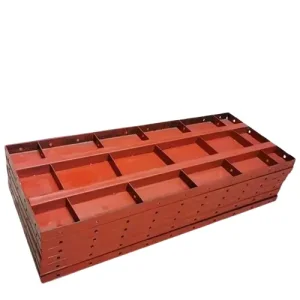
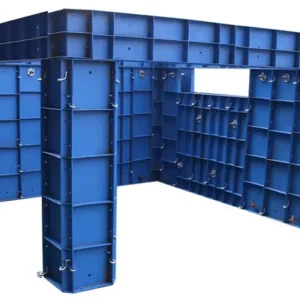
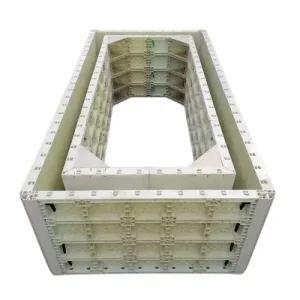
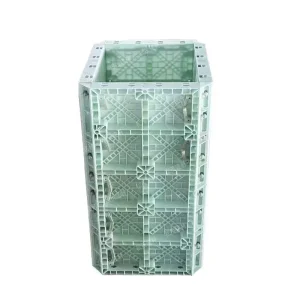
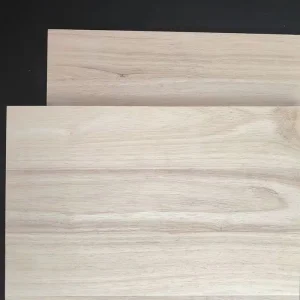
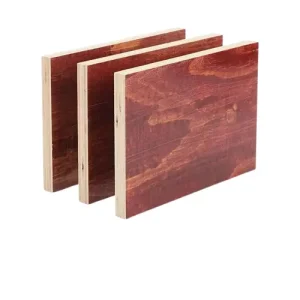
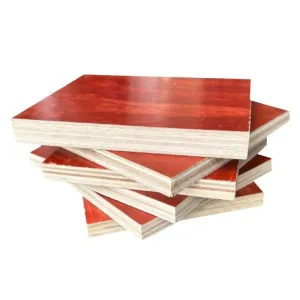
Explore our full range of formwork systems, supporting columns, and connection accessories designed for demanding construction projects.
 Zhuozhan