Discover our primary heavy-duty construction elements optimized for concrete shuttering operations.
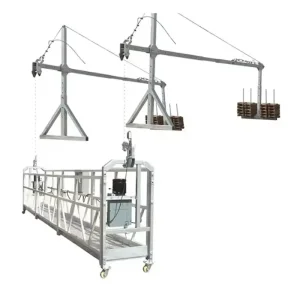
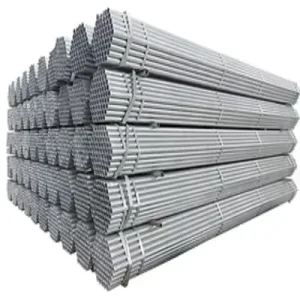
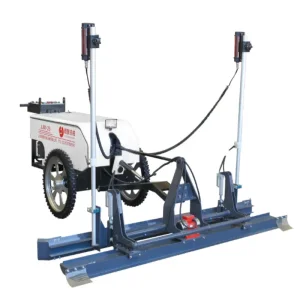
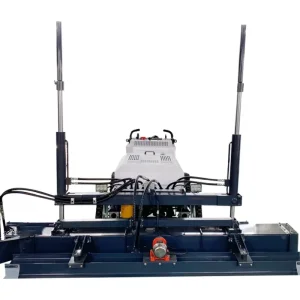
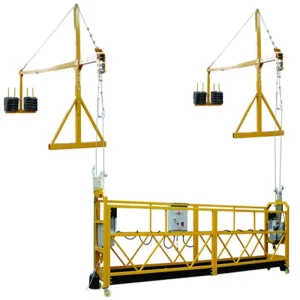
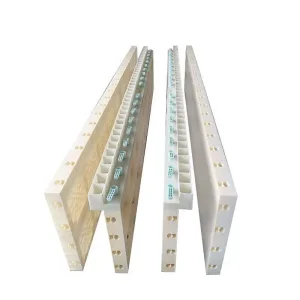
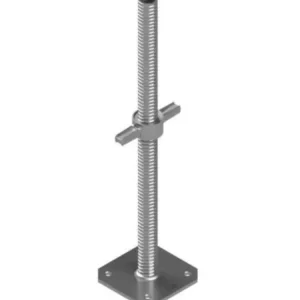
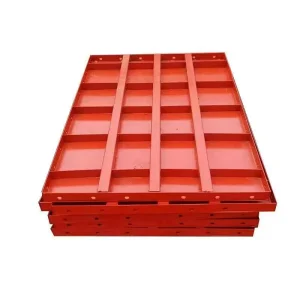
As high-rise developments, heavy industrial installations, and infrastructure projects demand tighter schedules and higher security standards, selecting structural formwork components becomes a critical business lever.
Zhuozhan Industry integrates structural engineering design and manufacturing parameters that exceed international standards (EN 13377). Each H20 beam undergoes structural stress analysis to handle shear forces ($Q = 11.0 \text{ kN}$) and bending moments ($M = 5.0 \text{ kNm}$) safely.
This report bypasses generic marketing copy. We detail wood moisture content guidelines, raw material selection (Northern Spruce), and resin adhesive compliance standards (EN 301) required for global tenders.
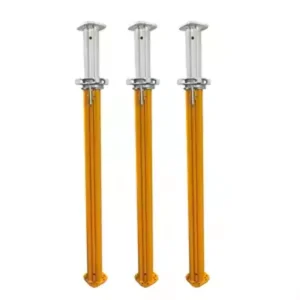
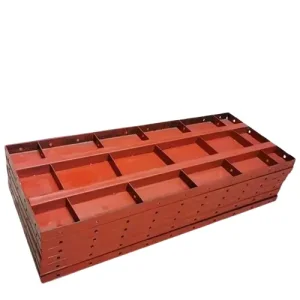
H20 beams work in unison with support frames, modular plastic formwork, and heavy-duty steel props, reducing installation labor and enhancing load-carrying capacities across diverse engineering scenarios.
A deep dive into supply chain shifts, technical shifts, and commercial growth metrics driving the modern formwork landscape.
The concrete formwork sector is experiencing a technological evolution, shifting away from heavy metal framing to hybrid arrangements of steel support props, ringlock scaffolding, and H20 timber beams. This trend balances the strength of high-yield steel structures with the flexibility, lightweight properties, and ease of assembly offered by engineered wood elements.
As sustainability mandates expand globally, companies face regulatory pressures to source certified PEFC/FSC timber. At the same time, regional logistics and building costs are pushing shuttering providers to prioritize multi-use configurations. High-quality H20 beams coated with waterproof polyurethane resins are designed to survive 30 to 50 cycles of pouring and stripping under site conditions.
Strict safety and carbon footprint protocols favor high-grade timber beams made with structural adhesives. System integrators require detailed engineering certifications (such as EN 13377) to guarantee system behavior under heavy slab weights.
High-temperature and high-humidity environments require robust timber beam coating configurations to prevent delamination and warping. H20 beams are frequently paired with heavy scaffolding systems in commercial mega-projects like NEOM.
Economic growth and urbanization drive high-rise construction, highlighting the need for scaffolding systems and H20 beams that optimize safety, speed up assembly, and reduce structural failures.
Integrating production capability, research, and international trade to support complex construction projects globally.
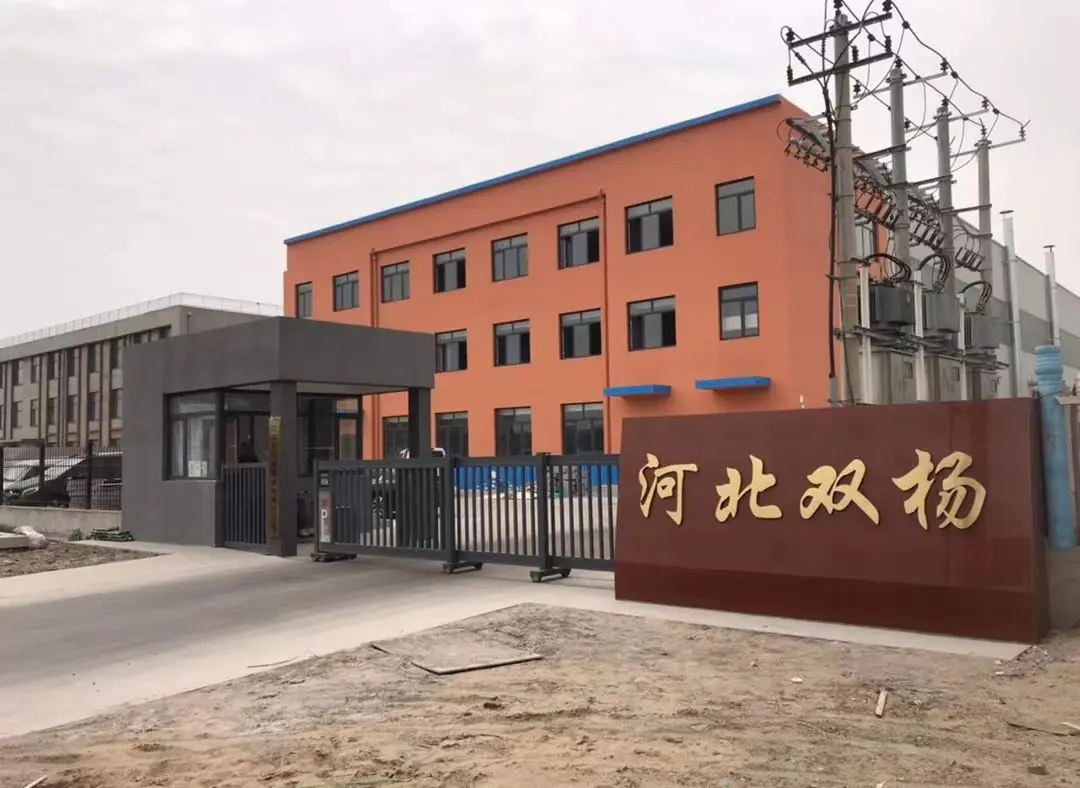
Zhuozhan Group operates as a diversified and innovative enterprise, combining scientific research, manufacturing, and international sales. With subsidiaries such as Laoting Zhuozhan International Trade Co., Ltd. and Hebei Shuangyang Metal Structure Co., Ltd., the group delivers end-to-end support for large-scale construction sites.
Founded in 2014, Hebei Shuangyang Metal Structure Co., Ltd. has expanded to the forefront of the industry. The company operates a 13,132.68 square meter facility (7,124.58 square meters constructed), employing over 500 skilled professionals. Equipped with more than 150 sets of advanced machinery and holding 15 patents, the company maintains the scale and capability to satisfy demanding delivery timelines.
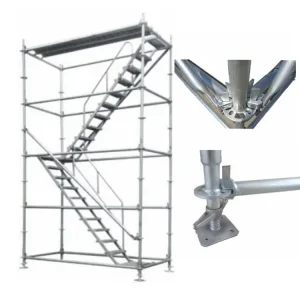
Zhuozhan Industry ringlock scaffolding is tested and certified to international standards (EN 12810/12811, ISO 9001). Utilizing high-strength hot-dip galvanized steel ensures reliable performance and resistance to environmental wear.
Laoting Zhuozhan International Trade connects engineering requirements with factory resources. By assessing project details, our technical team creates customized setups designed for long-term reliability and onsite safety.
Our manufacturing setup produces an annual capacity of 300,000 tons of steel pipes, 1 million tons of scaffolding components, and 400,000 tons of adjustable steel supports, helping secure a global market footprint.
Understanding structural dimensions and chemical components that influence safety and mechanical properties under load.
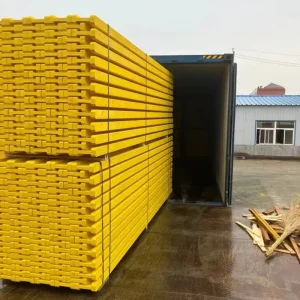
The upper and lower flanges are constructed from selected, kiln-dried Nordic Spruce or Pine (wood moisture content < 13%). The timber is finger-jointed to minimize natural defects, ensuring uniform structural performance.
The web uses structural multi-ply plywood or three-ply panels. This configuration distributes shear loads evenly across the beam profile, reducing swelling, warping, and bending when exposed to wet concrete mixtures.
We use weather-resistant and moisture-resistant adhesives compliant with EN 301. These chemicals prevent delamination at the joints during extreme temperature shifts on high-stress job sites.
H20 Timber Beams are engineered to conform to structural design standards. Key design values include:
How we manage manufacturing processes to deliver high-capacity steel scaffolding and formwork elements.
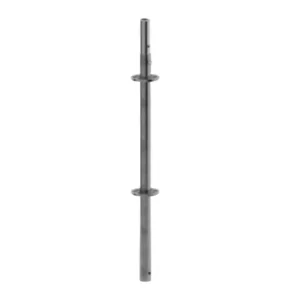
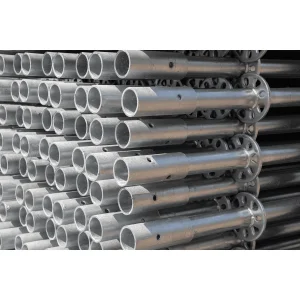
Manufacturing vertical structural components requires precise cutting and automated welding to maintain dimensional accuracy and structural capacity.
Horizontal members are fabricated to fit within modular configurations, ensuring consistent load distribution and ease of assembly.
Supporting projects with logistics, warehousing, and production tracking across our international sites.
Our logistical hubs are located to serve key construction regions: United States, Canada, China, Hong Kong-CN, Malaysia, Thailand, and Indonesia.
Our infrastructure includes a 50,000㎡ self-owned warehouse, enabling stable supply management and rapid dispatch for large-scale operations.
Showcasing inventory availability for standard and customized components.
An engineering walkthrough of ringlock safety mechanisms and speed of installation.
Inside our manufacturing facility: details on welding speed, dimensional quality checks, and output capacity.
How our products are deployed across structural projects, from industrial structures to high-rise developments.
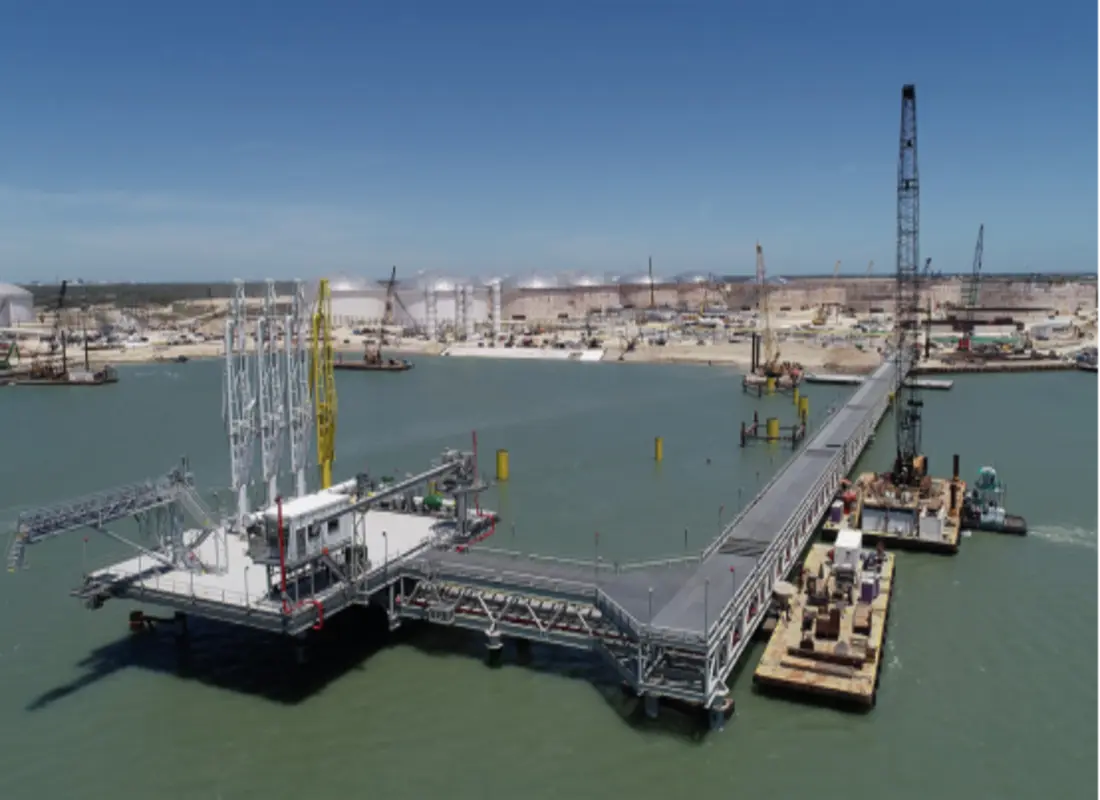
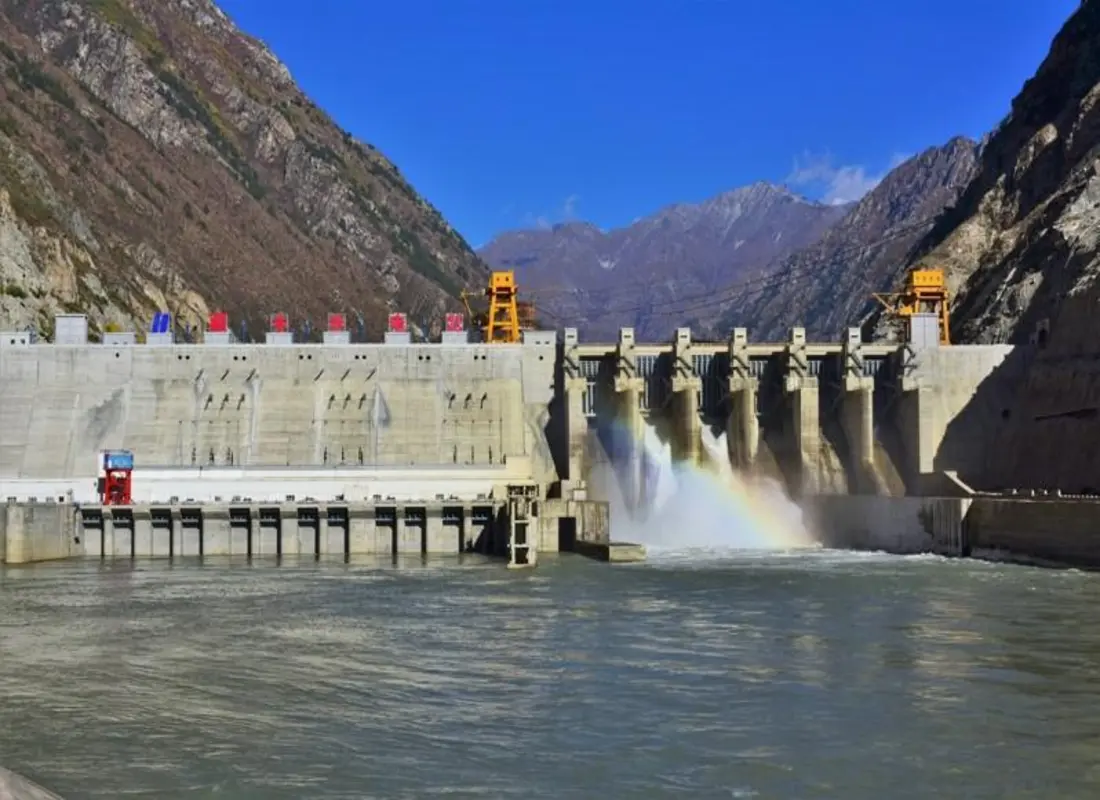
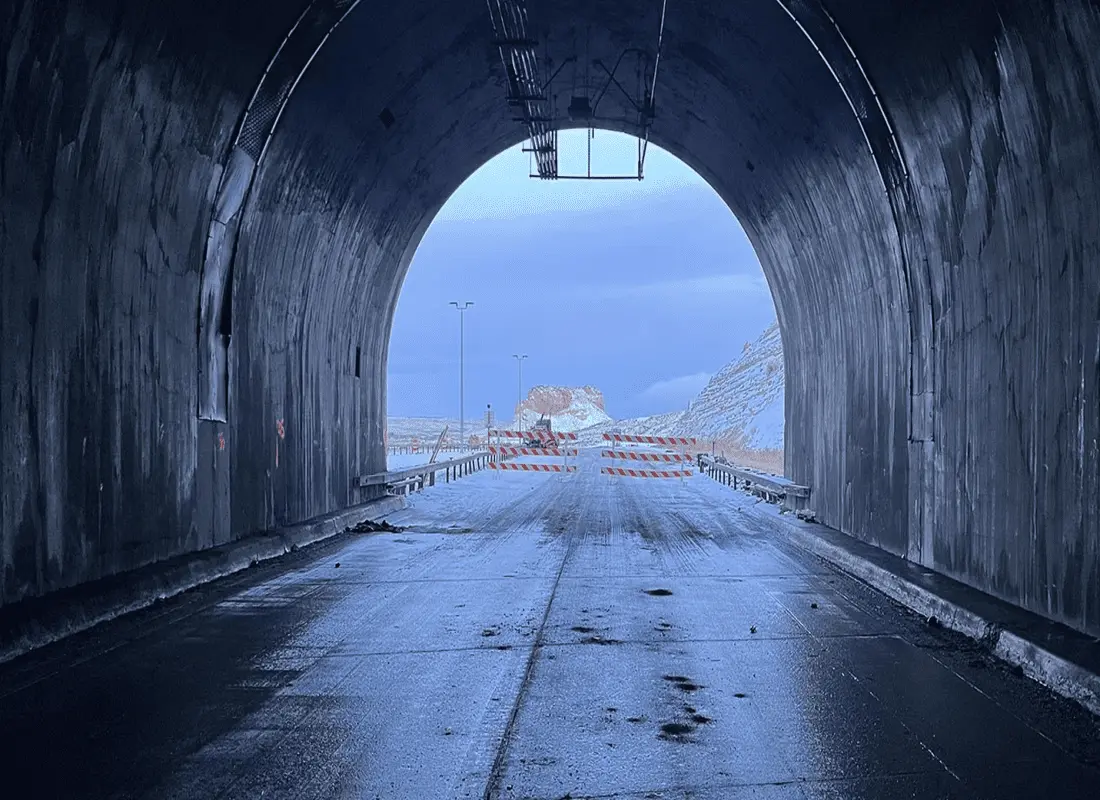
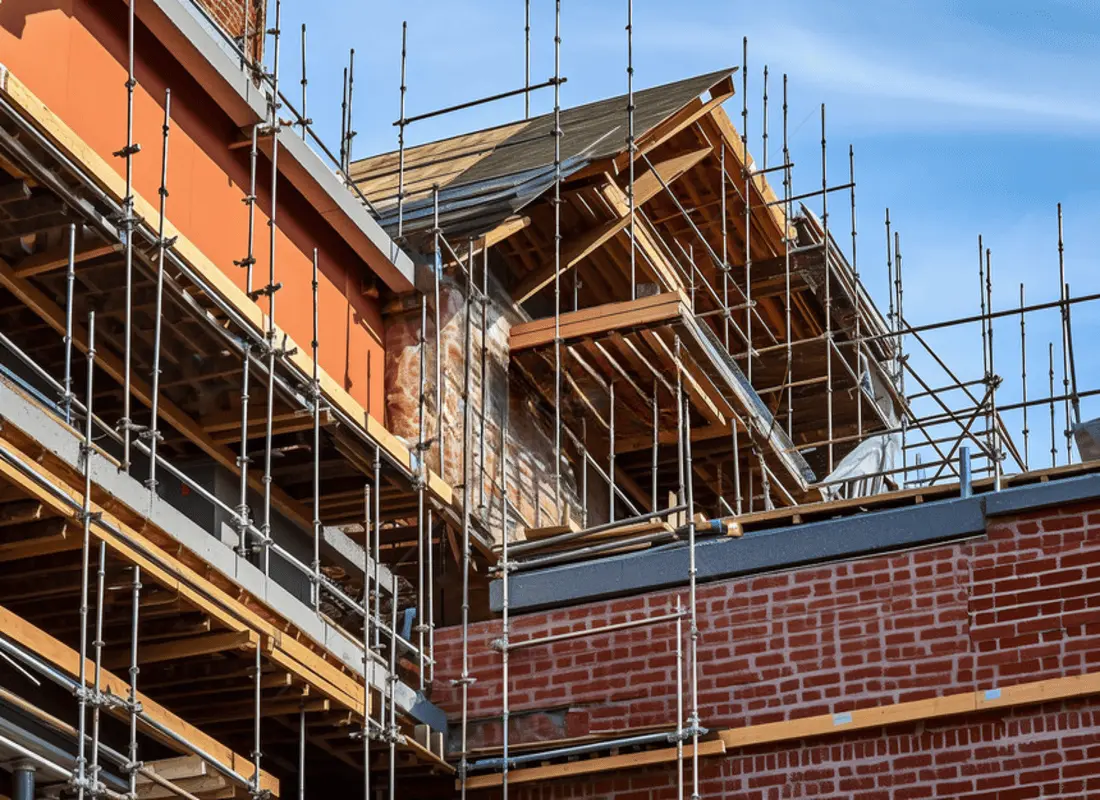

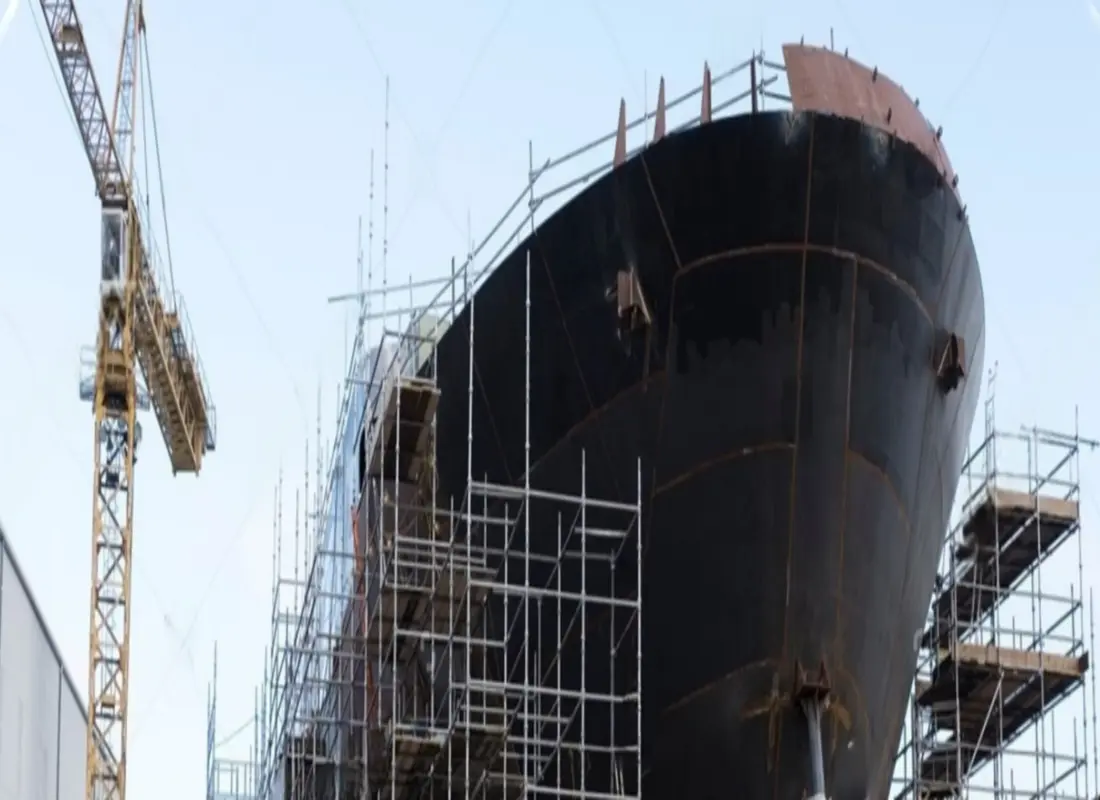
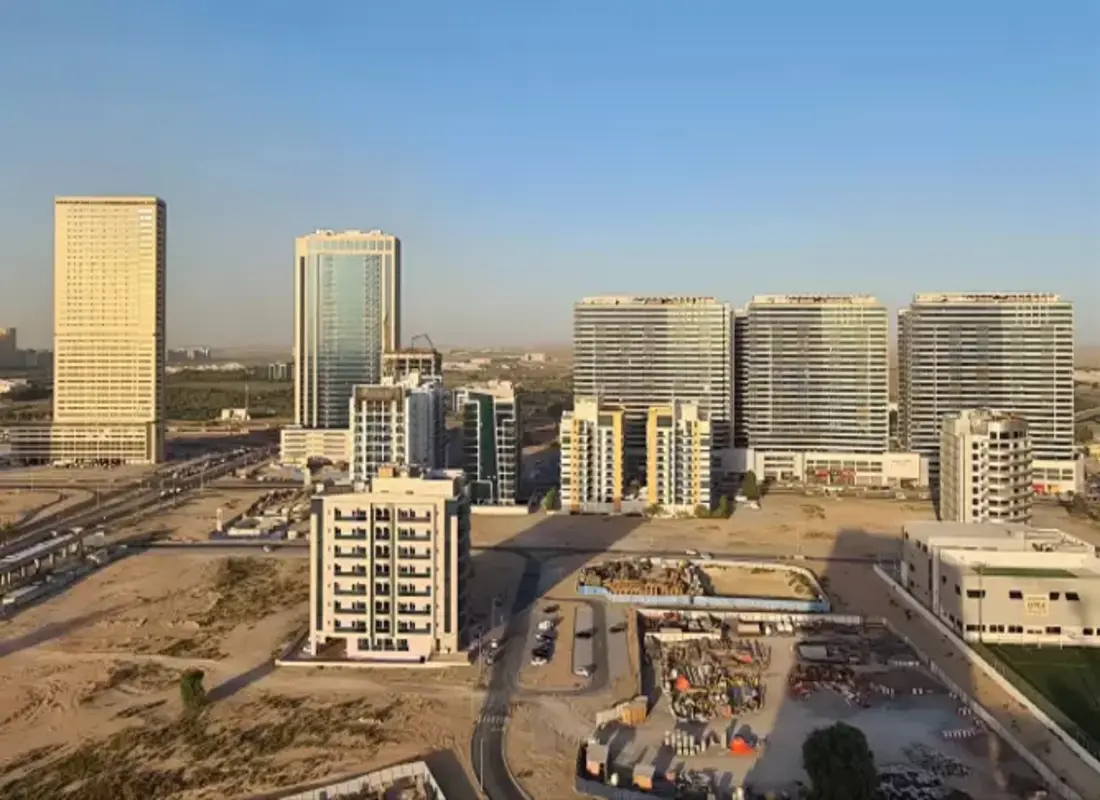
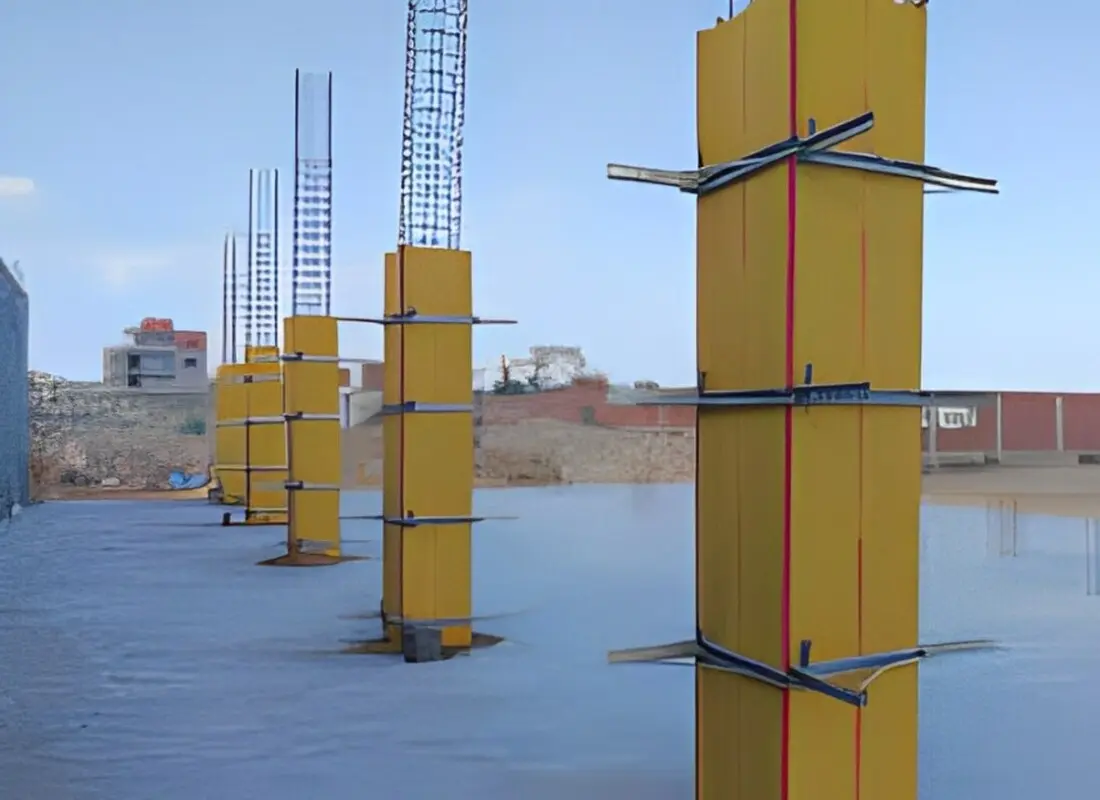
Addressing modern construction needs through engineered wood design, composite protection, and resource tracking.
By applying protective polyurethane sealants to the ends of H20 beams, we reduce moisture ingress. This coating keeps structural elements dimensionally stable under changing ambient weather conditions.
Integrating micro-laminated veneer lumber (LVL) into beam flanges provides uniform bending resistance and helps prevent natural knot defects from causing structural shear failure.
Installing RFID tags within the web structure allows contractors to track placement sequences, monitor product lifecycles, and coordinate maintenance checks across large project fleets.
Technical answers to help buyers evaluate structural timber shuttering systems and compliance standards.
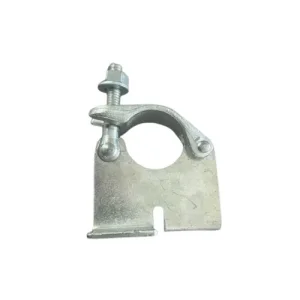
Explore additional precision-engineered steel props and scaffolding accessories for modular systems.
 Zhuozhan