Engineered structural systems for global industrial, marine, infrastructure, and commercial construction projects
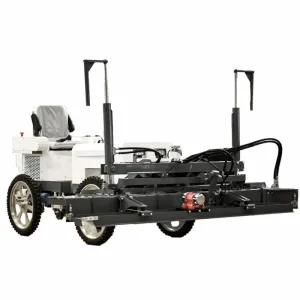
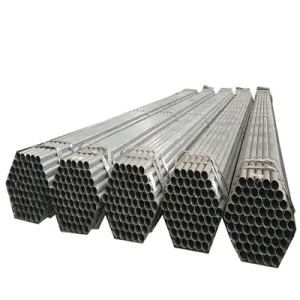
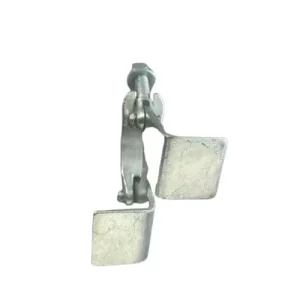
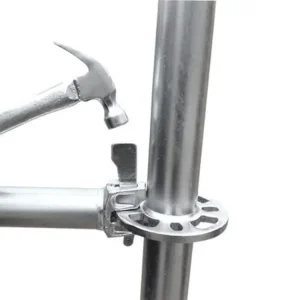
Analyzing the Paradigm Shift from Fixed Frameworks to Remote-Controlled Mobile Electrified Platforms
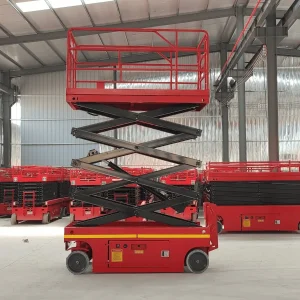
In modern industrial engineering, high-altitude operations demand absolute compromises between safety protocols, mechanical efficiency, and rapid structural mobility. The traditional approach to high-altitude access—primarily consisting of static tube-and-coupler or ringlock scaffolding—faces persistent pain points: long assembly times, heavy physical labor costs, high storage volumes, and increased vulnerability to human errors during field assembly. The introduction of the Electric Scaffold Elevator with Remote Control marks a historic technological shift in construction mechanization.
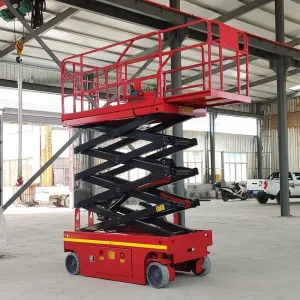
By blending structural metal design with advanced electro-hydraulic propulsion and secure wireless transceivers, manufacturers now supply customizable, modular systems that can travel laterally on pneumatic or solid rubber wheels and rise vertically via specialized motor drives. Crucially, these mobile elevators allow operators to adjust working heights dynamically to match precise installation levels, minimizing ergonomic strain while maximizing project velocity. Utilizing high-grade Q355B and structural aluminum alloys ensures a high yield strength-to-weight ratio, ensuring overall system integrity under dynamic wind and load actions.
Equipped with encrypted RF (Radio Frequency) or industrial Bluetooth control systems, operators can manage structural height adjustments and positioning movements safely from the ground or the platform floor, minimizing personnel hazards.
Integrated mechanical safety locks and electro-hydraulic overflow valves guarantee that if power is lost, the platform stays locked in place, stopping any sudden drops and aligning with OSHA and EN 12810 standards.
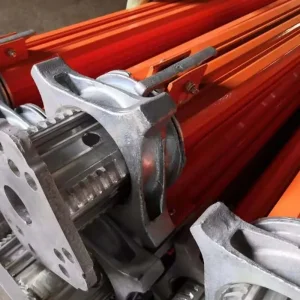
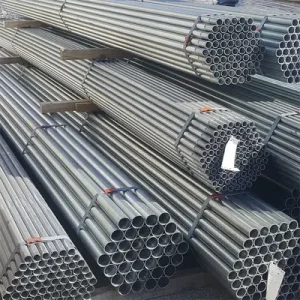
By using Q355B structural steel pipes treated with advanced hot-dip galvanization, the structure achieves a load capacity of up to 10 tons (1.5 times that of standard steel), protecting against wear in harsh marine and industrial settings.
Zhuozhan Group & Hebei Shuangyang Metal Structure Co., Ltd.
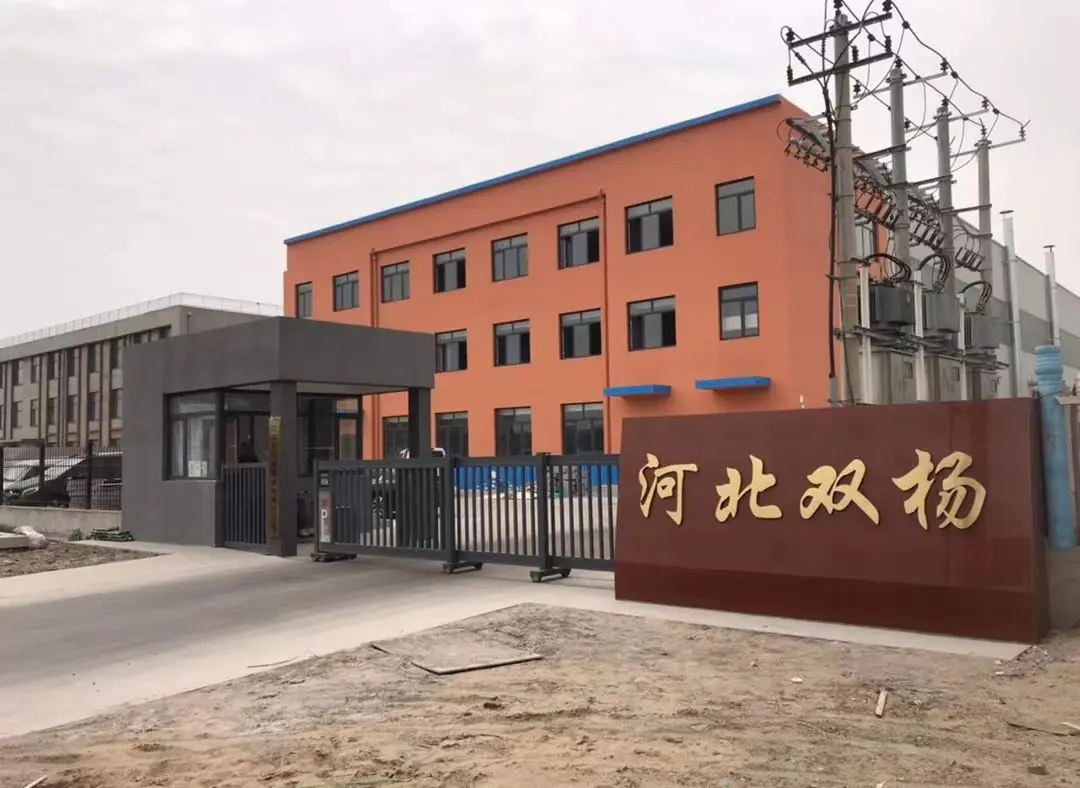
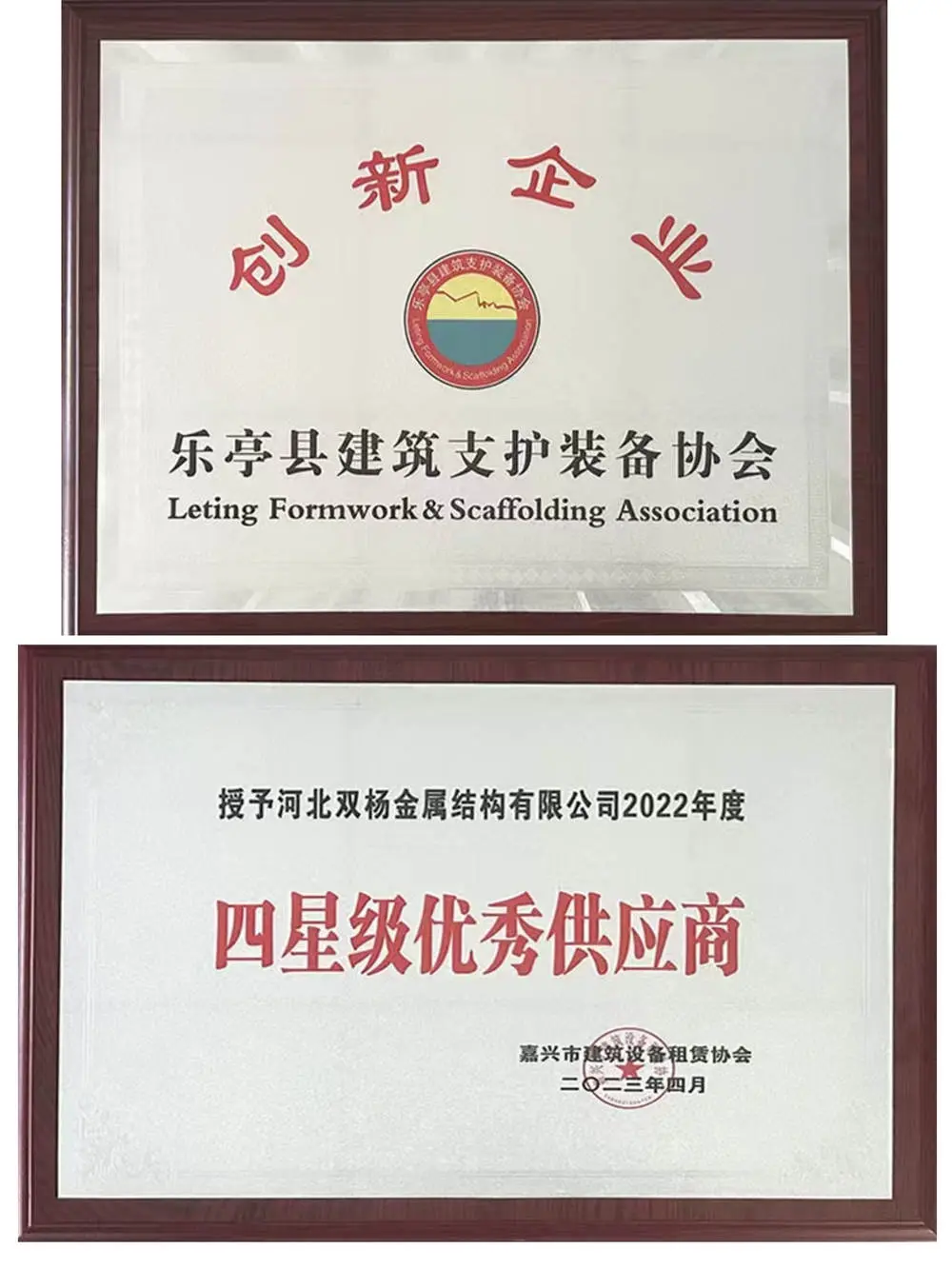
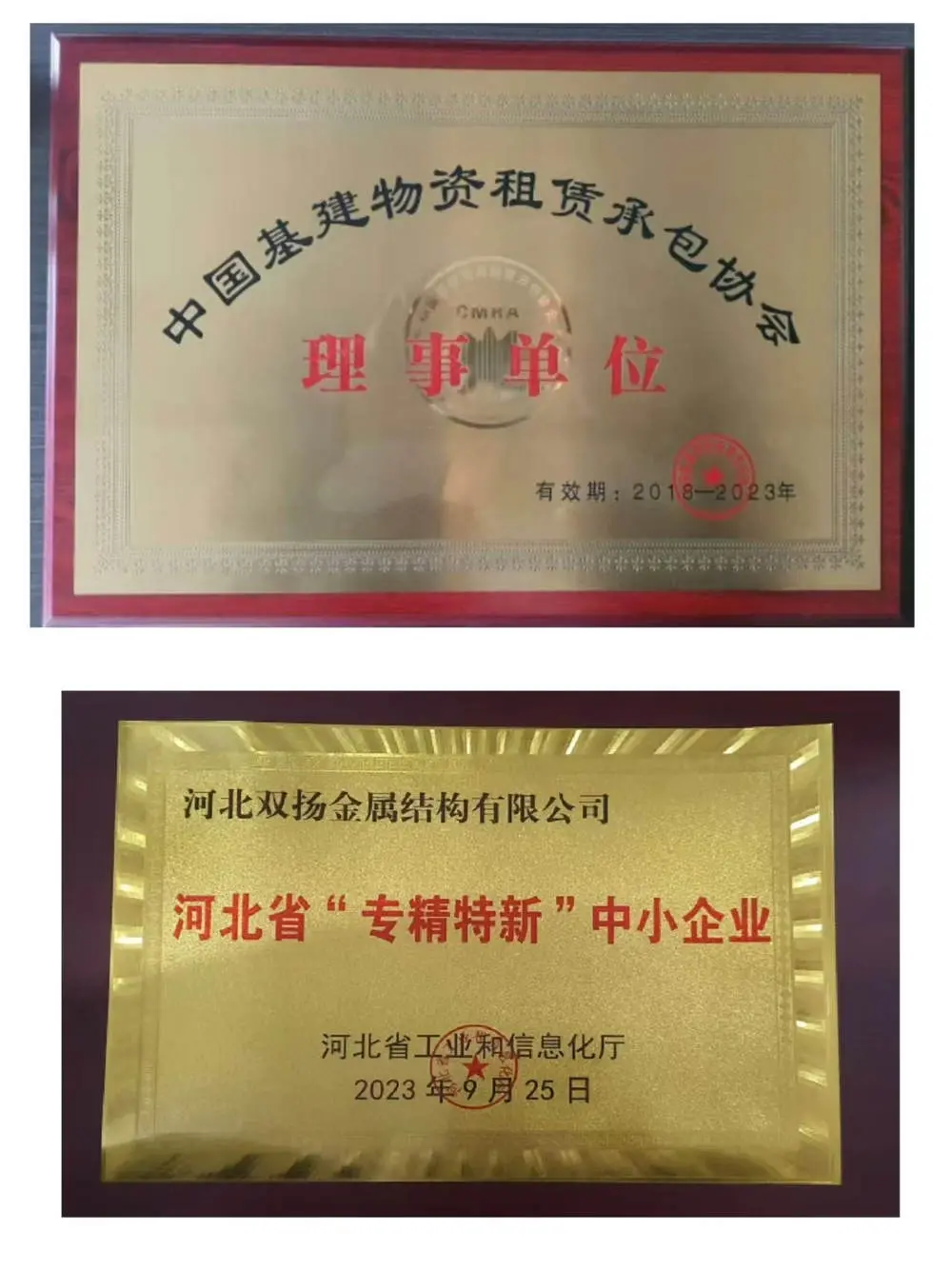
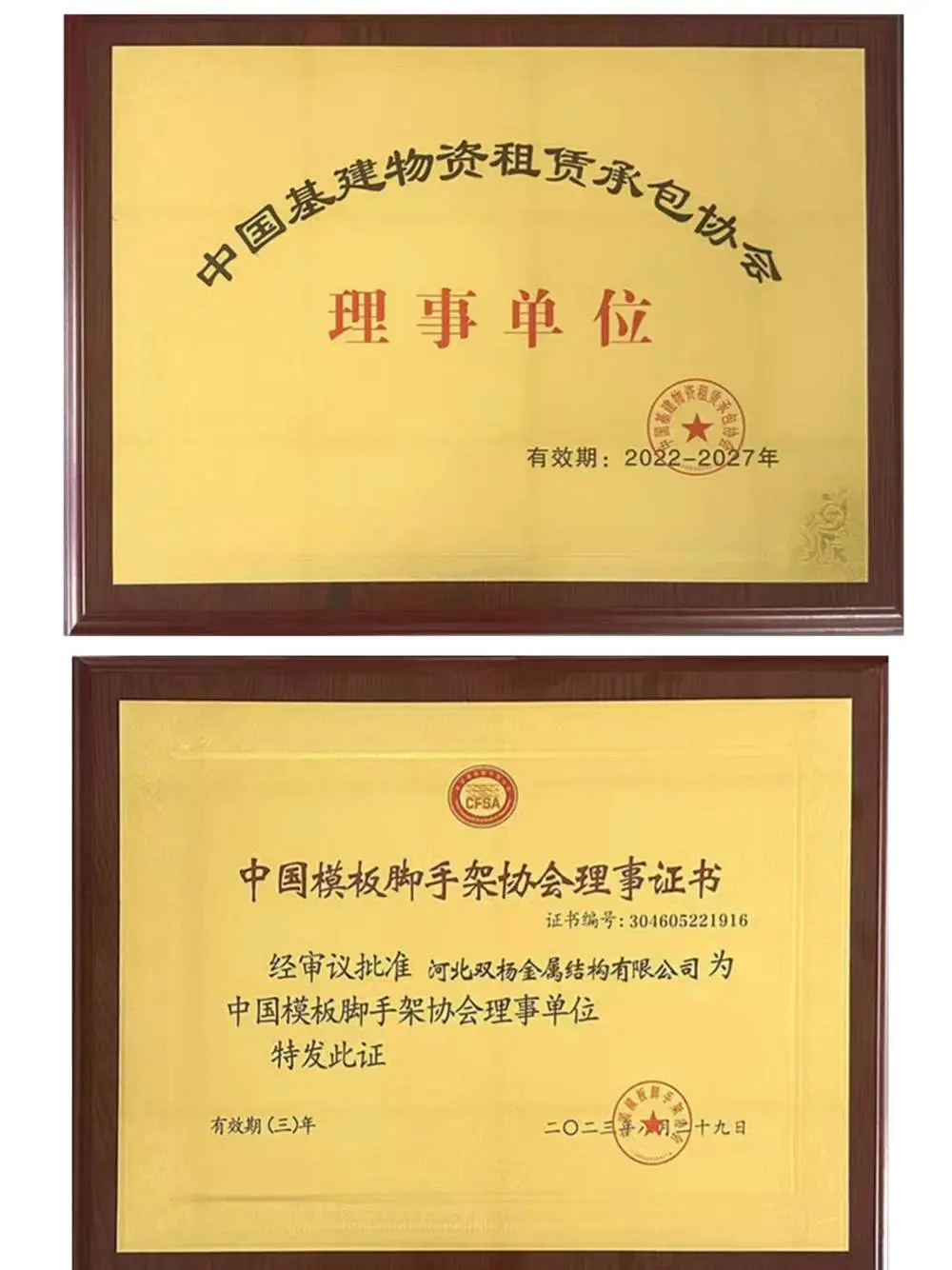
Zhuozhan Group is a diversified and innovative enterprise that seamlessly integrates scientific research, manufacturing, and sales. With a robust portfolio of subsidiaries, including Laoting Zhuozhan International Trade Co., Ltd. and Hebei Shuangyang Metal Structure Co., Ltd., Zhuozhan Group has firmly established itself as a key player in the construction and manufacturing industries. The division focuses on supplying custom technical layouts and reliable shipping management, building a reliable reputation as a supply partner for large industrial operations in more than 30 provinces in China and expanding to overseas regions across Asia, Europe, North America, and Africa.
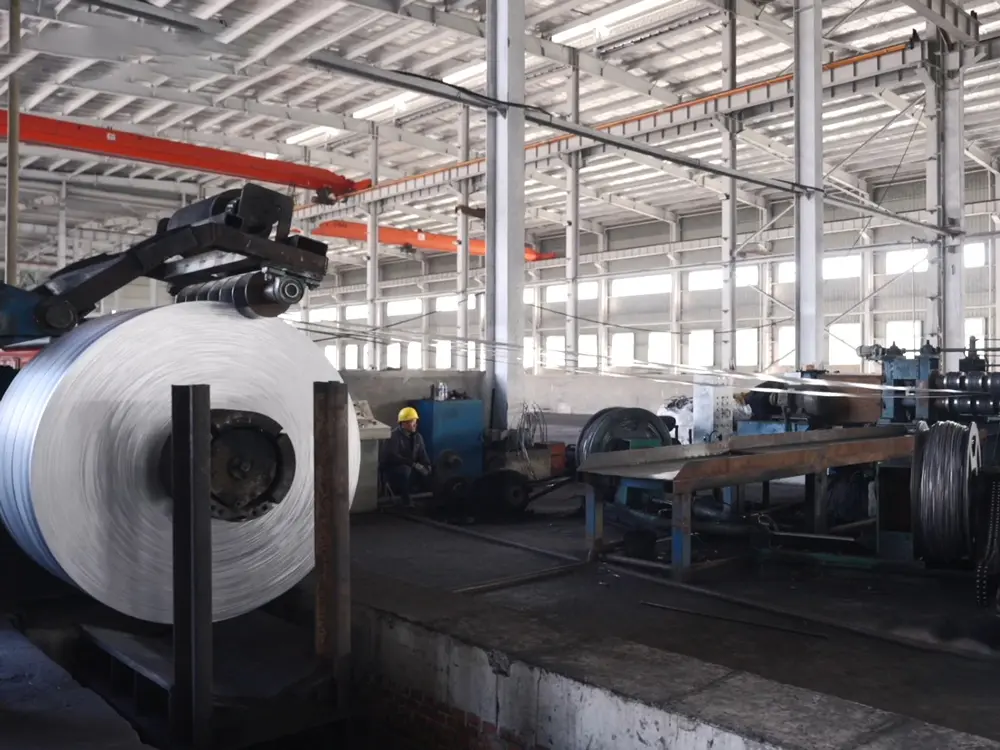
Founded in 2014, Hebei Shuangyang Metal Structure is a pivotal subsidiary that has rapidly advanced to the forefront of the industry, occupying a total area of 13,132.68 square meters, with a construction area of 7,124.58 square meters. The company operates with more than 500 skilled employees and is equipped with over 150 sets of advanced machinery and equipment. Over the years, Shuangyang has successfully secured 15 patents, demonstrating its strong commitment to innovation. The company’s impressive production capabilities include an annual output of 300,000 tons of steel pipes, 1 million tons of scaffolding, and 400,000 tons of adjustable steel supports, making it a critical supplier to both domestic and international markets.
Navigating Compliance, Quality Certifications, and Future Access Technologies
Global procurement teams demand products that conform to regional safety directives. In Europe, scaffolds must comply with EN 12810/12811 structural parameters. In North America, OSHA regulations require rigorous stress analysis and double fail-safe platforms. Our production lines strictly match these safety standards to ensure smooth project approval processes.
Infrastructure projects in marine zones, chemical factories, or offshore rigs require robust structural protection. Utilizing structural grade steels like Q345 and Q355B with high-density hot-dip galvanizing protects structures from corrosion for over 15 years, reducing maintenance replacement cycles.
Industry trends are leaning towards smarter control integration. Future high-altitude machinery will feature real-time weight sensor alerts, tilt-angle warning systems, and auto-leveling algorithms. These digital steps help prevent tipping hazards during movement on uneven terrains.
Why Tier-1 Construction Corporations Partner with Us
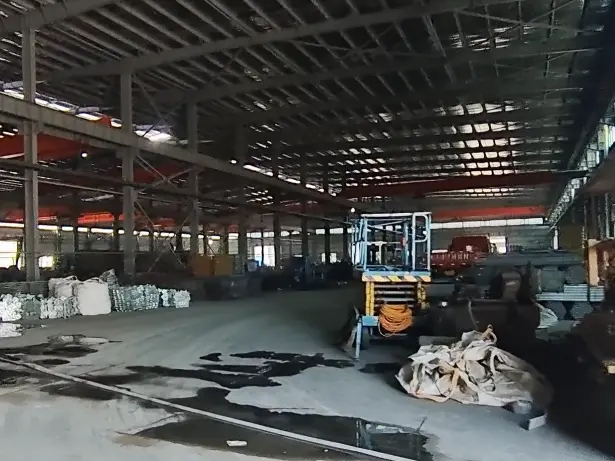
As a source factory, with an area of 40,000 square meters and an annual production capacity of more than 200,000 tons.
Our engineered solutions are backed by 15 national patents, with in-house design capabilities delivering optimized structural wind-load designs.
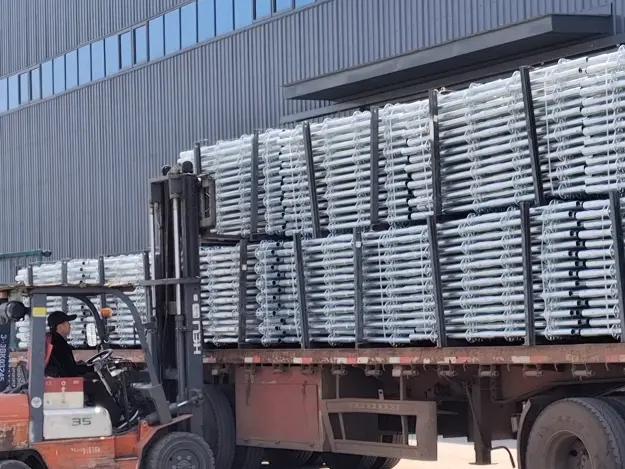
Close to three major ports (Jingtang Port, Tianjin Port, Caofeidian Port), enabling rapid loading, lower logistics costs, and prompt international deliveries.
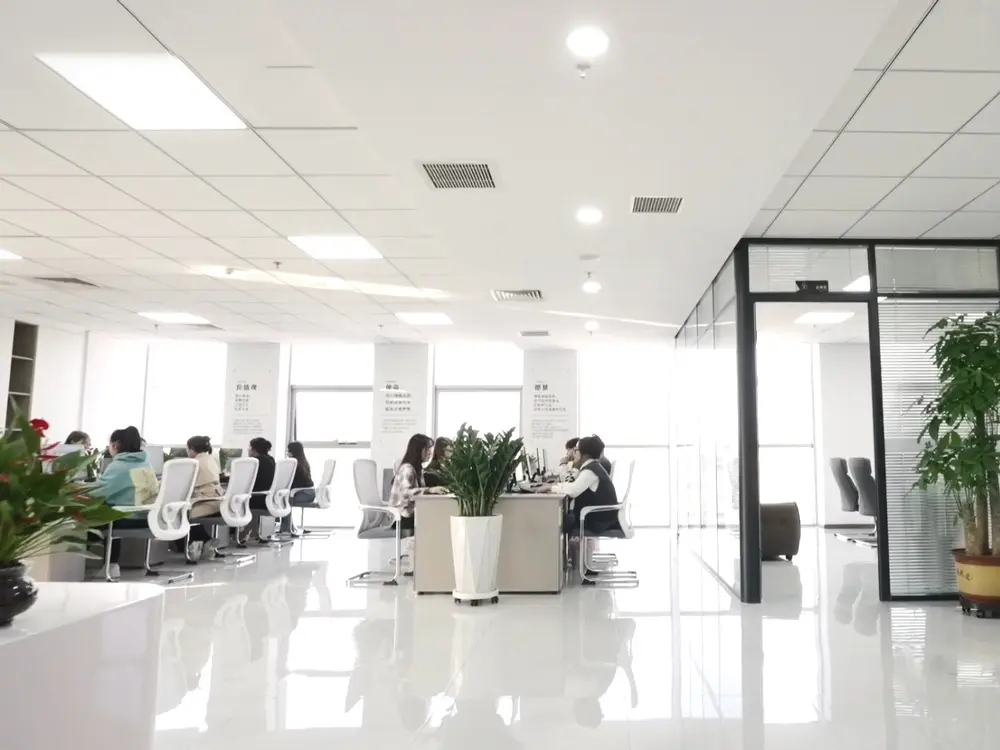
Factory scale: more than 200 employees, and a design team of more than 20 people to design professional engineering schemes.
With 12 years of experience in structural metal manufacturing, we translate engineering blueprints into stable, site-ready solutions.
Market coverage: more than 30 provinces across the country, nearly 200 partners.
Collaborative partnerships with major state-owned and central enterprises, including China Construction Eighth Engineering Division and China Construction Fourth Engineering Division.
Dedicated personnel for each post, and reply at any time within 24 hours.
Made of Q355B material, the single bearing capacity is up to 10 tons, which is 1.5 times that of the ordinary one.
Each person can install 150 - 300 square meters per day, which is 3 - 5 times that of the traditional one.
Nearly 100 application scenarios, such as buildings, ships, aerospace, etc.
Under the same load-bearing capacity, the consumption is reduced to 1/2 of the traditional one, and the weight is reduced to 1/2 - 1/3.
The hot-dip galvanizing process has a long service life, with an average of more than 10 years and a normal service life of 15 - 20 years.
The error of product size data is ±1mm.
Quality Controls & Waste Management of Scaffold Components
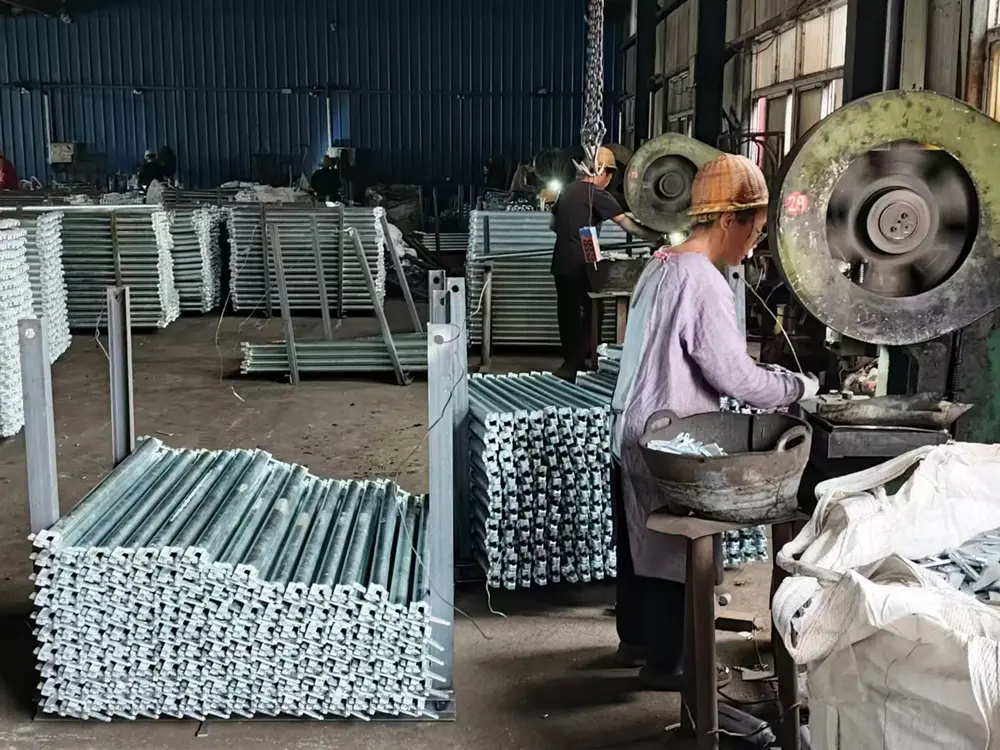
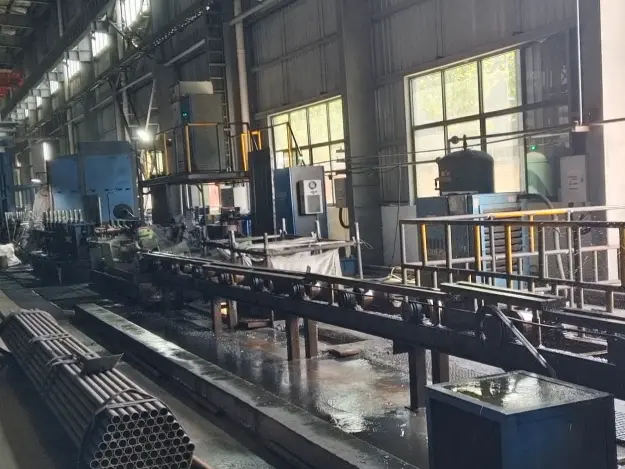
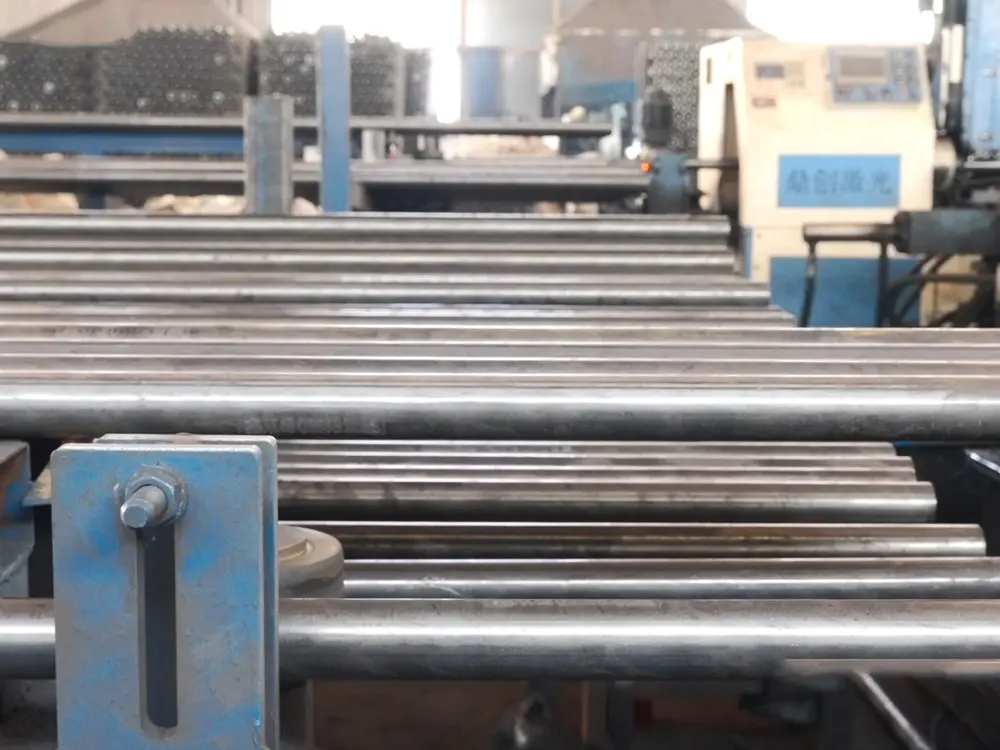
First, perform blanking and cutting, which will generate noise and solid waste; then punch holes, which will also generate noise and solid waste; subsequently, automatically weld the steel pipe and the disc black parts. In this process, in addition to noise, it will also generate waste gas and solid waste; then conduct outsourcing galvanizing; finally, the finished products are waiting for sale. Multiple links in the processing process will generate pollutants and need to be effectively managed and controlled.
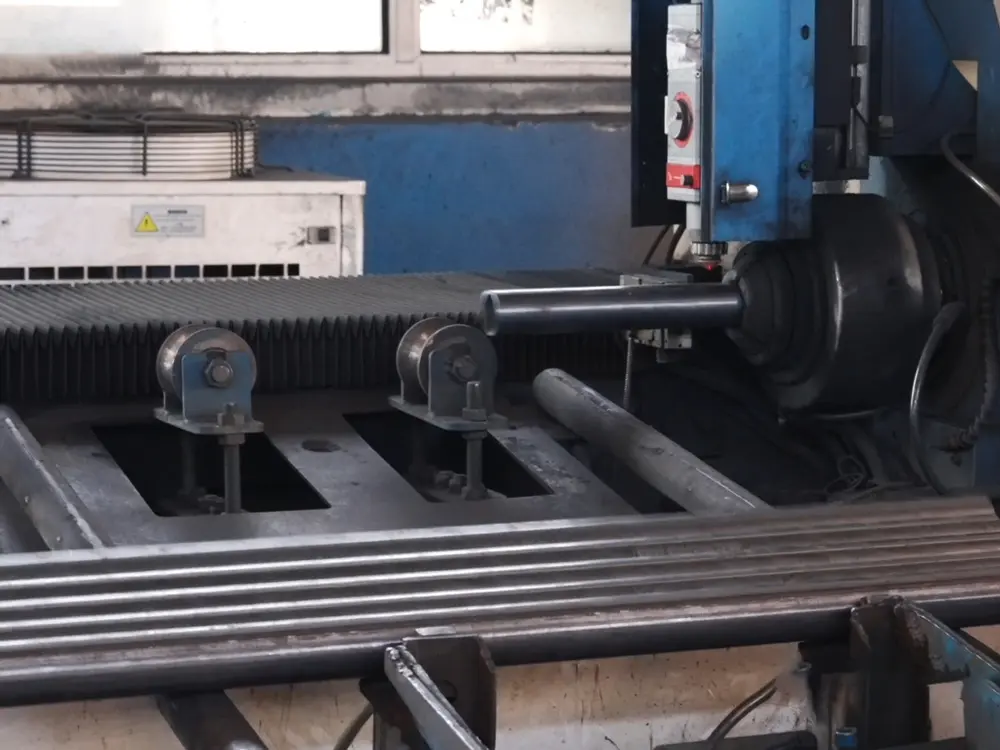
This is the first step in steel pipe processing. During this process, noise (N) and solid waste (S) will be generated.
After blanking and cutting, the steel pipe enters the punching process. This link will also generate noise (N) and solid waste (S).
The punched steel pipe is automatically welded with the disc black parts. This process will generate noise (N), waste gas (G) and solid waste (S).
After the automatic welding is completed, a white part is formed, and the white part needs to be outsourced for galvanizing treatment.
After the outsourcing galvanizing treatment, the steel pipe becomes a finished product and waits for sale.
First, perform blanking and cutting, which will generate noise and solid waste; then punch holes, which will also generate noise and solid waste; then automatically weld the punched steel pipe with the casting black parts, which will generate waste gas, noise and solid waste; then conduct outsourcing galvanizing; then rivet the insert with the galvanized white part, which will generate noise; finally, the finished products are waiting for sale. Multiple links in the processing process generate pollutants and need to be treated with environmental protection measures.
The raw material is a steel pipe. This process will generate noise (N) and solid waste (S).
Following the blanking and cutting process, it will generate noise (N) and solid waste (S).
This process welds the punched steel pipe with the casting black parts and will generate waste gas (G), noise (N) and solid waste (S).
The automatic welding is carried out for the white part after outsourcing galvanizing treatment.
The insert is riveted with the outsourced galvanized workpiece, which will generate noise (N).
After the above processes, the product becomes a finished product and waits for sale.
Meeting Global Compliance Benchmarks and Construction Regulations
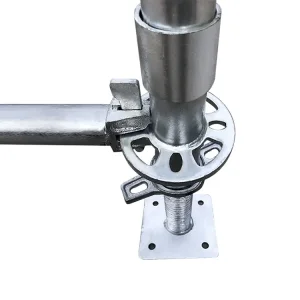
The ring lock scaffolding of Zhuozhan Industry has passed multiple international quality certifications (such as EN 12810/12811, ISO 9001). High-strength hot-dip galvanized steel, with strong corrosion resistance and a long service life. The nodes have strong rigidity and the overall structure is stable. Modular design, quick installation and convenient disassembly.
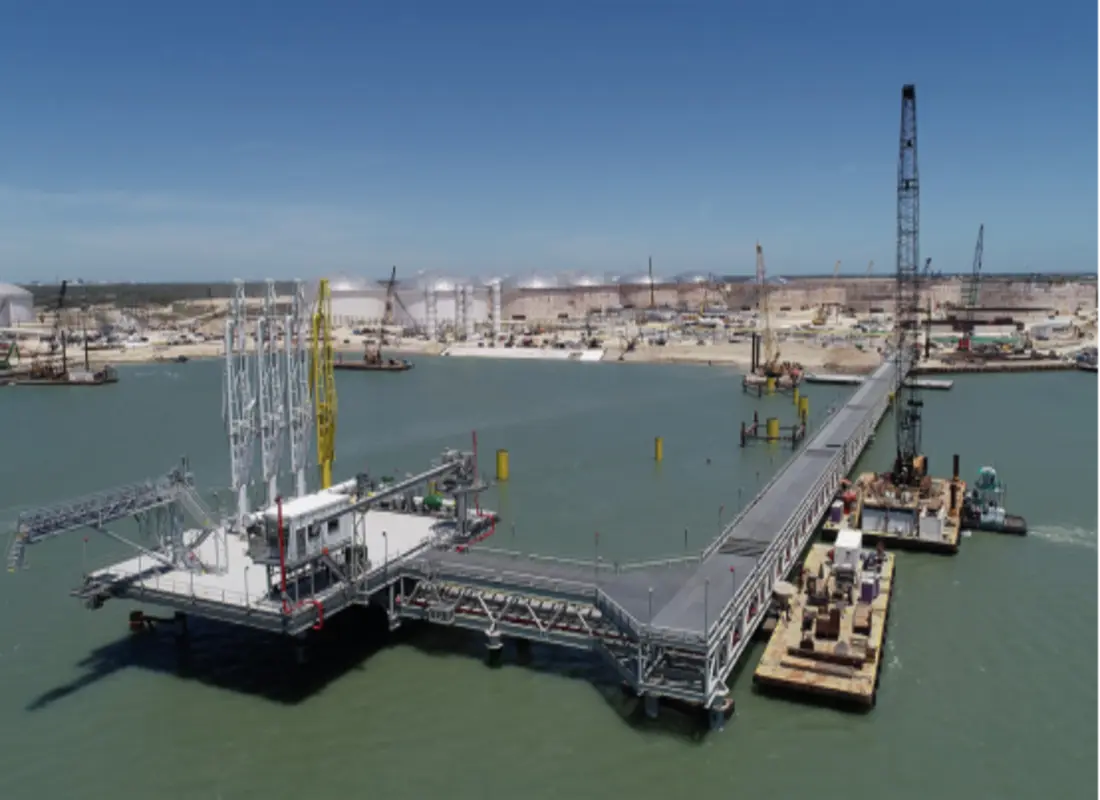
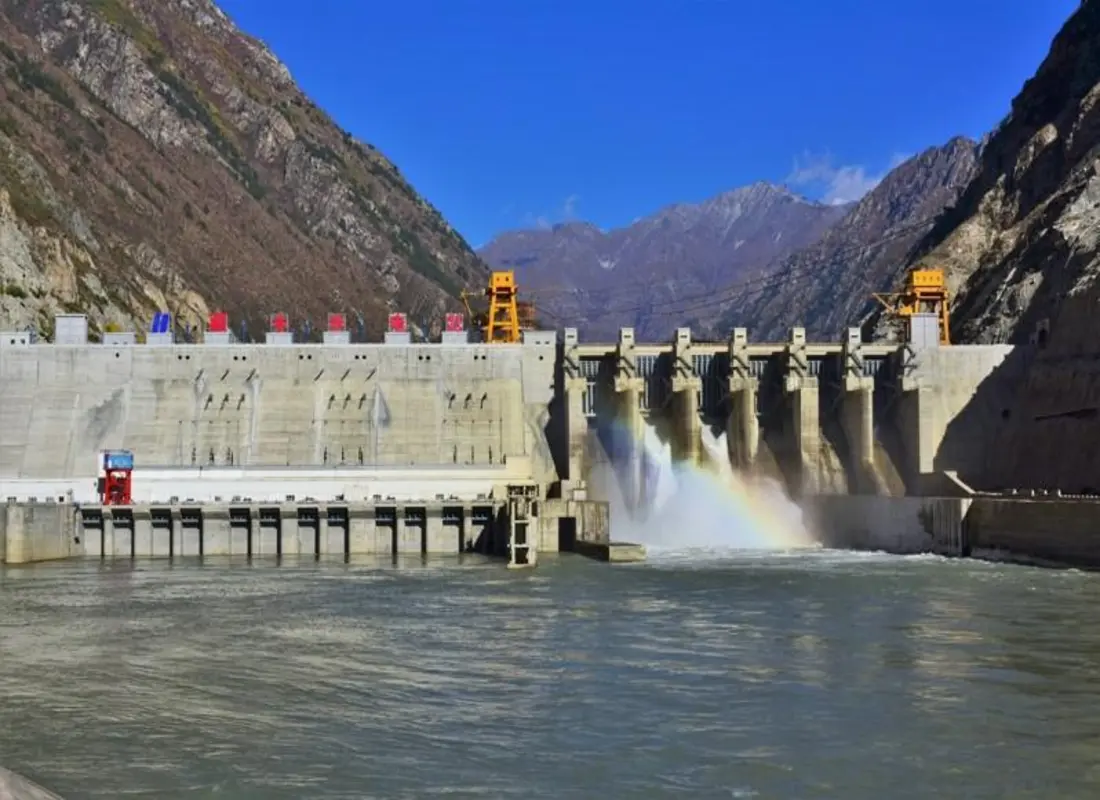
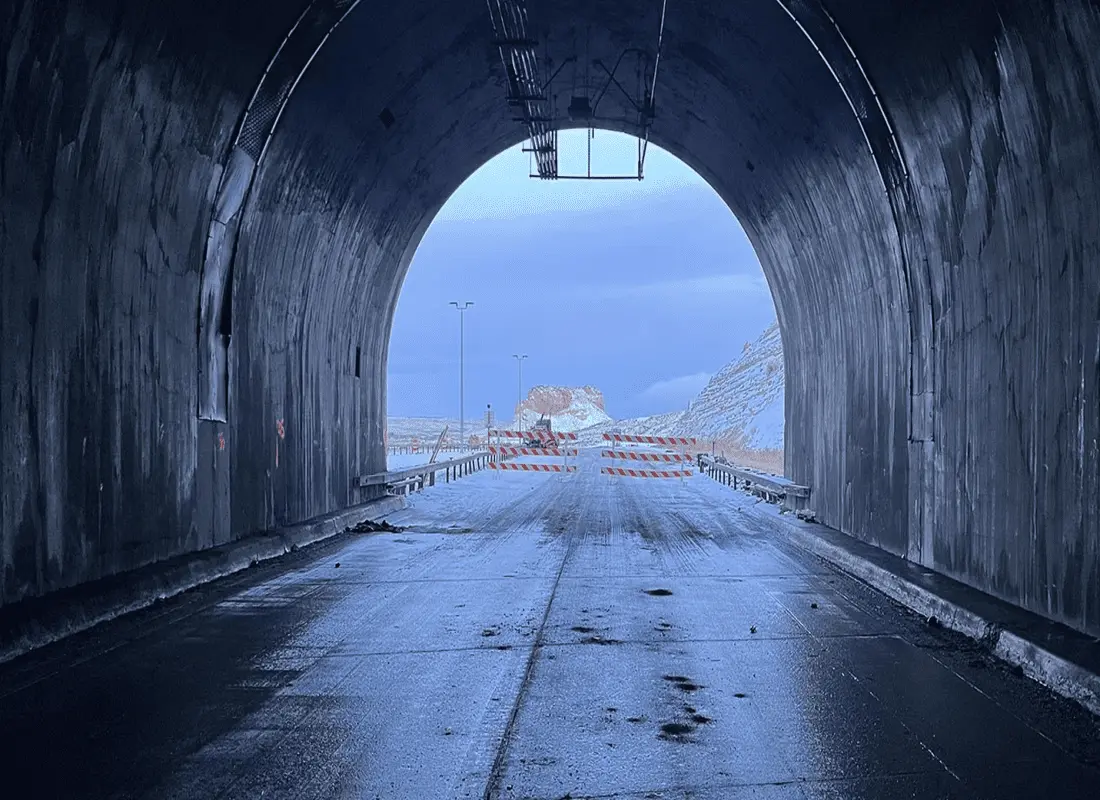
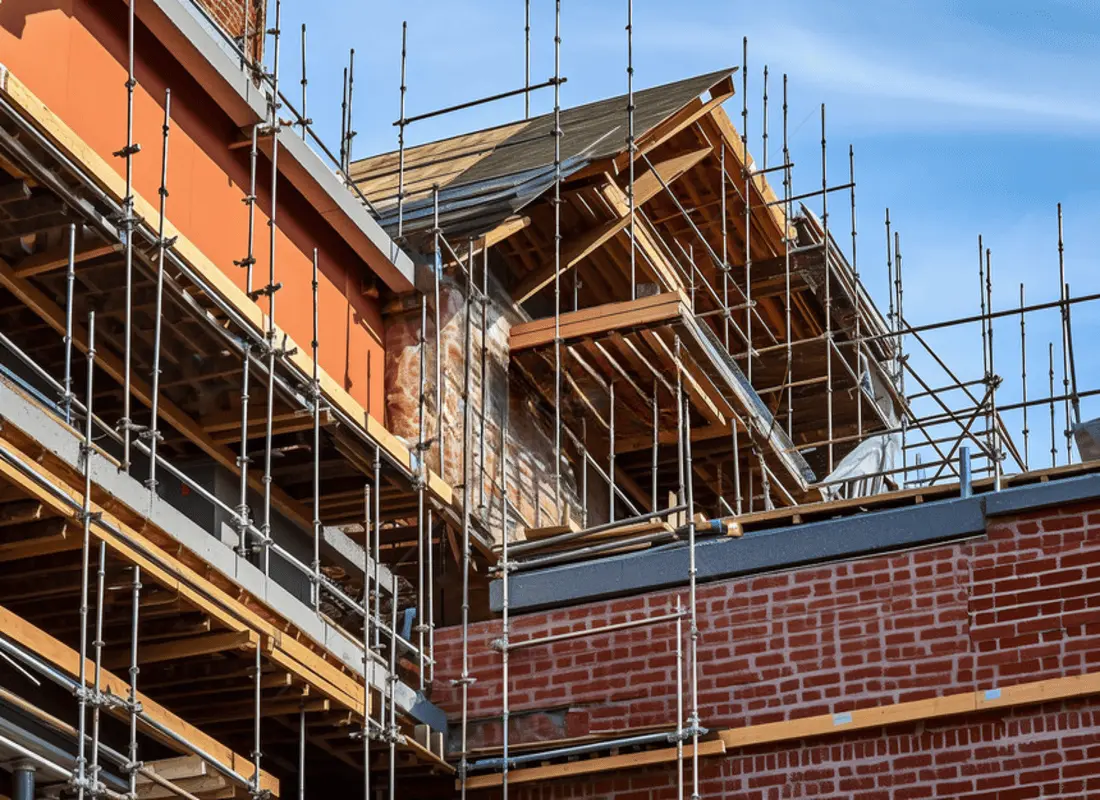
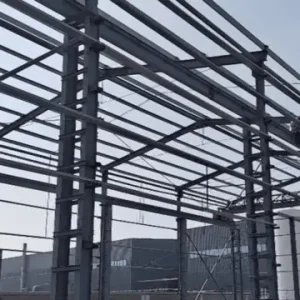
Showcasing Real-World Applications Across Industrial, Urban and Marine Scenarios
Watch our production lines, inventory management, and structural system demonstrations
Technical Answers for Project Managers, Procurement Heads, and Safety Engineers
A1: We primarily use premium grade Q355B and Q235 structural steel. Q355B offers a single bearing capacity of up to 10 tons—which is 1.5 times that of standard mild steel—enabling higher structural stability while reducing overall component weight by one-third.
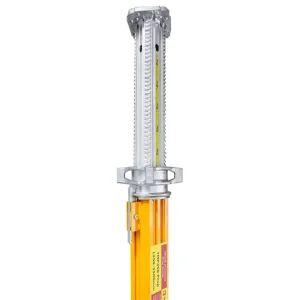
A2: Our remote-controlled mobile solutions allow ground operators to align, drive, and raise scaffolding towers from safe distances. Equipped with electromagnetic fail-safe brakes, drop-prevention limits, and emergency manual release valves, they prevent fall hazards and physical handling risks.
A3: Yes, our ringlock scaffolding towers, aluminum props, and platform systems are certified to meet European standard EN 12810/12811 and ISO 9001 criteria. We provide complete material test reports, stress analysis calculations, and conformity certificates for customs clearance and project approvals.
A4: Thanks to our advanced hot-dip galvanization process (achieving coating thicknesses exceeding 80 microns), components maintain robust resistance against saline corrosion, offering a service life of 15 to 20 years under normal environmental conditions.
A5: Absolutely. Our in-house engineering team comprises over 20 designers who formulate tailored schematics using CAD and structural modeling software. We customize loading platforms, bracket structures, pipe wall thicknesses, and connection layouts to match complex building facades.
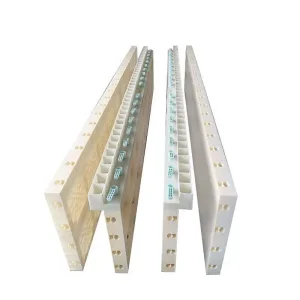
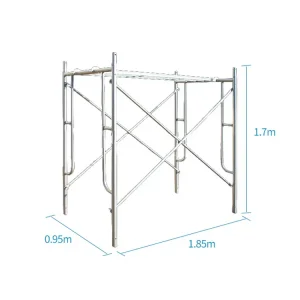
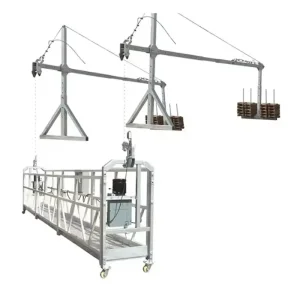
Modular forming systems, hydraulic lifts, and high-strength pipes for industrial engineering
 Zhuozhan