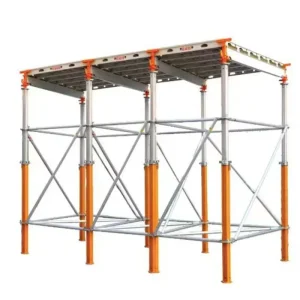
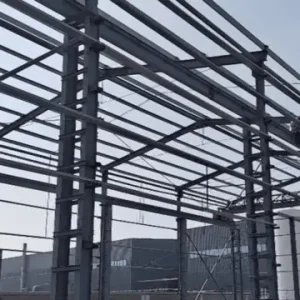
Direct from our certified high-capacity manufacturing facilities. Engineered for durability, safety, and rapid field deployment.
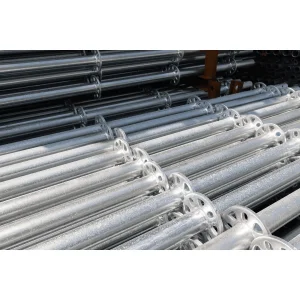
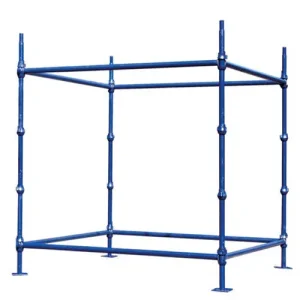
Understanding the micro and macroeconomics that drive "Price Per Ton" shifts across structural steel industries.
In modern industrial development and infrastructure design, the demand for galvanized steel pipes is surging. Renowned for its structural integrity, high corrosion resistance, and decades-long life expectancy, galvanized steel serves as the backbone for energy grids, maritime engineering, bridge construction, high-rise frameworks, and scaffolding systems. However, procurement officers and engineering directors globally are frequently challenged by a volatile parameter: the price per ton of galvanized steel pipes.
This volatility is driven by the complex interaction of several key global factors: the fluctuating cost of raw iron ore, the volatile spot prices of zinc used in the hot-dip process, domestic environmental policy enforcement in manufacturing hubs, and ocean freight logistics. A true understanding of galvanized steel pricing goes beyond raw material weights. It requires analyzing the total cost of ownership (TCO) through standard chemical certifications, environmental impacts, and long-term structural life cycle analysis.
“Information Gain in procurement is achieved by looking past the baseline commodity price. Real cost-efficiency is realized when engineering standards (such as Q355B or ASTM A53) and advanced manufacturing practices are calculated directly into the lifecycle performance of the structural system.”
To analyze the "price per ton", one must break down the key components of a galvanized pipe. Typically, the pricing structure consists of the raw steel substrate (often Q235, Q345, or Q355 Grade steel), the processing costs of ERW (Electric Resistance Welded) pipe production, the hot-dip galvanizing chemical treatment, and the final quality controls. Fluctuations in zinc prices on the London Metal Exchange (LME) play a key role in setting the pricing premium. When zinc spot prices rise, the cost of thick protective coatings (measured in grams per square meter, often required at >500g/m²) directly influences the cost per metric ton. This fluctuation is a key factor that experienced procurement managers watch closely.
A unified manufacturing powerhouse combining scientific research, precision fabrication, and global trade logistics.
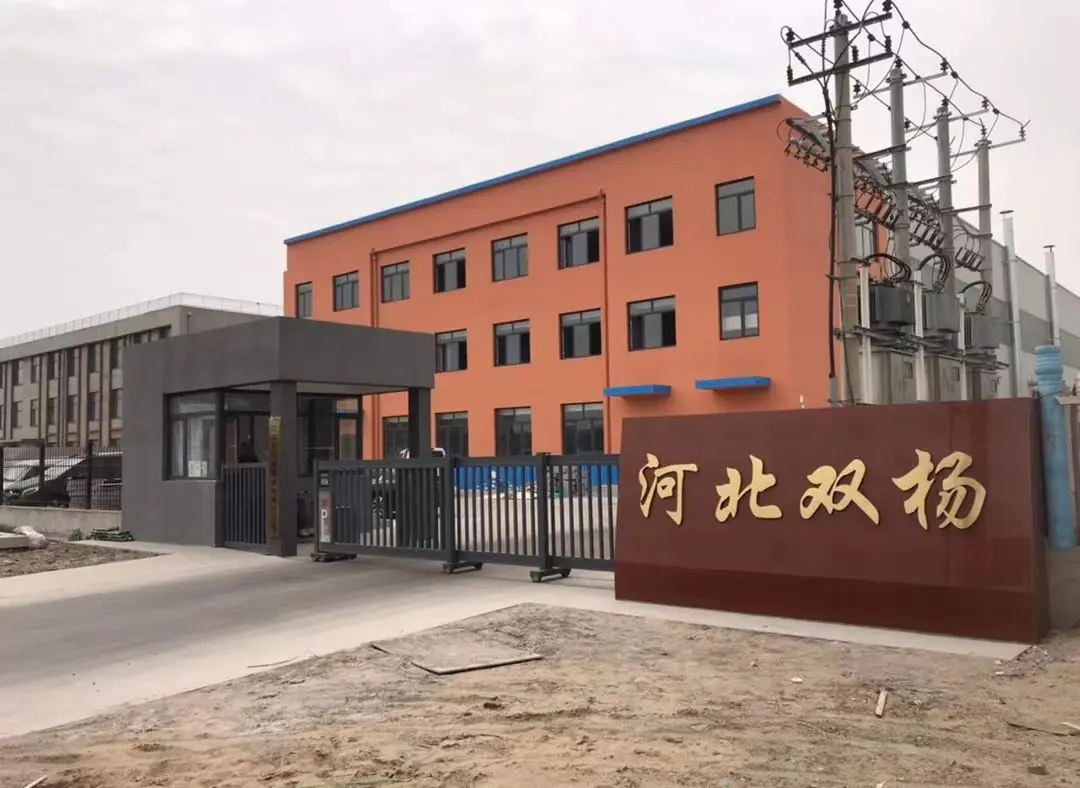
Zhuozhan Group is a diversified and innovative enterprise integrating research, manufacturing, and sales. With core subsidiaries including Laoting Zhuozhan International Trade Co., Ltd. and Hebei Shuangyang Metal Structure Co., Ltd., we provide end-to-end structural solutions to the global construction industry.
Founded in 2014, Hebei Shuangyang Metal Structure operates on a 13,132.68 m² facility with 7,124.58 m² of advanced fabrication floor. Employing over 500 skilled professionals and equipped with more than 150 high-precision machines, we drive substantial, reliable supply lines worldwide.
With a strong commitment to quality and technical design, Shuangyang holds 15 national patents. This design-first approach helps optimize steel structures for maximum structural stability, minimal deadweight, and ease of assembly.
Annual Steel Pipe Output
Scaffolding Production Capacity
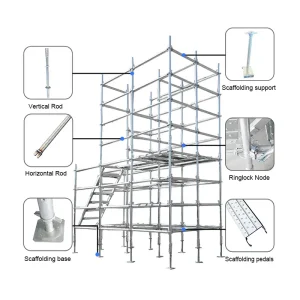
Adjustable Steel Supports
Annual Global Sales Volume
How localized resource grouping, production scale, and deepwater port proximity optimize the price-per-ton value proposition.
Located in the heart of China's heavy metallurgy clusters, we secure direct mill access to prime hot-rolled coils, minimizing raw stock freight costs.
Our operations sit close to three major international ports: Jingtang Port, Tianjin Port, and Caofeidian Port. This enables seamless, low-cost maritime dispatch globally.
From custom length sizing, custom zinc coating weights (up to 600g/m²), to bespoke threadings, couplers, and templates, our integrated line reduces middleman fees.
By investing in modern, low-emission automated welding and efficient recycling facilities, we ensure compliant and uninterrupted year-round production.
Going beyond the commodity price tag: Why premium grade raw materials and strict quality control lower your operational risks.
Made from high-grade Q355B steel, our tubes feature a single-point load capacity up to 10 tons. This provides 1.5 times the strength of standard mild steel tubing, offering peace of mind under stress.
Thanks to the mechanical properties of Q355B, we can achieve high load capacities with optimized thin-wall configurations. This cuts overall steel weight requirements by 30% to 50% compared to traditional options.
Using premium metallurgical hot-dip processes, our zinc-alloy layers form a durable mechanical bond. This delivers over 15 to 20 years of maintenance-free service under standard atmospheric exposure.
Engineering Assurance: Every production batch is monitored to keep dimensional tolerances within ±1mm. This ensures smooth alignment with modular scaffolding, couplers, and heavy formwork systems.
A transparent breakdown of our manufacturing steps, highlighting key processing stages and environmental quality controls.
Hot-rolled steel tubes are precision-cut to length.
Noise (N) Solid Waste (S)Press lines punch holes for mounting rings and locking collars.
Noise (N) Solid Waste (S)Connecting discs and structural parts are welded via robotic stations.
Welding Gas (G) Solid Waste (S)Tubes are acid-pickled and dipped in molten zinc for uniform protection.
Tolerances are checked, finished pipes are bundled and loaded for export.
Structural pipes are cut to precise dimensions using automated saws.
Noise (N) Solid Waste (S)Ends are shaped and punched to fit scaffolding ledger plugs.
Noise (N)Cast steel connection heads are welded to tube ends.
Fume Gas (G) Solid Waste (S)Tubes receive their zinc coating, followed by mechanical wedge pin assembly.
Noise (N)Dimensional checks are completed, and pipes are stacked for container shipping.
Inside our advanced production mills: Witness the engineering standards driving our global operations.
Fully compliant with EN 12810/12811 and ISO 9001 standards, our structural systems are built for demanding field conditions.
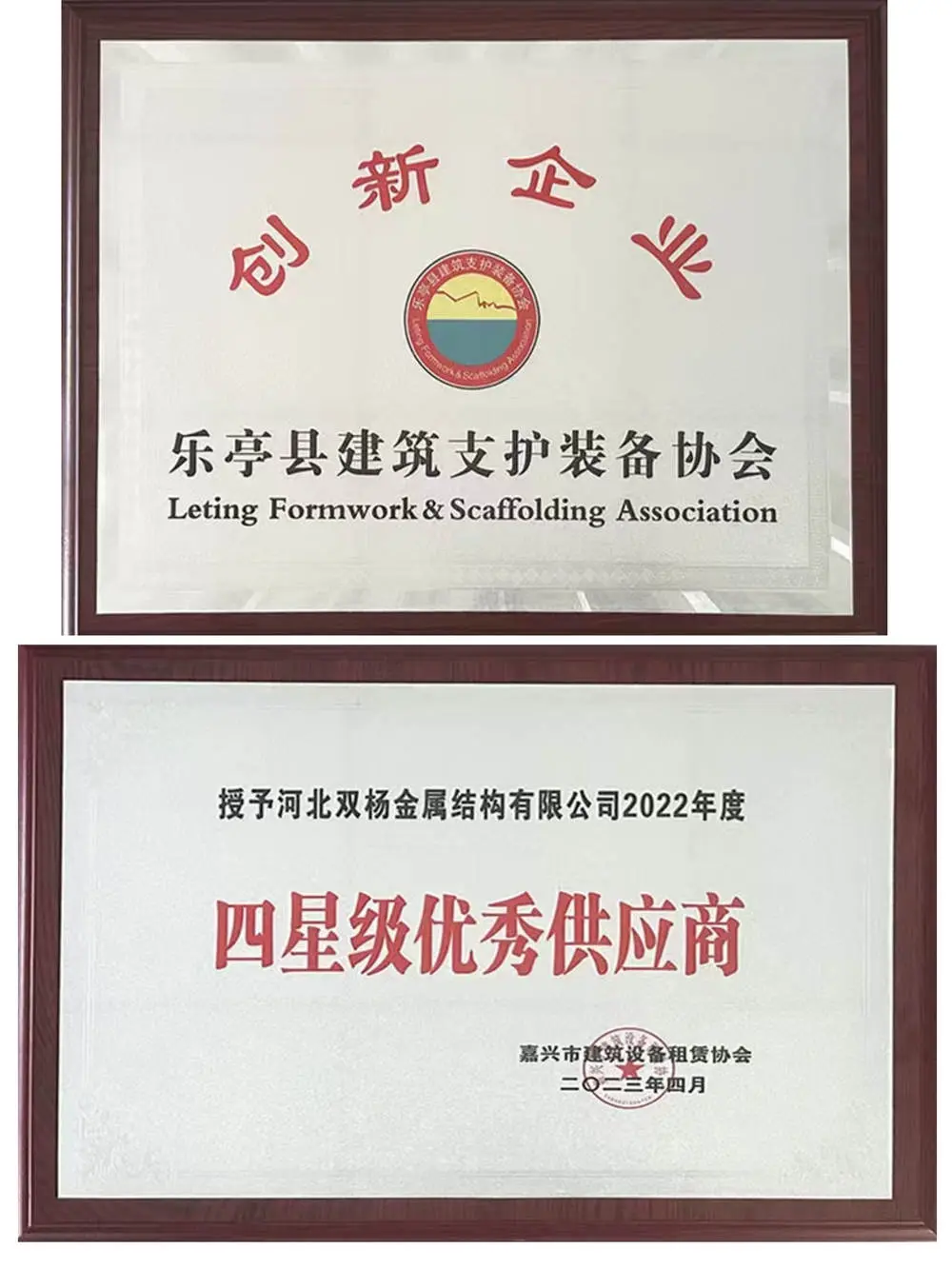
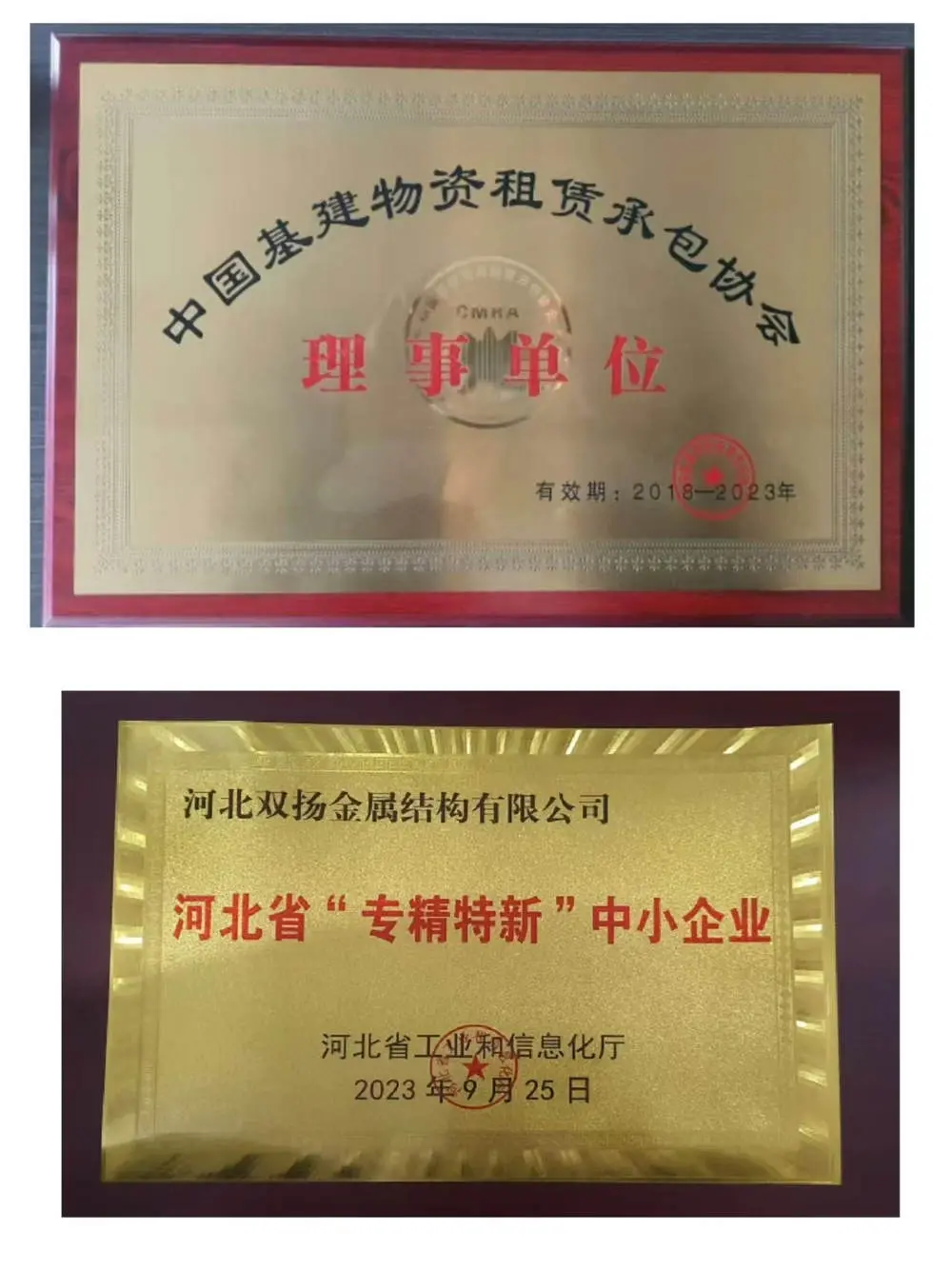
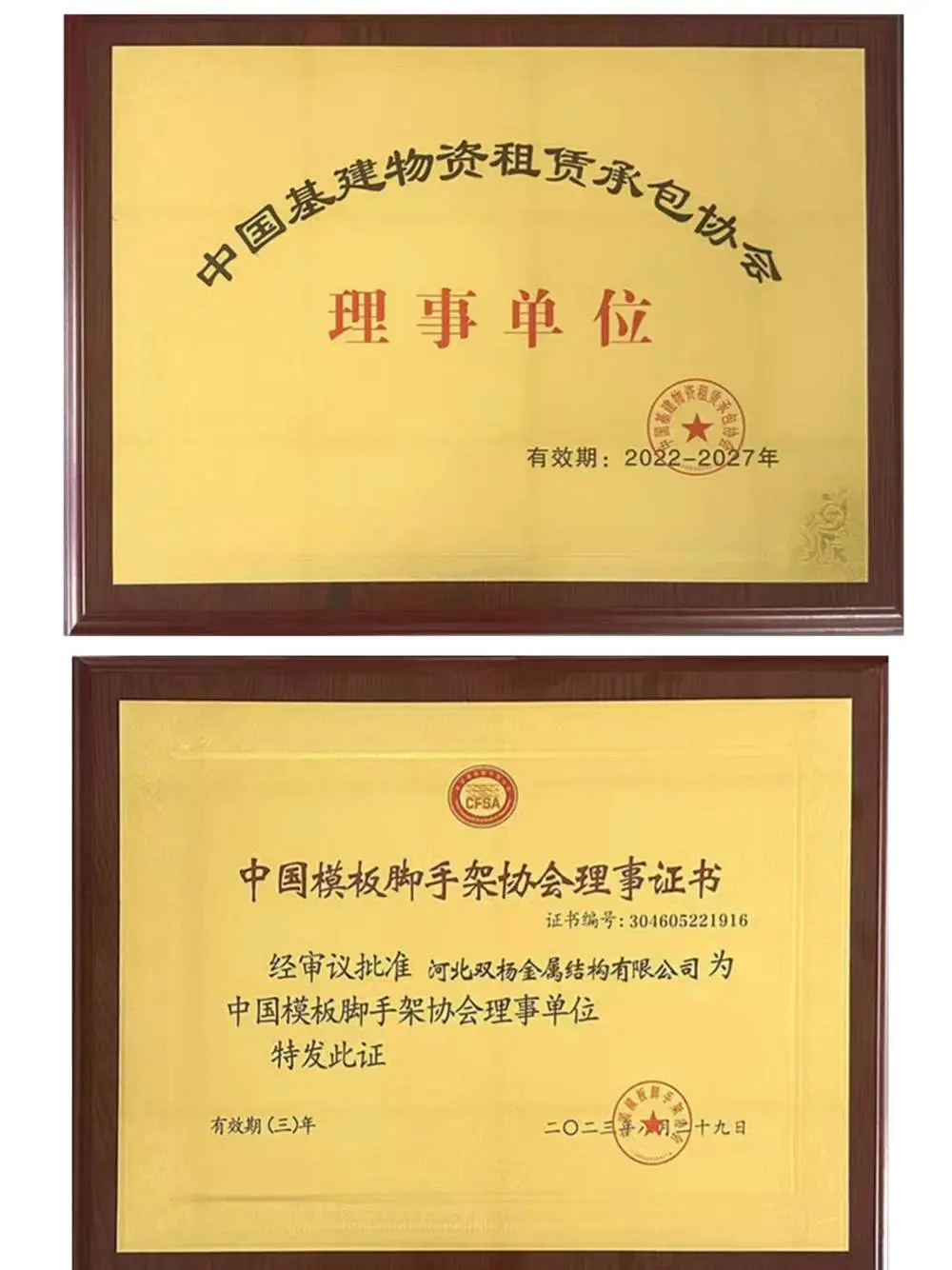
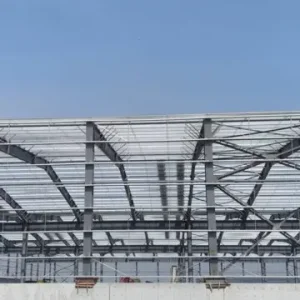
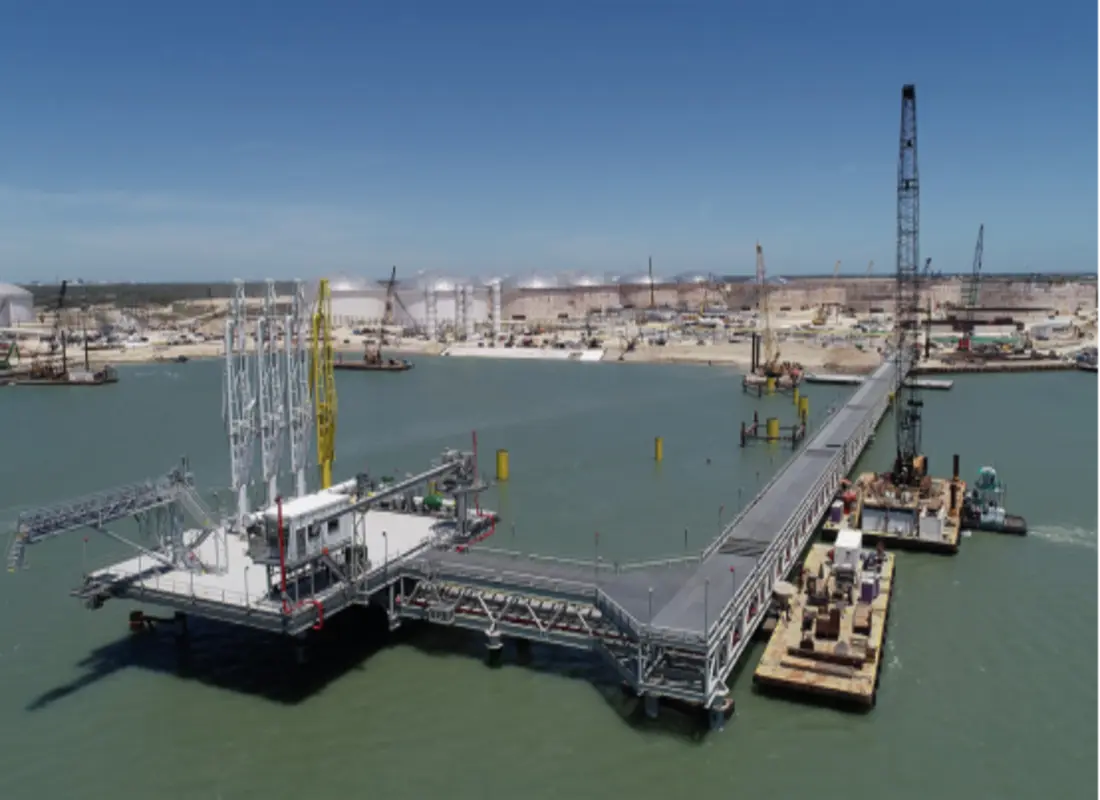
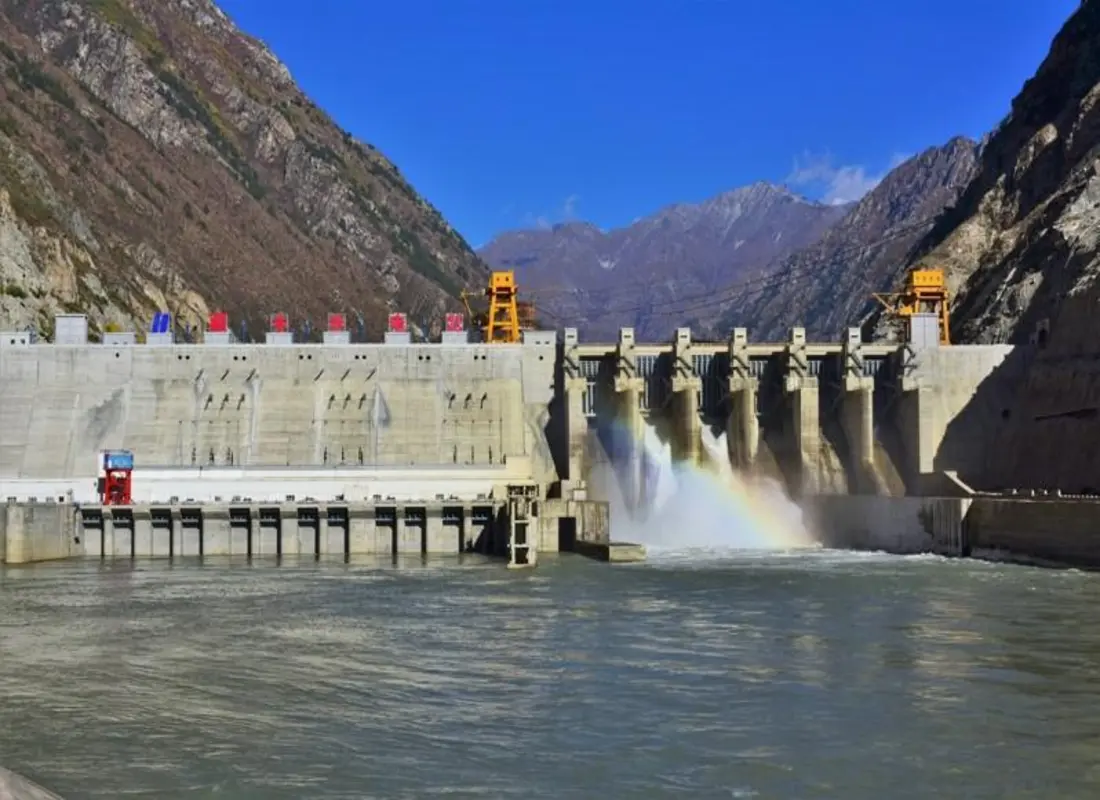
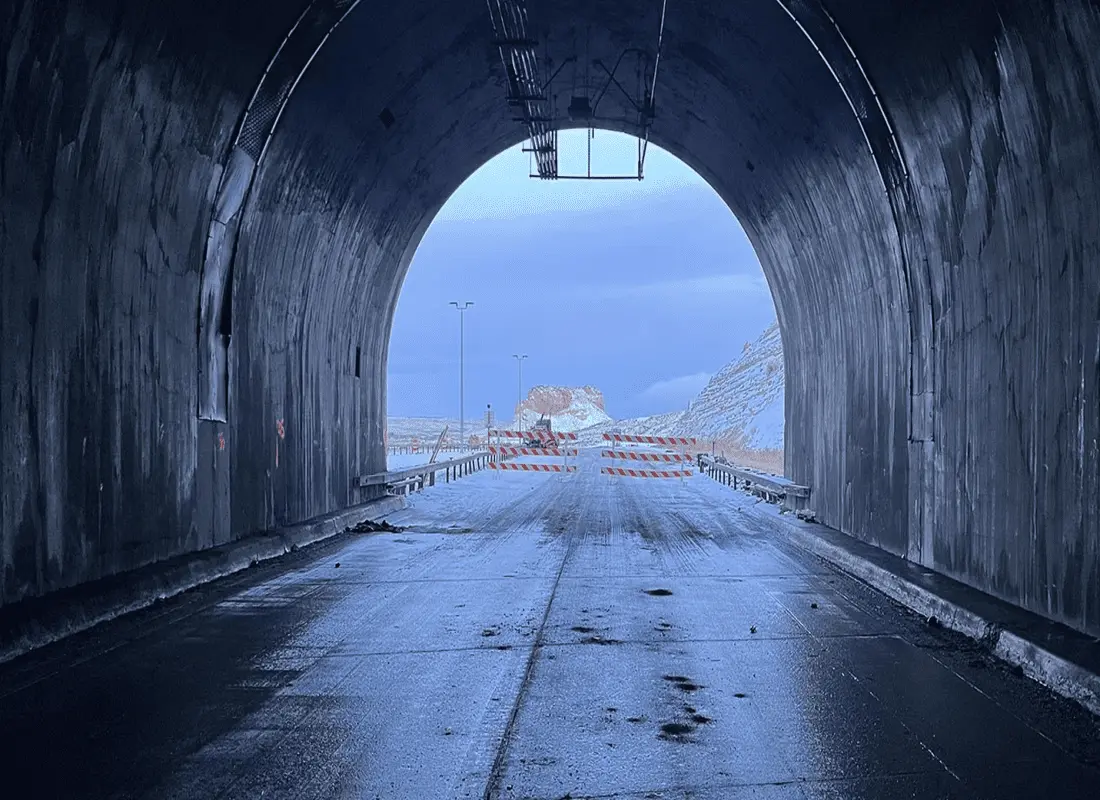
Our structures perform reliably under demanding conditions, supporting major projects in Asia, Europe, the Middle East, and beyond.
Critical engineering and sourcing answers to help guide your next structural steel procurement contract.
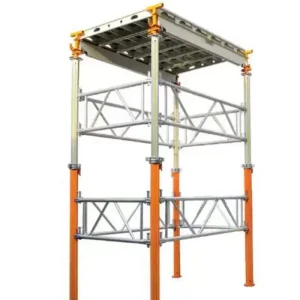
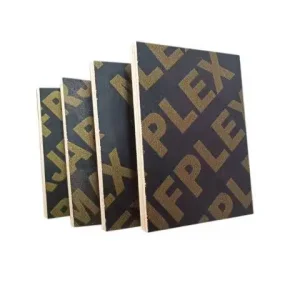
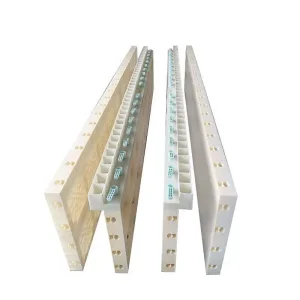
Engineered for high load-bearing capacity and durability in high-rise, industrial, and infrastructure developments.
 Zhuozhan