Explore our premium grade structural items certified to international guidelines and engineered for maximum field cycles.
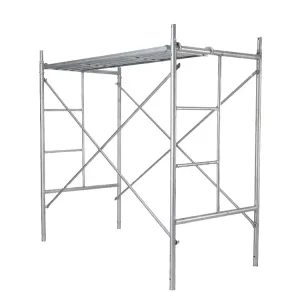
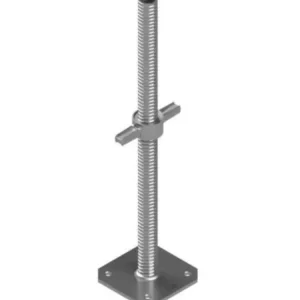
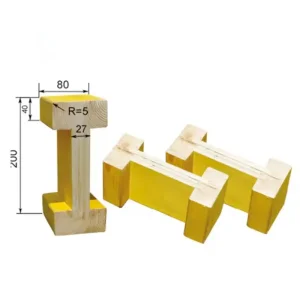
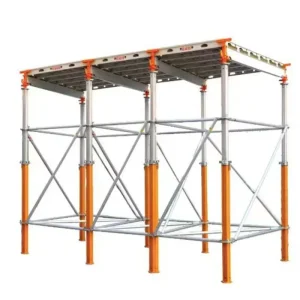
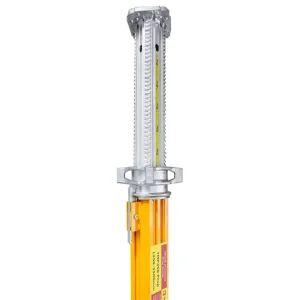
Evaluating the technological shift from traditional timber shoring to modular plastic frameworks in modern global civil engineering projects.
In the contemporary landscape of structural engineering and commercial building, the selection of formwork systems acts as a critical factor in project lifecycle efficiency, safety, and return on investment. The global shift toward Plastic Formwork for Concrete Buildings is driven by the industry's imperative to reduce operational timelines, mitigate reliance on timber resources, and minimize the carbon index of structural installations. Traditional materials, such as plywood and timber beams, present recurring challenges: rapid structural degradation, high susceptibility to water ingress, low repetitive use (often limited to 3-5 uses), and intensive labor requirements during erection and striping phases.
Conversely, engineered composite polymer formwork options present superior physical properties. Designed to withstand the alkaline nature of setting concrete without degradation, plastic formwork maintains its dimensional integrity over 60 to 100 uses. This longevity changes the economics of procurement, shifting the dynamic from a recurring material expense to a multi-year capital asset. Furthermore, the structural smooth-surface finish produced by thermoplastic sheets minimizes the need for plastering, streamlining post-casting workflows directly.
Globally, strict environmental regulations in North America, Western Europe, and parts of Asia-Pacific have limited timber logging, increasing the costs of traditional plywood forms. Consequently, developers and heavy industrial construction firms are seeking reusable, non-wood alternatives like modular structural plastic panels and lightweight hybrid aluminum frameworks. The integration of high-density polyethylene (HDPE) or polypropylene (PP) formulations with advanced matrix designs has enabled plastic formwork to deliver load capacities that rival traditional systems while decreasing weight by up to 50%. This ergonomic design significantly reduces team fatigue and reduces onsite injury rates during complex vertical setups.
Harnessing combined scientific research, manufacturing capacity, and global trade capabilities to deliver next-generation construction equipment.
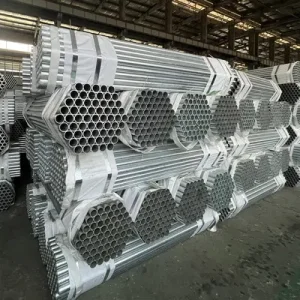
As a prominent structural developer, Zhuozhan Group integrates scientific research, direct manufacturing, and comprehensive global sales. Through its subsidiaries, Laoting Zhuozhan International Trade Co., Ltd. and Hebei Shuangyang Metal Structure Co., Ltd. (founded in 2014), the group controls raw material processing, robotic assembly lines, and global shipping protocols. Operating from an expansive manufacturing facility equipped with over 150 sets of advanced metal forming and polymer processing machinery, our production lines yield an annual output of 300,000 tons of structural steel pipe, 1 million tons of modular scaffolding elements, and 400,000 tons of adjustable heavy-duty steel support components.
Over 40,000 square meters of manufacturing space yielding over 200,000 tons of customizable support elements annually.
Backed by 15 proprietary national patents focusing on load distribution nodes, locking mechanisms, and material optimization.
Direct positioning within easy reach of three key deep-water industrial ports: Jingtang Port, Tianjin Port, and Caofeidian Port.
Over 200 dedicated production staff with a specialized engineering design team of 20+ preparing architectural drawings.
Providing high-load capabilities and dimensional accuracy under rigorous on-site conditions.
Our scaffolding and modular formwork configurations comply with demanding international testing and quality frameworks including EN 12810/12811 and ISO 9001 certification standards. Utilizing hot-dip galvanization, our steel components resist heavy corrosion, offering a lifespan of up to 15-20 years under standard maintenance cycles.
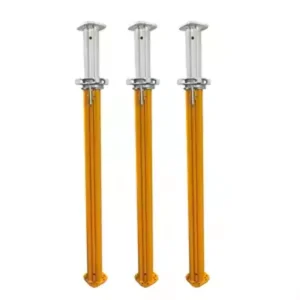
Utilizing high-grade raw Q355B steel structures, single vertical support members can withstand verified loads of up to 10 tons—representing a 1.5x load capacity performance increase over standard structural tube elements. This allows for wider grid designs, reducing overall material consumption.
Our modular designs are engineered to simplify complex assembly. Field metrics indicate a single operator can erect between 150 to 300 square meters of our modular system per day. This translates to an assembly rate that is 3 to 5 times faster than traditional loose-clamp piping frameworks.
A transparent look at our production steps and how we manage environmental impacts across our vertical and horizontal production lines.
Raw structural steel tubes are precisely sectioned. Mitigating noise (N) and steel waste (S) via centralized containment.
Perforation of structural connection points. Generates localized noise (N) and micro steel waste (S).
Structural junction plates are permanently fused. Governed under active smoke filtration (G) and slag cleanup (S).
Tubes are treated for corrosion protection. Outsourced to certified environmental treatment plants.
Steel piping cut to horizontal span lengths. Monitored to control raw scrap material waste (S).

End connections are punched to size. Monitored for noise levels (N).
Ledger endpoints are welded using automated systems. Employs advanced emission collection hoods.
After zinc plating, structural locking wedge pins are riveted securely in place.
A closer look inside our 50,000㎡ storage yards and automated assembly floors.
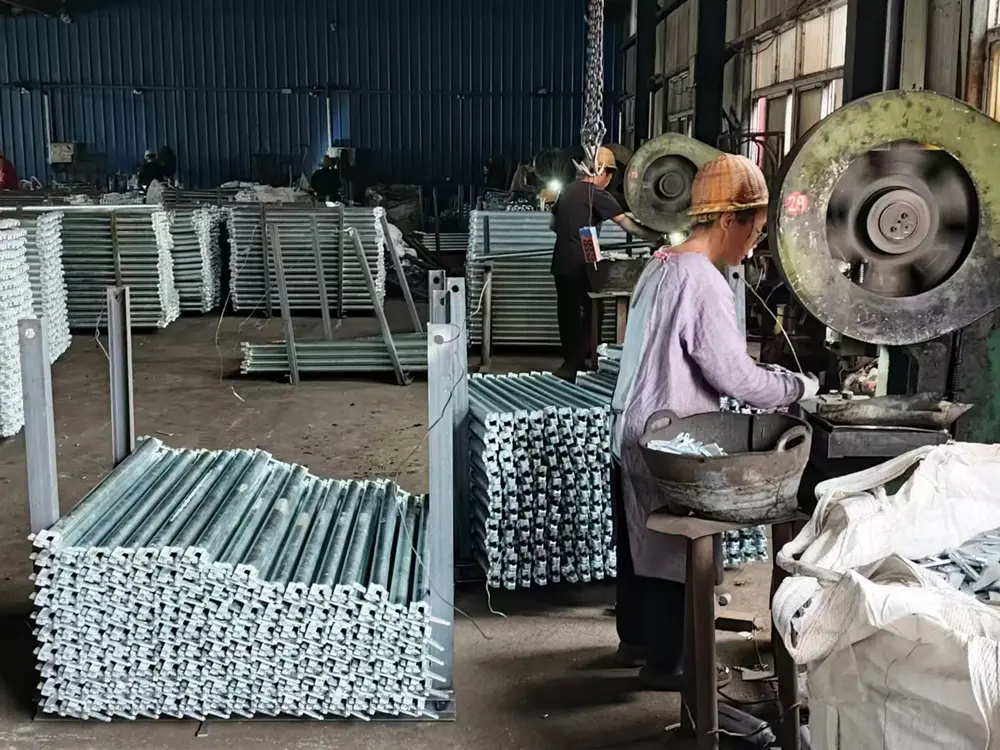
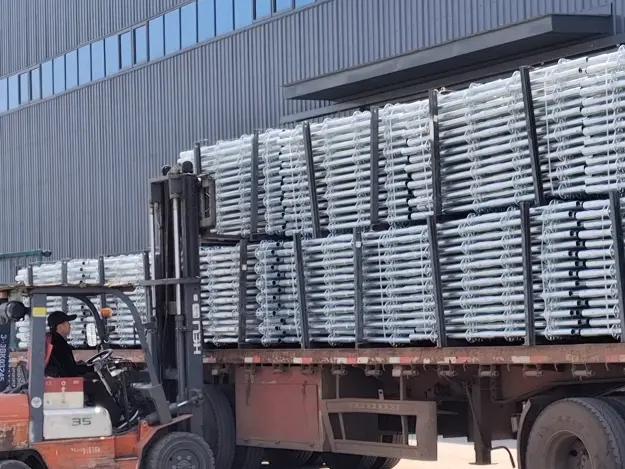
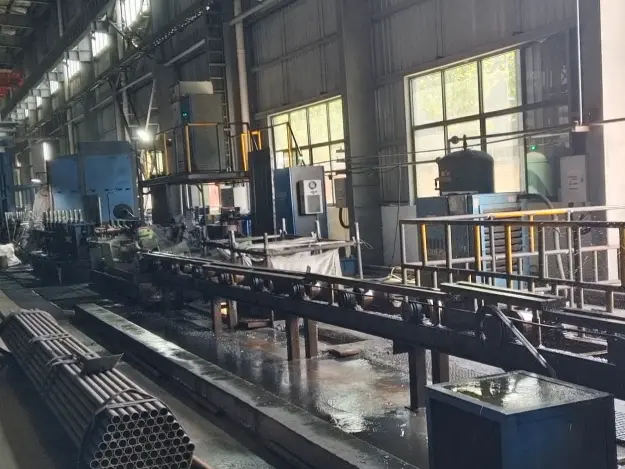
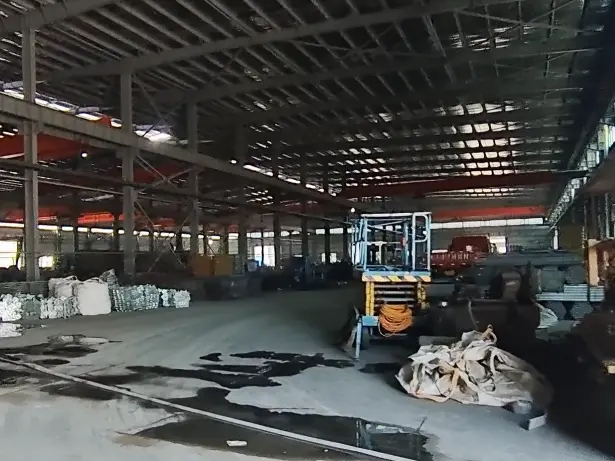
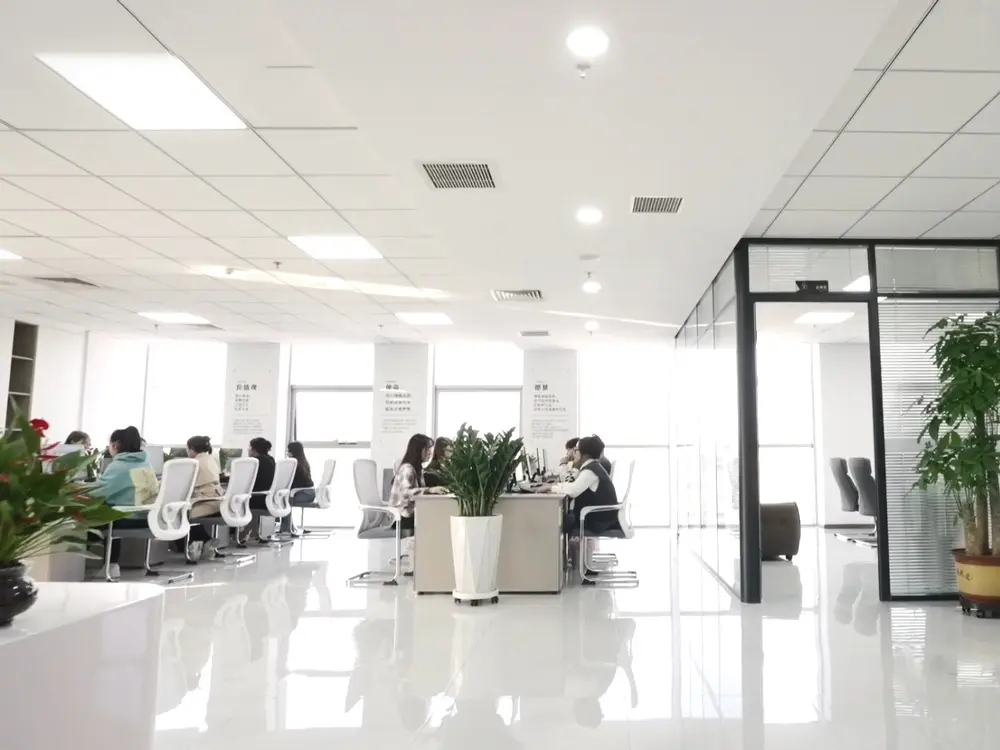
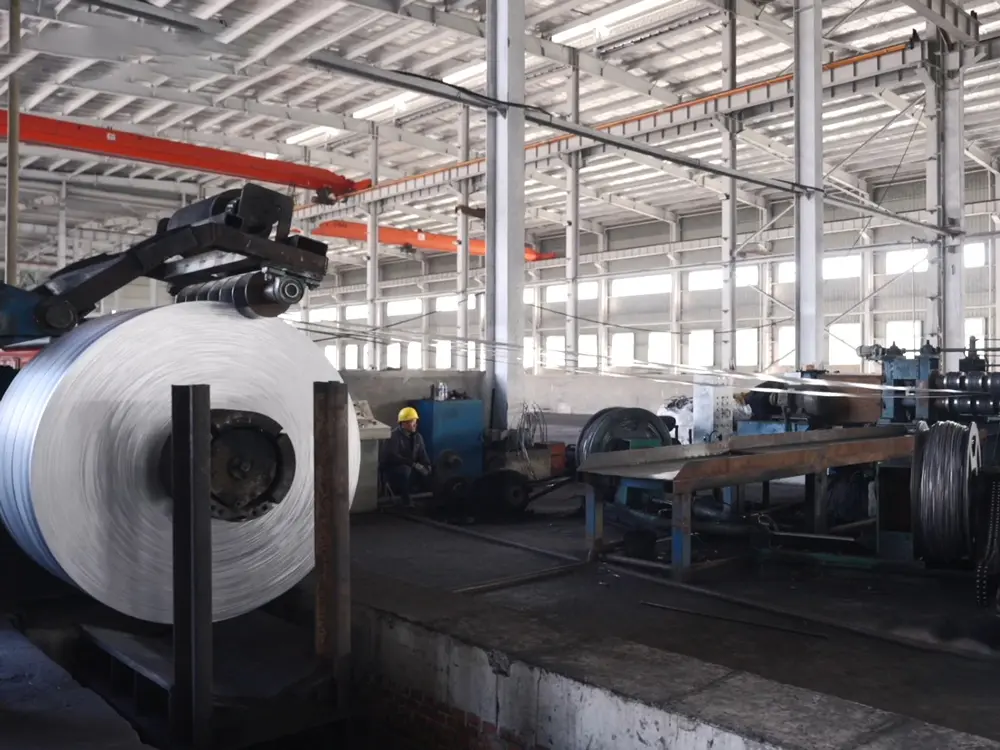
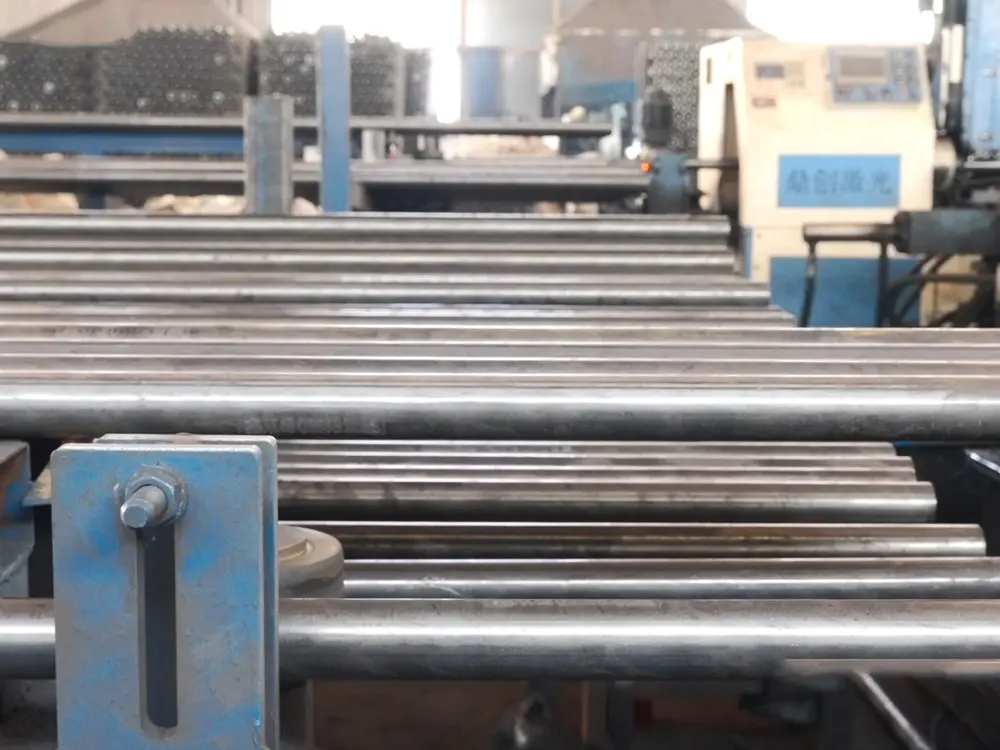
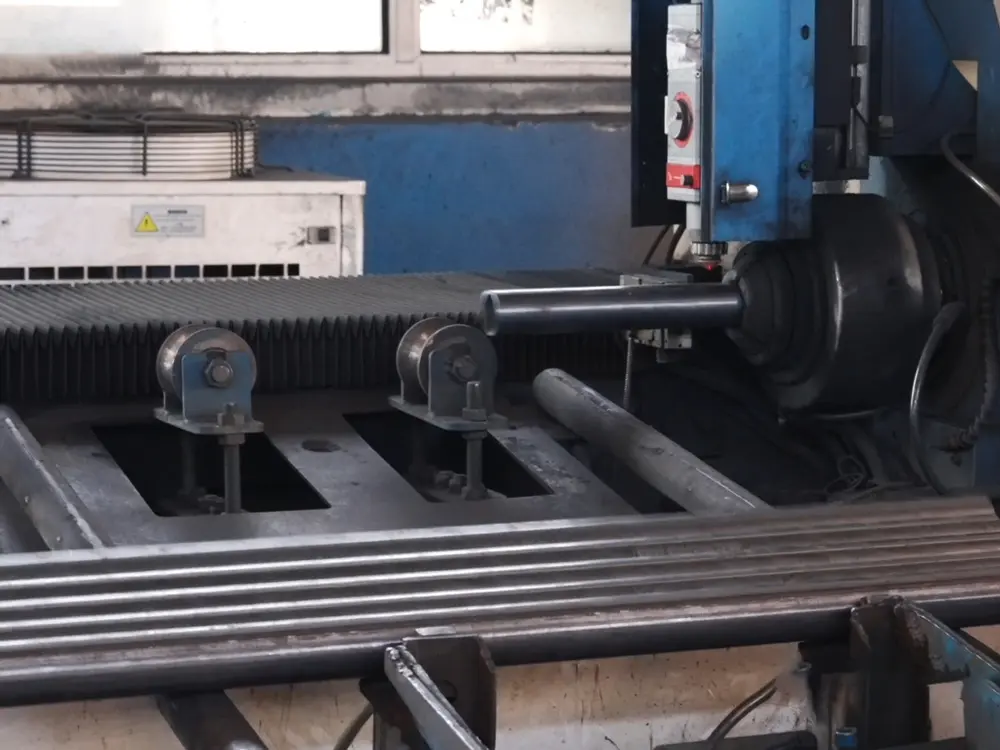
Our systems perform reliably across infrastructure projects in key regions worldwide.
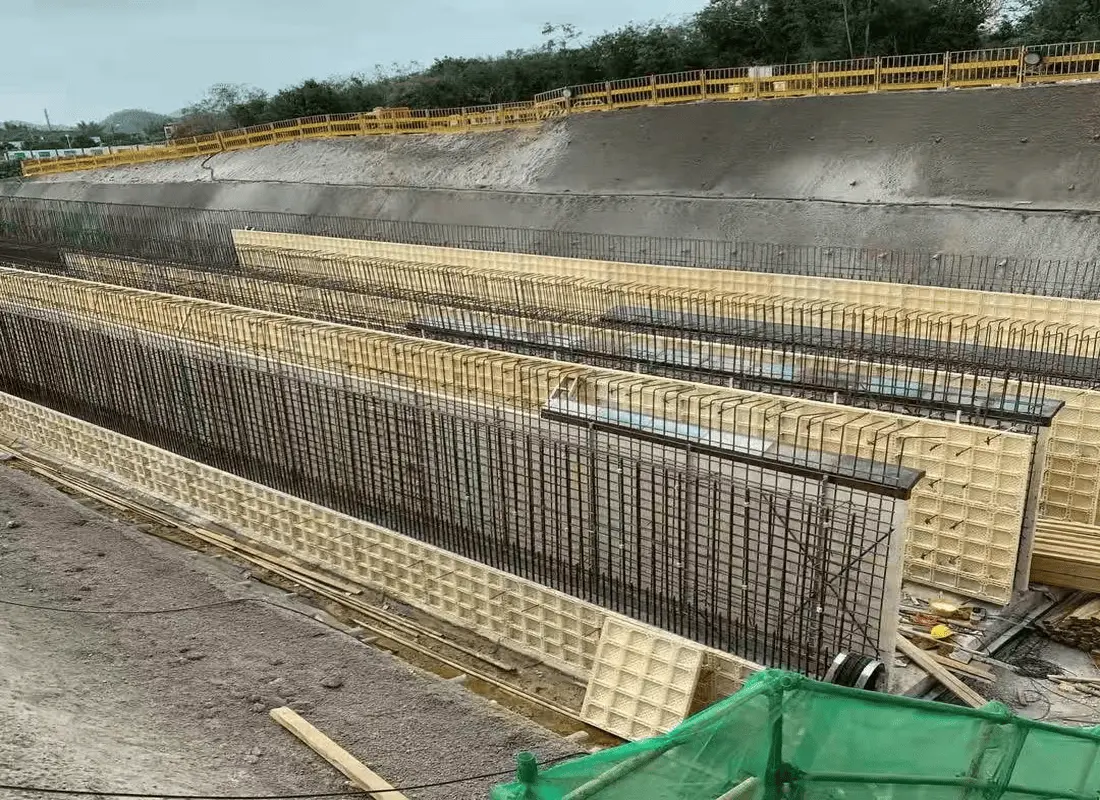
Engineered modular plastic formwork panels utilized in high-humidity riverbank civil retaining walls, resisting water absorption and achieving 45 continuous cast cycles.
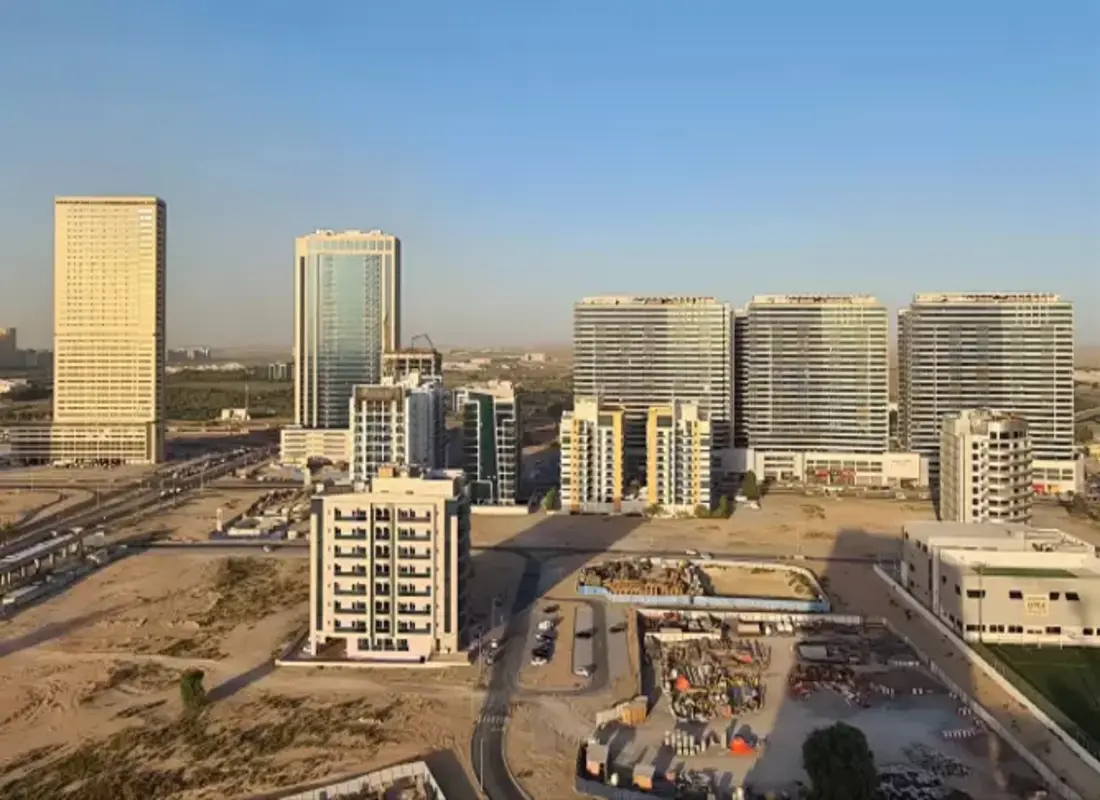
Integrated structural shoring platforms supporting heavy load pours for high-rise residential towers under high-temperature conditions.
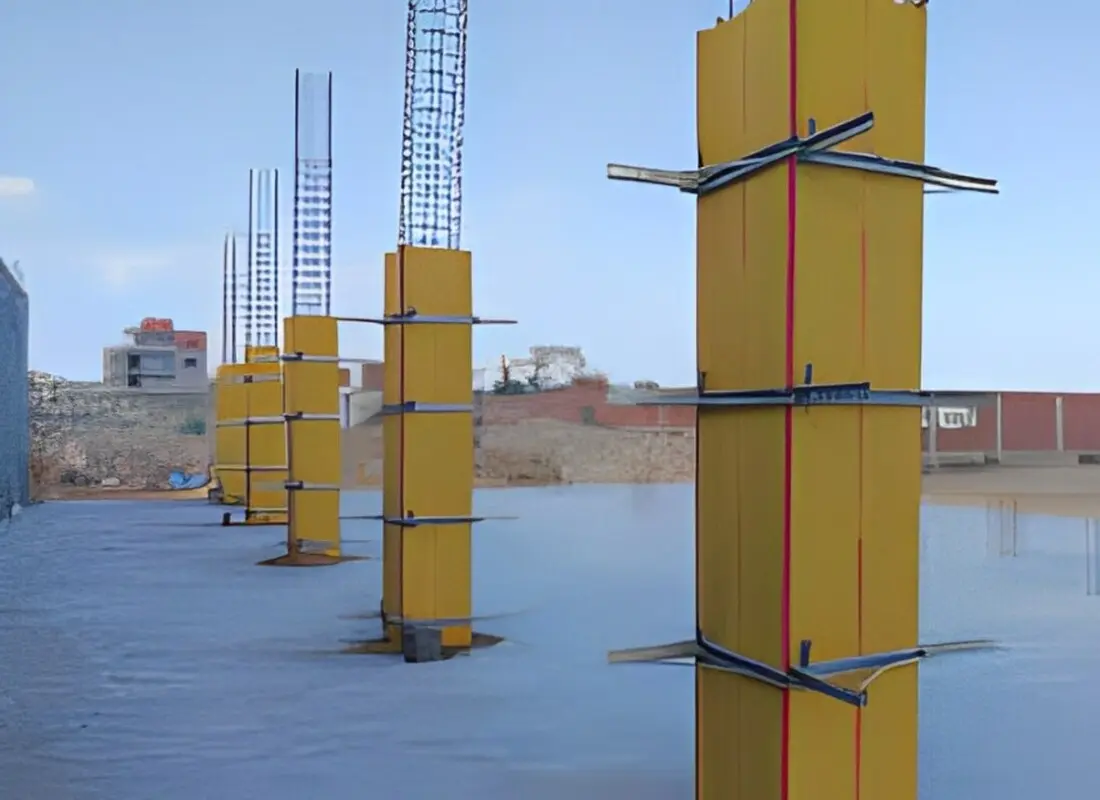
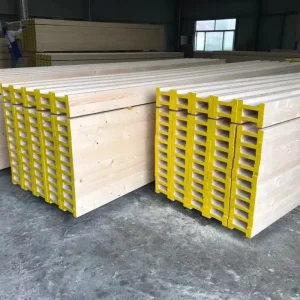
Application of composite timber and structural formwork designs, coordinating multi-level concrete slab pours under accelerated construction timelines.
To reduce international lead times, Zhuozhan Group operates regional sales divisions and warehouse stock points in key locations: United States, Canada, China, Hong Kong-CN, Malaysia, Thailand, and Indonesia. This physical footprint ensures engineering support and quick supply of critical parts directly to your build site.
Watch our automated manufacturing processes, structural load tests, and installation demonstrations.
See the automated structural processing machines running at full load.
Analysis of safety tolerances and modular assembly mechanics.
Overlooking our inventory levels, ready for container loading.
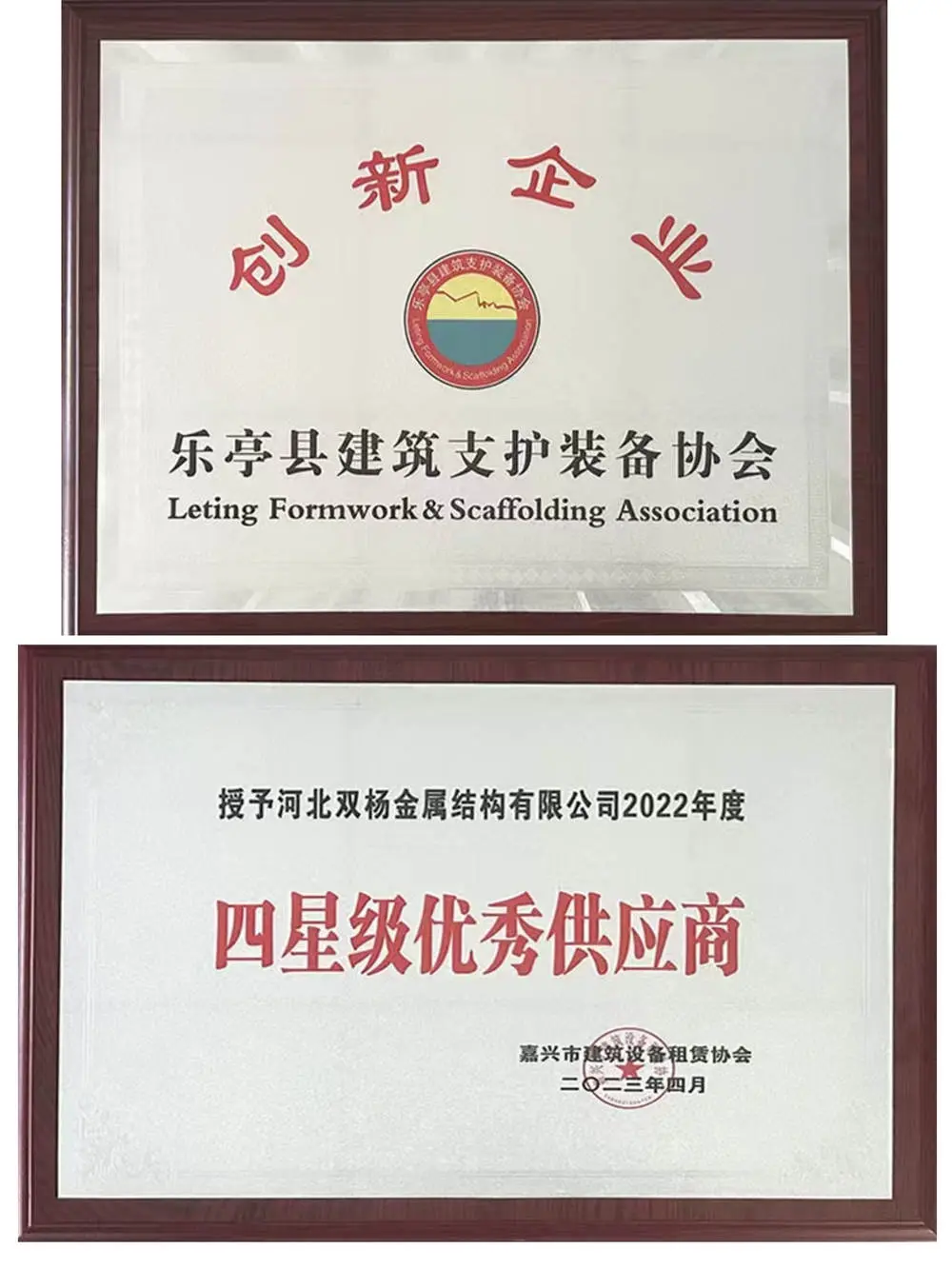
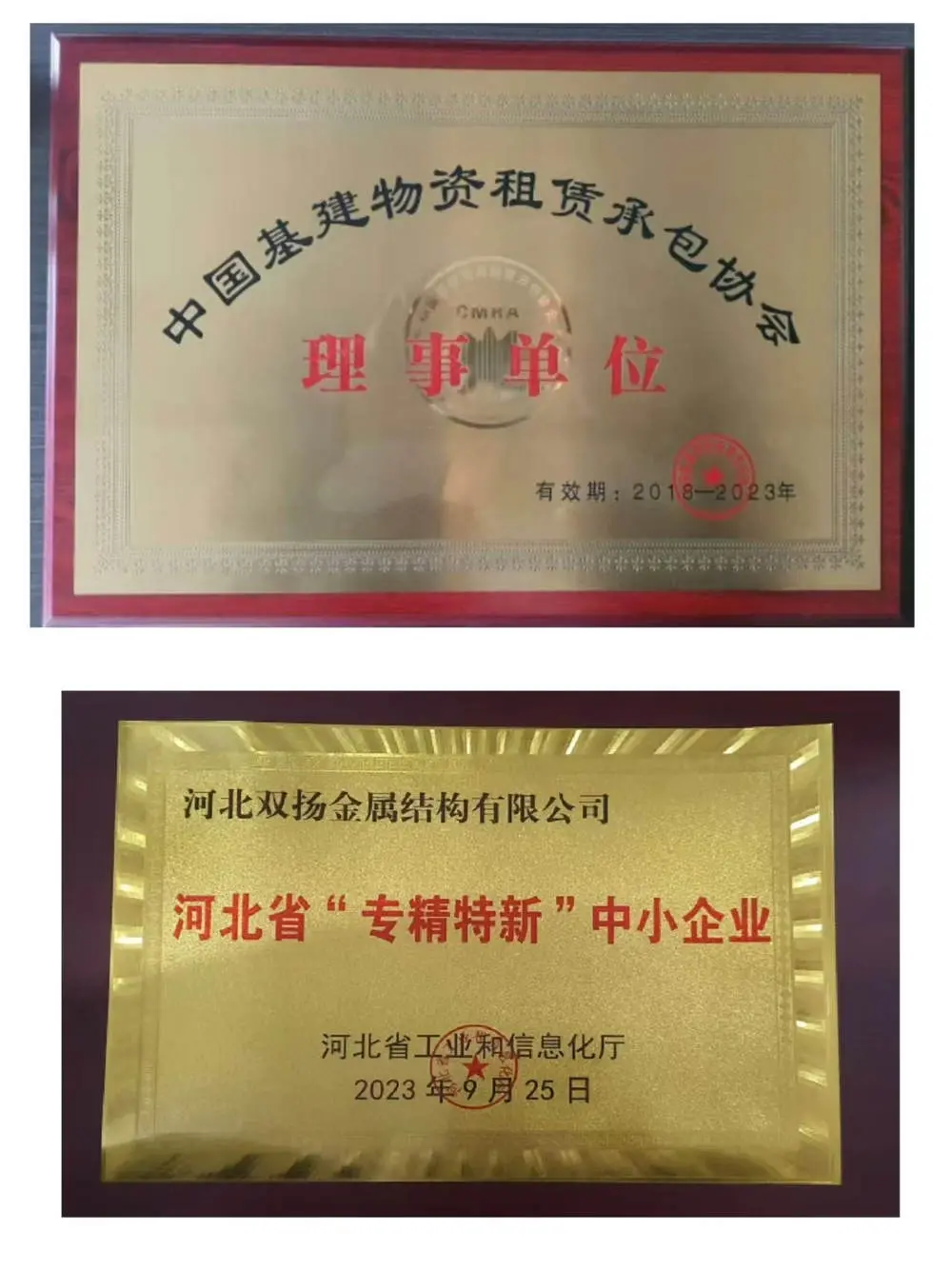
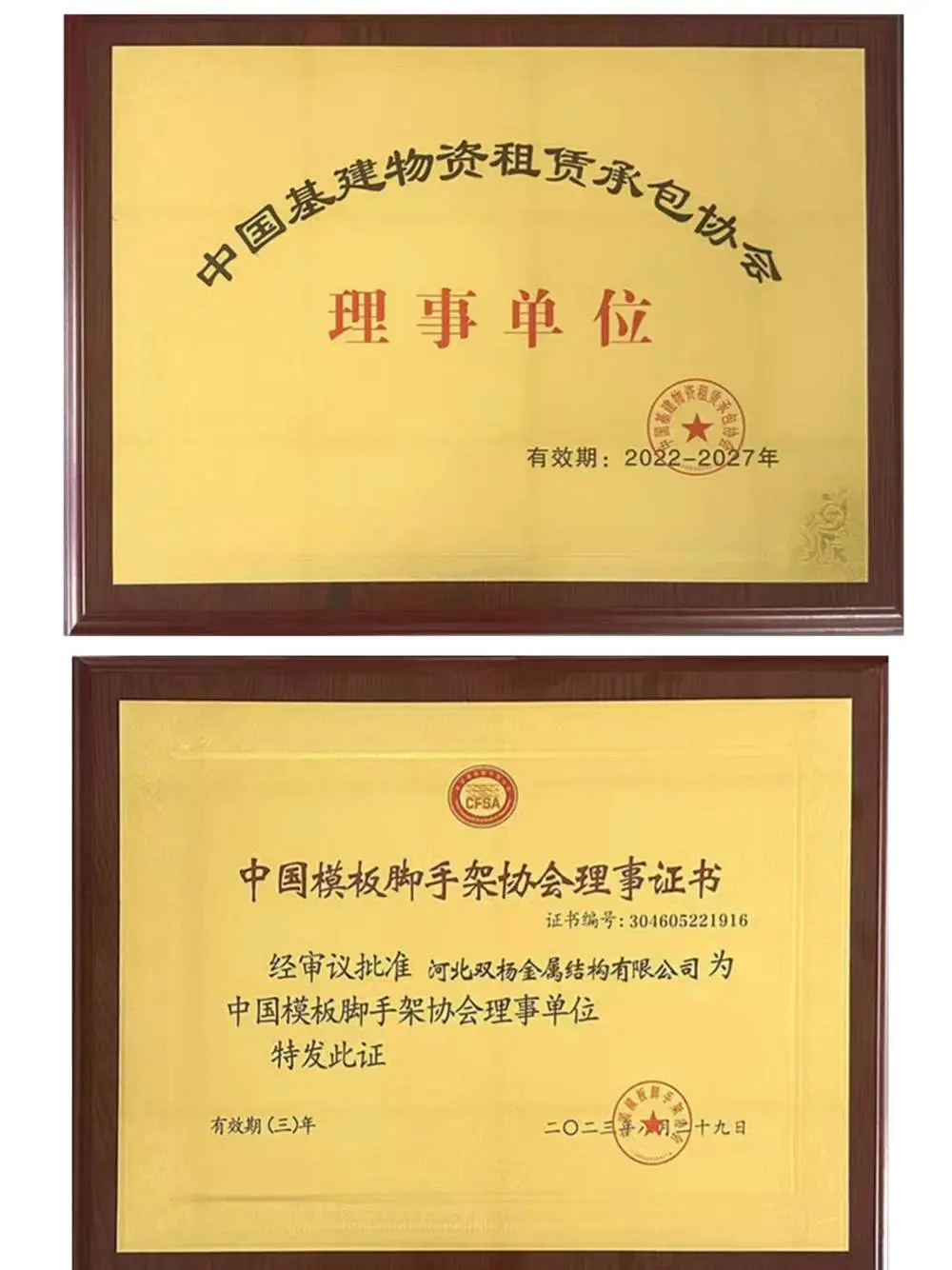
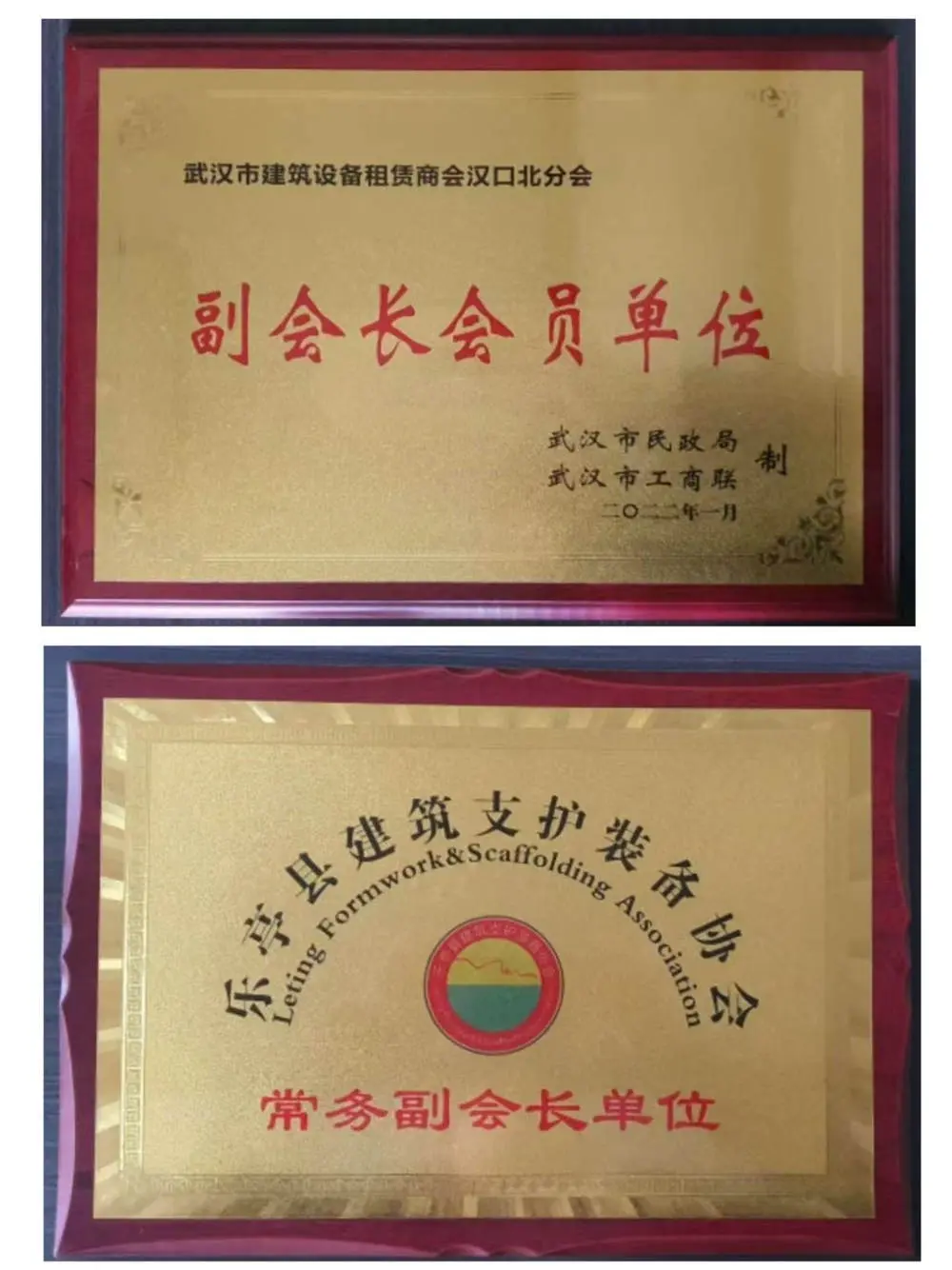
Verified compliance with international scaffolding and structural load standards.
Providing technical answers to help guide your architectural and procurement decisions.
Plastic formwork offers significantly more reuse cycles (60-100+ cycles compared to 3-5 cycles for standard plywood). It is completely waterproof, resists concrete adhesion, requires no releasing agents, and produces a smooth surface finish that reduces post-pour plastering costs.
Our engineered plastic formwork panels are made from polymer composites designed to resist thermal expansion and contraction. They maintain dimensional stability and structural integrity within temperature ranges from -20°C to +60°C.
Yes. Our engineering department uses automated modeling software to design custom structural configurations based on your project drawings, ensuring accurate load distribution and fit for specific structures.
All structural designs and production lines at our factories comply with ISO 9001 and undergo testing to meet EN 12810/12811 European safety standards.
MOQ varies depending on standard vs. custom specifications. Our proximity to major shipping terminals like Jingtang and Tianjin ports allows us to prepare and dispatch high-volume container orders within 15-30 days.
Explore our complete catalog of precision structural elements and support systems.
 Zhuozhan