Explore our elite selection of high-load structural formwork, heavy-duty scaffolding components, and advanced leveling gear manufactured to international standards.
Decoding the physical attributes, structural capabilities, and material chemistry that govern high-performance wood joists in formwork shoring.
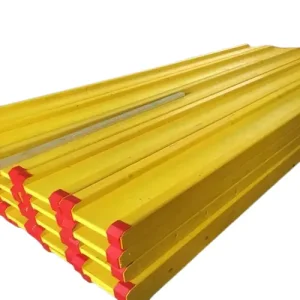
In modern high-rise casting, civil infrastructure, and slab formwork systems, the H20 Timber Beam serves as the fundamental load-bearing joist. A high-quality H20 timber beam consists of three key components: premium solid timber chords (flanges), a highly stable multi-ply web board, and protective end-caps. The dimensions are tightly controlled, with a nominal height of 200 mm, a flange width of 80 mm, and a flange thickness of 40 mm.
SEO Search Intent Insight: Engineers and structural designers look for specific load tables. A standard H20 beam must satisfy a bending moment capacity (M) of at least 5.0 kNm and a shear force limit (Q) of 11.0 kN, meeting the EN 13377 standards.
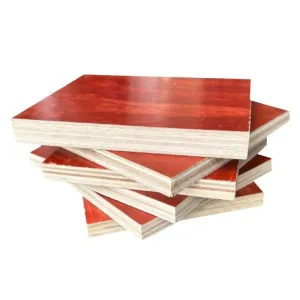
The structural reliability of H20 beams hinges on the wood type and preparation. Premium manufacturers utilize Nordic Spruce or Southern Pine for flanges, dried to a precise moisture content between 10% and 14% to prevent twisting. The web is commonly composed of a 3-ply engineered shuttering panel or high-density birch plywood, bonded using specialized WBP (Water boiled proof) phenolic resins that resist extreme moisture and temperature cycles on construction sites.
To maximize reusability (often exceeding 50 to 80 casting cycles with proper care), high-quality H20 beams undergo yellow water-resistant stain coating. This protection prevents humidity absorption. Additionally, the extremities of the beams are outfitted with shock-resistant plastic or metal protective caps to prevent splitting from drop impacts during disassembly.
Why leading global construction consortia choose Hebei Shuangyang Metal Structure Co., Ltd. for their large-scale shoring and formwork procurement.
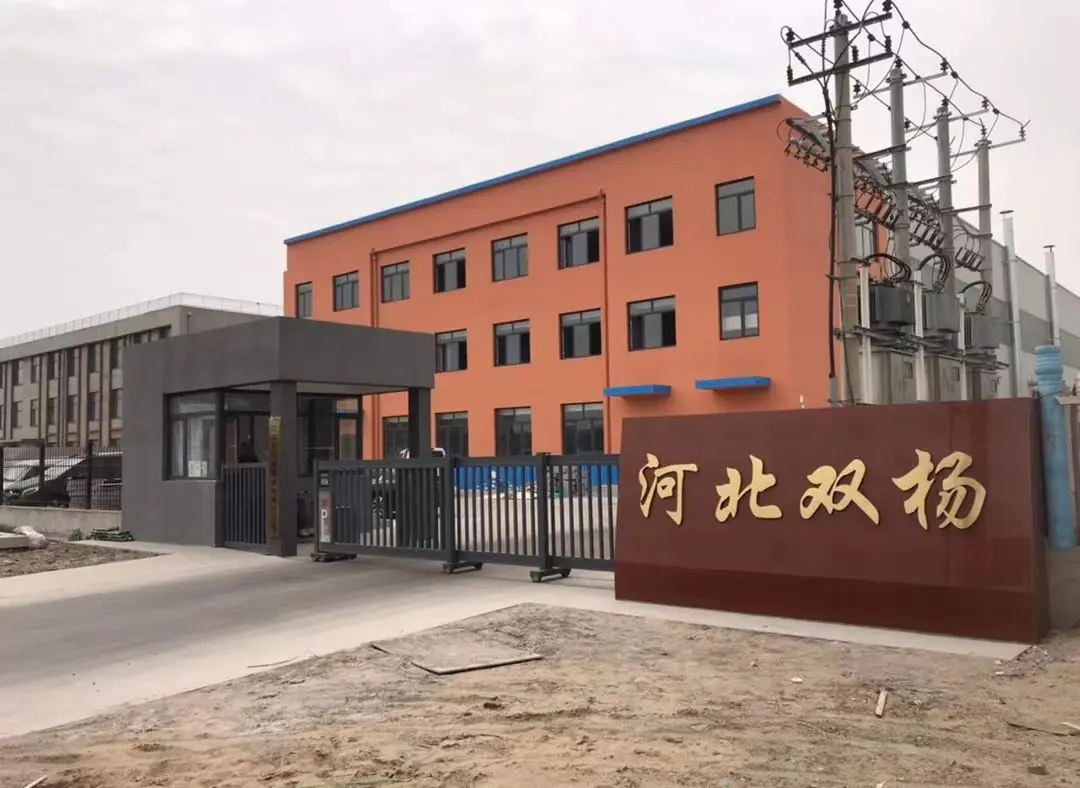
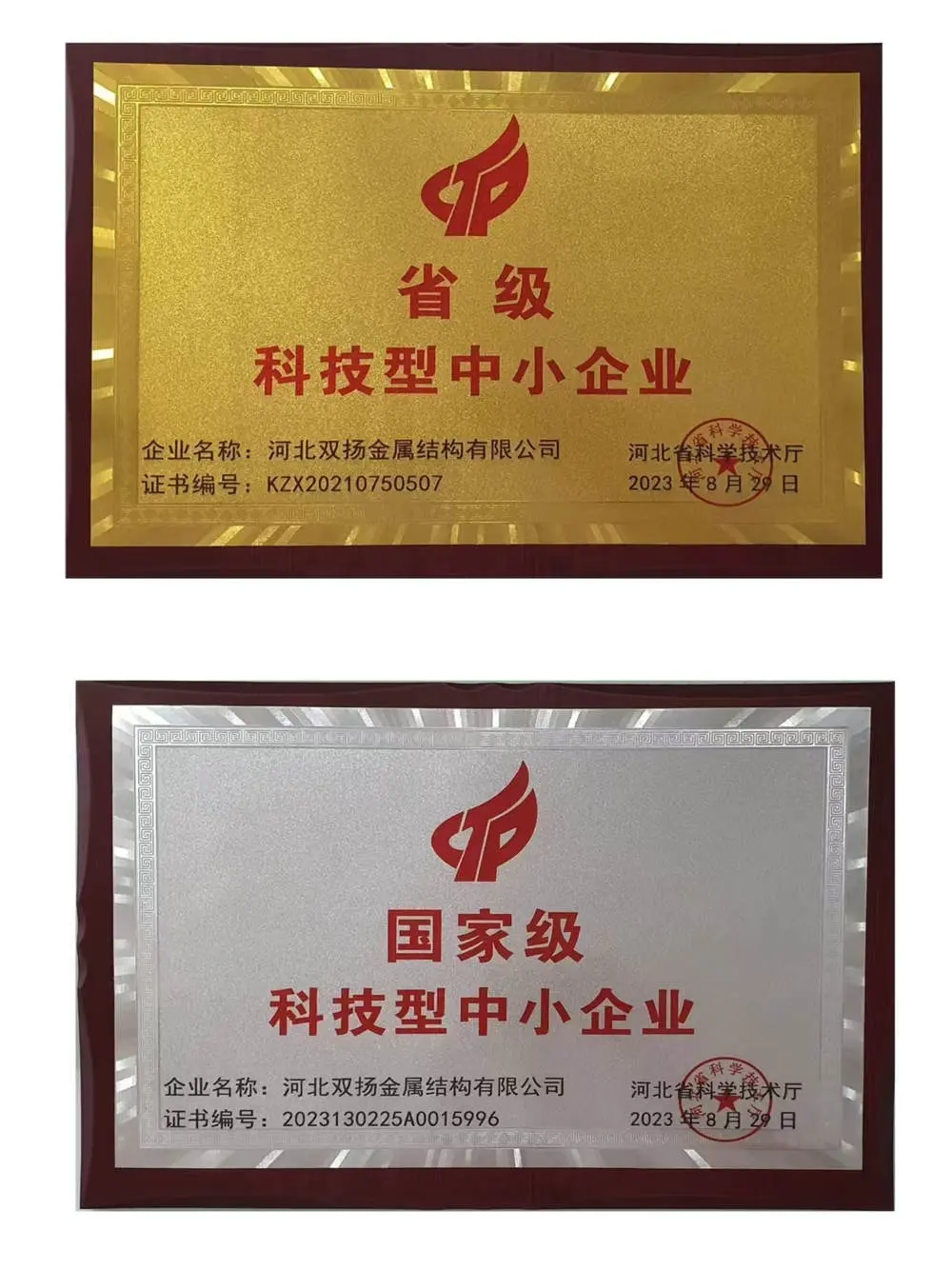
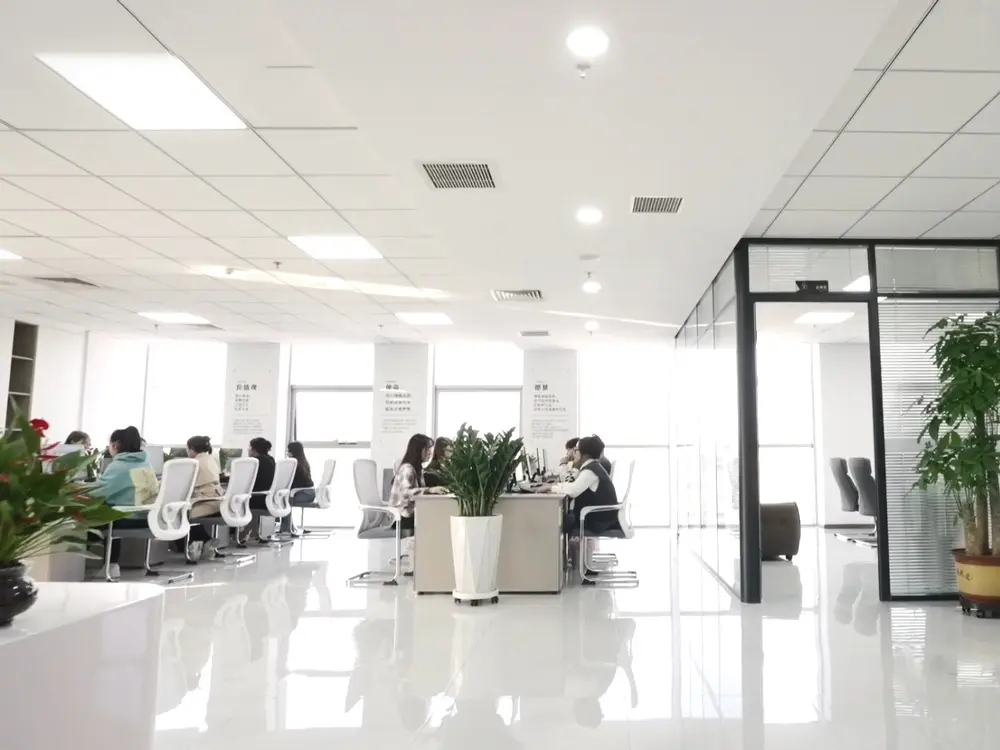
China has evolved from a basic parts supplier to the global hub of integrated structural manufacturing. At the center of this transformation is Zhuozhan Group, a diversified enterprise integrating scientific research, high-capacity manufacturing, and global sales. Complemented by its primary manufacturing unit, Hebei Shuangyang Metal Structure Co., Ltd. (established in 2014), the group provides an integrated platform for formwork accessories, scaffolding, and steel supports.
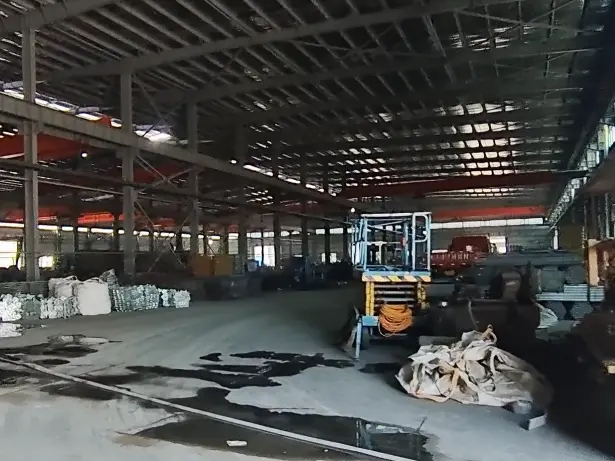
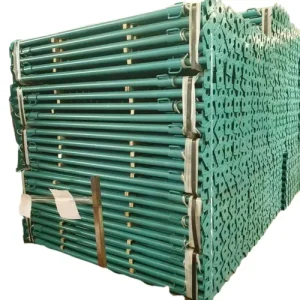
Operating a massive 40,000 square meters source facility, Hebei Shuangyang Metal Structure boasts an annual production capacity exceeding 300,000 tons of structural steel pipes, 1,000,000 tons of modular scaffolding systems, and 400,000 tons of heavy-duty adjustable steel shoring props. This immense scale enables the company to fulfill mega-project orders with short lead times, guaranteeing uninterrupted construction schedules globally.
One of the primary benefits of procurement from Zhuozhan is its geographical location. The manufacturing plants are situated near three of China's most active deepwater ports: Jingtang Port, Caofeidian Port, and Tianjin Port (Xingang). This strategic proximity drastically reduces domestic container hauling costs and ensures flexible shipping options, securing faster transit times to destinations in North America, Europe, the Middle East, and Southeast Asia.
Analyzing the structural synergy between H20 timber beams, Ringlock scaffolding systems, and adjustable steel props.
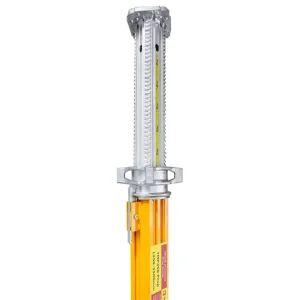
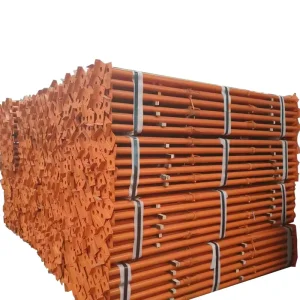
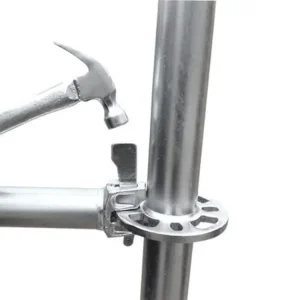
By pairing high-load H20 timber beams as primary and secondary joists with adjustable heavy-duty steel props or Ringlock scaffolding tables, contractors achieve rapid cycle times. The lightweight properties of H20 wood beams reduce structural deadload, allowing shoring systems to bear greater concrete thickness.
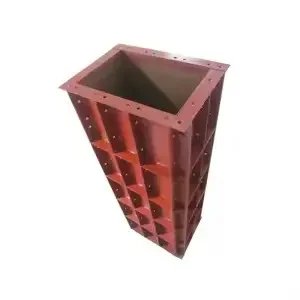
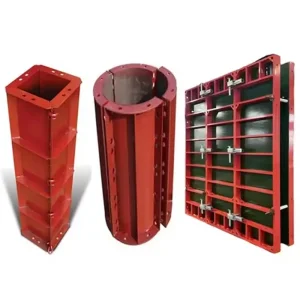
For bridge piers, highway flyovers, and subway stations, customized steel formwork paired with H20 beams offers the required flexibility. It conforms to complex geometric profiles while maintaining dimensional tolerances of ±1mm, critical for mass concrete pours.
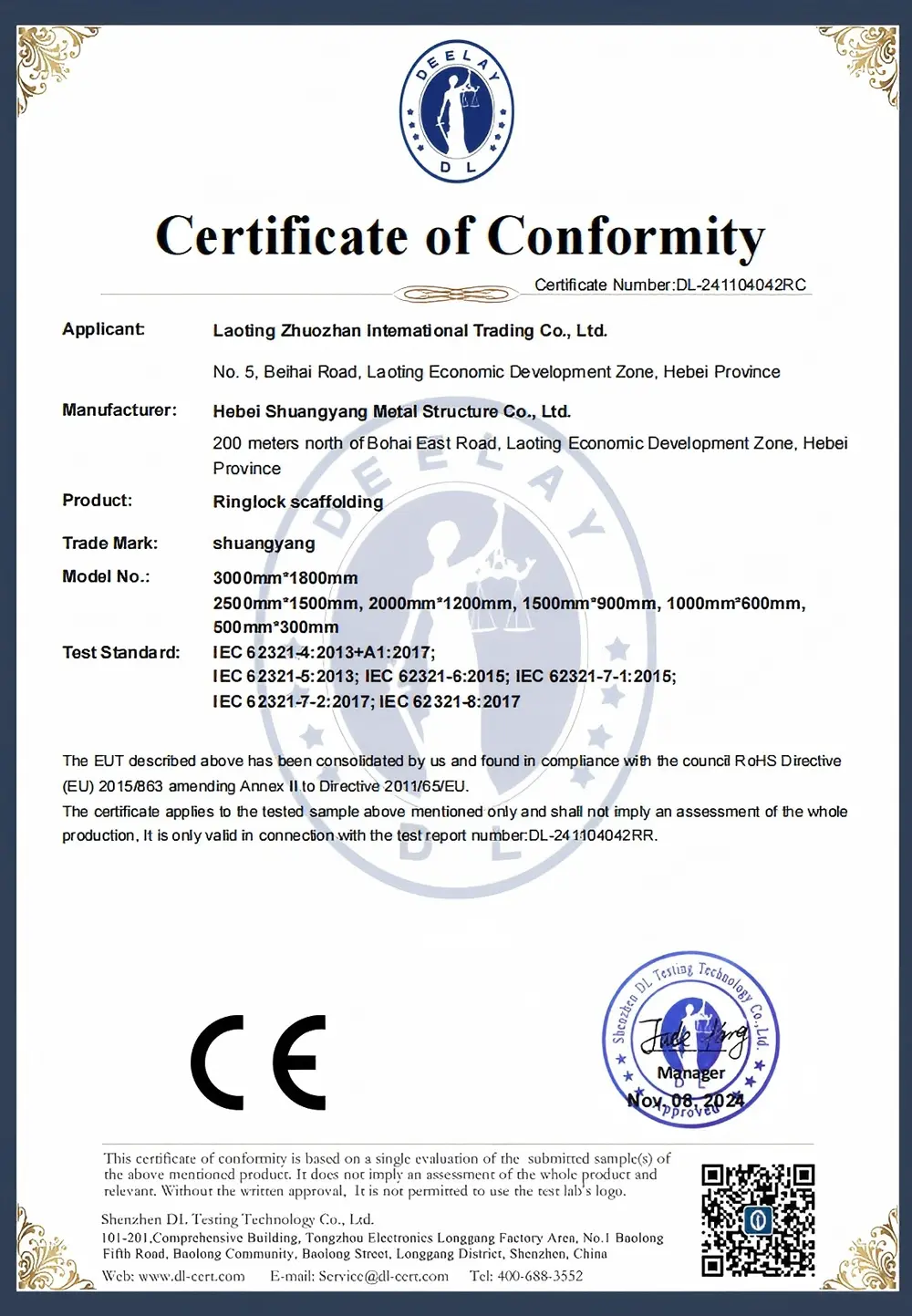
Zhuozhan's systems align with international safety criteria. From OSHA-compliant steel props to EN 12810/12811 certified Ringlock scaffolding, our designs prioritize the physical safety of workers and the integrity of structural installations under peak loads.
Rigorous processing steps, automated welding operations, and eco-friendly hot-dip galvanization protocols.
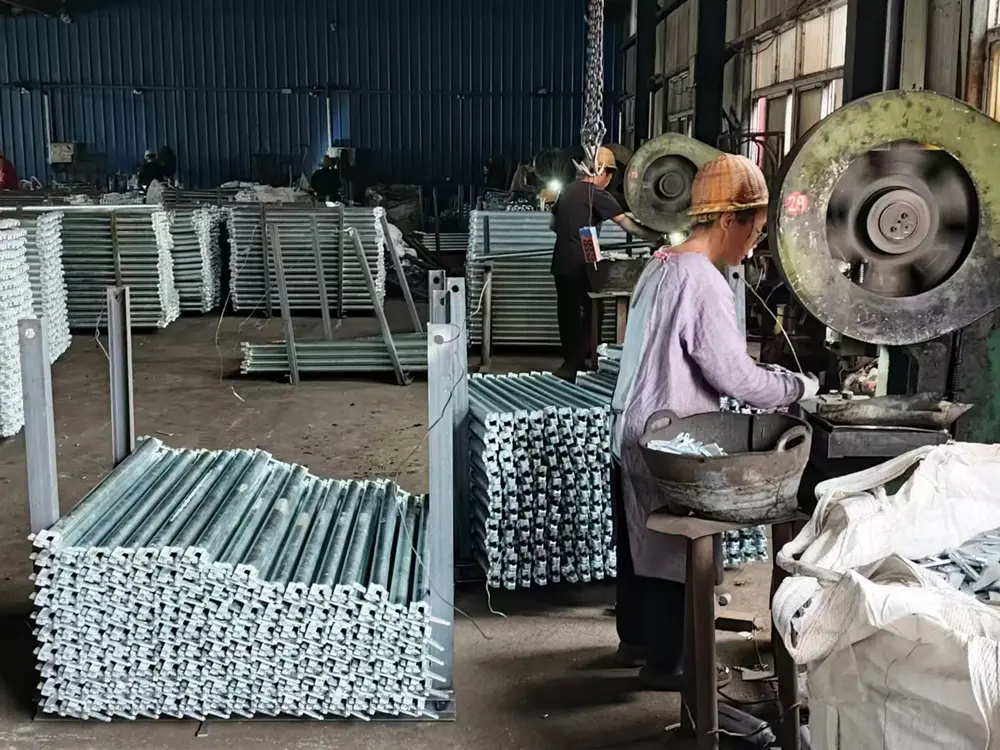
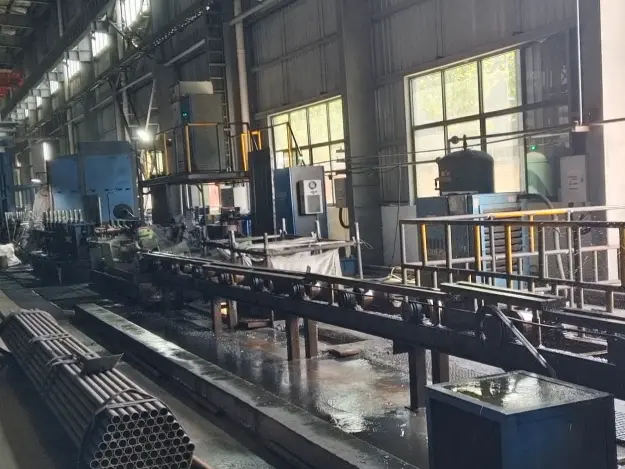
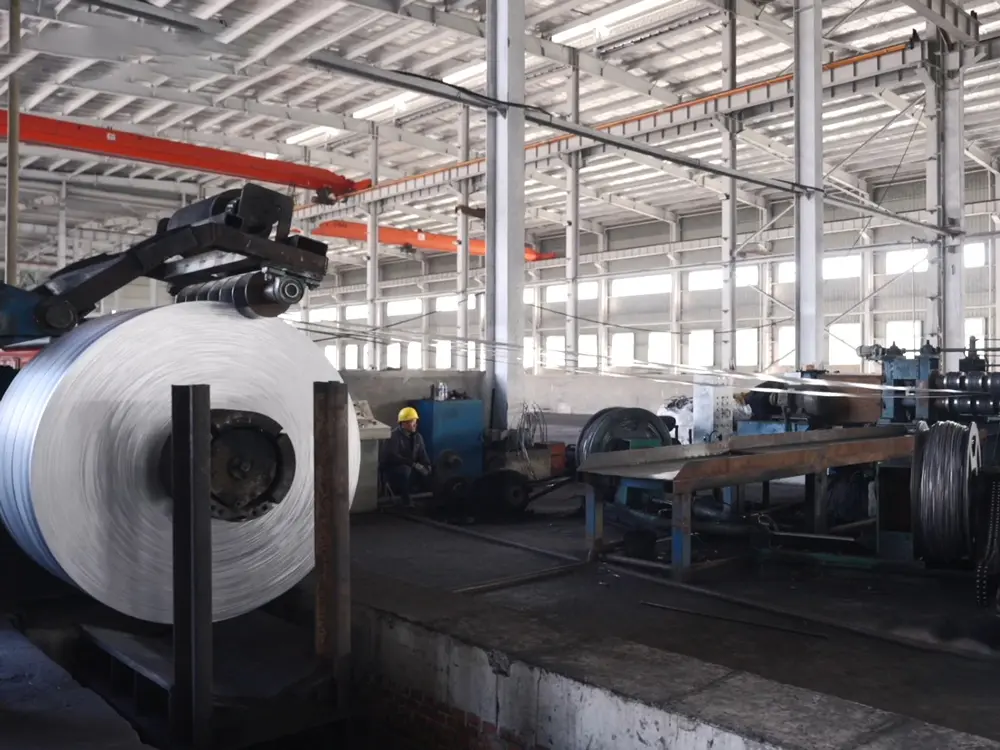
The stability of structural shoring systems is dependent on the fabrication accuracy of the vertical components. At our Hebei factory, the production cycle is managed to minimize dimensional variances and control emissions:
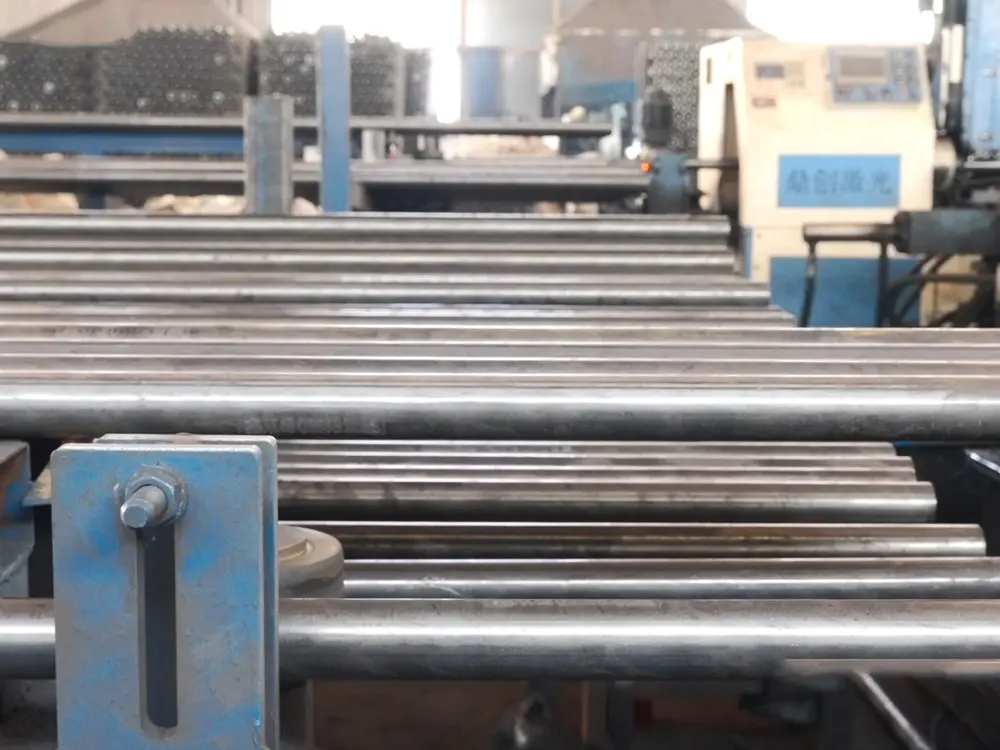
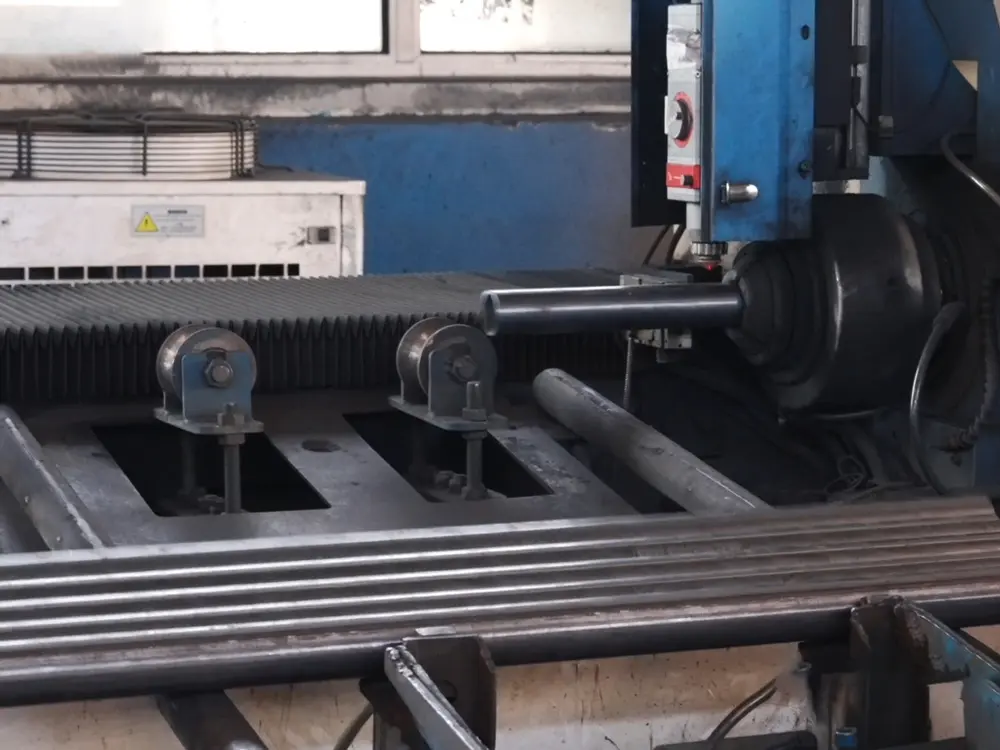
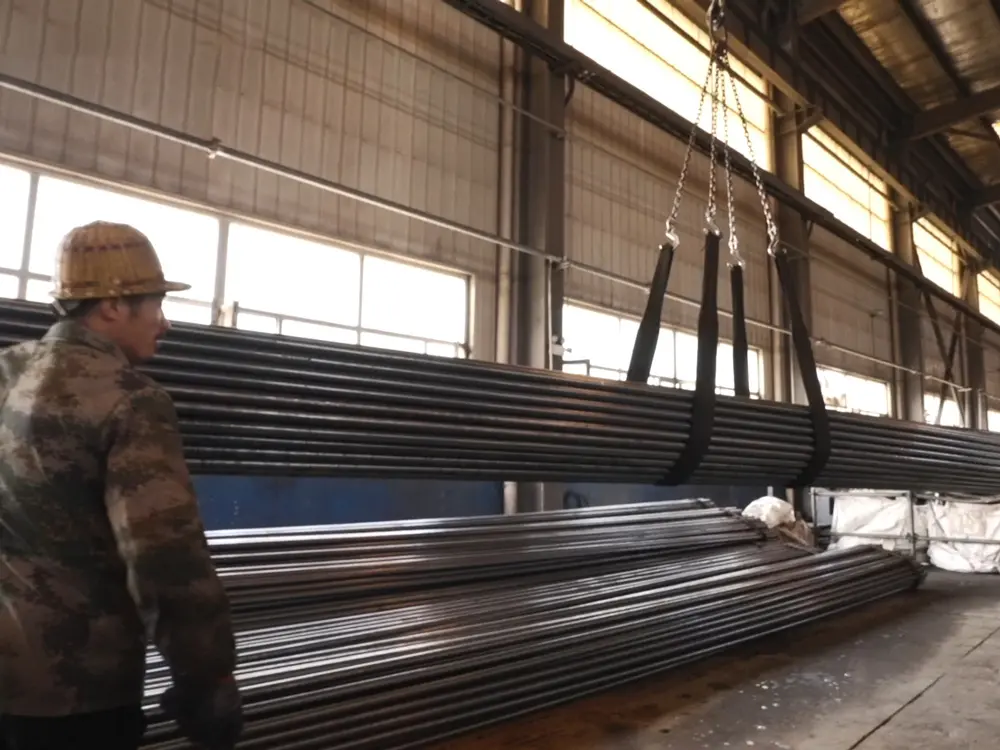
Raw steel tubes are cut to exact lengths. Processes are monitored to manage noise and metal scrap recycling.
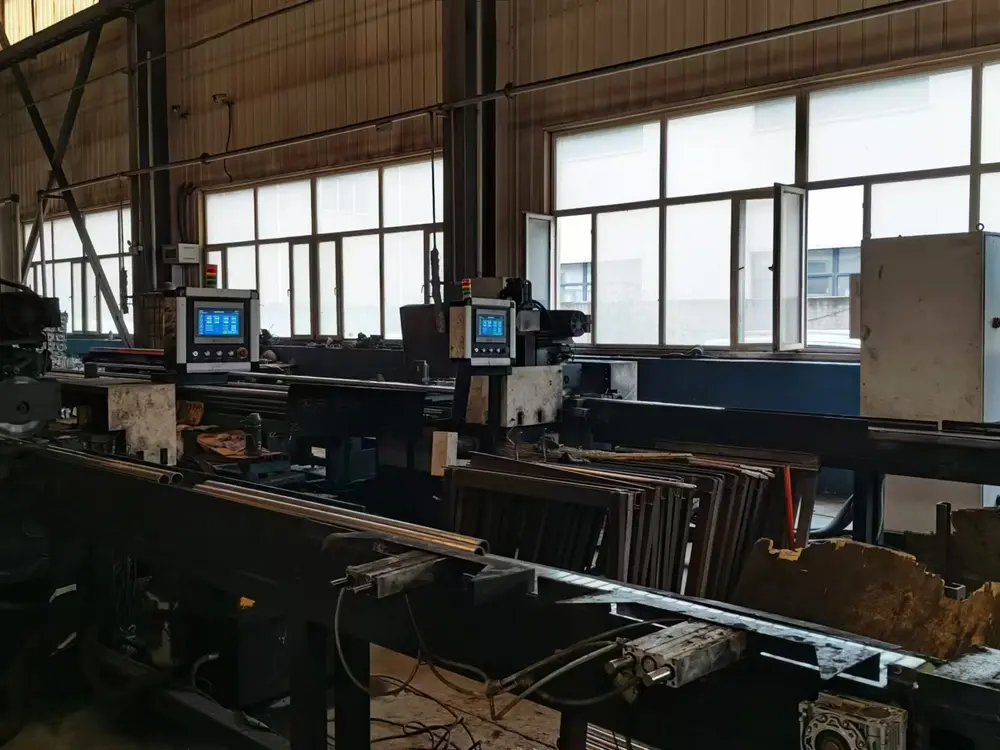
High-speed hydraulic presses punch clean holes for node connections at set intervals, maintaining structural integrity.
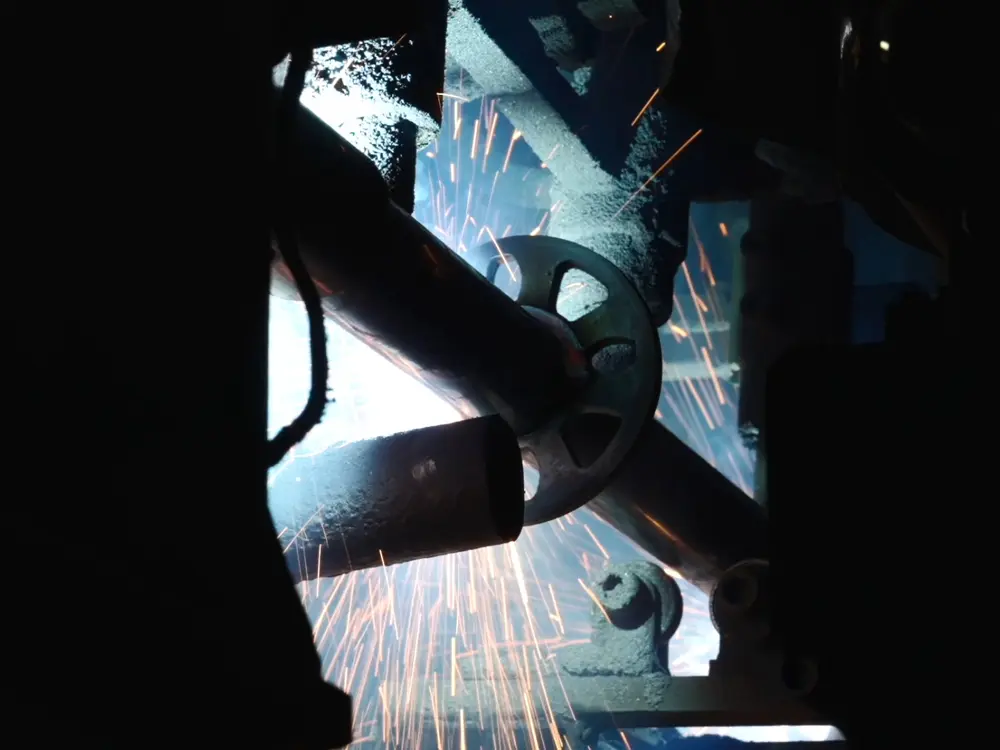
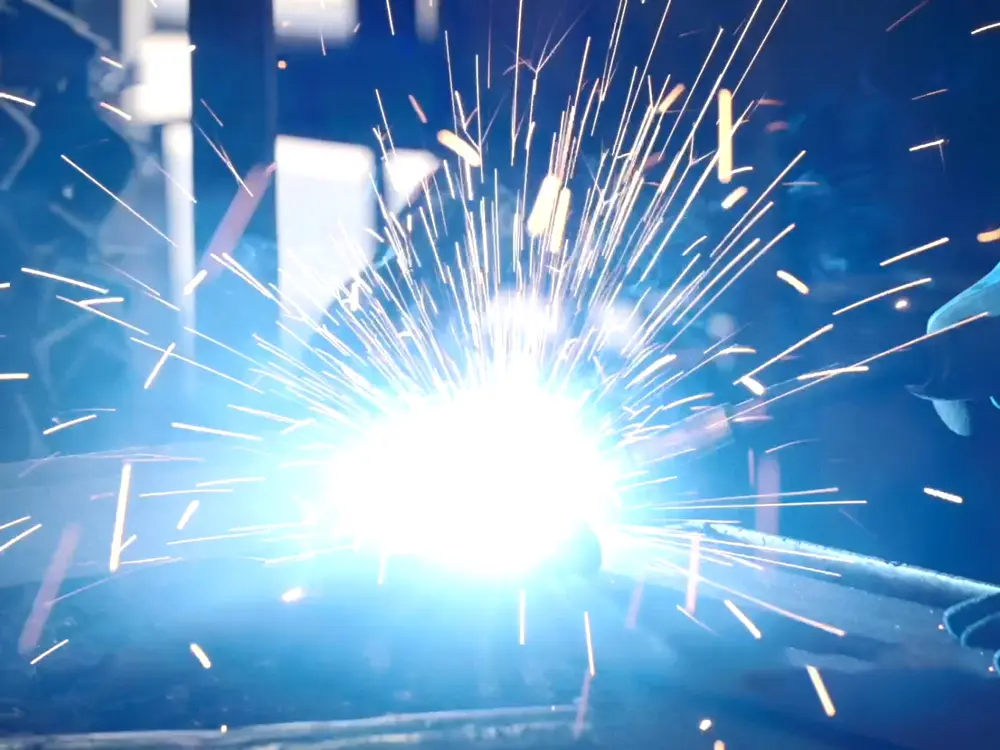
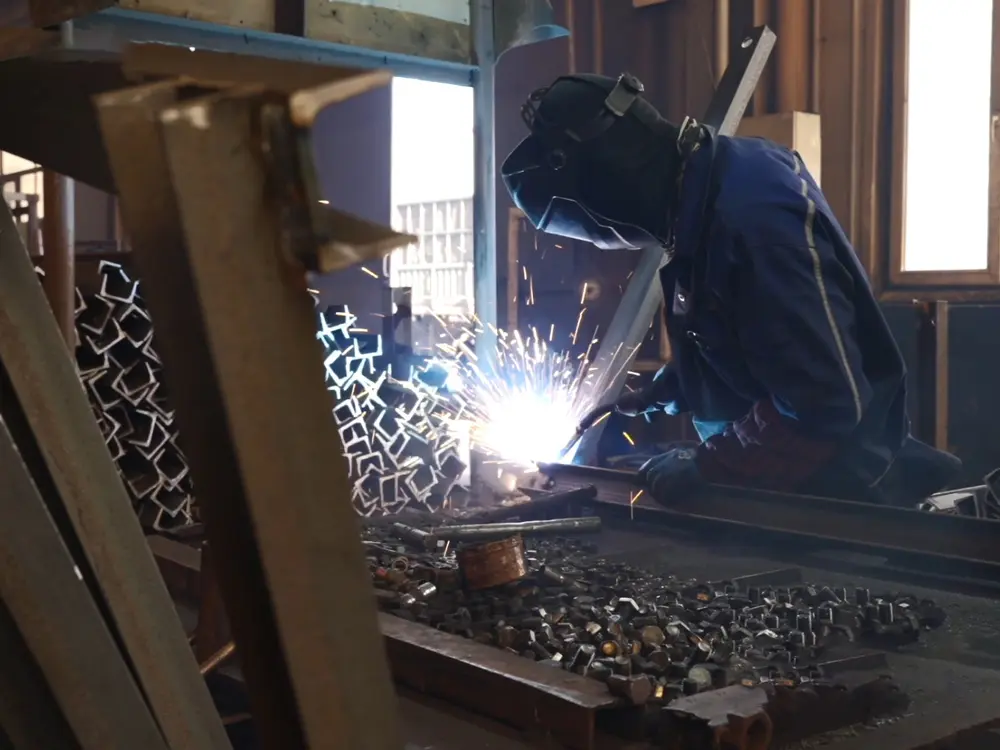
Tubes and connection discs are welded automatically. Advanced ventilation systems filter weld fumes and collect particulates.
Components are treated via hot-dip galvanization, forming an alloyed coating for reliable rust protection.
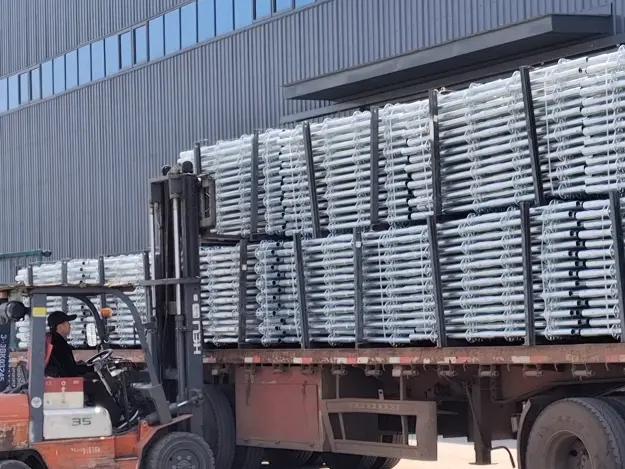
Finished vertical rods undergo structural checks before being packaged for domestic and international distribution.
The manufacturing process for horizontal ledger elements follows a similar, controlled flow to ensure tight tolerances across the shoring structure:
Forming the structural base of the horizontal ledgers using high-grade Q355B structural steel tubes.
Forming precise ends to receive cast ledger heads with tight connection tolerances.
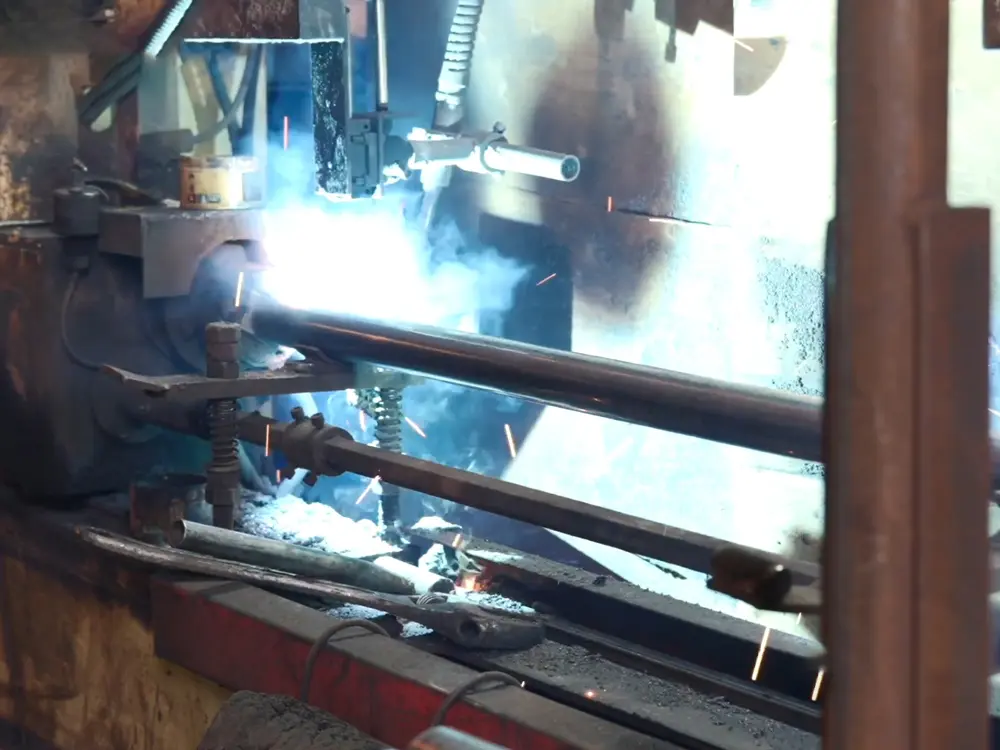
Welding casting heads to the tube ends using automated machinery to ensure uniform strength across joints.
The pieces undergo full immersion galvanizing to protect inner and outer surfaces from moisture exposure.
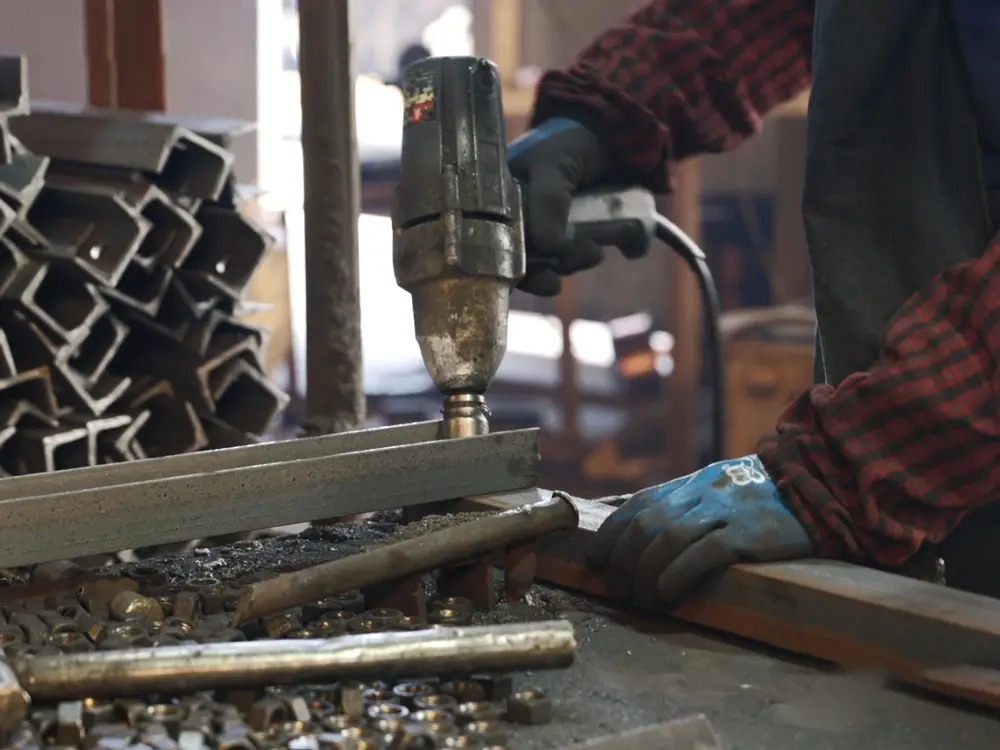
Ledger pins are riveted to the heads, completing assembly. Products are stacked in bundles for shipping.
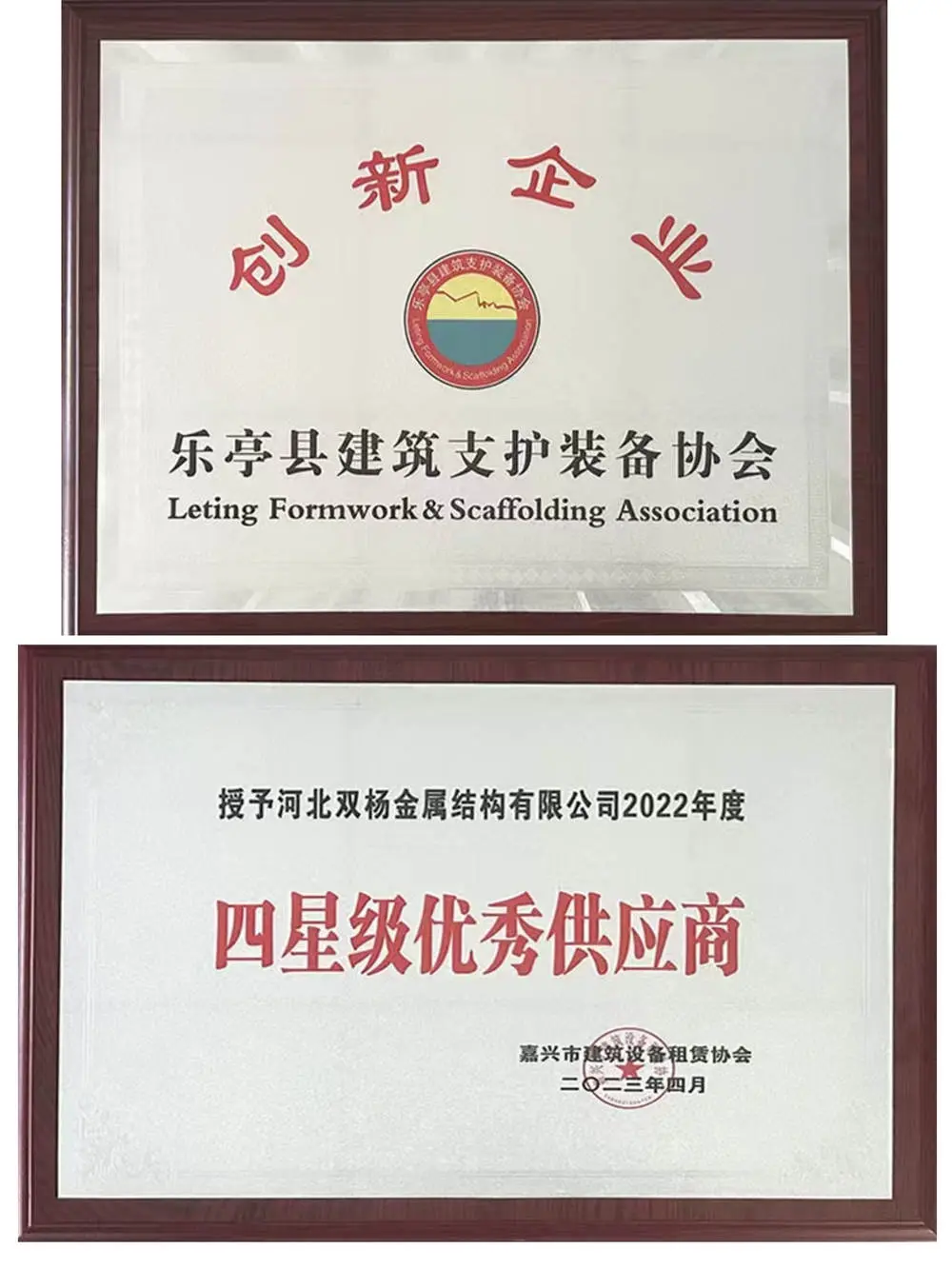
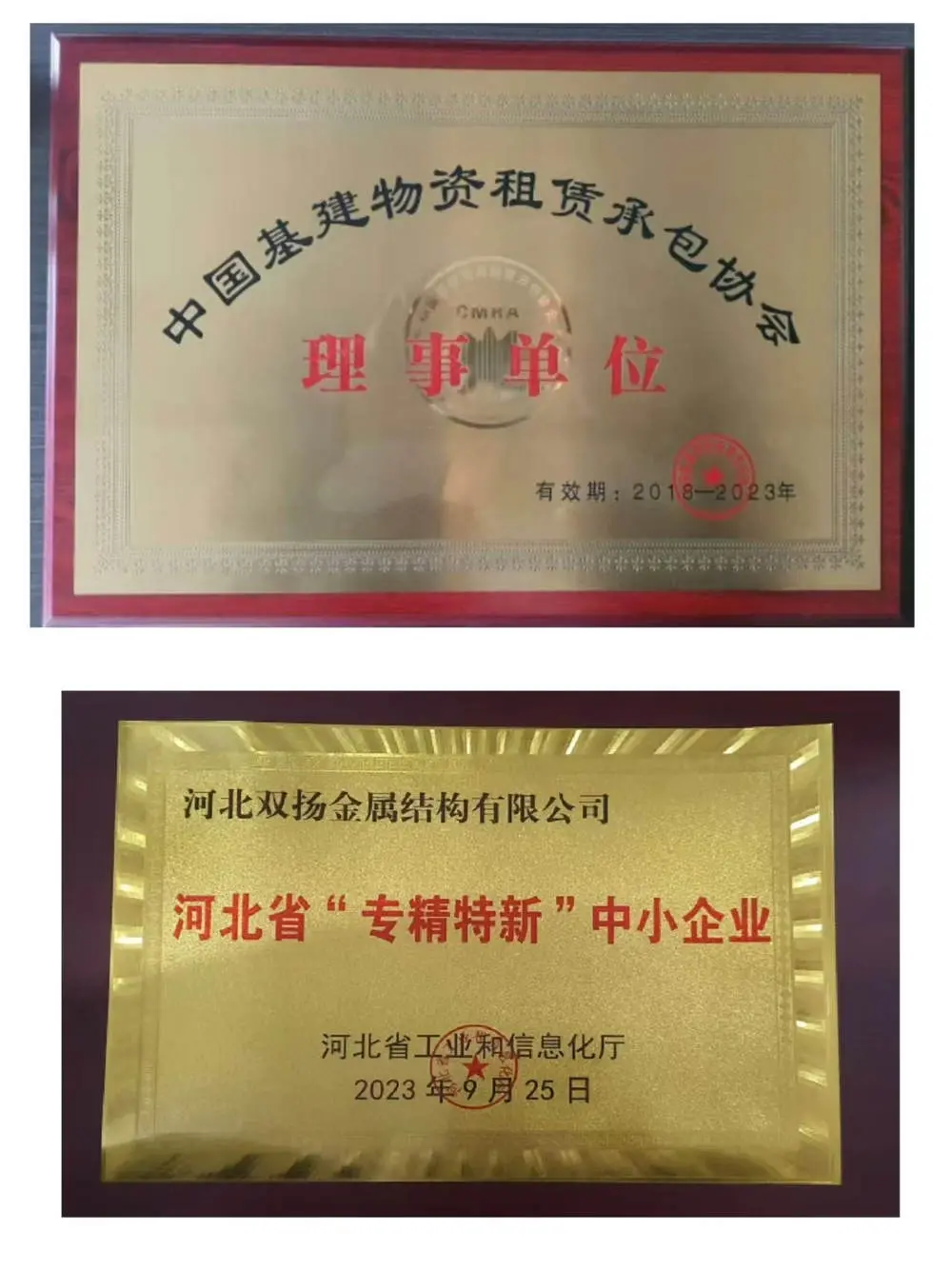
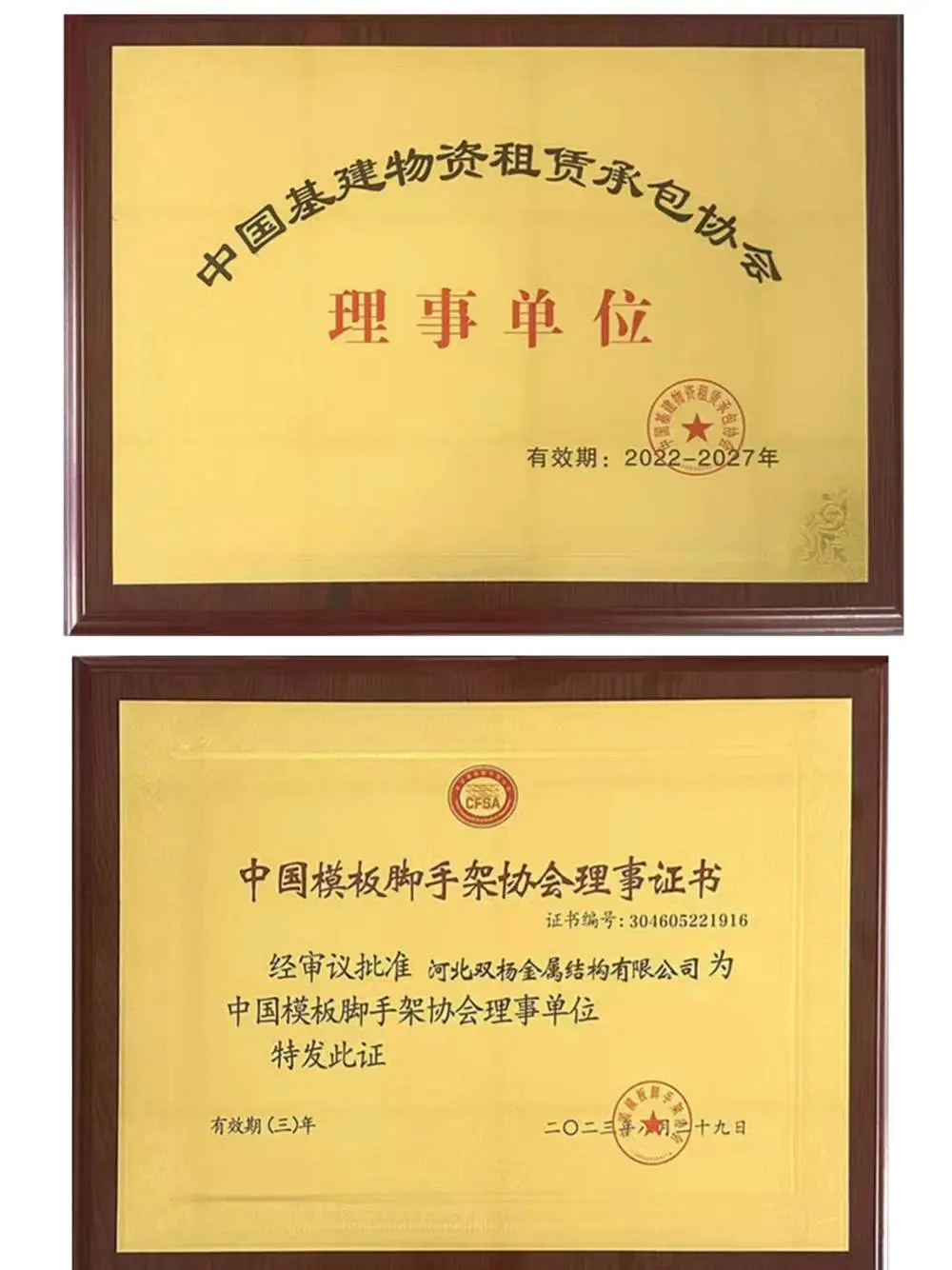
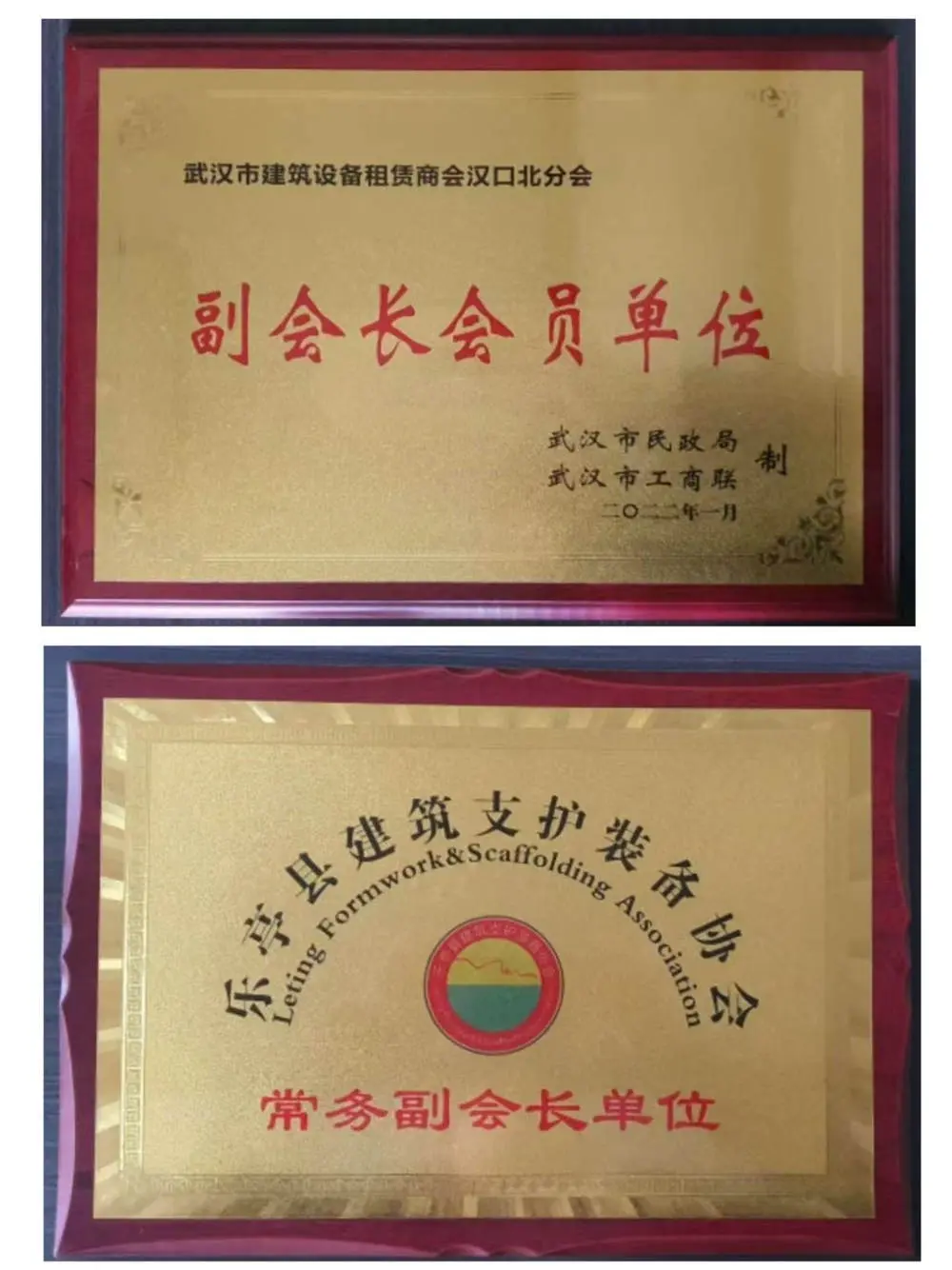
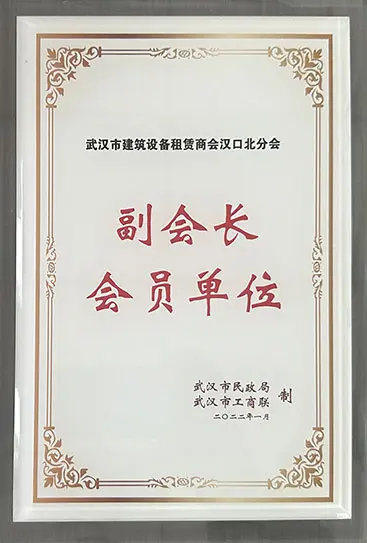
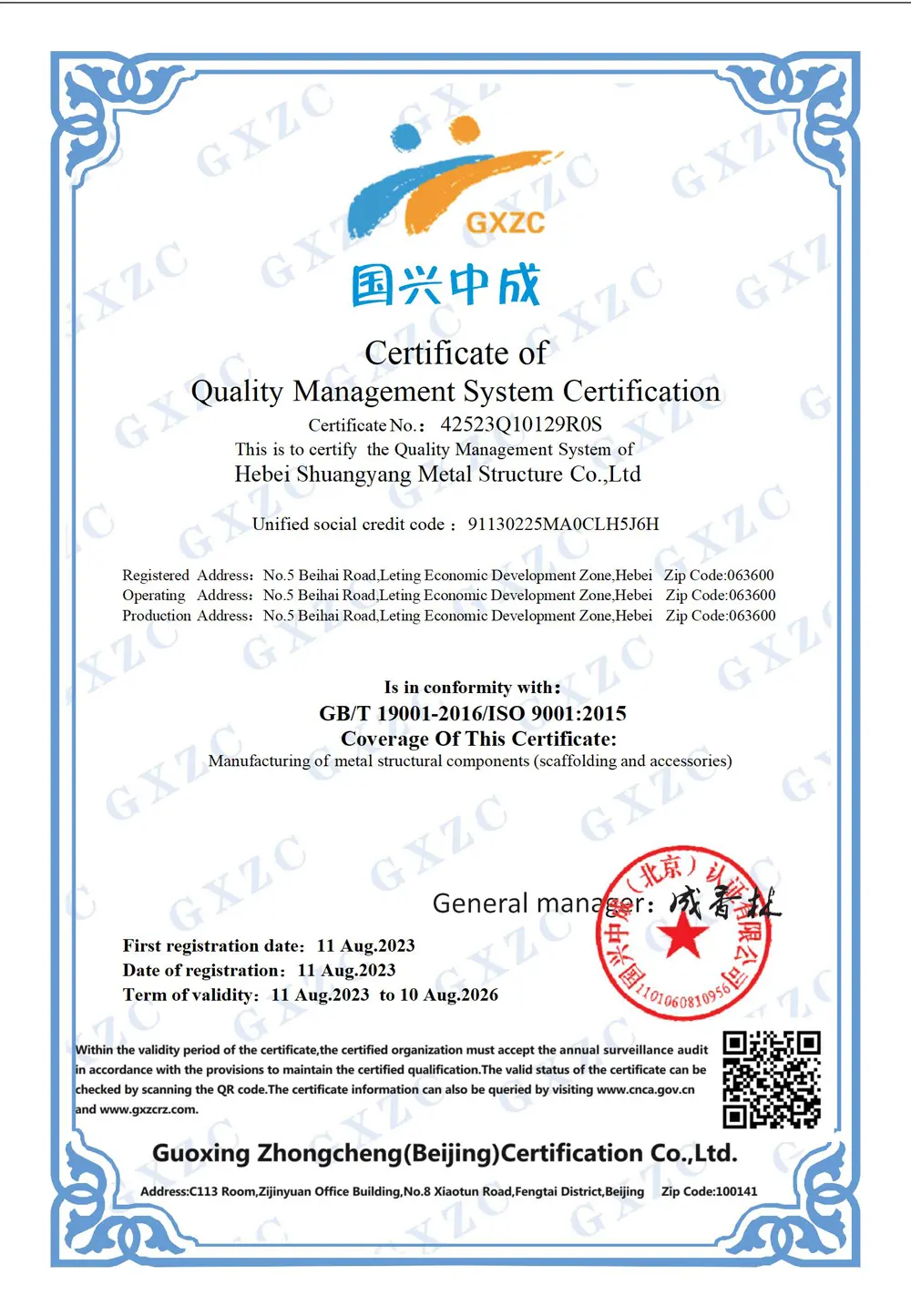
Verifying our E-E-A-T credentials through international ISO, EN, and OSHA manufacturing records.
Zhuozhan Group maintains comprehensive testing logs and certifications. Our products are exported to more than 30 provinces in China and over 50 countries, including the United States, Canada, Germany, Italy, the UAE, Indonesia, and Malaysia. This global presence is supported by local warehouses and distribution channels.

An authoritative analysis of H20 timber beam applications and the evolving global formwork market.
The global construction sector is shifting toward reusable, resource-efficient materials. Traditional site-cut structural timber is being replaced by systemized timber formwork. H20 timber beams, with their predictable structural performance and lower carbon footprint compared to all-steel joists, are becoming the standard. The integration of protective end-caps and water-resistant resins has extended the working life of these components, making them a cost-effective choice for modern leasing agencies and general contractors.
In humid regions like Southeast Asia or coastal South America, H20 beams must resist fungal decay and swelling. Zhuozhan utilizes advanced pressure preservation treatments and protective yellow coatings to ensure stability in wet environments. Conversely, in cold regions like Canada and Northern Europe, cold-weather flexibility prevents the cracking of the timber web. This performance relies on the low-temperature flexibility of the bonding resins used in our manufacturing process.
For international buyers, importing structural lumber products requires navigating strict plant health certifications, customs tariffs, and load test declarations. Zhuozhan supports buyers by providing certified testing records (complying with EN 13377 standards), custom shipping packaging, and documentation required for customs clearance at destinations like Rotterdam, Los Angeles, and Jebel Ali.
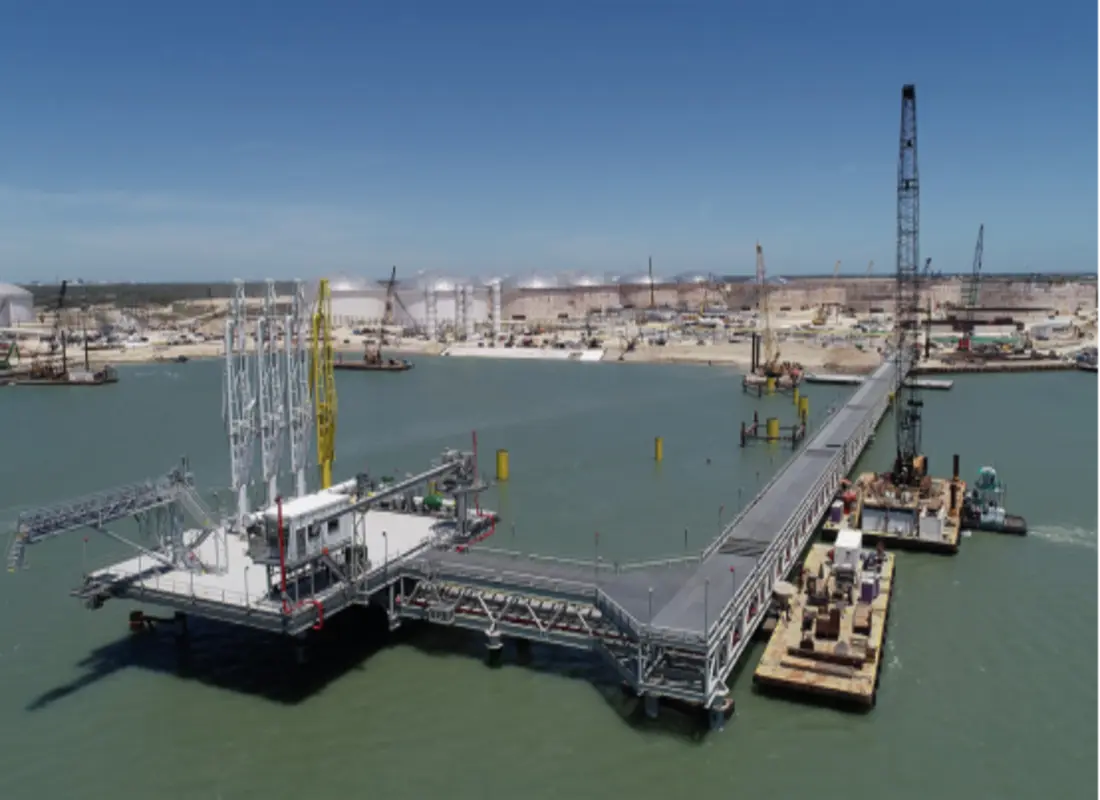
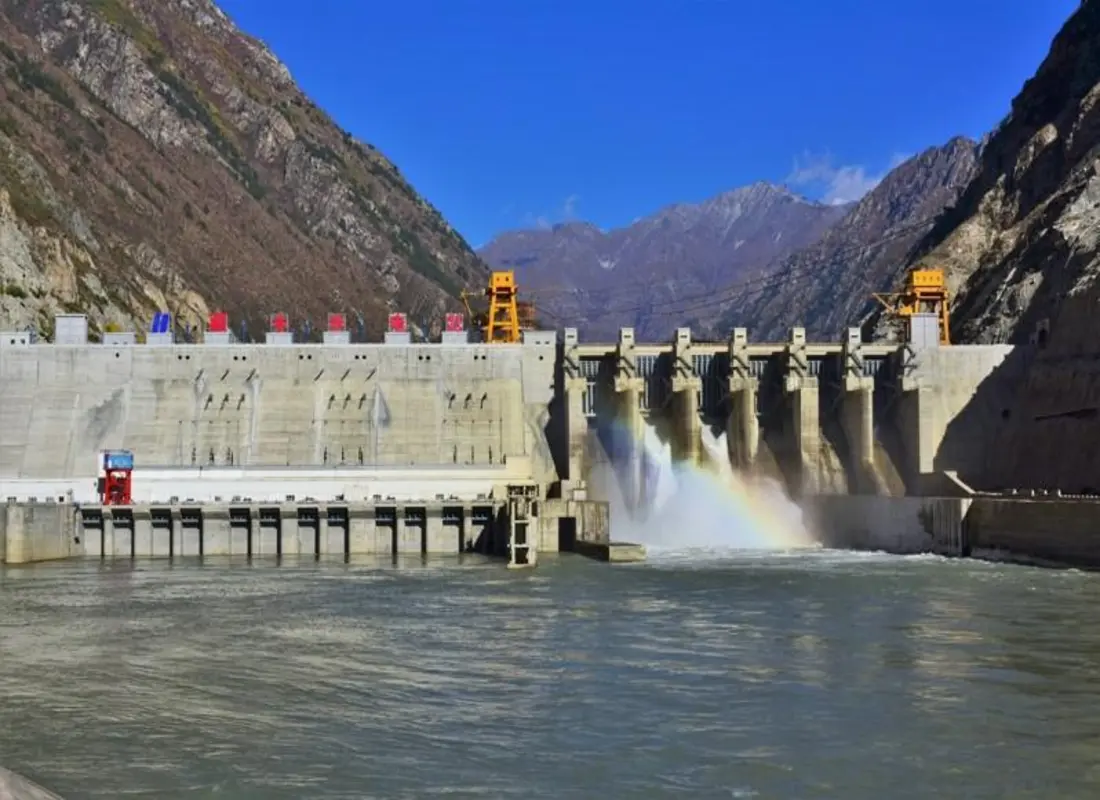
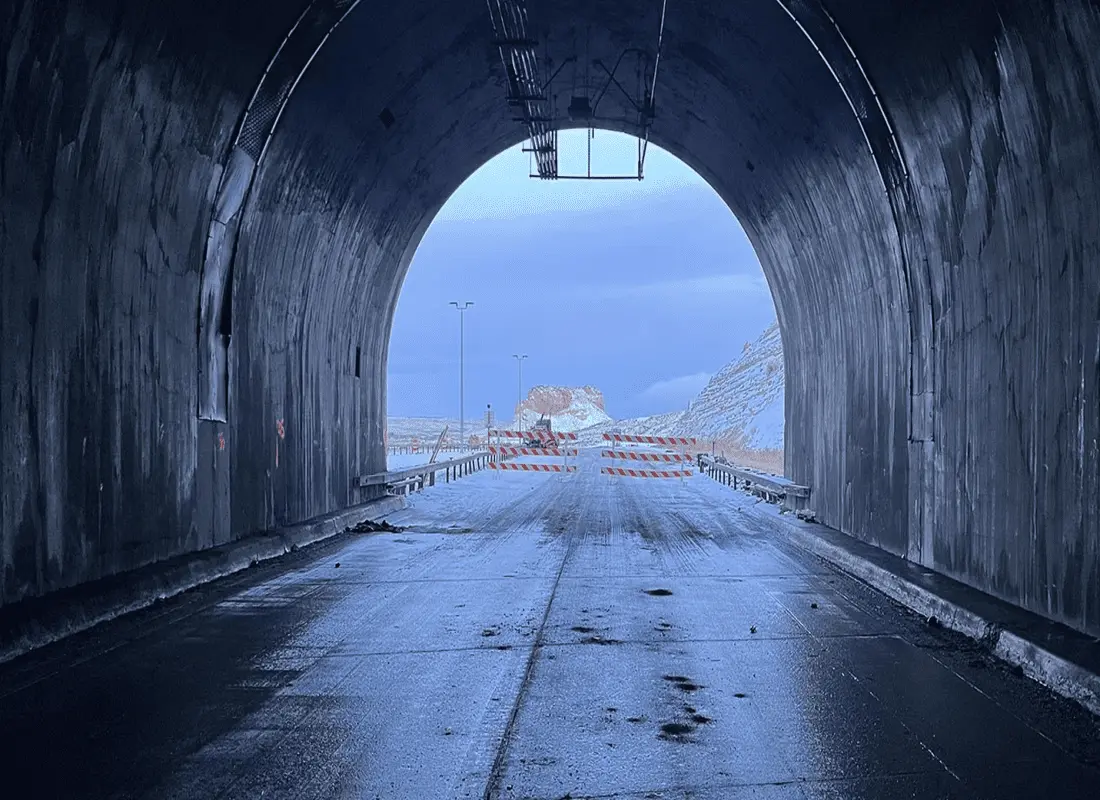
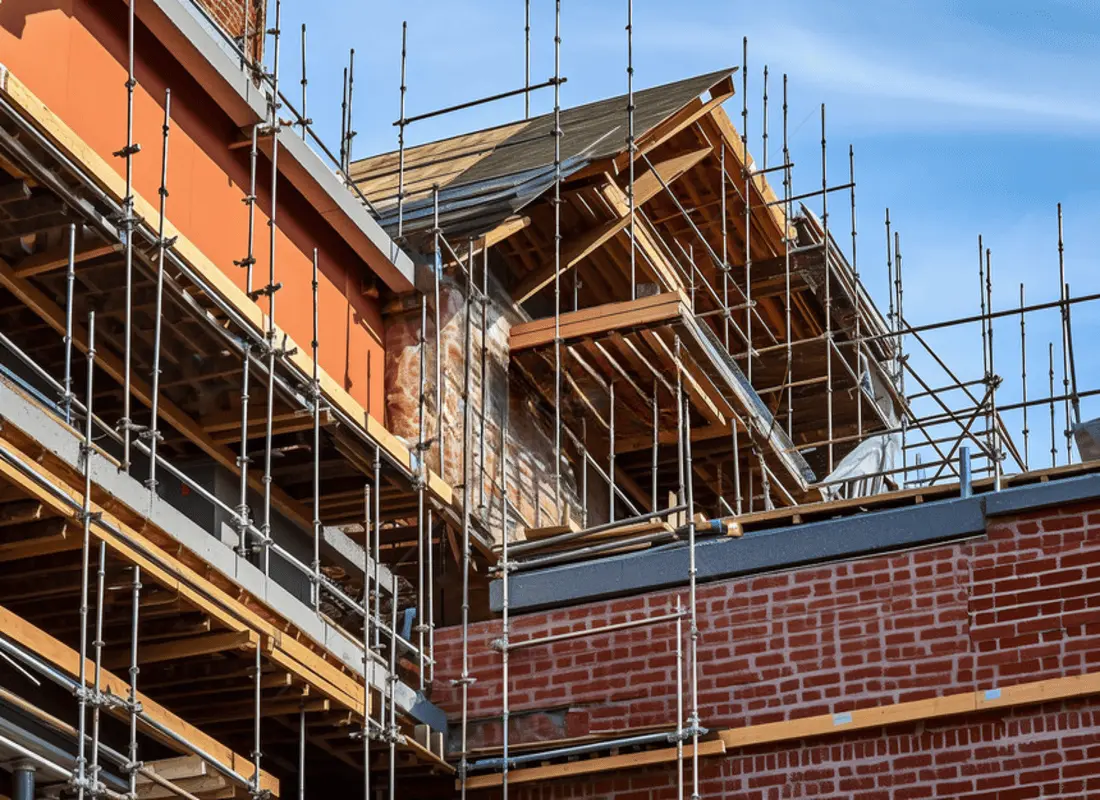
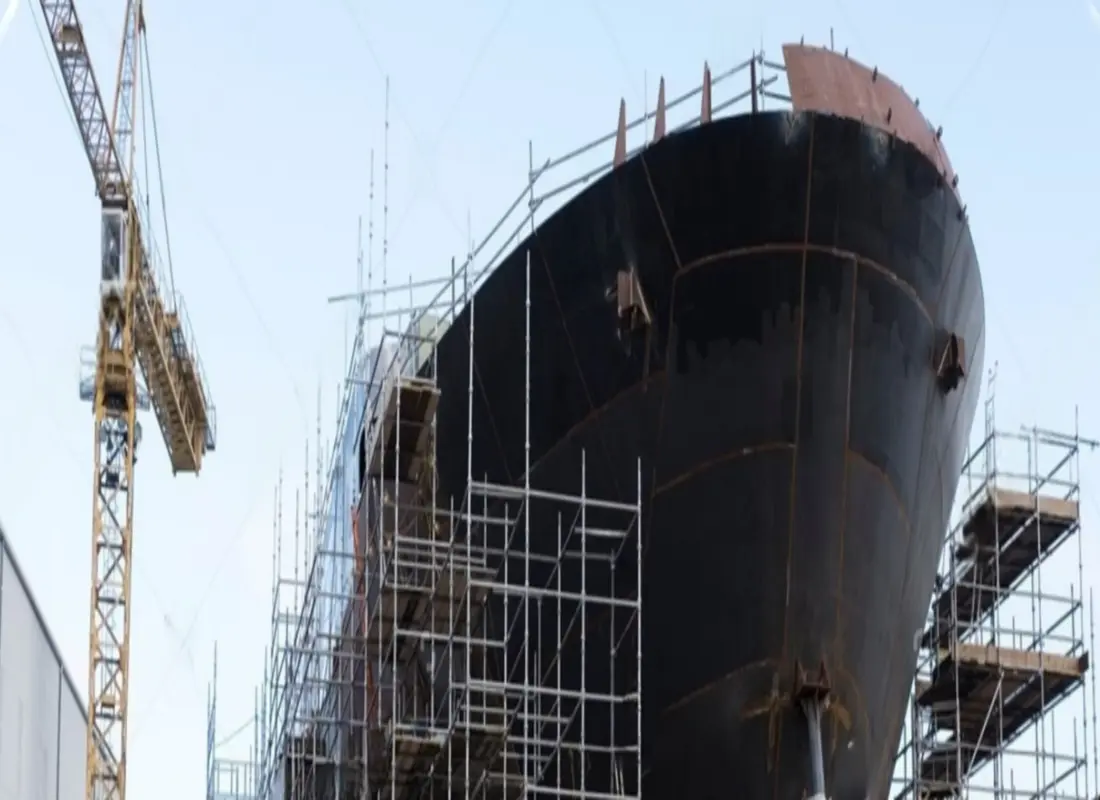
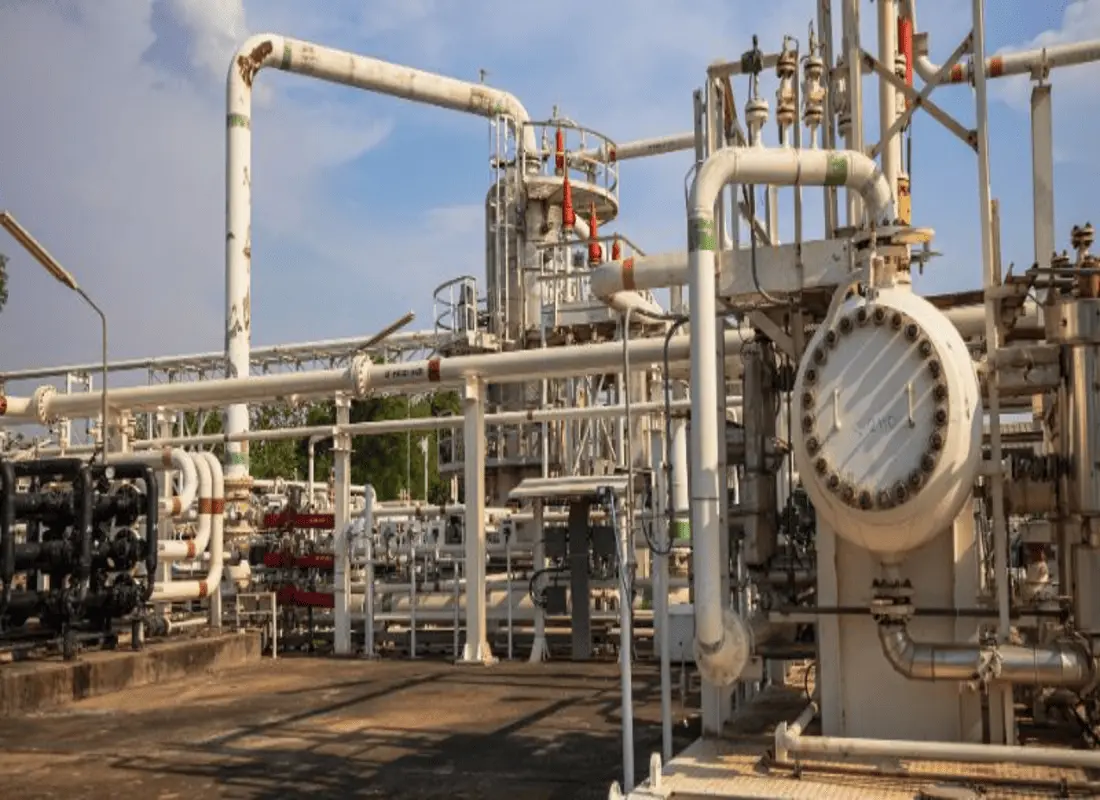
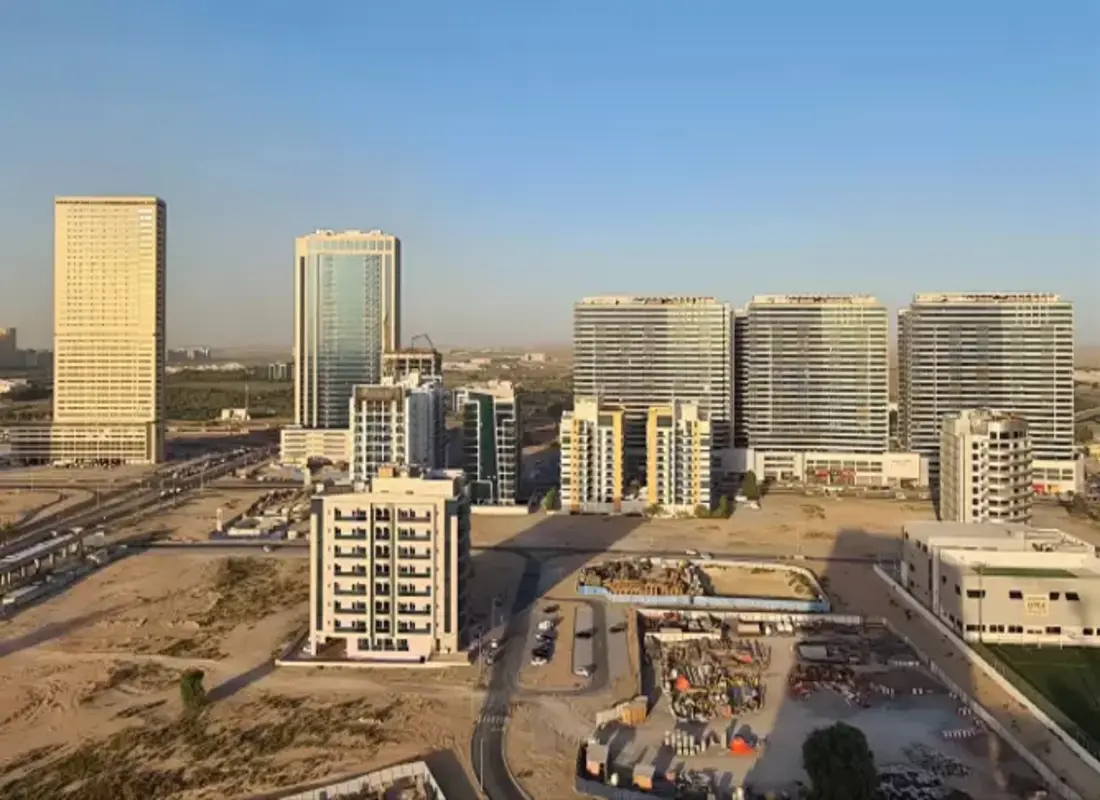
Explore real-world applications of our scaffolding and formwork systems in international infrastructure projects.

Clear answers to common questions about H20 timber beam specifications, manufacturing, and international shipping.
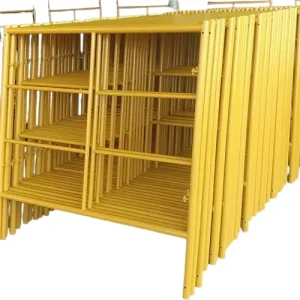
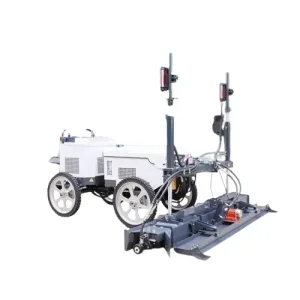
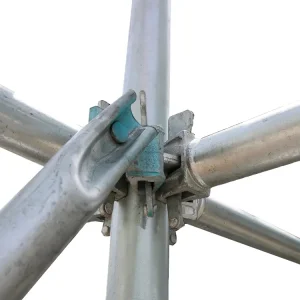
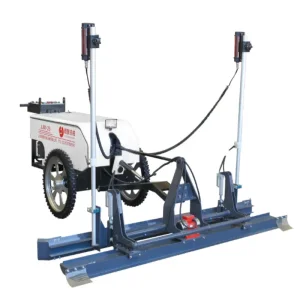
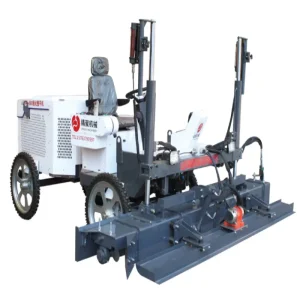
Supporting equipment to complete your heavy engineering, slab leveling, and scaffolding setup.
 Zhuozhan