Premium grade structural elements engineered for high safety limits, certified for construction works globally.
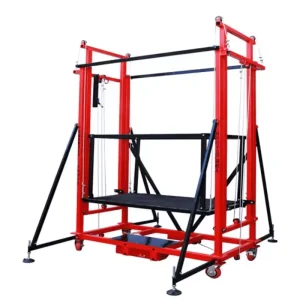
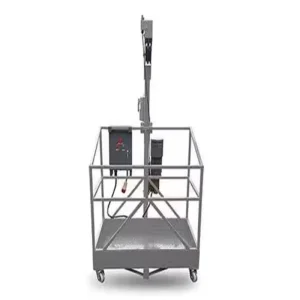
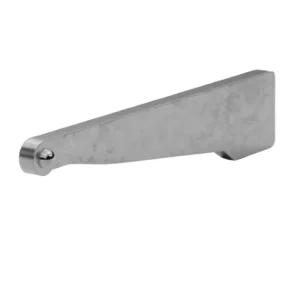
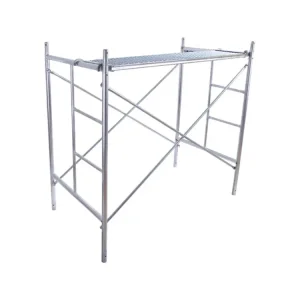
Zhuozhan Group is a diversified and innovative enterprise that seamlessly integrates scientific research, manufacturing, and sales. With a robust portfolio of specialized subsidiaries, including Laoting Zhuozhan International Trade Co., Ltd. and Hebei Shuangyang Metal Structure Co., Ltd., the group has firmly established itself as a key technological pioneer in the heavy construction components and steel fabrication industries.
Through sustained focus on advanced manufacturing infrastructure, our business footprint spans engineering consultancy, mechanical calculations, structural design, and international maritime logistics. We deliver mission-critical support for public infrastructures, energy generation projects, industrial plants, and commercial developments globally.
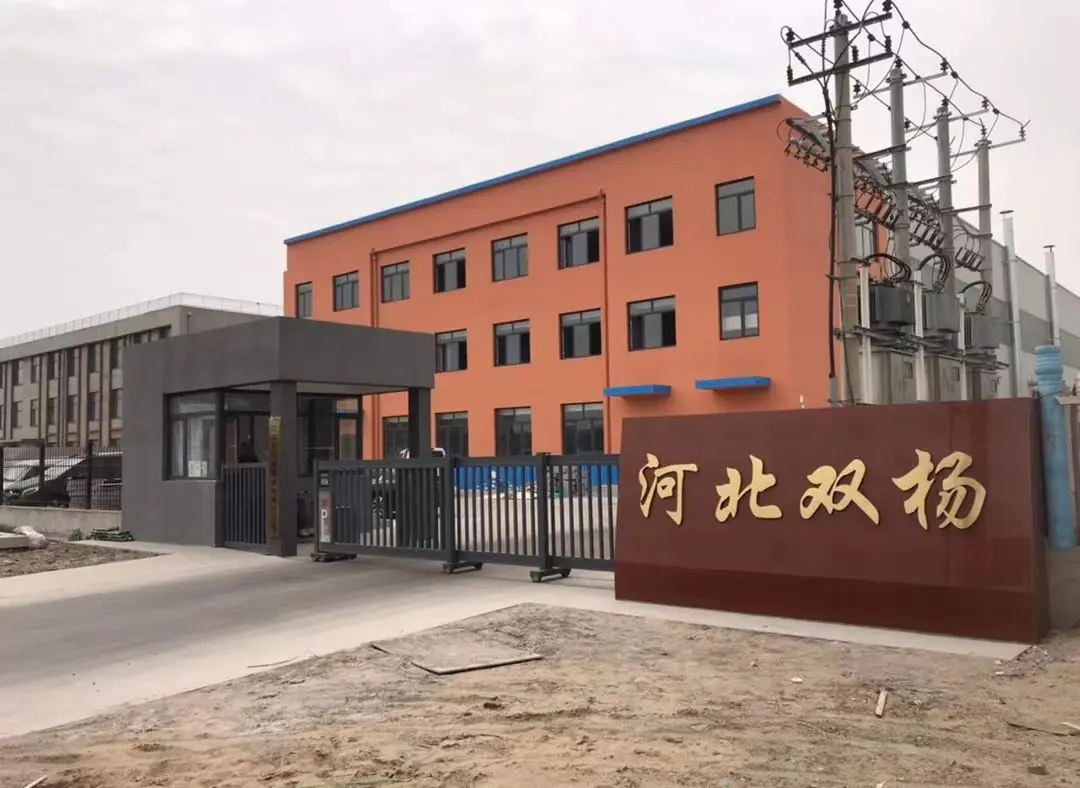
Founded in 2014, Hebei Shuangyang Metal Structure is the pivotal manufacturing subsidiary of Zhuozhan Group. The enterprise occupies a total facility footprint of 13,132.68 square meters, featuring a modern fabrication layout with a construction area of 7,124.58 square meters. Shuangyang maintains a workforce exceeding 500 highly skilled personnel, including advanced welding technicians, QC specialists, and design engineers.
Equipped with over 150 sets of advanced metal processing machinery, including automated welding stations, precision punching rigs, and high-speed CNC cutting lanes, the factory has secured 15 national patents to date. Our massive scale guarantees high volume consistency: our annual output capacity includes 300,000 tons of structural steel pipes, 1 million tons of modular scaffolding systems, and 400,000 tons of adjustable heavy-duty steel props.
Analyzing key drivers in modern high-altitude engineering, structural load mechanics, and safety paradigms.
The global industrial scaffolding market has transitioned from basic field-assembled pipe structures to precision-engineered modular systems. Industrial facilities, maritime infrastructure, petrochemical plants, and modern high-rise buildings demand scaffolding designs that prioritize speed, structural load capacity, and worker safety under severe weather parameters.
As standard regulatory frameworks like EN 12810/12811 and OSHA Title 29 become globally enforced, structural engineering firms no longer accept uncertified steel structures. High-stress projects like wind turbine installations, highway bridges, and deep-excavation slab shoring require certified metal structures capable of maintaining node rigidity under dynamic and static stress loads. The modernization of global construction supply chains relies heavily on factories that can deliver consistent metallurgical grades, certified hot-dip galvanization (HDG), and high structural safety factors.
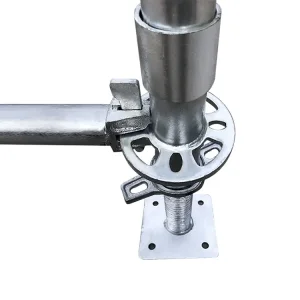
Traditional scaffolding setups require significant labor and time. Modern Ringlock modular configurations utilize pre-spaced connection disks (rosettes) that enable self-locking wedge connections. This system reduces human error during erection, limits critical failure risks, and permits load capacities of up to 10 tons per vertical post when utilizing high-yield Q355B steel.
How automation, raw material integration, and localized port infrastructure optimize unit costs and delivery timelines.
Our Hebei Shuangyang factory utilizes over 150 advanced machinery setups. Automated laser cutting ensures zero-tolerance raw pipe preparation, while robotic welding stations guarantee consistent weld penetration and minimize structural voids at critical connection disks.
By producing our own structural pipes (300,000 tons/year) and finished scaffolding configurations (1,000,000 tons/year) in a unified industrial ecosystem, we mitigate the risk of raw material cost fluctuations, passing these direct savings to international clients.
The geographic location of our plants offers quick access to China's major deepwater ports: Jingtang Port, Tianjin Port, and Caofeidian Port. This reduces overland freight overheads and facilitates immediate container loading and customs clearing.
Engineered structural performance metrics that distinguish Zhuozhan Group solutions in demanding worksites.
As a source manufacturer operating a 40,000㎡ industrial area with an annual fabrication capability exceeding 200,000 tons of finished assemblies, we support large-scale industrial procurement orders without delivery delay risks.
Our proximity to Jingtang Port, Tianjin Port, and Caofeidian Port optimizes internal freight transits, ensuring dispatch protocols remain cost-competitive for international shipping routes.
Backed by 15 national patents and an in-house design engineering department of over 20 professionals, we develop custom structural blueprints and calculate safety factors for complex scaffolding operations.
With 12 years of industry experience, our market coverage spans 30+ provinces across China and extends to partners internationally, collaborating with key state-owned developers such as China Construction Fourth and Eighth Engineering Divisions.
Fabricated using premium Q355B steel, our modular vertical members achieve a single post-load capacity of up to 10 tons—representing a 1.5x load factor enhancement over standard steel tubes.
The intuitive self-locking wedge disk system allows an assembly speed of 150 to 300 square meters per worker per day, increasing labor output by 3 to 5 times compared to traditional steel tube clamps.
Our high-yield steel engineering matches required load-bearing capacities using half the material volume of traditional tube setups, reducing overall structural weight by up to 50%.
An advanced hot-dip galvanizing coating thickness ensures a functional service life exceeding 10 years under standard weather conditions, and up to 15 to 20 years in dry settings.
State-of-the-art CNC machining centers maintain structural tolerances within a strict ±1mm range, ensuring seamless alignment and fitment during on-site assembly.
A transparent look at our fabrication line steps and environmental protection parameters.
High-speed mechanical cutting of steel tubes. Generates noise (N) and solid steel scrap waste (S).
Hydraulic punching of standard modular increments. Generates noise (N) and metal scrap solids (S).
Tubes are welded to connection discs. Produces noise (N), welding particulate emissions (G), and solid waste (S).
Hot-dip zinc bath treatment for corrosion resistance, managed through certified local outsourcing providers.
Quality check of finished products prior to packaging and commercial sale.
Raw steel tubes are cut to size. Generates noise (N) and scrap metal (S).
Prep work on connection ends. Generates noise (N) and solid waste (S).
Welding casting components to the steel tubes. Generates welding gas (G), noise (N), and solid scrap (S).
Hot-dip zinc coating application to protect raw steel from corrosion.
Securing wedge locking pins to ledger ends. Generates assembly noise (N).
Bundling and storage of finished ledgers, ready for loading and export.

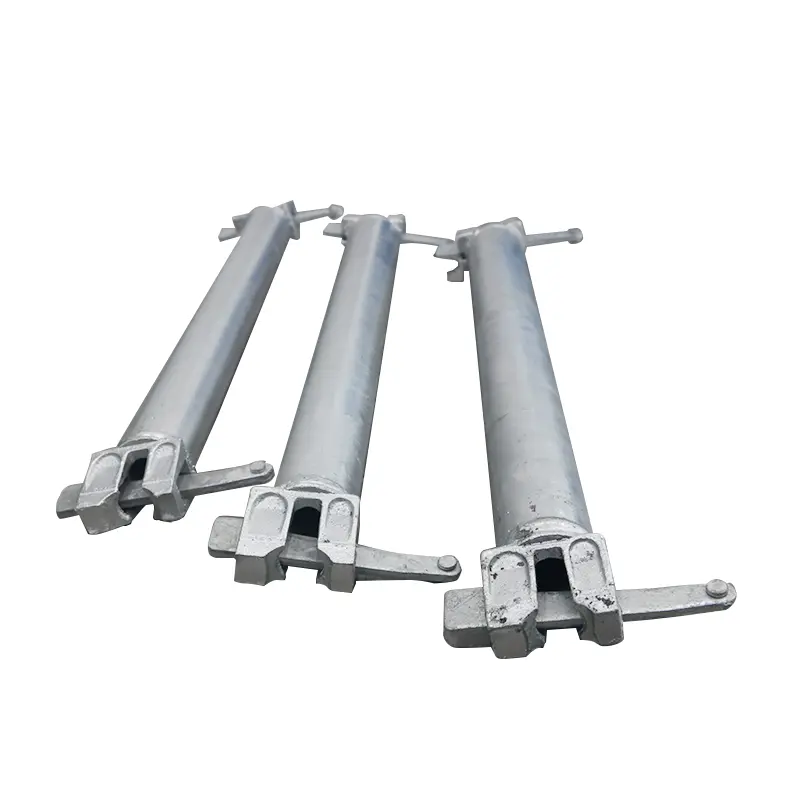
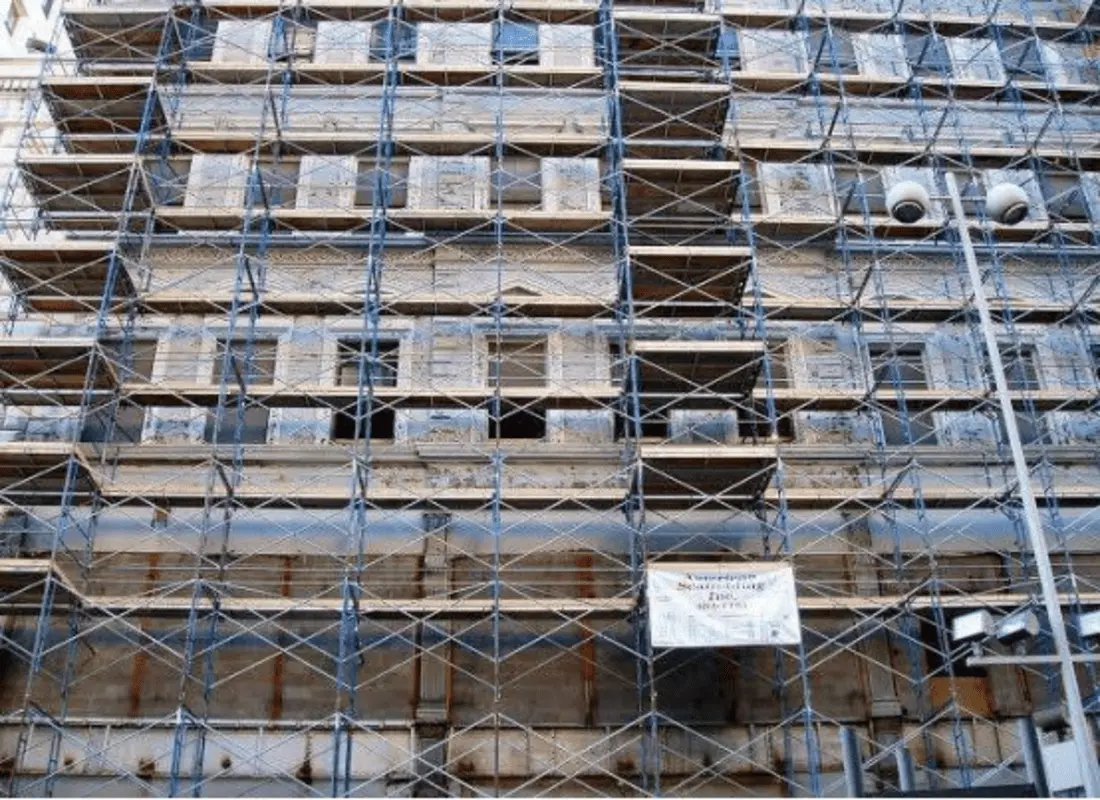
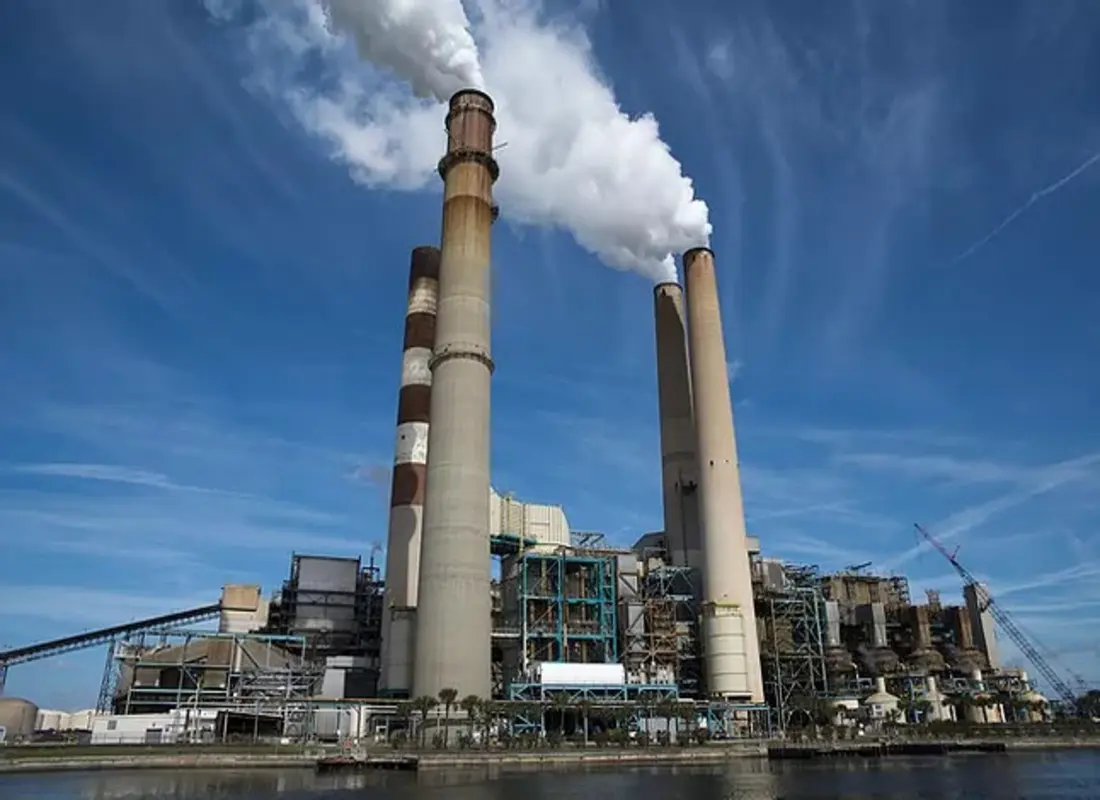
Real-world engineering applications of our scaffolding and formwork systems across municipal and industrial sectors.
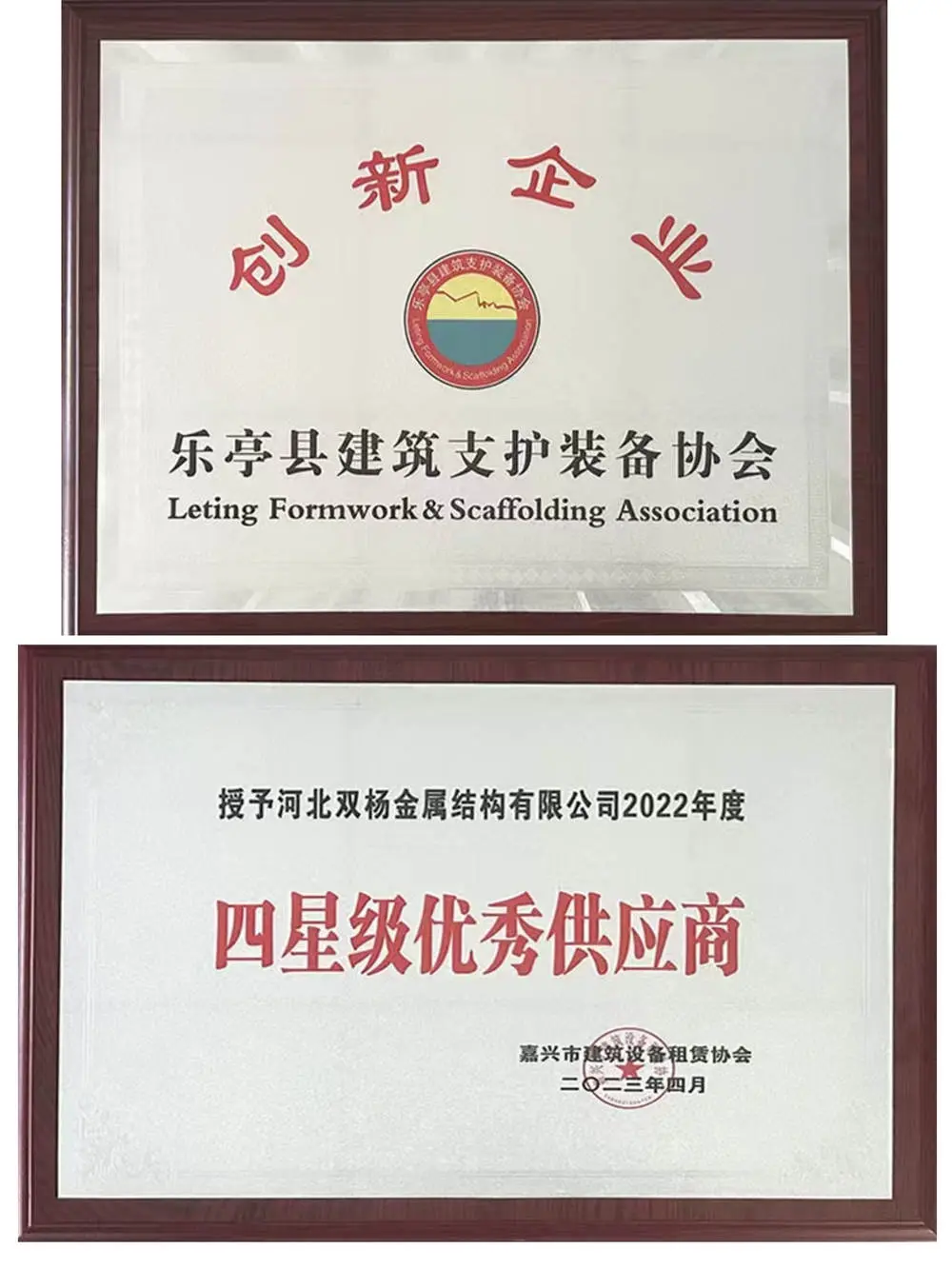
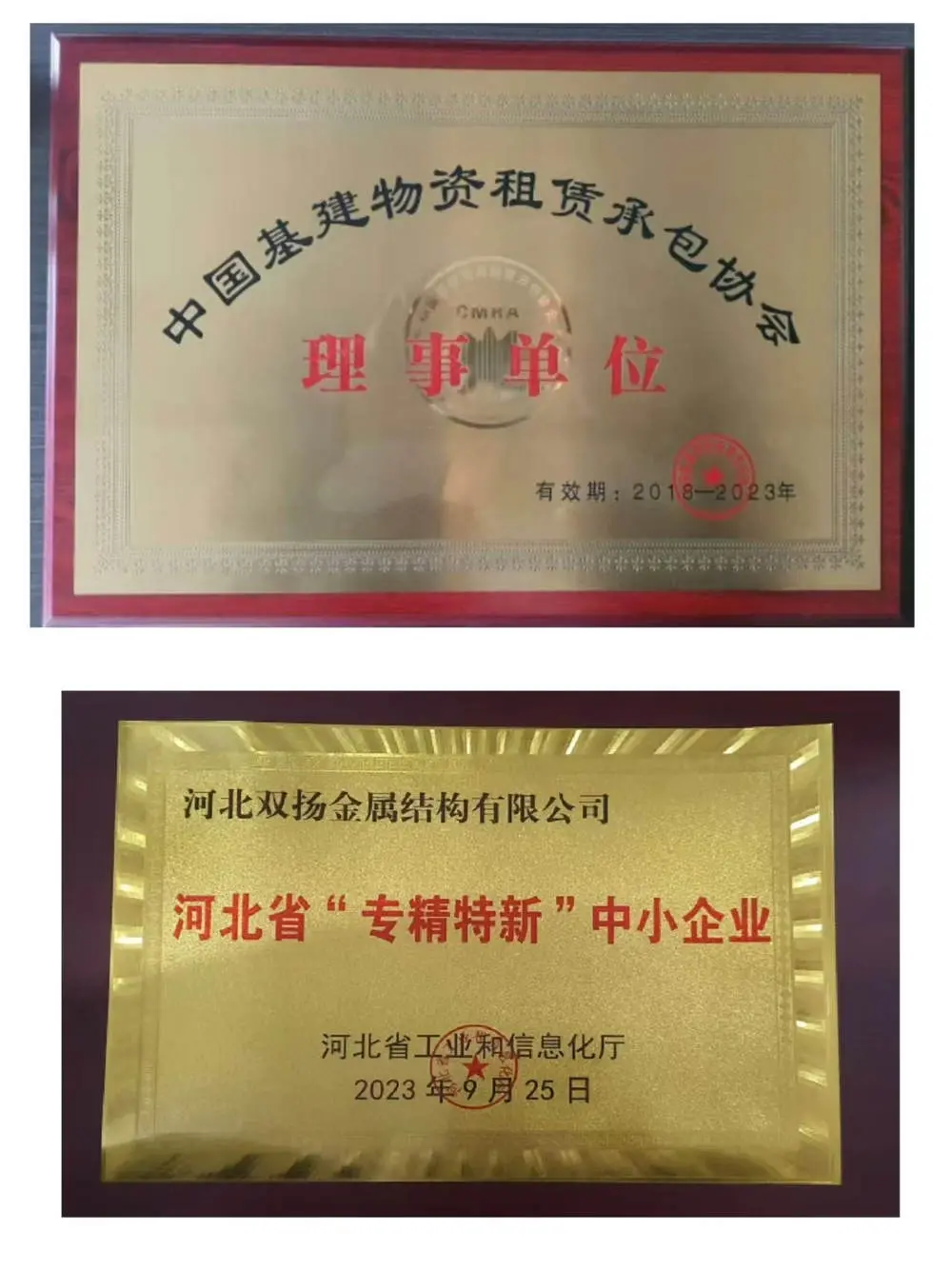
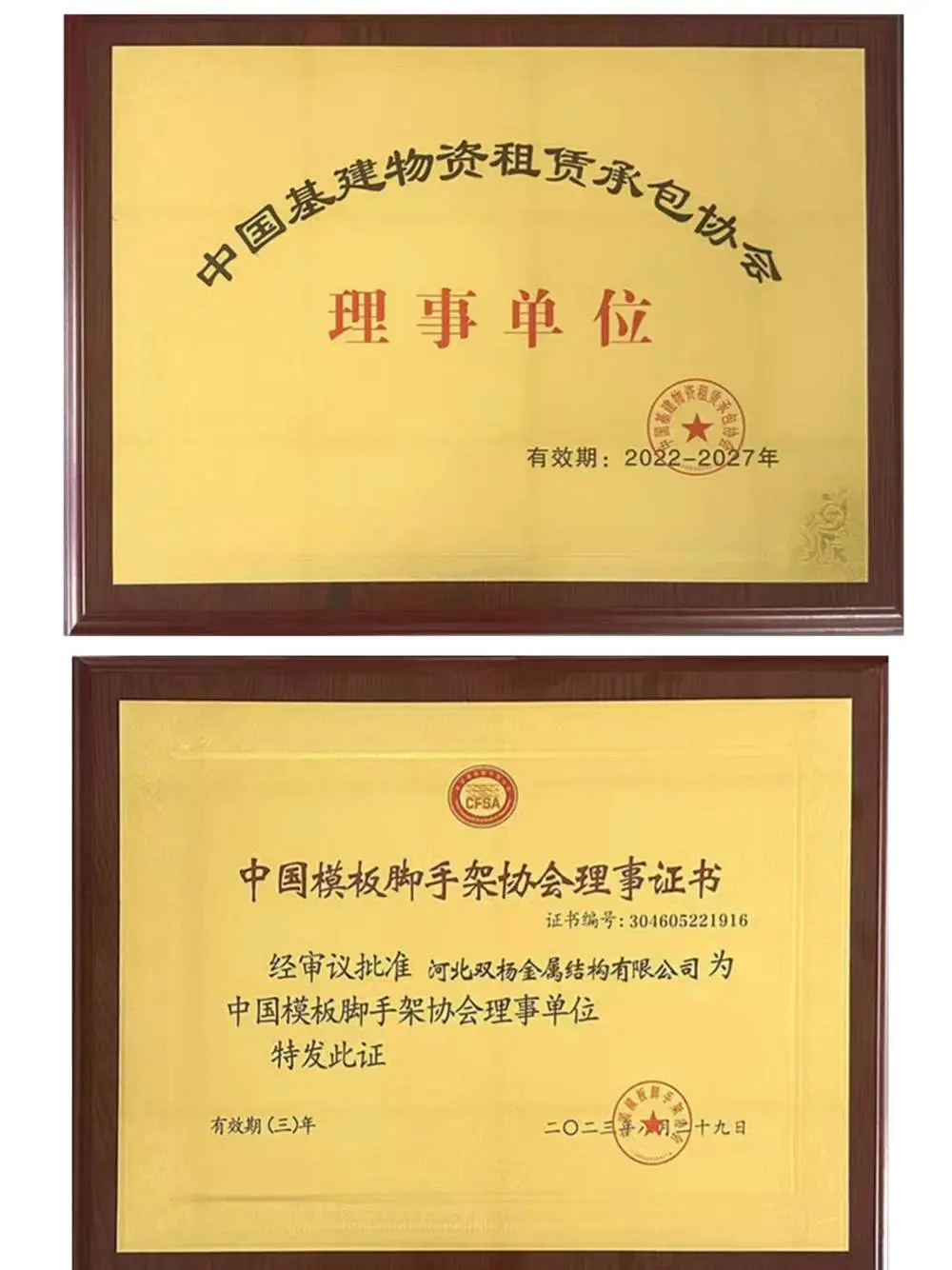
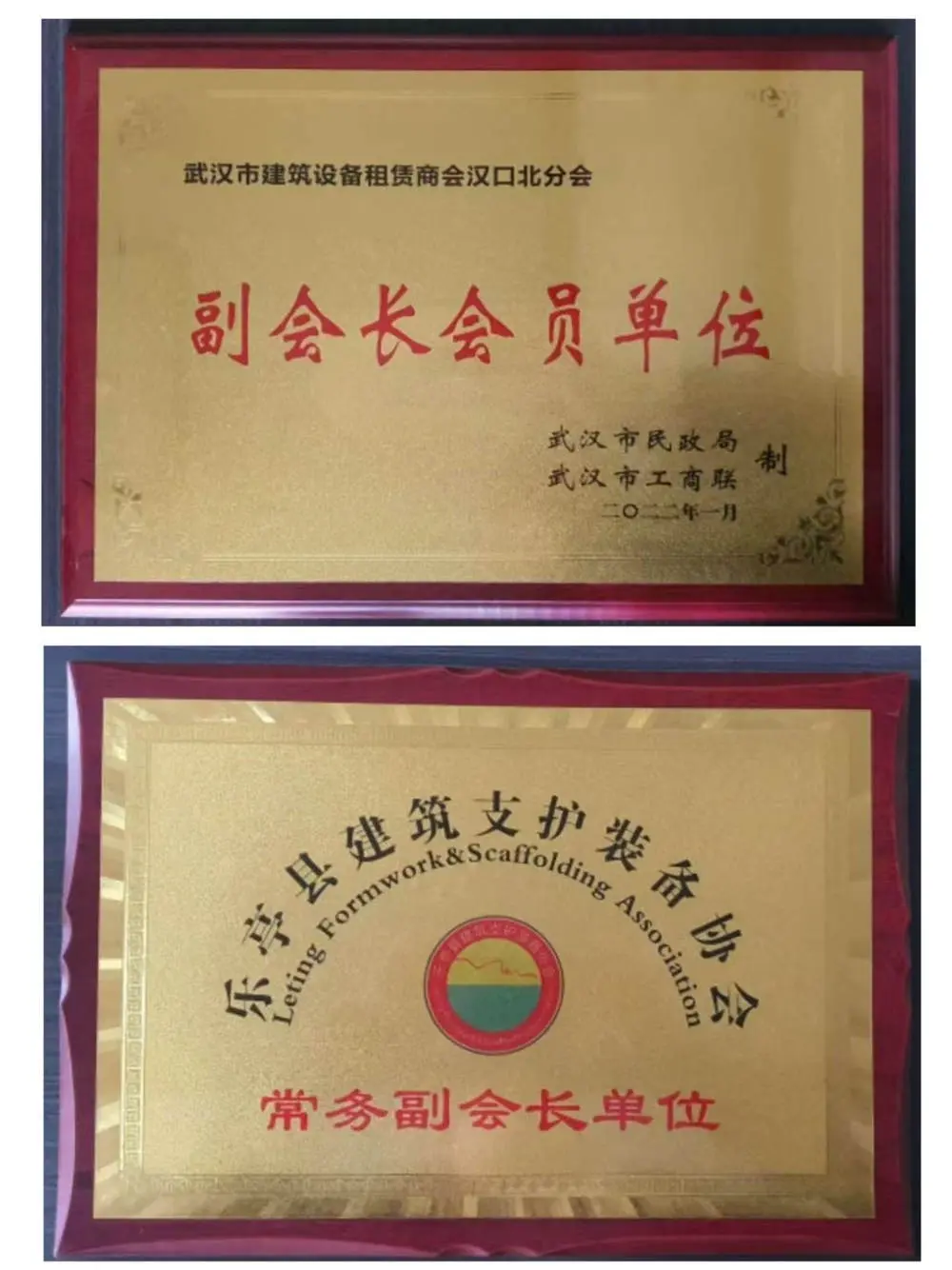
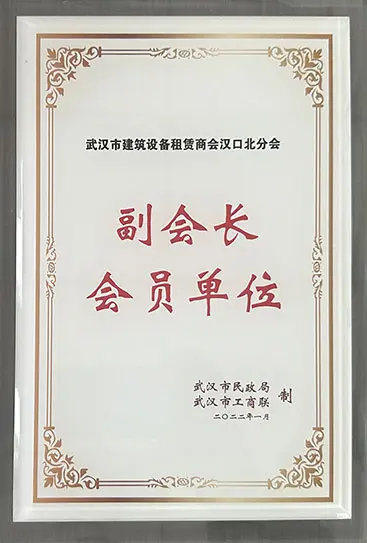
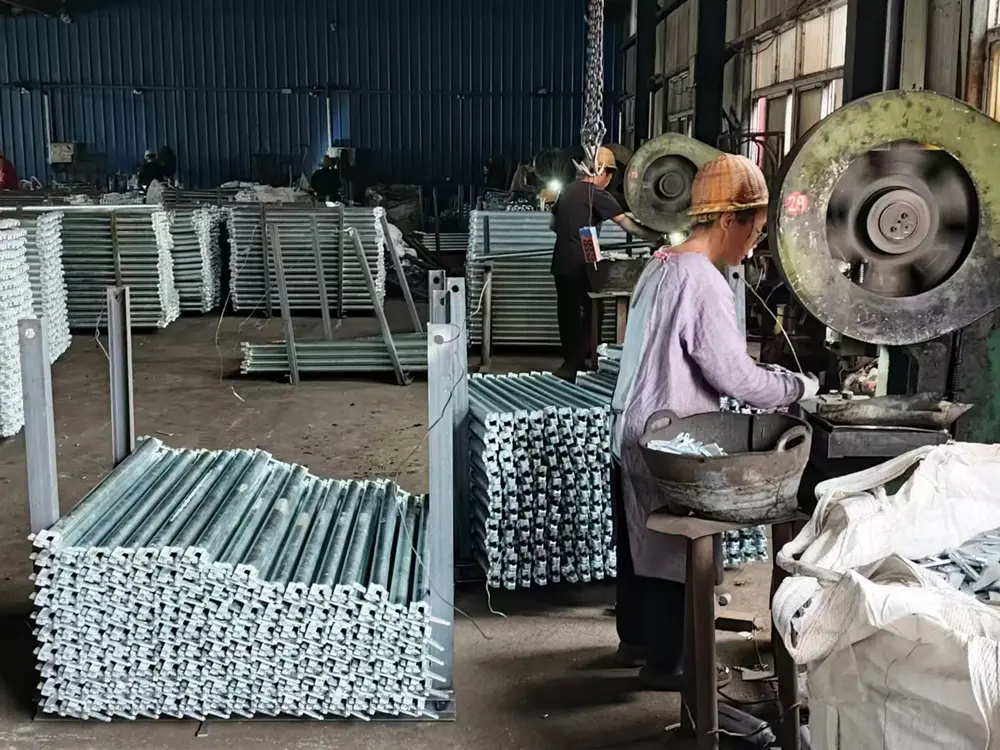
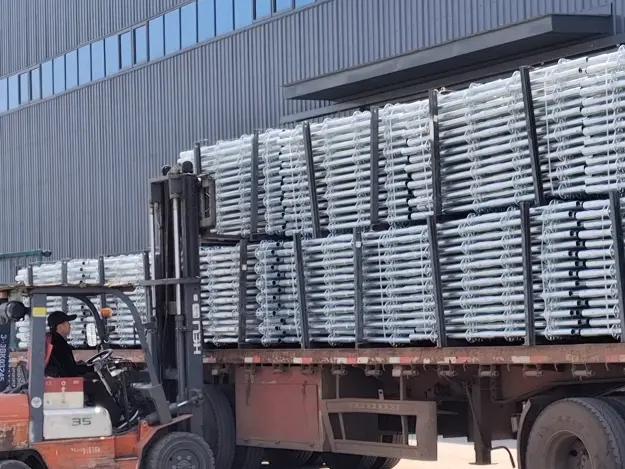
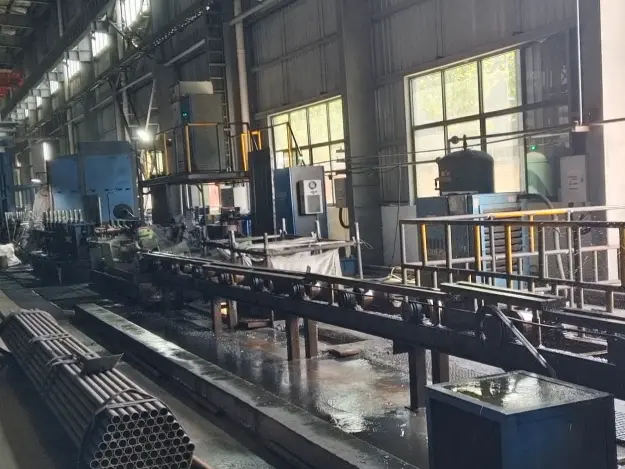
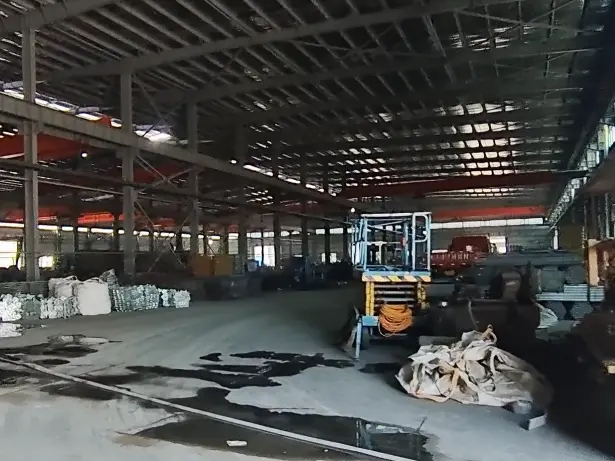
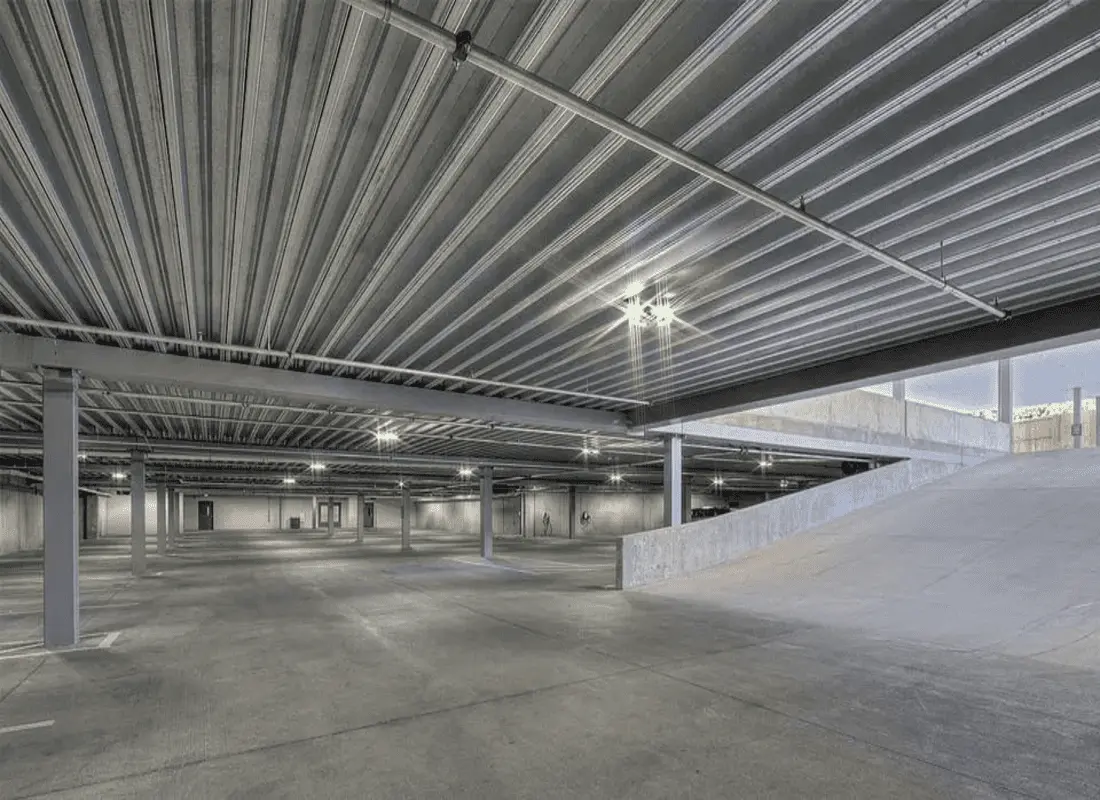
Demonstrations of our automated manufacturing lines, quality checks, and logistics staging areas.
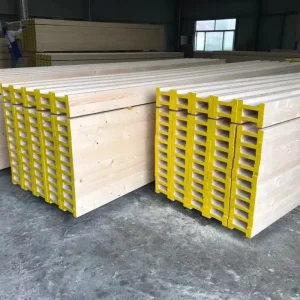
Ringlock Scaffold Stock and Material Staging
High-Strength Locking Node Stability Run
50,000㎡ Main Storage and Operations Yard
The transition toward eco-efficient production, high-load light alloy metallurgy, and BIM integration.
Modern engineering projects are prioritizing efficiency, environmental impact, and safety. Industrial safety frameworks like OSHA and EN 12811 require clear load-bearing documentation for scaffolding setups. Additionally, environmental standards (like ISO 14001) encourage factories to implement emissions filtration and optimize material efficiency.
In response to these updates, modular ringlock and cuplock systems are increasingly designed to combine lightweight structural performance with high load capacity. By utilizing high-yield alloys like Q355B steel, manufacturers can reduce raw material usage while maintaining high structural performance. These modern systems feature standardized mechanical interfaces that integrate with Building Information Modeling (BIM) software, allowing engineering teams to design, simulate, and stress-test staging structures before erecting them on site.
Key checkpoints for purchasing agents when evaluating overseas steel scaffolding suppliers.
Verify raw material mill certificates. High-load upright structures require structural steel like Q345B or Q355B to provide safety under load, while lighter jobs can use Q235 steel.
For maritime, petrochemical, or outdoor uses, specify hot-dip galvanization (HDG) with a minimum coating thickness of 80 microns to protect against corrosion.
Confirm the factory uses CNC machinery to keep tolerances within ±1mm. Inconsistent dimensions can cause structural stress during assembly.
Answers to common questions regarding structural specifications, materials, and international standards.
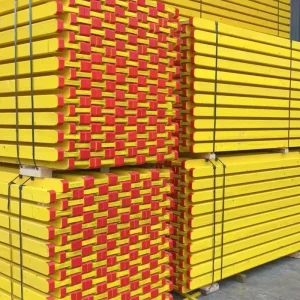
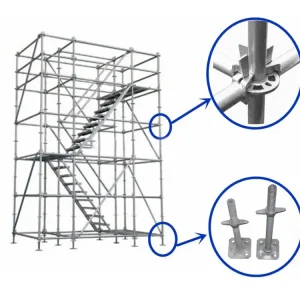
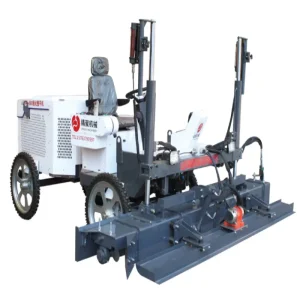
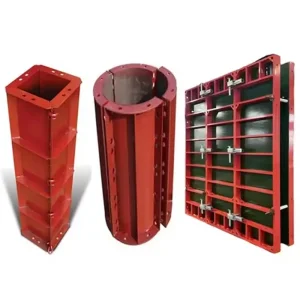
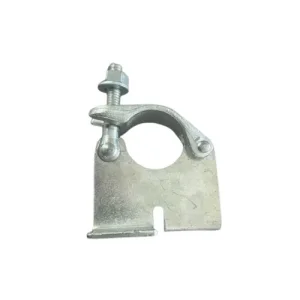
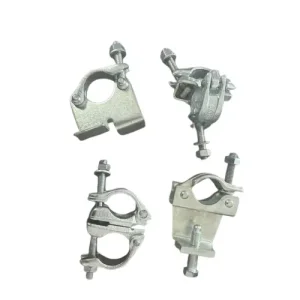
High-load shoring components and specialty accessories designed for civil engineering and large-scale industrial projects.
 Zhuozhan