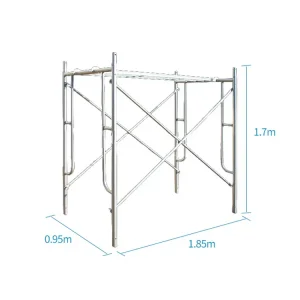
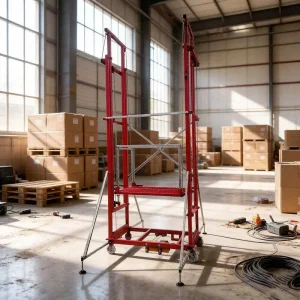
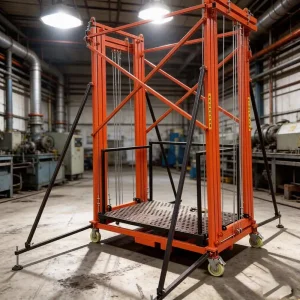
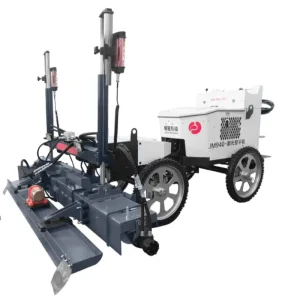
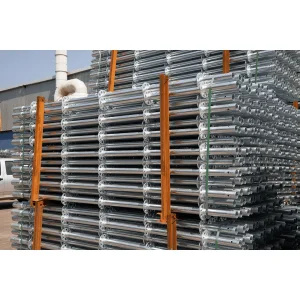
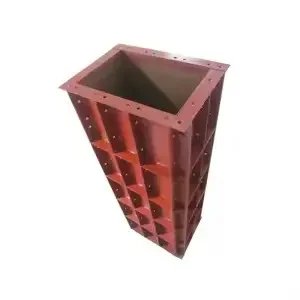
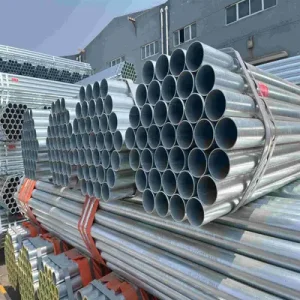
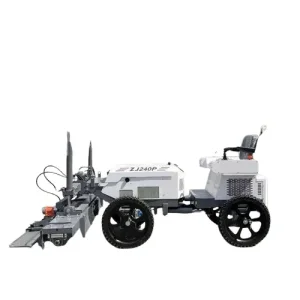
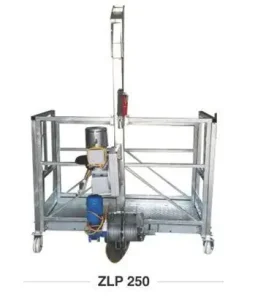
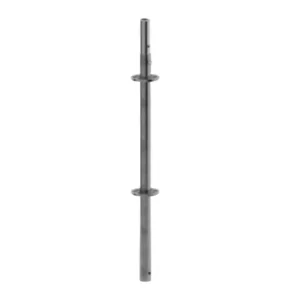
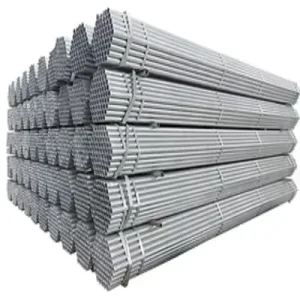
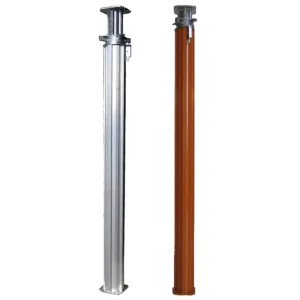
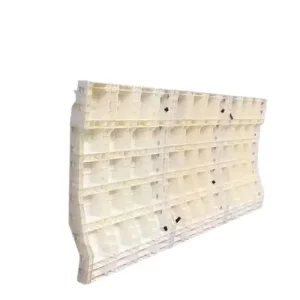
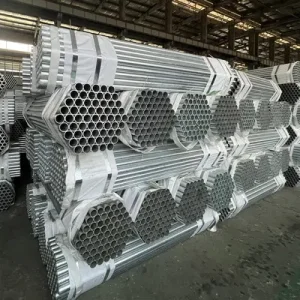
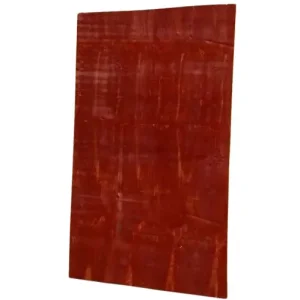
Explore our heavy-duty support systems, scaffolding lifts, precision structural pipes, and formwork solutions.
Authoritative guide on design, supply chain dynamics, and structural engineering optimization.
In global industrial architecture, purchasing a pre-engineered industrial steel structure building represents a critical asset acquisition requiring high safety thresholds, structural integrity, and long-term durability. Industrial steel buildings operate under challenging load parameters, including high wind velocities, seismic accelerations, heavy internal overhead crane loads, and corrosive chemical microclimates. Selecting a specialized manufacturer and supplier involves vetting their chemical metallurgy, engineering designs, quality verification protocols, and logistical proximity to transport hubs.
Modern steel factories integrate high-strength steel frames with versatile cladding profiles, heavy-duty scaffolding standards, and advanced concrete placement technology (such as laser screed flooring) to ensure rapid structural execution, spatial utilization, and compliance with local municipal codes.
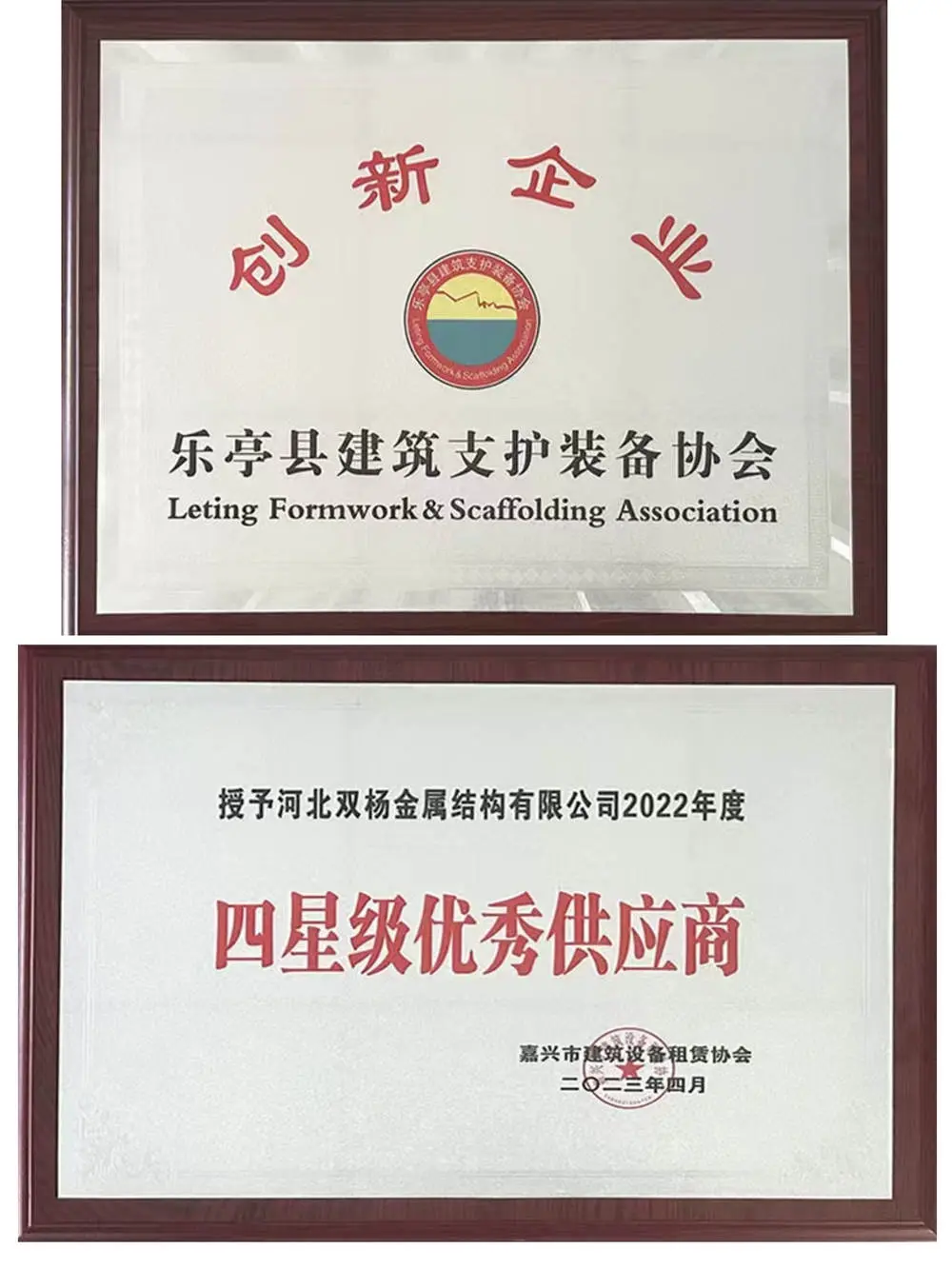
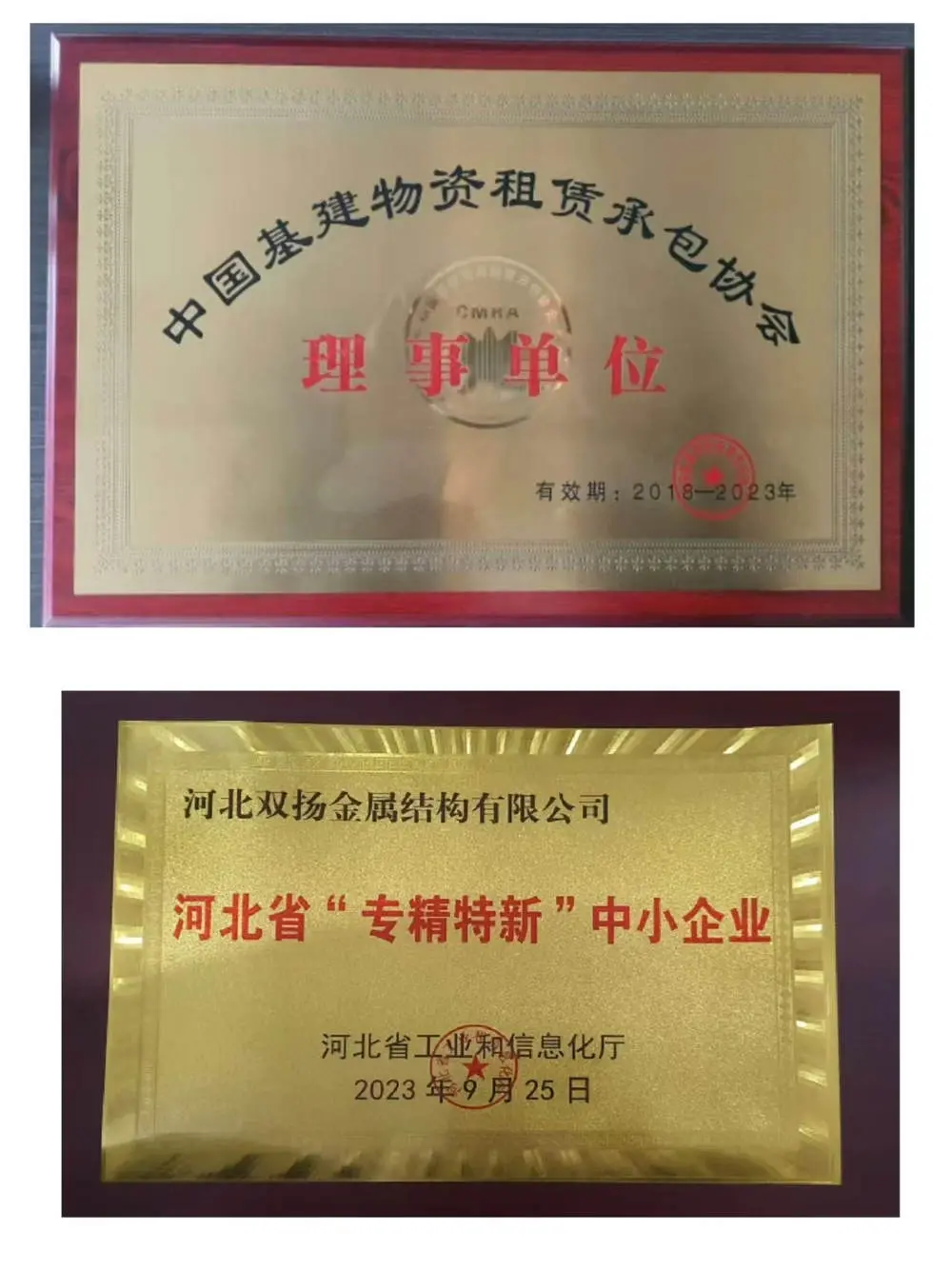
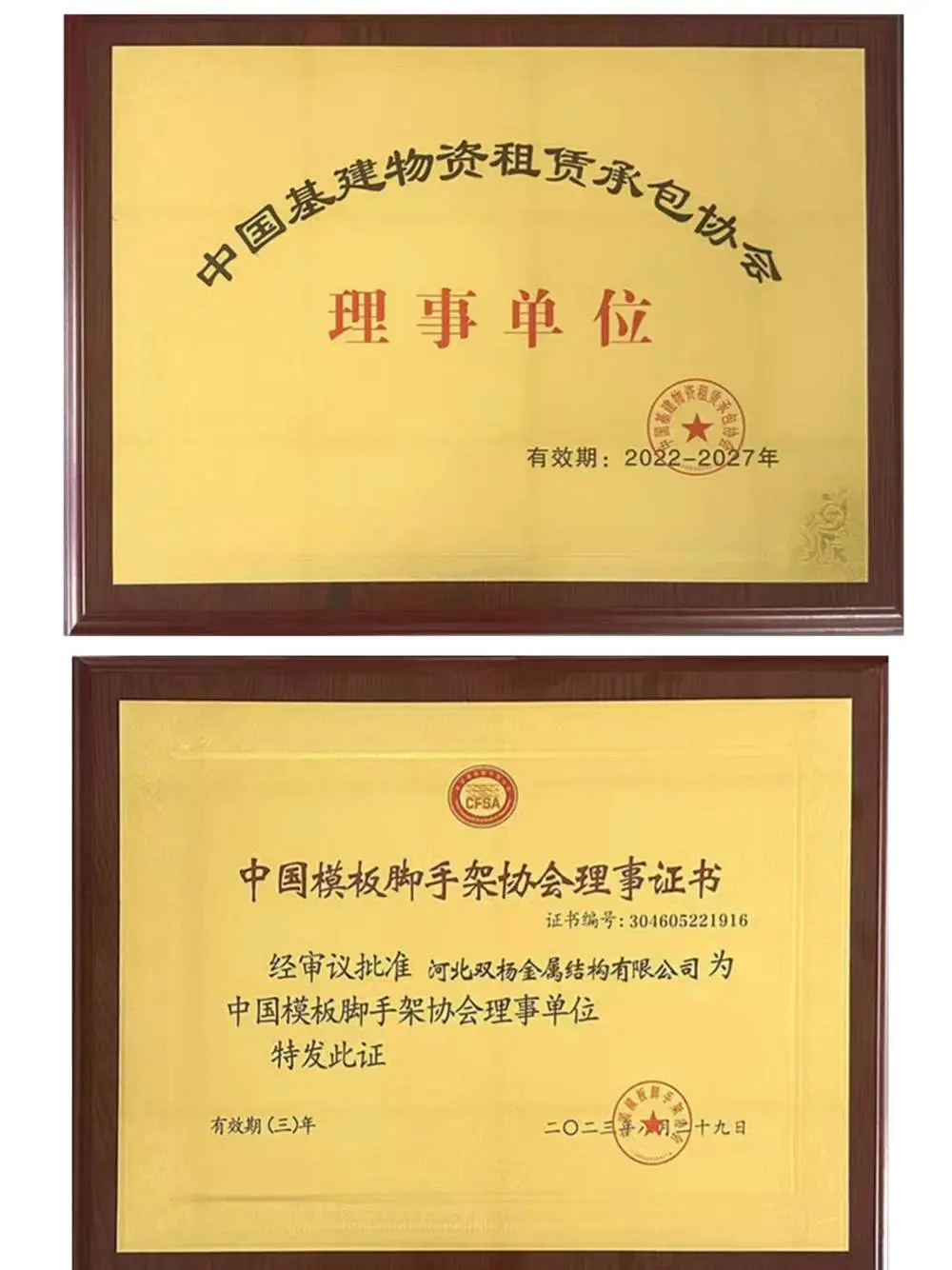
Zhuozhan Group is a diversified and innovative enterprise that seamlessly integrates scientific research, manufacturing, and sales. With a robust portfolio of subsidiaries, including Laoting Zhuozhan International Trade Co., Ltd. and Hebei Shuangyang Metal Structure Co., Ltd., Zhuozhan Group has firmly established itself as a key player in the construction and manufacturing industries.
Through our specialized trade and production entities, we bridge the gap between heavy structural manufacturing and localized civil construction. We design customizable structural solutions tailored for industrial application, supplying large-scale logistics warehouses, chemical plants, pre-engineered workshops, and commercial high-rise projects.
Founded in 2014, Hebei Shuangyang Metal Structure is a pivotal subsidiary that has rapidly advanced to the forefront of the industry. Shuangyang has successfully secured 15 patents, demonstrating its strong commitment to innovation. The company's impressive production capabilities include:
How structural scale and raw material integration translate into commercial value.
Our strategic physical location in Hebei Province places us close to three major deep-water ports: Jingtang Port, Tianjin Port, and Caofeidian Port. This logistical asset reduces inland trucking times, decreases carbon output per ton shipped, and minimizes transshipment fees, enabling faster delivery to overseas sites.
Operating as a direct source factory spanning 40,000 square meters, we achieve substantial purchasing power for high-grade iron ore and structural plate steel. The regional industrial clustering in Hebei allows us to source verified raw materials and maintain consistent production throughput regardless of market shifts.
Equipped with over 150 sets of heavy machinery, including automated welding stations, high-capacity punching machines, and CNC profile cutting machines. This manufacturing automation keeps engineering tolerances tight, with physical dimension deviations controlled within ±1mm.
A transparent look at the exact metallurgical and mechanical processes driving performance.
Processes involved in manufacturing high-load scaffold and building vertical supports:
Processing steps for structural steel horizontal ledgers and bracing elements:
Our manufacturing processes prioritize both material quality and modern environmental and worker safety standards.
Examine our manufacturing processes, warehousing capacity, and product tests.
Large-scale stock of standard ringlock components, with standard and custom parts available for rapid dispatch.
Demonstration of high-strength steel self-locking joints designed to improve on-site scaffolding efficiency and safety.
An overview of our storage facilities, designed to maintain raw materials and finished parts for immediate loading.
Fourteen production lines operate concurrently to maintain reliable manufacturing speed and volume.
Overview of factory management, covering raw material vetting and automated welding monitoring.
Assembly demonstration showcasing locking wedges and structural alignment under test conditions.
Vetting structural steel suppliers on reliability, certification, and technical capability.
For multinational EPC (Engineering, Procurement, and Construction) companies, sourcing structural steel components involves strict regulatory checks and technical audits. A failure in design tolerances or weld quality can lead to project delays, legal liabilities, or structural failure under load.
Procurement teams require Mill Test Certificates (MTC) matching chemical formulations to standards like ASTM A572 or EN 10025, verifying yield and tensile strengths.
Suppliers must deliver design calculations validating wind resistance, dead loads, live loads, and seismic forces calculated in software like STAAD.Pro or Tekla.
For coastal or industrial zones, hot-dip galvanization is evaluated for coating weight (e.g., minimum 85 microns) to resist environmental degradation over time.
Customizing industrial structural engineering for localized structural building codes.
Industrial framing solutions are tailored to local design standards, including the IBC (International Building Code), Eurocode 3 for structural steel, and ASCE 7 for environmental wind and snow loads.
For regions prone to high wind or seismic activity, our engineers calculate required wall bracing, moment frames, and anchor bolt layouts to ensure stability under localized lateral forces.
We provide remote engineering oversight and technical installation details, helping client site erection crews assemble steel members and scaffolding configurations safely and efficiently.
Documented structural and support solutions deployed across infrastructure and industrial zones.
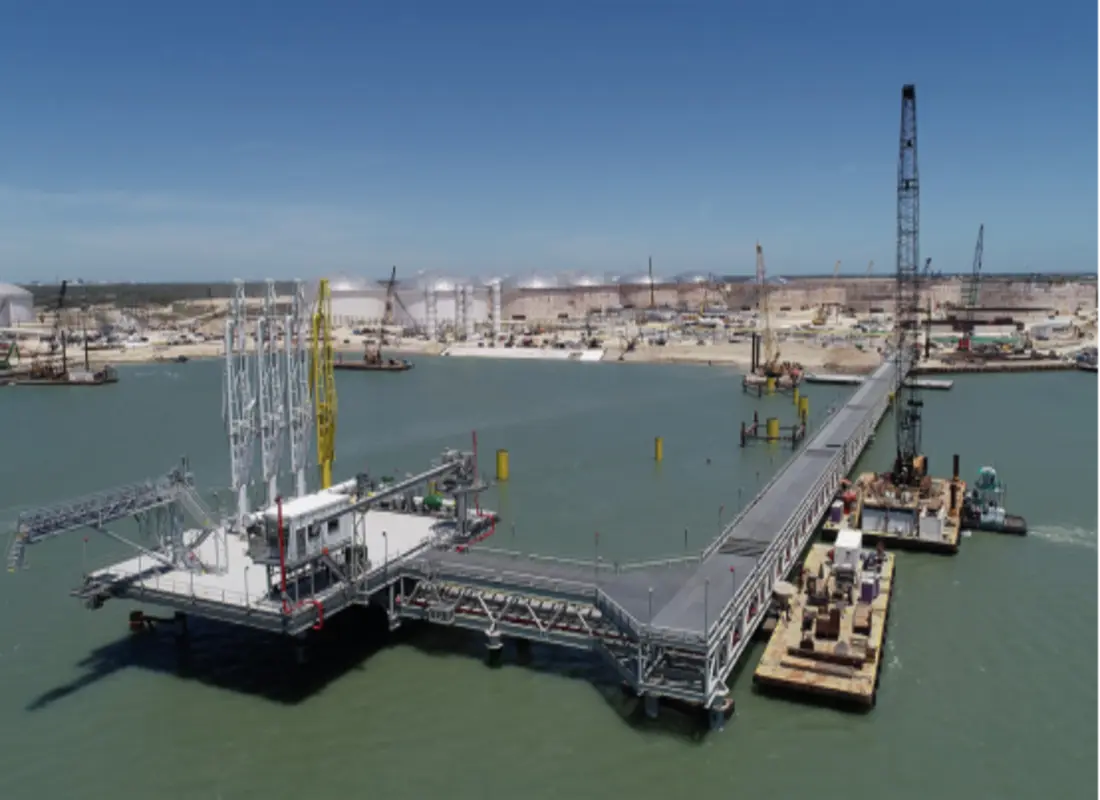
Heavy-duty ringlock scaffolding utilized in supporting large-diameter pipeline installations at coastal petrochemical ports, designed to withstand humid saltwater environments.
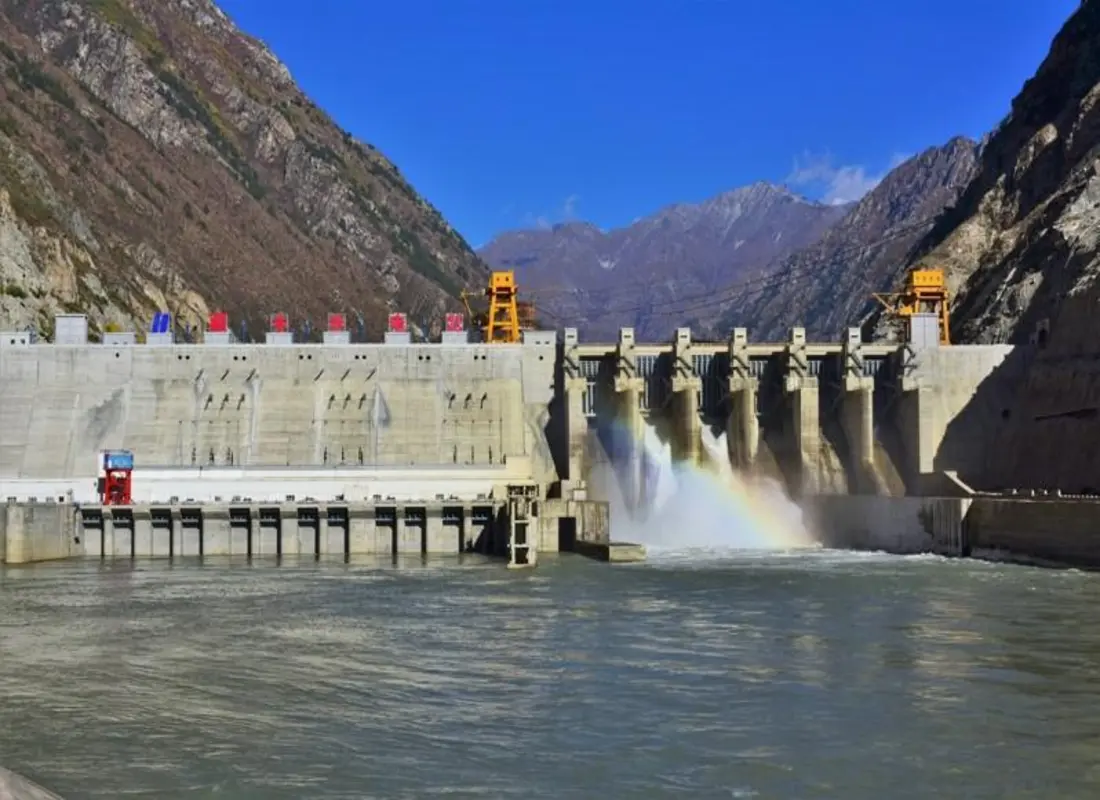
Scaffolding support systems configured for hydro-structural remediation, accommodating high gravity loads and wet working surfaces.
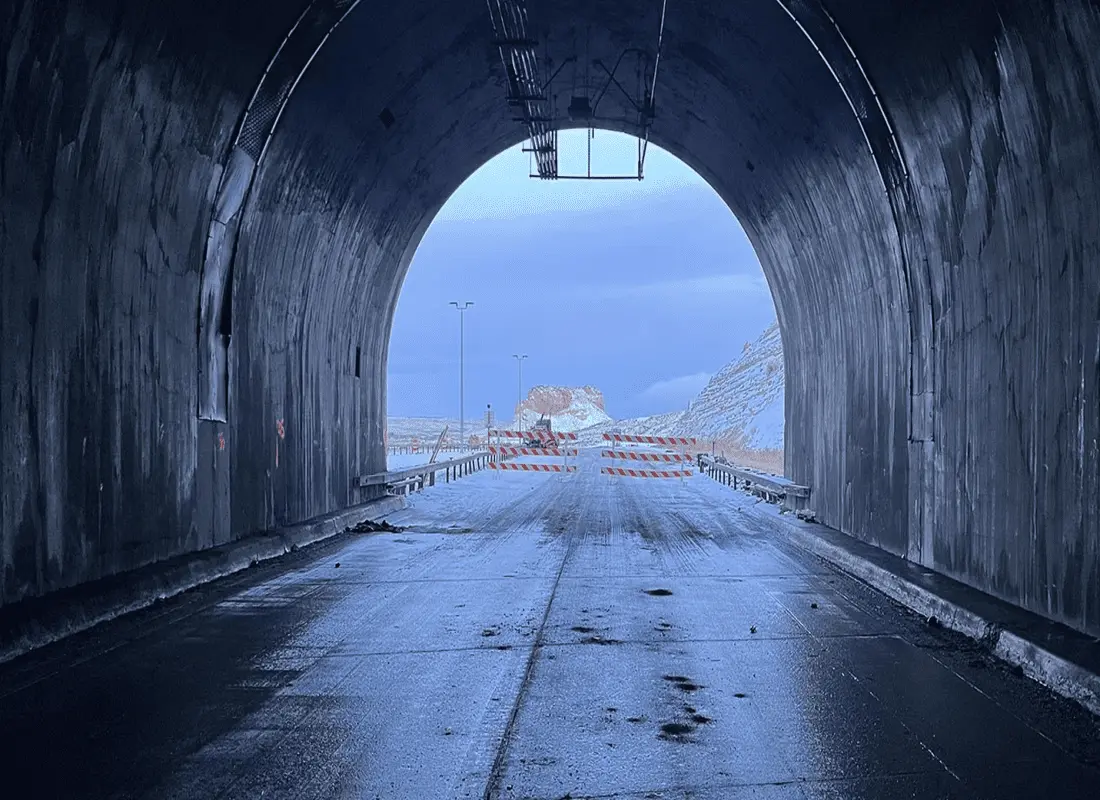
Engineered support structures designed to hold tunnel ceiling formwork during concrete pouring, with load capacities exceeding 10 tons per node.
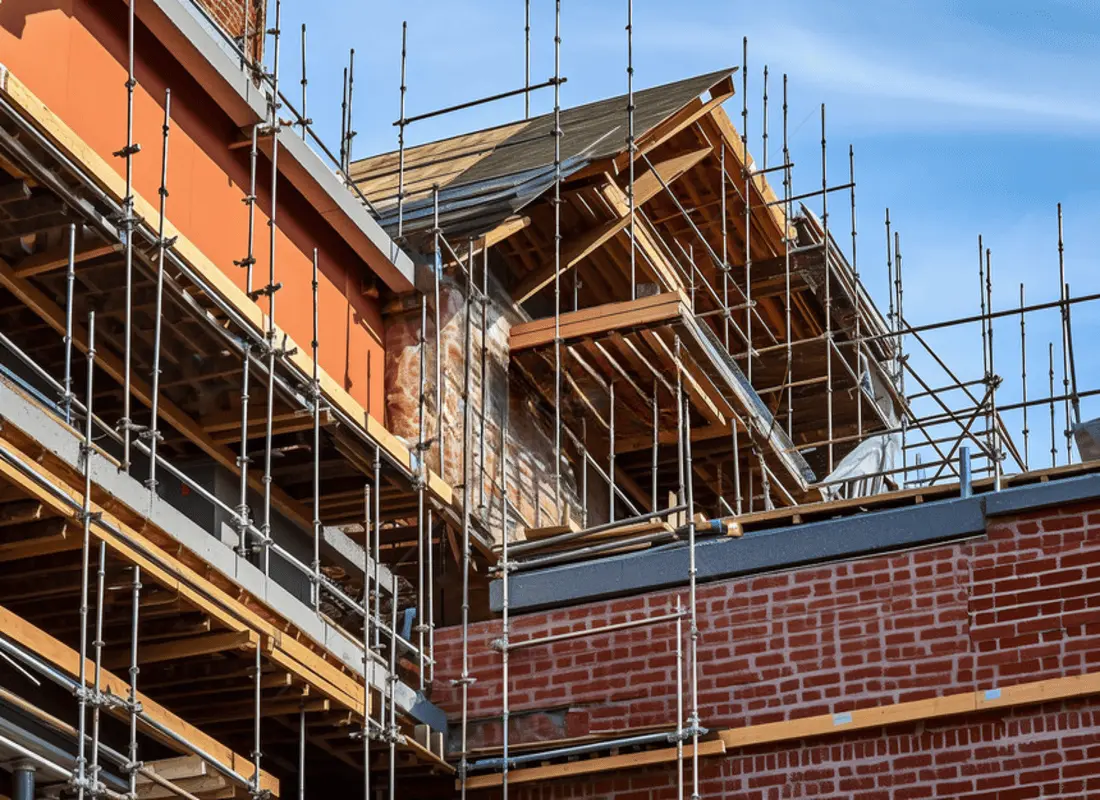
Supply of primary structural steel and safety scaffolding modules for a multi-story electronics manufacturing facility.
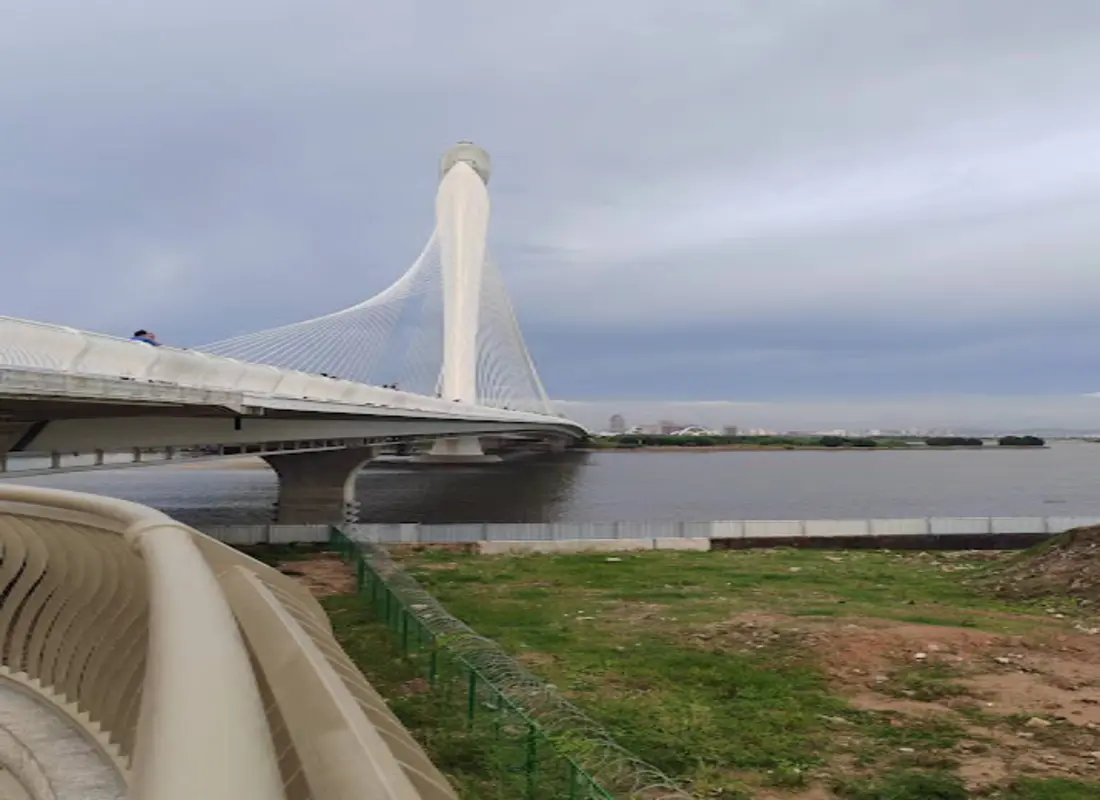
Suspended maintenance structures designed for a bridge restoration project in Tianjin, China, maintaining navigation clearances.
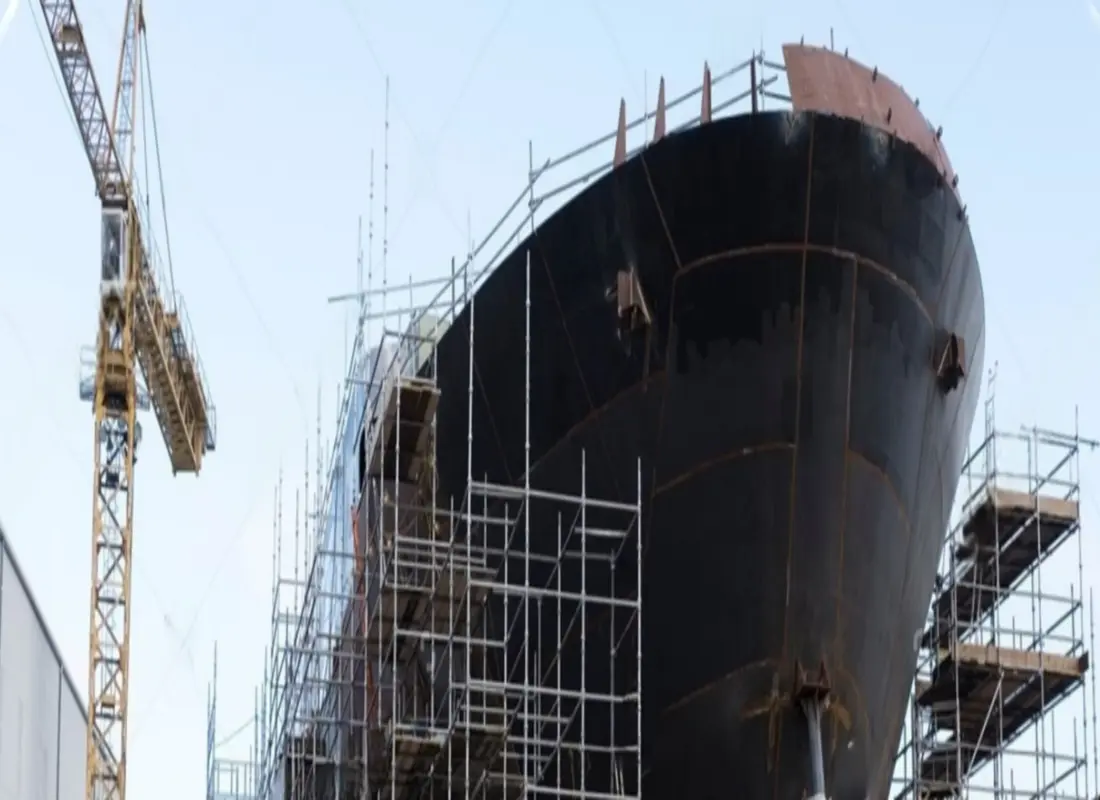
Scaffolding systems optimized for shipyard environments, supporting marine hull coating operations.
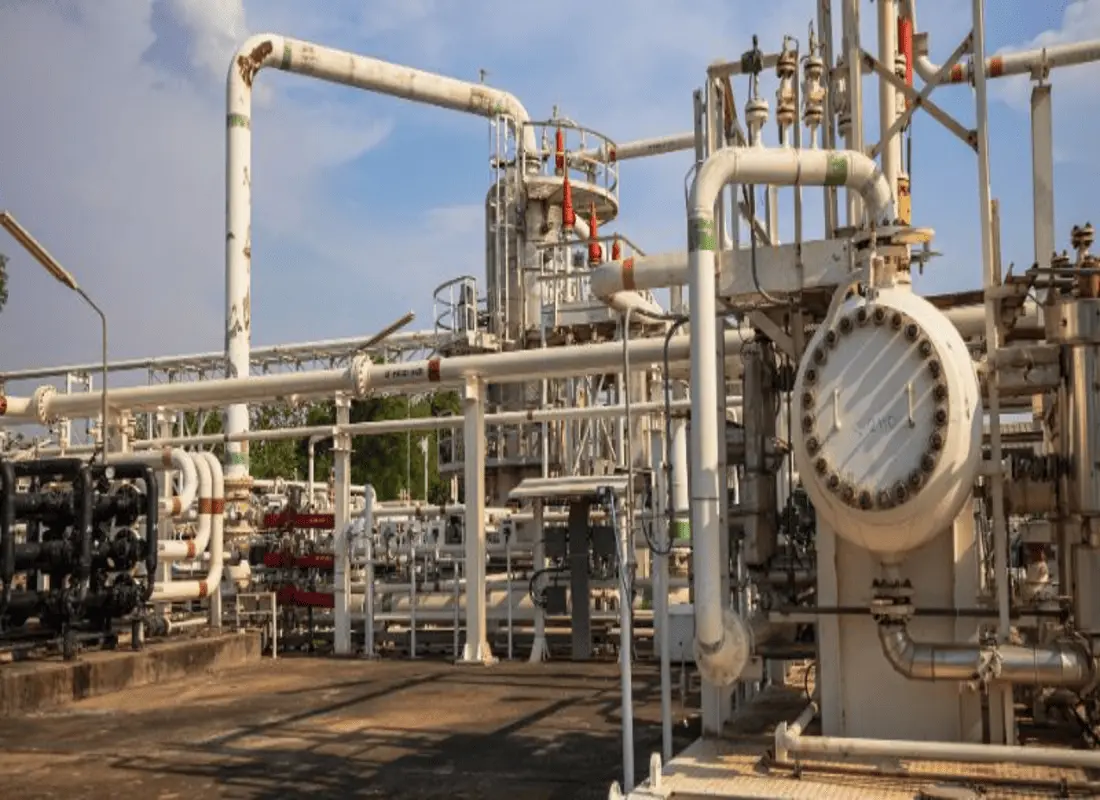
High-temperature resistant, steel maintenance platform configurations built inside industrial boiler compartments at a power plant in Shandong.
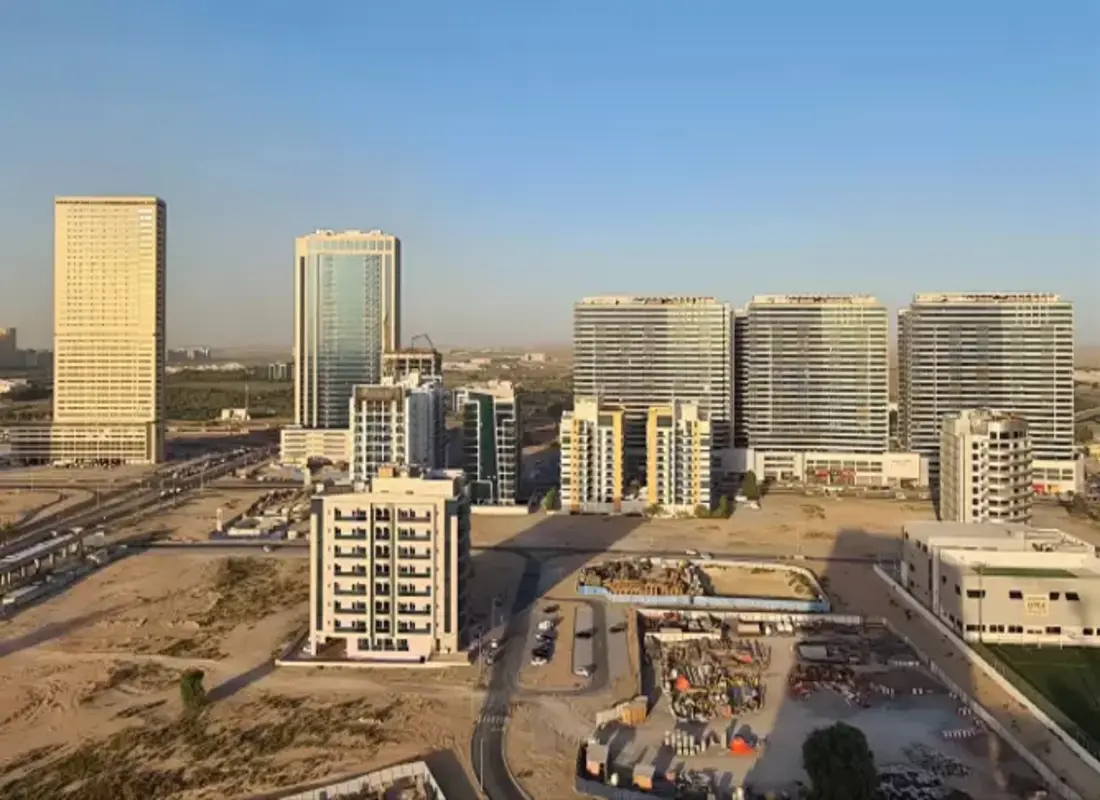
High-clearance scaffolding layouts engineered to withstand local desert wind patterns during high-rise facade installation.
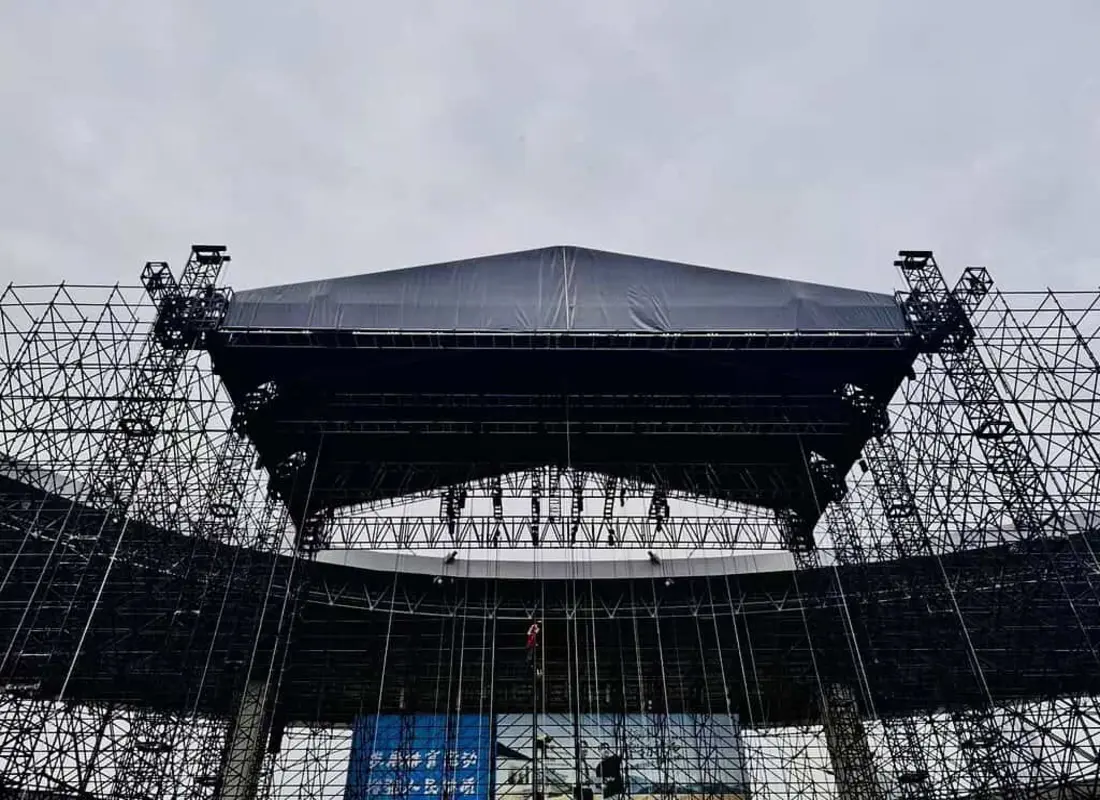
Modular structural systems configured for a temporary public stage installation, certified to European public safety standards.
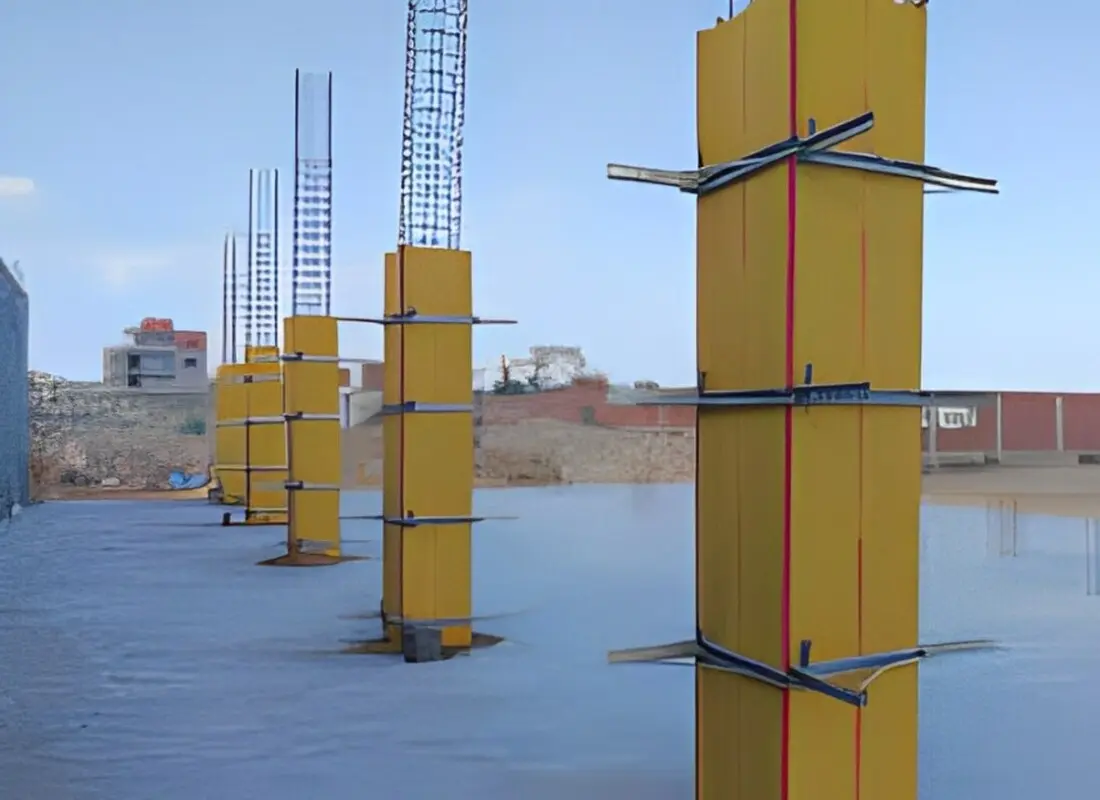
Engineered concrete formwork support structures utilizing robust wood and steel systems for high-rise commercial structures.
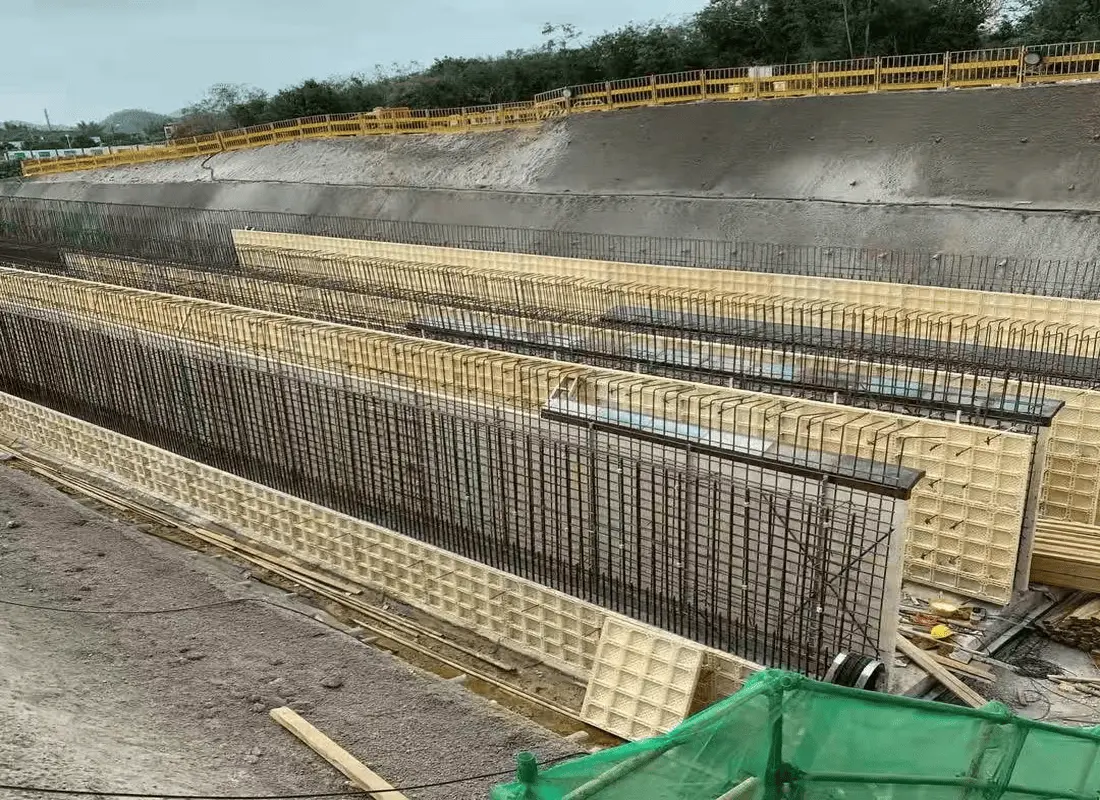
Plastic modular formwork systems deployed in water-contact environments along the Danube River channels in Budapest, Hungary.
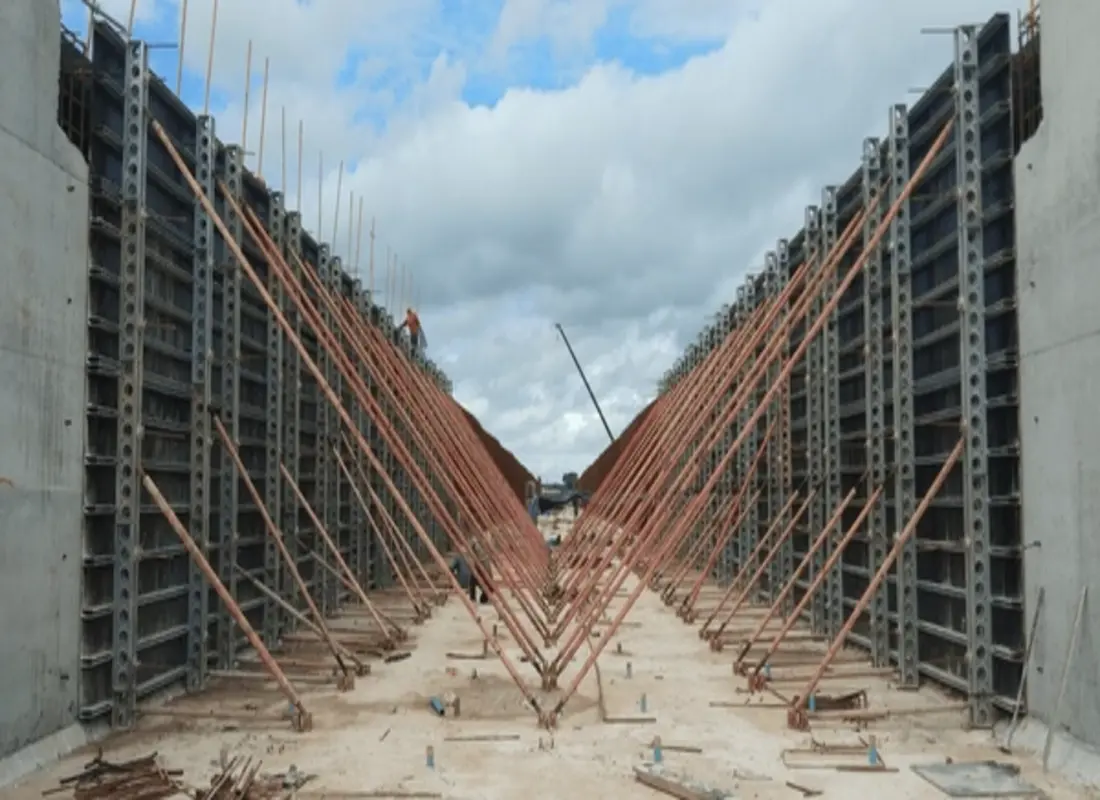
Heavy steel formwork configurations engineered for high-load casting on the Yangma Bridge expansion project in Chengdu, China.
Evolving methodologies in pre-engineered buildings (PEBs) and automated assembly.
Building Information Modeling (BIM) is standardizing design pipelines, allowing manufacturers to generate virtual mockups that verify alignment before shipping, helping reduce on-site modifications.
Moving more structural fabrication off-site into controlled environments helps manage quality, reduce field labor requirements, and accelerate project timelines.
Modern developments prioritize longer-lasting finishes, such as high-build zinc coatings and specialized epoxy paint systems, designed to prolong building service life in aggressive marine or chemical zones.
Verified manufacturing systems ensuring structural safety and code compliance.
Our products are certified to international structural and safety standards, including EN 12810/12811 for scaffolding systems and ISO 9001:2015 for quality management.
Answers to common technical, design, and logistical procurement questions.
Explore auxiliary products, including adjustable aluminum supports, concrete forms, and high-strength scaffolding standards.
 Zhuozhan