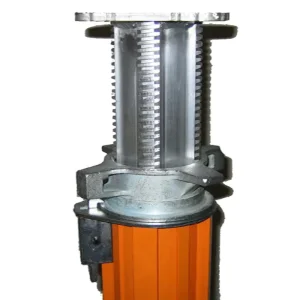
Engineered for high-intensity engineering projects, building renovations, and structural support schemes.
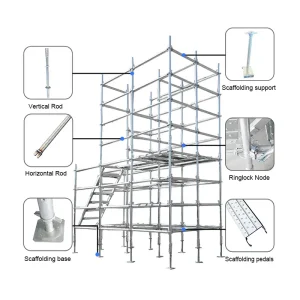
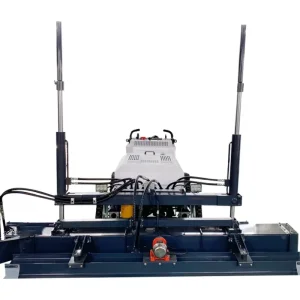
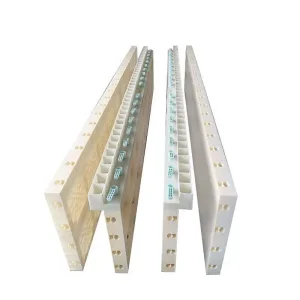
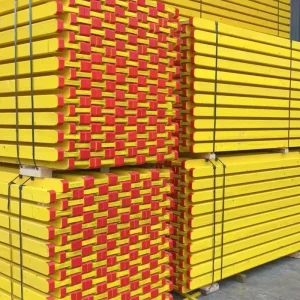
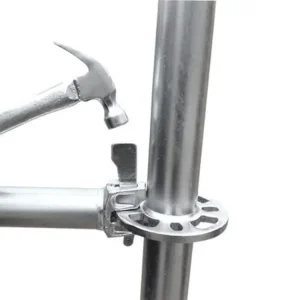
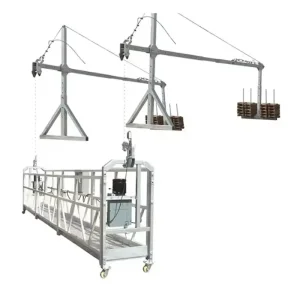
Zhuozhan Group is a diversified, globally integrated engineering enterprise that seamlessly consolidates advanced scientific research, precision manufacturing, and comprehensive global sales. Through its specialized business subsidiaries—including Laoting Zhuozhan International Trade Co., Ltd. and Hebei Shuangyang Metal Structure Co., Ltd.—the Group has engineered state-of-the-art metal components and innovative structural access platforms for over a decade. Our global outreach enables project managers, contractors, and machinery exporters to access premium scaffolding systems, electric vertical platforms, and sustainable formwork accessories that meet rigorous European and American construction mandates.
"By integrating robotic welding with high-strength raw materials, we deliver a 1.5x structural factor safety margin compared to industry standards, optimizing turnaround efficiency on complex civil and commercial build-outs globally."
Founded on a commitment to zero-accident construction paradigms, Hebei Shuangyang Metal Structure operates as the production engine, supplying critical components to tier-1 infrastructure projects. We serve as a direct-to-market source factory, managing logistics networks spanning Asia, Europe, North America, and Africa.
Our production infrastructure represents the peak of Chinese metal structural manufacturing, combining robust capacity with stringent compliance testing.
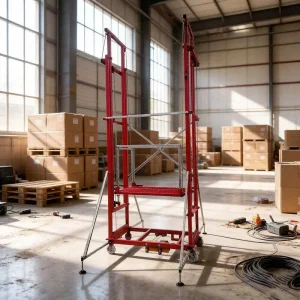
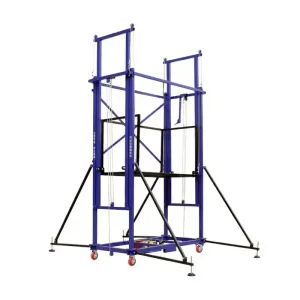
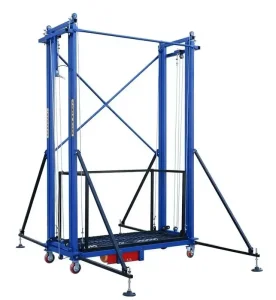
The high-altitude construction sector is undergoing a tectonic shift from traditional static modular piping to intelligent, motorized access systems. As engineering parameters demand tighter delivery schedules, structural safety certifications, and minimal physical load factors, the procurement of electric scaffolding has become a core strategy for global construction exporters.
Across North America and the EU, regulatory agencies such as OSHA (Occupational Safety and Health Administration) and the European Agency for Safety and Health at Work are implementing stricter standards for work platform stability. Electric scaffolding minimizes high-altitude assembly risks, allowing workers to raise, lower, and position heavy tooling at precise heights dynamically. This drastically limits human error during assembly and disassembly cycles.
Electric scaffolding systems yield a direct 300% to 500% improvement in vertical cargo transit and worker placement speeds. Where traditional scaffolding requires team rotations to build, lock, and inspect frame levels manually, motorized units function as automated climbs, minimizing workforce fatigue and maximizing focus on active facade cladding, curtain wall installation, and painting operations.
Modern smart city mandates require sustainable build environments. Electric scaffold platforms consume zero fossil fuels on-site, produce zero operating emissions, and generate minimal noise pollution. This qualifies projects for green-building certifications like LEED or BREEAM, aligning global contractor operations with ESG standards.
Our structures exceed European safety guidelines (EN 12810/12811 standards) and ISO 9001 quality system certifications, verified via raw material traceability.
We rely on high-tensile Q355B structural steel, boosting vertical load resistance up to 10 tons per node, which is 1.5 times that of standard options.
Engineered for quick assembly, saving significant labor hours on-site compared to legacy structural tube systems.
Procuring construction infrastructure from Hebei Shuangyang Metal Structure provides critical geopolitical, economic, and logistical advantages. The "Factory 4.0" framework integrates automation at every level, guaranteeing tight dimensional tolerances and uninterrupted output scaling.
Our manufacturing complex is located near three major northern Chinese shipping ports: Jingtang Port, Caofeidian Port, and Tianjin Port. This multi-port connectivity provides freight routing flexibility, decreases transport times to global departure hubs, and helps mitigate local shipping congestion.
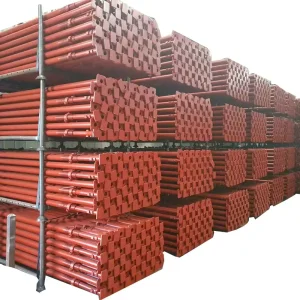
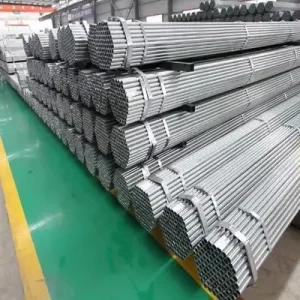
Our output includes an annual capacity of 300,000 tons of structural steel pipes, 1,000,000 tons of modular scaffolding components, and 400,000 tons of adjustable structural steel props. This scalable industrial footprint allows us to support large-scale infrastructure projects without compromising delivery timelines.
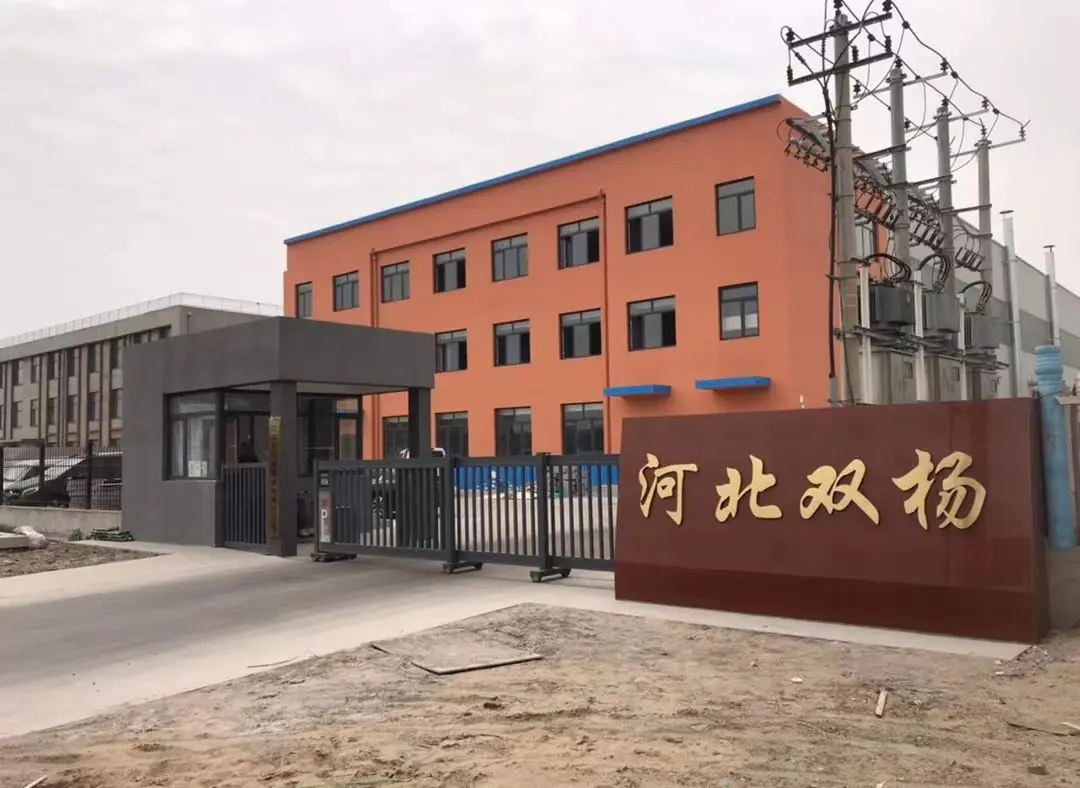
Our automated production flow follows strict control protocols to ensure structural integrity across every component. Below are the production flows for vertical and horizontal elements.
Initial preparation of structural pipes, creating raw cut profiles. Noise and solid waste are managed using recycling protocols.
Hydraulic punching machines create connection alignment holes, maintaining tight tolerances of ±1mm.
Automated welding machines join the steel pipe and structural flange disks to ensure consistent penetration and clean welds.
Components are treated with an anti-corrosion zinc coating to protect against environmental wear and extend service life.
Sizing of structural horizontal steel pipes to design specifications, preparing the tube ends for welding.
Press lines punch precise end geometries to prepare the tubes for assembly and cast wedge connections.
Robotic arms weld cast steel connection heads to both ends of the pipe, ensuring uniform, load-bearing joints.
Following protective galvanization, the locking wedges are riveted to the assembly for secure positioning.
Live insights into our 50,000㎡ storage spaces, advanced robotic welding centers, and testing labs.
Ringlock Scaffold Stock: Modular Inventory Operations
Self-locking Design: Structural Dynamic Safety Tests
50,000㎡ On-Site Logistic Center Walkthrough
High-Capacity Multi-line Production Speed
Raw Material Input & Factory Operations Overview
Ringlock Scaffold Production Process Demonstration
Our scaffolding and modular supports undergo strict inspection testing to ensure reliable, code-compliant performance in all target markets.
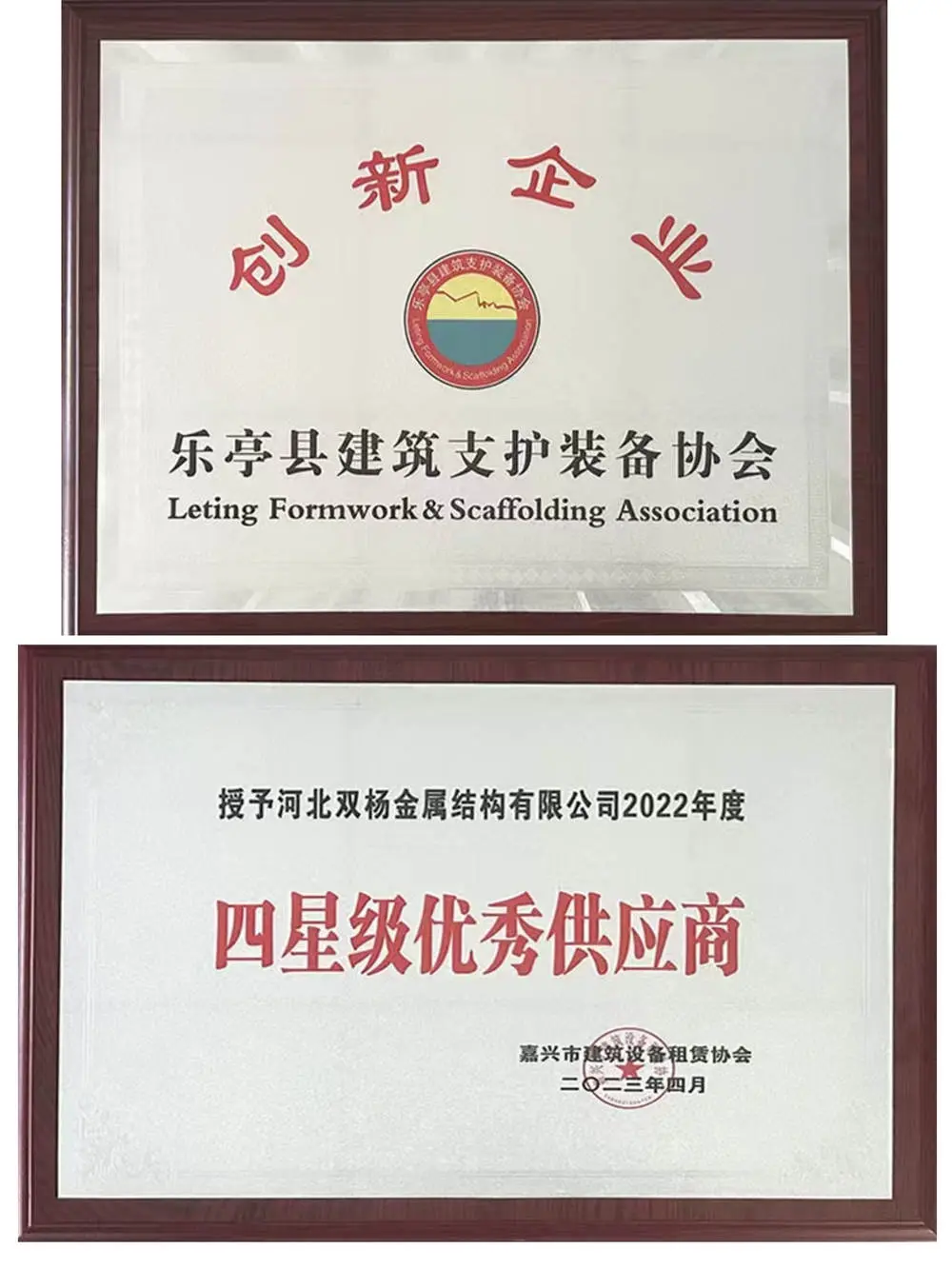
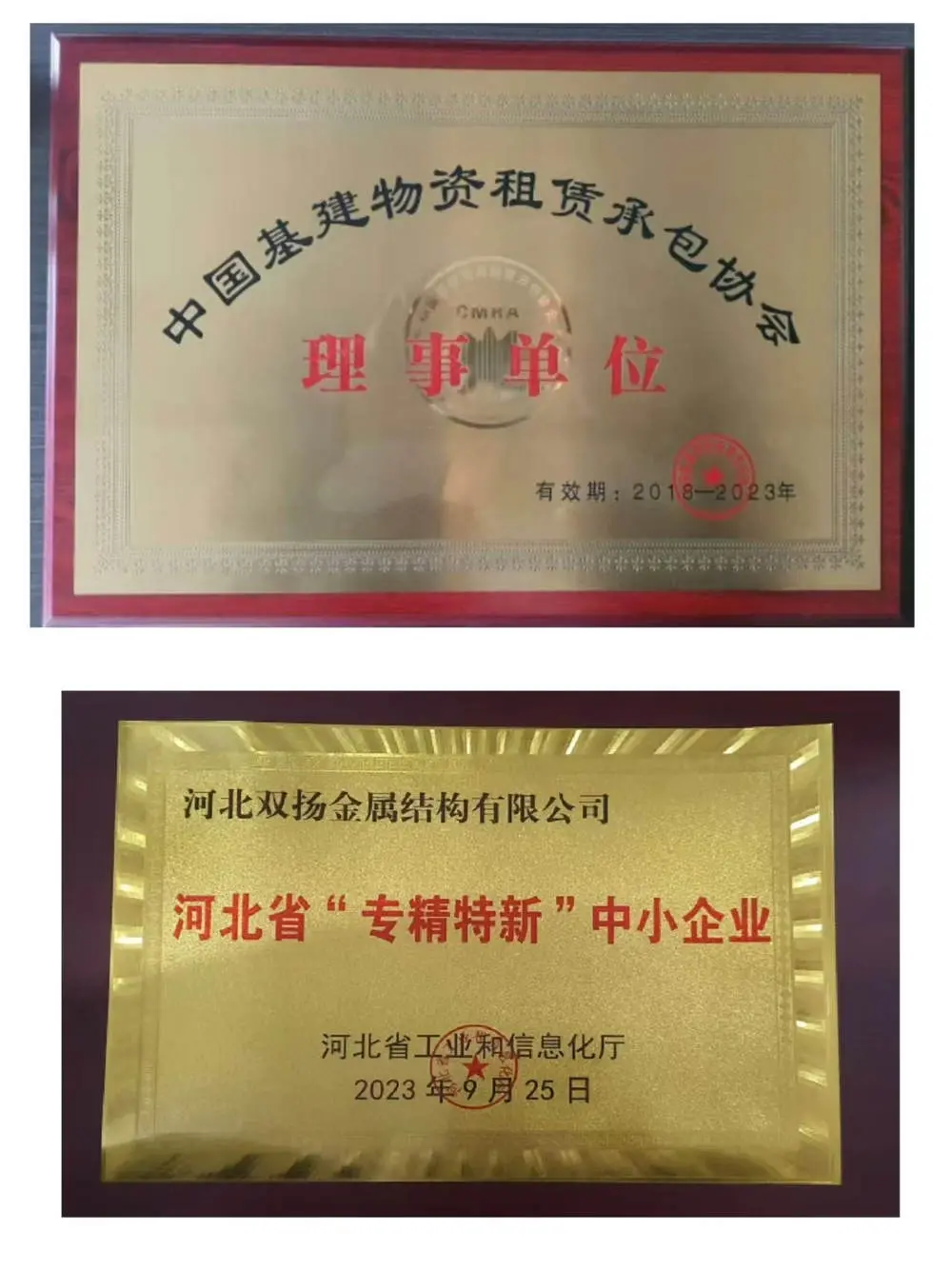
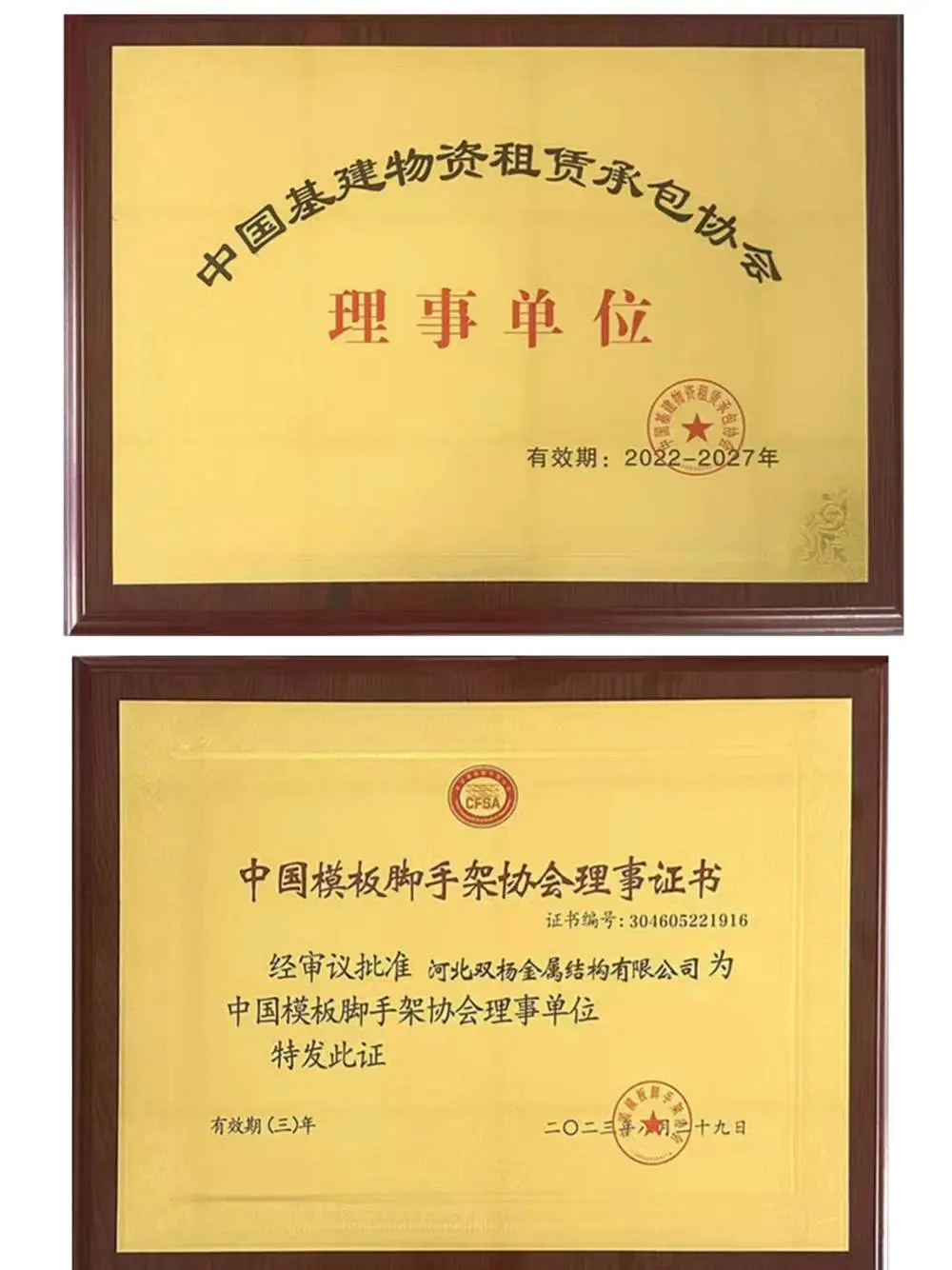
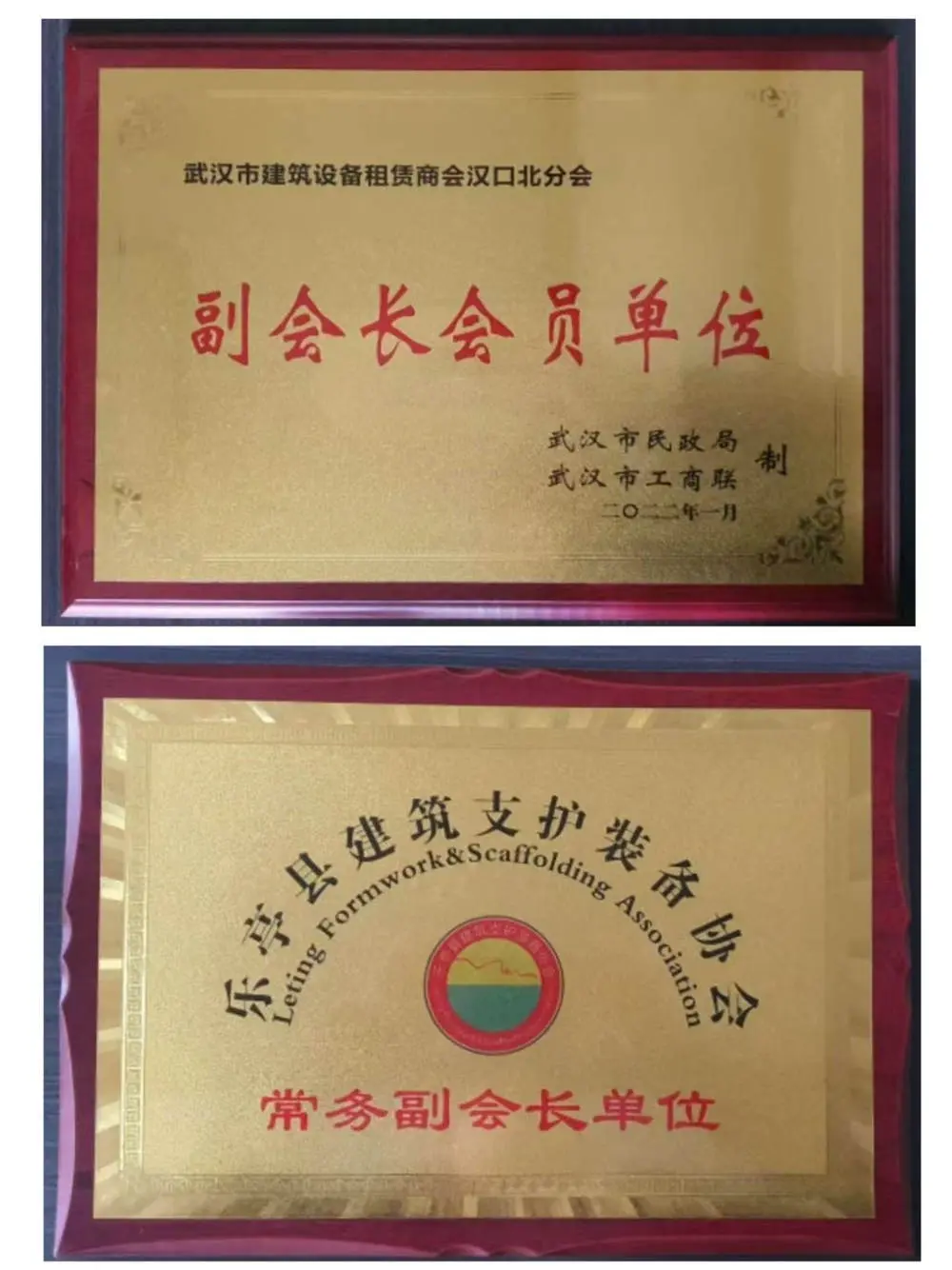
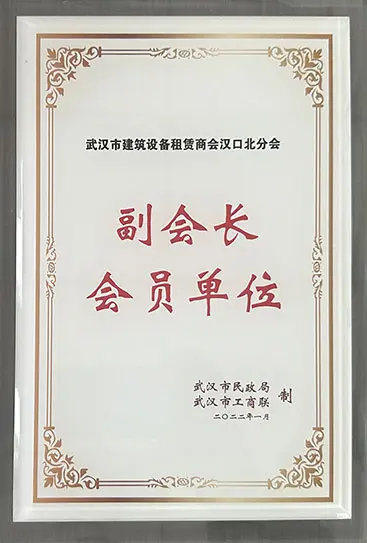
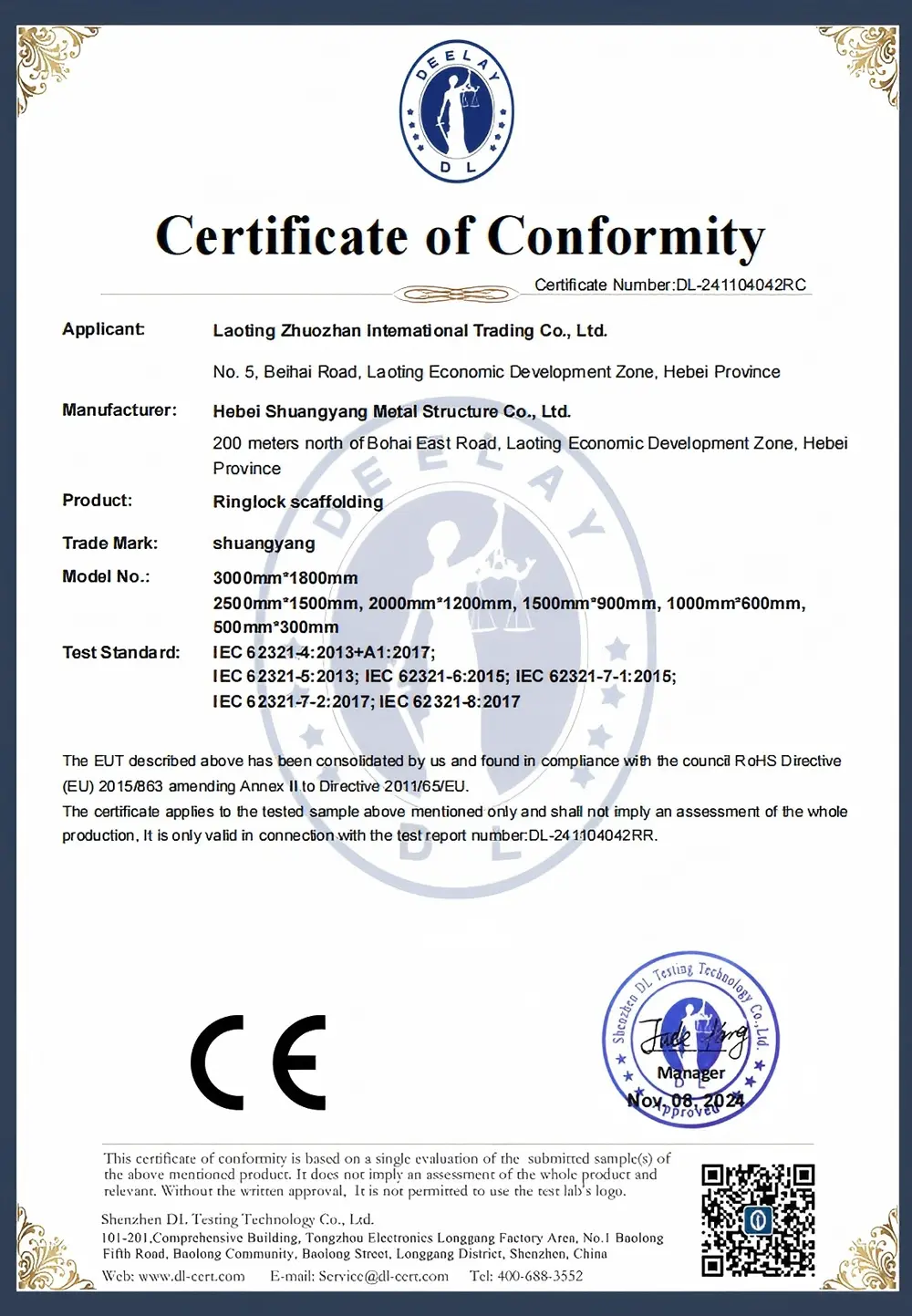
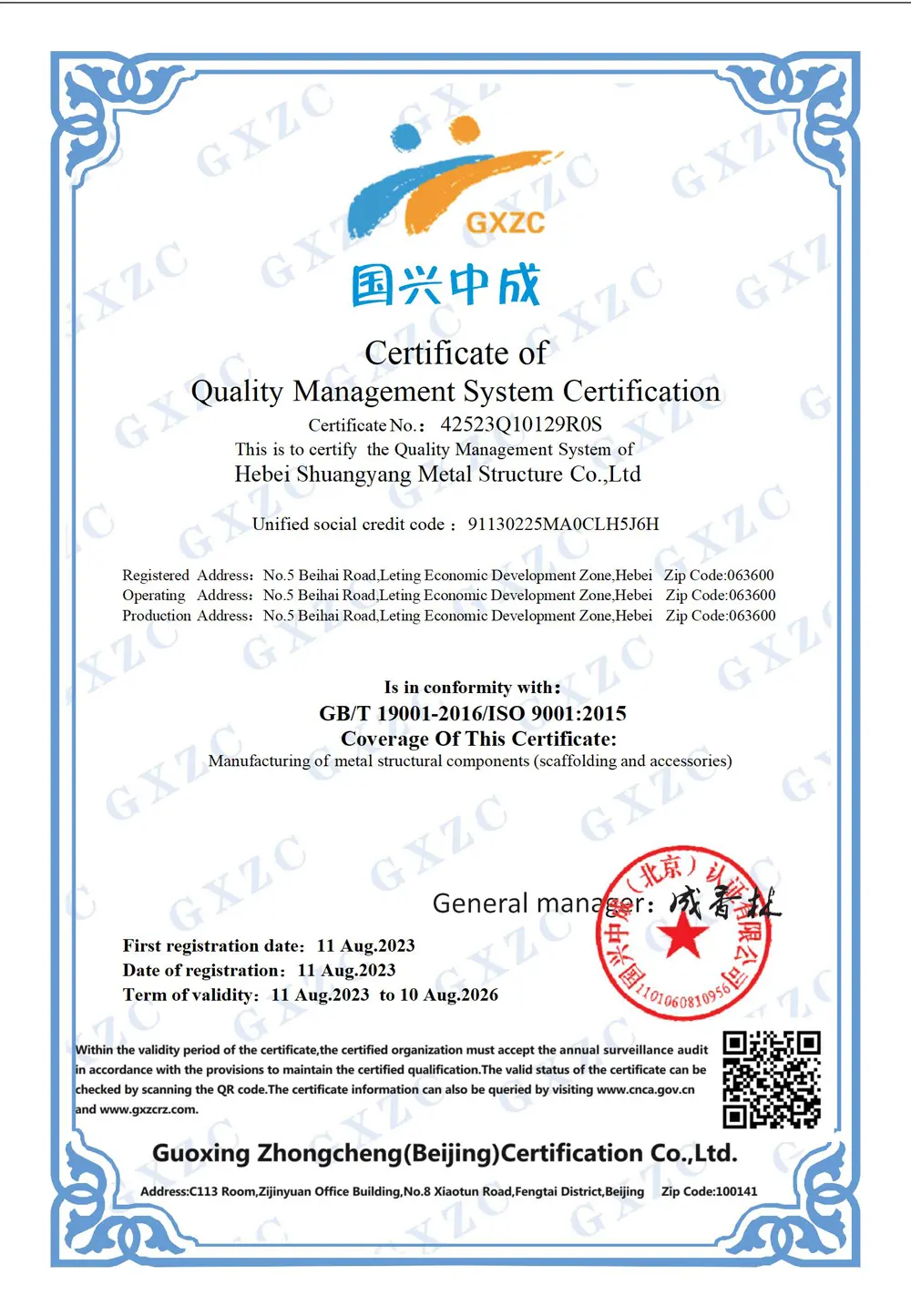
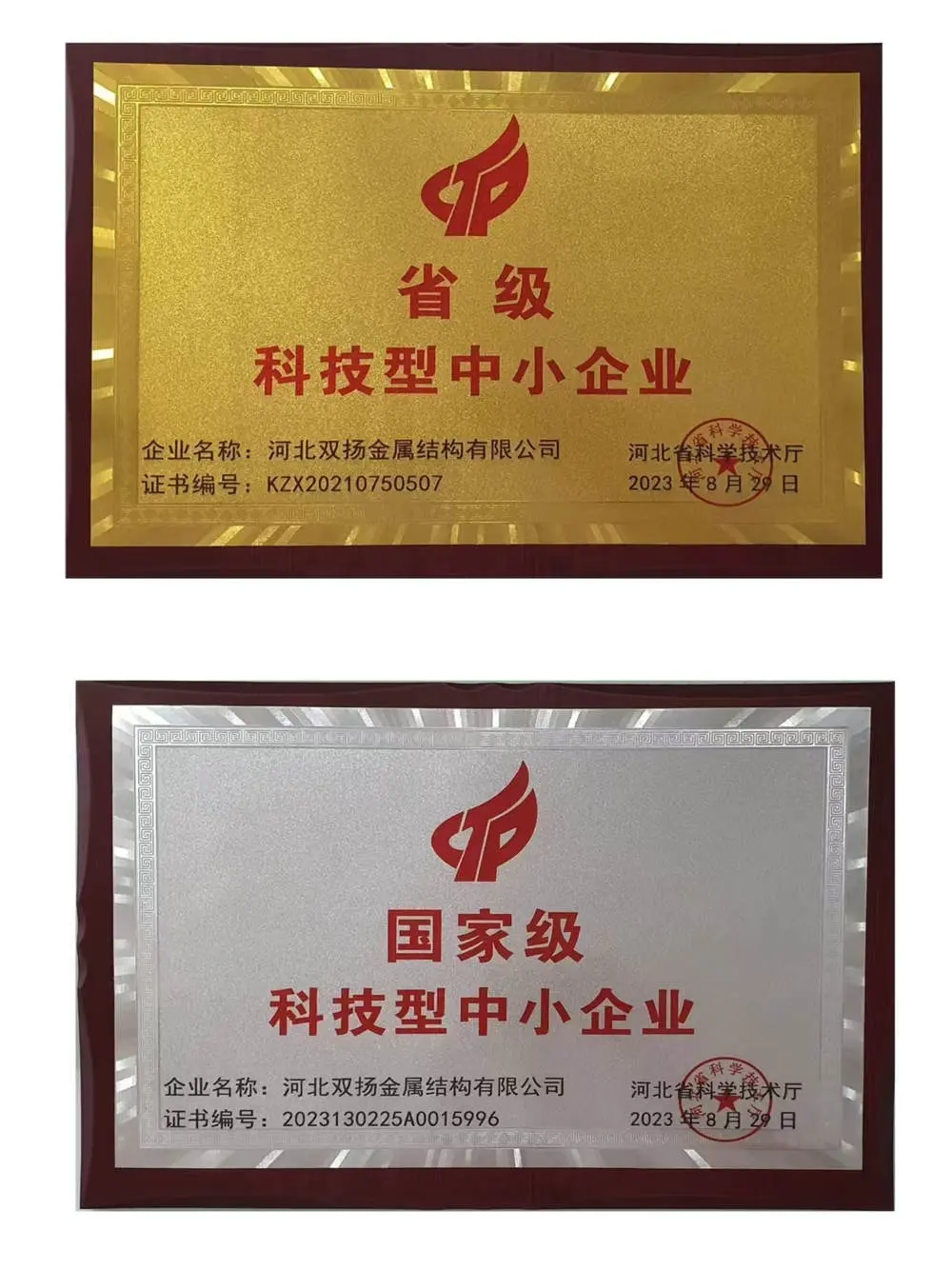
A data-driven comparison of physical and loading parameters across structural types, demonstrating the load capabilities of our products.
| Performance Property | Shuangyang Modular Scaffold (Q355B Steel) | Conventional Scaffolding Systems | Practical Engineering Benefit |
|---|---|---|---|
| Single Node Load-Bearing Limit | Up to 10 Metric Tons | Approx. 6.2 Metric Tons | Accommodates heavier equipment load demands securely. |
| Assembly Output Speed | 150–300 sqm per operator/day | 40–60 sqm per operator/day | Reduces on-site labor requirements by up to 80%. |
| Average Structural Service Life | 15 to 20 Years (Hot-dip galvanized) | 3 to 5 Years (Standard black steel) | Lower long-term investment costs for rental and fleet operators. |
| Component Weight Index | Reduced by 1/2 to 1/3 | Full Standard Weight | Decreases shipping and freight costs significantly. |
| Physical Dimension Tolerance | Within ±1mm | Within ±4mm to ±5mm | Ensures consistent structural leveling across high-altitude towers. |
Proof of structural reliability: Our systems are deployed on high-demand infrastructure sites and challenging high-altitude projects globally.
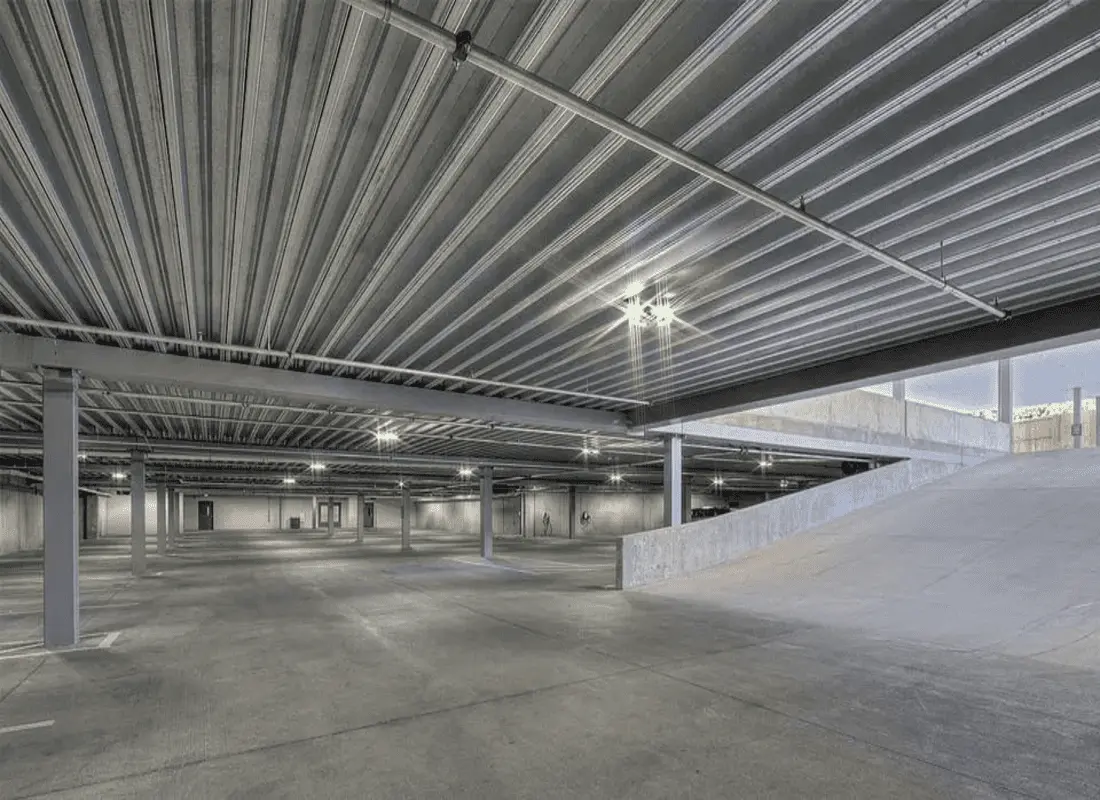
Heavy-duty adjustable steel shoring props supporting massive concrete slab stress loads during major transit expansion works.
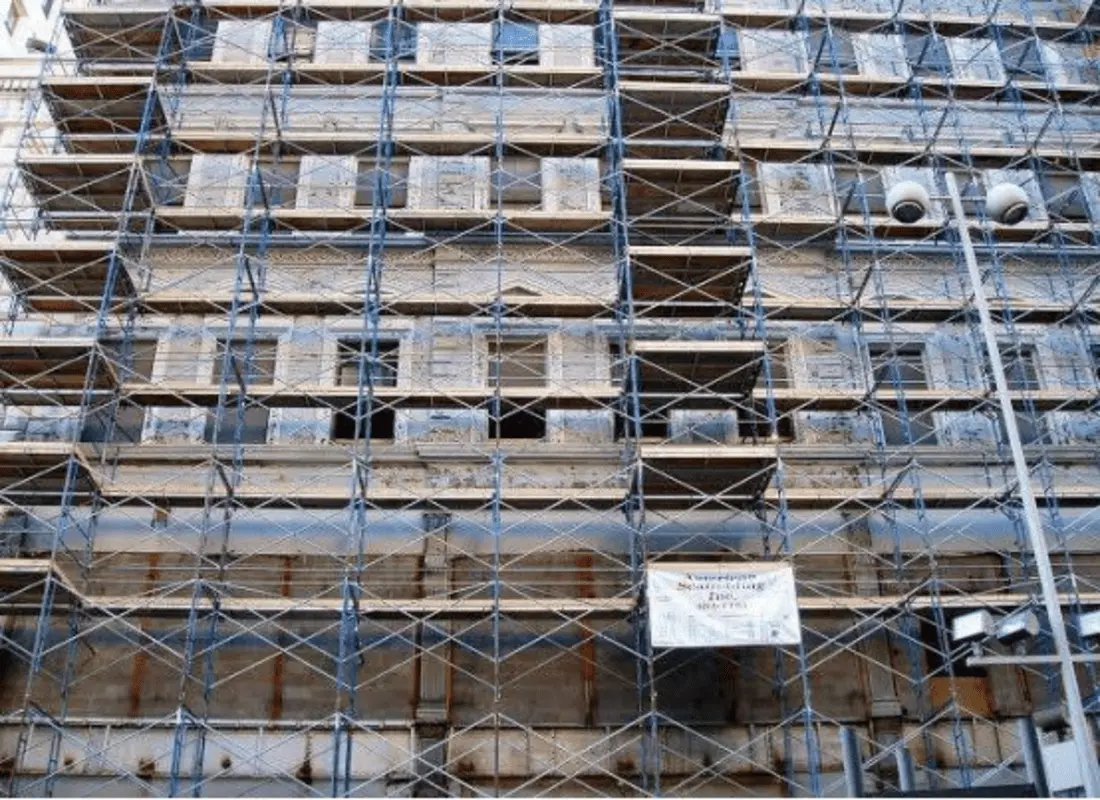
Lightweight, quick-mount frame modules deployed in historical city zones, meeting strict local pedestrian safety guidelines.
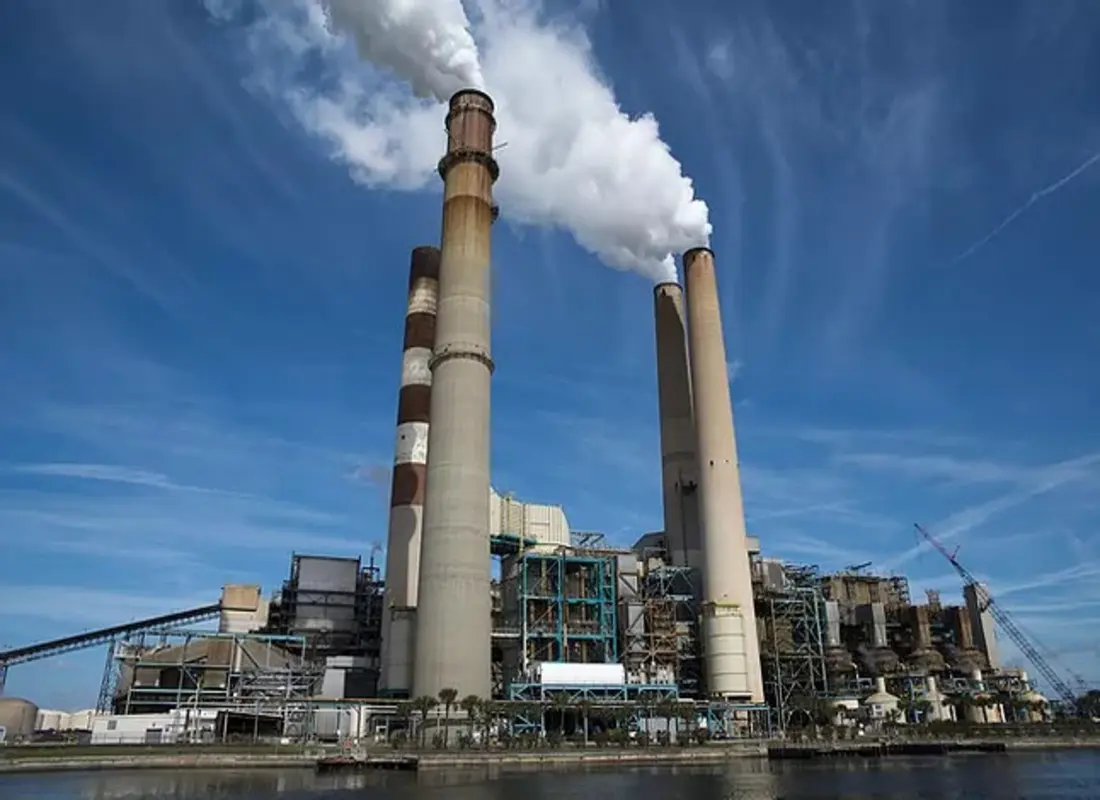
High-load locking setups supporting boiler structural elements under high temperatures and humid chemical conditions.
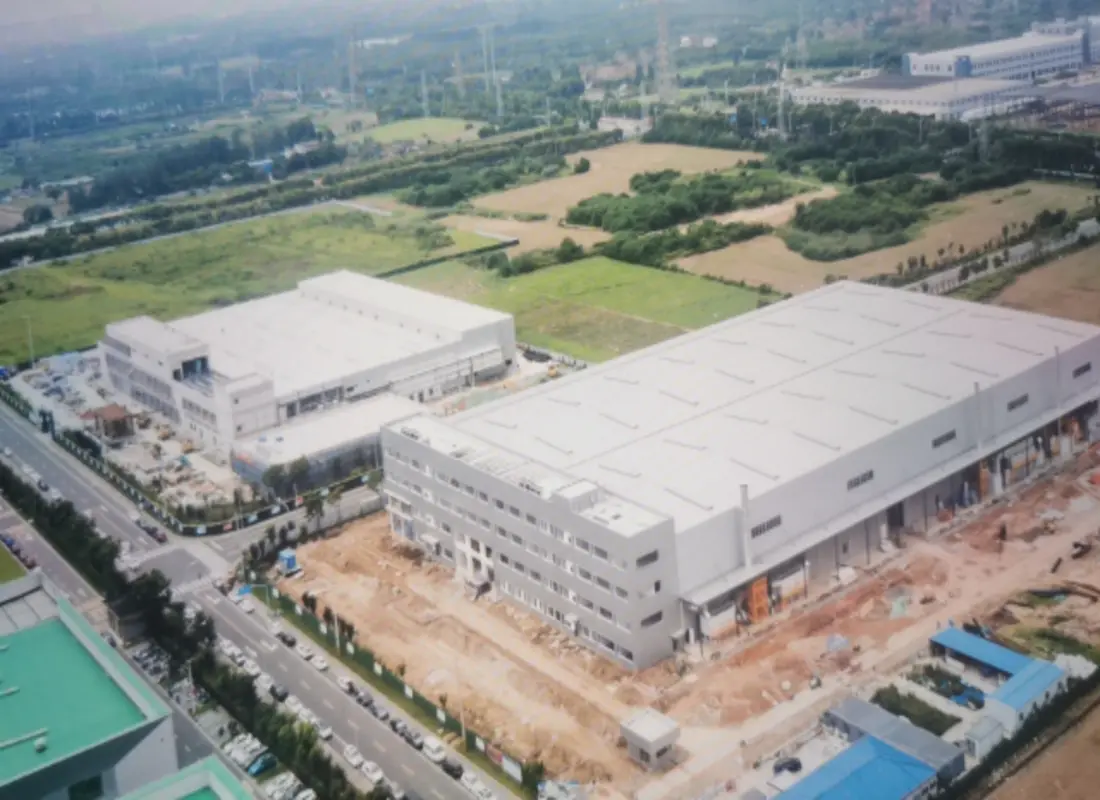
Clear-span suspended access scaffolding facilitating complex HVAC ductwork and crane rail alignments.
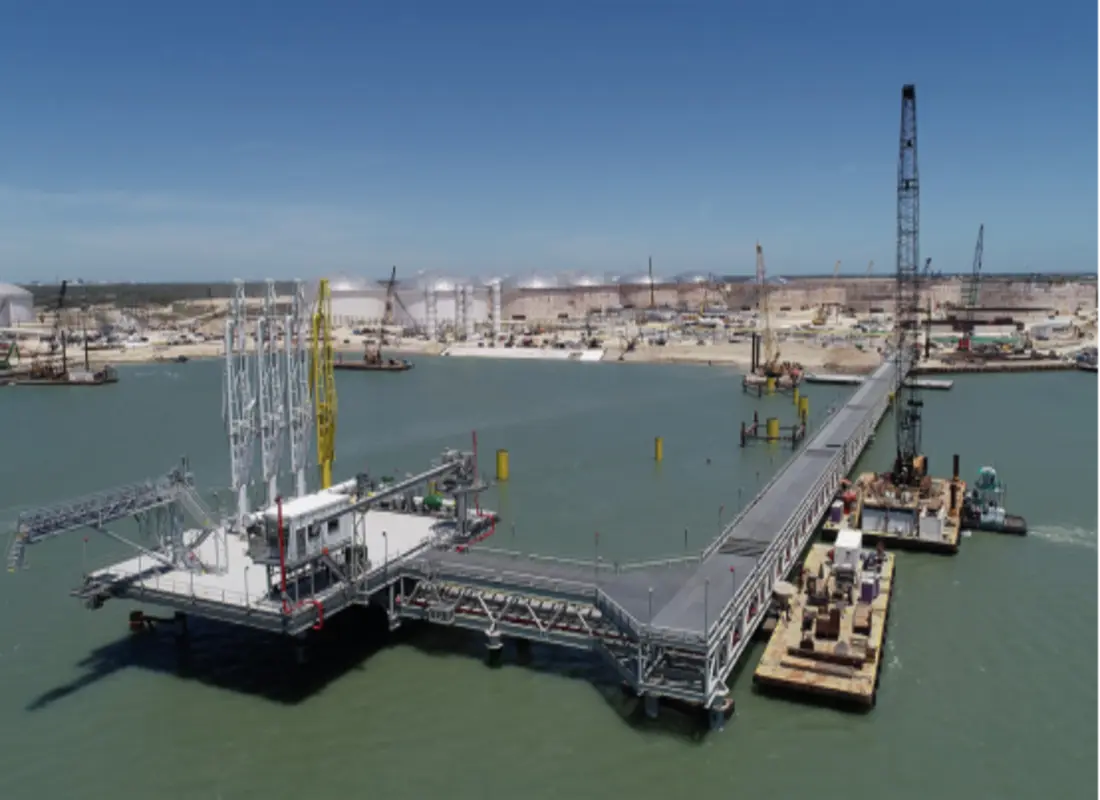
Hot-dip galvanized structural scaffolds resisting marine environment challenges and high chemical atmospheres.
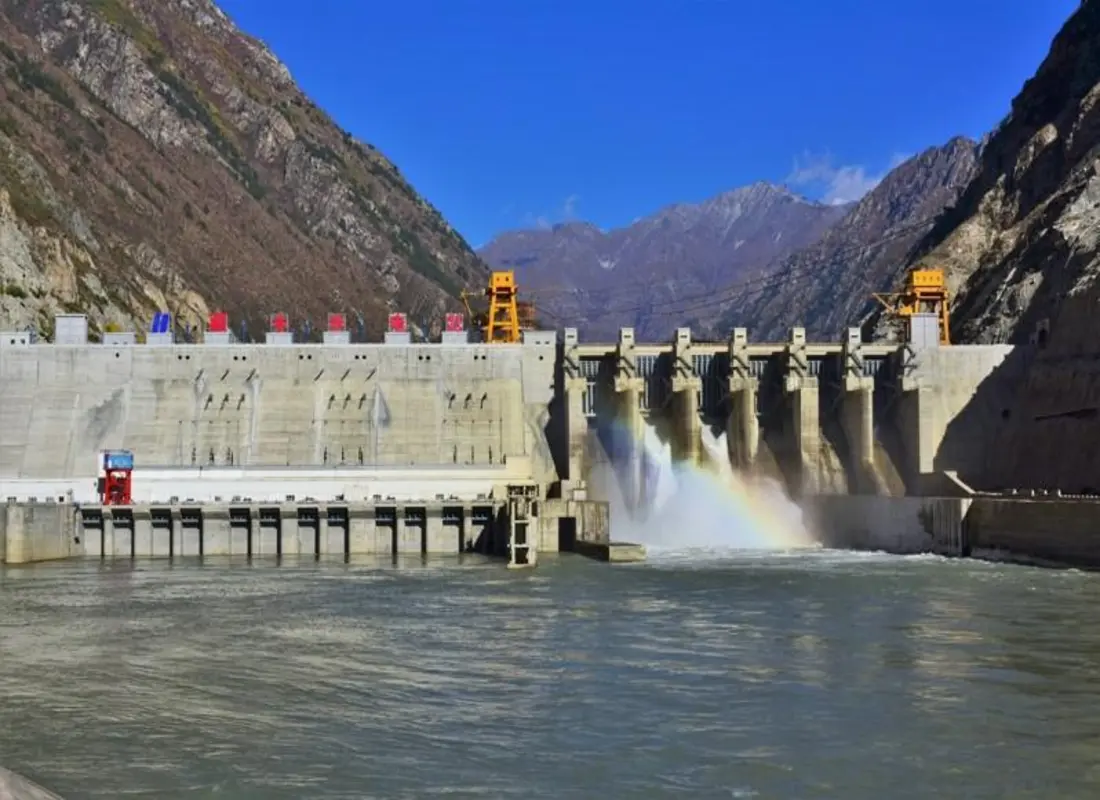
Specialized vertical structural towers configured along sloped concrete dam structures during structural reinforcement operations.
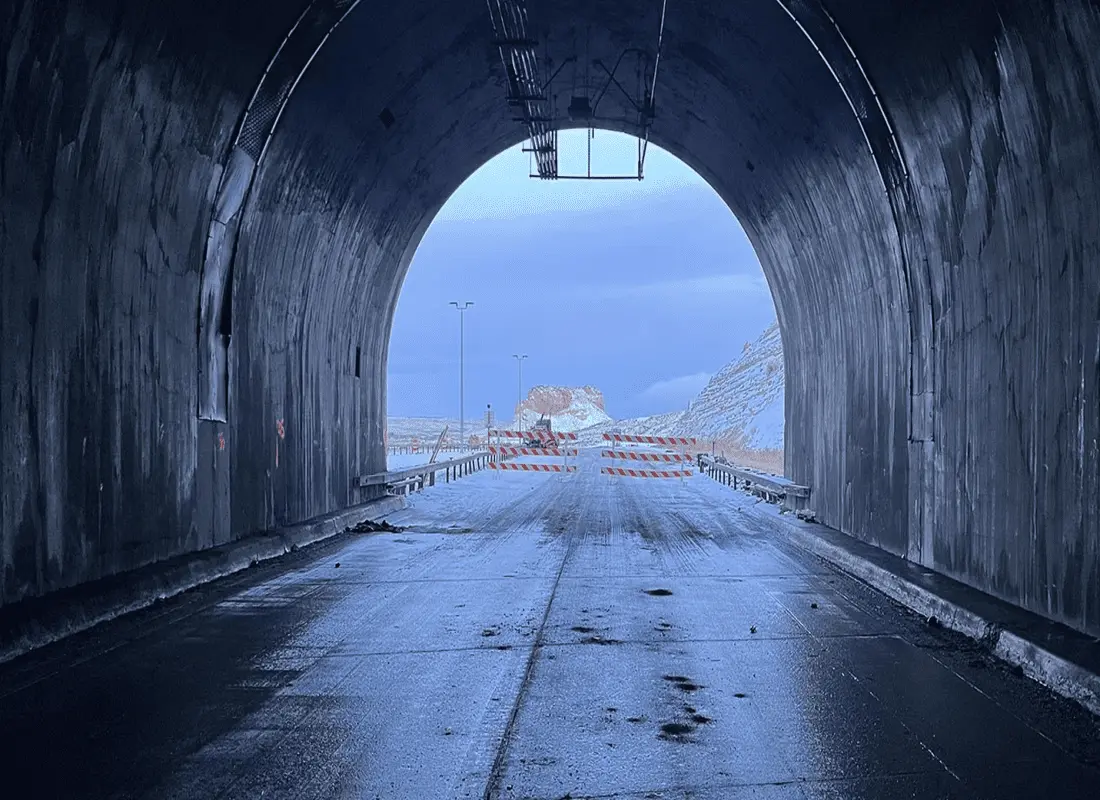
Reinforced vault shoring systems providing temporary stability to tunnel roofs before secondary concrete lining placements.
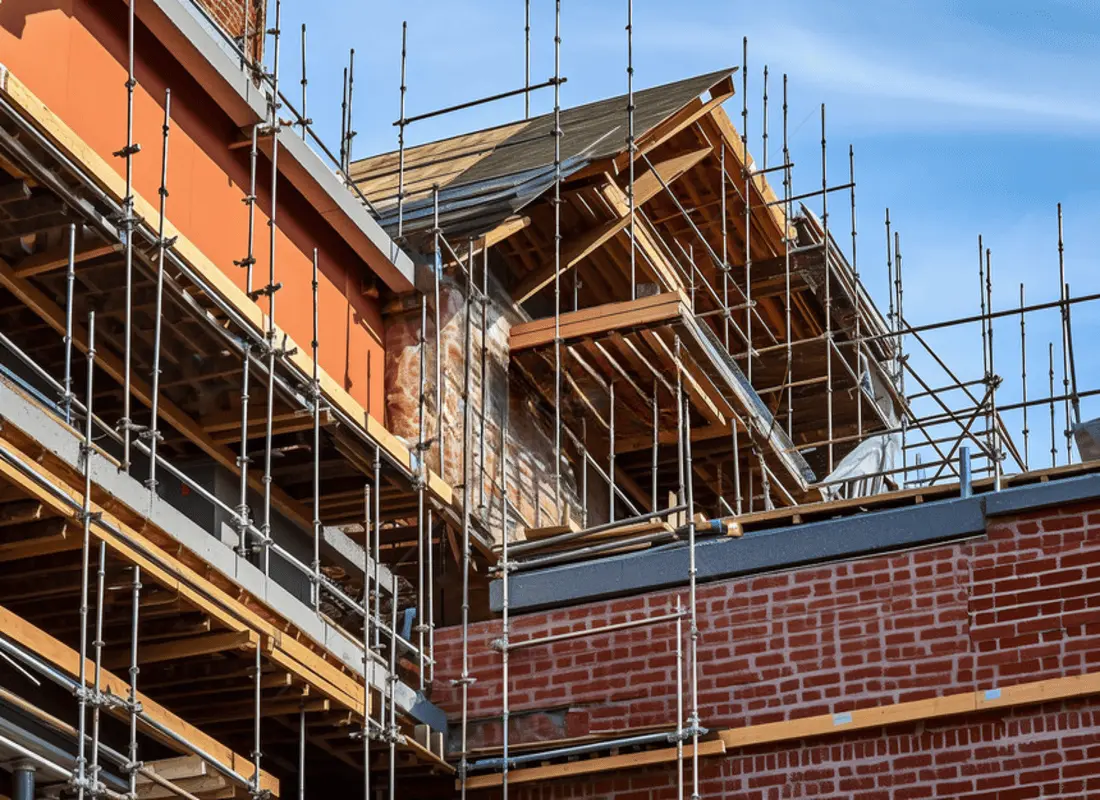
Cleanroom-compliant exterior scaffolding structures assembled quickly to keep facade panels aligned correctly.

Cantilevered work platforms suspended over waterways, allowing safe under-deck concrete restoration work.
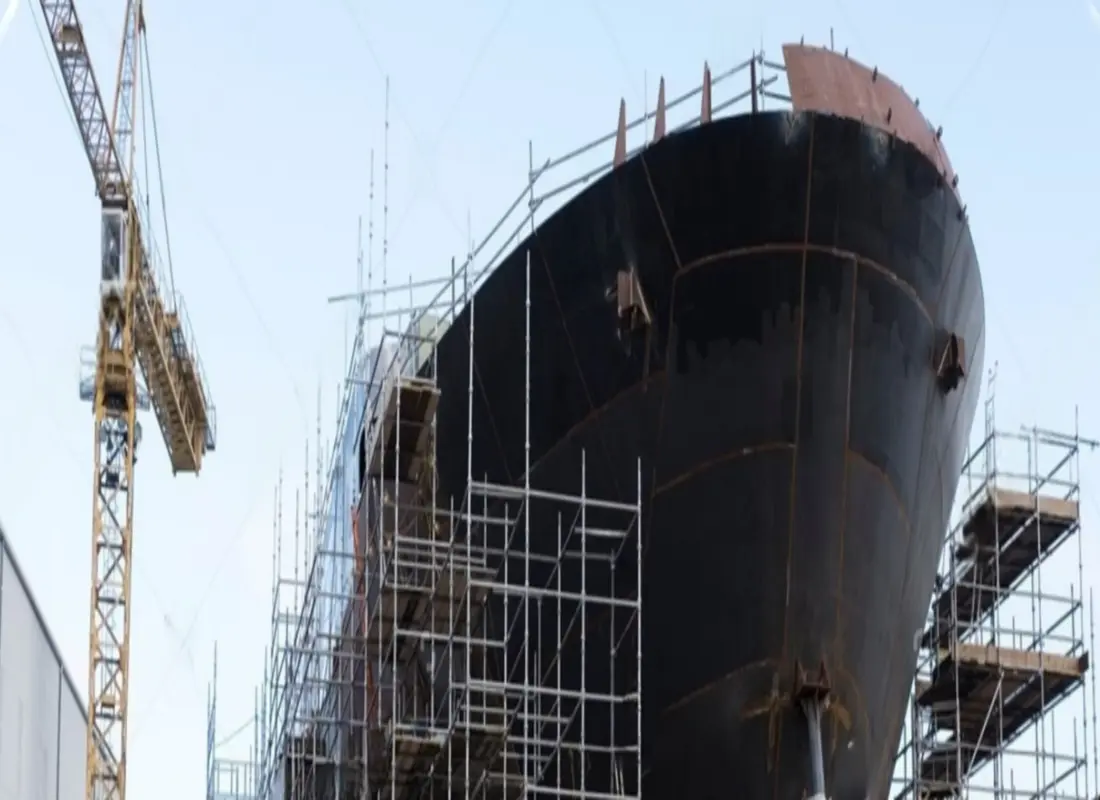
Flexible curved profile towers built to match ship hulls, providing shipbuilders with stable working platforms.
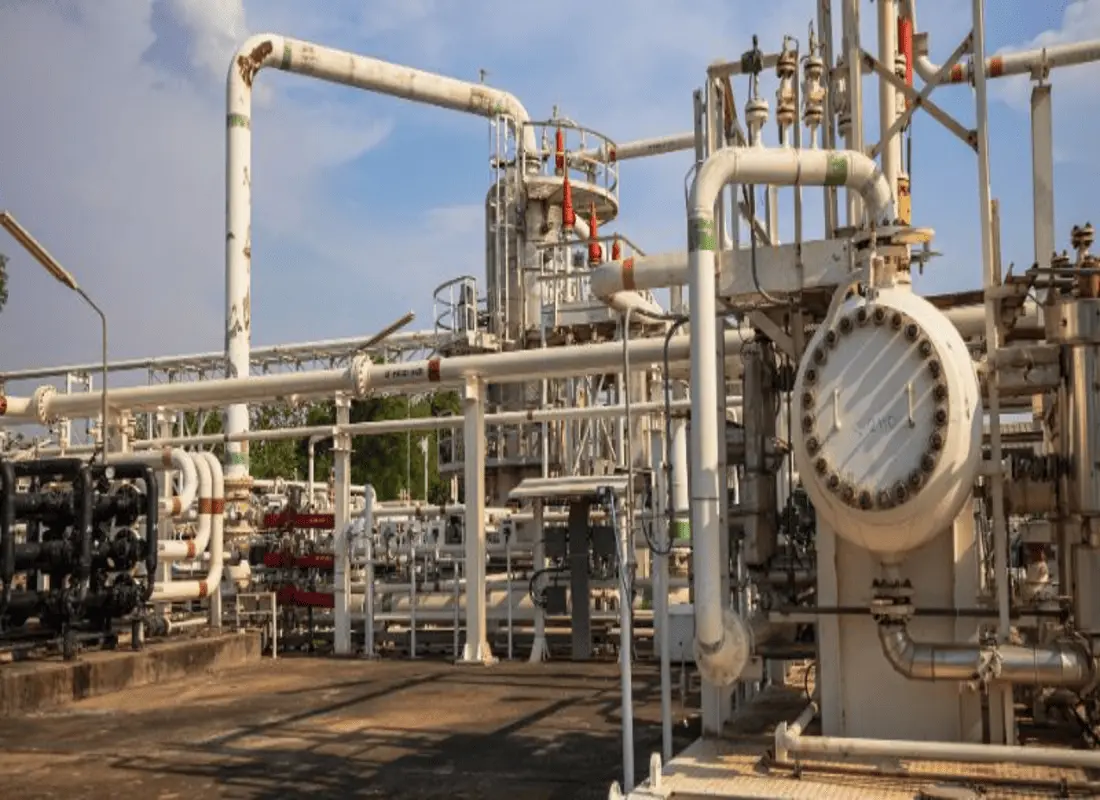
Custom-fit internal scaffold towers designed for inspection and upkeep inside limited-space power-generation boilers.
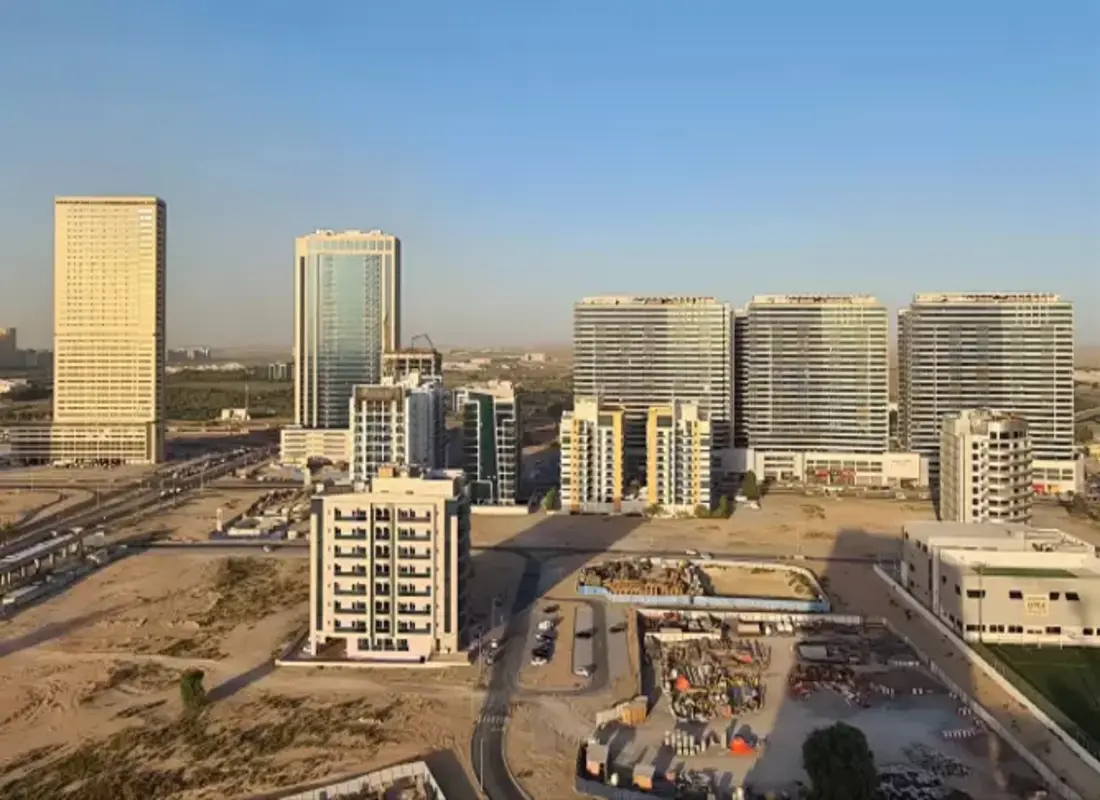
Wind-resistant exterior scaffold towers safely tied to high-rise building walls at extreme elevation heights.
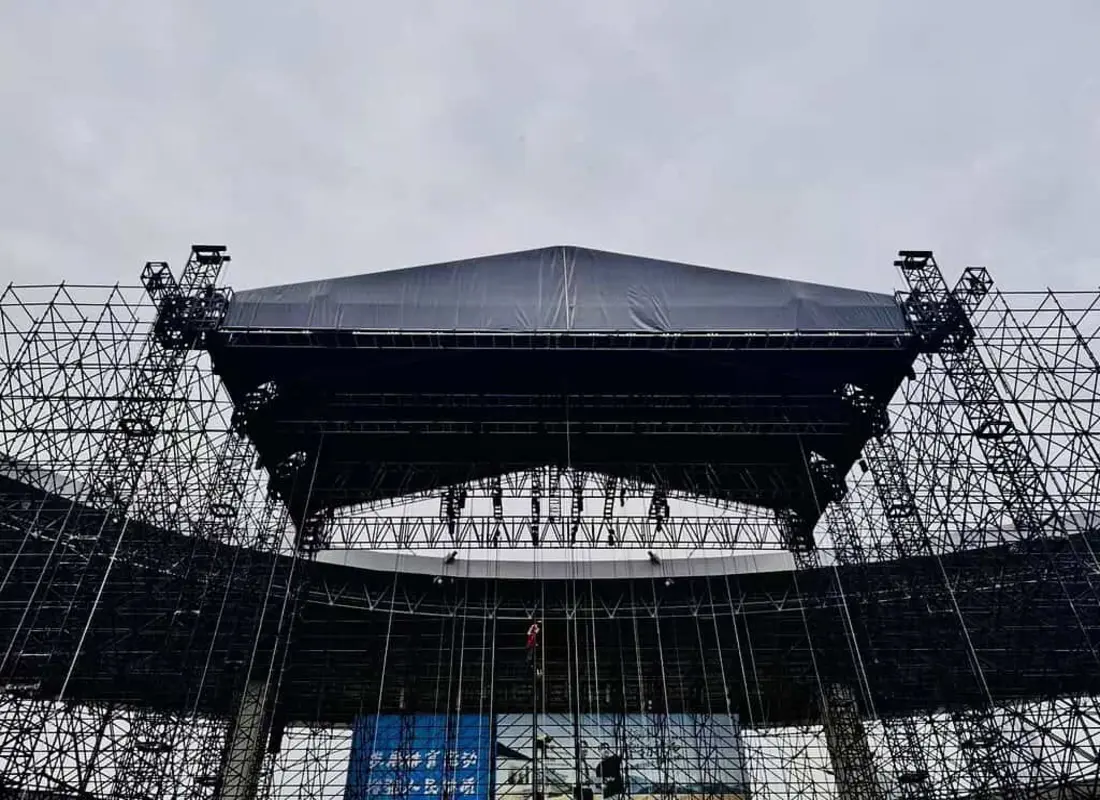
Fast-assembly stage towers, speaker supports, and lighting platforms meeting German event structure standards.
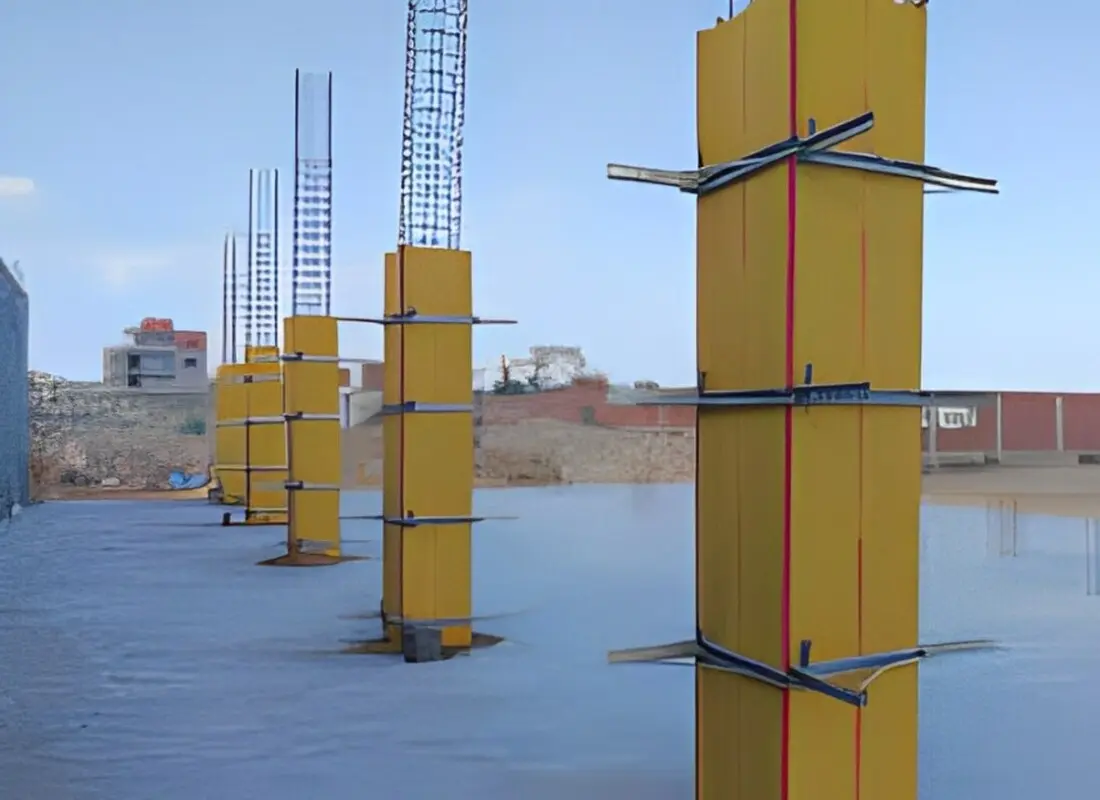
Precision-engineered H20 timber beam concrete forming systems for high-rise commercial structures.
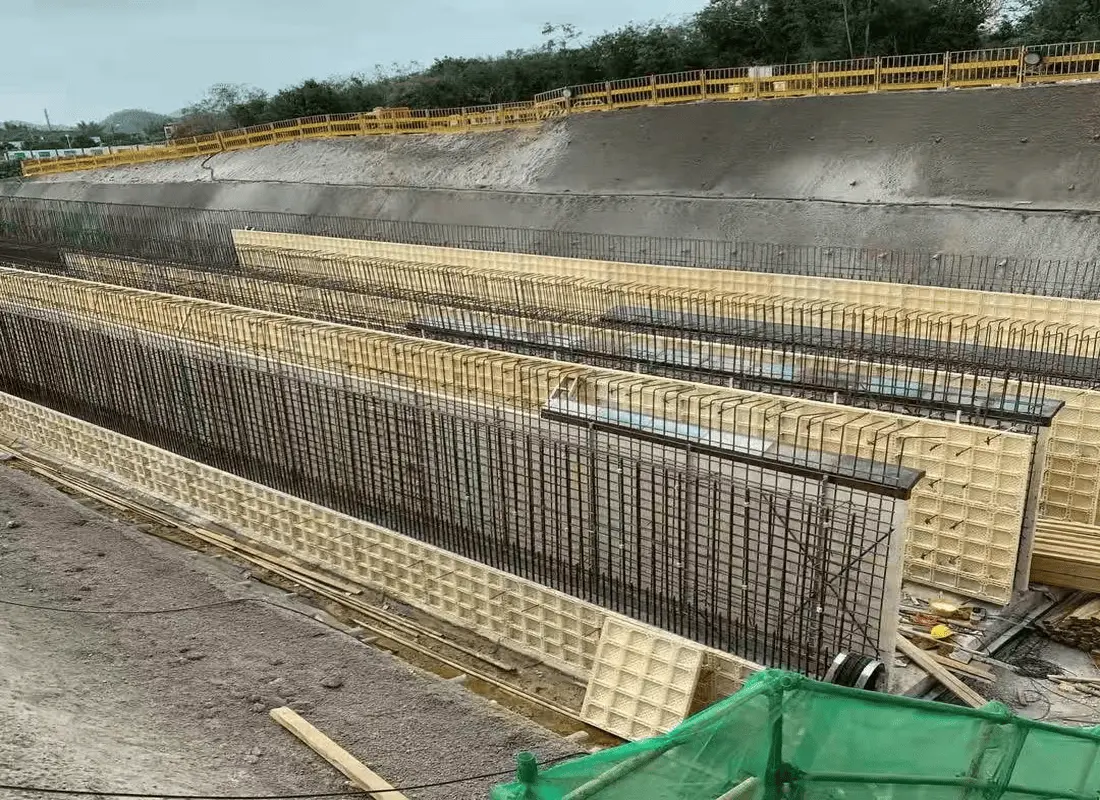
Moisture-resistant, reusable plastic formwork panels used during channel lining repair works along waterways.
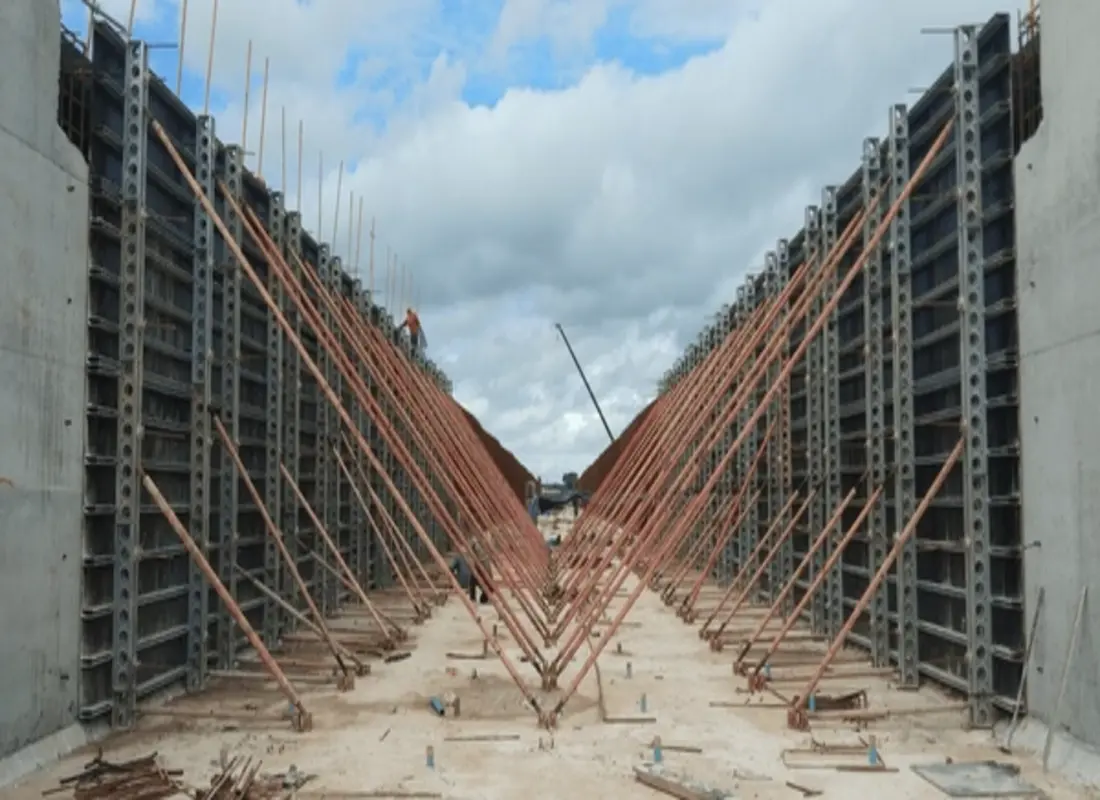
Modular, high-durability steel formwork systems shaping concrete columns and piers for heavy highway bridge expansions.
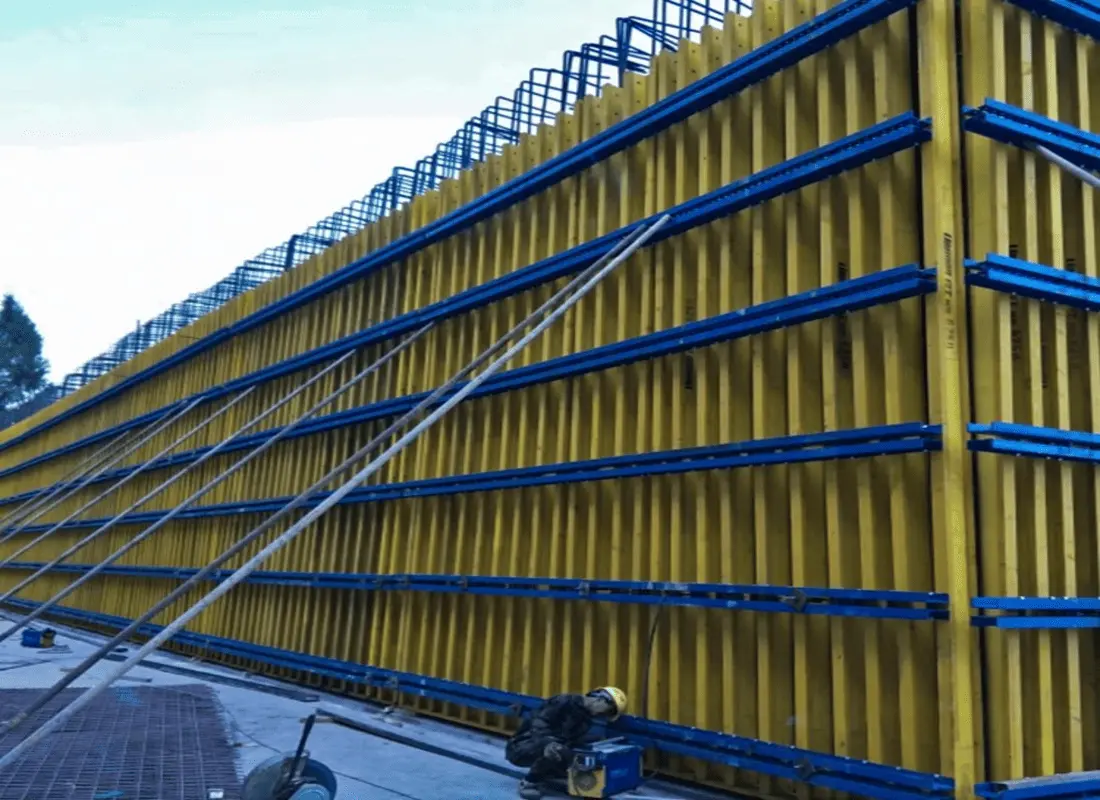
Heavy steel bridge formwork panels configured to handle hydro-stress from freshly poured concrete columns.
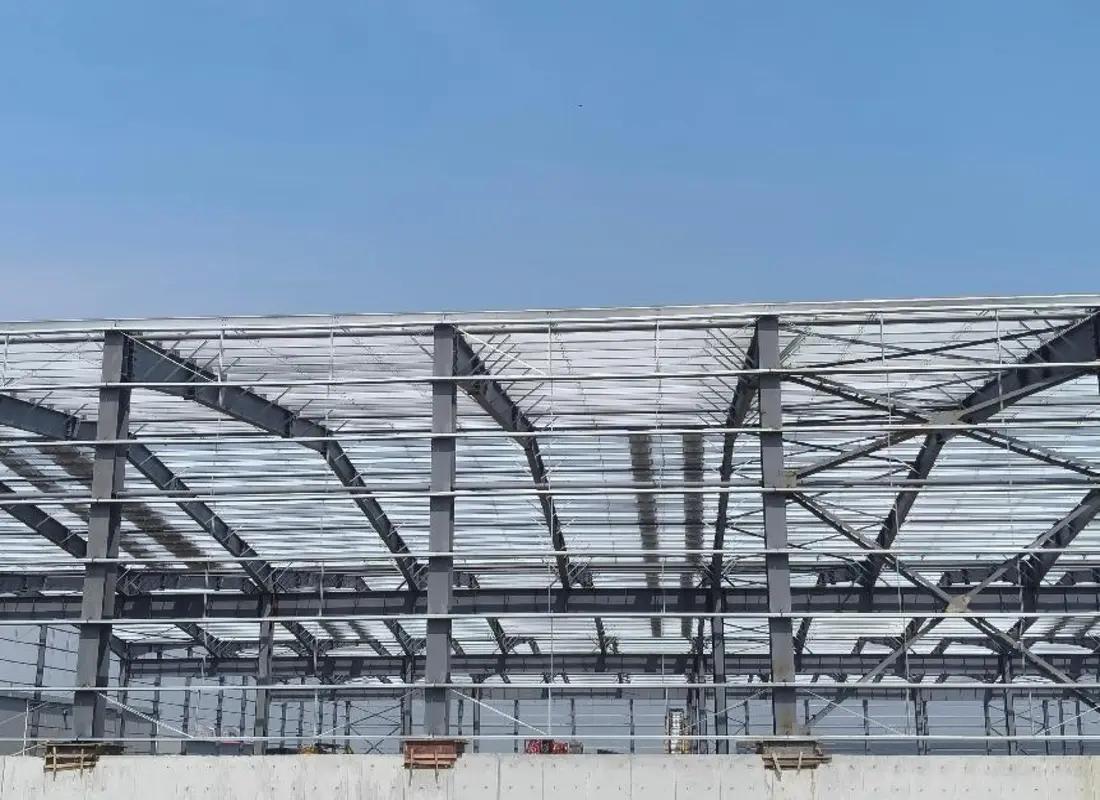
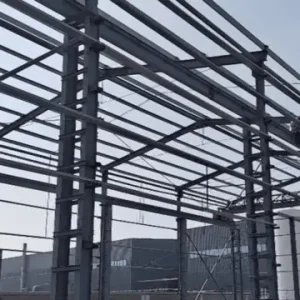
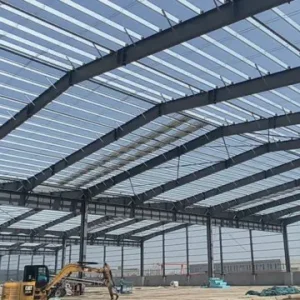
Structural steel frameworks fabricated and erected to expand key automotive development facilities.
Expert insights on importing, using, and engineering modular metal access systems.
Scaffolding products must meet specific load and safety design rules to enter European and American markets. For the EU, materials must comply with EN 12810-1 and EN 12811-1 standards, which verify structural load capacity under various conditions. For North America, equipment must comply with OSHA 1926.451 and ANSI/ASSE A10.8 rules, which define safe assembly practices, fall protection, and load rating requirements.
Hot-dip galvanization creates a thicker protective layer (typically 80–120 microns) by dipping steel parts directly in molten zinc. This creates a strong bond that resists corrosion even in harsh saltwater and coastal environments. Standard electro-galvanization only applies a thin layer (approx. 10–15 microns) that can easily wear off under heavy physical use, exposing the steel to rust much sooner.
Q355B is a low-alloy, high-strength structural steel with a yield strength of 355 MPa. In contrast, standard Q235 steel has a lower yield strength of 235 MPa. Using Q355B allows scaffolding columns to handle significantly higher vertical loads without bending or buckling, enabling engineers to design taller towers using fewer components.
To protect steel during sea transit, parts are bundled securely using high-strength steel straps and wrapped in moisture-resistant plastic. Crucial connection nodes and threaded elements are coated with protective anti-rust oils, and wooden dunnage is used between bundles to prevent physical movement and damage during shipping.
Automated robotic welding lines ensure highly consistent heat application and weld penetration. By eliminating human variations, robots prevent common weld defects like porosity or undercutting. This results in incredibly uniform structural joints, giving every single ledger and rosette standard load-bearing capacities.
Explore our heavy-duty steel structures, adjustable posts, and formwork solutions designed for global infrastructure projects.
 Zhuozhan