What Types of Scaffolding Accessories Are Available?

Time:2026-11-10 Author:Sienna
0%

Scaffolding Accessories help turn a basic scaffold frame into a stable, usable work platform. The right parts can support safe access, steady footing, and practical material handling. The wrong combination can leave gaps, awkward connections, or unstable sections. Small details matter. A loose coupler or poorly fitted base plate can change how the whole structure behaves.

Scaffolding safety expert David V. MacCollum has written extensively about construction hazards, but I cannot verify a direct quotation from him about accessories. Rather than invent one, this guide uses a practical editorial principle: “Every accessory should have a clear purpose, a compatible connection, and a secure fit.” That principle helps readers assess common components, including base plates, adjustable jacks, couplers, guardrails, toe boards, access ladders, and scaffold ties. Each serves a different function. Some support the frame; others protect workers or provide access.

The sections ahead explain what these accessories do, where they are commonly used, and what to check before selecting them. Look for visible wear, damaged threads, bent fittings, and parts that do not match the scaffold system. A component may look sturdy and still be unsuitable. Product guidance and competent inspection remain essential. This overview is a starting point, not a substitute for project-specific advice.
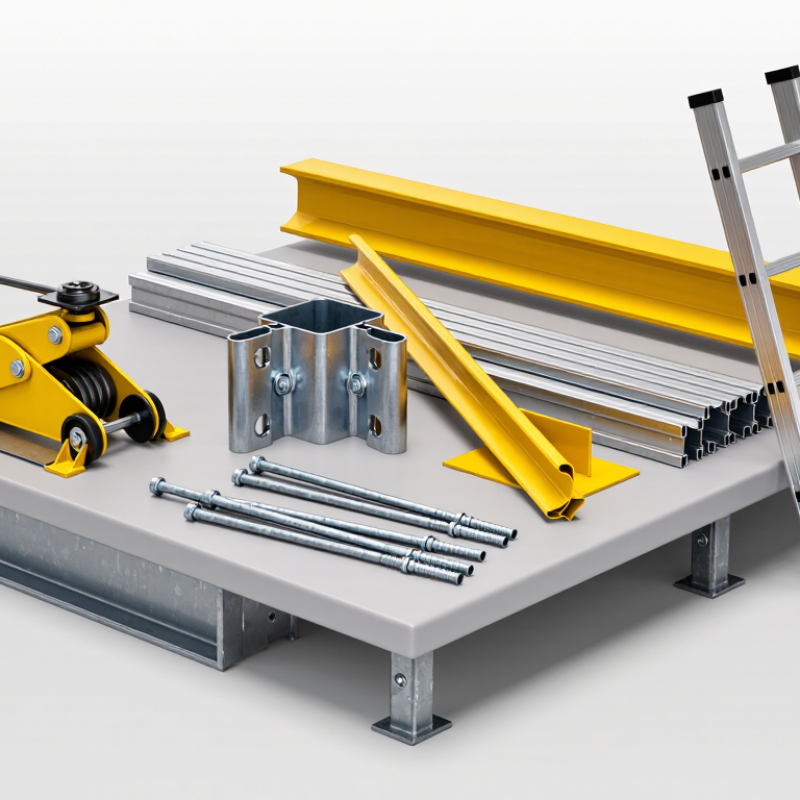
What Types of Scaffolding Accessories Are Available?

Scaffolding Frames, Standards, Ledgers, and Braces

What Types of Scaffolding Accessories Are Available?

Scaffolding Frames, Standards, Ledgers, and Braces

Frames create the main working structure, with vertical legs and horizontal members forming stable bays. On frame systems, check that connecting pins are fully seated and frames stand level. Standards are the vertical tubes that carry loads in many modular scaffolds. Ledgers connect standards horizontally, helping define each bay and support platforms. Braces run diagonally across the structure to reduce sway. Fit matters. Parts that look similar may not connect safely across different systems, so use components specified for the scaffold.

The details matter most where the scaffold meets uneven ground or changes direction. Base support, secure connections, and correctly positioned braces all affect stability. It is easy to focus on the platform and overlook a missing diagonal brace. That is worth reconsidering: a complete-looking bay is not necessarily a stable one. Replace damaged components rather than trying to straighten or modify them on site.

Platforms, Decks, and Access Accessories

Scaffold platforms and decks create the working surface where people stand, move tools, and handle materials. They may use metal panels, timber boards, or purpose-made platform units. The right choice depends on the scaffold system, the required load, and the work being done. Check that each deck is fully seated and secured, with no loose ends or unexpected gaps. A small gap can catch a boot or a dropped tool.

Surface details matter. Perforated metal can help water drain, while a textured finish may improve grip in damp conditions. Neither removes the need to keep the deck clear of mud, offcuts, and trailing leads. Keep materials spread across the platform rather than piled at one end. It is easy to underestimate how quickly a few buckets and boards add weight.

Access accessories include ladders, stair units, trapdoors, and self-closing gates. They provide routes between levels and help limit open edges at access points. Choose components designed to fit the scaffold configuration, and make sure ladders are secured against movement. Stair units can be more practical when workers carry tools or make frequent trips. Still, access can feel awkward when the route is narrow; that deserves attention before work starts. Inspect hinges, locking parts, and walking surfaces regularly, especially after weather changes or scaffold adjustments.

Guardrails, Toe Boards, and Other Fall-Protection Accessories

Guardrails form the first visible barrier on a scaffold platform. A toprail and midrail help prevent workers from stepping or leaning into an open edge. OSHA’s construction scaffold standard generally requires fall protection above 10 feet, with requirements depending on scaffold type and setup. Check the applicable rules before work begins; one arrangement does not fit every scaffold.

Toe boards add a low barrier along platform edges. They help keep loose tools, bolts, and materials from sliding onto workers below. OSHA specifies a minimum 3.5-inch height for standard scaffold toe boards. Small gaps matter. A toe board alone can feel reassuring, but it cannot reliably contain every small or fast-moving object. Where falling-object exposure remains, consider mesh, screens, or secured tool storage.

The risk deserves attention: the U.S. Bureau of Labor Statistics reported 865 fatal work injuries from falls, slips, and trips across all industries in 2022. That figure covers many work settings, not scaffolds alone. Still, it underscores why fall protection needs more than a quick visual check. Inspect rails, toe boards, access gates, and connections before each shift, and replace damaged parts. Personal fall-arrest equipment may also be required for specific scaffold configurations. Anchor points must be suitable and properly assessed. In practice, crews sometimes miss a loose clamp behind stacked materials; make that area part of the inspection.

Couplers, Base Plates, and Stabilizing Components

Scaffold accessories do more than connect metal tubes. They help transfer loads, keep frames aligned, and steady the work platform. Right-angle couplers join tubes at roughly 90 degrees, while swivel couplers connect diagonal braces. A loose or mismatched coupler can shift under movement. Check each connection for damage and secure engagement.

Base plates spread a scaffold leg’s load across a sole board and supporting surface. They cannot make soft, sloping ground safe. OSHA’s construction scaffold standard, 29 CFR 1926.451, requires footings to be level, sound, rigid, and capable of supporting the loaded scaffold. Small details matter: a plate resting partly on a cracked board needs correction before workers climb.

Stabilizing components include ties, braces, and properly fitted guardrails. Their placement should follow the scaffold design and site conditions, not guesswork.

The Bureau of Labor Statistics reported 421 construction deaths from falls, slips, and trips in 2023. That figure covers more than scaffold incidents, but it shows why stability deserves close attention.

Inspect couplers, plates, and braces before each shift, and again after strong winds or changes to the setup. One imperfect habit persists on busy sites: workers may notice a wobbling leg but postpone reporting it. That delay is avoidable.

Weather Protection and Material-Handling Accessories

Weather-protection accessories help crews work through changing conditions, but they also change how a scaffold behaves. Debris netting can catch loose packaging and small fragments while allowing some air through. Solid sheeting offers stronger rain protection, yet it can act like a sail in gusty weather. That difference matters. Before enclosing a lift, check that ties, anchors, and the scaffold design account for the added wind exposure. Inspect the covering after storms, especially around corners and access points. A loose edge can flap hard against tubes. It is easy to assume a tarp will solve every weather problem; it will not. Water can still collect, and wet boards may remain slippery.

Material-handling accessories include loading bays, hoists, and rope-and-wheel systems designed for raising tools or supplies. Choose equipment suited to the intended load, and keep the platform’s rated capacity in view. Small details help: place a receiving bay near the work area, secure loose items, and leave a clear walking route. Never let a convenient loading point become a storage pile. Check connections and moving parts before use, and keep people clear of suspended loads. Not glamorous. Still essential. Conditions change during a shift, so reassess the setup when materials, weather, or access needs change.

FAQS

What do frames, standards, ledgers, and braces do?

Frames form the main structure. Standards carry loads, ledgers connect them, and diagonal braces help reduce sway.

How can I check scaffold connections?

Confirm pins are fully seated and fittings are secure. A quick glance may miss a loose joint.

Can similar-looking scaffold parts be used together?

Not necessarily. Use components specified for the scaffold system; similar parts may not connect safely.

What should I inspect before work begins?

Look for bent frame members, damaged standard ends, and loose ledger or brace fittings. Have questionable parts assessed.

Why are diagonal braces important?

They help limit movement, especially where the scaffold changes direction or stands on uneven ground. A complete-looking bay may still be unstable.

How should scaffold platforms and decks be checked?

Make sure each deck is seated and secured, with no loose ends or unexpected gaps. Small gaps matter.

How can I keep a platform safer to walk on?

Clear mud, offcuts, and trailing leads. Spread materials across the deck instead of piling them at one end.

What should I consider when choosing scaffold access?

Ladders, stairs, trapdoors, and self-closing gates should fit the scaffold configuration. Secure ladders against movement.

When should access parts be inspected?

Check hinges, locks, and walking surfaces regularly, especially after weather changes or scaffold adjustments. Awkward routes deserve attention before work starts.

Conclusion

Scaffolding Accessories include the structural and practical components that help create a stable, usable work area at height. Frames, standards, ledgers, and braces form and reinforce the scaffold structure, while base plates distribute its load across the supporting surface. Couplers connect components, and other stabilizing parts help keep the assembly aligned and secure.

Platforms and decks provide space for workers and materials, with access accessories supporting convenient movement between levels. Guardrails and toe boards help reduce the risk of falls and prevent tools or materials from slipping off edges. Weather-protection accessories can offer shelter from the elements, while material-handling options make it easier to move supplies around the work area. Choosing compatible accessories for the scaffold design and working conditions helps support an organized and dependable setup.


Sienna

Sienna

Sienna is a skilled marketing professional with a deep expertise in our company’s core products and services. With a passion for innovation and detail, she plays a pivotal role in crafting insightful blog posts that not only highlight the unique features of our offerings but also provide valuable......