The global scaffolding market has seen significant growth, projected to reach $80 billion by 2025, according to a recent market report. With rising construction activities worldwide, the need for reliable scaffolding solutions is more critical than ever. Selecting the right Scaffolding Factory can impact project efficiency and safety.
Industry expert John Miller emphasizes, "A trustworthy Scaffolding Factory ensures that quality and safety standards are met." His insights highlight the importance of choosing manufacturers who prioritize these aspects. However, many buyers struggle to identify reputable factories amidst a plethora of options. This often leads to doubts about quality and compliance with safety regulations.
Navigating the options can be overwhelming. Key factors such as material durability, production capacity, and delivery timelines must be considered. A buyer’s lack of experience in this area may lead to poor choices. By carefully evaluating different Scaffolding Factory options, global buyers can make more informed decisions that enhance project outcomes and mitigate risks.
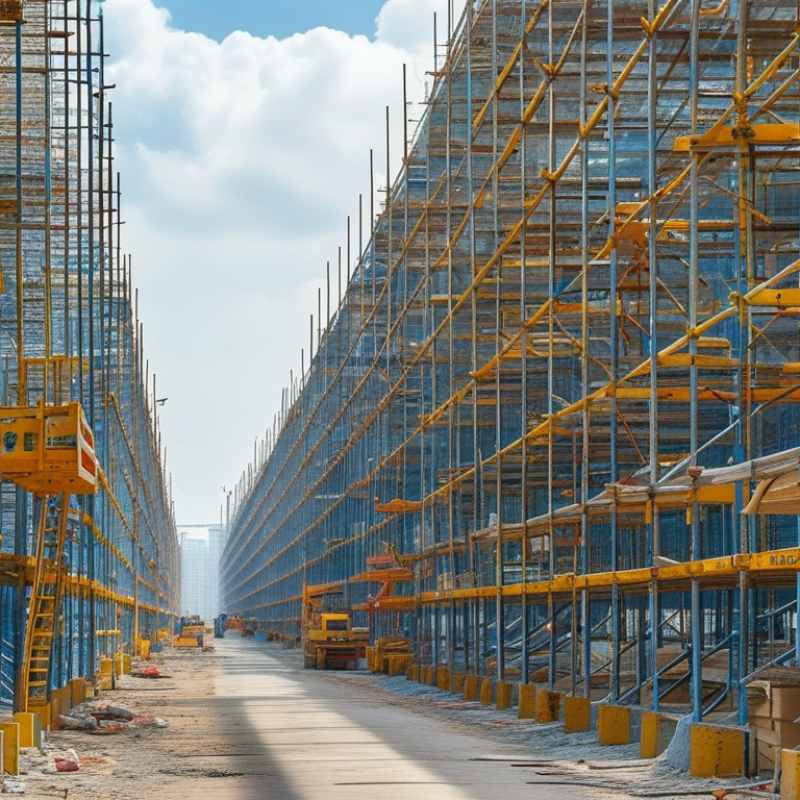
When considering scaffolding factories globally, it's crucial to focus on quality and reliability. The scaffolding market is projected to reach approximately $60 billion by 2026. This growth is driven by increasing construction activities and infrastructure development. Hence, buyers must identify factories that match these industry trends.
Many factories specialize in various scaffolding types such as modular, frame, and suspended scaffolding. Each type has specific uses and benefits in different projects. For instance, modular scaffolding is favored for its flexibility and ease of assembly. Frame scaffolding is known for its durability and strength, making it ideal for heavy construction sites. Collectively, they represent safety and efficiency, which are non-negotiable in construction.
However, not all factories maintain high standards. Quality inspections and certifications like ISO are essential indicators of reliability. Customers often find it challenging to navigate these options. The cost may also vary significantly from one factory to another. High prices do not always guarantee superior quality. Therefore, buyers should assess multiple factors, including customer reviews, before deciding. A detailed inquiry into a factory's operational history can reveal much more than surface-level data.
The global scaffolding market is evolving rapidly. Demand for scaffolding solutions is driven by the construction boom in emerging economies. Buyers must recognize trends affecting supply chains and pricing. For instance, eco-friendly materials are gaining popularity. Sustainability is becoming a key factor for many buyers.
Additionally, technological advancements are reshaping the market landscape. Some manufacturers are now using steel scaffolding that is both lightweight and durable. This innovation improves safety and efficiency on job sites. However, fluctuations in raw material prices can pose challenges. Stakeholders must stay informed about market dynamics to make sound purchasing decisions.
In this competitive environment, understanding regional differences matters. Some countries may prioritize safety regulations more than others. This affects factory options available to buyers. It’s crucial to evaluate factories based on compliance and reliability. Buyers must also consider the impact of global trade policies on their sourcing strategies.
When selecting a scaffolding manufacturer, reliability is paramount. Look for companies with extensive industry experience. Established manufacturers often have proven track records. Evaluate their history in scaffolding production, especially regarding safety standards. Experience often translates into better quality and reliability in their products.
Another critical criterion is the quality of materials used. A dependable manufacturer should use high-grade steel or aluminum. These materials ensure longevity and strength, essential for construction safety. Check if the factory has certifications for their materials. Inquire about quality control processes as well, since consistent checks can indicate a commitment to high standards.
Lastly, consider customer support and service. A manufacturer should provide clear channels for communication. After-sale support can influence overall satisfaction. Inspect their reviews; they may reveal inconsistencies in service. Finding a manufacturer that values feedback and improvement is beneficial. Consider reaching out to their past clients for insights as well.
When selecting scaffolding factories globally, it's crucial to evaluate their capabilities. Not all factories meet the same standards. Look for firms with robust experience in producing high-quality scaffolding. Their track record can reflect reliability.
Consider geographical location as well. Factories located near major markets tend to minimize shipping times. This can aid in faster delivery. However, many new buyers overlook this, focusing solely on price. Sometimes, cheaper options might lead to longer delays, impacting project deadlines.
Additionally, assess the materials used in production. Factories utilizing high-grade steel often ensure safety and durability. Yet, this comes at a price. A balance between cost and quality is essential. Engage in discussions with potential suppliers to gauge their expertise. Validating their certifications can provide further assurance of their authority in the industry.
The landscape of scaffolding production is evolving. New technologies are being adopted, making it vital to stay updated. Observing trends, such as eco-friendly materials, may also offer insights into a factory's future viability.
Evaluating quality standards and safety regulations is crucial in scaffolding production. Buyers must focus on these aspects when choosing a factory. A reliable factory should comply with international safety protocols. Assessing the certifications they possess can provide insights into their commitment to safety.
Quality materials play a significant role in scaffolding durability. Factories that prioritize quality control measures are more likely to produce safe scaffolding systems. Regular inspections should be conducted to ensure compliance with safety standards.
For buyers, it's wise to ask for detailed documentation regarding safety tests. Verification of compliance with local regulations is essential. Look for factories that have a track record of accountability. Exploring customer reviews can also provide clarity about a factory's operational practices. Remember, investing time in evaluating these factors can lead to safer construction environments.
When considering scaffolding factory options, cost-effectiveness becomes a vital concern for global buyers. Factories that operate in countries with lower labor costs may present attractive pricing. However, buyers should evaluate the quality of materials used. Low initial costs might lead to higher long-term expenses if the scaffolding requires frequent repairs or replacements. Durable materials can save money over time, underscoring the importance of balance in cost and quality.
Supply chain considerations also significantly influence decision-making. A factory's location can affect shipping times and costs. Buyers should assess logistics carefully. Fast shipping can reduce project delays, while distant suppliers may hinder timely delivery. Establishing relationships with factories that prioritize efficient supply chains can be beneficial. Communication plays a crucial role, too; clear channels can improve collaboration and mitigate misunderstandings.
Some buyers may overlook the importance of inspections and certifications. While a factory may offer attractive pricing, validating their compliance with safety standards is essential. Skipping this step could lead to unforeseen challenges. Buyers must weigh short-term savings against the potential risks of non-compliance. Relying on factories with established reputations can help ensure both quality and reliability.
: Buyers should focus on quality, reliability, and compliance with safety regulations.
Factories near major markets usually offer faster shipping, reducing project delays.
Certifications like ISO indicate a factory's commitment to quality and safety standards.
Factories may offer modular, frame, and suspended scaffolding, each serving specific project needs.
Engage in discussions with suppliers and ask for documentation on safety tests and materials used.
No, high prices do not guarantee better quality. It's essential to evaluate multiple factors.
Customer reviews can provide insights into a factory's reliability and operational practices.
Adoption of new technologies can enhance production quality and sustainability practices.
Cheaper options may lead to longer delays, ultimately affecting project timelines.
Compliance with local regulations ensures the scaffolding meets safety standards for the region.
In the competitive landscape of the global scaffolding market, buyers must navigate various options to select the best scaffolding factory that meets their needs. Understanding the current trends and shifts in the market is crucial, as it informs buyers about the evolving demands and innovations in scaffolding solutions. Key criteria for choosing a reliable scaffolding manufacturer include their commitment to quality standards, adherence to safety regulations, and ability to provide cost-effective solutions while maintaining a robust supply chain.
A comparative analysis of leading scaffolding factories worldwide reveals significant differences in production practices and product offerings. Evaluating these factors allows global buyers to make informed decisions that not only ensure quality and safety in their scaffolding projects but also optimize their investment. Ultimately, selecting the right scaffolding factory can significantly impact project efficiency and success.