Choosing a Metal Scaffold Exporter is not just a price comparison. For global buyers, the right supplier must provide consistent product quality, clear specifications, and dependable communication. A scaffold may look simple in a catalog, but tube dimensions, frame geometry, coupler fit, and surface finish affect how it performs on site. Small details matter.
This guide introduces ten exporters for buyers comparing metal scaffold systems across markets. It considers practical factors such as product range, manufacturing capabilities, export experience, packaging, and quoted lead times. It also highlights questions worth asking: Are load ratings and material grades documented? Can the supplier provide inspection records or samples? How are components protected during ocean shipping? These checks help buyers compare offers on more than headline price. Still, no list can replace direct verification. A polished website does not prove that every batch will match the sample. That is easy to overlook.
The companies featured may serve different project types and regions, so the best choice depends on your requirements. Confirm current product specifications, shipping terms, and quality documents with each exporter before placing an order. Treat this ranking as a starting point, not a final endorsement. Some details may change. A careful comparison can reduce surprises, though it cannot remove every risk.
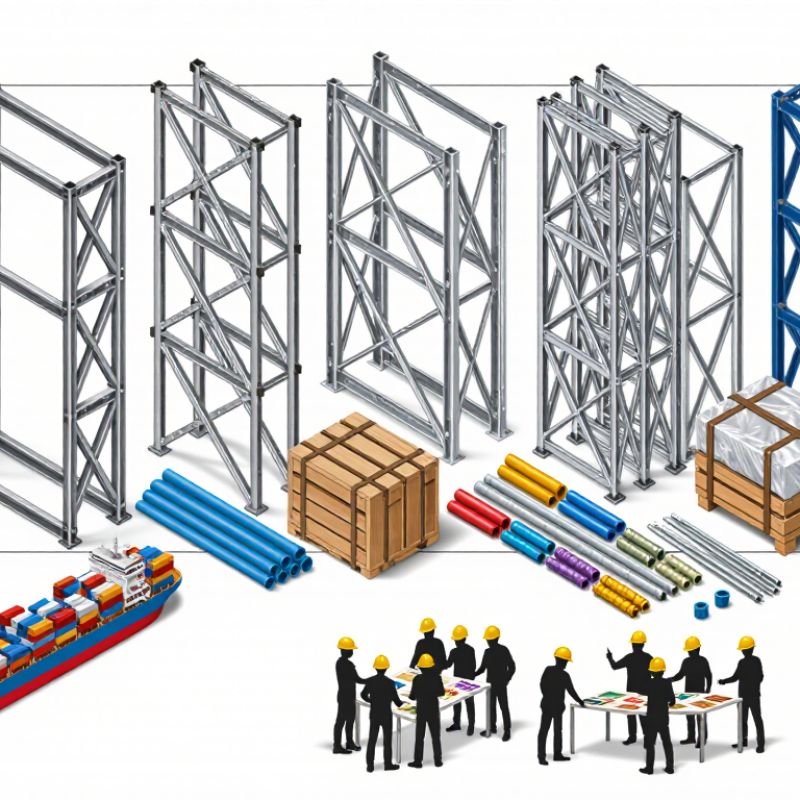
Metal scaffolding is a temporary structure that gives crews safe access to work above ground. Its system design affects how quickly it can be assembled, adjusted, and inspected. Frame scaffolds suit straightforward façade work, while modular ring-lock and cup-lock systems offer more connection points for complex shapes. Tube-and-coupler scaffolds can adapt to irregular structures, but they demand careful assembly and skilled inspection. No system fits every site.
Steel is common where strength and repeated use matter. Aluminum is lighter and easier to move, though its suitability depends on the required loads and working conditions. Galvanized finishes can help resist corrosion, especially on damp or exposed sites. Look closely at welds, connection fit, surface damage, and component markings. Small defects matter. I would not judge quality by appearance alone; verified load information, inspection records, and clear assembly instructions are more useful.
Typical uses include building façades, industrial maintenance, bridges, and indoor renovation. The right setup depends on working height, ground conditions, access needs, and the materials workers must carry. A narrow frame may fit a crowded passage, but leave little room for tools. Before purchase, buyers should confirm system compatibility and request technical documents from exporters. These details are easy to overlook during a quick price comparison.
It gives crews temporary access to elevated work. Common settings include façades, bridges, industrial maintenance, and indoor renovations.
Frame systems suit straightforward façade work. Modular systems offer more connection points for complex shapes. Tube-and-coupler systems adapt to irregular structures but require skilled assembly and inspection.
Steel is often selected for strength and repeated use. Aluminum is lighter to move. Check required loads and site conditions before choosing.
Check welds, connections, surface damage, and component markings. Small defects matter. Appearance alone cannot confirm quality.
They describe uniformly distributed platform loads. EN 12811-1 lists classes from 0.75 to 3.0 kN/m². A rating does not confirm that every setup is suitable.
Across a 3 m² platform, that equals a nominal distributed load of 9 kN. Workers, tools, and materials all count. Concentrated loads need separate attention.
Request load information, component specifications, assembly guidance, and relevant test or design records. Confirm they match the exact system quoted. A similar-looking frame may differ.
Ask about packaging, shipping timelines, replacement parts, and instructions your crew can read. Clarify warranty terms and lead times. Paperwork can still leave gaps.
Consider working height, ground conditions, access, and carried materials. A narrow frame may fit a passage but leave little room for tools. I would still check the layout twice.
This guide explains the main types of metal scaffolding, the materials used to make them, and the construction and maintenance tasks they support. It also outlines how to assess a Metal Scaffold Exporter by considering production capacity, international market experience, quality certifications, and the ability to meet project requirements. Rather than relying on a single ranking factor, buyers can compare exporters across these practical measures to identify suitable suppliers.
The guide also introduces EN 12811-1 load classes, from 0.75 to 3.0 kN/m², as a reference point for evaluating scaffold configurations against intended loads. Before choosing an export offer, buyers should review product compliance, shipping arrangements, expected lead times, and after-sales support. Together, these considerations provide a clear framework for comparing suppliers and planning safe, dependable scaffold procurement for projects in different markets.

 Zhuozhan