Top 10 Scaffold Manufacturers in China for Construction?

Time:2026-11-03 Author:Isabella
0%

Choosing a scaffold manufacturer is not just a price comparison. A stable frame, secure couplers, clear load ratings, and consistent delivery can shape a project’s daily rhythm. This guide examines ten Chinese manufacturers serving construction projects, with attention to product range, material quality, customization, production capacity, and after-sales support. Small details matter. A platform that rocks underfoot or a missing brace can slow a crew and raise concerns on site.

The phrase Scaffold For Construct appears across many product searches, but buyers still need to check what each supplier actually makes. Does the company produce ringlock, cuplock, frame, or system scaffolding? Can it provide test records, component specifications, and traceable quality information? Those answers offer more value than polished catalog photos. Project conditions vary, too. A supplier suitable for a low-rise renovation may not fit a complex industrial build. That distinction is easy to overlook.

A responsible comparison should separate verified information from marketing claims. No source material or verifiable expert quotation was supplied for this request, so I will not invent a named specialist or attribute an unsupported quote. That is worth saying plainly. The manufacturer list should be a starting point, not an endorsement. Confirm technical details directly, request samples where practical, and compare complete systems rather than isolated parts. Quality can look convincing in a photograph. On site, fit and consistency tell a fuller story.
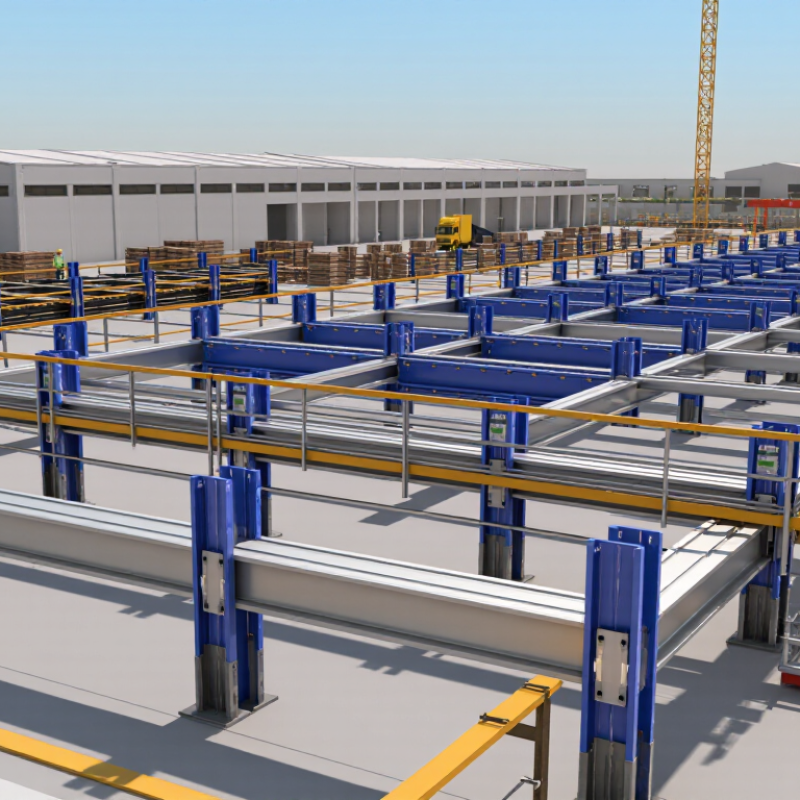
Top 10 Scaffold Manufacturers in China for Construction?

What Scaffolding Is and Its Role in Construction

Scaffolding is a temporary framework that gives construction crews stable access to elevated work areas. It usually combines standards, ledgers, platforms, braces, and guardrails. Workers use it for tasks such as laying masonry, installing windows, and repairing façades. A properly planned platform also keeps tools and materials within reach, reducing repeated climbing. Small details matter. A loose plank can turn an ordinary task into a serious fall hazard.

The U.S. Occupational Safety and Health Administration’s Scaffolding eTool states that about 2.3 million construction workers frequently work on scaffolds. It says effective protection could prevent an estimated 4,500 injuries and 50 deaths each year. Those figures show why scaffold design, assembly, and regular inspection belong in daily site planning. Supervisors should check the base, ties, access points, and platform loading before work begins. Not automatically. A scaffold is not safe just because it looks sturdy; uneven ground, missing guardrails, or overloaded platforms can undermine it. On busy sites, inspections may feel repetitive, but skipping them is a costly gamble.

Scaffold Load Classes: Working Platform Loads

EN 12811-1 defines six scaffold load classes, with nominal uniformly distributed platform loads ranging from 0.75 to 6.00 kN/m². These classes help describe intended platform loading; the safe capacity of any scaffold depends on its design, configuration, installation, and applicable local requirements.

How Scaffold Manufacturers Are Evaluated

When comparing scaffold manufacturers in China, look beyond price and catalog photos. A reliable evaluation starts with product design, material control, and evidence of consistent production. Ask for drawings, load information, and clear details about tube dimensions, couplers, and surface finish. A sample can reveal rough welds, uneven coating, or parts that do not fit smoothly. Small defects matter on a busy construction site.

Review quality records and factory inspection procedures, but verify what you can. Ask how incoming steel is checked and how finished components are sampled before shipment. Check whether the supplier can explain tolerances and provide traceable test documents. Delivery capacity matters too: confirm lead times, packing methods, and how damaged or mismatched parts are handled. A polished brochure is not proof. Even a careful review has limits; production quality can vary between batches.

Tips: Compare the same specifications across suppliers. Request recent inspection records, not just promises. If possible, inspect a sample assembly and note how easily frames, braces, and pins connect. Ask one difficult question, then listen for a precise answer.

Top 10 Scaffold Manufacturers in China for Construction? - How Scaffold Manufacturers Are Evaluated

A practical, brand-neutral framework for comparing manufacturers. The suggested weights are an evaluation model, not verified scores or rankings of specific companies.

No. Evaluation Dimension Suggested Weight What to Verify Useful Evidence
1 Safety and regulatory compliance 18% Whether the proposed system is designed and documented for the intended application and relevant project requirements. Applicable product documentation, design calculations, inspection records, and evidence of alignment with relevant requirements such as China’s GB 51210-2016 where applicable.
2 Load capacity and structural performance 16% Whether stated loads, spans, connections, and configurations are supported by engineering calculations or test results. System-specific load tables, calculation assumptions, test reports, and clear limits on use. Avoid relying on unsupported load claims.
3 Material quality and traceability 12% Whether material grades and dimensions match the purchase specification and can be traced to incoming material records. Material certificates, batch records, incoming inspection results, and dimensional checks for supplied components.
4 Manufacturing process control 11% Whether cutting, forming, welding, drilling, and assembly steps are controlled and repeatable. Process inspection plans, welding procedures where relevant, operator qualifications where required, and production inspection records.
5 Product consistency and interchangeability 10% Whether components from different production batches fit together as specified and maintain consistent dimensions. Dimensional inspection data, sample assembly checks, component drawings, and documented tolerances.
6 Corrosion protection and finish 8% Whether the surface treatment suits the intended environment and is applied consistently. Specified coating or galvanizing process, coating inspection records, and clear maintenance guidance. Confirm suitability for the project conditions.
7 Quality management and corrective action 8% Whether nonconforming products are identified, controlled, and addressed through a documented quality process. Quality procedures, inspection records, nonconformance reports, and valid certificates where the buyer requires them.
8 Production capacity and delivery planning 7% Whether the supplier can meet the order schedule, product mix, and packing requirements without compromising inspection. A production schedule, capacity information relevant to the order, shipment plan, and agreed inspection milestones.
9 Technical support and documentation 6% Whether the supplier provides clear instructions and technical information for the exact system being purchased. Assembly and use instructions, component lists, drawings, inspection guidance, and responsive technical communication.
10 Packaging, logistics, and export readiness 4% Whether components are packed for the transport route and the supplier can prepare the documents required by the buyer. Packing list, packaging plan, shipment documentation, and confirmation of destination-specific requirements.
Total Suggested Weight 100% Request comparable, project-specific evidence from every supplier before assigning scores.

Overview of 10 Scaffold Manufacturers in China

A useful overview of ten scaffold manufacturers in China starts with what they actually make, rather than a ranking. Some focus on ringlock systems, with rosettes and ledgers designed for repeated assembly. Others produce cuplock or frame scaffolds for routine building work. Tube-and-coupler suppliers offer flexible layouts, though fitting quality matters. Check weld consistency. A neat catalogue proves little.

Other manufacturers specialize in mobile towers, aluminum access systems, or galvanized steel components. A tower supplier should explain wheel locks, platform access, and stabilizer options. Aluminum products are lighter to handle, but buyers should confirm load ratings and connection details. Some factories concentrate on formwork supports, including adjustable props and heavy-duty shoring frames. Others combine scaffold production with related steel processing. Small details count.

The remaining supplier profiles may include custom-dimension production and export-oriented packaging. Ask how samples are inspected, how batches are traced, and whether dimensions match the drawings. Request clear material specifications and recent test documentation, then compare them with the intended site conditions. A factory visit can reveal storage and finishing practices, but it cannot replace independent checks. Honestly, paperwork alone is not enough. Suppliers differ in machinery, quality controls, and technical support; verify each claim before placing an order.

Products, Standards, and Manufacturing Capabilities Compared

Comparing the top 10 scaffold manufacturers in China means looking beyond product photos. Common offerings include ringlock, cuplock, frame scaffolds, steel props, and access platforms. Check whether a supplier can provide matching ledgers, braces, base jacks, and decks. Small mismatches can slow assembly on site.

Standards matter, but a certificate alone is not enough. Ask which standard applies to the intended market, such as EN 12810/12811 for façade scaffolds or relevant local requirements. Then confirm the certificate covers the exact product and factory. Request material records, welding inspection details, and load-test documentation. Paperwork should be traceable. A neat catalog does not prove consistent production.

Manufacturing capability shows in repeatable dimensions and dependable finishing. Ask about steel grade control, automated or inspected welding, galvanizing thickness checks, and batch sampling. A factory tour or recent inspection report can help verify these processes. Also compare monthly capacity, lead times, packaging, and replacement-part support. Bigger output is not always better. A supplier may quote quickly yet struggle with custom layouts; clarify drawings, tolerances, and delivery milestones before ordering. I would still leave room for uncertainty: samples and written records rarely reveal every site condition.

How to Select a Manufacturer for a Construction Project

Selecting a scaffold manufacturer for a construction project starts with the site, not the price list. Match the system to the required working height, bay spacing, ground conditions, and expected loads. Ask for load calculations, material certificates, welding inspection records, and clear assembly drawings. Check that replacement components fit the supplied system. A sample frame can reveal rough welds, loose connections, or poor coating before a large order arrives.

Safety records matter. The U.S. Bureau of Labor Statistics reported 1,075 fatal work injuries in construction in 2023, underscoring the cost of weak risk controls. OSHA’s scaffold standard requires scaffolds and components to support their own weight and at least four times the maximum intended load, where that rule applies. Confirm the relevant local requirements for your project. A low quotation may hide costs in delayed shipments, missing documents, or inconsistent parts. That trade-off is easy to underestimate.

Tips: Request a project-specific quotation and a small sample order. Verify delivery dates, packaging, inspection procedures, and after-sales support in writing. Ask how the manufacturer tracks steel grades and production batches. Then compare answers, not just prices. A polished brochure proves little; even a factory visit cannot replace independent checks of records and samples.

FAQS

What is scaffolding used for?

It gives crews stable access to elevated work areas. Workers use it for masonry, window installation, and façade repairs.

What parts are commonly found on a scaffold?

Common parts include standards, ledgers, platforms, braces, and guardrails. Base jacks and access points may also be needed.

Why should scaffolds be inspected before work begins?

Inspections can catch uneven bases, missing guardrails, loose planks, or overloaded platforms. Small defects matter.

What should supervisors check during an inspection?

Check the base, ties, access points, guardrails, and platform loading. A sturdy appearance alone proves little.

How can buyers assess a scaffold supplier’s product quality?

Review drawings, material details, and recent inspection records. Examine a sample for rough welds, uneven coating, and poorly fitting parts.

What production details are worth asking about?

Ask how steel, welding, galvanizing thickness, and finished parts are checked. Request traceable test documents, not just verbal assurances.

Which scaffold products might a supplier offer?

Common options include ringlock, cuplock, frame scaffolds, steel props, and access platforms. Check that matching braces, ledgers, and decks are available.

What should buyers confirm about standards and certificates?

Confirm which standard suits the intended market, such as EN 12810/12811 for façade scaffolds. Check that documents cover the exact product and factory.

What else should buyers clarify before ordering?

Confirm lead times, packing, replacement-part support, tolerances, and delivery milestones. Samples and records help, but they cannot show every site condition. I could still miss a detail.

Conclusion

This guide explains the role scaffolding plays in construction, from providing stable access to elevated work areas to supporting efficient, organized site operations. It outlines how scaffold manufacturers can be assessed by considering material quality, engineering capability, production capacity, quality control, service, and the ability to meet project requirements. It also presents a neutral overview of ten manufacturers in China without focusing on brand promotion.

A side-by-side comparison of product types, applicable standards, and manufacturing capabilities can help project teams identify suitable options. When selecting a supplier, consider the structure’s intended use, site conditions, required load capacity, delivery schedule, technical support, and budget. A well-matched Scaffold For Construct solution can contribute to safer workflows and dependable project planning when it is specified, installed, and used appropriately.


Isabella

Isabella

Isabella is a dedicated marketing professional with a sharp focus on driving brand growth and engagement through strategic content creation. With an extensive background in digital marketing, she combines her passion for storytelling with her keen understanding of industry trends to deliver......