What is Scaffolding System and its Benefits for Global Buyers?

Time:2026-08-19 Author:Ethan
0%

The Scaffolding System plays a vital role in construction projects worldwide. Its design provides essential support and safety for workers at height. Buyers across the globe benefit from a reliable scaffolding structure that enhances productivity. Each component in this system is engineered for utmost efficiency and stability.

In an industry where safety is paramount, investing in a quality scaffolding system is crucial. Various types of scaffolding offer unique advantages, catering to diverse construction needs. A well-implemented system reduces accidents and protects workers from falls, a common concern in the sector.

However, selecting the right scaffolding system can be challenging. Buyers must assess factors such as material quality, load capacity, and ease of assembly. Poor choices may lead to delays or safety hazards. Understanding these components ensures informed decisions, helping projects proceed smoothly.
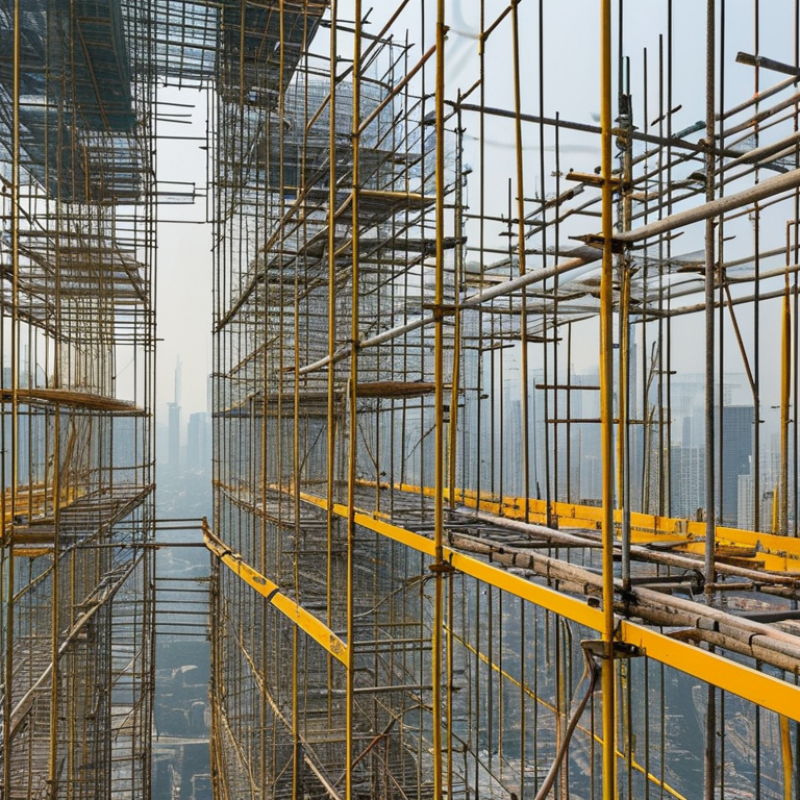
What is Scaffolding System and its Benefits for Global Buyers?

What is a Scaffolding System?

Scaffolding systems are essential in construction and maintenance projects. They provide temporary structures that support workers and materials. A robust scaffolding system enhances safety and efficiency on job sites. According to a report by the Occupational Safety and Health Administration (OSHA), more than 4,500 injuries result from scaffolding-related accidents annually. This statistic highlights the importance of reliable systems.

A scaffolding system typically includes platforms, frames, and access ladders. These elements must be durable and able to support heavy loads. A study by the International Journal of Occupational Safety reveals that properly installed scaffolding can reduce accidents by up to 50%. This improvement is crucial, especially in high-risk environments.

Global buyers should recognize the versatility of scaffolding systems. Options include modular systems and traditional frame scaffolding. Each type serves specific project needs. However, it's vital to assess the quality of materials used. Poor-quality scaffolding can compromise safety and lead to legal issues. Investing in a high-quality scaffolding system is not only a safety measure; it's a commitment to best practices in construction.

Key Components of a Scaffolding System

Scaffolding systems play a crucial role in construction projects. They ensure safety and efficiency while workers perform at heights. A well-designed scaffolding system increases productivity and reduces downtime. According to a report by Transparency Market Research, the global scaffolding market is expected to reach USD 93.2 billion by 2027, underscoring the growing demand for effective scaffolding solutions.

Key components of a scaffolding system include standards, ledgers, and braces. Standards are vertical posts that form the backbone of the structure. Their stability is vital for overall integrity. Ledgers connect the standards horizontally. They support the working platforms, where workers carry out tasks. Braces provide necessary diagonal support, enhancing stability and reducing sway. Research shows that inadequate bracing can lead to accidents and structural failures. This highlights the need for proper design and assembly.

Furthermore, safety measures, such as guardrails and toe boards, are essential. They help prevent falls and keep tools from falling onto others below. Data from OSHA indicates that falls are the leading cause of construction site fatalities. Inadequate safety equipment remains a concern, suggesting that constant evaluation is necessary. Every scaffolding system should be assessed for its effectiveness and safety protocols regularly. Proper training for workers in erecting and using scaffolding is equally important.

What is Scaffolding System and its Benefits for Global Buyers? - Key Components of a Scaffolding System

Component Description Benefits Common Materials
Standard Vertical posts that provide support for the scaffold. Stability and load-bearing capacity. Steel, Aluminum
Ledger Horizontal members that connect standards and support platforms. Load distribution across the scaffold structure. Steel, Aluminum
Braces Diagonal supports that enhance the stability of the scaffold. Prevention of lateral movement and swaying. Steel, Aluminum
Platforms Work surfaces for workers to stand on while performing tasks. Safety and mobility for workers. Plywood, Metal Decking
Couplers Connectors that join scaffold components together. Ensures structural integrity of the scaffold. Steel

Benefits of Scaffolding Systems for Global Buyers

Scaffolding systems play a vital role in construction projects worldwide. They provide a secure platform for workers at various heights. This structure minimizes risks during building and renovation tasks. For global buyers, investing in good scaffolding systems ensures projects run smoothly and safely.

One significant benefit is versatility. Scaffolding can be customized to fit different project requirements. This adaptability allows for efficient use across various industries. It’s essential to choose a system compatible with local regulations and standards. Furthermore, quality scaffolding enhances productivity. Workers can complete tasks faster and more safely, reducing downtime.

However, not all scaffolding systems are created equal. A poorly designed system can lead to accidents and delays. It's crucial to conduct thorough research before making a purchase. Understanding the specific needs of your project will guide you to the right choice. Balancing cost-effectiveness with safety and reliability is key for global buyers. Ultimately, investing in a dependable scaffolding system pays off in project success.

Factors to Consider When Choosing a Scaffolding System

When selecting a scaffolding system, there are several critical factors to consider. Safety is paramount. Ensure the system complies with local safety regulations and standards. Look for features such as guardrails and non-slip surfaces. These features can enhance worker safety significantly.

Another crucial aspect is the system's load capacity. Different scaffolding systems can support varying weights. Make sure you choose a system that meets your project’s demands. Overloading a scaffold can lead to dangerous accidents.

**Tips:** Always check for the materials used in the scaffolding. Aluminum is lightweight yet strong. Steel is robust but heavier. Consider the project’s specifics when making a choice.

Also, evaluate the ease of assembly and disassembly. A system that’s user-friendly can save time. Workers appreciate scaffolding that can be set up quickly and without unnecessary tools. Time is money, and efficiency matters.

**Tips:** Keep in mind that not all systems are interchangeable. A specific design might work for one job but not another. Assess your needs carefully. Perfect solutions may not exist, but informed choices can lead to safer outcomes.

Scaffolding System Benefits Analysis for Global Buyers

Safety Standards and Regulations in Scaffolding Systems

Scaffolding systems play a crucial role in construction and maintenance projects. They provide temporary structures that support workers and materials. However, ensuring safety in scaffolding is paramount. Different countries have established various safety standards and regulations. Compliance with these guidelines promotes a secure work environment.

The OSHA (Occupational Safety and Health Administration) in the U.S. outlines specific requirements for scaffolding. These include proper assembly, load limits, and worker training. Regular inspections of scaffolding systems are essential. An overlooked detail could lead to accidents. Buyers should always consult local regulations to confirm compliance.

Tips: Ensure that all workers receive adequate training on scaffold safety. Encourage open communication about any safety concerns. Assess the condition of scaffolding regularly. A minor issue can escalate quickly.

Understanding the safety standards for scaffolding helps mitigate risks. Different regions may have varying regulations. This adds complexity for global buyers. They must be vigilant to ensure compliance across multiple jurisdictions.

Regular updates on safety standards are necessary. Regulations can change, and staying informed is key. Buyers should seek expert advice when needed. Continuous education on safety practices is beneficial. Always prioritize safety over speed in construction.

FAQS

: What is a scaffolding system?

: Scaffolding systems are temporary structures that support workers and materials in construction projects.

Why is safety important in scaffolding systems?

Safety ensures fewer accidents on job sites. Poor scaffolding can lead to serious injuries.

What are the key components of scaffolding systems?

Key components include platforms, frames, and access ladders. They must be durable and reliable.

How does scaffolding affect construction efficiency?

A good scaffolding system enhances productivity. Workers can complete tasks faster and safer.

What should global buyers consider when choosing scaffolding?

Buyers should assess safety, load capacity, and material quality. Not all systems are reliable.

How can the quality of scaffolding impact a project?

Poor-quality scaffolding can lead to accidents and project delays. Investing in quality is crucial.

Are all scaffolding systems interchangeable?

No, specific designs suit different projects. Choosing the right one is essential for safety.

What materials are commonly used in scaffolding?

Aluminum is lightweight, while steel is heavier but stronger. Material choice affects safety and efficiency.

How can ease of assembly impact a scaffolding system?

User-friendly systems save time during setup. Efficiency is key in construction projects.

Why is it essential to follow local regulations for scaffolding?

Compliance ensures safety standards are met. Ignoring regulations can lead to legal issues and accidents.

Conclusion

A scaffolding system is an essential structure used in construction and maintenance, designed to support workers and materials during various tasks at height. The key components of a scaffolding system include standards, ledgers, transoms, and platforms, all of which work together to create a stable and secure working environment. For global buyers, the benefits of utilizing scaffolding systems are manifold, including increased worker safety, enhanced efficiency, and the ability to complete projects in a timely manner.

When selecting a scaffolding system, buyers should consider factors such as load capacity, ease of assembly, and compliance with safety standards and regulations. Adhering to these safety guidelines not only minimizes the risk of accidents but also ensures that the scaffolding system can withstand the operational demands placed upon it. Overall, understanding the intricacies of scaffolding systems can greatly influence decision-making for construction projects around the world.


Ethan

Ethan

Ethan is a seasoned marketing professional with a deep expertise in our company's innovative product line. With a passion for sharing knowledge and insights, he takes the lead in regularly updating our corporate blog, where he explores industry trends, product features, and effective marketing......