Choosing the right Scaffolding Trestle in 2026 requires more than comparing prices or browsing product photographs. A trestle may look strong on a warehouse floor, yet fail to suit uneven ground, repeated relocation, or a demanding work height. The correct choice depends on load capacity, platform compatibility, locking systems, adjustment range, material quality, and inspection access.
Dave Mosley, Technical Director at the National Access and Scaffolding Confederation, has emphasized, “Safe access depends on competent people, suitable equipment, and proper inspection.” That principle remains practical. Even the best Scaffolding Trestle cannot compensate for rushed assembly or unclear site instructions.
This guide examines the details that experienced contractors check before ordering. It considers steel and aluminium frames, folding designs, anti-slip feet, guardrail connections, transport weight, and realistic working loads. A small workshop may value portability. A large construction site may need greater stability and longer service life. These needs are not interchangeable.
The difficult part is often overlooked. Product labels can appear precise, while real conditions remain unpredictable. Floors may be dusty. Loads may shift. Workers may select a convenient height instead of a safe one. That is where careful judgment matters.
We will compare current selection criteria, explain common mistakes, and identify questions buyers should ask suppliers. Some recommendations may seem obvious. They are still easy to miss. A safer decision begins with the actual task, not the catalogue headline.
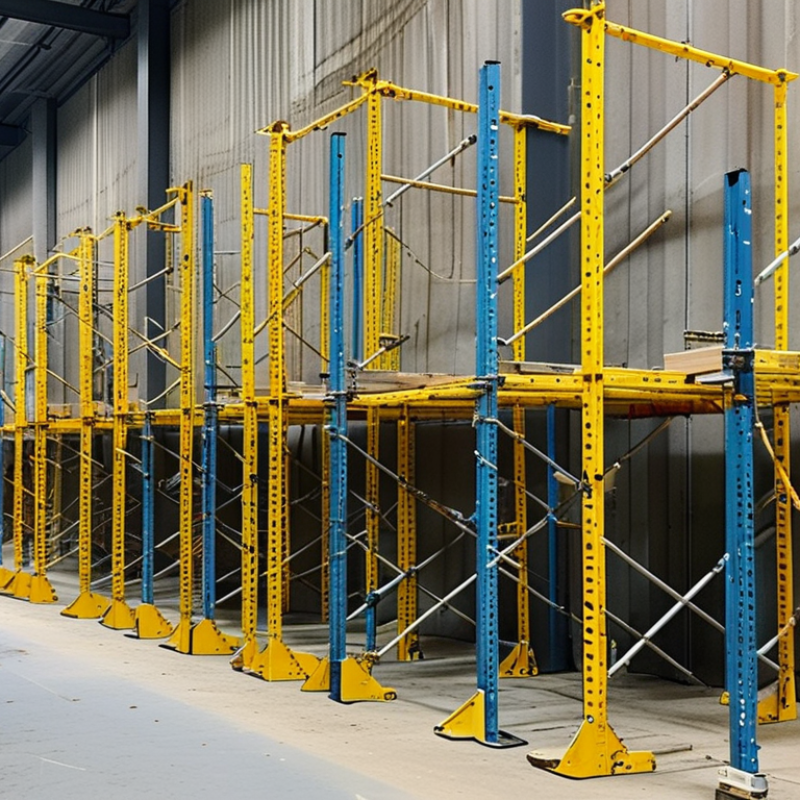
How to Choose the Right Scaffolding Trestle in 2026?
Choosing a scaffolding trestle starts with the work, not the product catalog. Fixed trestles suit stable indoor tasks with one planned platform height. Adjustable trestles work better on uneven floors or changing projects. Folding models help when transport space is limited. However, portability should never replace rigidity.
Measure the required platform height from the working surface, not the floor alone. Add the worker’s reach, material position, and clearance below overhead obstacles. Keep the platform level. A small height error can cause awkward posture and unsafe leaning. Check the rated load, including workers, tools, boards, and stored materials. Leave a sensible margin. A crowded platform is a warning sign.
For 2026 work-site requirements, confirm current local rules, inspection procedures, and site-specific safety plans before delivery. Look for positive locking pins, stable feet, secure platform supports, and clear load markings. Inspect welds, hinges, braces, and contact points before every shift. Remove damaged equipment from service. It may seem excessive, but rushed inspections create expensive mistakes. My own selection process would also include a trial setup, because drawings rarely show cramped corridors, soft ground, or awkward material handling. Recheck the choice after the first day. Real conditions often expose assumptions made in the office.
Choosing a scaffolding trestle starts with the required EN 12811-1 load class, not appearance or height. Start with evidence. The classes range from 0.75 to 6.0 kN/m². A 0.75 kN/m² platform suits light access, while higher classes support heavier materials and work activities. Classes 1.5, 2.0, 3.0, 4.5, and 6.0 kN/m² require progressively stronger system checks. These values describe distributed platform loads. They do not automatically equal one trestle’s safe capacity.
Check the trestle’s rated reaction, working width, span, leg adjustment, and deck arrangement. Calculate the tributary area carried by each support. For example, a trestle supporting 1.5 metres of platform length and 1 metre of width receives 4.5 kN under Class 3 loading. Add concentrated loads, uneven loading, impact, and wind where relevant. Confirm that the deck, guardrails, joints, and ground can transfer those forces safely. Test reports, inspection records, and technical drawings provide stronger evidence than catalogue images. Also verify the applicable national adoption of the standard.
Tips: Match the selected class to the real task, then check the complete assembly. Keep heavy materials near designed supports, not at the platform edge. Measure the base condition, because soft or sloping ground can undermine a correct calculation. Do not guess. If site information is incomplete, pause and obtain a competent engineer’s review. Small details matter. A correct load-class choice can still fail when spacing or bracing is misunderstood.
Match the trestle’s rated capacity to the applicable EN 12811-1 load class. Select equipment whose verified working load capacity is equal to or greater than the required class.
Important: The values shown are the uniformly distributed surface loads defined for EN 12811-1 service load classes. The actual trestle selection must also consider span, platform configuration, load distribution, stability, site conditions, and the manufacturer’s certified rating.
A safe scaffolding trestle starts with stability, not platform height. Check the OSHA 4:1 rule before assembly. If the supported height exceeds four times the minimum base width, additional restraint may be required. Measure the actual setup, including adjustable legs and uneven ground. Do not estimate from memory.
Base width matters. A narrow trestle can feel steady on concrete but shift on compacted soil. Choose a broad, rigid base with sound feet. Inspect every leg for bends, cracks, and damaged locking parts. Install cross-bracing as specified by the manufacturer. Missing braces can create dangerous side movement. Keep the platform fully seated and secured.
Leveling features help, but they do not correct a weak foundation. Use approved leveling devices on firm, stable surfaces, and never improvise with loose blocks or scrap materials. A competent person should inspect the trestle before each shift, after relocation, and after severe weather. Look for plumb frames, locked adjustments, secure braces, and a level working surface. I have seen crews recheck height but overlook base spread. That small oversight can change the entire risk picture. Verify current OSHA requirements and local rules before work begins. A 4:1 calculation is useful, but it is not a complete stability assessment.
Choosing a scaffolding trestle starts with the platform width, not the price. Measure the work area, material size, and space needed for safe movement. A narrow platform may suit painting, but masonry work often needs more standing room. Keep the platform level and fully supported.
Check the rated load, locking pins, hinges, and welds before every setup. Small defects can become serious under repeated use.
Guardrails should stand at 42 inches where required by the applicable safety rules. They should feel rigid, with no loose posts or gaps that invite a fall.
Install 3.5-inch toeboards along exposed platform edges. Toeboards help stop tools, buckets, and loose screws from sliding onto people below.
They are not a substitute for good housekeeping. I have seen a single misplaced tool create unnecessary risk. That detail is easy to overlook.
Tips: Measure twice. Leave clear access around the trestle. Confirm the surface can carry the combined weight of workers, tools, and materials. Use a level, stable base, and never improvise with blocks or loose objects. Inspect guardrails and toeboards after moving the trestle. Local requirements may differ, so have a competent safety professional verify the setup before work begins. A quick inspection can feel excessive, but skipping it is the weaker choice.
Steel, aluminum, and adjustable trestles solve different site problems. Steel models usually offer higher rigidity and impact resistance, but their density is about 7.85 g/cm³, compared with aluminum’s 2.70 g/cm³, according to NIST material data. That difference matters when one worker carries a trestle across uneven flooring. Steel can feel reassuring under heavy loads. It can also become awkward on repeated setup days.
Aluminum models reduce lifting strain and resist rust, making them practical for damp interiors or frequent transport. The International Aluminium Institute reports that recycled aluminum requires roughly 5% of the energy used for primary aluminum production. However, aluminum can dent more easily around pins, feet, and locking holes. That is not always a failure, but damaged parts need careful inspection. Steel often costs less initially, while aluminum may reduce labor and transport costs over time. Price comparisons should include both.
Adjustable trestles provide useful height control on sloped floors and changing work zones. OSHA’s scaffold standard, 29 CFR 1926.451, requires proper capacity, stability, and safe access; adjustment must never replace those checks. The World Steel Association recorded about 1.88 billion tonnes of crude steel production in 2023, showing steel’s broad industrial availability. Still, availability does not guarantee quality. Check welds, locking mechanisms, platform width, and load labels before purchase. I would not choose the lightest model automatically. A few minutes of easier lifting may be lost if the frame flexes under tools, boards, and two workers.
: Match the trestle to the actual work. A 0.75 kN/m² class suits light access. Higher classes support heavier materials and activities. Do not choose by appearance alone.
They describe distributed platform loads across a working surface. They do not automatically show one trestle’s safe capacity. Check the complete assembly.
Estimate its tributary platform area. For example, 1.5 metres by 1 metre under Class 3 loading equals 4.5 kN. Then consider concentrated tools, uneven materials, impact, and wind.
Check rated reaction, working width, span, leg adjustment, and deck arrangement. Review test reports, inspection records, drawings, and load labels. Catalogue images are weak evidence.
Steel usually offers greater rigidity and impact resistance. Aluminum is lighter and resists rust. The better choice depends on lifting frequency, site conditions, and expected loading.
Steel has a density near 7.85 g/cm³. Aluminum is near 2.70 g/cm³. That difference matters when one worker carries frames across uneven floors.
They can help with changing heights and uneven work zones. Adjustment does not replace proper capacity, stability, bracing, or safe access checks. Never rely on height control alone.
A correct load class can still fail through poor spacing or misunderstood bracing. Soft ground, sloped flooring, and edge-loaded materials can reduce stability. Small details matter.
No. Lightweight frames reduce lifting strain and transport effort. However, damaged pins, feet, locking holes, or dents require careful inspection. I might choose lightness too quickly, then regret frame movement under tools and workers.
Choosing the right Scaffolding Trestle in 2026 starts with identifying the correct trestle type, required platform height, and expected work-site conditions. Match the trestle’s rated capacity to the applicable EN 12811-1 load class, ranging from 0.75 to 6.0 kN/m², while considering workers, tools, materials, and dynamic loads. Adjustable models can provide flexibility for uneven surfaces or changing project requirements, but they should offer secure locking mechanisms and clear height settings.
Safety and usability are equally important. Verify OSHA-related stability principles, including a 4:1 height-to-base relationship where applicable, sufficient base width, reliable bracing, and effective leveling features. Check that the platform provides adequate working width, guardrails are positioned around 42 inches, and toeboards are at least 3.5 inches where required. Finally, compare steel, aluminum, and adjustable designs by weighing portability, durability, corrosion resistance, maintenance needs, and total cost. The best choice balances load performance, site safety, ease of setup, and long-term value.