In today’s construction landscape, choosing the right scaffolding is crucial. Metal scaffolding stands out as a top choice for many contractors. John Smith, a renowned expert in construction safety, once said, “Metal scaffolding provides unmatched stability and safety for workers.” This highlights the importance of reliable materials in scaffolding.
Metal scaffolding offers durability that wooden alternatives cannot match. It withstands harsh weather better and supports significant weight loads. Additionally, its reusable nature reduces waste and costs over time, making it an environmentally friendly option. Yet, some contractors hesitate due to the initial investment. This often leads to a careful evaluation of costs versus long-term benefits.
Despite concerns about assembly complexity, many find that with training, workers can set up Metal Scaffolding quickly and safely. In recent projects, increased efficiency has been observed when using metal frameworks. Ultimately, the decision to choose Metal Scaffolding influences overall project success, safety, and worker morale. Each project must weigh these factors carefully to ensure optimal results.
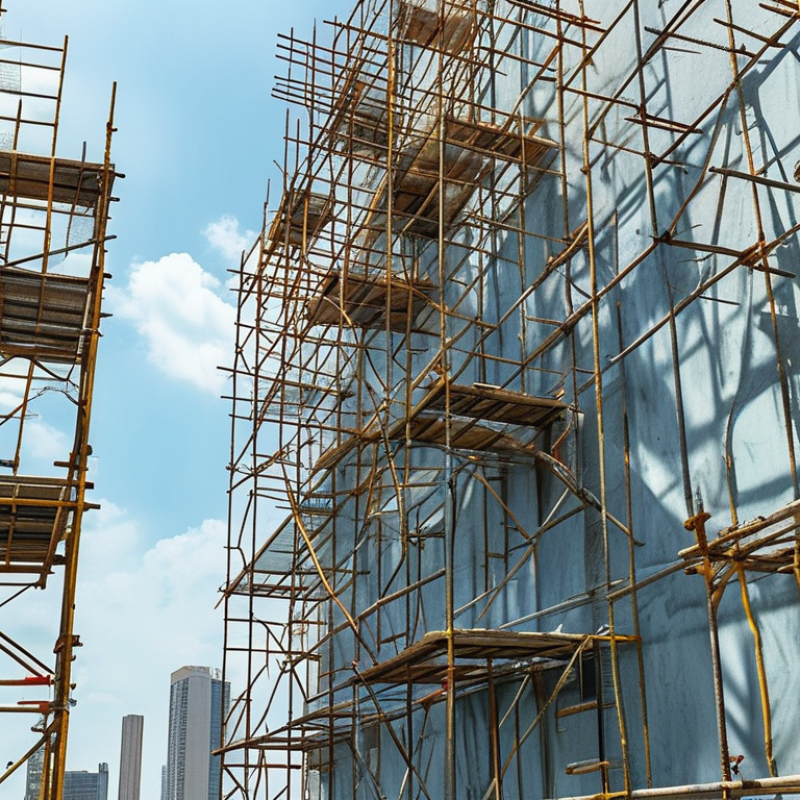
Metal scaffolding stands out in construction due to its durability and strength. According to the Scaffold and Access Industry Association, a well-constructed metal scaffold can hold much heavier loads compared to wood. This advantage is critical for various construction projects, especially when heavy equipment and materials are involved.
Additionally, metal scaffolding is more resistant to weather conditions. Unlike wood, which can warp or rot over time, metal maintains its structural integrity regardless of rain or extreme temperatures. Studies show that metal scaffolding systems can last up to 20 years with proper maintenance. This longevity reduces the need for frequent replacements, saving both time and money.
Installation of metal scaffolding is often quicker than that of wood. Workers can assemble and dismantle metal scaffolds with less effort due to their modular components. However, it's important to note that if not designed or installed properly, metal scaffolding can pose risks. Ensuring compliance with safety standards is vital for effective use. Despite some challenges, the benefits provided by metal scaffolding in terms of safety and efficiency are hard to overlook.
When it comes to construction projects, metal scaffolding stands out for its durability and load-bearing capacity. Metal scaffolding systems can support up to 50% more weight compared to traditional wooden scaffolding. This enhanced strength reduces the risk of failures and accidents on-site. According to industry reports, properly maintained metal scaffolding can last up to 20 years, proving to be a cost-effective solution over time.
One critical aspect of metal scaffolding is its adaptability. It can be configured for various structures, from small buildings to large industrial projects, without compromising stability. Additionally, temperature fluctuations do not significantly impact its performance, making it reliable in diverse weather conditions. However, it’s essential to regularly inspect scaffolding for signs of corrosion or damage, which can compromise safety.
Tip: Always ensure that scaffolding is installed by certified professionals. This reduces the risk of structural failures. Regular training for workers on proper usage further enhances safety measures on-site. Another tip is to keep materials dry and stored appropriately, as moisture can lead to rust and weaken the scaffolding over time.
When considering scaffolding options, metal scaffolding stands out for its cost-effectiveness, especially concerning longevity and maintenance costs. Unlike wood, metal scaffolding can endure harsh weather and heavy loads. Its durable construction minimizes the need for frequent replacements. This translates to lower overall costs for construction projects over time.
Maintenance is another aspect that weighs heavily on long-term expenses. Metal scaffolding usually requires minimal upkeep. Regular inspections can extend its life further. Some wear and tear are unavoidable, yet the materials resist rotting and pests. That said, occasional rust treatment is necessary to maintain structural integrity and safety.
Additionally, there is a need for reflection on potential drawbacks. Metal scaffolding may require specialized assembly skills. This can lead to extra labor costs if untrained personnel attempt to set it up. Understanding how to address these challenges is vital for maximizing metal scaffolding's advantages. Overall, awareness and correct usage ensure that metal scaffolding remains a wise choice for any construction endeavor.
| Scaffolding Type | Initial Cost ($/m²) | Expected Longevity (Years) | Annual Maintenance Cost ($/year) | Total Cost Over 10 Years ($) |
|---|---|---|---|---|
| Metal Scaffolding | 30 | 25 | 5 | 80 |
| Wooden Scaffolding | 25 | 10 | 10 | 150 |
| Plastic Scaffolding | 15 | 5 | 15 | 90 |
| Aluminum Scaffolding | 35 | 20 | 8 | 88 |
Metal scaffolding has become a crucial element in construction, driven largely by stringent safety standards and regulations. According to a report by the Occupational Safety and Health Administration (OSHA), nearly 65% of construction accidents involve falls from heights. This statistic highlights the need for reliable scaffolding systems that adhere to safety regulations.
Properly designed metal scaffolding meets or exceeds safety standards, such as those set by ANSI and OSHA. These frameworks are tested for load capacity, stability, and durability. A robust metal scaffold can hold up to 4,000 pounds when constructed correctly. However, not all construction teams fully comply with safety protocols. A National Institute for Occupational Safety and Health (NIOSH) study indicated that improper assembly leads to a significant percentage of scaffold-related accidents.
Worker training is essential to maintaining safety on construction sites. Personnel must understand the risks associated with scaffolding. Moreover, regular inspections can identify wear and tear early. Ignoring these checks frequently results in dire consequences. Addressing these challenges is imperative for fostering a safer working environment.
Metal scaffolding has gained attention for its durability and strength. However, its environmental impact is often overlooked. These scaffolding systems are typically made from steel or aluminum, materials known for their recyclability. After years of use, metal scaffolding can be melted down and repurposed. This minimizes waste in landfills and reduces the demand for new raw materials.
In construction, the sustainability of metal scaffolding has become a pressing concern. Traditional wooden scaffolds may require deforestation, contributing to habitat loss. Metal scaffolds, on the other hand, can last multiple projects with proper maintenance. This longevity reduces the frequency of replacements, saving resources over time.
Yet, metal scaffolding isn't without its drawbacks. Manufacturing processes can be energy-intensive and may produce emissions. The balance between efficiency and environmental responsibility is delicate. Choosing metal scaffolding must come with an understanding of its entire lifecycle. Evaluating the full impact helps construction teams make informed decisions for a greener future.
: Metal scaffolding can support up to 50% more weight than traditional wooden scaffolding.
Properly maintained metal scaffolding can last up to 20 years.
Regular inspections help identify corrosion or damage that can compromise safety.
Nearly 65% of construction accidents involve falls from heights.
Metal scaffolding must meet safety standards set by organizations like ANSI and OSHA.
Improper assembly can lead to a significant percentage of scaffold-related accidents.
Yes, metal scaffolding is made from recyclable materials like steel and aluminum.
Metal scaffolding reduces landfill waste but its manufacturing can be energy-intensive.
Training workers on proper usage and frequent inspections are essential for safety.
Manufacturing processes can produce emissions, impacting environmental sustainability.
Metal scaffolding is an increasingly popular choice for construction projects due to its numerous advantages over other materials. Known for its durability and impressive load-bearing capacity, metal scaffolding ensures a reliable framework that can withstand various construction demands. Additionally, it offers significant cost-effectiveness, as its longevity reduces the need for frequent replacements and maintenance expenses.
Safety is another paramount consideration in construction, and metal scaffolding adheres to strict safety standards and regulations, providing peace of mind to workers and project managers alike. Moreover, the environmental impact of metal scaffolding is positive, highlighting its sustainability compared to alternative materials. Overall, the versatility, strength, and eco-friendliness of metal scaffolding make it an excellent choice for modern construction needs.