2026 Best Ringlock Scaffolding Suppliers for Global Buyers

Time:2026-09-13 Author:Isabella
0%

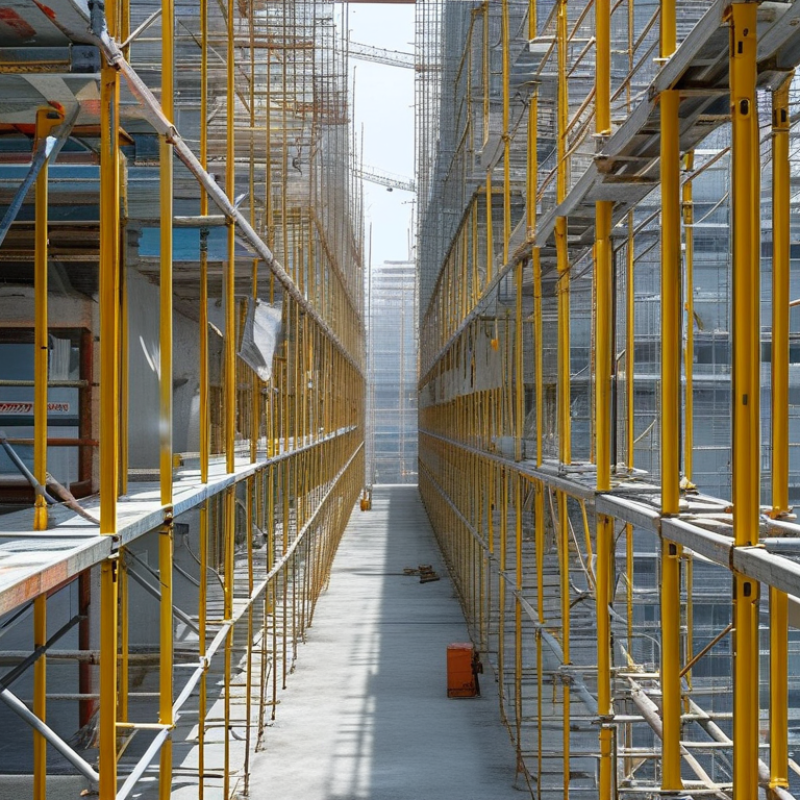
Global construction is demanding safer, faster, and more adaptable access systems. Ringlock Scaffolding meets many of these needs through modular rosettes, wedge connections, and flexible bay layouts. It suits industrial plants, bridges, shipyards, and high-rise projects.

Market forecasts support this demand. Grand View Research identifies steady growth in the global scaffolding market through 2030. Fortune Business Insights also projects continued expansion, driven by infrastructure investment and urban construction. However, published estimates vary by region, product definition, and research method. That difference matters.

A cheaper quotation may hide weak traceability, inconsistent welding, or limited technical support. Buyers should examine load tables, material grades, surface treatment, inspection records, and replacement-part availability. One missing ledger can delay an entire workface. Small details become expensive quickly.

Dr. David Michaels, a recognized occupational-safety expert and former OSHA administrator, said, “The only acceptable level of worker protection is 100 percent.” His principle applies directly to Ringlock Scaffolding selection. Compliance cannot depend on attractive photographs or a familiar brand name.

This 2026 supplier guide compares manufacturers through practical evidence. It considers production capacity, export experience, engineering documentation, quality control, delivery reliability, and after-sales service. It also recognizes an uncomfortable truth: no supplier is perfect in every market. A factory may offer excellent steelwork but weak communication. Another may provide strong support but limited customization. Global buyers need balanced evidence, not promises.
2026 Best Ringlock Scaffolding Suppliers for Global Buyers

What Is Ringlock Scaffolding and How Does the System Work?

2026 Best Ringlock Scaffolding Suppliers for Global Buyers

Ringlock scaffolding is a modular access system built from vertical standards, horizontal ledgers, diagonal braces, and adjustable bases. Each standard has circular rosettes welded at regular intervals. Ledgers connect to these rosettes with wedge heads, creating firm, repeatable joints without loose clamps. The system works through a direct load path. Loads move from platforms to ledgers, standards, base jacks, and the supporting ground.

A trained crew can assemble bays quickly because the connection points are visible and consistent. For example, a worker may set two-meter standards, install ledgers at the planned levels, and add braces before placing steel or aluminum decks. Base plates must sit on stable, level support. Uneven ground can twist an otherwise well-built structure. That detail is easy to underestimate.

Good suppliers should provide material certificates, dimensional drawings, load tables, inspection records, and clear assembly instructions. Buyers should verify tube thickness, rosette quality, welding consistency, galvanizing, and spare-part availability. Local regulations and project conditions still control the final design. Never treat a catalog capacity as a site approval. It is not foolproof. Field checks matter. In practice, experienced supervisors often find small alignment errors before they become expensive problems. A reliable supplier supports those checks with traceable documents, responsive technical communication, and realistic delivery information.

2026 Best Ringlock Scaffolding Suppliers for Global Buyers

What Is Ringlock Scaffolding and How Does the System Work?

Ringlock scaffolding is a modular steel access system that connects vertical standards, horizontal ledgers and diagonal braces through rosette-and-wedge joints. The rosette spacing is commonly 0.5 m, while bay lengths vary by application and supplier. The dimensions shown are widely used nominal configurations; buyers should verify material grade, load class, welding quality, corrosion protection and applicable EN, BS or local standards before placing an order.

Typical industry dimensions in metres; exact sizes and allowable loads are project- and supplier-dependent.

Key Components, Standards, and Safety Features of Ringlock Scaffolding

Ringlock scaffolding depends on a few precise components: vertical standards, horizontal ledgers, diagonal braces, base collars, adjustable jacks, platforms, guardrails, and toe boards. Rosette connections distribute loads through locked wedges. They also speed up erection when crews follow a controlled sequence. EN 12810 and EN 12811 address scaffold performance, design, and testing. Buyers should request load-class calculations, material certificates, weld inspection records, and corrosion protection details. A shiny surface is not proof of strength.

Safety needs more than strong steel. OSHA estimates that scaffold-related incidents cause thousands of injuries and dozens of deaths annually in the United States. Practical controls include firm foundations, correctly installed base plates, complete bracing, safe access, and secured platforms. The Health and Safety Executive also stresses competent inspection and formal handover procedures. On real projects, small defects matter. A missing wedge, bent ledger, or loose toe board can change risk quickly. I have seen teams overlook uneven ground because the frame looked straight. That assumption deserves criticism.

Tips: Check every rosette and wedge before loading. Confirm the scaffold tag matches the latest inspection. Ask suppliers for independent test evidence, dimensional tolerances, and replacement-part availability. Compare actual working loads, not only advertised capacity. A supplier may meet one standard but miss local requirements. Recheck compatibility between components, especially when purchasing from different production batches. Safety improves when records are clear, not when promises sound confident.

How to Evaluate Ringlock Scaffolding Suppliers in 2026

Evaluating ringlock scaffolding suppliers in 2026 requires more than comparing prices. Experienced buyers should inspect production records, material certificates, and load-test reports. Ask how steel grades are verified before fabrication. Request recent batch records, not generic documents. A reliable supplier can explain each inspection step clearly.

Visit the factory when possible. Watch how rosettes are welded, measured, and protected from corrosion. Check whether workers use calibrated equipment. Examine sample standards, ledgers, base collars, and adjustable jacks by hand. Sharp edges, uneven welds, or loose connections deserve immediate questions. Supplier experience becomes visible in small details.

Documentation matters too. Confirm production capacity, packaging methods, replacement policies, and delivery history. Contact recent customers in similar climates and project sizes. Review whether the supplier supports installation training and responds quickly to technical questions. Local safety requirements must also be checked before purchase. Certificates alone are not enough.

No evaluation is perfect. A polished factory tour may hide weak after-sales support. A low price may reflect thinner components or uncertain delivery. Build a scored comparison using quality, traceability, communication, and total cost. Leave room for doubt. Recheck critical evidence before signing. Suppliers that welcome practical questions usually offer stronger long-term reliability.

Top Supplier Selection Criteria for Global Buyers

2026 Best Ringlock Scaffolding Suppliers for Global Buyers

Selecting a ringlock scaffolding supplier requires more than comparing prices. Experienced buyers inspect design details, production controls, and delivery records. Ask for load test reports, material certificates, and clear welding procedures. The supplier should explain rosette spacing, ledger dimensions, and allowable working loads in simple terms. Traceability matters. Each batch should connect to inspection records and shipment documents. A factory visit can reveal storage conditions, calibration practices, and unfinished work. Photos alone may hide weaknesses.

Tips: Request a small sample order before committing to large volumes. Check whether tubes fit tightly, pins lock smoothly, and galvanizing covers corners evenly. Confirm packaging with actual shipping conditions in mind. Wooden cases, moisture barriers, and labeled bundles can reduce receiving delays. Also review production capacity during peak seasons. A low quoted price means little if delivery slips six weeks.

Reliable suppliers provide practical technical support after shipment. They offer assembly guidance, replacement procedures, and prompt answers from qualified staff. Ask for references from comparable projects, not only impressive photographs. Review payment terms, warranty limits, export experience, and communication response times. Independent inspections add confidence, especially for unfamiliar factories. No checklist is perfect. I have seen well-documented suppliers miss small packing details, while smaller workshops solved problems faster. Leave room for verification, discussion, and honest reassessment.

International Purchasing, Compliance, and Delivery Considerations

For global buyers, choosing ringlock scaffolding in 2026 requires more than comparing unit prices. Supplier evaluation should begin with documented manufacturing controls, material traceability, and recent test records. Ask for steel grades, coating specifications, dimensional tolerances, and load-capacity reports. Details matter. Independent inspection can verify welding quality, component fit, and surface protection before shipment.

Compliance requirements differ across markets, even when the equipment looks identical. Confirm the destination country’s scaffolding standards, workplace rules, customs documents, and labeling requirements. A reliable supplier should provide drawings, installation guidance, inspection certificates, and a clear declaration of conformity. Do not accept copied certificates without checking their issuing body and validity. Ask for evidence.

Delivery planning deserves equal attention. Calculate the full landed cost, including packing, inland transport, insurance, duties, port handling, and possible storage charges. Request container-loading photos and a detailed packing list. Ringlock components can arrive scratched or mixed when bundles are poorly secured. Plan for delays. Port congestion and seasonal shutdowns can disrupt an otherwise accurate schedule.

Written contracts should define inspection points, replacement procedures, payment stages, and responsibility for damaged goods. Sampling only the top layer of a shipment may miss inconsistent batches. A full inspection may cost more, but one overlooked defect can affect site productivity and safety. No checklist is perfect. Buyers should review supplier performance after each project and revise their purchasing criteria when practical experience exposes weak assumptions.

FAQS

What should buyers check before comparing ringlock scaffolding prices?

Check steel grades, material certificates, production records, and recent load-test reports. Price alone can mislead. Ask for records from recent batches, not general templates. Compare total cost, quality, traceability, communication, and delivery reliability.

Why is a factory visit useful when evaluating a supplier?

A factory visit reveals details that documents may hide. Watch rosettes being welded, measured, and protected against corrosion. Handle standards, ledgers, base collars, and adjustable jacks. Uneven welds, sharp edges, or loose connections require clear answers.

Which technical documents should an international buyer request?

Request steel specifications, coating details, dimensional tolerances, and load-capacity reports. Also ask for drawings, installation guidance, inspection certificates, and conformity documents. Check the issuing organization and validity dates. Copied certificates are not enough.

How can buyers verify a supplier’s product quality?

Request independent inspection before shipment when practical. Inspect welding, component fit, dimensions, and surface protection. Review recent batch records and calibrated equipment logs. Testing only a few visible pieces may miss inconsistent components.

What compliance issues must be checked before importing scaffolding?

Confirm destination-country standards, workplace rules, customs documents, and labeling requirements. Requirements can differ between markets. Ask whether the supplied documents match the actual shipment. Local safety authorities may require additional checks before site use.

How should buyers calculate the real delivery cost?

Include packing, inland transport, insurance, duties, port handling, storage, and possible delays. Request a detailed packing list and container-loading photos. Poorly secured bundles can arrive scratched or mixed. Schedules change. Leave contingency time.

What should a purchase contract cover?

Define inspection points, payment stages, replacement procedures, and responsibility for damaged goods. Specify acceptable dimensions, surface condition, packaging, and delivery dates. Clarify what happens after a failed inspection. Vague wording creates expensive arguments later.

How can buyers judge after-sales support and long-term reliability?

Contact recent customers with similar project sizes and climates. Ask about technical responses, replacement speed, training, and delivery accuracy. A polished factory tour can still hide weak support. No checklist catches everything. Review performance after each project and revise weak assumptions.

Conclusion

This guide explains how Ringlock Scaffolding works as a modular access and support system, using vertical standards, horizontal ledgers, diagonal braces, base jacks, platforms, and connecting rosettes to create stable structures for construction and maintenance projects. It also reviews essential components, load considerations, corrosion protection, assembly procedures, inspection practices, and safety features that help improve workplace efficiency and reliability. Attention is given to applicable technical standards and the importance of trained installation teams.

For global buyers, the article presents practical methods for evaluating suppliers in 2026, including manufacturing capability, quality control, product consistency, customization, technical support, and after-sales service. It also discusses international purchasing factors such as material certifications, documentation, packaging, payment terms, shipping arrangements, customs requirements, lead times, and delivery risk management. By comparing suppliers through these criteria, buyers can select dependable Ringlock Scaffolding solutions that meet project specifications, safety expectations, and international procurement needs.

Isabella

Isabella

Isabella is a dedicated marketing professional with a sharp focus on driving brand growth and engagement through strategic content creation. With an extensive background in digital marketing, she combines her passion for storytelling with her keen understanding of industry trends to deliver......