Choosing a Ringlock Scaffold Clamp starts with understanding how it connects to the scaffold. Ringlock standards use circular rosettes, while ledgers and braces commonly attach through wedge-head connectors. That distinction matters. Not every clamp sold for scaffolding is designed for a ringlock system, and names can vary between suppliers.
This guide introduces common clamp types, including right-angle and swivel couplers, sleeve couplers, and beam clamps. Each serves a different purpose. A right-angle coupler holds two tubes at a fixed angle, while a swivel coupler allows a connection between tubes set at different angles. Sleeve couplers join tubes end to end; beam clamps may connect scaffold tubes to suitable structural members. These fittings do not replace the system’s standard rosette connections unless the manufacturer specifies that use.
Look closely at the details. A clamp’s jaw shape, bolt size, and working load rating affect whether it suits a particular tube and task. On site, a mismatched fitting may feel secure when tightened but still fail to provide the intended connection. That is easy to overlook. Product descriptions can also be confusing, so verify dimensions and compatibility against the manufacturer’s documentation. Inspect each fitting for cracks, distortion, worn threads, or missing parts before use. The right choice depends on the scaffold layout, loads, and connection point. There is no universal best clamp. This overview compares the main types and explains what to check before selecting one.
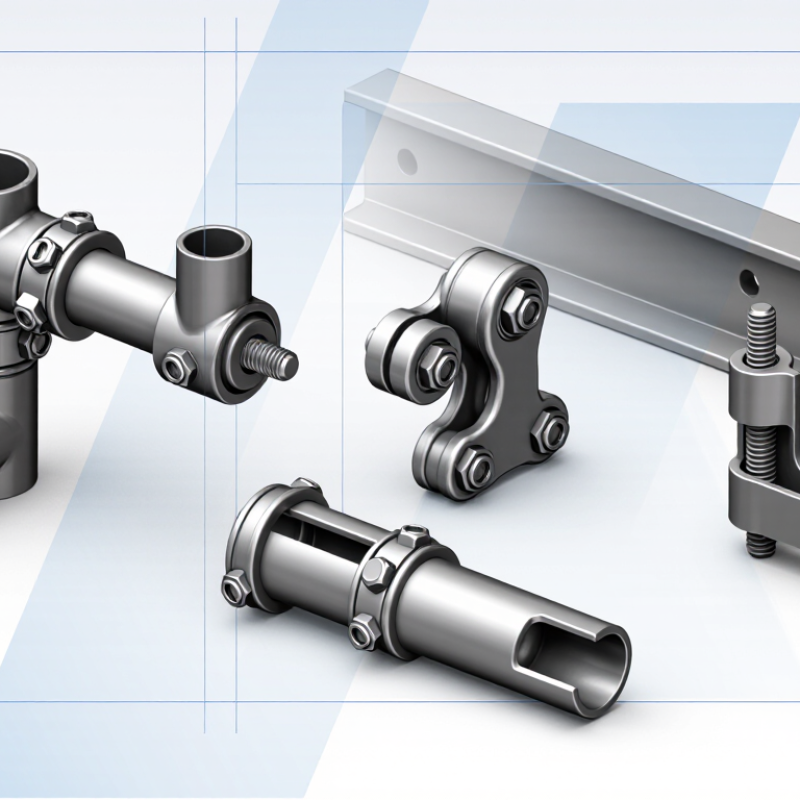
Ringlock scaffold clamps connect tubes by gripping steel surfaces or locking members into a rosette node. A standard wedge-head connection seats the ledger end in a rosette opening; the wedge is driven down to secure the joint. Fixed couplers hold tubes at right angles, while swivel couplers accommodate angled braces. Sleeve couplers can join tube ends, but their suitability depends on the scaffold design. Small details matter: paint buildup, damaged wedges, or a slightly misaligned tube can prevent full seating.
The connection must transfer forces through the intended bearing surfaces, not merely feel tight. EN 12811-1 defines scaffold platform load classes; Class 3, for example, specifies a uniformly distributed load of 2.0 kN/m². This is a platform classification, not a clamp-capacity rating. Do not use it to infer how much a single coupler can carry. OSHA’s 29 CFR 1926.451 also requires scaffold inspection before each work shift and after events that could affect structural integrity. Check for cracks, looseness, corrosion, and incomplete wedge engagement. A clean-looking wedge can still be under-seated. That is easy to miss, especially when connections are partly hidden.
Right-angle clamps hold two scaffold tubes at a fixed 90-degree angle. They are commonly used where a horizontal ledger meets a vertical standard, creating a square, stable connection. The clamp’s two halves wrap around the tubes, and tightened bolts prevent unwanted movement. A snug fit matters. Too loose, and the joint may shift under load; overtightening can damage tubes or threads.
On site, check that both tubes sit fully inside the clamp before tightening. Look for bent bolts, cracked fittings, worn threads, and corrosion that could weaken the connection. A quick visual check is not enough if the joint feels loose or the clamp rocks. Remove suspect parts from service and have a competent person assess them. Small defects can be easy to miss.
Compatibility deserves attention. Ringlock systems typically connect ledgers and standards through rosettes and wedge-head fittings, while right-angle clamps are associated with tube-and-coupler connections. Some scaffold designs may use both, but only when the system plan permits it. Do not force a clamp onto an incompatible tube or treat it as a substitute for a designated ringlock fitting. It may look secure. That is not proof. Check the scaffold design and the fitting manufacturer’s instructions before use.
Right-angle clamps make fixed 90° tube joints; sleeve clamps connect tubes in line. Swivel clamps suit variable angles, so they have no single fixed angle to plot.
Angles describe the relationship between the connected tube centerlines. Ringlock systems typically use rosettes and wedge-head connections for their main ledger and standard joints; clamp choice depends on the tube connection required.
Swivel clamps connect two scaffold tubes at an adjustable angle, making them useful where a standard right-angle fitting cannot follow the structure. Their rotating joint helps crews position braces around corners, sloped surfaces, or temporary access frames.
A firm fit matters. The clamp should match the tube diameter and be tightened with the correct tool, not guessed by feel. On a ringlock scaffold, swivel clamps are generally auxiliary tube connections; they do not replace compatible rosettes, ledgers, or the system’s prescribed bracing arrangement.
Before use, check the clamp for cracks, deformation, worn threads, and a freely moving swivel. After setting the angle, confirm both tubes sit fully in the jaws and the fastener is secure.
Small details matter. A clamp that looks tight may still shift under vibration or uneven loading. Keep connections within the scaffold design and approved load limits, and have a competent person verify unusual configurations.
Swivel clamps offer flexibility, but they do not make an improvised frame safe; that distinction is easy to overlook when the fit seems neat.
A sleeve clamp, often called a sleeve coupler, joins two scaffold tubes end to end. It creates a continuous connection where a single tube is too short. Depending on its design, the sleeve fits around the tube ends or inside them. The correct type must match the tube diameter and the scaffold system’s connection requirements.
Fit matters. Before assembly, check that both tube ends are straight, clean, and free from deep dents or heavy corrosion. Seat each end fully in the sleeve, then tighten the fasteners according to the maker’s instructions. A loose joint can shift under load; overtightening may also damage components. Small details count.
Sleeve clamps are useful for extending tubes, but they are not a universal fix for every scaffold connection. Confirm the coupler’s rated use and load capacity, and follow the scaffold design requirements. After tightening, check for movement and inspect the joint again during routine site checks. I have seen crews focus on the clamp and overlook uneven tube ends. That can leave a connection that looks secure but is not properly seated.
| Clamp Type | Connection | Typical Use | Movement Allowed | Selection and Safety Notes |
|---|---|---|---|---|
| Sleeve Coupler (Sleeve Clamp) | Joins two scaffold tubes end to end, usually along the same axis. | Extending compatible tubes where a continuous tube run is required. | Fixed connection; it is not designed to act as a hinge. | Check that the coupler is approved for the tube diameter and connection method. Install and secure it as specified by the manufacturer; do not assume every sleeve coupler is suitable for a load-bearing standard splice. |
| Right-Angle Coupler (Double Coupler) | Connects two tubes at approximately 90 degrees. | Attaching a ledger or transom to a compatible scaffold tube. | Fixed at the selected angle when correctly tightened. | Common in tube-and-coupler work. Ringlock ledgers and transoms normally connect to rosettes with their system-specific wedge heads, rather than being attached with a generic coupler. |
| Swivel Coupler | Connects two tubes at an adjustable angle. | Diagonal bracing and connections where tubes do not meet at a right angle. | Can be set to different angles before tightening. | Use only where the scaffold design permits the connection. A swivel coupler should not be treated as interchangeable with a fixed right-angle coupler. |
| Single (Putlog) Coupler | Attaches one tube to another, typically as a support connection. | Putlog or transom arrangements in compatible tube-and-coupler scaffolds. | Generally fixed after tightening. | Its intended role and load capacity differ from those of a double coupler. Confirm that the component is suitable for the specific scaffold arrangement. |
| Beam Clamp | Connects scaffold tubing to a suitable structural beam or flange. | Supporting or restraining scaffold tubes at an approved structural attachment point. | Fixed once correctly installed. | Check the beam profile, clamp range, permitted loading, and whether the design requires a paired or otherwise specified arrangement. It is not a substitute for a tube-to-tube sleeve coupler. |
Compatibility note: Ringlock scaffold components typically connect through system rosettes and wedge-head ends. Tube couplers are used only where the scaffold design and component instructions allow them. Verify tube dimensions, coupler type, installation requirements, and load capacity against the applicable manufacturer documentation and local regulations.
Beam clamps and putlog clamps perform distinct jobs in scaffold assemblies. A beam clamp connects a scaffold tie or tube to a suitable steel beam, helping resist movement when the connection is designed for that load. A putlog clamp secures a putlog tube to a ledger; the putlog can then support platform boards. Small parts matter. These clamps are not interchangeable, and neither should be treated as a substitute for a designed connection.
OSHA’s scaffold safety guidance estimates that preventing scaffold-related accidents could avert about 4,500 injuries and 50 deaths each year. That estimate underlines why clamp selection and inspection deserve attention. Check the clamp’s stated capacity, tube or beam compatibility, and installation details against the scaffold design. A tight-looking fit is not a capacity check. Look for damaged threads, distorted jaws, corrosion, and movement under load. Putlog support spacing and board condition also matter; a secure clamp cannot correct a weak or poorly seated platform.
Tips: Confirm the connection with a competent person before use. Recheck clamps after scaffold alterations or impact. If the fit feels uncertain, stop and reassess; field judgment can be wrong.
The ledger end seats in a rosette opening. A wedge is driven down to secure the joint. Check that it is fully seated.
Fixed couplers hold tubes at right angles. Swivel couplers allow adjustable angles, such as around a corner or along a slope. They do not replace the scaffold’s prescribed bracing.
It can join tube ends, but its suitability depends on the scaffold design. Confirm the connection is approved before use.
Look for cracks, corrosion, damaged threads, loose fasteners, or distorted jaws. Check that wedges engage fully. A clean surface can still hide a problem.
No. A platform class describes the platform’s distributed load, not an individual clamp’s capacity. Do not use one to estimate the other.
A beam clamp connects a tube or tie to a suitable steel beam. A putlog clamp secures a putlog tube to a ledger. They are not interchangeable.
Inspect them before each work shift and after events that may affect structural integrity. Recheck after alterations or impact. It is easy to miss a shifted connection.
Stop and ask a competent person to check its fit, compatibility, and installation against the scaffold design. A tight-looking connection proves little.
Ringlock scaffold clamps connect tubes and supporting components to create stable, adaptable scaffold structures. Different clamp types serve different purposes, so choosing the right one depends on the direction of the connection, the required adjustment, and the load the joint must support. Right-angle clamps hold two tubes in a fixed 90-degree position, making them useful for orderly horizontal and vertical connections. Swivel clamps allow tubes to meet at adjustable angles, offering greater flexibility when a structure needs to follow an uneven layout or form a diagonal brace.
Sleeve clamps join scaffold tubes end to end, extending a tube’s reach while keeping the connection aligned. Beam clamps and putlog clamps have distinct support roles: beam clamps secure scaffold members to structural beams, while putlog clamps help position and support boards or related components. Understanding these differences makes it easier to select a suitable Ringlock Scaffold Clamp for each connection and build a more secure, well-organized scaffold system.